

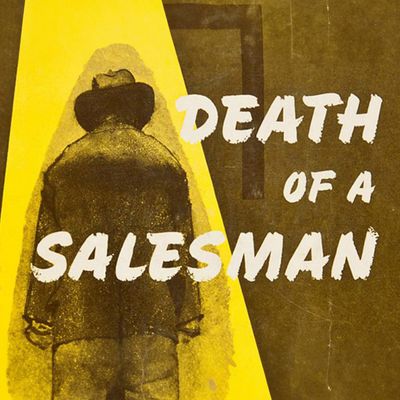
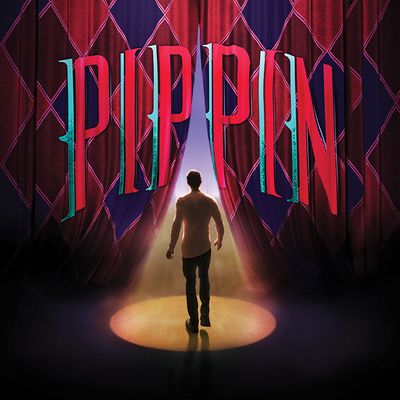
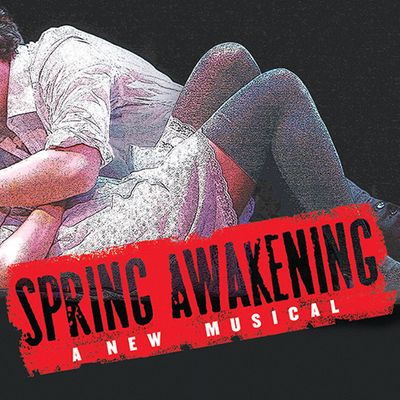
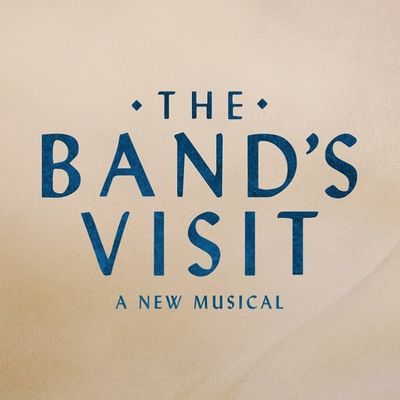
Carl Moellenberg has produced more than 70 shows worldwide and won 13 Tony awards. Just a few of his Broadway credits includes Spring Awakening, Hair, Death of a Salesman, Pippin, All the Way, Dear Evan Hansen, Angels in America, The Band's Visit, Oklahoma, Hadestown, The Minutes, Company and many more... Read More
From the show: When Lightning Strikes!
Featured Shows




About
Carl Moellenberg has produced more than 70 shows worldwide and won 13 Tony awards. Just a few of his Broadway credits includes Spring Awakening, Hair, Death of a Salesman, Pippin, All the Way, Dear Evan Hansen, Angels in America, The Band's Visit, Oklahoma, Hadestown, The Minutes, Company and many more. His memoir, Broadway and Spirituality as a Path to Survival, debuts on October 1.
Transcript
This transcript was automatically generated and might contain errors.
[0:00] Jeryl Brunner: From Shakespeare to Schwartz, from Fawcett to Alvin Ailey, from Sondheim to Borellis, from McNally to Faye, it happened to the greats. It still happens every day. When lightning strikes, it's the moment you know, when lightning strikes, where you're meant to go. You can stand and shout, Eureka, do whatever you like. You'll never forget the moment when lightning strikes. This is Jeryl Brunner. And you're listening to When Lightning Strikes, when we talk about the tingly mic drop moments that led you to becoming an artist.
[0:38] Jeryl Brunner: Carl Moellenberg has produced more than 70 shows worldwide and won 13 Tony Awards. Just a few of his Broadway credits include Spring Awakening, Hair, Death of a Salesman, Pippin, All the Way, Dear Evan Hansen, Angels in America, The Band's Visit, Oklahoma, Hadestown, Company, and on and on and on. His memoir, Broadway and Spirituality as a Path to Survival, debuts on October 1st. Welcome, Carl.
[1:14] Carl Moellenberg: Thanks so much. I'm really happy to be here.
[1:16] Jeryl Brunner: Oh, it's such a pleasure to have you. Let's talk about your lightning strikes moment and so much. Congratulations on the debut of your book. What inspired your path to get into theater?
[1:31] Carl Moellenberg: Well, I definitely had a when lightning strikes moment that was perhaps the most important day of my life. I need to set it up a little bit before so you understand why it was so important. But I unluckily at the time in the early 1980s was just beginning to realize that I was gay. I had literally just come out. And when the very first test came out, I shockingly tested positive with very limited experience. So, as you know, at that time, it was very much a death sentence. I had so many people in very sick immediate conditions, passing away, being treated as pariahs. It was really, really a difficult period. And I essentially more or less prepared myself for what may be the worst event, but in the meantime, continued working, which at that time was in an investment banking career.
So about 10 years later, my T cells had dropped precipitously. Those are the immune helper cells. And I contracted my first opportunistic infection, which was really severe. I was in the hospital for quite a time. It wasn't clear that I would make it through it. And then came out of there and was in home IV treatment for a while. I went through a lot of rest and then took several spirituality courses or teachings that we can talk about later. But after that, I decided I had not had the chance to travel with my investment banking career being so grinding in the long hours. So one of the trips I took was to France and I was sitting on the banks of the Loire River. And if you don't mind, I'd love to read you an excerpt from that chapter that I wrote.
[4:07] Carl Moellenberg: Yes, the year is 1997. And I was sitting on the banks of the Loire River in France. It was mid-morning and the sun was warm, but the breeze was fresh and cool. I was meditating all by myself in this unbelievably beautiful and tranquil location. As I looked out over the river, the sun in a clear blue sky was shining down on the river. It created a glistening, sparkling effect immediately above the river. The streaks or boats of reflecting sunlight were then coming toward me almost mystically or supernaturally. I think we have to call this when sunbeams strike instead of when lightning strikes. Rowers passing by smoothly on a completely quiet day, except for many birds. At this point, I had no idea what I was going to do with the rest of my life.
It was a blank slate and I had not painted on it at all. I was simply thrilled to be in this exact moment. But little did I know, it was about to become the most important and meaningful event spiritually that I would ever experience. Suddenly I heard a deep male voice in my head, as strong as if the person were sitting two feet away from me. I realized after a few minutes that it was a higher being speaking directly to me. A conversation went on for over 15 minutes of amazement and bliss, after which I ran to my hotel to write in my diary the entire message before I would forget it. The summary of what the higher being told me was that I should not give up. I was destined, despite all odds, to have a long life ahead of me.
In that life, I would be loved and supported by many friends and I would love and give back to them equally. God told me that I was to use that long life to create more beauty in the world. I was here for a reason. I was told that the reason would come to me and it was in the arts. I contemplated what path I would take to create more beauty and joy in the world and images of theater appeared to me. It was then that I decided when I returned home that I would pursue a path to learning to help bring beauty through theater to audiences. And I guess I've always sensed that there's a divine presence that exists around all of us and we can choose to be sensitive to listening to it. And sometimes it's in a breeze or sometimes it's in nature or a bird. But I think this was the major sign that was telling me how I should go forward. And it was definitely my epiphany.
[7:20] Jeryl Brunner: What's extraordinary about this story is that here you return to New York and then you began to study at the Commercial Theater Institute, right? That, you know, a lot of people would say, OK, I hear this sign, but you actually did something, something very specific and made it happen. Can you talk about that? Implementing this dream, implementing it all.
[7:46] Carl Moellenberg: Obviously, you can't come back and say, well, now I'm automatically a theater producer when you have absolutely no idea what that entails. So you're right. I took the 14-week CTI class, which was very informative. Maybe even more importantly, it allowed me to meet some experienced lead producers who came in to help teach the class. And it gave me a network of peers that were all in the same position as me going out into the world to get into theater productions. I also found myself some mentors and I started literally immersing myself in as much theater as possible and reaching out to the most prolific lead producers. Obviously, when you start out, you're not leading a show, you're a co-producer as one of the team.
And I also think you can't learn theater through classes or through books or just talking about a show. You literally just have to throw yourself into it and you learn on the fly. It's almost by osmosis, I think. And every single show has its own set of unique challenges. Something inevitably is going to go awry that you need to address as a team. And each show has its own demographic that you need to find in its own way of working the relationship between the director and the cast and talking with the creative team. So you literally learn by being part of a show. And I discovered also that I'm one of those. I don't know if it's a type A personality or what. But I discovered once I really knew that I wanted to do this.
Originally, I thought it would be a hobby, something I would do a little bit that I could still rest a lot and ensure that my health stayed more stable. I couldn't do that. Once I was on one show, as you mentioned earlier, I started doing more and more and more and it didn't stop.
[10:19] Jeryl Brunner: What's extraordinary is that literally out of the gate in your book, you talk about the first two shows, right? Do I have Spring Awakening and Wicked? I mean, my goodness. Talk about out of the gate. How did you, OK, can you talk about how you got on to those shows? How you said, OK, I'm going to attach my, I'm going to hitch my wagon to Spring Awakening. That was your first show and be part of this. And where was the show at that point when you got on board?
[10:53] Carl Moellenberg: Spring Awakening did its trial at the Atlantic Theater. And I live right near there, actually, and often a subscriber. So I went to see Spring Awakening and was completely mesmerized by it. Everything about the show was beautiful. You know, from the Duncan Sheik score to having the privilege of seeing a cast that were not well known at the time, but people like Jonathan Groff, Lea Michele, John Gallagher, Jr., Gideon Glick, Lily Cooper, and there are lots of others that were absolutely brilliant that early in their career, and you knew they were going to be rediscovered and have an amazing life, not only in theater, but film and TV. So I thought I have to be part of this show, and I searched out the lead producer and got on the co-producing team.
And it's interesting because the show obviously has some dark elements to it. You know, it has suicide, it has abortion, it has repression by teachers and families. So I think people were a little bit worried how it would be received and whether it was a little too dark or had too many topics that would be off limits or not received well. And as a result, there were...
[12:38] Carl Moellenberg: A lot of producers on the show. I think Michael Rito to this day still laughs, as he wrote in his columns then, that the parade of endless numbers of producers up to the stage to collect the Tony was something he had never seen before. But we all loved the show and it was such an honor to be part of it as my very first producing experience. What gave you that courage to say, here you were in banking for 19 years and you completely, I mean, I know it's, there's a lot of finance and banking, you know, and I mean, in a way, right, in theater, you know, we want to think of the creative side, of course, but it can't happen without the finance piece. But what gave you that courage to say, you know what, I can make the shift?
Well, my first love has always been music. When I was younger and all the way through college, I studied classical piano and classical voice and toured in an a cappella singing group. So I knew I had that creative side of my brain, in addition to the analytical side, but so far I had just been using the analytical side. I so very much wanted to get back to the creative side. And in addition to that, that's when the spirituality classes came in and gave me the courage to go forward with this. I did a lot of lessons that mostly involved energy, and energy obviously is the absolute core of everything in the world, but I learned to be a Reiki master. I took some bodywork lessons. I became an ordained minister, a counselor.
I studied with a shaman who involved most of his studies with being outdoors in nature. And as a result of that, it grounded myself and made me more calm. But in addition, it allowed me to remove the focus from just thinking about my personal situation, because I was able to go out and be a suicide prevention counselor at the Trevor Project, or teach a group of students at the Hedrick Martin Institute how to do interviews to get a summer job, or work at walk-in counseling centers that involved the gay community that were in various states of not being accepted as they should be in the world. So I think it was a combination of knowing that my true love was music, and that was part of me, and then also the spirituality time that I spent that gave me so much more calm in what I was doing. And I guess you could say courage, but I didn't feel courageous at the time. I just felt that I was moving toward what I was meant to do. That's what it felt like.
[16:12] Jeryl Brunner: That's so beautiful. What's fascinating about the book is that it's not a how to become a producer, maybe a chapter. You don't devote the whole book on your producing life, and yet it's very impactful when you talk about how you made the shift to producing. What would you like people to know about the book? The reason I didn't want it to be a how you produce book was that my intention was the opposite of talking about my career in Broadway, and I feel fortunate to have been recognized for some of those works and to have been part of it. But my goal was actually to inspire a lot of other people that have their own monumental health challenges or whatever other crises were in their lives. COVID obviously has been a major factor and still is.
I wanted them to hopefully find inspiration of their own. And my way of doing it was through finding my passion and devoting my life to something that brought me happiness. And I was hoping that that message would resonate with them and cause some of them to approach their lives in a slightly different manner.
[17:50] Carl Moellenberg: Yeah, that's really beautiful because here you are living for decades where you didn't think you were going to. And it's such a beautiful story of perseverance and following, listening to your heart. And what was one of the first shows you ever saw? I know you grew up in the Midwest, you went to Denison, then you came East. But what was one of the first shows that really had an impact on you?
[18:23] Carl Moellenberg: That one I know immediately had the most impact. It was seeing Bernadette Peters and Mandy Patinkin in Sunday in the Park with George. It was 1985 or somewhere around there. And I happened to be sitting in the second row of the orchestra. In fact, I was so close that Mandy Patinkin spat on me at one point. But I thought that was a badge of honor that being spat on by such a brilliant performer. But the show was a true development of art. And actually, the story was about developing art because they ultimately created the Seurat painting. But everything about it, I loved the songs. I was seeing two master actors do a master craft in acting. And I'll never forget that show. It's still one of my five favorite musicals to this day, 35 plus years later.
I just read James Lapine's beautiful book about the creation of that show, called Putting It Together. And I love the full circle-ness of that, that that was your first show. And here, all these years later, you produced Company.
[19:55] Jeryl Brunner: I know, I know. I love the show Company. And I love the changes that Marianne Elliott, in actually speaking with Stephen Sondheim right before he sadly passed away, the major changes that they both agreed on and thought would be an exciting way to bring back the show. So it was especially important to me after the death of Stephen Sondheim to have known that he endorsed the show and went to some of the previews and absolutely loved it. It was so exciting to be in that moment. It didn't last as long as we would have liked, obviously, but it's a, you know, it's not an easy time for Broadway right now still.
[20:55] Carl Moellenberg: Yeah, hopefully, it'll get improved, you know, as we, as people feel safer coming back and things improve in the world. And because now more than ever, we need theater for people who might not know what a lead producer does. Would you mind explaining that, what your role is?
[21:19] Carl Moellenberg: Sure. The most recent show where I was a lead producer was the Tracy Letts play, The Minutes, that was in this last season. Very fascinating story, because it appeared on the surface to be a comedy for the first hour of the show with these fairly bizarre types that are part of city council. And it reminds you maybe of the small towns that you grew up in. And then in the last 15 to 30 minutes, it gets very dark. And Tracy, in some interviews, especially at the end of the run, said it literally was a show about fascism. That's what he intended it to be reflecting in the current world. So I was a lead producer with three others. And the lead producer is kind of the ultimate decision maker on the show.
You develop a team of co-producers that certainly have a voice and have a role within the show. But the lead producers hire everyone involved, the director, the creative team. They're involved, obviously, in the casting. They're having meetings with the press agency that you hired. We're having meetings with the advertising firm. So you're involved in every single element of the production. You have final approval, along with the author on the script. Because during rehearsals, you're continually adapting right up until usually four days before where you freeze the show. And this was a show that had a controversial ending. And a lot of people were completely shocked by it. So for example, a lot of the discussions we had were what exactly should the ending be?
How shocking should it be? And we arrived at a compromise of that. But all of those things are part of what the lead producers do. And along the way, once the show opens, you're continuing to have all those strategic meetings about discovering who your demographic is for the show and figuring out whether we've reached them in the most effective way. And continuing to put out press about the show to let people know this is the reaction that other people have had to it. And if people are having conversations about it on the internet, you'll bring those up on social media so you can see that this is a show that you should see because a lot of people are thinking that it's had a major impact on them. So that's part of what a lead producer does.
[24:37] Jeryl Brunner: That's extraordinary that so many of the spokes come back to you in the wheel. As an aside, I actually got to interview Tracy about The Minutes. And I asked him about this darkness in the play without giving too much away. And he said, and I never forgot this, that for him, one of the inspirations was Frankenstein, the story of Frankenstein, and thinking of the townspeople who decide to destroy a monster. And he thought, who are those townspeople who decided to destroy the monster? And I love that description.
[25:18] Jeryl Brunner: He's a brilliant writer. He's had such an amazing career. And the Steppenwolf Company is one of the best.
[25:29] Carl Moellenberg: Yes. Yes, I love everything he puts out. And I love that he was in it. I know that he also talked about he originally wasn't going to be in the show, and he didn't want to be in the show. And then it was transforming to him.
[25:45] Carl Moellenberg: He had an enormous impact, both before the show and during the show and during the run, along with Anna Shapiro. They really became huge decision makers and having really meaningful discussions about what people were seeing and how they were reacting to it.
[26:09] Carl Moellenberg: So I'm really glad he was not only the writer, but a major lead actor in it. And kind of an assistant director, almost, in a way. He had a major role.
[26:24] Jeryl Brunner: And what an ensemble that was. But I love your choices. These eclectic pieces you do from Hadestown to Company. When I think about Angels in America, my goodness, such incredible works.
[26:46] Jeryl Brunner: I know people look for a story. Can you talk about specifically what you look for in a piece to produce?
[26:56] Carl Moellenberg: Well, obviously, you use the magic word. Story is the most important. Even if it's a musical, there needs to be an incredible story within it. So with plays, I look for something that I think is going to have a transforming impact on audiences, that while they watch it for the two to three hours that we have their attention, they're sitting in rapt amazement or concentration. They find something in the show that may make them think about how they do things or about life in a different manner. It's a show that they're so intrigued by that they want to have conversations with other people afterwards.
[27:46] Carl Moellenberg: But it's a story that when you leave, you feel as though you've been changed in some way. With musicals, when I'm looking at those, I like musicals that are more intimate, that have small casts, sometimes only have one set. And examples of shows that really drew me were Hadestown, The Band's Visit, which had this incredible message of cultural unity between Israelis and Arabs that accepted each other over one night of being together.
[28:25] Carl Moellenberg: Or a show that I wasn't a producer on that I wish I had been, such as Once, which the score was so beautiful, I could listen to it over and over again. But I prefer those types of musicals that still have a story, are small, so you feel as though you're almost part of this little scene happening in front of you and have glorious music.
[28:55] Jeryl Brunner: Yeah, that's what I think about Company and the set, you know, that they're all in the one room. It's like Alice in Wonderland, you know, in that smaller and smaller the room, you know, talk about intimacy, quite literally.
[29:13] Carl Moellenberg: Definitely set it up for them to be packed together.
[29:18] Jeryl Brunner: And yeah, and I love also that now you're involved in film. Do you want to talk about that, that you're venturing out into making films?
[29:33] Carl Moellenberg: Sure. I like to always be learning something new. And a really good friend of mine came to me, I think it was seven or eight years ago, and asked if I wanted to do films with him. We decided to form a company named Dominion Pictures, and have been doing feature films ever since then, nowhere near to the number compared to the number of Broadway shows that I'm doing.
[30:05] Carl Moellenberg: But we did a wonderful film called Wakefield with Bryan Cranston. And I've had the privilege of working with Bryan on All The Way and Network. So we're, besides him being a brilliant actor, he is the most kind and generous and funny person that I've ever had the pleasure to work with and to get three chances at it was amazing.
[30:32] Carl Moellenberg: But this was an indie film that was a little bit quirky. And we shot it in Pasadena. Film is obviously the exact opposite in some ways of theater, where theater you have a really long out of town trial or in town trial or not for profit trial rehearsals. And you a preview period and you finally get to the show, which is constantly evolving as it continues its run on Broadway. And it's different every night. The interactions between the actors may be different, the audience may be having an impact on the show in a slightly different way.
[31:19] Carl Moellenberg: With film, you take the script, and you immediately dive into it on set. And obviously you're taking pieces of it at a time every day. But you're trying to create through multiple takes sometimes in that one month or however long you're filming it to create the perfect version of the script that we think we can, which is done through the editing process also. But then it's there, it's permanent, and it never changes again. So it's a completely different process. I love both of them, probably theater more.
[32:08] Carl Moellenberg: I just recently, along with another friend who's an incredible producer, shot a film in Kentucky that's called The Nana Project. And it's a very funny mockumentary film, such as Best in Show, starring Mercedes Ruhl as Nana. I completely adore her. And Nolan Gould is one of her grandsons. And they're living in Timeless Acres Retirement Home, along with all these incredible cameo actors that live in the home, such as Morgan Fairchild and Charlene Hilton and Tony Todd. And the list of people that will be recognized immediately when they come on, Margaret Avery was wonderful. And I hope, I think it's very funny, but it also has a heartwarming family reconciliation story, because Nana figures out a way to get her estranged grandsons to reconcile at the end.
[33:22] Jeryl Brunner: Oh, that's so wonderful. What a phenomenal cast. Is it hard to describe what it's like for you when you hear it's like Sisyphus putting on a Broadway show? People don't realize it could take seven years or longer, especially a musical, that you're rolling the boulder uphill and rolling the boulder uphill. And but what that's like for you when you see the marquee or you have the opening night or you're, you know, you got the Sitzprobe. What is that like for you?
[33:57] Carl Moellenberg: It is such an incredible high. It's a natural high that is it's really hard to describe. You're sitting there watching all the hard work that this enormous number of people put in appear before your eyes on opening night with an audience that's cheering wildly because a lot of them are our investors are connected to the show in one way or another. And I guess the first time you do the show in an opening night, it's a little bit more of a surprise to everyone because it's the first time they're doing it, quote, for real.
[34:42] Carl Moellenberg: And I think my favorite, if I have to name a favorite of every show I've been involved with and this fits right into the high that even to this day still remains with Hair, the revival Hair. And the reason I loved it is that obviously it's a musical with incredible music that everyone knows the music, but it's a musical about peace and self-expression and acceptance and being true to yourself and the power of love. What they had somehow achieved was that they had hired a cast of people who in their real lives were exactly the same type of people. They personified all of those factors that they were portraying in the show.
[35:40] Carl Moellenberg: So we called ourselves the tribe. The tribe included the cast, the crew, the orchestra, the creative team and the producers. And everyone involved with the show were part of the tribe. We hung out together a lot outside the show and formed this incredible bond that exists to this day. We still when we're writing on our Facebook post, talk about fellow tribe members and try to support each other in what we're all doing now. So that's just an example of an opening night that I was almost overwhelmed with happiness, just pure happiness.
[36:27] Jeryl Brunner: I remember the joy of that show. I remember they performed in Times Square on New Year's and I was in Times Square covering it as a reporter and it was like an out of body experience seeing them on a platform performing.
[36:45] Carl Moellenberg: Was it? Yeah.
[36:47] Jeryl Brunner: Let the sunshine in.
[36:49] Carl Moellenberg: Oh, my God.
[36:50] Jeryl Brunner: It was so spectacular. I mean, it was magical. I love seeing that obvious in the park. I thought and then I saw it move to Broadway and because I always wish that I saw it when it was here, you know, originally and with a special show.
[37:08] Jeryl Brunner: Well, Carl, it's such a joy to have you on the podcast. Thank you so much.
[37:14] Carl Moellenberg: Thank you so much for having me. And it's really been a lot of fun speaking with you.
[37:23] Jeryl Brunner: It's been great talking with you. I'm excited to see what comes next out of your reservoir.
[37:33] Carl Moellenberg: We won't say I'm not sure either.
[37:41] Jeryl Brunner: The theme song was written by Tom McGovern. This episode was edited by Kyle Moore. This episode was produced by Alice Stroud. This episode was produced by Kyle Moore.
© Broadway Podcast Network, All Rights Reserved