

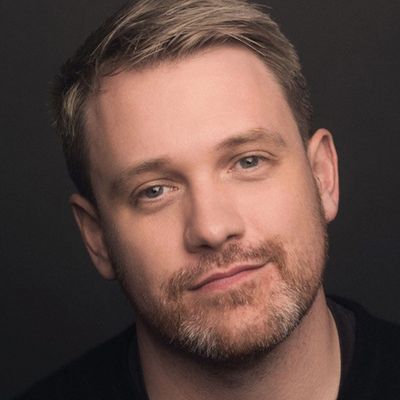
Michael Arden joins the show to discuss the monumental task of bringing The Lost Boys to Broadway and the technical alchemy required to turn a cult classic film into a soaring musical experience... Read More
From the show: The Theatre Podcast with Alan Seales
Guests
Featured Shows
About
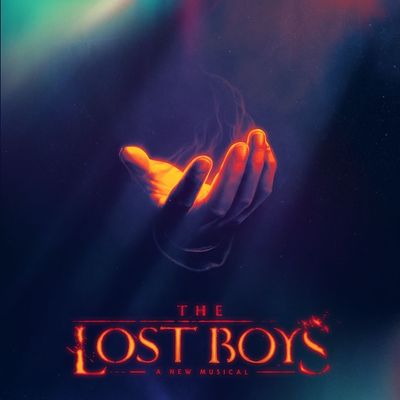
Michael Arden joins the show to discuss the monumental task of bringing The Lost Boys to Broadway and the technical alchemy required to turn a cult classic film into a soaring musical experience. He opens up about his "mad lib" approach to stagecraft, explaining how he utilizes traditional theatrical tools in unexpected ways—like tilting the entire orientation of a set to keep an audience off-balance or ensuring the set moves entirely on its own to make the space feel "alive". Michael also reflects on the high-stakes pressure of bypassing an out-of-town tryout, the "fearless skydiving" energy of his cast during a grueling preview process, and his years-long quest to convince his favorite band, The Rescues, to join him in the theater.
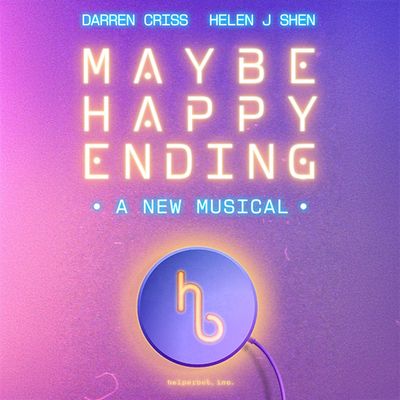
The conversation also dives into Michael’s deep-seated love for the "visual feast" of theater, tracing back to his childhood days rigging special effects in his garage. He shares how his collaboration with the design team at At Rise Creative allows for a "crash and burn" mentality that eventually leads to the most innovative solutions, from the irising neon boxes of Maybe Happy Ending to the complex verticality of the Palace Theater. Looking ahead, Michael previews his upcoming work on Happy Feet, discussing the challenge of mashing up music and integrating massive puppetry to bring the Antarctic to the stage.
Michael Arden is a distinguished, two-time Tony Award winning director, recently honored for Best Direction of a Musical for Maybe Happy Ending. In 2023, he won the Tony Award for the acclaimed revival of Parade, following previous nominations for Once On This Island and Spring Awakening. He is the co-founder of At Rise Creative and has directed a wide range of works, including the 2024 Met Gala and Ben Platt’s concert residencies. Beyond his directing credits, Michael is an accomplished performer who has appeared on Broadway in Big River and King Lear, as well as in television and film projects like The Marvelous Mrs. Maisel and Source Code.
Connect with Michael
- @michaelarden
Connect with The Theatre Podcast:
- Support the podcast on Patreon and watch video versions of the episodes: Patreon.com/TheTheatrePodcast
- Instagram: @theatre_podcast
- Facebook.com/OfficialTheatrePodcast
- TheTheatrePodcast.com
- Alan's personal Instagram: @alanseales
- Email me at feedback@thetheatrepodcast.com. I want to know what you think.
Transcript
This transcript was automatically generated and might contain errors.
[0:00] Alan Seales: Hey, everyone. Welcome to an all-new episode of The Theatre Podcast with Alan Seales. That is me, your host, Alan. And our guest for today is legendary director Michael Arden, who just opened this amazing production on Broadway that you might have heard of called The Lost Boys. Just phenomenal. It, excuse the pun, is officially taking flight at the Palace Theatre, and we get into the nitty-gritty of what it takes to mount such a massive musical on Broadway without an out-of-town tryout and the last-minute changes they had to do on the fly, you know, pre-Broadway here. He shares some of his insider things about Lost Boys, like if you watch the show, you'll notice that none of the actors actually touch the set.
Go figure that one. You'll have to watch it. This was fascinating to hear him talk about his Mad Lib approach to stagecraft, where he takes tools that have existed since the 80s and then kind of reconfigures them to create something that we've never seen before now in this year. One of my favorite aspects of the show, of course, is the music written by The Rescues, which was one of his favorite bands that he, as he says, he stalked them essentially until got in contact with them and agreed and got them to agree to try to write the music. And I think it all worked out for the best, if you ask me. If you stick around to the end, you'll hear a little bit of us talk about Happy Feet, the musical, which he is currently directing, and that was announced a few weeks ago now that it's currently in development.
Can't wait to see that on the stage, too. But this is just a fun conversation, albeit shorter than normal. He had a very, very tight schedule, and this was the best time to grab him right before, of course, award season kicks in. So you know what to do now. Find me online. Leave a rating. Leave a review. Tell your friends. Everybody enjoy this episode on Spotify or Patreon if you want to watch it on video. And now, everybody, please enjoy this episode with Michael Arden.
[1:56] Alan Seales: Here you go. One, two, three. Today's guest is a Tony Award-winning director and performer whose visionary work has redefined modern Broadway landscape. From his celebrated revivals of Spring Awakening, Once on this Island and Parade, to his most recent Tony win for the innovative musical Maybe Happy Ending, and one of my favorites, by the way, his career is a masterclass in blending high-tech design with deep human emotion. He is also the co-founder of At-Rise Creative and has just brought the highly anticipated stage adaptation of The Lost Boys to Broadway. Michael Arden, welcome to the theatre podcast.
[2:40] Michael Arden: Thanks so much for having me, Alan.
[2:42] Alan Seales: Obviously, this is in the intro, but I love how your brain takes high-tech. It is high-tech. It is very high-tech stuff, what you do, and makes this human, really deep emotional connection with all of this. And I think if people haven't seen Lost Boys yet, which we will get to and of course they should, but maybe Happy Ending now has been out for a little while, so more people may have seen that. And I think that is one of the biggest examples of this kind of motif that you've done. Because I remember hearing so many things about Happy Ending when it first opened. It was just technically so, so, so intense. There were a lot of problems with the set at first and everything, but then what you created ended up being beautiful and it just adds to everything in the story. So what part of your past has led you to that kind of decision making?
[3:35] Michael Arden: Well, I mean, it's interesting. I think as a kid, I was of course like, I'm a child of the 80s, so I was kind of like, cut my teeth on the big Cameron McIntosh, Phantom of the Opera, Les Mis. The first big shows I was seeing were like technical feats and I think that was incredibly exciting to me. I mean, I used to build sets and rig curtains and try special effects in my garage as a kid. So it was always like, to me, the greatest theater was like equal parts visual feast and emotional currency. And so I've always like, I think chased that a little bit. Like you have to, in a way, like you go to the theater to see a play. I mean, to be there for an event, in a way. And that event can take many shapes and forms.
I mean, for instance, my production of Parade was like, there was no automation in that show. You know what I mean? And yet it was still like, I think we translated the tech onto the people. I mean, granted, we had projections, but pretty simple. I mean, there were no chain motors in that show. And so, but I think it's like, for me, it's always been about asking what the play wants, which is ultimately like, what experience do we want the audience to have? And then how do we achieve that? And sometimes that's a company of actors moving chairs. And sometimes it's incredibly complex automation, or video or whatever. So I think it's just, for instance, like, or people just in sand and you thinking about like, oh, using realistic elements to tell the story.
So I think, hopefully, my motif is actually just like, listening to the needs of the piece, and not necessarily, you know, I promise we don't start out thinking, oh, let's make this the most technically advanced thing. It's kind of like, you know, you give a mouse a cookie, and if it's hungry, it'll eat it.
[5:48] Alan Seales: Well, I wonder how much of your conversations, and I was watching Lost Boys, side note, blown away by the Lost Boys. But I was watching this thinking, how much did this cost? How much did that cost? I mean, because it's no secret, there's actual flying in the Lost Boys. They're all over the place, right? Even though the story, they're vampires, they fly, they float. And then, you know, maybe happy ending to like the way that the set moves around. And you're kind of seeing like, almost like comic strips type of yeah, it's sort of manga. Yeah. But you could have done that traditionally with just like different people, different sides of the sets with lights, right? So there's a choice that you make that is in your brilliance, where you're like, all right, so we're going to do this practical, or we're going to, I mean, because making a manga style set is not, it's a practical set, but not in a practical way. You know what I'm saying? So like, with something like that, you know, where do you have that discussion of we're going to spend, we need five extra millions of dollars to do this?
[7:53] Michael Arden: What's interesting with maybe happy ending is like the technology that we're using, like the irising is like Fosse was using this, like in Liza, you know what I mean? We're just kind of using it in a different way. We're saying, well, what if it wasn't just bi-parting? What if we could actually create space with this? And what if we added one more to be a footer so we could create certain moments, you know? So it's actually kind of like really simple stuff. What is complex is like, okay, we added pixel to it, and then computer mapped the opening so it could look like these neon boxes were getting bigger and smaller. And so, you know, I think like with all this stuff, I mean, especially Lost Boys, like, we're not using anything that wasn't like available to us in the 80s on Lost Boys.
I mean, but actually, it's just, I think it's just about how things are used in conversation with other elements, you know? So yeah, it's just sort of, truly, we just start at the beginning and say, okay, how do we do this? And like, can it be done by a person? In the case of Lost Boys, like scenically, we knew we wanted the room itself to be pretty magical. And so no, we decided no actors could touch anything. I wanted it to be the space to be alive. And so it's all everything is kind of moved on by itself or by elevator or by chain motor or something like that. But they're all really traditional things that probably every show is using. It's just I think we've just, you know, as opposed to having them all come from left and right, like we're having them come from below and above and on angles.
And it's kind of like taking the available tools we have in our theatrical stagecraft Rolodex and then doing a weird Mad Libs with it based upon the needs of the show. Yeah, I don't know if that answered that question, but...
[10:02] Alan Seales: It did. It did. And for you personally, though, when you're first approached about doing something, or about coming on board with a project, whatever that is, do you go through your own inner dialogue of like, this is going to be worth my time because we can do this practically and that's what I like to do?
[10:12] Michael Arden: No. No? No, it's usually just like, oh, what about this story is exciting to me? What about the music is exciting to me? It doesn't usually start as a realized thing. I mean, or like a visual idea. I mean, it starts with kind of like an emotional impulse, and a connection to the material and like what it has to say, how it can make the audience feel. And then I kind of began the conversation, okay, how does it move? How do we like, are we in one place? Are we all within the confines of a container? Do we want to be no place? Like, maybe Happy Ending is everywhere. It's like, there is no container. I think that's what's kind of unique about it in my work is that we shape shift the container so that like, it kind of exists in an ether.
Whereas like Lost Boys, like all takes place in a container. And things appear and are made theatrically inside of that. And so that's usually the first part of the question. You know, the first part of the questioning that goes into the design process, and I work with my longtime partner, Dane Lafferty, who I founded OutRise with. And, you know, we've been approaching work like this for a long time together. And, but we really start with like a big blank page every time. And we have impulse about it. But it always goes through, like multiple, multiple versions. I mean, I think with Lost Boys, like we ended up on our like fourth complete design, like they're like, wow, blueprints for like other versions of the Lost Boys that we like ended up scrapping for various reasons, sometimes including budget, you know. And, but you know, it's great. You kind of have to like, be willing to crash and burn to find something better. So we're used to the recycling bin over here.
[11:58] Alan Seales: Oh, I would be so curious to see what those other three designs were.
[12:01] Michael Arden: Well, I mean, maybe Happy Endings started as a completely different design. And yeah, I mean, everything. And usually it's because we're like, trying to be too clever.
[12:11] Alan Seales: Well, that's interesting that you said that. Because you're like, yeah, Lost Boys, putting all the pieces together that have been available since the 80s looks like a state of the art modern production. But like you said, you're just, you're mad living what's already there and making it work in a beautiful way.
[12:25] Michael Arden: I think how they interact with each other and like the axes of automation are quite interesting in the Lost Boys. We've, we took the whole set and kind of like, turned a version of a design on a 33 degree angle and shoved it in a corner. And suddenly, like it became much more interesting because like, we don't see objects move through space so often in that orientation. So it already kind of like puts the audience on a bit of a like, oh, I haven't seen this before. I don't quite understand how things are happening, just by changing the perspective.
[12:55] Alan Seales: And you're also, you're also credited as co-lighting designer on Lost Boys too, which I think has got to be a lot of fun because I mean, that's part of the, part of the illusions of the flying.
[13:04] Michael Arden: I mean, lighting is how we perceive the world. So it's, in my mind, it's kind of like, goes hand in hand with directing, especially on a show, or on a story that like light and darkness are actual plot points, you know, and there's so much, I think our design of Lost Boys, which is so, it's just been amazing collaborating with the great Jen Schriever, who I've worked with before, but we never co-lit anything. It was just so fun to get to consider in this play, the darkness as much as like the absence of light was just a much, just as much of a tool as light itself. And, and to kind of like, put that on its head was really fun. And I'm, and, and such a unique set to do it in because we didn't have traditional lanes of light.
We didn't have, I mean, we don't have an overhead rig in the way, you know, we don't have like electrics in the same, like every show does, it has like a second electric, third electric, you know, because of the nature of the set, like we didn't have that. So it kind of forced us to think about, okay, well, where else can light come from? And what does that mean? And, and yeah, it was a really, really fun collaboration.
[14:10] Alan Seales: That's, that's interesting. You brought up the, the lack of electrics, because yes, I noticed the first thing I noticed was how high the stage feels, how vertical it feels. And I, I was like, that's gotta be an intentional choice, obviously an intentional choice around, you know, because they're, the people are going to fly, we're going to see them that high. And they're, they're using so much more of the vertical space of a theater that you don't normally get to that had to have been a lot of fun to plan out.
[14:30] Michael Arden: A hundred percent. Well, we knew, you know, vampires, you know, we wanted to play with the idea of like heaven and hell and up and down and verticality. And, and it just, it was, it was really fun to get to do and how we deliver things from above. And the Emerson house being at the center of it all was really kind of like a big part of how everything came together. It's like it all had like, fit in and around that house.
[14:50] Alan Seales: Yeah, yeah, I get that. You said a few minutes ago that, you know, when you approach something, why you get involved with how the story talks to you and your relationship with it. So what has been your relationship with the Lost Boys prior to adapting it for Broadway?
[15:02] Michael Arden: Well, I, I actually didn't know the film until I got approached about the project and I watched the film and, and I thought it was really interesting and a great like mashup of tones, which I appreciated because like, I thought, wouldn't it be fun to see a musical where you could like laugh and cry and swoon and scream. So then it became clear when, when I, I approached the rescues about writing it that we had an opportunity to tell a family story and, and look at something quite emotional. And I think the music they wrote certainly is. And so I was really pulled in to this idea that like, our past doesn't define us. Every, every moment we are lucky enough to be alive, we have a, we have a chance to like, step into the light is the lyric actually in the show.
Another, if we can forgive ourselves and make up for our mistakes, you know, and every moment is a chance to step into the light. And I, I love that as a sentiment. I love that as an idea that we can hopefully, of many ideas we could kind of impart to an audience and have them leave. And I think if we can like make them laugh and cry and scream and all the things like over the course of the evening, like their, their hearts would just be more malleable to the ultimate, like themes we wanted to have people leave with. So that's kind of how Lost Boys came about and, and creating a family. You know, I've certainly created a family in my life that isn't necessarily prescribed by relation necessarily.
So it felt like a really beautiful example of how, how a family can take care of each other and save each other. And you can, you can choose your family, but you can also choose your family. And, and, you know, that's, that's something worth exploring.
[16:23] Alan Seales: Don't go anywhere. We'll be right back after this break.
[16:28] Alan Seales: Welcome back to the episode. You know, I feel like you're, you're, you've chosen your design family too. I mean, I keep going back to the design of the Lost Boys and the story, the story alone, incredible. And you mentioned the rescues. That's the, the, they're an existing band that wrote all the, the, they wrote the music and the lyrics.
[16:41] Michael Arden: They wrote the music and the lyrics. Yeah. First time theater composers.
[16:45] Alan Seales: Shocking. Cause they really like wrote an unbelievable score.
[16:50] Michael Arden: I was blown away by the music and I left the show and immediately looked up the rescues and listened to their music on the way home on the subway.
[16:56] Alan Seales: Right, right. I was like, who are these people? They are incredible. And like, so what makes you think that they were the right ones to, to put this all together? And, you know, you're talking about your chosen family, like your chosen design family to make this all happen. You have to have somebody good with, you know, your co-writing director and, and your production manager and everything, like all these unsung heroes to put this on the stage.
[17:22] Michael Arden: Oh my gosh. It takes a real, more than a village. It takes an army, but I mean, with the rescues, I had been kind of like stalking them and, and been a huge fan, like gone to all their concerts, like introduced them to friends. I was obsessed with them. I wanted to like, I approached them, like sent them like cold fan letters and was like, I want to make a theater piece with you. And they're like, sure, kid. And then I, I was doing my production of a Christmas Carol in Los Angeles and invited, managed to get in contact with Gabe Mann, one of the three rescues and invited him to come see the show just so I could like, I could get on his radar, you know, I was just hustling. And then when this came along and the producers were making a short list of who we would want to go out to, to, to write it, I was like, you have to know this band, the rescues, they're amazing.
They have like, their songs are like, so they're such, they write bops. They, they write beautiful choral music, really theatrical, emotional sweeping stuff that I thought would really translate well to the theater. And it seemed like they could like tap into like enough 80s without being pitch, you know, in their vibe. And the producers went to go see them play a concert, and they like immediately offer them the job. I mean, they were as they like saw what I saw or heard what I heard. Thank God and I got to work for the past four years with my favorite band on a musical. I mean, it's been really, really awesome. And they're just so you know, they had like never seen a Sondheim musical before.
I like you know what I mean? So like, now they're like, and now they're like, bringing up references. Well, it's like, you know, it's like in Sweeney Todd. And I'm like, I love you. You're amazing. You did it. They also feel so humbled. And so they've been like, so receptive to changes and cuts. And I mean, they wrote like 50 songs for this show and half of which ended up, you know, in the in the in the bin. And they've just been so selfless in their pursuit of like, telling the best story, creating the best characters and giving the audience like a really exciting like sonic journey. I think that you know, it's it's one of the it's like the invisible strength of Lost Boys is the score. Yeah.
And the sound design that Adam Fisher has done. It's like, it's a real ride. I mean, it's like I haven't heard a show sound like this. I mean, I heard, you know, honestly, Adam Fisher, I became obsessed with the sound design and Sunset Boulevard. And I was like, Who is this person and then stalked him and convinced him to do it. So it's, it's, you know, it's just been putting these pieces. I love this from here. I love what you do on your albums here. And with the design team to I'd work with Jen Schriever and just love her work and love her as a collaborator. And the fact that she was open to me co lighting with her when she wouldn't have had to be, you know, she didn't have to say yes. It is you do like put together, you put together the family that's right for the feast.
[20:30] Alan Seales: When you hit the rehearsal room, though, I mean, you have you said it took four years of building this and getting there. And then the cast is one of the final pieces and the audience is the final piece. So like, once you got into the rehearsal room, what surprised you about what the cast brought to it? And then following up on that, when you first had your audiences, what's something that happened that you didn't expect?
[20:43] Michael Arden: Oh, gosh, I mean, well, the, it's like the two, like, two of the biggest pieces come so late in the process, you know, and, and the, the audience, certainly being the biggest, it's like the half of the pie. But I, you know, I learned so much. I think when you get a cast as fine as this one, you learn like, what you can get rid of what you don't need, like what the actors are, in just a look or a move or a laugh or how they relate to each other, you, you learn so much about like, what can we what can we endow the audience's imagination and discernment to to perceive as opposed to like having to spell it out. So that was a huge part of it. You learn like how a character behaves and moves and what their tickets are and their how they approach comedy.
And so you kind of like, cater toward that. And our writing team certainly did that. And then with the audience, you know, it's like, it's like you learn so much. And we didn't have an out of town tryout for this. So we were like learning at like, the fastest pace possible. And you know, you only have a few hours and previews to like make changes. So we're trying to like, really listen to the audience. When were they getting restless in their seats? When were they kind of like, not applauding as much? When were they laughing? When were they not laughing at jokes, we thought might be funny or things like that. So, you know, it's almost like, it's like the, the big test phase of, you know, of the scientific process, the biggest is when the audience comes in.
And of course, like, just listening to as much feedback as is helpful, not too much feedback, you know, because like, everyone when asked, so what should we do to fix it, like, you're gonna think of ways how to fix it. And, you know, it might not be right for the story, it might be right for someone's agenda that isn't about like, what we want the story to be. So it's a really delicate balance. And, you know, it's a, it was a hard review process. I mean, it was hard in the way that it was exciting, because we were making, we made a lot of huge changes, but it was, it was, it was hard work. I mean, we were, we were really tearing it apart, cutting things, we cut three songs, put in a new song, move stuff around, change plot points, like rewrote scenes over and over and over.
I mean, our cast locally was like, so game, like every day, they're like, what's what's today gonna bring? And they're like, went with it. I mean, I, I said to them, it's really amazing. There's a sequence in the show in act two, where like, every person that cast like, falls into a big open pit. And, and that that is kind of, that is what our cast did. They were like, willing to like fall and know that like, they were going to be okay. But that bravery, that selflessness, that fearlessness, really, we couldn't have done the show without every single member of our company, being an absolute fearless skydiving rock star.
[24:07] Alan Seales: And yeah, the whole company being the crew too, because when you when you do the big changes, sweeping changes, like you're talking about your automation, your lights, everything, the crew at the palace, who's been working on this show, I mean, I want to kiss them all mouth, they are, I mean, they were there every morning. Working, you know, it was a hard show to load in, because of the nature of the theater, you have to get everything up three flight three story, in order to get in the theater, and it's a complex show, and nothing's on a right angle. And, you know, they work so tireless, tirelessly. And then the running of the show is like, they are non stop. It's crazy. I mean, if you could see what's happening back there.
But it's that they're all they all approached it with such joy. And I think they're like, really excited about what's happening. You know, I think being able to create a seamless experience for an audience that hopefully then they're not thinking about the crew backstage is like, when we can tip over into that kind of magic that kind of excites everybody. And I'm just so in awe of everybody backstage at the palace there. They're doing the most.
[25:14] Alan Seales: And you've got a working elevator on set.
[25:17] Michael Arden: Yes, we do.
[25:18] Alan Seales: That's kind of crazy, too. So you've got Yeah, you've got maybe happy ending is still it hit the multi year mark and congratulations on that. I think Lost Boys is gonna follow in that footsteps because knock on wood, and then you know, it was announced recently, you're working on Happy Feet as well. So like, spill all the secrets, man. Like, is that gonna be one of these big things? Again, you know, it's like, there's more that I don't know than I do. I know we have an incredible team working on Lost Boys. I mean, on Happy Feet, excuse me. I know we have an incredible team working on Happy Feet. Sorry, my brain is much. Douglas Lyons has written a hysterical and moving script that takes like, this beautiful film and brings it to the musical form and in time towards us.
Jackson Teely is music supervising. He's amazing. He's like mashing up music you did not even imagine could be brought together and have a great like music clearance team working on, you know, getting bands and musicians to agree to letting us use their stuff at loudspeaker and then the design team, Dan Laffrey, George Reeve, who did the video and set all my stuff. Natasha, the one and only Natasha, Natasha Katz doing the lighting. Susan Hilferty, I'm working with again, who's doing costumes. The unbelievable Basil Twist is doing the puppets for it. There's a ton of puppetry in the show. So we're in a process right now where we're playing with a lot of puppets currently to figure out how they interact with humans and how humans are penguins and how puppets are penguins and how humans are humans and how humans are seals.
And it's a puzzle, but it's really, really fun. And what's been exciting about this project is we're all really building it together. You know, we're with something like this, we have to like, the puppetry has to inform the writing, has to inform the scenic, has to inform the costumes, have to inform the choreographers. Also, we have Lauren Elingo Grant and Christopher Grant, in addition to Ayodele Casal, who's doing the tap work. It's a big collaboration.
[27:36] Alan Seales: I cannot wait.
[27:37] Michael Arden: Yeah, it's going to be cool. And certainly after being in darkness for so long, there's a lot of light in Happy Feet. There's not much blood in Happy Feet, I don't think.
[27:50] Alan Seales: Good, good, good, good.
[27:54] Alan Seales: All right. So I know you got to run in like a minute here. Real quick, three standard closing questions. First one simply is just what motivates you?
[28:03] Michael Arden: I think giving people experiences that they can remember, that inspire them to make things, to go see more theater, to return, to, yeah.
[28:21] Alan Seales: All right. What advice would you give to your younger self and younger people listening now starting out down a similar path?
[28:24] Michael Arden: Just make the things you believe in and don't wait for somebody to let you.
[28:31] Alan Seales: And then last question, if you could only see one show for the rest of your life, but you could see it as many times as you want, what would you see?
[28:34] Michael Arden: Oh my God, that's really hard. I'm not going to say one of my shows because that would actually just be torture because I always want to change things. Oh my God. I mean, I'd probably have to go back and say Phantom of the Opera, the OG. I mean, it was so important to me growing up. I loved it so much. And Powell's work is amazing. The design is second to none. And yeah, it's just, it's a world I guess I would, if I had to see one show over and over again, get me to the Phantom.
[29:13] Alan Seales: I love it. Well, Michael Arden, thank you so much. It has been so incredible to talk to you and best of all the leg breaking for Lost Boys. And congratulations on all your success.
[29:26] Michael Arden: Thanks for the work that you do and bringing theater to audiences everywhere. Really, really grateful to be a part of your work.
[29:34] Alan Seales: So of course you can get more of me at theater underscore podcast on threads, Instagram, TikTok, and Facebook. Leave a rating and a review wherever you're listening now. Tell your friends, go see, maybe happy ending, go see the Lost Boys. And of course, set your schedule, set your calendars for whenever they announce a happy feat, go see that as well. Thanks to Jukebox the Ghost for the intro and outro music. And Michael Arden, thank you so much for this amazing conversation.
© Broadway Podcast Network, All Rights Reserved