

What do you get when you mix Broadway royalty with sci-fi cloning, environmental theater, and a dash of boogie-woogie piano? A wildly entertaining conversation with the legendary Terrence Mann... Read More
From the show: The Theatre Podcast with Alan Seales
Guests
Featured Shows

About
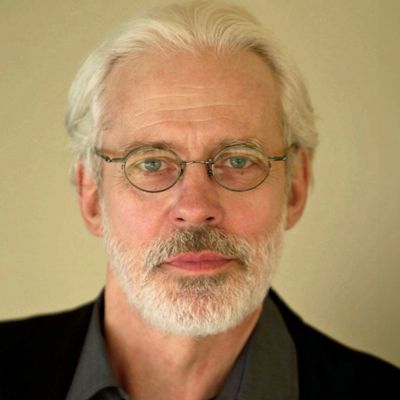
What do you get when you mix Broadway royalty with sci-fi cloning, environmental theater, and a dash of boogie-woogie piano? A wildly entertaining conversation with the legendary Terrence Mann. From his earliest days growing up in a musical household to helping launch the North Carolina Theatre, Terry’s journey is packed with passion, persistence, and a whole lot of timing. He shares the story behind how he actually got cast in Cats (it involves London and a royal connection), and how he practically willed his way into Les Misérables after being told multiple times they didn’t want to see him. His advice for young performers? “Have no fear, there are no wrong choices, and be specific”—words he lives by and teaches.
Now back on stage in Broadway’s The Great Gatsby as Meyer Wolfsheim, Terrence opens up about what it feels like to return to the theater after years in “Foundation land,” filming Apple TV’s epic sci-fi series. We also dive into his work as a director, educator, and his longtime love for North Carolina’s historic Lost Colony production. And yes, we play a game of Plot in 60 Seconds, get a surprise cameo from iOS balloons, and bond over the beautiful chaos of 1980s New York auditions. This episode is packed with decades of wisdom and a whole lot of heart.
Terrence Mann is a three-time Tony nominee best known for originating iconic roles such as Rum Tum Tugger in Cats, Javert in Les Misérables, and the Beast in Beauty and the Beast. His Broadway credits also include Pippin, Tuck Everlasting, The Addams Family, Scarlet Pimpernel, and Rags. On screen, he’s appeared in Sense8, all four Critters films, and currently stars as Brother Dusk in the Apple TV+ sci-fi series Foundation. He’s also an accomplished director, educator, and co-founder of Triple Arts, a musical theater training program.
Connect with The Theatre Podcast:
- Support us on Patreon: Patreon.com/TheTheatrePodcast
- Twitter & Instagram: @theatre_podcast
- Facebook.com/OfficialTheatrePodcast
- TheTheatrePodcast.com
- Alan's personal Instagram: @alanseales
- Email me at feedback@thetheatrepodcast.com. I want to know what you think.
Transcript
This transcript was automatically generated and might contain errors.
[0:00] Terrence Mann: Hi, I'm Terrence Mann. Welcome to the Theatre Podcast with Alan Seales.
[0:12] Alan Seales: Hey, everyone. Welcome back to the Theatre Podcast with me, Alan Seales. This week, I got to sit down with the one and only Terrence Mann. And if you've ever listened to the original Cats cast album on repeat like I did growing up, or even if Les Mis was your Broadway gateway drug, then you already know the impact this legendary performer has had on the theatre world. We dig into everything from, like, the wild mystery of the opening of Cats itself in 1982, when nobody had any idea of what the heck it even was, to how a last-minute audition for Les Mis turned into a career-defining role as Javert. Terrence shares how his musical childhood shaped him, the path through North Carolina that launched his career, and now, of course, returning to Broadway in The Great Gatsby.
We also geek out over the science of space travel, thanks to his role as Brother Dusk in Apple TV's Foundation, and he drops some truly powerful advice for actors, such as, have no fear, there are no wrong choices, and be specific. So, be sure to follow the podcast on all the socials, leave a rating, leave a review if you like the podcast, Spotify and Apple both, of course. Check out Patreon for the video version of this episode, and now everyone, please enjoy this episode with the man, the myth, the Tugger, Terrence Mann.
[1:38] Alan Seales: Our guest today is certainly a curious cat, a true Broadway legend who originated the role of Rum Tum Tugger in the original 1982 production of Cats. He originated Javert in the original 1987 production of Les Mis, Beast in the 1994 production of Beauty and the Beast, and has been in the original casts of Pippin, The Addams Family, Scarlet Pimpernel, and Tuck Everlasting. His TV and film credits include all four Critters movies, As the World Turns, Loving, Sense8, 30 Rock, Smash, and Foundation, one of my all-time favorite shows where he plays Brother Dusk. He's now back on the Broadway stage in a limited engagement in The Great Gatsby, and there's no doing anything about it. Terrence Mann, welcome to the Theatre Podcast.
[2:20] Terrence Mann: Oh, my God. You ought to get out there and get in one of those touring shows of Cats.
[2:27] Alan Seales: Do you think I'd be a good Tugger? Coming from the man here.
[2:30] Terrence Mann: I think you'd be a great Tugger.
[2:31] Alan Seales: Hey, wait. You are Terrence Mann. You are the man.
[2:35] Terrence Mann: Well, with two Ns.
[2:38] Alan Seales: All right. I've got a really tough icebreaker question to get us going. Were you blind when you were born? Do you see in the dark?
[2:53] Terrence Mann: All right. No more Cats puns.
[2:54] Alan Seales: That's very hairy. Yeah, you probably do.
[2:58] Terrence Mann: Oh, I have tons of cats. No. I actually, originally, I was like, what is Cats about? But this is interesting to me because I'm going to go here first because as part of the original cast, now we know Cats. We have the lore. We have the fandom. We have the music. We know Cats now. This is 2025. We know Cats. But this is 1982. You're opening it. You're like, what is this?
[3:10] Terrence Mann: X Factor and American Idol didn't exist yet, so you had nothing to compare it to, right?
[3:31] Alan Seales: That's correct. Yeah.
[3:32] Terrence Mann: Yeah.
[3:33] Alan Seales: What the hell was going on in everybody's mind when you're like, what are we about to open?
[3:37] Terrence Mann: Right. I saw the show in London because I auditioned for the show in America in London, as it happens, which is a whole other story. But we just heard this show, this book of poetry by T.S. Eliot about cats that they had done, Trevor Nunn and Gillian Lynn had done. You go, what is that? I still do that. I go to the New London Theater and I go, okay, I'm going to go see this. Some of my friends had seen it in London when they were on vacation. They said, you won't believe it. You walk into the theater and everything is cat-sized. I went, what? It was the first environmental experience of theater, I think as well, where you're immersed in it. I go to the theater and I walk in and sure enough, there's soup cans half as tall as me and garbage and old tree limbs and shit. All of a sudden, you go sit down in your seat and I'm sitting there and all of a sudden, I feel something here and it's just a cat looking at me with all of this makeup on.
[4:46] Alan Seales: The green eyes?
[4:47] Terrence Mann: Yeah, with the green eyes.
[4:48] Alan Seales: Green eyes, yeah.
[4:49] Terrence Mann: And I'm going, wow. Now, it's 1981 at that point.
[4:54] Alan Seales: Yeah, I think it was 81, maybe 82 still. But you're going, this is just like a children's musical up on steroids or they gave us acid and we didn't know about it when we walked in the door. But it was a revelation and it was exciting and fresh and unique and crazy. And the storytelling about going to the Heaviside later, you kind of go, okay, all right, we're going to feel for this cat that should go. So I don't know, but in its day, it was something that had never been seen before. And even today, it's still something that people love to go see, even new generations.
[5:46] Terrence Mann: I grew up on it. I was one in 1981 and listened to my mother, the record. She had the record and would play that nonstop. And so I grew up like the Cats cast album was probably with you on it now that I'm thinking about it, was probably what I grew up listening to.
[6:07] Alan Seales: That's really cool. I just put that connection together. I was like, holy shit, that's really cool. And of course, originating Javert in Les Mis. You have such a career of originating roles that don't leave our zeitgeist.
[6:23] Terrence Mann: Sometimes it's better to be lucky than to be good. Just be in the right place at the right time. I don't know. I was there doing Barnum. I got lucky very quickly when I came to New York. I was in New York two weeks and I got into Barnum because I knew the director from another project. So it's who you know, when you know them and how you know them that you get there. Now, sustaining all of that through decade after decade after decade, that's a whole nother thing. But certainly in the 80s and the 90s, I was very fortunate to be in the right place at the right time.
[7:04] Alan Seales: Well, OK, let's rewind that and keep going down that path because I know we share some North Carolina roots, but is that where you're from?
[7:11] Terrence Mann: I'm from Kentucky originally.
[7:13] Alan Seales: Oh, OK. So then Little Terry, Little Terrence, where did you get into performing acting? Was it singing first? Was it just stage acting?
[7:22] Terrence Mann: No, my mom and my dad, both of them were musicians, like avocational. My mom could play guitar. I mean, play piano. She wanted to be a concert pianist, but that never happened. But she could rock and play boogie woogie and play jazz stuff. My dad was a barbershop quartet singer and he could play guitar. So on the weekends, there was always upstairs. There was mom with the piano and her girlfriends and some people, you know, playing all the good stuff, you know, all the standards, you know, and, you know, all the jazz licks and boogie woogie. And my dad was downstairs with the four guys singing harmony. So we just wandered around from room to room, saying, oh, we're musical. Let's let's go be musical.
Let's let's do that. And so we were required when I was in third grade, we had to take an instrument. We could change it every year, but we had to start taking an instrument. So my first instrument was the flute because natural the band director, you would walk up in front of the band director. He would look at you. He would look at your mouth and your face. You go saxophone, trumpet, flute.
[8:32] Alan Seales: He was essentially the sorting hat of your day.
[8:35] Terrence Mann: He was exactly. He was the sorting hat of our day. Yeah. Slytherin flute. Slytherin. Yeah. So that's how we kind of just grew up, you know, being musical and pretty wild kid. I don't know whether it was ADHD or 80 or just too much coffee at a young age. I don't know. But we were always jumping around and playing music. And I played in the band, the school band in high school. And I'd acted in some of the plays at church. So when my guidance counselor said, are you going to college? I said, yes. He said, do you know what your major is? And I didn't really think about it. I said, I'm going to be an actor. It just seemed it just blew out of me as the obvious. And so I went to Jack. This time we were living in Florida.
We'd moved to Florida from Kentucky. I went to Jacksonville University. Then I went to the North Carolina School of the Arts two years later, stayed there for a little bit, left for a little bit, came back, graduated, went into the North Carolina Shakespeare Festival, then came up to New York and hit. Then the rest is history. I was here for a couple of weeks and got my first Broadway show. I grew up in the foothills west of Winston-Salem, which you, of course, know with NCSA. So I grew up in Wilkesboro, North Wilkesboro.
[9:48] Alan Seales: Of course. Of course I know Wilkesboro. You just keep going west on Highway 421 and then you find a stoplight. That's my town.
[9:54] Terrence Mann: There you go.
[9:55] Alan Seales: Only one.
[9:55] Terrence Mann: Only one. Well, it's like miles and miles of open highway. We're just like, we're just going to put a stoplight here.
[10:01] Alan Seales: So don't miss our NASCAR.
[10:03] Terrence Mann: Yeah, don't blink. That's where NASCAR is invented. Little known fact.
[10:07] Alan Seales: That's right. That's right. But then, so the North Carolina portion. Well, okay. So keep walking me up chronologically then, because you left, came back, you came to New York and then, so you came to New York. If you want to be an actor, why not go to LA?
[10:22] Terrence Mann: Because this is the time, this was late 70s, early 80s, right? So you're, where you still have to go to LA for film and then New York is theater and never the twain shall meet until 10 years ago.
[10:35] Alan Seales: Yeah, yeah, exactly. I was a big theater rat. I only wanted to do theater. I only ever wanted to do theater. Film and television, I was, I really wasn't that interested in. Because, you know, theater's a media, you know, and it's an actor's medium, you know. All the other mediums are director's mediums.
[10:50] Terrence Mann: Interesting. But you've done directing. That's, I mean, you've done, like you've directed The Lost Colony and whatnot in North Carolina, yeah?
[11:00] Terrence Mann: Yeah. But I'm talking about like film and TV mediums. Those are all director's mediums for the most part. But I slowly but, you know, moved into that, you know. I mean, I went back, after I was in Cats, a friend of mine from Raleigh called me and wanted to start a North Carolina theater. And she wanted to do musicals and not bring in road shows, but generate them from there and bring people from New York. And, you know, so I helped her start that theater in 1986.
[11:32] Alan Seales: NCT?
[11:33] Terrence Mann: NCT.
[11:34] Alan Seales: You, wow, you helped start NCT?
[11:36] Terrence Mann: Yeah, we did it our first year, we did it. I went down and played, we did, what do you call it? Camelot.
[11:43] Alan Seales: Wow.
[11:44] Terrence Mann: I directed it and played Arthur in it.
[11:47] Alan Seales: Well, pour one out for NCT, they just folded recently.
[11:50] Terrence Mann: I know.
[11:51] Alan Seales: Man.
[11:52] Terrence Mann: Man, and that was where I had my very first professional gig.
[11:56] Alan Seales: No.
[11:56] Terrence Mann: Yeah.
[11:57] Alan Seales: Yeah, with Casey Nicholaw as my director.
[12:01] Terrence Mann: Yeah, yeah.
[12:02] Alan Seales: And Casey Nicholaw used to, was in Annie with me as a dancer, you know, down there.
[12:09] Terrence Mann: Oh, man.
[12:11] Alan Seales: So, okay, okay, okay. I love, I love these North Carolina roots. So I want to touch on The Lost Colony for a second because I love, that's just like one of the staples, I think, of North Carolina theater. When I think of like permanent things, because every summer, The Lost Colony has been there for how many years now?
[12:27] Terrence Mann: 1937.
[12:32] Alan Seales: Whoa, like really?
[12:34] Terrence Mann: Yeah, that's when it first started.
[12:36] Alan Seales: No kidding.
[12:37] Terrence Mann: Yeah, it started as a pageant. It was just like to celebrate, you know, on the site where The Lost Colony was, celebrate the birth of Virginia Dare. And it was a pageant. Then it slowly grew into much more of a, you know, event of music and storytelling. And then Joe Layton, who is the guy I worked with at The Lost Colony, came and took it over in the 60s, redid the script with Green, and turned it into a real musical kind of outdoor musical on three stages. And that's, you know, and then I was in it. And I got into The Lost Colony because when I was at Jacksonville University, this is so old, my acting teacher, Bob Knowles, was the production coordinator for The Lost Colony. And at the end of my first year of college, he said, do you want to go work at The Lost Colony on the Outer Banks of North Carolina? I didn't know what the hell that was. I went, yeah, sure. You get paid $35 a week. Well, $25 because 10 of it has to go to rent.
[13:49] Alan Seales: Right.
[13:50] Terrence Mann: $10 of rent. So that's how it started.
[13:53] Alan Seales: That's crazy. All right. So then come out to New York and you come up here. And how did you get started in New York City at that time? Because I love hearing all of the stories of how people, I'll put it air quotes, made it onto Broadway before emails and social media and digital lists and being able to slip into DMs, right? Like this was a whole different game.
[14:18] Terrence Mann: Yeah, it was. Well, it was who you knew, when you knew them, how you knew them. And literally, Joe Layton had been in five seasons of The Lost Colony with him down there. And I used to direct the Children's Theater down there. And I'd come up to New York to visit my girlfriend. I was with Shakespeare Festival, North Carolina Shakespeare Festival. We had some time off from January to April. So I came up to New York to visit my girlfriend. And I was looking at the trade papers. And it said, Barnum, directed by Joe Layton, auditions at the Minskoff Theater. I went, oh.
[14:56] Alan Seales: When they used to audition on stage.
[14:59] Terrence Mann: On stage. So I said, I'll just go down, go to the open call, see what happens. I have a job in North Carolina doing Shakespeare, which I love. But I'll go down there. Maybe I'll see Joe, say hi. I go down to the Minskoff. As he's walking in, I'm walking in. We literally bump into each other at the revolving doors. And he goes, Terry, what are you doing here? I said, oh, I'm going to come audition for you, if that's OK. He said, sure, come on. So I went up there. And he just made sure I made the cut of about 200, I don't know, 200 guys who came in. He just kept making sure that I would make the cut every time. Because I could. He said, can you juggle? Can you do circus stuff? And I said, yes, I can. Now, it so happens.
[15:44] Alan Seales: Was that true?
[15:45] Terrence Mann: That was true. Because I had graduated from the School of the Arts. And my last year was a lot of circus training. You know, teeter board, slack wire, juggling, you know, mime.
[15:57] Alan Seales: No kidding. I didn't know they did that.
[15:59] Terrence Mann: Yeah. So, you know, I mean, in the show Barnum, we were juggling six clubs and big arcs over Jim Diff. So that's how I got the job.
[16:12] Alan Seales: That's insanely cool. And very cool.
[16:15] Terrence Mann: Yeah.
[16:16] Alan Seales: Don't go anywhere. We'll be right back after this break.
[16:18] Terrence Mann: Welcome back to the episode. And then at that point, so you had to leave Shakespeare in New York. Did you stay in New York because you had the job there like after Barnum? Or did you go back to North Carolina?
[16:29] Terrence Mann: Nope. I just stayed in New York. Well, I may have gone back home to get my stuff. And then I moved in. Right. With my girlfriend at the time. And but then I've been here ever since.
[16:41] Alan Seales: That's insane. So then when, what was the next thing that happened then? Because when you move up, when you, when, I feel like I've heard this before. I find that when people move up to New York for a specific job, when they get done with their job, they have kind of an ego hit of like, all right, here, I didn't have to struggle. That's not going to be me. And then it is them. And they're like, oh, crap. I'm, you know, I got to get a day job. When's my next career? When's my next paycheck coming in?
[17:05] Terrence Mann: Right. Well, I felt like, look, I can come up here and do this Broadway show. And if it doesn't work out, I'll go back to North Carolina. Shakespeare Festival will, you know, will welcome me with open arms. You know, I think they will welcome me.
[17:18] Alan Seales: They're still waiting for you, by the way.
[17:20] Terrence Mann: Oh, yeah. Well, unfortunately, it's done now. They called me up. They're like, if you ever talk to Terry.
[17:26] Alan Seales: Yeah, waited too long. So I was in the show and it was running for a couple years. And then I, then it went on the road and the national didn't do so good. So at one point they said, let's take Jim Dale and Glenn Close out to for a sit down in San Francisco and Los Angeles. And they asked me to go out and be the ringmaster and understudy Jim Dale. Which, you know, which I did. And then I ended up doing his Sunday matinees as Barnum. And what happened? And then what happened during that time was one of my friends in the show went to London to go see Cats and came back to me and said, you got to go audition for Cats because there's this role of Rum Tum Tuggers you're perfect for. So you need to go audition.
I said, OK. So I get back to New York. I ask my agent, hey, give me an audition for Cats. He goes, OK. And then I hear back from me, says, well, they don't want to see you. They're looking for a star. They're looking like John Travolta or Rex Smith or somebody like that. I said, oh, that's too bad. Ask again. So he asks again, comes back to me, says they don't want to see you. I went, shit. At the time. So this is at the time I was married to an English lady. And she had friends in London who were very like the royalty. Princess Miriam of Johor of Malaysia was her best friend. But she lived in London. She calls up Miriam and says, Miriam, do you know anybody that's got money in Cats? She goes, oh, yeah, my friend did this.
Well, my husband is trying to get an audition. They won't see him here and here in New York. Can he come over to London, maybe audition for it? She says, let me check. So she calls her friend who had money and who called the producer, who called the general manager, who called the company manager and the casting people said, yeah, he wants to come over. So on my own nickel, I flew to London, got the audition, went in, auditioned for Gillian Lynn. And then, you know, I left. And then my agent called me three or four days after I got back, said, oh, you got an audition for Cats, which I did in New York.
[19:40] Alan Seales: In New York for the New York company.
[19:42] Terrence Mann: That was in April. So my audition was in July. And I went in there, did their audition and got the role. And it just so happened it was on my birthday as well.
[19:52] Alan Seales: So that's crazy cool. And then, I mean, this is international fame and sensation. And Rum Tum Tugger, I think, is one of the most memorable of all of the ensemble of Cats. So I think this probably stuck you out, you know, pushed you into the head of the race of other people that maybe were starting out at the same time you were, right? And then where did Les Mis come in? Where did, I mean, as you're going on, you get to work with so many amazing stars, Glenn Close and Nathan Lane and B.B. Neuwirth and just Jesus, like the list of people you have gotten to share the stage with. OK, first off, what is your pinch me moment? What is your most recent pinch me moment?
[20:36] Terrence Mann: My most recent? Yes. Pinch me moment?
[20:41] Alan Seales: Yes.
[20:41] Terrence Mann: I would have to say we were shooting our last season three of Foundation. And we were in Prague shooting. But at the beginning of the shoot, they said, you're going to have a love interest this season. That went great. Spoiler. And anyway, and I said, well, who is it? And they said, do you know Cherry Jones? And I went, do I know Cherry Jones? I do know. We're an acquaintance. We know each other. I do. I do. She's coming on to the show. That was a pinch me moment.
[21:19] Alan Seales: Wow. Working with Cherry Jones. Big pinch me moment.
[21:22] Terrence Mann: Oh, well, put a pin in Foundation. I'm coming back to that. All right. So then Cats, you're this big Rum Tum Tugger star. You got your codpiece. It's everywhere on all the billboards, all over the places. And so then what did the offers? I mean, did you get auditions out of this that were unexpected from that point on?
[21:37] Terrence Mann: No, not really. Nope. I remember I got, I don't, I remember auditioning for Sol in Rags. That was the next show I did was Rags after Cats. And I remember maybe I'm not even offered it. But I remember being out of town in Boston. And the same guy who I was in Barnum with came was in Rags with me. And he came one day. He said, I just got back from London. There's this show called Les Mis. And you are perfect for this role of Javert. You ought to get an audition. I went, OK. So I called him my agent. Hey, Lou, get me an audition for Les Mis. OK. Hey, Terry. Yeah. What? Well, they don't want to see you. I was, what? Well, ask him again. Calls me back. They don't want to see you. I went, oh, what?
Really? I've got shows under my belt now. What's going on? One day I'm walking to the equity building. And out comes one of the casting directors for Les Mis. And I beg him to let me come in for an audition. And it was coincidental. Please just let me come in for anything. And he goes, OK. All right, Terry. Why don't you come in for Angela? The revolutionary. Who's a tenor? I'm not a tenor. But I said, OK, great, great, great. I go home. I get my audition. And my agent calls me up. Oh, I got you an audition. Come on, Lou. Come on, Lou. Really? And so I decide I'm going in for Javert no matter what. My hair is very long and dark. I wear a black suit. I sing the song from Jacques Brel called The Port of Amsterdam. I've done Jacques Brel at Raleigh Little Theatre.
[23:30] Alan Seales: Oh, man. RLT with Haskell Fitzsimmons. You ever met with Haskell?
[23:35] Terrence Mann: The Lost Colony.
[23:36] Alan Seales: Yeah, yeah. He was the rabbit in my Alice in Wonderland's children's show.
[23:40] Terrence Mann: Oh, man. I love that guy. I love him. Such a great director. Love him. Anyway, I go in dressed like Javert. I walk into the audition. They go, Terry Mann. I walk over. There they all are sitting. Claude Michel, Sean Boglet, Alain Boublil, Trevor Nunn, John Caird. And I start to sing, and I'm looking over them. But I notice Claude Michel looking at the cast list. And he looked up at me, and he looks at the cast list again. And he looks over at Trevor. And he goes, and he circled my name. And so the rest is history.
[24:15] Alan Seales: No kidding. So there are two times where you kind of have to help you break along. Well, sometimes you're only... I mean, not sometimes. I mean, all the time, you're only as good as your last project. And that's especially when you're a casting director, I suspect. And you're seeing hundreds or thousands of people every month, right? It's unconscious bias or maybe even conscious bias. Like they can't see you outside of what they just saw you in. And so that's really, really tough. I mean, I don't know. I hope Lou realizes what you did in all of this.
[25:00] Terrence Mann: I don't know. We parted paths a long time ago.
[25:03] Alan Seales: As careers evolve. Speaking of evolution, all right. Great Gatsby is, I gotta say, not a show I would have expected to see you in.
[25:07] Terrence Mann: Well, me neither.
[25:09] Alan Seales: So what is your past experience with Gatsby? And then what's it been like being in this current revival?
[25:15] Terrence Mann: Read the book in high school. I barely remembered it. Saw the movie with Robert Redford and Mia Farrow and Bruce Dern. And I thought it was amazing. I mean, I just thought, wow, tremendous. And then I didn't go see the one with Leo DiCaprio in it. But I was literally up at ART, American Repertory Theatre up in Boston, with Diane Paulus doing Romeo and Juliet. I got home from that project in, what, the beginning of September, October? I don't know. And the next day, I get an email from Nathan Tyson, who wrote the lyrics for Gatsby, who also was the lyricist on Tuck Everlasting. So here again, somebody you know calls you up and says, hey, Ter, I think you're going to get an offer to come in to do Wolfsheim in Gatsby. OK, great. So I go see it. I go, well, my gosh, that's cool, because you're only on stage about nine minutes. And then you have a song at the top of act two. And then you're sitting down a lot. For my age, eight shows a week, that's a perfect fit.
[26:38] Alan Seales: That's still a princess track. I would take it.
[26:39] Terrence Mann: That is a princess track, yes, sir. I love that. I love that. So has that been really, I guess, in this role, coming back on such a grand scale in this amazing production that you don't have to bust your ass eight shows a week, right? Like nothing against princess tracks. You can come in. I could say, like, there are no small parts, only small actors, right? To quote that. You can come in for your nine minutes and be the most remembered character in the entire damn show.
[27:06] Terrence Mann: Yeah, you can. Yeah, absolutely. I think what I love, because I hadn't been on stage since Tuck Everlasting. I'm not sure which was it. Maybe it was seven years ago. Yeah. So and I'd been living in foundation land and TV land for so long. It was so rejuvenating to come into the show, to be with all these wonderful young people doing this thing, you know? And the camaraderie, the ensemble of it all, the energy we give to one another. I'd forgotten how much that was so much a part of what I did with the previous four decades as an actor that is so special that unless you're doing it, you have no idea how important and how it changes you. It grows you. It makes you feel so much a part of something bigger than you.
So that's been the great thing. And when I went and saw the show, I just loved the show. I just thought it was, you know, you're getting bang for your buck on this thing. Beautiful numbers, beautiful sets, great stagecraft, an amazing story to be told. And then the actors who do this thing are just extraordinary.
[28:22] Alan Seales: No, it's one of those works of literature, like, again, to see it lived out on stage in such a grand way, I think, like the set and the costumes and everything. I mean, there's actual cars that you're driving around on the stage. This thing is at a scale that I would have never pictured reading the book, right?
[28:40] Terrence Mann: Right, right, right.
[28:42] Alan Seales: And it's coming out and it really is amazing. Like you said, the talent on stage too, it's like bar none, I think yourself included, everyone is just putting together this perfect product that just works really, really well.
[28:57] Terrence Mann: Good.
[28:58] Alan Seales: You mentioned Foundationland. So in the TV film world, like Critters is, the Critters series of movies is a few years old. But when did you start getting into TV and film then? Because like we were talking about at the beginning, that was all West Coast and you seem to be all East Coast based so far.
[29:15] Terrence Mann: Well, the trick of it is when I was in the 80s, you know, soap operas were still alive and well and kicking in New York. So, you know, once you get to New York, even though, you know, film and television, the hub was LA, it was still happening in New York. And if you could get on a soap opera, you know, that was pretty, that was great. You're making some money, you're going to work every day. So, you know, I did that, you know, did guest spots on soap operas and then did Law & Order, started happening, you know, doing guest spots on that. You know, you get on the, I wouldn't call it the short list, but you get into the cast, as you put it, you get into the casting directors, you know, Rolodex and they call you up.
And so that's how I was just doing it. And I got Critters because Dodie Pettit, who was in Cats with me, her boyfriend, Richie Vedders, ran a studio and he had friends who were coming in to do, to make the album, the music for it, for Critters. And they asked me if I would like to do this role of, you know, Johnny Steele in Ugg, an alien. And so it was just an offer, like you get, like you get every now and then.
[30:42] Alan Seales: Wow.
[30:43] Terrence Mann: And then, yeah, four movies later.
[30:46] Alan Seales: Four movies later.
[30:47] Terrence Mann: Yeah.
[30:48] Alan Seales: One of them I wasn't even in, they just used footage of me. I still got paid for it though.
[30:50] Terrence Mann: But that likeness, man, that Ironclad contract.
[30:56] Alan Seales: Yeah. So that is very interesting. And then Foundation. So were you actively, like, you know, taking a break from theater? You're like, I'm just going to go and do this TV film thing for a while, because Foundation is no small production. Like, this is heavy. It's sci-fi. It's a lot of effects.
[31:14] Terrence Mann: Yeah, yeah. I had done Sense8 before, which was, which was...
[31:21] Alan Seales: Canceled prematurely, also one of my favorite shows.
[31:24] Terrence Mann: I agree with you. It was, it was special. Really, really special. We, I, you know, you just kind of do things. Yeah, I'll go for this thing. I'll go for that thing. And I was doing, we were doing Pippin on Broadway, you know. And casting director Carmen Cuba came to see it with a friend and said, who said, oh, I think this guy could do Sense8. I don't know how she got me playing the crazy King Charlemagne to playing Mr. Whispers in Sense8. But anyway, I went in and I read. And then they flew me to Chicago to audition for the Wachowskis, which I did and got it. Foundation, I literally, some, my agent said, oh, you got an audition for this thing called Foundation, blah, blah, blah. I said, I said, well, I don't have to go on. I can't go on tape for it. They went, no, it's a live. You go. This is one of the last times I think they asked people to come in. Because I went into the casting office and read at a table with, with the casting director.
[32:21] Alan Seales: And...
[32:22] Terrence Mann: So this is what, 2019? Early 2020?
[32:23] Alan Seales: Yeah, yeah, yeah, yeah.
[32:27] Terrence Mann: 19.
[32:27] Alan Seales: It would have been, it would have been August 2019.
[32:32] Alan Seales: So then did you start filming before COVID? Or were you shut down? Or were you actually interrupted?
[32:36] Terrence Mann: We started in the end of October 2019. I started shooting. Yeah. We started shooting. We shot to March of, and March, on March 1st, we shut down production. Everybody went home because COVID was around.
[32:56] Alan Seales: So, yeah. For two weeks.
[32:58] Terrence Mann: Of course. That's what everybody thought.
[33:00] Alan Seales: Yeah. And then it was what, six months?
[33:01] Terrence Mann: I don't know. I don't know. How far along season one were you when you had shut down? Was that tough to like take that pause?
[33:05] Terrence Mann: Well, we had started the 1st of November. Then we shut down for three weeks for the holidays. And we started back up, middle of January, got through January. In February, we were hearing rumblings of places in Germany and Switzerland shutting down. Because of this flu that was taking over.
[33:27] Alan Seales: Yeah.
[33:28] Terrence Mann: Then they said, no, it's a strain. It's a COVID thing. That's what it all. So, I don't know. We weren't that far along. Maybe three or four. We were shooting out of sequence, so.
[33:38] Alan Seales: Don't go anywhere. We'll be right back after this break.
[33:43] Terrence Mann: Welcome back to the episode. Like looking back at the finished product of what Foundation is and has become. Did you have any idea the scale it would be when you were filming it? When you were there in person with everybody else on set? Like how much of what you were using was practical versus just blue screen or green screen?
[34:04] Terrence Mann: Almost all of it was practical. Because we traveled to locations around the world to get those looks.
[34:11] Alan Seales: No kidding.
[34:12] Terrence Mann: Now, some of it was blue screen. If you were in the chambers inside of the, you know, where they held court and all that. Throne room. And some of that was blue screen to fill that all in. But when Lou and all of them are in the waters, you know, we shoot that in Malta. Because they have the biggest underwater tank in the world. Everybody shoots that for at sea stuff. Because it looks like infinity when you're shooting across because it's right by the ocean. But I had no, I tried to read the books and they were so dense. And what they were taking from the books as a story was bits and pieces. You know, the lineage of it, you know. I enjoy the foundation, the concept, just the physics behind it.
When you can get the physics right in space travel shows or movies or whatnot, I think that takes it to a whole new level. That's why like Interstellar to this day still holds up because all the theoretical physics around black holes and time travel and all this stuff is real. The way that Battlestar Galactica would, like in space, it's silent. There's no engine noise in space because there's no molecules to carry the sound. It's space. It's empty. And then, you know, like all of a sudden you're turning and then you can turn around the other way. You don't need a bank like you do in an atmosphere. There's no atmosphere. So all of this stuff about like extended sleep and the way that, I mean, wormholes and FTL travel, of course, we can't disprove in this point, but everything else, the physics of foundation is so real to me.
And then like, you know, you can be younger than your offspring because you were in extended sleep for a certain amount of time. And then like all the cloning stuff that you're into. I think this is all so, so fascinating. And then, I mean, for you as a person, as Terry, do you get into this stuff too? Are you just showing up on set and you're like, I'm just going to say my lines and, you know, make a character out of this. But personally, do you get excited as I am to watch?
[36:19] Terrence Mann: I got excited because I was cast in this role. And I sort of did a cliff note version of the books after that. And just to try to get myself situated. You know, Foundation was George Lucas's inspiration to do Star Wars. So I'm like, oh, so we're just doing the sort of like, you know, Star Wars on steroids and more palace intrigue and more of the technical and the whole mystery of how you jump space and all of that. You know, and some of this is not made up, but, you know, if you're folding time, which is a concept in theoretics, you know, and, you know, in quantum theories. So they jump on that and they make it a real thing. They just take that moment of, you know, here where we're real. And here's a little bit of fiction to help it along. And I found that to be really exciting.
[37:20] Alan Seales: Yeah. I do want to go back and read the original books or maybe get you to read them as an audio book.
[37:25] Terrence Mann: That's what we do.
[37:27] Alan Seales: Hire you.
[37:27] Terrence Mann: Hire you.
[37:28] Alan Seales: I would listen to you read the original books because I think they were written, correct me if I'm wrong. It was a trilogy written in the 50s.
[37:31] Terrence Mann: Yep.
[37:34] Alan Seales: That then was that George Lucas read. And then he that inspired him to write what we know as the Star Wars.
[37:40] Terrence Mann: Right.
[37:41] Alan Seales: Yeah. So the story of Foundation is so old. So it's less than 100 years old, 75 years old, but it's still so good. I'd love when stuff that was written long before we knew about what we know now about space travel still holds up.
[37:55] Terrence Mann: Right. And look at Star Trek too. I'm going off on such a tangent. The communicators. Those are just freaking cell phones.
[38:01] Alan Seales: They're cell phones. They flip. Blip, blip, blip.
[38:06] Terrence Mann: Yeah. So then you've also got experience being a teacher and your mentor, many performers. So like, what is something that you've pulled into your every day that you wish that actors starting out or that people every day would work into their daily lives?
[38:30] Terrence Mann: Well, thanks for bringing that up. Because I did teach for about 10 years and I've done tons of workshops and masterclasses over the years. And I came up with this sort of axiom for being an actor. It's twofold. One of it has to do with auditions. But the first part is it goes like this. There are no wrong choices. And have no fear, but be specific about what you are when you take a... Where did the balloons come from?
[39:07] Alan Seales: It's the iOS. I think it thinks you were doing a peace sign or something.
[39:11] Terrence Mann: Oh my God. So you can do this too. You have to mix the heart. Whatever. So that's the axiom I sort of taught. Yeah, have no fear. There are no wrong choices and be specific. Now, how that's applied like in an audition or you know, and I remember Lin-Manuel saying this once, we'd taken a bunch of students of ours, our triple arts program, which is a sort of a, you know, like a musical theater bootcamp that we used to do. And we took them to see early on in the audition. And, you know, Lin said, you know, auditioning is your job. That's your job. Your job is to go audition. Your job in there is to go tell a story and, you know, do it as best you can with no fear, you know, be specific and there are no wrong choices.
Be you doing that. And that's the job because once you get the job, that's the icing on the cake. And then I'll never forget Chris Jackson saying, you know, I'm going to audition for a musical and I'm going to do it as best I can with no fear, you know, be specific and that's the job. That's the icing on the cake. And then I'll never forget Chris Jackson said, somebody that said, how do I get to be up there where you are? And Chris Jackson said, well, you just got to work harder than anybody else in the room. And I always, all of that stuff I just said, it's all part and parcel to the nexus to the, you know, to the paradigm I think of, of being, you know, being an actor, being successful.
[40:47] Alan Seales: I think that is very smart, very, very good advice. And it sounds like something too, that you embody that I, a piece of advice that I was given that I take with me is be the person that you, that others want to work with the next time. Be the person that you want to be in the room with.
[41:01] Terrence Mann: Yeah. Yeah. Yeah. Absolutely. Because again, you keep talking, the stories that you have told, you're like, well, I just happen to know this person, but knowing them doesn't mean they want to work with you again. And I think that, that is the subtext there that is very important and should not be overlooked. So, you know, be smile, be friendly, be warm and be forgiving of yourself and of others.
[41:28] Alan Seales: Yeah. I get that. I get that. Is there any movie adaptation that you wish would get turned into a musical? I mean, you've originated Beast. I never thought that would make a great musical, but here, look where we are, right? We're about to launch another tour that continues to live on. Can't think of anything off the top of my head about it.
[41:54] Terrence Mann: What about Critters the musical?
[41:59] Alan Seales: Yeah, I think they've done them all. I don't, I don't, I don't really, I don't even think about that.
[42:07] Terrence Mann: What, what, what movie out there could be Jaws?
[42:11] Alan Seales: Well, we kind of had The Shark is Broken, but that's a different thing. Can Lee Pace sing? Can we bring Foundation the musical?
[42:18] Terrence Mann: Yeah, he could sing.
[42:19] Alan Seales: Yeah. So let's, let's, let's start working on Foundation the musical.
[42:22] Terrence Mann: Foundation the musical.
[42:24] Alan Seales: Oh God. OK. Yeah. I mean, imagine the cool tech we can put into the show to do like the time jumping. They time jump, they fly, they clone, they kill each other. They come back. They kill each other again. They fly. We can get like some really cool Groundhog Day illusions. So like we think you're over here, but you're actually over there and it's your clone. Oh man. OK. It's writing itself. You hear this? We need the Wachowskis to come in here and write the Foundation musical with Matt and Trey Parker.
[42:52] Terrence Mann: Matt Stone and Trey Parker.
[42:53] Alan Seales: There we go. Wow. Wow. That's a crew.
[42:56] Terrence Mann: That's a crew right there.
[42:57] Alan Seales: Casey Nicholaw is going to direct.
[42:58] Terrence Mann: Of course.
[42:59] Alan Seales: Of course. And choreograph because that's who he is. All right. So as we wind down here, I want to play a little fun game that I play with everyone these days called Plot in 60 Seconds. And what that means is that I'm going to put 60 seconds up on the screen. You're going to give me a list. You're going to give me a number one through 16. It corresponds to a list, a show I have on my list. And then you give me the plot of that show in 60 seconds.
[43:26] Terrence Mann: Shit. OK. One through 16.
[43:32] Alan Seales: Eight.
[43:34] Terrence Mann: That we've already had. That was Rent. We just had Rent. Give me another one.
[43:37] Alan Seales: I want to do a different one.
[43:38] Terrence Mann: One.
[43:39] Alan Seales: One is...
[43:40] Terrence Mann: OK. Your wife, you should know this. Chicago, go.
[43:45] Terrence Mann: It's about Roxy Hart and Velma Kelly. And they're going to prison because she killed her boyfriend. But it's all a ruse. And then there's Billy is the lawyer who comes and gets her out of the jail. And it's all a big satire about how as long as you're famous, you can get out of anything. And then become president at the end.
[44:10] Alan Seales: All right. I'll take it. I'll take it. That's good. And we almost got political, but we didn't. Good.
[44:19] Alan Seales: All right. So as we wind down again now, three standard closing questions I ask everyone. The first one simply is just what motivates you?
[44:28] Terrence Mann: What motivates me? Oh, my God. That's such a good question. And I don't... I want to be interested.
[44:30] Alan Seales: Interested.
[44:33] Terrence Mann: I just want to wake up and be interested in what...
[44:44] Alan Seales: Dive into that.
[44:46] Terrence Mann: I can take it as two different ways. And I want to know what way you're talking about.
[44:50] Terrence Mann: I think that has to do with you get up and you want to be present. And you want to be almost childlike. You're in the present. And so what motivates... That always speaks to being artful about something or having an idea. And maybe that's what I mean. I just always want to have an idea of doing something. Even if I...
[45:17] Alan Seales: That's beautiful.
[45:21] Alan Seales: All right. So you probably answered this already. But what advice would you give to your younger self? And younger people listening now starting out down a similar path?
[45:29] Terrence Mann: I would say... Do... Always be kind. Above all else, be kind. To yourself and to others. And, you know, and have no fear. And be specific. And there are no wrong choices in the theater. Now, in life, that's a different...
[45:53] Alan Seales: Yeah, I don't know.
[45:55] Alan Seales: All right. Last question. Hardest one. If you could only see one show for the rest of your life, but you can see it as many times as you want, what would you see?
[46:04] Terrence Mann: A show or a movie?
[46:06] Alan Seales: You interpret.
[46:08] Terrence Mann: Would you rather sit in a theater and watch something over and over again? Or sit in a movie theater and watch something over and over again for the rest of your life?
[46:15] Terrence Mann: Casino Royale.
[46:19] Alan Seales: Such a unique answer. Why?
[46:21] Terrence Mann: I love that movie. I watch that movie once every three months.
[46:23] Alan Seales: Really?
[46:24] Terrence Mann: Yeah, I watch that movie every... At least once every three months.
[46:31] Alan Seales: Have you ever had the pleasure of working with him? Does he know that?
[46:33] Terrence Mann: No.
[46:35] Alan Seales: Well, let's put it out there. Your next thing...
[46:36] Terrence Mann: Let's see. So Daniel Craig is actually coming in to replace, in Gatsby, one of the ensemble characters. He doesn't need a big role. So you guys are...
[46:43] Alan Seales: You heard it here first. Breaking news, Daniel Craig in Gatsby. He's actually going to be the car, so he comes out...
[46:49] Terrence Mann: Oh, he's going to be the chauffeur.
[46:55] Alan Seales: He's the chauffeur. Wouldn't that be awesome?
[46:56] Terrence Mann: Yeah, that would be awesome. Major celebrities coming in, just doing the smallest roles and be like, hi.
[47:02] Alan Seales: Yeah. So where can we find you online on social media?
[47:09] Terrence Mann: Oh, I don't do it.
[47:11] Alan Seales: Good.
[47:12] Terrence Mann: Good.
[47:13] Alan Seales: No, you don't make a face. That's like...
[47:15] Terrence Mann: I think it's healthy.
[47:16] Alan Seales: I think it's healthy. It's a necessary evil.
[47:18] Terrence Mann: It is.
[47:18] Alan Seales: For some of us. But I think if you can stay off it and still have a successful and solid career, then why? Why?
[47:28] Terrence Mann: Well, you know, I'm out there. You can always find each other if you want to.
[47:34] Alan Seales: Yep. While I'm out there, I am on Threads, Instagram, TikTok, and Facebook. Leave a rating if you like what you heard. You can help the podcast spread by telling your friends, go see Terrence Mann in Gatsby as Meyer Wolfsheim. He started January 8th and will be there through April 20th at this point, unless contracts change. Who knows? Thanks to Jukebox the Ghost for the intro and outro music. Terry. Terrence Mann. I keep calling you Terry.
[48:00] Terrence Mann: Terry Mann.
[48:01] Alan Seales: Thank you so much. I've had such a great time chatting with you, and I've been looking forward to this for a long time. Seeing you on red carpets and everything, I can tell you're just fun. You're fun to talk to.
[48:14] Terrence Mann: Oh, man. Right back at you. Thank you. This is a real joy.
© Broadway Podcast Network, All Rights Reserved