

We explore the remarkable journey of Evan Alexander Smith, whose path from Ontario to Broadway—and beyond—has been marked by diverse experiences and significant milestones... Read More
From the show: The Theatre Podcast with Alan Seales
Guests
Miniseries Inclusions
Featured Shows
About
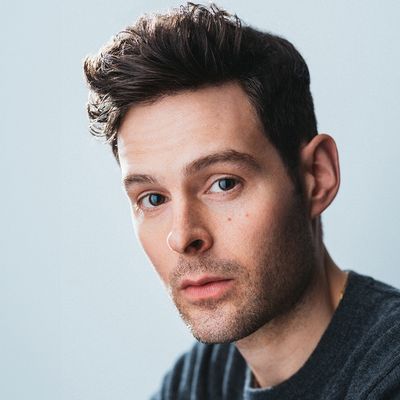
We explore the remarkable journey of Evan Alexander Smith, whose path from Ontario to Broadway—and beyond—has been marked by diverse experiences and significant milestones. Evan's passion for theatre ignited in his early years, catalyzed by a transformative production of "Oliver" and a pivotal audition opportunity presented by a friend for an arts high school.
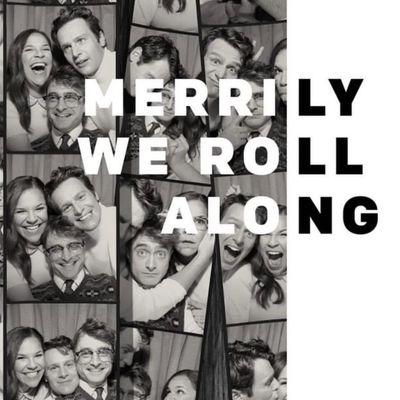
Evan reflects on his tenure with Disney Cruise Line, where he not only honed his craft but also experienced a "showmance" that blossomed into marriage, ultimately guiding him to the vibrant theatre scene of New York City. He discusses his role as an audition reader and how this experience helped him demystify the audition process, thereby alleviating his fears and enhancing his performance skills. Having shared the stage with luminaries such as Daniel Radcliffe, Jonathan Groff, and Lindsay Mendez in the production of "Merrily We Roll Along," Evan emphasizes the centrality of storytelling in his approach to acting.
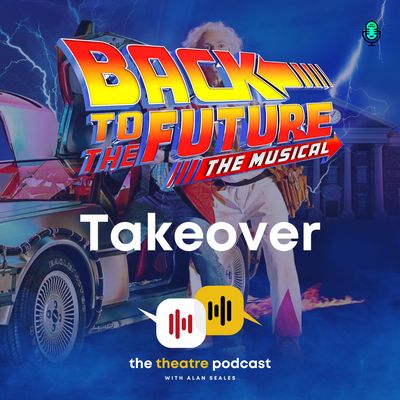
He delves into his current portrayal of George McFly in "Back to the Future: The Musical," a role he approaches with a blend of humor and depth, focusing on George's distinct mannerisms and psychological complexity. Evan concludes with practical advice for aspiring performers: prioritize authenticity and self-belief over concerns about others' perceptions. His insights offer valuable guidance for those navigating the competitive landscape of the performing arts.
Evan Alexander Smith is an actor, singer, and voiceover artist hailing from Toronto. A Dora Award nominee and Gemini Award winner, he starred in the original Canadian production of “The Toxic Avenger” musical and spent two seasons at Canada's prestigious Shaw Festival in productions of “Ragtime”, “His Girl Friday”, “Guys & Dolls”, and “Lady Windermere's Fan”. His National Tour credits include “Dirty Dancing” and “The Play That Goes Wrong”. His Broadway credits include “Amazing Grace” the recent revival of “Merrily We Roll Along" and now, “Back to the Future: The Musical” where he is currently starring as George McFly.
Connect with Evan:
- Website: www.evanalexandersmith.com
- Instagram: @iamevansmith
Connect with The Theatre Podcast:
- Support the podcast on Patreon: Patreon.com/TheTheatrePodcast
- YouTube: YouTube.com/TheTheatrePodcast
- Threads, Twitter & Instagram: @theatre_podcast
- TikTok: @thetheatrepodcast
- Facebook.com/OfficialTheatrePodcast
- TheTheatrePodcast.com
- My personal Instagram: @alanseales
Transcript
This transcript was automatically generated and might contain errors.
[0:00] Evan Alexander Smith: Hi, I'm Evan Alexander Smith. Welcome to The Theatre Podcast with Alan Seales.
[0:11] Alan Seales: Hello, fellow theatre lover, and welcome to an all-new episode of The Theatre Podcast. I'm Alan Seales, and our guest for this episode, Evan Alexander Smith, comes to us from the past, where he went back to the future! The musical, that is. He just took over the role of George McFly here on Broadway, and is absolutely crushing it. His journey to the stage is another one of somewhat pure happenstance, since as a younger Evan, he enjoyed the idea of performing, then got too nervous to truly follow through with it. But then, fast forward a little bit, and a random school friend of his asked him to tag along to an audition, and then he actually auditioned himself, and the rest, as they say, is history.
If only we had a time-traveling DeLorean to go back and witness this ourselves. Oh well. So yeah, find me online on all the socials. Leave a rating and a review wherever you're listening to this now. Head over to Patreon and view video versions of these episodes. And so now, everyone, please enjoy this episode with Evan Alexander Smith. Today's guest is an actor, singer, and voiceover artist hailing from Toronto, and proudly touting his dual Canadian-American citizenship. A Dora Award nominee and Gemini Award winner, he starred in the original Canadian production of The Toxic Avenger musical, spent two seasons at Canada's prestigious Shaw Festival in productions of Ragtime, His Girl Friday, Guys and Dolls, and Lady Windermere's Fan.
National tour credits include Dirty Dancing and The Play That Goes Wrong, and his Broadway credits include Amazing Grace and the recent revival of Merrily We Roll Along. And now, back to the future of the musical, where he is currently starring as George McFly. Evan Alexander Smith, welcome to The Theatre Podcast.
[1:55] Evan Alexander Smith: Thank you so much. So happy to be here.
[1:57] Alan Seales: You are very welcome. Thanks for having me. I brought my nine-and-a-half-year-old to see you. I saw you a couple days ago.
[2:07] Evan Alexander Smith: Oh, no way.
[2:08] Alan Seales: Yeah, yeah. And interestingly enough, I can't remember how old I was when I first saw the Back to the Future trilogy, or even the first one, right? But my nine-and-a-half-year-old now, this is the first non-animated film he has sat through enthralled.
[2:21] Evan Alexander Smith: No way. That's fantastic.
[2:23] Alan Seales: Right. And immediately, because I was going to take him to the show, because I was like, this is great for all ages, knew he was going to take it to the show. So it was on a Wednesday. So on a Tuesday, we watched the movie. And then immediately he was like, wait, there's more? And so we watched, before we saw you on Wednesday, we watched the second one. And then yesterday, Thursday, had to watch the third one. He's been asking this, and he loved the musical, loved you in the musical.
[3:03] Evan Alexander Smith: Oh, thanks.
[3:04] Alan Seales: Because he was like, that guy does the laugh. He does the laugh really well.
[3:10] Evan Alexander Smith: It's always the laugh. It's what it always comes down to at the stage door. It's like, you know, there are all kinds of things that we pepper in, but it's the laugh that is the thing that people walk away with.
[3:19] Alan Seales: Well, it's so iconic.
[3:20] Evan Alexander Smith: Yeah, yeah. And it's funny, when I was auditioning for the show, and was sort of going back trying to, and I will say, I've had George's voice in my head for 30 years. This movie was on for me, you know, since before I was younger than your son. But when I was sort of reviewing the material and trying to lock into those specific sort of Georgisms, the laugh was something that was just sort of like, it was there, it wasn't something that I thought was super important. But it is the thing that gets the like biggest reaction in the show of any of the things that I do. It's like, he did the laugh, which is great. I love it. But it's amazing. Your son's had this whole introduction to the Back to the Future cinematic live universe now.
[4:01] Alan Seales: Yeah. And I mean, spoiler alert for those who haven't seen it. I mean, there is a flying car in the musical. That's all I'll say. But that by far was like, how did they do that? He was coming out like the whole way home just, how did they do that? What were they? What is magic? But I mean, going back to you for a second, because this is about you, not the car. Welcome Flying DeLorean to The Theatre Podcast.
[4:25] Evan Alexander Smith: Oh my gosh. The DeLorean's a diva. I don't know that you would be able to sit for an hour talking to you like this.
[4:29] Alan Seales: Well, she would only respond to Roger Bart's voice anyway.
[4:34] Evan Alexander Smith: That's right. That's right.
[4:36] Alan Seales: How tall are you, by the way?
[4:39] Evan Alexander Smith: I haven't measured myself in the years since I've gotten older and started shrinking again, but a six foot five at the height of my youth. Yeah. Yeah. I'm a tall man.
[4:51] Alan Seales: I'm six one. And to get taller than me, it's not all that common. But yeah, you are just all legs on that stage. And it works so well for George McFly.
[5:04] Evan Alexander Smith: Oh, thanks. Thanks. I used to say, Hugh Coles, who I replaced, is maybe like two or three inches shorter than I am, but he could like his legs were so long, it was like two steps across the massive Wintergarden stage for him. And he was side to side. His leg span was impressive. And I'm just trying to live up to that.
[5:20] Alan Seales: Well, when did you get the call for this? And I mean, like the George McFly character is such a specific type of look, a very tall, like very tall, very skinny kind of person. And like you are a muscular dude, too. But like the way the costume sits on you, they hide it well, because George McFly isn't supposed to be muscular.
[5:44] Evan Alexander Smith: Yeah. I got the call. It was actually very quick, but it had been part of my sort of it was something that was in the back of my head for probably two years. I remember I had first read the casting announcement about Roger joining the show for the Manchester run before the pandemic. And I thought, okay, cool. And I don't think I read too much more about it. And then it was really once they announced that they were coming to New York after they'd been so successful in the West End that my ears started to perk up. And I remember reading the press release and seeing that John Rando was directing. And John directed me in my first big job out of college, The Toxic Avenger. And I loved working with him.
We really got along well. And I thought, oh my gosh. And like every actor does, I think when you see that a show is coming in, you go, is there a part for me? And right away, I was like, oh, yes, George. I was understudying Seymour in Little Shop of Horrors at the time. And it feels like a very easy sort of trip between the two of them. So immediately, I was like, oh my gosh, how do I get seen for this? Should I try to email John? What do I do? And I think almost instantaneously, they announced that Hugh, who had been so terrific on the West End, was going to be transferring to Broadway with the show. And so I sort of filed it in the back of my brain and thought, maybe in a year or two, when Hugh's ready to do something else, or when the government takes his performance visa back and sends him back overseas, I might get in there.
So it was so funny. It was in April that my agent called, and I had that week been thinking, maybe now's the time that I should start trying to get it back on the radar of things. And he called and he said, I have an audition for you. He said, when I saw this show, you were the first person I thought of, and I think you should go in. I think you'd be fantastic. And from beginning to finish, I think it was three auditions over the course of three or four weeks. It was very fast. Yeah, that all happened in April, and I was on stage rehearsing about a month later at the end of May. So it was a whirlwind.
[7:51] Alan Seales: April, May, wow. And then we're in August now as we're recording this. Yeah, that's a really quick audition process. I mean, three auditions to get something like that, that's pretty quick. But I mean, for you, was it easy to sort of fall into the mannerisms? Because like, you're the way you talk, your cadence, the way you move right now. Like, it's not George McFly. George is very specific. It's a very specific kind of, like, it's beyond nerdy. I don't even know how to describe it. Like, where do you go through to like, find that physicality?
[8:24] Evan Alexander Smith: Yeah, I mean, I watched the movies a ton while I was auditioning. We have the DVDs already, we had the trilogy. And so it was like, I would wake up and I would put on the movie while I was making breakfast and answering emails. And it was just sort of back in my head. And you start to key into the very kind of specific vocal mannerisms. Like, the first thing was that he has this sort of, is it a lateral lisp, where the back of his tongue sort of gets stuck in his jaw. And that was the first thing. And when I got that, then you start to realize his voice, everything he sort of says, it sort of falls off a cliff. It's almost like he's whining on every line. And you clue into these sort of specific things that act as a guidepost.
So I found the sort of his manner of speaking quicker than I found his physicality. I think the thing about his physicality is I am not, you were very kind in your introduction and saying that I'm muscular. I'm a little beanstalk of a guy. So I'm not very coordinated. You know, at the stage door, a lot of the time, people say like, how did you pull off such bad dancing? And I say, well, that's just me trying to be good is what it really is. And it looks bad, which works. You know, so the physical stuff just sort of came with rehearsal and with living in it. And again, a lot of it is me. But again, it was just sort of watching and listening to that film over and over again, and just sort of picking up on little things, one at a time, and then incorporating them slowly.
[9:51] Alan Seales: So are you a good mimic like that?
[9:53] Evan Alexander Smith: I go back to basically how I've gotten every role in the past. And I've just been trying to like mimic something else. You know, so unless some people can do that. And some people like, nope, I'm going in with my own thing. You know, I think I wouldn't say I am like, I've never thought of myself as like, I can't do impressions of anybody. So not necessarily. But I think whatever it is about what Crispin was doing in the film, and what Hugh was doing, which also informed a lot of my choices. It just, it fit really well in a way that, you know, it just felt right.
[10:30] Alan Seales: I want to give a quick shout out to you, because when I saw you, Jennylyn Saxer was in as Lorraine. And just absolutely love understudies, standbys, swings, everything. And she blew me away with her performance.
[10:49] Evan Alexander Smith: Yeah, she's incredible.
[10:50] Alan Seales: Quick shout out to Jenlyn. So for you, then, going back to Toronto, right? That's where you were born. I have family up in Toronto. So I've been there quite a bit and love it. And Toronto's actually like a good place for the people. I guess what, it's a feeder. It's a good feeder city for Broadway.
[11:12] Evan Alexander Smith: Yeah, yeah. Especially right now, there are quite a few of us here. Jelena Kennedy over at the Great Gatsby. Paul Nolan's doing Water for Elephants. Yeah, there's a lot of us Canadians working on Broadway right now. It's a nicer place right now.
[11:30] Alan Seales: Yeah, yeah. So just a little more maple-y.
[11:32] Evan Alexander Smith: Yeah, you know, it's an incredible theater city. I actually grew up in the suburbs of Toronto, a city called Mississauga, where there are actually a number of arts program high schools that have these incredible theater programs. Yeah, I mean, there's just theater everywhere. The thing, especially about when I was coming into the profession in my early 20s there, was it was a really exciting time where we had a lot of original Canadian companies of Broadway shows. So we had Jersey Boys, we had The Toxic Avenger, and all of these productions. It was a really exciting time because for a lot of my childhood, and a lot of actually what's happening right now, too, we would just sort of get U.S. tours that would stop in.
And we wouldn't have a lot of those productions where there were opportunities for Canadians to be in them. But it was a really exciting time. And there was a lot of excitement about these all-Canadian casts of these big Broadway shows. And so it gave a lot of us this kind of incredible start that other generations of artists in Toronto might not have gotten. And it gives the opportunity to work with Broadway creative teams, and just sort of understand that world of commercial theater a little bit more. But then outside of Toronto, there are these incredible theater festivals like Stratford and Shaw, which is really kind of what I felt when I was in college. And I think a lot of theater students feel this way.
Those are the kind of destination for Canadian actors who want to work in theater. Because we don't have so many of those Broadway shows that do sit-down Canadian productions, you know, we have these incredible regional theaters instead. And especially those two, really, really amazing theater that have, and those places have just been these breeding grounds for incredible artists who have also found their way down here.
[13:18] Alan Seales: Well, rewind even farther then. So when you were little, though, do you remember what age you were when you first started getting attracted to the stage? I mean, was it TV or film? Was it theater specifically?
[13:30] Evan Alexander Smith: Yeah. In terms of wanting to be an actor, it was theater. My parents took me to a production of Oliver in Toronto that starred this incredible-
[13:39] Alan Seales: I think every kid wants to be an Oliver.
[13:41] Evan Alexander Smith: Yeah. So you just want to be one of the orphans. And Colum Fior was Fagin in that. And he was unbelievable. And I remember just sort of being transfixed by him. And the next day I told my dad I wanted to try to find acting lessons or like a theater camp. And he spent like a week scouring at that point, like newspaper ads trying to find things.
[14:04] Alan Seales: Wow. How old were you at this point?
[14:05] Evan Alexander Smith: I was 10. So this is 1998, maybe, 97. And I remember he found a couple of them and then I got too scared and said, actually, I'm OK. Yeah. I was a kid and I think I was amazed by it and also freaked out. I was bullied a lot when I was a kid. I wasn't super popular. And I think the idea of putting myself out there at that age was scary. But eventually, in eighth grade, my best friend told me that he was auditioning for this arts high school not far away. And he told me I should come along with him to the audition. And I at that point didn't really have- acting was not on my radar. Performing wasn't a thing I hadn't really done. Our elementary school didn't have an arts program. But I went along and I auditioned and I got in.
And that was the beginning of what became an intense love for theater. My parents always loved theater. They had subscriptions to the touring house in Toronto. When we would go on road trips, they always listened to Les Mis. It was like a thing. But it never-
[15:16] Alan Seales: It's a long album to listen to.
[15:17] Evan Alexander Smith: Yeah. It's good.
[15:18] Alan Seales: Yeah. It was like four hours of Les Mis every time we drove to Ottawa. But we did- and funnily enough, we did Les Mis in ninth grade. It was the first show I did there in the fall. I was in the ensemble. And on the curtain call of the final performance, I was just bawling. Like I said, a pool of tears because I didn't want it to end. And that's when I knew that there was something there that I wanted to explore, I think. And then I was just really lucky to be surrounded by people who encouraged me to keep going.
[15:45] Alan Seales: So at that one moment where your friend is heading to the audition and says, you need to come with me, it would be fun. And you're like, yeah, whatever. If you had not gone to that audition, where do you think you would be right now?
[15:58] Evan Alexander Smith: Oh, gosh, I don't know. I wasn't super passionate about anything else, particularly at that point. I think I was an open book, which is what was so helpful in terms of finding my way in because I was really open and ready to find something like that. I didn't play sports growing up. I was unathletic. I played a lot of video games and hung out with my friends and watched movies. Peter was this kind of revelatory thing that when it found me and I found it, it was like there was nothing else, you know?
[16:33] Alan Seales: Don't go anywhere. We'll be right back after this break.
[16:37] Alan Seales: Welcome back to the episode. As someone also who has been bullied as a child, I found respite. Like the pressure was off in theater socially. There's pressure to perform. There's pressure on stage, right? The stage fright, we'll put that aside. But I always like to say that your theater troupe is a band of merry misfits. Everyone who doesn't fit anywhere else all seems to fit together to do this show.
[17:05] Evan Alexander Smith: Yeah. Well, and that was the incredible thing about that high school because it was 80% students who were part of the arts program and there were visual artists, there were dancers, there were actors, there were musicians. So it was a high school full of those merry misfits. It was like all the weirdos found each other and hung out. And it was just a great environment because everybody got to do everything and you were always surrounded by somebody doing some form of art. It was really inspiring. And there was so much access to various programs and performances. It was just immersion. And the 20% of students who were in the area who were fed into it, I think had to catch up really quickly and go like, there's no football team here.
I think the legend was that there at one point was a football team at the high school, but they sold all of the equipment to buy a grand piano for the auditorium. So it was just one of those places where you were surrounded by it. And we were all weird kids who came from different high schools all over the city and found each other in this one place. So yeah, it was a really special place.
[18:12] Alan Seales: That's cool. Yeah. I love the stories. I mean, you kind of leave behind... I was going to say your troubled past, but that kind of stuff never leaves you. As a child, especially, it influences who you become now and how you interact with other people because you know what it's like to be on the receiving end of that.
[18:32] Evan Alexander Smith: Yeah. Yeah, absolutely. And I think that's part of why I connected with George and with Seymour so much, the way that I let those vulnerabilities come through my work.
[18:44] Alan Seales: Well, it's cathartic too, because you can kind of work through it.
[18:48] Evan Alexander Smith: Definitely.
[18:48] Alan Seales: Work through in front of a house of what, 1,700 strangers have been to the Winter Garden? Everybody's paying $100 plus a night to watch me go to a paid therapy session.
[18:58] Evan Alexander Smith: And then you get to punch the guy who is mean to you the whole time.
[19:02] Alan Seales: That's right.
[19:03] Evan Alexander Smith: And then you win at the end. Yeah.
[19:04] Alan Seales: That's got to be so much fun.
[19:07] Evan Alexander Smith: Oh, something else too. I guess you've never... Going back to Back to the Future a second, I know that the DeLorean that you have on stage is three-fourths actual size. It has to be a little smaller. And I think you're... Have you ever been able to sit in it? I know it's really tiny and you being 6'5", I don't think you'd fit.
[19:22] Evan Alexander Smith: I think Casey barely fits. And he's, I think, 5'5", 5'6". No, I think I would literally have to fold my back in half somehow and cut off my legs to get in there. I've seen it from the outside. It's very cool. But I have not even attempted to try to slip in there.
[19:39] Alan Seales: Yeah, I don't know. I don't know how they do it every night. I mean, there is a very specific way to get in, I have heard. And I would love one day, as a 6'1", gentleman, I don't think I'd fit either. I'd be right there with you. But... Or out of the trunk or something.
[19:53] Evan Alexander Smith: Yeah. So you've got this great... Well, the trunk, there is no trunk. It's a frunk.
[19:58] Alan Seales: Oh, that's right. That's right.
[20:00] Evan Alexander Smith: There's a frunk, I remember. And then in the back, they have all the time circuits. The time circuits are in the back. You can't fit back there. So the... Come on, man. So you're doing this successful career in Toronto, in Canada, you're doing these festivals. And then at what point are you like, this is it. I got to go. I got to go to New York. New York's where my future lies.
[20:22] Evan Alexander Smith: Yeah. Interestingly enough, it wasn't necessarily a career choice. I met an incredible woman who became my wife, working for Disney Cruise Line together. So The Toxic Avenger closed, and then I got this job working on Disney Cruise Line.
[20:33] Alan Seales: Which show?
[20:37] Evan Alexander Smith: The Disney Wonder.
[20:39] Alan Seales: I've been on the Wonder.
[20:40] Evan Alexander Smith: Oh, have you? Yeah.
[20:42] Evan Alexander Smith: So they were doing Toy Story, the musical at the time. And typecast, they needed a tall guy with really long limbs to play Woody. And so I played Woody for a year, sailing around the Caribbean and the Mexican Riviera. And that's where I met my wife. And...
[20:56] Alan Seales: Tell me she was playing Jessie.
[20:58] Evan Alexander Smith: I wish. She played a bunch of people. She was incredible. She's an amazing dancer. And when you live together on a cruise ship, it's like right away, you know, it tests your relationship immediately because you're in this little tin can, the rooms are the size of a bathroom. And you just get to know if you get along really quickly. So it was like one weekend, we kind of, you know, we both knew. And we were babies. We were 23, 24.
[21:26] Alan Seales: Oh, wow. Yeah.
[21:27] Evan Alexander Smith: We were really young. But yeah, I fell in love and we got off the ship. And she lived in New York and I lived in Toronto. And we had to, we knew we wanted to get married and we had to decide whether we wanted to do that, whether we wanted to eventually live in Canada or in New York. And I think we realized that it would be easier for both of us to have opportunities in New York. Again, because of the sort of like Canadian caste pride that had happened, we thought it might be more difficult for her to find work as an American in Canada than it would be for me to find work in New York. So we got married and it took a year from when we got married to when my visa came through for me to actually move down there. So I did another season at the Shaw Festival while we waited. And then I moved down.
[22:12] Alan Seales: And you guys, you were separated?
[22:14] Evan Alexander Smith: We were separated. Yeah. And we could visit. So like, I would go up if I had a long weekend between shows and she was, I would go down, sorry. And she would come up to see me whenever she had a chunk of time off. So we spent quite a bit of time together, but we weren't yet in the same place full time for the first year after we were married. Yeah. But we made it work. And then when I got down here-
[22:35] Alan Seales: You went from living in a tin can to living a thousand miles apart.
[22:38] Evan Alexander Smith: Yes. Yeah. No, it was wild. I mean, and it was this like crazy courtship. It was truly like prime peak internet. You know, it was Skype every night and like, you know, it was one of those. But yeah, eventually I moved down here. It was the fall of 2013. And we both just sort of like pounded the pavement together and started figuring out how to start over again. Really. I had, you know, some connections from the people I'd worked with in Canada before I moved down, but really it was, it was like starting over from scratch, which was interesting and scary.
[23:16] Alan Seales: That's kind of a recipe for disaster. It could be.
[23:20] Evan Alexander Smith: Yeah.
[23:20] Alan Seales: Because a showmance, especially when you're isolated at sea.
[23:26] Evan Alexander Smith: Yeah.
[23:26] Alan Seales: Turning into something. I don't mean to pry, but no, I'm going to pry anyway. Okay. I do mean to pry. So you've got this, you've got this tin can showmance and I moved to New York too, for a showmance turned marriage. In the end, that marriage did not work out, but yeah, you guys, you had, you had together, you got to know each other and then you got to know each other separated by long distance and now, and then decided to make it work. And it sounds like it's something that like you truly got to know the ins and outs of like who you are as people, you know, I guess both, both with the everyday life cycle and then I guess who you are in testing the commitment from afar. And that's, it's really, really good to, I guess, have both, both extremes of that, of that, is that a meter, a relationship meter? Is that what I'm looking for here?
[24:21] Evan Alexander Smith: Yeah. I mean, definitely there are, there are many more stories of shipmances that, that did not work, then, then worked, but no, it's, we've, we've been together now for, I think we're coming on our 12th anniversary this year. Yeah. Thank you. So yeah, here we are together.
[24:38] Alan Seales: Wow. Wow, wow, wow. And then she also got to go around famously saying, my boyfriend who lives in Canada.
[24:44] Evan Alexander Smith: Exactly. Exactly.
[24:48] Alan Seales: So then when you came down, came down to New York, then, I mean, did you have to like hit, hit the pavement doing survival jobs or were you just auditioning for a while? I mean, because I know from stories, I never had the privilege of, of working on a ship. I always wanted to, I thought it would be cool because I know so many people who were able to save a lot of money working on a ship because a lot of your expenses are paid for when you're given that. And were you able to kind of live off that until Amazing Grace hit?
[25:14] Evan Alexander Smith: So there was a while between the ship and when I moved to New York. I, the amazing thing about the ship was that it, it helped me pay off my student debt. And in Canada, many of us go, the cost of education is much cheaper in Canada than it is in America. So I was able to pay my way out of student debt, which took a lot of that burden off that a lot of actors deal with early in New York city. When you have, you know, a double six figures BFA to pay for it, it is difficult. And so I was grateful not to have, to have that hanging over my head, but yeah, I'd had two seasons at Shaw before I moved down and got a job as a barista pretty quickly, right away when I moved here and did that for, I want to say about six months before I got Amazing Grace and, and then yeah, just got really lucky and, and did that.
And it's worked out that since then, I've a lot of my survival job stuff has been around acting, you know, not necessarily acting on stage, but being an audition reader or being an assistant and that kind of stuff.
[26:23] Alan Seales: Oh, that's really interesting that, yeah, you, you were still involved. You're getting paid to be involved on the production side, but so being an audition reader, was that hard for you to read against people that you were like, I can do that part.
[26:37] Evan Alexander Smith: Oh gosh, no, I, it's the best education that I think any actor can get. And it's what I always tell people who, who've already trained when they ask, you know, what is your advice for an actor who's just moved to New York city is once you've started auditioning for people that, you know, open calls or whatever. And once casting directors get to know you a little bit, if you can find a way to be a reader for them, it is just so enlightening. And I think beyond the fact that you're sort of getting paid to watch incredible actors act it also does this thing where it normalizes being in an audition environment. I remember early in New York, I would feel this kind of fear or anxiety the second that audition room door opened and they said, okay, Evan, come on in.
And it was like, you're crossing into this scary magical land where there was this room full of people who were there to judge you. And it felt like this, you know, scary foreign place. And I think the more I got to sit in auditions and the more I got to know casting directors the more I realized, you know, it just helped me to feel like it's a very normal, happy, healthy place with people who genuinely want you to succeed, who are all just there doing their job, you know? And it, it made the whole thing much less scary. And so it killed a lot of those kinds of audition nerves that I had early on in my career, because I just got so used to being in those rooms and understanding that the people who are watching me are normal, regular people who just love actors and love theater.
But yeah, no, I like, I got to learn from some of the best actors in the city. I remember reading with Reed Bernie for his 1984 audition. And he like grabbed me by the hand and pulled me up onto like the acting spaces with and we just did the scene as if we were in rehearsal. You know, moments like that, that I'll never forget as an actor that, that again, just came out of trying to be of service and, and that were, you know, a survival job, air quotes, but were just massively informative and incredible for my career acting as well.
[28:40] Alan Seales: You know, you get those bits of inspiration from what's a common mistake people make that you want to, that you would say, don't do this, that you people think they should, but they shouldn't.
[28:47] Evan Alexander Smith: Oh, gosh, I don't know. I mean, everybody comes with their own sort of baggage and stuff. I don't judge anybody. And I feel like that's a casting director's job to say, I think the main thing is like, again, you see a lot of people who are really anxious. And I would tell people, it's just, you know, everybody in there wants, wants you to succeed. Everybody there is rooting for you. And how you prepare is how you prepare. I think the more you can be prepared, the better, but everybody prepares in different ways. And, and that can be so particular. But the main thing, I think, is just like, there's nothing to be afraid of. Just come in and perform it like you would in the show. You know, it's, it doesn't have to be scary.
I heard once that a casting director, maybe this was this particular casting director, wanted a reader who, or wanted readers in their auditions that weren't acting, just wanted like straight reading. And is that, is that something that, you know, as an actor who was a reader, were you told like, okay, Evan, tone it down a little bit. You're, you're not auditioning.
[29:52] Evan Alexander Smith: No, never explicitly. I think I had like a bit of an awareness of that, having been an actor who's read with people on either ends of the spectrum. Sometimes you'd go into an audition with an actor who is their face down in the script, not doing anything. And you just go, okay, I have to pretend like I'm acting to a wall right now because this person, for any number of reasons, is not present. I think my biggest goal always when I'm reading with somebody is, is just to be there with them and to be open and present with them so that they feel like they have somebody receiving what they're giving. Yeah, again, it's, it's, it's never about me, the guy in the corner. It's always about the person that, that they're auditioning.
And I think that's a balance that you find over time. I have been in some rooms, especially if it's for a casting director who's casting something for film and TV, where there's just sort of a technical requirement that like you're sitting right next to the camera, you need to be a little softer so that you're not blowing out the microphone next to you. But no, I mean, I think you, you just feel it out and you try to remember that nothing that I'm doing is about me. It's all about the person across the room from you. I think I've done a limited amount of casting in my day, in my day. And well, I became an old pirate somehow. Yeah, I've done a limited amount of casting and being, being on the side of it, you're right. Like I want everyone to come in and do their best. And you want to have a, a pool of amazing auditions to choose from, not just choose the, the only person who didn't suck.
[31:27] Evan Alexander Smith: Yeah. Yeah. And you're, and you're right. Like everybody wants you to do your best. Everybody wants you to just make bold choices and try not to be somebody else.
[31:38] Alan Seales: Yeah. Well, which is the lifetime work of an actor. You know, I feel like I've spent, I've been professionally acting now for what, 15 years. And I feel like it's just in the last couple that I've sort of really started to get to know who I am and, and settle into embracing what it is that I bring to a thing, but it's so hard, especially when you're young to not try to be somebody else, to not try to embody something that you see as successful in other people. It's, it's really, really difficult. I think at the end of the day, I don't know if this is your experience on the other side of the table. I've found that in a place like New York city, just about everybody who comes in is super talented.
You know, there, there aren't, I, I, you, you don't see a lot of bad auditions. People are cast for any number of reasons. Somebody is more right for the role because they are a certain height or, you know, they have a certain characteristic that pairs well with the person they're going to be acting with, but very, you know, the majority of the time, everybody is incredible. And everybody who comes into those rooms are wonderful, gifted actors who could lead any show they wanted to. It's just about the right fit. And then, and knowing that what's for you will come to you and that, you know, there, there are just a million reasons why you may or may not be cast in a thing, but at the end of the day, in a place like New York city, everybody's talented. And it's tough. It's tough. Everybody's different. Embrace what makes you different. That's what we always lean into.
[33:03] Alan Seales: Don't go anywhere. We'll be right back after this break.
[33:08] Alan Seales: Welcome back to the episode. So going back to, to little Evan again for a second, I, because the, the acting, the singing, you said you're a, we'll say you're an actor who moves. But you were, what was it freshman year? You said you were cast in, in Les Mis, right? So that requires an amount of singing. Were you already singing at that point? When did you start like taking lessons, trying to professionalize it?
[33:34] Evan Alexander Smith: I never really took lessons in high school. My dad was like a big like singing in the car guy. And so I always sang in the car with him. You know, it was, I, my parents loved blasting music in the house where they were cleaning, where they were doing anything. So there was always something playing. And I think I, I grew up singing along to a lot of stuff. I think I learned that I could sing during Les Mis during that, that, that first production. And then it was, you know, I refined over the course of a few years. But it's interesting you asked before if you thought, if I thought that I was a good mimic. And I think a lot of how I initially learned to sing was by mimicking vocalists that I was listening to.
It was listening to that cast album of Les Mis and trying to sound like the guy. It was listening to like Anthony Warlow on the Jekyll and Hyde concept cast album and trying to sound like Anthony Warlow or Stephen Sutcliffe in the Ragtime album. You know, it was, you find your, your favorite musicals and your favorite singers and you, you try to emulate that. And that was a lot of what like my early vocal lessons were. It was just like, how do I do what they're doing? And can I make my voice do that? What is a vibrato? Can I make my bravado go faster? What is that? I don't think I really sort of had any real voice lessons until maybe 12th grade, maybe college. It was, it was very late.
[35:00] Alan Seales: That's, I mean, it's a natural talent that you, that you then just start to polish, right? And that's, it's very, very cool that you've leaned into it. And it's funny that you were already in a musical when you learned it to yourself. You're like, oh, I guess I can sing. You were already in the musical singing.
[35:12] Evan Alexander Smith: Well, and when I say I think I learned I can sing, I, you know, I think what it mostly was at that time, I remember the first thing when we had, we had the first rehearsal for the students in Les Mis and we were all picking parts in the, in the cafe song. And I remember the first thing somebody said to me after I sang a line was, wow, you're loud. So I don't know that it was good right away. I think it was just loud and maybe on pitch, you know, and then, and then you figure it out.
[35:34] Alan Seales: Well, so then something like Merrily We Roll Along. I mean that everybody, everybody I know was talking about that. And you've got multiple actor or I guess the three leads, right? Lindsay, Daniel and Jonathan, very different backgrounds. And so you've got Daniel Radcliffe, who comes from a very, very strong performing. Everyone was like, oh, he can sing. And then you've got Jonathan Groff, who of course is known for singing and acting and, and Lindsay Mendez also a performing background, but like being with them, learning from them and how the, how everybody else in the cast, like, or how the three of them approach their roles individually, right? Like their process of going through finding the characters and finding their singing and whatnot. Was that different? Like, what did you learn from the three of them, given that they came from the three distinctly different backgrounds?
[36:28] Evan Alexander Smith: I think what I learned from them was that at the end of the day, it all comes down to the storytelling, you know, like, Dan does not come from a singing background, but I think has a really beautiful voice that he, you know, and he was working with a vocal coach for a lot of the preparation for Merrily. But I think at the end of the day, even if he hadn't, what was so beautiful about Dan's performance was how present and alive he was and the beautiful choices that he made. And the, the aspects of himself that he was able to bring to it. I don't think people after the first, you know, measure or two of hearing him sing, I think there's that moment where people come in and go like, does Daniel Radcliffe sing?
I think they hear that. And then almost right away, they forget about it because it becomes about watching him play Charlie Kringis and watching him embody that. And certainly the same thing with Dan and John, sorry, Jonathan and Lindsay as well. Everybody knows that Jonathan and Lindsay have these incredible voices, and we've seen them in many musicals. But I think you stop listening to the singing as much as watching them tell the story and live in this beautiful friendship and relationship that they created among the three of them over the course of a few years. So I, weirdly, it was really freeing because it was so much not about the voice. And there's gorgeous music in Merrily We Roll Along and some of my favorite songs that I've ever gotten to sing.
But it was never really about that. You know, we never talked a whole lot about the phrasing of musical numbers or how things had to sound, especially for those of us that covered the three of them. It was, it was really just about how do we find the beauty of these relationships and how do we tell the story?
[39:10] Alan Seales: And did you pull that into George McFly? I mean, Back to the Future is a is much less serious than than Merrily is. Yeah. And but it's still a love story. It's still telling a story. Yeah. Incredible story.
[39:24] Evan Alexander Smith: Absolutely. And I think it was important to me that when I started rehearsals with George that, I mean, you have to always be aware that you're in a comedy and that it's entertaining and people are here to have fun and we're here to bring joy to people. But I have to love George and I have to take everything that he's going through intensely seriously because he does. You know, he's somebody who's scared of everything, who is now he doesn't know what it's like to have a girlfriend or to have friends. Even really his closest friends are his bullies. And so for George, he's almost going through this incredible drama. And a lot of the comedy comes out about how deeply he feels his feelings. So, yeah, I take playing George as seriously as I took playing Seymour, playing Frank, those roles that I understudied, and then let the humor come out of that character behavior.
[39:56] Alan Seales: That's great. I love that. All right. So we're going to wind down here and start our little game segment plot in 60 seconds. Are you familiar with this?
[40:03] Evan Alexander Smith: I am.
[40:04] Alan Seales: Okay. Okay. So, you know, let's see, you'll give me a number one through, let me pull it up. Okay. Give me a number one through 16 and it's going to correspond to a popular musical that you should be able to give me the plot to and you have 60 seconds to do it.
[40:18] Evan Alexander Smith: Oh, man. Okay. Let's do 13.
[40:22] Alan Seales: All right. 60 seconds up on the clock. 13 is Beauty and the Beast. Go.
[40:29] Evan Alexander Smith: Oh, my gosh. Beauty and the Beast is about a woman named Belle who lives in a small provincial town in France. Her father Maurice is a mad scientist. He goes venturing out into the countryside and he stumbles into a castle where he's taken prisoner by a prince turned beast who's been cursed because of his vanity. Belle goes to find him. They do a trade. Maurice goes back home. Belle stays. Belle and the Beast develop a relationship. They fall in love. Belle has to go back home to save her father. The Beast lets her go. We realize, oh, no, he's a tender, warm soul. They fall in love. Gaston, this big jerk with muscles, comes and tries to kill the Beast. He doesn't. Everything ends up happy. The Beast finds true love and transforms back into the prince that he was because he realizes that true beauty is on the inside and they live happily ever after.
[40:46] Alan Seales: Nice. In 90 seconds. 90. 50 seconds. Math. Math is a thing. Oh, my gosh. It's especially challenging for me because I'm so long-winded that this could have ended up being a 60-minute recap of Beauty and the Beast. Listen, that was a good pitch. That was a good plot summary. I really enjoyed that. Okay, let's see. So, the three standard closing questions, of course, that I like to wrap up with is, the first one we'll start with is just what motivates you.
[41:12] Evan Alexander Smith: Oh, gosh. What motivates me? I like to do work that makes people happy with people that make each other happy. I think that's the beautiful thing about Back to the Future is it's such a wonderful family that coming to work and doing a thing that brings people so much joy with people who are so joyful, it really feels like everything that I've always wanted in my career. So, making people happy is kind of the big thing and it's what I try to do at work. It's the kind of leader that I try to be in a company and it's what I hope that our show does for people when they come to see it.
[41:47] Alan Seales: What advice would you give to your younger self and younger people listening now starting out down a similar path?
[42:02] Evan Alexander Smith: Oh, gosh. Don't worry so much about what other people think of you and the more yourself you are, the happier you'll be and probably the more successful you'll be.
[42:13] Alan Seales: Love it. Last question. If you could only see one show for the rest of your life, but you could see it as many times as you want, what would you see?
[42:19] Evan Alexander Smith: Oh, gosh. It's a tie, I think, between West Side Story and Little Shop of Horrors, which I think are like two of the most perfect musicals ever written.
[42:31] Alan Seales: Wow. Yeah, I get that. I get that. All right. Where can we find you online and connect with you on social media?
[42:37] Evan Alexander Smith: Yeah, you can find me on Instagram and threads at I am Evan Smith or you can click onto my website at www.evanalexandersmith.com. Get his resume, get his headshots, get everything about it and maybe get this episode. I'll give you the embed code and you can put this on your video page.
[42:56] Alan Seales: Incredible. Cool, cool, cool. You can get me at theater underscore podcast on threads, Instagram, TikTok. I'm on Facebook. Leave a rating and a review on whatever podcast platform you're listening on now. Jukebox the Ghost gave us our intro and outro music and Evan Alexander Smith gave us this wonderful chat. Thanks, Evan. I really got to glad you. Really glad I got to know you.
[43:14] Evan Alexander Smith: Thank you. It was so nice talking to you.
© Broadway Podcast Network, All Rights Reserved