

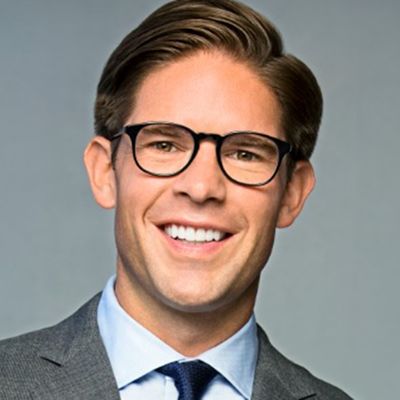
As the host of NY1’s “On Stage” and a microphone for the theatre community, this Emmy Award winner's stories have shifted from Broadway openings and red carpet events, to how people are surviving and pivoting while Broadway is on hold... Read More
From the show: The Theatre Podcast with Alan Seales
Guests
Featured Shows

About
As the host of NY1’s “On Stage” and a microphone for the theatre community, this Emmy Award winner's stories have shifted from Broadway openings and red carpet events, to how people are surviving and pivoting while Broadway is on hold.
Frank DiLella is the Emmy Award winning host of “On Stage” on Spectrum News NY1, the news channel’s weekly half-hour theater program. His celebrity interviews, along with his in-depth reporting of the theatrical scene, have helped make him a household name in the theater and entertainment communities in New York City, as well as around the globe. Since joining NY1 in 2004, he has interviewed many legendary artists including Tom Hanks, Vanessa Redgrave, Nathan Lane, Elton John, Liza Minnelli, Patti LuPone, Bette Midler, Bernadette Peters, Hugh Jackman, Lin-Manuel Miranda, James Earl Jones, Chita Rivera, Jane Fonda, Ben Vereen, Angela Lansbury, Tony Kushner, Andrew Lloyd Webber and more. Frank is the recipient of 3 New York Press Club Awards including 1 in 2019 for his special on the Broadway revival of Angels in America – and the other in 2020 for his special on Network. He’s made multiple big and small screen appearances as “himself” including The Prom – opposite Meryl Streep, Smash, The Little Voice, and The Forty Year Old Version. Frank is also an adjunct professor teaching theater journalism at his alma mater Fordham University at Lincoln Center.
Born and raised in Philadelphia, Frank always loved theater as a kid (but he also loved watching Dateline NBC and America’s Most Wanted). He grew up performing, and participated in the school musicals throughout his childhood. Frank fell in love with New York City, and after moving to attend Fordham University to pursue Broadway aspirations, an Intro to Media Studies class and an internship at Spectrum News NY1 altered his course.
During our conversation, Frank talks about how he created an outlet for himself in the industry, and became a voice in the community. “Being on air, and being a reporter, and being in journalism...” is similar to acting and to theater because you are still telling stories, he shares. He also reveals that “that little fix or high” you get when you’re on stage happens all the same while he is on air reporting, or hosting events. Frank opens up about his work during COVID - and how he sees himself as a microphone/platform for the community, helping them get the word out there in both good times and bad.
In this episode, we talk about:
- Being a theater kid
- Moving to NYC to pursue performing
- The callback and internship opportunities which helped determine his career path
- How he worked his way up the ladder at NY1
- Covering the 2007 Broadway stagehand strike
- The one thing he always says to his students
- Filming “The Prom” with Meryl Streep
Connect with Frank:
- Instagram: @fdilella
- Twitter: @fdilella
- Watch "On Stage"
Connect with The Theatre Podcast:
- Support us on Patreon: Patreon.com/TheTheatrePodcast
- Twitter & Instagram: @theatre_podcast
- Facebook.com/OfficialTheatrePodcast
- TheTheatrePodcast.com
- Alan's personal Instagram: @alanseales
- Email me at feedback@thetheatrepodcast.com. I want to know what you think.
Thank you to our friends Jukebox The Ghost for our intro and outro music. You can find them on Instagram, Twitter, and Facebook @jukeboxtheghost or via the web via jukeboxtheghost.com.
A very special thanks to our patrons who help make this podcast possible!
Cheryl Hodges-Selden, Paul Seales, David Seales
If you would like to see your name in this show notes or get a shout out on the pod itself, visit ttp.fm/patreon to become a member and show your support!
Transcript
This transcript was automatically generated and might contain errors.
[0:00] Alan Seales: Welcome to the first episode of the Theatre Podcast in 2021. Happy New Year, everyone.
[0:14] Alan Seales: Let's raise a glass to what we can only hope will be a much better year than 2020 was on many, many levels. This episode is with Frank DiLella, who is the award-winning host, Emmy Award-winning host of “On Stage” on Spectrum News NY1. He's another great example of someone who has been able to successfully and happily stay involved with theatre and even on-camera work without directly pursuing a career on the Broadway stage. And one of the most interesting things he said to me was, even in a pandemic, there are still so many Broadway and theatre-related stories to tell. Why that was surprising is because, as you probably know, there has been no Broadway for, at this point, ten months. That's just insane.
And my heart goes out to everybody. This is 2021. It's going to be good. It's going to be better. Before you get into the episode, follow me online at theatre underscore podcast on Instagram and Twitter. You can visit me on Facebook at slash official theatre podcast. Visit me on the web at the theatre podcast dot com. Help show your support for the podcast and help with some of the production costs to keep bringing these episodes to you at ttp.fm slash patreon p-e-a-t-r-e-o-n. There's some really good benefits there for you to take advantage of. And now, everybody, please enjoy this episode with Frank DiLella.
[1:42] Alan Seales: Today's guest is the Emmy Award-winning host of On Stage on Spectrum News New York One, a show he has been hosting since 2004. He's the recipient of three New York Press Club awards. And in addition to interviewing people locally, from Tom Hanks to Hugh Jackman to Patti LuPone and Lin-Manuel, he also travels internationally to cover theatre in the United Kingdom, Japan, Hong Kong, Germany, even Canada. He's got a wonderful string of cameos in some amazing films playing himself, including The Prom that was just released on Netflix, interviewing Meryl Streep, by the way. Frank DiLella, welcome to the Theatre Podcast. What is up? I'm so happy to be here. I love the Broadway Podcast Network, so I'm honored to be on it.
[2:32] Frank DiLella: Oh, thank you. Thank you. Yeah, I've been looking forward to this because, I mean, you've been a household name in the theatre community for quite some time. And I guess that's actually a really good place for us to start, is you've been hosting On Stage since 2004. But where were you before that? How did you get into journalism and then tie this back into Broadway theatre, all of the above?
[3:00] Frank DiLella: Well, first and foremost, I'm going to correct you quickly. I started interning at On Stage in 2004.
[3:13] Frank DiLella: Oh! But thank you for all those years because, you know, you just make the best publicist, so I may have to chat with you off-air about hiring you to beef me up a little bit. No, before all of this, I actually, you know, I was born and raised in Philadelphia. Always loved the theatre as a kid. My earliest memories of going to the theatre were with my mom and my grandmother and just fell in love with it at a very, very early age. And as I grew older, you know, my folks would take me to New York City and I immediately fell in love with this city and moved here for college in 2002 and never looked back, as they say. I stayed here. I went to school at Fordham University at Lincoln Center, right in the heart of it all. So, you know, I felt connected to the community and that's kind of where my journey began.
[4:09] Alan Seales: Well, okay, so it's a personal journey and the connection. I mean, theatre is family. When you're doing, when you're in a cast, when you're performing, you're going through, I've equated this to a form of trauma in other episodes of just the intensity of rehearsals and working out these problems. And when you're developing a show, just sometimes the literal years of working in the same room with the same people, you get to know them so well.
[4:38] Frank DiLella: Totally. Right, so you feel connected to these people, but were you originally, was your path sort of going towards performing or anything on the creative side?
[4:47] Frank DiLella: Yes, I mean, like many of us who moved to New York City, I had hopes of, you know, getting here, auditioning, and, you know, starring in a Broadway show two or three years in. That did not necessarily happen, but yeah, no, I grew up doing theatre. I always say my mom chose the grade school that I went to because every year they would do a big splashy spring musical. And we're talking, you know, big, big musicals. This was long before they did the junior abbreviated versions. We're talking the full-scale musicals of The Sound of Music and Once Upon a Mattress and The Music Man. And the music teacher who kind of created the program would hire the musicians who would play all the national touring houses in Philadelphia.
And, you know, they would bring in these incredible artists to design the sets, and they would rent our costumes. So, like, that was my childhood. And then when I went to high school, I went to an all-boys prep school, so I would do the theatre program there. And then I had, we had a sister school where the girls went, and I would do the musical there. So, like, you know, I was immersed into the world of theatre, I want to say, from, like, six, seven years old, all the way up. You know, and that we're talking dance classes, voice lessons, piano lessons, and, of course, some kind of production here or there, you know, I would say nine to ten months out of the year.
[6:25] Alan Seales: Wow, okay. So then you get to New York, and where did you go to college here?
[6:32] Frank DiLella: Fordham University.
[6:33] Alan Seales: Fordham, right. Okay, so you were, you're heading towards the performing path, and then, I mean, at what point do you start interning, right? But at what point, I guess, do you get out of the mindset of, I'm going to be on stage as a performer, to, I'm going to cover this, I'm going to, I'm going to be a journalist. Like, was journalism ever in the back of your mind, or did you just sort of fall into this?
[6:58] Frank DiLella: So I was an odd kid growing up. I love theatre, and my go-to TV shows were Dateline, NBC, and America's Most Wanted. Analyze that.
[7:09] Alan Seales: A natural combination.
[7:10] Frank DiLella: Analyze that if you will. 2020 as well. So I always toyed with, in the back of my mind, you know what, if the theatre thing doesn't work out, I would love to be, you know, a TV presenter of sorts to tell long-form stories. I love CBS Sunday Morning. I love long-form news magazine features. Like, that is exactly what I love watching and just kind of analyzing.
[7:34] Frank DiLella: So I started in the theatre program at Fordham. Early on, you know, in my class, Taylor Schilling was there, and a guy who makes a lot of appearances here and there on Broadway shows, Van Hughes, and my friend Kelly Curran, who's a well-known off-Broadway and Broadway actress who just is kind of like transitioning into the TV world.
[7:58] Frank DiLella: So needless to say, it was a very small program and a very talented class. And I knew early on that if I was going to survive in this city, these folks were super talented. I was lacking just a tad, I would say. So I had to figure out a plan B.
[8:18] Frank DiLella: And to be completely honest with you, around my sophomore year of college, I took an Intro to Media Studies class. My professor said to me, you know, for those of you who have ever wanted to be a reporter, you are going to probably have to go to the middle of nowhere to start out. That is kind of like the path. And that, back in the day, was the path for getting on air. Start out in a very small market and then work your way up, New York City being market number one, LA being market number two. And he said, if you're lucky enough, though, try and get an internship at New York One because in New York One, it's very hands-on and you can really immerse yourself into the world of broadcast. And you can dabble into editing and news production and even build a reel there and start your career here in New York City.
You don't have to move. For me, that sounded like a dream because the idea of leaving New York City was, you know, out of the question. I was not leaving the city that has forever felt like home for me.
[9:11] Frank DiLella: Around that time, I had auditioned for the Gallery of Players. I can't believe I'm telling the story because I've never told the story. Around that time, I was auditioning for the Gallery of Players production of Hair. And I got a couple callbacks for the role of Claude. And I also got an interview at New York One for their internship or into the summer before my junior year. I said to myself, Frank, whatever happens, that is the path you're going to take. If you get the role of Claude in Hair, you're going to continue to pursue acting and you're going to go down that road. If you get the internship in New York One, you're going to continue with broadcast and you're going to become a reporter. Needless to say, two callbacks later, I did not get Hair. I got New York One. And I was like, I'm not looking back. This is my road. That's where I'm going. And the rest is history, as they say.
[10:13] Alan Seales: If you had been offered both, what would you have chosen?
[10:17] Frank DiLella: That's a good question. I would have probably tried to do both, knowing me. I would have probably said to them, let me do this production of Hair, but put me on hold for the fall semester and I'll come and do something with you guys in the spring.
[10:40] Frank DiLella: One does not come to a decision of, this decision is going to change my life, or this is what I'm sticking with and it's going to be my life. One does not come to that decision lightly. Were you at that time going through this existential identity crisis of, I'm in New York, what am I doing here?
[10:56] Frank DiLella: 100%. Also knowing that we both know the theater world. These artists are athletes. This is not you show up and you're on Broadway the next day. No. These people train and train. They train in dance. They train in voice. They train in acting. I wasn't stupid. I grew up doing this, but my training wasn't at the level that I would be competing against other people. I also had to be realistic. That was something that I had to take into consideration as well.
[11:38] Frank DiLella: When making that choice. But I have to say, being on air and being a reporter and being a journalist and telling stories is similar to acting, similar to theatre, you are still telling stories and you are a part of it. And that, I always say that little fix or a high that you get when you're on stage in front of an audience, I 100% get that when I'm on air, especially, you know, when I'm doing things like hosting the Red Carpet Show for the Tony Awards or I'm hosting events or I'm doing stuff for the Olivier Awards in London and you're in front of a ton of people. I mean, that high I got as a little kid being on stage in front of a couple hundred people, you get that too when you're doing TV and when you're reporting or you're interviewing someone.
So that fix, that high is still there. Is there, is there any type of regret or, not regret, maybe regret's not the right word, but is there any sort of wondering what if, you know, in another dimension, if you believe in the multiverse, you're starring alongside Meryl Streep in some, you know, some made for, some movie that's been converted from Broadway? This is very if then of you. What if I took this path and not that path, right? To quote a Broadway show or to paraphrase the synopsis of the Broadway show. No, I, no, I have to say, I don't have regrets, you know, I don't. The crazy thing is, because I chose this path that I did choose and went down this path where, you know, I kind of created a little outlet for myself in the industry of telling these stories and being a voice for the community.
These opportunities of getting to be on a Broadway stage and getting to play myself on screen, whether it's in Smash or The Prom or The Forty Year Old Version, they've kind of popped up. So I don't think I would have, I know I wouldn't have those opportunities if I would have gone down the other path.
[13:52] Alan Seales: Well, clarify the timeline for me then, because in 2004, you started interning at New York One or was that when you started interning on On Stage or are they one and the same?
[14:04] Frank DiLella: So I started interning at New York One and On Stage, which are one and the same. And then I interned back to back for three semesters. With the exception of that summer, I was hired as an assistant for one of the Broadway press offices. This press office then no longer exists called Barlow Hartman, which at the time rep shows like the original Color Purple and Sweeney Todd with Patti LuPone and Dirty Rotten Scoundrels and Sweet Charity with Christina Applegate. So I also dabbled in the press world seeing if being a press rep would be something that I would want to do. And I realized I liked being on the other end, being a journalist and telling the stories the way that I do. And so New York One had me for three semesters in a row.
And then the end of my senior year, the last semester, they asked me to be a freelancer, freelancer news assistant. So basically a freelance camera guy to go around and shoot news. So I did that. While moonlighting on On Stage, I would always volunteer to do stuff up On Stage. Cut to the summer after my senior year after graduation, I got hired full time as the overnight assignment editor. So what I would do is while my friends were out partying after graduation, I was packing up my things and going to the news station to work the overnights Thursday through Sunday. And then slowly but surely, I started doing other things like I started producing their New Yorker of the Week segment. And in 2007, the Broadway stagehand strike happened.
And we were the first to break that news. I got tipped off from a friend who was in a chorus line the night before the strike took place or went into effect. And he sent me a note saying, just got out of a company meeting. The strike is on for tomorrow. We broke in with that news beating the Associated Press and the New York Times. And my news director at the time said, Frank, you're on this story. You're going to produce it. And so I was on that story for three weeks. We were kind of like the leading station when it came to the updates on the three-week shutdown on Broadway. And we were the first to break the news that the strike was over. And so then right then and there, I got promoted to being with On Stage full time.
And started out as a producer. That was 2008. And then started reporting for them in 2009. And then now I'm hosting the show. So it's been a wild ride. But I've certainly, I have to say, everything that I learned along the way, all the tools that I have now in my toolbox have certainly helped me with the position that I'm currently in.
[16:39] Alan Seales: That's interesting. So was it a natural progression from the production team to say, oh, this guy Frank, he should be the next host? Or did you have to audition for that sort of role? Or was it sort of, you're the protege of something and then they're grooming you to be the next thing?
[17:05] Frank DiLella: Well, I think the best way to put it is that I was doing and pitching and producing stories that were really coming from me and coming from my contacts. And after a while, as a producer, you're writing for other people. I think my bosses took note in that, Frank, you should be telling these stories. The first piece that I was allowed to go on air with was when Hair shut down the production for, it was after their Saturday Night Show, they shut down the production on Sunday. This was the revival so that they could go and march in the Marriage Equality March down in DC. And a friend of mine who was working on the show said, Frank, why don't you come with us? Be on the bus, stay in the hotel with us, just document the whole thing.
And that was an amazing moment for me just to experience in itself because A, it was history, but also we were down there with Lady Gaga and the cast of Hair and Stephen Schwartz and Cynthia Nixon and just the people from Wicked and Gavin Creel and Audra McDonald. Everyone was just kind of together for this one cause. And I came back and they said, Frank, there's no way we're going to let someone else tell the story. You experienced it. It's almost like a Dear Diary type situation. Go write the story and you can be the presenter. And so that was my first piece on air.
[19:01] Alan Seales: That's so cool. I didn't know that. As someone who has done no journalism and has very few journalism friends, the bad news travels faster than good. I always get so sort of, not scared, I was going to say scared, but that's not the right word, but cautious of oversharing, I guess, to news outlets. Because especially in this business, everything's secret and everything's gossipy and everything is this tiny, tiny little family where everybody knows each other. Whether you like each other or not, you still have to be together because as many people as in New York, it's still the same group of people that you see everywhere. And how have you navigated that in your career? You seem like a super nice guy, super friendly, people that I talk to that know you always say positive things.
So how do you tell the truth, which sometimes is not always the best while still not alienating contacts or making sure that you have more stories to tell because you're just not being a jerk to everybody?
[20:06] Frank DiLella: Well, first and foremost, I also teach at Fordham University. I'm an adjunct professor. I teach arts journalism. And the one thing I always say to my students when they ask for advice, I always say, first and foremost, be kind. Kindness goes a long way. Say things with a smile. That is a mantra that I've kind of kept in mind for a very long time. And it's true. There's no reason to be nasty. Be kind. But also, for my position, what I do, for the most part, I want to say 95% of the material that I put on air and the stories that I tell are for the most part celebrating this community. So I'm not a critic. I'm not there to bash anyone. You'll never hear me bash anyone publicly. That is not my thing.
For that 5% in terms of stories to tell that are hard news and get into the more seriousness of nature, I always say, I hope that my other work speaks for itself. And at the end of the day, and I've certainly had my run-ins with people in terms of them not liking what is being presented. But I feel like the years that I've spent in telling the stories that I've told over the years, my work speaks for itself. And people should know what they're going to get when it comes to me and the truth and the honesty that goes into my storytelling.
[21:36] Alan Seales: That is very respectable. I agree. Yeah, you have to be honest and you say, all right, so this is the story. Give me your side of it so I can tell the truth.
[21:54] Frank DiLella: Yeah, yeah. We're going to take a short break. Stay tuned for more of the episode.
[22:05] Alan Seales: The first time you got to play yourself on TV or anything outside of just the onstage medium, was that Smash?
[22:22] Frank DiLella: On TV, it was Smash. On Broadway, it was Mary Poppins.
[22:29] Alan Seales: Oh, what did you do in Mary Poppins?
[22:30] Frank DiLella: They put me in, so I've done four, it's so weird to say. I play myself on one Broadway show and that was The Prom. I did the same role that I did in the movie for one night last year. Then I did walk-on roles, but more of just a walk-on. They actually rehearsed me for stuff, for Mary Poppins, Newsies, and Les Mis. But the first time I played myself, yes, was Smash in 2013.
[23:10] Alan Seales: That's cool. I'm curious about how that works contractually.
[23:16] Frank DiLella: Live the business side of it because you're not, at first I assume one's not a member of equity or not a member of the union that you have to be to be on to be in one of these things. So if you're doing a one-night thing for The Prom, right, you just did that for one show. So how does that work if were you equity already or if you weren't would you have to be equity? No, I think it's just a sign off from equity that it's a one-night only situation. For the TV and film stuff, I reached the point where my next job I have to join SAG. I've been SAG eligible since 2013, but having done three things now I have to join SAG for the next thing whenever that is.
[24:06] Alan Seales: Well, I guess that's a good problem to be presented with.
[24:12] Frank DiLella: Yeah, so how did you feel then being able to reprise your role in The Prom for Netflix? Obviously, a bit of controversy around The Prom within the theatre community, outside of the theatre community, they don't hear about this news, but you've interviewed Beth Leavel on stage for the original cast and then now you've interviewed Meryl Streep for the film. I mean, is this sort of a bittersweet moment or is it just another day at the office? Talk me through this. Well, first and foremost, I think the company of the original Broadway production was just unbelievable. And they're all friends of mine and I think they all did a fantastic job. I think Ryan Murphy really elevated the show to the next level in terms of getting it on a platform like Netflix and getting the star power that he got.
I think ultimately the important thing with all this is the message of The Prom and the fact that that message of tolerance, acceptance, inclusivity is being told on a global scale. In fact, going to places because of these stars, going to places where in some countries, in some areas, in some territories, it's still illegal to be gay. And the fact that the power of Ryan Murphy has gotten this to where it has gone is just truly unbelievable. And I'm so proud. I have to be honest with you, so proud to be a small, small, small, small part of this film because everything it stands for, I am behind. Another day at the office for doing The Prom film? Absolutely not. It was a dream come true. Netflix flew me out to LA for a week this time last year and treated me like a movie star.
It was crazy. My trailer was next to James's trailer, next to Meryl's trailer. We all had stand-ins. I had people watching over me. I had a driver. It was wild. And I had Meryl Streep as my scene partner. So it does not get any better than that.
[26:39] Alan Seales: That's so, so cool. What about from, again, the business side of things? I'm always so curious about this. The business side of things, do you have an agent that pitches you to do cameos for yourself? Did Ryan Murphy or his team call you up and say, we need you to reprise your role here? Or you're on The Little Voice on Apple TV. Of course, you mentioned The 40-Year-Old Version, the movie, which is this huge Sundance Film Festival winner, where you played yourself. How did these calls come in? How did they decide to do this?
[27:10] Frank DiLella: I do have a manager. Her name is Pamela Cooper. And she does whatever contract or fields the calls when they do come in. For the case of The Prom, in that instance, or regarding The Prom, I had dinner with Ryan Murphy May of last year. And it was right around the time when he was talking about doing the film version. And I had just done the cameo in New York on Broadway. And he told me just flat out at dinner, he goes, I'm putting you in the movie. You should play yourself in the movie. And I laughed. I was like, oh, yeah, right. But Ryan Murphy is an unbelievable powerhouse. And he is a man of his word. And in September of last year, right before my birthday, my manager sent me a note saying, call me right now.
And I called her and she goes, we just got word from Ryan's casting office. They want to know your availability for The Prom for October, November and December. Are you completely open? I said, yes, but I'm there. The rest is history. So that was that. And then The 40-Year-Old Version, which, again, another film that I'm so proud to be a part of, Radha Blank, the director, writer and star of this film, really, it's a true love letter to New York City. Very similar to what The Prom is to Broadway, a love letter to Broadway and its creatures and its people and the goodness that comes out of theater people. The 40-Year-Old Version is a true love letter to New York City and all of New York City.
And it's a timely film. It needs to be told now as well. And Radha reached out to me, I think it was through my website or Instagram and sent me a note saying, hey, can you send me your agent or manager's info? I want to pitch you for a property that I'm working on, a project that I'm working on, where you'll play yourself. And again, I thought this was the small indie film we were shooting in New York in black and white, thought nothing of it. In fact, now seeing how much is being celebrated and how great the film is, I think back to the day when we shot, we shot at the Signature Theater. I was like, yeah, it was kind of one of those things like I glanced over the lines. I was like, yeah, this is like this little project that's being done.
No, it won all kinds of awards at Sundance. It's on every single top 20 list this year from like the New York Times to the Huffington Post to the New Yorker. It is a real deal in terms of a New York film and film in general. So I'm so proud to be a part of that as well. And kudos to Radha Blank. I can't wait to see what else she has in store for us because she is an incredible storyteller.
[30:08] Alan Seales: It's interesting, something you said just now was that she reached out and then asked immediately to be connected with your publicist or manager or agent or whatnot. And I've always wondered about that because my personal connections in the business and how I get most of my guests through this podcast or through my personal relationships with publicists, because those are the circles I'm in. And I've always toyed around with the idea of like, as the kids say, to slip into the DMs. But I wonder if it's just easier to say, hey, can you connect me? Would you connect me with your manager? Would you connect me with your publicist? Is that the best thing people want to do if they want to get in touch with you?
[31:01] Frank DiLella: I'm a very transparent person and I'm pretty accessible. So if someone sends me a note, of course, I'll loop in. We're talking business here. I would loop in my manager because I run everything by her as is. But as a journalist, I'm of the mindset that if you're trying to get someone, you go in every direction. You hit up people who the person knows, you hit up them directly on social media, and you get an answer. In the news business, time isn't always on our side. So it's like fast and furious and get an answer. And so that's how I operate. But others may say differently.
[32:44] Alan Seales: Social media, actually, that just triggered a question for me. You started interning in 2004. And I don't remember the exact year Facebook was rolled out. It was like 2007, I want to say publicly, 2006 or 2007. And how did what you knew about journalism and theater at the time, you sort of started in your career right when social media was just taking everything in a different direction, right? So how did that help or hurt you, do you think actually?
[33:06] Frank DiLella: When I was in college, I think it was my sophomore, junior year, that's when I got Facebook. It was still a university thing. You still had to go to a university or college to be able to sign in. I am of the mindset that social media in general, if used in a proper way, and in the right way, is only going to strengthen a show's brand or a person's brand, and will connect you and help you. It's certainly helped me over the years. And that's my take on it. I know not everyone agrees. I know a lot of actor friends who still to this day are not on any type of social media platform. And that's fine. But I do think if you don't obsess over it, and you're not, if you don't let it consume your life, it could be a good thing.
[33:58] Alan Seales: Do you agree with the fact, well, okay, do you agree with the statement here? I won't say it's a fact. Do you agree with my opinion that all things being equal, talent-wise, the person with more social media following is going to get hired? I mean,
[34:11] Frank DiLella: I mean, I would hope not, but I do, again, I have actor friends, and this is more of a question for them than me, but I have actor friends and agent friends who say that one of the things producers and casting directors look at now is the number of followers that person has. So I mean, again, I have never felt that in my position, but I certainly know friends of mine on both ends, on the decision-making side, and also on the artist side have felt that.
[34:40] Alan Seales: Well, so you said you don't do that in your position. Do you mean if you're deciding what story to run or what things to...
[34:46] Frank DiLella: No, I'm saying I've never felt that I've been judged on the number of followers that I have or don't have. Well, so then that question then, if you have, I mean, you only have so much time in every episode. You only have so much availability in your life to cover certain stories. How do you decide what you're covering? Does, well, I guess the social media play a part in that at all, but then also, how do you decide?
[34:46] Frank DiLella: Yeah, I mean, well, I have a team at On Stage, I have an incredible team of, I wouldn't say actors. One was a former actor, a Broadway actor, who has transitioned into being a producer.
[34:54] Frank DiLella: He's awesome. And I also have multiple producers who are all awesome along with Cody. And, you know, so we have meetings each month to figure out what we're going to put on the show. And with COVID, you know, we normally in a normal year, non-COVID year, we do a new show, a new episode every weekend. Because of COVID and the restrictions of, you know, just in general with traveling and being around each other and whatnot, we've been doing, on average, a new episode a month. And speaking of social media, one of our big stories coming up next weekend for our December episode is about TikTok and how TikTok is starting to kind of trickle into the world of theater and Broadway and this amazing creation that is going to be Ratatouille the Musical.
[35:51] Alan Seales: That's what I was going to say. It's more than trickled.
[35:53] Frank DiLella: Based off of, you know, some super fans on TikTok. And it saved Beetlejuice.
[36:02] Alan Seales: Yeah, yeah. In fact, I chat with one of the cast members from Beetlejuice to talk about, you know, how she has become a TikTok star.
[36:13] Frank DiLella: Presley Ryan, of course.
[36:15] Alan Seales: Yep, Presley. Because of TikTok.
[36:19] Frank DiLella: She exploded. I attribute much of the show's success and legacy to what she was doing just for fun backstage.
[36:28] Alan Seales: Yeah, with the costumes and, you know, just kind of narrating things. She's pretty cool.
[36:33] Frank DiLella: Yeah, that's really, really cool. And Ratatouille, I assume someone's going to want to make money off of that. That's got to come to Broadway in some form when we're able to return.
[36:44] Alan Seales: So just, I guess, real quick, last question, then we'll wrap up, is about COVID. You mentioned that you were doing one a week. You said now you're down to like one a month. Is COVID helping or hurting in terms of being able to slow down and be more thoughtful in your stories? Or are you sort of struggling to get out and meet people because it's more dangerous? I mean, we're connecting right now virtually through video chat. So how have you had to pivot and how has this affected your workflow?
[37:21] Frank DiLella: I mean, to be honest with you, I'm doing stories every day, not just for New York One's On Stage, but also for the news. So it has been nonstop. Most of my stuff is done over Zoom and video chats, which, of course, is safe compared to or safer compared to doing stuff in person. People keep asking, is it harder now because you don't have shows that you're reporting on or things that are happening on Broadway? And the answer is, no, it's not harder on my end because there are still stories to be told, like telling stories about how people are surviving or pivoting during this time, benefits that are happening. There are certainly stories out there to be told, and I don't want to use the word enjoy because that's not fair.
But I see myself, as I've always seen myself, as a platform and as almost a microphone for this community to give them a voice to help them get the word out there in good times and bad. And of course, this time for the theater community is a bad time. I think there will be good ultimately that comes out of this, but it's a hard time that these people are going through and my heart breaks. And again, I see myself as a platform for the performing arts and entertainment community to help them get the word and spread the word that they're still there, they're still struggling, and they're going to come back stronger than ever.
[39:16] Alan Seales: There are a lot of stories to tell. I completely agree with you. There are just post after post and stories I hear of people pivoting to, and the word has been overused so much in 2020, but the pivot to teaching, to arts, like literally creating things on Etsy. And things that people are doing now to make ends meet or the Tony winners that are moving back in with their parents and people leaving the city now, sometimes for good. I think some people have straight up quit the business, whether they realize it or not. So I enjoy that you are still reporting on all of this, that obviously there is a plethora of things to report on.
[40:02] Frank DiLella: So the three questions I ask everybody to wrap up every episode. The first one here is, what motivates you?
[40:10] Frank DiLella: What motivates me? Well, keeping with Broadway and the industry, I would have to say the industry motivates me. I'm so amazed at the people and the characters that I encounter every single day. I'm inspired by them. I'm in awe of them. And they motivate me to tell the stories that I tell. So it's the industry.
[40:36] Alan Seales: You said something earlier that they are athletes. I've said on this podcast so many times, they're the Olympians of theater, the Olympians of theater, the best of the best. And yes, inspiring and I'm in awe of them eight times a week.
[40:50] Frank DiLella: Second question is, what advice would you give to your younger self and younger people listening now, starting out down a similar path?
[40:57] Frank DiLella: Well, I think I gave something earlier and that was to be kind to people. You never know who is going to rise or who is going to be your boss in years to come. So just in general, be nice. But the advice I would give myself is, don't be so hard on yourself. I used to beat myself up mentally for so many years and just thinking that, oh my gosh, things aren't going to work out, things are going to work out. And still to this day, I'm one of those people, I worry a lot, even still, but things do end up working out. Maybe not always as you envision they're going to work out, but they work out. That's what I would call a green light, as classified by Matthew McConaughey.
[41:52] Alan Seales: I'll take it. I'll take it.
[41:54] Frank DiLella: I just read his book the other day. It's so good. Green light. All right. All right.
[41:59] Alan Seales: All right. Now, last question. If you could only see one show for the rest of your life, but you could see it as many times as you want, what would you see?
[42:07] Frank DiLella: Probably A Chorus Line.
[42:09] Alan Seales: Why?
[42:10] Frank DiLella: It's a perfect musical. It has everything you want. That's a score I could just listen to on repeat. I could sit there and watch the dancing. I think Michael Bennett's original choreography is brilliant. It's everything that I love. It's a show business story. It has the ups, the downs, and the in-betweens. When done right, when done with the perfect cast, there is nothing better than A Chorus Line. How about you?
[42:49] Alan Seales: Oh, me? Oh, goodness. I've asked this question a good 140-something times, maybe, and I still don't have a good answer.
[43:02] Frank DiLella: Okay, so my answer would probably, I'm stalling, have to be, I think, Rent.
[43:12] Alan Seales: I was going to say, Rent 2.
[43:15] Frank DiLella: Because it's one of the first shows that I got addicted to in terms of the cast album. So I know everything by heart. It was what basically gave me a thought that I could do it too. Because I don't know why I saw Chicago, I saw Phantom, I saw these other things, and I'm like, that's really good. I could watch this. I connect with these people. But then after I saw Rent and heard it, for some reason, that seemed more real to me and relatable in a way that was like, I think I'm going to try to do that. And I did. I did.
[43:57] Frank DiLella: That's awesome. That's awesome.
[43:59] Alan Seales: I love it. I love it.
[44:01] Frank DiLella: When did you see it? You saw it on Broadway, I'm assuming?
[44:03] Alan Seales: Yeah, yeah. I traveled up.
[44:05] Frank DiLella: Which cast?
[44:07] Alan Seales: It was the original. It was in college. I came up in, I think it was '99, '99 or 2000. I came up with some friends.
[44:16] Frank DiLella: Cool. Yeah, that original cast was spectacular. I remember sitting, it was right, I think it was like January after they had opened on Broadway. January of '98, maybe. And I remember my mom brought me up. I was like 14 years old. My mom took me in. I remember that opening number of Rent. And I remember grabbing my mom, hitting her leg and being like, this is amazing. We're not leaving. This is so fucking cool.
[44:54] Alan Seales: Leaving was an option anyway.
[44:56] Frank DiLella: Yeah. It was just so great. So the first thing that comes to mind, the word is electric. That original cast was electric. And seeing Idina sing Take Me or Leave Me, I was like, oh my God.
[45:08] Alan Seales: So good. I know. I know.
[45:11] Frank DiLella: Yeah, I remember. I mean, there was a time in life too, like my early college years, you know, that's when you're out on your own your first time. And I went to New York by myself with my friends. And I didn't ask my parents. I just told them I was going.
[45:24] Alan Seales: There's a whole nostalgic image that's painted around all of that.
[45:29] Frank DiLella: Love it. Where are you from originally?
[45:32] Alan Seales: North Carolina.
[45:34] Frank DiLella: Okay. All right.
[45:35] Alan Seales: Yeah. Yeah. So I came up with some theater friends in my engineering school and we just saw it. Yeah. It's a whole different side story.
[45:44] Frank DiLella: Love it.
[45:46] Alan Seales: So where can we find you on social media?
[45:48] Frank DiLella: At F. DiLella on Instagram and on Twitter. And Frank DiLella on Facebook.
[45:53] Alan Seales: Sweet. You can get more of me at thetheaterpodcast.com. I'm on Instagram and Twitter at theater underscore podcast on facebook.com slash official theater podcast. Please leave a rating, leave a review. It helps spread the word. This has been edited by Matthew Hendershot. Thank you to Jukebox the Ghost for the intro and the outro music and Frank DiLella. Thank you so much. This has been a really fun conversation.
[46:16] Frank DiLella: Thank you. This has been so much fun. Thank you. Thank you. Thank you for having me and Happy New Year.
[46:21] Alan Seales: You too. You too.
© Broadway Podcast Network, All Rights Reserved