

This week, the incomparable Susan Stroman sits down to share it all with Susan and Laura, including lessons learned from the lockdown, insights from her 5x Tony Award Winning career, as well as what it's all for... Read More
From the show: The Spark File with Susan Blackwell and Laura Camien
Guests

Featured Shows
About
This week, the incomparable Susan Stroman sits down to share it all with Susan and Laura, including lessons learned from the lockdown, insights from her 5x Tony Award Winning career, as well as what it's all for. Spoiler Alert: the answer is love.
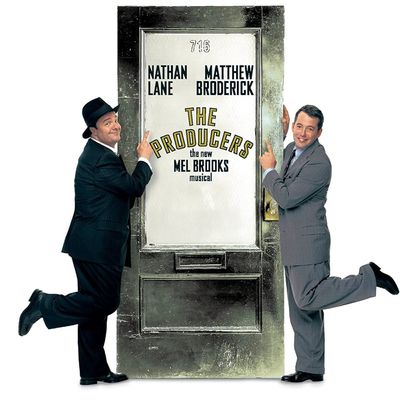
From her work on The Producers, Crazy For You, Bullets Over Broadway, Contact, The Scottsboro Boys and so much more, Susan recommends that we fill ourselves up with the art of it all!
Transcript
This transcript was automatically generated and might contain errors.
[0:10] Susan Blackwell: When I bump into something that inspires me, I jump in my spark file.
[0:18] Laura Camien: Spark file to be something that I wanna make or how I wanna be.
[0:23] Susan Blackwell: I pump it in my spark style.
[0:23] Laura Camien: Sparkfile.
[0:26] Susan Blackwell: I jump into my spark slide.
[0:32] Laura Camien: Let's open up the spark file.
[0:37] Laura Camien: Welcome to the Spark File, where we believe that everyone is creative, but smart creative people don't do it alone.
[0:43] Susan Blackwell: I'm Laura Camien.
[0:44] Susan Blackwell: And I'm Susan Blackwell.
[0:46] Laura Camien: If you're joining us for the first time, welcome. But you may be asking yourself, what exactly is a spark file? Where do I get one? What do I file in it? These are such good questions, and we have got answers.
[0:57] Susan Blackwell: We do.
[0:58] Laura Camien: A spark file is the place where you consistently collect all your inspirations and fascinations. And if you're like us and making stuff all the time, you know that sometimes the wellspring of inspiration can run a little dry. We're here to refill it.
[1:14] Susan Blackwell: Yes, we're on the lookout for fresh ideas, images, and inspiration that spark our creativity and pique our curiosity. Things that inspire us to get up off of our asses and make things like this very podcast.
[1:26] Laura Camien: Or no big deal, just some of the greatest musicals of all time.
[1:31] Susan Blackwell: Or several deep, long-term artistic collaborations.
[1:35] Laura Camien: Or a creative career that smashes boundaries and sets records.
[1:39] Susan Blackwell: Or a model for how to balance being very talented, very successful, very effective, and extremely kind.
[1:46] Laura Camien: On today's Makersode, we're gonna talk to someone who truly sparks us.
[1:51] Susan Blackwell: And that someone is Susan Stroman.
[1:53] Susan Stroman: Stro, welcome to the Spark File.
[1:59] Susan Stroman: I am really I am very happy to be here.
[2:03] Susan Stroman: That was a swell introduction.
[2:05] Susan Stroman: I owe you both 20 bucks.
[2:06] Laura Camien: Thank you.
[2:08] Susan Stroman: 40 bucks for 40 bucks Richards.
[2:11] Laura Camien: We're moments in. So we're so happy that you're joining us today. And we want to start by asking you, where are you right now? And how are you right now for reels?
[2:21] Susan Stroman: Mm-hmm. Well, I am I am locked down on 57th Street here in New York City. And uh I have a I have an office that I am in. Um I I have an apartment upstairs and then a little office downstairs. So I am in my office and uh and uh happy to have an office to escape to, I have to say.
[2:44] Susan Stroman: In the same building. So I'm very, very lucky. Uh and I'm doing okay, you know. I'm I'm uh it has been a wild uh year of just um pushing through and and uh trying to be creative, you know, because it'll take more than a pandemic to stop the creative juices from flowing, you know.
[3:05] Laura Camien: Truly.
[3:06] Susan Stroman: So uh yeah, just I've been uh a Zoom queen, you know. I've been zooming with many creative teams and um trying to create so when we get on the other side of this apocalypse, I'll have something to show or pitch or or to continue uh developing, you know. So I've been doing my best to keep going forward.
[3:29] Laura Camien: And you've really been getting some stuff done during this pandemic. You have been you've been making a lot of musicals over there, haven't you?
[3:36] Susan Stroman: Well, I've been trying. I've been trying. Uh what the one thing that you know, I was supposed to direct a play up at Williamstown, right uh for the summer, um, called Photograph 51 by Anna Ziegler, beautiful play. Um, and uh it and of course Williamstown closed down. But um Audible Books picked it up, and uh so we uh recorded it for Audible Books and and they gave me two weeks with the actors and then three days of recording and yeah, it was spectacular.
[4:10] Susan Stroman: I mean, so uh, you know, in a way, um, it was so lovely that Audible Books did that, because of course they don't have to do that, they've got Obama's book, they didn't have to do this. They're really my understanding is that Audible is really committed to I think that the head of Audible loves theater, is my understanding, and they are really committed to producing more and more plays for people to listen to in their earbuds, which I think is fantastic.
[4:39] Susan Stroman: It is fantastic, and they were so collaborative and wanted to get it right and and so supportive of all the actors. So, in fact, we were able to keep working during during the lockdown in a new way, but yeah, still it it it produced something for Audible. So that that was uh that was a good story.
[4:57] Laura Camien: Just adapting.
[4:59] Susan Stroman: Yeah, I'm a big fan of the pivot. I know sometimes it can feel like a pale comparison, but people who have been able to pivot into some other version of the work. How was your experience directing actors over Zoom?
[5:13] Susan Stroman: I assume.
[5:14] Susan Stroman: Well, yes, well, you know, what's interesting for for the play, it was wonderful in the sense that I I was face to face with these actors and had them very close to me. And and in fact, since since we were so close together um we were able to have a great dialogue in a way that sometimes um you don't get in a rehearsal room.
[5:37] Laura Camien: So interesting.
[5:38] Susan Stroman: So the so in fact I liked it a great deal because we we seemed to go into uh greater depth about things. Uh I know I know it was quick, we only had two weeks. But um but just as far as character work goes, in fact the Zoom uh was very good. I I'm feeling it really talk some trash about the technologies like Zoom, and I know that Zoom fatigue is a very real thing. But I I it's been our experience that we've had amazing, really connected, sometimes transformational experiences over Zoom.
[6:12] Susan Stroman: It's sort of it is what you make of it, I think. Now I know I don't say that about the musicals. They were much more difficult over Zoom. Because there is uh a lag, you know, there is you know it's difficult difficult to uh pick up cues, it's difficult to sing, everything about it is difficult.
[6:32] Laura Camien: Yes, yes.
[6:33] Susan Stroman: But um, you know, you just kind of embrace it in another way, and uh a lot of it uh uh creating mu a musical on Zoom has to do with the actors themselves going away and recording themselves on their phones and then sending it back to us, and then we uh end up making a little edited Zoom movie at the end, you know. So it's I know. But it you know, but again, it is uh a developing process that that allowed me to go forward rather than waiting until this is all over to go back to these musicals.
[7:07] Susan Stroman: So in fact, uh although it was more difficult on Zoom than the than the play, it it certainly uh has uh added to the help of the development for its future.
[7:18] Laura Camien: That's great. Stro, we always begin with the Spark File price of admission on this uh on these episodes. So real quick, can you tell us a creative risk that you've taken recently? Any of the aforementioned things might actually qualify for this. But specifically did any of them feel particularly risky and um you thought hey well this isn't perfection but it's progress.
[7:43] Susan Stroman: Well not as risky as walking up eighth avenue that is uh that is that's the risk. That's the old uh after six o'clock uh during the pandemic uh that's the risky one but um I I guess you know I feel like everything I do is a little risky uh everything I seem to do has a bit of controversy connected to it so um uh yes I mean one one uh piece is a me too uh has a me to theme and uh Diane Warren's music wonderful and uh wow and it's it's risky to make sure it's entertaining yet thought provoking yet um informative uh and uh in in these contemporary times making sure it it feels really relevant as as time goes by you know yeah so I think that that felt a little risky um and uh you know the other uh musical is uh can't is a Candroneb piece that is um um john cander has written new music for and um uh it's it's going very well and and again it's about new york and uh so it's uh every I feel like everything I do has a little risk added to it is that like part of the draw do you think like that is like part of what attracts you to a particular piece?
[7:50] Susan Stroman: Uh yes absolutely because you know uh you want something to be riveting to an audience yeah you want them to be um you know listen I've I'm very lucky that I've been able to tell many different kinds of stories in my career to go from um you know crazy few to contact to the producers to the Scottsboro boys the the kind of um you know the diversity in this in the storytelling is something I relish to try something new for a different crowd because because in the end how how a piece affects an audience is important to me and and actually fulfills me um you know to stand in the in the the back of an audience and see an audience respond to something I've created or or a particular number particular stage piece you know a um you know to see them um put their arms around each other in crazy few or to laugh uh uproariously at the producers or to to cry it cry a contact or to to um to start a conversation as in the Scottsboro Boys you know so it's that kind of different reactions from audiences um uh just fills me up.
[10:37] Susan Stroman: I mean, I love it so much.
[10:39] Laura Camien: Have you ever felt like truly I have no idea how people are going to respond to this? Have you ever felt scared, shitless?
[10:48] Susan Stroman: Yes, all yes, all the time.
[10:50] Susan Stroman: Yeah. Yes.
[10:51] Susan Stroman: All the time, you know, because whatever you create, you sort of immerse yourself in this this bucket of talent of actors, and um, yeah, I and and you don't leave the rehearsal room, and it's all about uh collaborating with your um team and your designers and your your uh composers, your lyricists, your you know, book writer, and then your actors, and and you don't really come up for air until that first preview, and then you think of the audience. It in a way you're so so making making the art of it and the collaboration with artists that um you never know it's going to happen ever.
[11:38] Laura Camien: Yep. I think you're officially admitted to the Spark File, by the way.
[11:42] Susan Blackwell: Yes, we should have mentioned that.
[11:44] Laura Camien: Um so um for people who don't know you, how you identify creatively, like when people ask, what do you do? How do you answer that?
[11:53] Susan Stroman: Well, I mean, I I am I you know I am a theater animal. I love the theater so much.
[12:02] Susan Stroman: I love that on your business card.
[12:05] Susan Stroman: Theater animal, you know. I I and I love it all, you know. I mean, I and I do cross over, you know, I do musicals, I do plays, I do ballets, I do operas, you know. So I I I do cross over and I love crossing over. And and actually I love combining too, you know. Um asking people from Broadway to watch ballet, asking people from the ballet to watch Broadway, you know, to um really do a cross-fertilization of all these art forms is really thrilling for me. So I have done that too, you know, and I and I adore that because I I love all those art forms so much. But we're gonna go a theater animal, I think.
[12:47] Laura Camien: Ah I would expand it even further and just say creative animal. I think you know, you also, though it may not be your primary preference, you also work in film.
[12:57] Susan Blackwell: I feel like you uh have sort of this limitless creative capacity is what it seems like from the outside.
[13:05] Laura Camien: I don't know how it feels from the inside, but you're so curious and you're so game to try a lot of different stuff.
[13:13] Susan Blackwell: Also, I'd I'd go with creative animal, but that's an outside perspective.
[13:17] Susan Stroman: I like it.
[13:18] Susan Stroman: I'll take it.
[13:19] Susan Stroman: I'll pretty much do my redo my credit cards there.
[13:23] Laura Camien: There you go.
[13:24] Susan Blackwell: There you go.
[13:25] Susan Blackwell: So Stro, I've asked you about this before, so please indulge me because I'm gonna ask you about it again.
[13:29] Susan Stroman: But you've talked about how you've had this clarity since you were pretty young, that you were going to be a director choreographer, you were going to be a maker of theater, but you also had this awareness that you would first have to come to New York City and learn the lay of the land by being a performer.
[13:49] Susan Stroman: This is so fascinating to me.
[13:52] Susan Blackwell: Could you please articulate how you came to that kind of clarity at such a young age and how the fuck you knew to be that strategic?
[14:05] Susan Stroman: Well, you know what? I because I know a lot of people become directors or become choreographers for other reasons. Either they they don't want to perform anymore or they or they feel like they have they've mastered a yeah, got it.
[14:17] Susan Stroman: You know, or that's usually the route, or they've uh been an assistant to someone and then go on that route.
[14:23] Susan Stroman: But I I have to say, you know, I was in a dancing studio since I was about five years old, and I grew up in a house filled with music.
[14:31] Susan Stroman: My father was an incredible pianist, and so there was always music in the house, and I was that little girl who would dance around the living room to her father playing the piano.
[14:41] Susan Stroman: And um it's so it was very much a part of me at that early age creating dance for his music.
[14:49] Susan Stroman: And uh so I you know, I uh from very young age I would be in um dancing school of tap, jazz, ballet, and uh then you know, piano lessons, guitar lessons, you know, then doing community theater.
[15:05] Susan Stroman: Uh I just loved it so much.
[15:07] Susan Stroman: And I and but I think it's the passion for the music that was the initial uh the just the initial piece that that put put me on this track.
[15:18] Susan Stroman: And uh uh, you know, so when I so I started to direct and choreograph in the um I'm originally from Delaware, yeah.
[15:28] Susan Stroman: So me and Joe Biden and uh congratulations.
[15:32] Susan Stroman: Yes, thank you.
[15:33] Susan Stroman: We're both we both love the Amtrak.
[15:36] Susan Stroman: And um, so we you know, I started uh there doing um uh choreographing and directing for uh community theaters and uh and um high school marching minutes.
[15:50] Laura Camien: What age were you then?
[15:52] Susan Stroman: Well, probably you know, 16, 15, 16, 17 years.
[15:55] Susan Stroman: Yes, you know, all that, all during high school, and then in college, I I graduated from the University of Delaware with a uh bachelors of arts in English and um but I you know still was uh choreographing directing and uh I I wanted to come to New York and give it a try but I knew I couldn't come to New York and just take over.
[16:17] Susan Stroman: I had to come as a song and dance scout and then sort of assess the situation and then take over you know but it it so I um came here and auditioned for a show and the first show I got uh the first audition I got I got a a job uh it at the Goodspeed Opera House and uh it was um uh definitely I didn't even know quite what the word equity meant you know so I all of a sudden I had a had a job and you know uh sold my car and and uh moved moved to New York and and uh and then and then I just started working as a performer but you know I did the the national tour of Chicago with uh Gwen and Cheetah and and Jerry Orbach and I was the Huniac in that and uh and I and then I started doing you know a lot of industrial shows they were a big deal here and then I oh yeah yeah yeah and then I slowly started to cross over to direct and choreograph industrial shows and then differ different club acts and things like that.
[17:21] Susan Stroman: They were very popular when I was um uh at that at that time and uh so uh and then one day you know I was I was in a um I did a show called Whoopi on Broadway.
[17:34] Susan Stroman: And uh then one day I was in a show that lasted a week on Broadway.
[17:40] Susan Stroman: It was called Musical Chairs, and I was sitting outside with uh Scott Ellis, um who was also in it.
[17:49] Susan Stroman: We were both lamenting on how we wanted to be on the other side of the table.
[17:52] Susan Stroman: And uh and Scott had done the rink with Cand or Neb and I had done um Chicago, but we didn't know them that well, but we knew them, and we thought, what if we went and knocked on their door and said, Hey, what if you allowed us to take one of your shows off Broadway?
[18:08] Susan Stroman: And uh, you know, and we were a little afraid to do it, but we did it, and lo and behold, they said yes.
[18:15] Susan Stroman: And so we took it.
[18:17] Susan Stroman: That's how you do it.
[18:18] Laura Camien: There you go.
[18:19] Susan Stroman: We took one of their shows, uh, Floor of the Red Menace, and went down to the Vineyard Theater and said, Hey, we have this show, can we do it?
[18:26] Susan Stroman: And Doug Abel surprisingly said yes.
[18:29] Susan Stroman: Yes, and um, so we we worked on that show one summer.
[18:35] Susan Stroman: I think we made about 200 bucks for the whole summer.
[18:37] Susan Stroman: Absolutely, and Scott Ellis and I never went back on stage again.
[18:42] Susan Stroman: You know, that was like because it was you know, how Prince saw it, Liza Minnelli saw it, you know, we got became good friends with Cameron.
[18:50] Susan Stroman: It sort of just was that thing where you take a chance.
[18:53] Susan Stroman: And I and I do tell young people this that you know you should always ask the question because the worst thing that can happen is someone just says no, and then you can go on.
[19:04] Susan Stroman: But like you always have to say, what's the worst thing that can happen?
[19:07] Susan Stroman: And then many times those those people will say yes.
[19:10] Susan Stroman: And in my case, it changed my whole life.
[19:12] Susan Blackwell: I love the image of the two you and Scott Ellis sitting there on whatever you were sitting on, the steps, the curb, the fire hydrant.
[19:12] Susan Blackwell: Whatever you were sitting on.
[19:21] Susan Blackwell: I love that the idea of knowing, and it sounds like you knew it well before that, but really knowing at that moment that you were ready to migrate to the other side of the table.
[19:32] Susan Blackwell: And then cooking up a plan.
[19:35] Susan Stroman: Cooking up a plan to do it.
[19:36] Susan Blackwell: You're not waiting for somebody else to create the opportunity for you, but creating the opportunity for yourself and going to Candor and Ab, going to Doug Abel, I just think that's that's how you do it.
[19:49] Susan Stroman: That's how it is, you know, because you cannot wait for the phone to ring because the phone will not ring.
[19:55] Susan Stroman: You have got to go out and stir it up yourself.
[19:57] Susan Stroman: If you feel that you are a creator, if that you feel really believe in in some that you can offer something to whatever uh art it is, whether it is dance or whatever, whether it is uh theater, you know, uh it if you really believe in that, then you've gotta go out and grab it because it's it's not gonna come and tap you on the shoulder.
[20:19] Susan Blackwell: It's not listen to Susan Stroman.
[20:22] Susan Blackwell: Listen to her.
[20:23] Susan Blackwell: It's true.
[20:24] Susan Blackwell: Listen, you've had such an astonishing career.
[20:29] Susan Blackwell: Um I think it would be impossible for us to discuss everything that you've done.
[20:33] Susan Blackwell: Um, so just to narrow the field a little bit, can you tell us one of the things that you've made that you're just extremely proud of?
[20:47] Susan Stroman: Well, um you know, the I think contact up at Lincoln Center, I'm I'm very proud of that because that certainly was taking a chance.
[20:57] Susan Stroman: And uh um, and in fact, you know, it was one of usually shows are based on uh novel or a film script or um a poem or s or something else, but this was based on a vision of a girl in a yellow dress.
[21:12] Susan Stroman: And and so um the idea that a whole show would come out of that uh was amazing, you know, and pretty special.
[21:22] Susan Stroman: And you know, and it I happened to be in a club one night about one in the morning, as you are, and uh as you do, downtown and um you know, in in a club where every good New Yorker was wearing black, and in this sea of black stepped a girl in a yellow dress, and she would step forward when she wanted to dance with somebody and then retreat back when she was done with them.
[21:46] Susan Stroman: And it just I got mesmerized watching her, and I thought, well, this girl's gonna change some man's life tonight.
[21:52] Susan Blackwell: Wow.
[21:53] Susan Stroman: And and about two weeks later, I got a call from Andre Bishop at Lincoln Center, who had seen Steele Pier, and he liked what he saw.
[22:02] Susan Stroman: And he said, If you uh you know, come up and meet with me, and then when I went up there, he said, if you have an idea, we will help you develop it.
[22:10] Susan Stroman: And I and to hear that was like music because usually someone's handing you some old script of you know, some revival.
[22:18] Susan Stroman: So that the that the fact he said, and he didn't say what it was, he said it didn't have to be a a musical, didn't have to be a play, it didn't have to be a dance piece, whatever you want to do, whatever you want to develop.
[22:29] Susan Stroman: And I said, you know, I think I do have an idea.
[22:32] Susan Stroman: And um uh and I went and called my good friend John Wideman, who um, you know, he wrote Assassins and Pacific Overtures, and we had done the show big together and became very good friends, and uh we started to talk about what this might be, and uh we we got sort of an outline and then went back to Andre and Bernie Gerston, and they loved the thought of just letting us play in their rehearsal room basement there.
[23:02] Susan Stroman: And they gave me about 18 dancers and the wonderful Boyd Games.
[23:06] Susan Stroman: And they left me alone for a good four or five weeks and then came down and saw that short story, The Girl in the Yellow Dress, and they loved it so much that they want, they said immediately they wanted to produce it.
[23:24] Susan Stroman: But um, and they but they said, Do you have any other short stories?
[23:27] Susan Stroman: And of course I'm filled with short stories in my head.
[23:29] Susan Stroman: So I said yes.
[23:30] Susan Stroman: So John and I went and kind of came up with two other short stories, one called The Swing, and the other one called Did You Move, and created a first act, and then let the last the um second act be the girl on the yellow dress, and and then the whole thing became contact.
[23:46] Susan Stroman: And uh and it ran up there for three years, you know.
[23:49] Susan Stroman: So I think that uh I think people, you know, because it was about making contact and the importance of of making contact and dance equaled joy and yeah and life and dance equaled life, really.
[24:04] Susan Stroman: And uh so um I think the audience there was an accessibility to it that the audience never knew that they even had, and then they saw it and they imagined themselves as many of these character characters, yeah.
[24:17] Susan Stroman: Which I think is uh important uh when you're working on any piece, the the having some accessibility to your audience where they can imagine themselves as somebody up there is is I think uh a good thing.
[24:33] Laura Camien: Oh, absolutely.
[24:35] Laura Camien: Oh, just my head is spinning with all of the like the goodness that you just described, like the freedom that they allowed you, the collaborations.
[24:45] Susan Stroman: Well, yes.
[24:51] Susan Stroman: Well, that's very much you know, there's Lincoln Center is a very rare place.
[24:55] Susan Stroman: You know, it's a wonderful place to work and a wonderful place to create and wonder wonderful place to create new pieces.
[25:01] Susan Stroman: And and there's not that many places like that that would be so supportive.
[25:06] Susan Stroman: And just take a chance on you, you know, not knowing what you're gonna create, but just take a chance.
[25:12] Susan Stroman: So I'll I'll always be grateful to them.
[25:15] Laura Camien: Another thing in what you just said that I love is how you again, this clarity that you have.
[25:23] Laura Camien: I think sometimes when people think of a director, director choreographer, they have a set idea in their mind about what that person does.
[25:32] Laura Camien: But you are also a person whose head is filled with lots and lots of stories.
[25:37] Laura Camien: You are not just an interpretive artist, you are an originating artist who it's Susan, you are about as close to a writer as you can get without claiming to be a writer.
[25:49] Susan Stroman: Yeah. Well, I do, you know, I do, uh, you know, m, uh, there's besides my father being a great pianist, he would also told big fish stories, you know. So I hang up with stories, uh, and I, and of course I don't know he's gone now, but I don't know if those stories are true or not still to this day. But you know, I think all of us in the theater are storytellers and yeah, and, and, uh, that's probably why we've been drawn to the theater because someone told us stories as a child. And um, so yeah, I do have a lot of short stories in my mind. And I think as a, as a director and a choreographer, you are also an observer, you know, so of life. So when I'm even out at a restaurant, I see that couple over there, and I try to imagine what their story is, you know, and, and create a whole story about them just by their, uh, physical manners. And, and, and I think, uh, I think most directors are like that. They're very much, uh, observers of life.
[26:50] Laura Camien: Just so curious about like your creative process. Do you do you literally write them down or do you just have them cataloged in your mind and you can reach for them when you have, you know, a need for them?
[27:03] Susan Stroman: Um, I don't write them down. No, I, I, I, Susan Stroman. I do. They're just in my mind. Uh, you know, all these stories and, and different characters are in my mind. Yeah. And, and I hope they can all come out someday, you know. But you keep working at those pace.
[27:23] Laura Camien: Um, you said something, uh, you, you kind of referenced and referenced it a moment ago, but I've heard you say something before that really spoke to me and something that I feel personally and I think Laura does as well. At some point in your career, you made a decision that as a director, choreographer, you were no longer going to work on revivals unless they were revivals of your work. You wanted to be engaged with making new work. Talk to us about that clarity that you have around that.
[27:54] Susan Stroman: Well, you know, I, I do love a good revival, and I'm happy to sit in the audience of a good revival and enjoy a good revival. Uh, but I think I was, I was quite lucky when I came to the city that I got to do three of the big classics. I got to do, um, uh, uh, uh, the big Oklahoma, which I started actually at the Royal National Theater, uh, with, uh, Trevor Nunn as the director, and, and then I got to do Showboat, that big production of Showboat that Hal Prince was the director of, and, and then I got to do, um, my big, uh, revival of the music man, which was the first thing I directed on Broadway. And, uh, so I'm very grateful for those real three classics that American classics that, you know, I, I feel like I'm, I'm on the shoulders of those classics to have learned from them, you know, learn about structure, you know, uh, learn about character, and, um, you know, so I, I, uh, I do think back on those, those pieces and, and I did adore them while I was doing them.
And, and I think what I wanted to do now was use my time to create something new and, and be a part of creating new theater. And, uh, I, I know because of finances there are a lot more revivals, uh, seem to have happened in the last 20, 20 years. And, um, but I, you know, you want to hang in there and, and hope that, um, you know, producers will allow you to create new pieces rather, rather than doing a revival. But, uh, I, you know, I, it, it takes so much to create a piece of theater. I mean, it's a miracle a musical gets up that miracle, yes, that you, um, you want your energies to go to that.
[29:46] Laura Camien: So, you know, so in essence, I, I don't, uh, I, I admire, uh, revivals and I love to attend them, but I don't want to use my energy remounting them. I think you're, uh, uh, and with all due respect to people who direct existing material, there's something about especially people who have a dance background, I think they are apt to have a puzzle, what I call a puzzle mind, which is they want to be their minds work very quickly and they can solve big puzzles. And it seems to me that you have a mind that's big enough that it wants to solve these big puzzles. And when you're doing existing material, those puzzles were solved when they were created years ago.
[30:36] Susan Stroman: Yes, I think they were, you know, absolutely. You know, you know, can't help loving that man's gonna work. Yeah, exactly. Yeah, exactly. So you don't get the, you don't get the thrill that you were just describing of standing in the back and saying, oh, first preview, fingers crossed. I hope the audience responds in a positive way. That is, you know, because you know it's probably gonna work.
[30:58] Laura Camien: Yeah.
[30:59] Susan Stroman: Yeah. No, and now in addition to that, I, I have to say, I, uh, you know, what I did learn from Trevor Nunn and from Hal Prince is that they approached these revivals as if they'd never been done before. They wanted to, yeah, I know Trevor when, when I met with Trevor Nunn for the first time, when he said Oklahoma to me, I went, Oklahoma, you know. And, and, uh, and then he said, yeah, I said, well, okay, so, uh, but he said he wanted to do it in a new way. He wanted it to be, um, to be about, uh, fighting for territory and about the old West and tap into the real research of the old West. And, and in doing so, then that made my choreography be more fight-oriented, make it be more about, about fighting for territory with real pioneer women with, with, you know, steps that say, you know, can you top this on King of the Hill?
Those kind of themes of, of people fighting. And, uh, and so it was able I was able to feel as if I was, uh, creating something anew that had not been done before, even though we were still singing There's a Bright Golden Haze on the Meadow. You know, it was still you just wanted to feel like you were creating something new, and, and, uh, I had that with Trevor Nunn, and then I of course I had that with Hal Prince. He was, it was Hal's idea for me to do montages that would push the piece forward in years, and, and within those montages, um, uh, adding history and, and, uh, you know, so, um, so both of those directors saw revivals as something anew, fresh puzzles to solve.
[32:43] Laura Camien: Yes. That's great. I I'm really curious. Something you said a moment ago about how, you know, just how miraculous it is that any new musicals get made and how challenging it can be to get things made. Do you have any insight or thoughts about like do you think anything will change after this pandemic when we start to, you know, bring it all back to life again? Do you have any thoughts or even hopes about things that might change about that process when we're going to be able to do that?
[33:18] Susan Stroman: Well, yes, I think I actually think a lot of things will change, you know, from for one thing, the, the question of diversity, yeah, uh, is a big is a, uh, uh, uh, a big important, um, right now. And, and I know that the theater will change because of that, and because of what's happened over this last year. And, and I look forward to that. And I, and I see it, I see big changes happening there. And, and also I think, um, I, it, well, you know, it's interesting because, uh, I think there'll be more important theater that happens after this. People will want to do, um, theater that somehow makes a difference or somehow makes people think. But as I'm saying that, I also think people are going to be want to entertained when they come back, you know.
Uh-huh. Um, almost like from the Great Depression, that's why people want to see Fred and Ginger movies, you know, they wanted to escape. Um, so I actually think there'll be both. Uh-huh. There'll be interesting theater that'll be escapism, and then there'll be very, very important theater. I think, I think they'll be both.
[34:30] Laura Camien: Yeah. I think I think that's a pretty good thing.
[34:32] Susan Stroman: Yeah. You might be onto something there.
[34:34] Laura Camien: Yeah. And that sense.
[34:36] Susan Stroman: Yeah. Yeah. That's good. I crave it. I crave both of those things, you know, as an individual. I'm like, I flip-flop and vacillate between the two.
[34:44] Laura Camien: Of course.
[34:44] Susan Stroman: Of course you do. And then, and then the best of all possible worlds, you get something important that's also entertaining. Then you're then you're good to go.
[34:50] Laura Camien: And then you're good to go.
[34:52] Susan Stroman: That's all a good night in the theater. Stro, back in 2001, for your work on the producers, I'm telling you what you already know, but let me tell you again, as if for the first time, you won your fourth and fifth Tony Awards for direction and choreography, becoming the first woman to win both awards in the same night. You are also the first woman to direct a full-length ballet for the New York City Ballet. Can you tell us a bit about being a woman in these significant, even historic leadership positions and how your experience of being a woman in charge has changed over time because the times have changed.
[35:31] Susan Stroman: Well, you know, when I started, it was very male-dominated, I have to say.
[36:45] Susan Stroman: on um the art itself and yeah and nothing nothing could um uh let anybody think I was thinking about anything else but but their piece that they wanted me to mount you know and um yeah so it it was different back then but but as far as me thinking I'm not gonna pull this off because I was a woman I never once had that thought ever and and um and I thought that my creativity was equal to the man that would be up for the same job or whatever but um but it it I have to say I didn't dwell on it I just kept going forward because I loved it so much I had such a passion for it a real passion for it and I think my passion just pushed through any kind of prejudice against me being a woman.
[37:34] Laura Camien: Yeah I love that I love like I you didn't focus on it it sounds like you helped other people also like remove the distractions and say also stay focused on the work not our genders but let's just get this work done let's focus on the art.
[37:49] Susan Stroman: Yes wow absolutely and I and I have to say you know people people like Andre Bishop who would say to me you know give me their theater to create something is very special or Michael David who allowed me from the Dodgers that allowed me my first job directing on Broadway with that big revival of the music man. You know they I've they probably felt like well this you know this will be the first woman I've allowed to direct something you know and and uh but they took the chance you know and it worked out worked out well for them but you know I mean you need those people to take chances that's right you know we do and I think that's today too because just like women now are are in the forefront in a lot of places, you know, uh this is what they're talking about about diversity is making sure that in other departments in in the theater, we are making sure we are allowing a more diverse group of people to come in and um, and and do it and let's make it happen.
[38:50] Susan Blackwell: So changes will be made.
[38:52] Laura Camien: That's right.
[38:54] Susan Blackwell: Thankfully.
[38:55] Laura Camien: Thankfully, so um listen, a few months ago, Susan and I were doing um this very podcast, and we share sparks with each other of things that are inspiring us.
[39:05] Susan Blackwell: And Susan did a spark all about resilience and all the specific factors that make a person resilient.
[39:15] Laura Camien: And we were thinking about the fact that you've lived through some tough stuff, some loss and grief and disappointment and heartbreak and a pandemic. Um what do you think has kept you resilient?
[39:32] Susan Stroman: Well, yes, I mean, I have indeed lived in highs and lows, extreme highs and lows, you know, of uh I've going through the AIDS epidemic here. I lost my roommate and my um dance partner, and that was devastating, you know, at a young age, and uh and not even understanding what what's going on here. Uh so that was a very difficult time in New York. Um, you know, and just losing one's parents as one does as you get older, everybody goes through that. But that there's that kind of all of a sudden you feel like an orphan, you know.
[40:10] Laura Camien: Yes.
[40:10] Susan Stroman: Um and uh and then my wonderful husband, Mike Achret, who I adored and had the most uh fantastic relationship with, uh, not only creative but unbelievably romantic, and we were equal in many ways, and it was just like um, oh, I don't know, you know, quite feel quite lucky that I found him and and uh and then I lost him um sadly to leukemia. Um yeah, it it is it is these kind of highs and lows, but that you know what that feeds your art in a way, you know. Um and you I feel like, especially doing some plays now, I feel like because I have lived this life of highs and lows, I have so much to give and so much to offer, because I don't think there's been any emotion uh that I haven't been through or tapped on, or that I can offer myself to actors and offer myself to help people through.
Um so I think this kind of um this life living life in extremes, you know, and and and even in the business, you know, I have had these big hits and I've had these um shows that haven't done as well. And you you have those extremes too, you know, and and even that is heartbreaking. You know, it's heart heartbreaking when someone doesn't love your show as you love your show. And uh, you know, so you do live your life that way in in these highs and lows, but I think it does indeed um feed your art. And um because you know, art has to have great depth and has to have great levels and and intensity, and um and uh those of us who have lived through these things can offer up more, and I feel and uh apply ourselves to these stories. You know, in the end, again, we're we are storytellers, and we can because of what it with the way one lives one's life, you can um uh put yourself into a lot of these characters.
[42:17] Laura Camien: That's right.
[42:18] Susan Blackwell: That's right. We we have been talking about on this very podcast, we've been talking about how if you have creativity, it's such a gift because you can live through things and then you can make things out of the things you have lived through. And it is sort of like uh it was described in a conversation we were having the other day as a it is a societal loophole that artists get to feel their feelings in a way that artists and athletes in a way that is more um permissible in society.
[42:54] Susan Stroman: So it's a beautiful thing to hear you describing sort of taking those life experiences and having something to do with them, uh, in addition to letting them move through you and moving through them and feeling them, then pouring them into the work and you know, whether that's having them be of service to an actor that you're directing, or they become one of those stories in your head that's going to become a great piece of theater.
[43:20] Susan Stroman: Well, yes, and you know that the for example, you know, um if I I don't know how um when I lost Mike, it was devastating to me, and the grief was unbelievable. Like I could I could feel if you squeezed my arm, it's almost like I could see green, green uh cusks come out. Like you can feel like the grief was right under my skin for a long time. And um, and and the the thing is that that I was saved from that with the theater, you know. I I don't know how people lose someone they love so much and they work in a a job they don't like yeah they're working an office they don't like how they go through loss because uh the theater really saved me you know because the theater is life affirming dance is life affirming and and to to be able to um go through uh a a a difficult time and then to to go to the theater for help and and restoration I feel very lucky they feel very very lucky.
[43:55] Laura Camien: Oh it's beautiful that's just beautifully articulated that's gorgeous. Stro you are widely regarded as being obviously very good at what you do and very kind how have you managed to be so good at what you do and so successful and so effective while also not being a total dick how do you do it how do you have any tips or tricks tips for you know?
[43:55] Susan Stroman: Yeah well you know what the thing is you really as a director as a choreographer you really have to have a uh respect for everybody in the room and you have to um showing people respect will help them do their best work and make them feel like they are very much a part of it so respecting the actors, respecting your team, um, having brought bring that into the room, and you'll find that that kind of collaboration, um, people just anybody who is a is a bitch will just it'll drop off of them, you know. You know, uh it is is making sure people feel comfortable and listening and listening is a big part of it, listening to ideas. You know, and and when you say kindness, kindness goes a long way, you know. And uh and you know, I think you do remember who who is not kind, you know, you do remember them. And so you can you can keep them from coming into your life again, you know.
[46:13] Laura Camien: Yeah, yeah.
[46:15] Susan Stroman: You know, uh because you you don't ever want to stifle anybody's creativity, you know, and and uh and even even for actors, you want them, you know, when I do a show, I usually plan the whole thing out. I I work on pre-production, I have it all worked out, staging and choreography. But when I'm in front of those actors, I don't usually share that with them. I want them to feel creative. I want them to um feel like they're very much a part of it. So it's almost like I just created a net for them to fall in. Because in the end, um I am inspired by actors, I am inspired by designers, I am inspired by other people in the room. So um I've done my work and my research and then be inspired by them, and I think that's how you get the best uh end result.
[47:05] Laura Camien: Yeah.
[47:06] Susan Stroman: So you're incredibly well researched, you're incredibly well prepared, and then you bring that kindness in, which I think is is i in you. It seems like this is not a tactic. It seems like it is it is woven into the fiber of your being, but it does sound like it creates a space where people can be very brave and feel safe about that bravery and risk taking.
[47:30] Susan Stroman: Well, yes, you you want to work with brave people. You want to work with fearless people and uh you you know you you want them to be able to fall on their face and get back up again and try something else, you know, and not be afraid that someone's gonna, you know, tell tell the New York Times about it or whatever. You want you know you want people to yeah, you want people to just feel free to be able to fly in a rehearsal room. And the thing is if I do a lot of research and know what I'm doing, if they're flying the wrong way, you know, I can help them come back the right way because I can back it up, you know, with what I thought about.
[48:11] Laura Camien: That's right.
[48:12] Susan Stroman: That's right.
[48:13] Laura Camien: That's great.
[48:14] Susan Stroman: Yeah, and you mentioned listening to, you know, they've done uh so many studies on on really how deep down each person just wants to be seen and heard. And so uh, you know, working with people who hear you, even if you don't always get what you want, but you know that you know your voice has been heard and acknowledged, it can mean so much.
[48:36] Susan Stroman: Oh yes, absolutely. I and I think listening is a big part of of what we do as directors and choreographers, you know, because I I could create this incredible dance step, and then the the dancer could say to me, Well, you know, if I could just do that to the left, it would be much better. Yeah, even I go, Oh, okay, you know, of course that that's a huge domino effect, but yes, so um, you know, so we you know, I change it for them and because in the end I'm I uh you want it to make it look like they've made up the whole show in a way, you know.
[49:09] Laura Camien: Yeah, you want to be so comfortable on them.
[49:12] Susan Stroman: Yeah, and have them feel that way too.
[49:15] Laura Camien: Yeah, that's exciting.
[49:16] Susan Stroman: That's a kindness too, in a way.
[49:19] Laura Camien: Yeah, that's great.
[49:20] Susan Blackwell: Hey, there's another topic that we're obsessed with on this podcast, and that topic is how we process creative failure or perceived failure. And we were wondering if you would be willing to talk about one of the biggest perceived failures or challenges that you faced and how you processed it.
[49:43] Susan Stroman: Well, it's interesting, you know, because I I know this may sound crazy because I don't think of uh, you know, if something is uh a financial failure, that does not make mean it's an artistic failure. Right. So it's you know, um, and if I've done things that have been financially failures for a producer, and they've always been an artistic success for me. That I have learned something from them and something about my art. So if I have a show that say the critics don't like or or just won't sell tickets, that doesn't mean that I didn't do something in that show that has never been done before, or I didn't do something in that show that I learned and was able to now apply to my next show. So I I don't I don't look at those things uh of um uh failures.
[50:34] Laura Camien: Uh huh.
[50:34] Susan Stroman: You know what's interesting? I had um there was a show that uh one of the hardest things I've ever had to do is was mount a show during 9-11. We were right in tech. It was called Thou Shalt Not, and Harry Harry Connick had done the music, and and it it was a story based on Theresa Cam, which had not one redeeming character in it. So um, you know, n nobody after 9-11 wanted to say anything uh with anybody was that's killing anybody, you know. So the timing of that show, which happens a lot, the timing of shows of what's happening uh in society matters a lot. And and that was a perfect storm of a a show that that was opening at the really wrong time. And um uh but you know, and I I remember calling Bernie Gerston and and saying, I'm so sorry that the show lost so much money. And he said, he said, we don't lose money. And I said, What? And he said, We don't lose money, we spend money on artists. That's what you do.
[51:40] Susan Stroman: And it made me like oh like cry, you know.
[51:44] Laura Camien: Yeah.
[51:44] Susan Stroman: And um, you know, they think up at Lincoln Center that they spend money on artists, that's what they do. So they never so in the same way I don't think of a lot of those shows as failures. I think they think too that they have spent money on an artist who's now gonna go on and do something else, you know.
[52:00] Laura Camien: Yeah, and I think you have to feel that way, you know. Now in the end it is heartbreaking every time a show closed, it's heart, it's heartbreaking because you don't a lot of times you don't know why it didn't sell tickets, because you know, and some shows have gotten great reviews and they don't sell tickets, and you think, what the hell, you know, but you know, some things you can't control. All you can do is control sort of the art of it and what you create, and then it's a lot of times it's in the hands of folks that are that you have no control over, you know.
[52:30] Susan Stroman: So I think it's not, you know uh so in answer to your question, yeah, I I yeah, that you do feel, you know, I feel sad for the actors or the people involved that now don't have a job. Um, but it's, you know, you just have to go on and go forward and and know that you did learn something from that show, you know. And uh, you know, I know in something like Thou Shall Not, I I had three turntables on stage in this set that went all different ways, and I know and I choreographed on that, and I know that hadn't been done before. And so I was able to learn from that and do a piece of art like that and and and and work with wonderful Harry Connick. And you know, so um, you know, it's just uh so you you do still fill up with the art of it no matter what happens.
[53:24] Laura Camien: I love that.
[53:25] Susan Stroman: I love that.
[53:26] Laura Camien: It reminds me of this conversation we had recently with Sutton Foster. And the question stumped her a little bit because I think she has intuitively, as an adult, lived a life where the story doesn't end with the quote unquote failure. The story continues on and it's informed by what you do with the learning after.
[53:40] Susan Stroman: Yes, absolutely.
[53:46] Laura Camien: And I think that's what you're describing too is how does it, how does that then uh fold into the investment uh uh of you as this continually growing artist?
[54:00] Susan Stroman: Yes, absolutely.
[54:01] Laura Camien: Yeah, absolutely.
[54:02] Susan Stroman: And I think uh sometimes artists come up against a wall with that, you know, but they have to look what they created, look at what they have created and and learn from from it. You know, I think it's just as in a visual arts, it's you know, when someone is uh painting and and all of a sudden they see it go some other way, and they but they've they've only learned how to go that other way because they first painted the picture this way. You know, and they needed to add to it. And and so I think it's rather than just saying, oh, that's a damn bad picture and ripping it up, you know. It's they they learn from that piece and and end up doing a great piece of art.
[54:42] Laura Camien: Yeah.
[54:43] Susan Stroman: Stro, is there a creative thing that you know you need to do before you're done?
[54:49] Susan Stroman: Oh well, yes, many things.
[54:52] Susan Stroman: Yeah. I mean, I uh a creative thing. Well, you know, I just love what I do. I just want to do more of it. And I and uh uh I you know I just want to uh work and create and with create creative teams that I love. And so there's not in one particular, like if you mean do I want to do a story about I don't know what a piano that plays by itself or something. No, there's no thing like that.
[55:16] Laura Camien: That'd be a great story.
[55:18] Susan Stroman: Yeah, but it's all you know, but uh I do want to um keep going forward, you know, and and just creating stories for the theater. Just making work you love with people that you love.
[55:27] Laura Camien: Yeah, yes, yeah, there's nothing better.
[55:29] Susan Stroman: There's nothing better.
[55:31] Laura Camien: That's nothing better.
[55:33] Susan Stroman: That's true.
[55:34] Laura Camien: Streamy. Hey, you've been in the um creativity business for quite some time. Can you give us some good creative advice?
[55:43] Susan Stroman: Well, um, I think, well, that first what we first spoke about is not being afraid to ask the question, I think for young people who who want to, whatever their art is, to reach out to professionals, you know. Um I know that um my particular union, the SDC, has something called an observership. And and young people sign up and then and then professional uh directors who work all the time, choreographers will take on an observer and allow them to be in the room.
[56:19] Laura Camien: And in the end, to be in that room is so uh filled with the learning opportunities.
[56:26] Susan Stroman: You know, um it's it's to the advice for people who want to create is to try to be in the room, you know. Um and uh and there are ways to do it, you know, there are ways to do it. There are ways to connect with the theater or connect with um the particular union you're interested in being a part of, you know. Uh but to again not just to wait about, you need to reach out, figure you need to figure it out.
[56:55] Laura Camien: Yep, make yourself useful.
[56:58] Susan Stroman: Yeah.
[56:59] Laura Camien: Yeah.
[56:59] Susan Stroman: Ask the fantastic.
[57:01] Laura Camien: Here's a philosophical question that we're mildly obsessed with. Susan Stroman, you work really hard. What's it all for?
[57:12] Susan Stroman: Yes, what's it all for?
[57:14] Laura Camien: What's it all for?
[57:17] Susan Stroman: You know what? It's it's for love. It is for love. It is to be for love, you know. Uh, you know, I I am filled with love and I have a lot of love to give. And um my God. You know, so it it is in the end all about love and loving what you do and loving the people that you are with.
[57:41] Laura Camien: Susan Stroman, it's such a great answer to the question, and also it's it's so evident in your work. Your work is filled with love. You send these love letters to I think you love the artists you work with, I think you love your actors, I think you love your your teams and your crews, and then I think you love your audience and you send them that message straight through the different kinds of work that you do.
[58:10] Susan Stroman: Well, I I well that's very nice of you to say. I mean, I think it's true. I think you've really struck on something here.
[58:18] Laura Camien: Well, again, it's it's uh, you know, touching an audience means a lot to me, and and in different ways, you know, whether it's again, like we said, making them laugh or making them cry or making them feel or making them think some way to make them um think about it after they leave the theater, you know. It's it's uh I that makes me very happy.
[58:40] Laura Camien: Love, love.
[58:42] Susan Stroman: And finally, Stro, what or who is sparking you these days?
[58:49] Susan Stroman: You mean well, the the what uh inspires me is I I am like I am like a museum rat. I go to the a lot of museums.
[58:56] Laura Camien: Oh, so classy.
[59:00] Susan Stroman: Yeah, so I I love art. I go, um I go to all the museums, I go to um, you know, all sorts of art festivals and uh yes, even even when we first got on here, you heard my art installation making noises.
[59:17] Laura Camien: That's right. We had to shut it off.
[59:19] Susan Stroman: You know, but I I I am inspired by art. You know, I I have a a show with uh Lynn Ahrens and Stephen Flaherty called Marie. It's based on um Degas Little Dancer at 14. Yes, and it stars the wonderful Tyler Peck from um the Prima Ballerina at New York City Ballet, and um, you know, and we were out in Seattle about a year before the pandemic hit, and um, all with hopes to come in, and now we're sitting in a truck. There's a truck with a lot of tutus out there. But um but that particular piece is was inspired by that sculpture, wanting to know who that that model was. Who was that little girl? And um, and she was a real historical figure. There, there was a little written about her, but there was enough to write a musical.
[1:00:13] Susan Stroman: And um so uh, you know, I worked with Lynn Ahrens and Stephen Flaherty, and we worked for a couple years there um creating this piece, and it's wonderful. And and one of the themes is um, you know, when Degas created that sculpture, he got the worst reviews he ever got in his life, and which was a shock to him. And he was so upset, he took it right out of the exhibit and put it in a closet and didn't come back out till like 40 years later after he died.
[1:00:42] Laura Camien: Oh my god.
[1:00:48] Susan Stroman: So it is about um art not recognized in its time.
[1:00:53] Laura Camien: Yeah, and of course we all live through that.
[1:00:55] Susan Stroman: We all live through that.
[1:00:56] Laura Camien: So I I am very attracted to that theme, and and it's the theme about women too, about what their opportunities were at that time in Paris and and how this little girl wanted to dance, and it meant so much to her to dance, but inadvertently um, you know, she became the most famous dancer in the world because of that sculpture.
[1:01:18] Laura Camien: Wow.
[1:01:19] Susan Stroman: You cannot wait until you can get those tutus out of that truck.
[1:01:22] Laura Camien: I know this.
[1:01:24] Susan Stroman: I know you do.
[1:01:26] Susan Stroman: But I'm excited about the piece. I think it's one of the most beautiful shows I've ever seen. And I I really can't wait for that to happen. So yeah, and art, you know, and even in contact, there's a the opening piece is based on a fragon art painting called The Swing. And uh, you know, so I I do, and and I just I did down at the um vineyards theater about two years ago, did a piece called The Beast in the Jungle, and that take that revolves around a Matisse painting called The Dance. And so I do love art, and I am inspired by art, and I do bring art into a lot of the work that I do.
[1:02:02] Laura Camien: And like you said, you're introducing like you're mixing the art forms and introducing one to the other.
[1:02:07] Susan Stroman: So as theater goers, she's a creative animal.
[1:02:07] Laura Camien: She's a creative animal.
[1:02:13] Susan Stroman: Yes, I love it.
[1:02:15] Laura Camien: Oh my gosh. Susan Stroman, thank you so much for spending time with us.
[1:02:22] Susan Stroman: Well, I've loved it. You guys have been great interviewers, it's been fantastic.
[1:02:27] Laura Camien: Well, you're wonderful. We're gonna pay, we're gonna send you those two $20 bills back to you in an envelope for that.
[1:02:34] Susan Stroman: So that's it. This episode of the Spark File was made on Mudzi Lenape and Seminole Land. We hope it put another bunch of sparks in your file and listen to us. If there's a spark you'd like us to explore, or if you've taken a spark and fanned it into a creative flame and you'd like to share that, email us at the sparkfile at gmail.com or submit it through our website, thesparkfile.com. We will even happily take your feedback, but you know the price of admission. First, you have to share a creative risk that you have taken recently. And be sure to subscribe to this podcast wherever you get your podcast. Subscribe, rate, five-star review it. If you like this podcast, share it with people that you love. And if you didn't like it, I don't know, Stro, what do you say to your critics?
[1:03:23] Susan Stroman: What do I say to my critics? Well, you know what? I don't say anything to them. I just uh go on about my day.
[1:03:30] Laura Camien: Yes.
[1:03:32] Susan Stroman: I love it.
[1:03:33] Laura Camien: We'll do the same. We're gonna go on about our podcast. If something tickles your fancy and gets your creative juices flowing, we're writing you a forever permission slip to make that thing that's been knocking at your door. It's your turn to take a spark and fan it into a flame. You gotta take it and make it. Bye.
[1:03:57] Laura Camien: Thank you, Susan Stroman.
[1:04:01] Susan Stroman: Thank you, guys.
[1:04:01] Laura Camien: Thank you so much.
[1:04:12] ♪ Musical number ♪
© Broadway Podcast Network, All Rights Reserved