

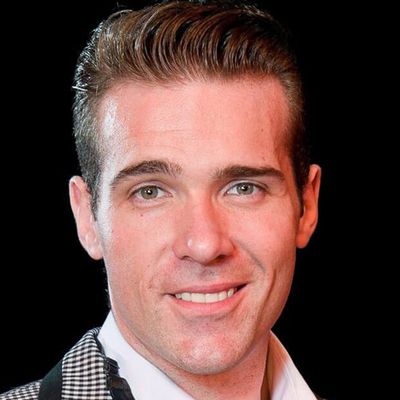
This smooth talker hails from South Africa, where he dove deep into the musical theater world. He may be best known for his role as the Phantom in several productions of The Phantom of the Opera, including the world tour... Read More
From the show: The Hang with Ramin Karimloo
Guests
Featured Shows
About
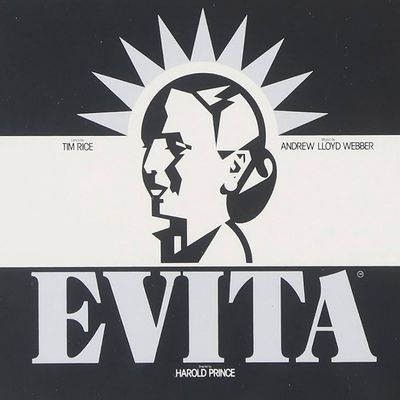
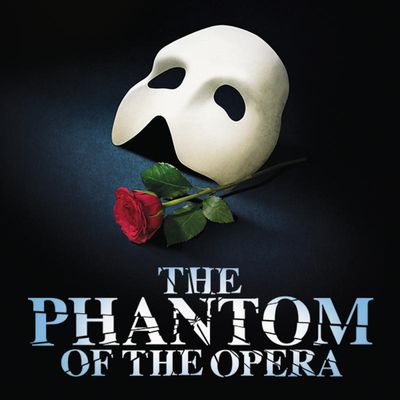
This smooth talker hails from South Africa, where he dove deep into the musical theater world. He may be best known for his role as the Phantom in several productions of The Phantom of the Opera, including the world tour. He also played Che in the international tour of Evita, and is otherwise just an all around great guy. He and Ramin share a few words of advice for each other before ending on the much anticipated, soon-to-open reimagined version of Phantom coming to Italy this summer.
Produced by Alan Seales.
Transcript
This transcript was automatically generated and might contain errors.
[0:01] Ramin Karimloo: Hey folks, welcome to The Hang. On this episode, we're hanging with my good friend, Jonathan Roxmouth.
[0:08] Ramin Karimloo: Jonathan and I met way back in the day in Hong Kong when we crossed paths with Vida the Musical as I stepped into the role of Che, which he was brilliantly doing on the world tour before and after me. And we hit it off, we became great friends, and we've reacquainted with each other here in New York City while he's here creating, let's say, a new life for himself as well as opening more doors because he's an incredible artist, he's a prolific man, and I just love spending time with him. And I'm sure you will as well.
[0:42] Ramin Karimloo: You're listening to the Broadway Podcast Network.
[0:46] Jonathan Roxmouth: The back row?
[0:48] Ramin Karimloo: The back row. What's wrong with the back row?
[0:49] Jonathan Roxmouth: I'm not going to see you from there.
[0:51] Ramin Karimloo: The seats at the August Wilson right to the back row are great. And with your height, no problem.
[0:57] Jonathan Roxmouth: That makes no sense in terms of physics. That makes no sense. What you just said is absolute balls.
[1:04] Ramin Karimloo: It's great seats.
[1:06] Jonathan Roxmouth: What, is the theatre underground? What does that even mean?
[1:11] Ramin Karimloo: Ladies and gentlemen, Jonathan Roxmouth, welcome to The Hang.
[1:15] Jonathan Roxmouth: Thank you.
[1:16] Ramin Karimloo: Already making fun of me.
[1:17] Jonathan Roxmouth: That makes us both hung? I don't know. What does that mean?
[1:19] Ramin Karimloo: We'll be hung by the end.
[1:24] Jonathan Roxmouth: That's the way you started.
[1:25] Ramin Karimloo: That's the way you started?
[1:26] Jonathan Roxmouth: Yeah.
[1:27] Ramin Karimloo: You brought it up.
[1:28] Jonathan Roxmouth: No, not one guest has ever made that...
[1:31] Ramin Karimloo: Then you haven't had the right people on here, except Laird.
[1:34] Jonathan Roxmouth: Laird is wonderful, but he still didn't say that.
[1:37] Ramin Karimloo: No, he's a gentleman.
[1:39] Jonathan Roxmouth: Like a modern Oscar Wilde.
[1:42] Ramin Karimloo: That's not nice. That's never nice.
[1:45] Jonathan Roxmouth: Why is that not nice? He's smart, he's intelligent, he's witty.
[1:48] Ramin Karimloo: Stephen Fry played him in the movie.
[1:51] Jonathan Roxmouth: I didn't say he looked like Oscar Wilde.
[1:53] Ramin Karimloo: And Stephen Fry doesn't look like Oscar Wilde.
[1:55] Jonathan Roxmouth: How did he get away with it?
[1:56] Ramin Karimloo: He's got a very big brain, Stephen Fry.
[1:59] Jonathan Roxmouth: As do you.
[2:00] Ramin Karimloo: Well, we're trying.
[2:01] Jonathan Roxmouth: So welcome to New York City.
[2:02] Ramin Karimloo: Yeah, it's a bit crazy. It's a bit mad.
[2:04] Jonathan Roxmouth: You've been here how long now?
[2:05] Ramin Karimloo: Six weeks.
[2:07] Jonathan Roxmouth: It's been six weeks?
[2:08] Ramin Karimloo: I've been here for six weeks.
[2:10] Jonathan Roxmouth: Man, that's gone fast.
[2:12] Ramin Karimloo: Yeah.
[2:13] Jonathan Roxmouth: When we got together that night where I lost my wallet, I think I might have been pickpocketed.
[2:17] Ramin Karimloo: Do you know what? As you mentioned it the other day, I just thought, I wonder if... Because we went through two big groups of people when we were in the way, remember?
[2:25] Jonathan Roxmouth: Of course.
[2:26] Ramin Karimloo: And I thought, maybe that's...
[2:28] Jonathan Roxmouth: Well, do you know what? They deserve to have it because they were very good.
[2:31] Ramin Karimloo: They were, yeah.
[2:32] Jonathan Roxmouth: I didn't feel no bump and grind.
[2:34] Ramin Karimloo: No, but it was... Yeah, I mean, let's just talk about a reunion of sorts.
[2:38] Jonathan Roxmouth: The first time we get into a bar and then...
[2:41] Ramin Karimloo: I thought you were joking when you texted afterwards.
[2:44] Jonathan Roxmouth: I was like, there's no way.
[2:45] Ramin Karimloo: There's no way.
[2:46] Jonathan Roxmouth: It was a big jacket. You were wearing a big jacket.
[2:50] Ramin Karimloo: But I just felt bad for you because of your ID.
[2:53] Jonathan Roxmouth: That's the only thing. And driver's license.
[2:56] Ramin Karimloo: But all that can be replaced. But the actual cardholder was sentimental to me.
[3:02] Jonathan Roxmouth: So, six weeks. And you're here because you want to get a green card?
[3:06] Ramin Karimloo: Well, I have my green card.
[3:07] Jonathan Roxmouth: Congratulations.
[3:08] Ramin Karimloo: Thank you.
[3:09] Jonathan Roxmouth: In the mail.
[3:10] Ramin Karimloo: Like it wasn't... I thought it would arrive like on the back of an eagle or something. Something really American and really fantastic.
[3:16] Jonathan Roxmouth: USPS.
[3:17] Ramin Karimloo: There you go. Do you have to be here?
[3:20] Jonathan Roxmouth: Ideally. I think you get into the country and it takes about three, four weeks to print it. And then they send it to you. And you need to collect it or accept it. So, that's how they double check that you are still in the country.
[3:31] Ramin Karimloo: But, I mean, as much as I joke about it, it was a weirdly emotional thing.
[3:36] Jonathan Roxmouth: I bet, yeah.
[3:37] Ramin Karimloo: Because, you know, growing up in South Africa, this is the place that you're kind of taught from a young age. Unless you come here, you haven't really made it in this career.
[3:47] Jonathan Roxmouth: Do you believe that though?
[3:49] Ramin Karimloo: I don't know about believe it, but there's too much to the contrary to not take that seriously.
[3:58] Jonathan Roxmouth: In terms of building a sustainable career as you get older as well.
[4:03] Ramin Karimloo: Which, you know, that's far off for us.
[4:06] Jonathan Roxmouth: Yeah.
[4:07] Ramin Karimloo: For instance, Amra, Amra Faye Wright, who is the longest running Velma in Chicago, she's one of ours. You know, she's South African. She came here sort of late 90s, early 2000s. And she kind of made us realize it was possible. And that I think is kind of the, not just the goal, but if you are in a position where you can get here and make it work, you sort of give someone else a little bit more encouragement to do it as well.
[4:41] Jonathan Roxmouth: Because I think we're, as people, we need to see someone else do it first. Because bravery in the arts is so rare on that level. Because you're moving to a different country.
[4:51] Ramin Karimloo: Yeah, and when you say we need to say, you mean South Africans?
[4:54] Jonathan Roxmouth: South Africans in particular, yeah. And I think there's also something in a South African mindset that in order to be a successful South African, you have to make it somewhere else, not in your own country. I've always, I mean, there are going to be South Africans who write in to me on Instagram and say, what are you talking about? But from my experience, it's certainly, we don't have that kind of pride. We've done too many things wrong, I think, in some instances. And in the arts, to be able to come to New York, you are able to go back home and show all the other people who want the same thing that you do, that it is possible.
[5:38] Jonathan Roxmouth: I had a session once with, do you remember Trevor Jackson?
[5:41] Ramin Karimloo: Of course, man.
[5:42] Jonathan Roxmouth: At Cameron's office. He came to South Africa and afterwards he said, you know, when you do work overseas, you should come back and share what you learn. And I initially was like, no, I'm going to just stay overseas. I got out, I'll stay out. But he said, but the whole point is, you learn things here that you could only learn here, but shouldn't be exclusive to here. So he said, well, take it home when you learn it. So this trip alone, like a bunch of my friends, I'm going to say, right, you're coming over, I need to tell you a few things. Because all very well having these dreams, but you've got to be able to defend them. Because if you're going to dream about being a performer in New York, you've got to be so specific about what kind of performer you're going to be. Because those three hours a day that you're at the theater, that's great. What about the other 21?
[6:28] Ramin Karimloo: Right. Where are you going to live? Where are you going to eat? Where are you going to do your laundry? Where are you going to do this? Where are you going to do that? All of those things that are not part of the degree when you're studying.
[6:37] Jonathan Roxmouth: Right. So that's what's been really good about this trip.
[6:40] Ramin Karimloo: I want to unpack that more.
[6:42] Jonathan Roxmouth: So I guess what I want to say, talk more about that.
[6:47] Ramin Karimloo: Talk more about that.
[6:48] Jonathan Roxmouth: What a host.
[6:49] Ramin Karimloo: What a host here. Graham Norton has nothing on you.
[6:52] Jonathan Roxmouth: Talk more about that.
[6:53] Ramin Karimloo: I want you to unpack more of what you're saying because I didn't fully understand.
[6:57] Jonathan Roxmouth: So you're saying with the rest of the time—
[6:59] Ramin Karimloo: Why are you blushing though?
[7:00] Jonathan Roxmouth: I don't understand. What's going on?
[7:02] Ramin Karimloo: Because I get nervous around people who are smarter than me.
[7:04] Jonathan Roxmouth: Lol.
[7:05] Ramin Karimloo: So all I mean by that is I think when you are driven by a passion, you give that goal—
[7:14] Jonathan Roxmouth: Yeah.
[7:15] Ramin Karimloo: I wanted to know what you meant by defend.
[7:16] Jonathan Roxmouth: That's what I meant.
[7:18] Ramin Karimloo: Why should you have that dream? How much about that dream do you know to have that dream? Or is it just a blind thing because I'm passionate about it and that's the correct thing to say?
[7:29] Jonathan Roxmouth: In so many instances in the arts and musical theater, people sound like their phones are ringing.
[7:35] Ramin Karimloo: Good.
[7:38] Jonathan Roxmouth: I don't even know who that could be.
[7:39] Ramin Karimloo: That's a guest.
[7:40] Jonathan Roxmouth: Oh, his lunch.
[7:42] Ramin Karimloo: The producer ordered lunch.
[7:44] Jonathan Roxmouth: And here we are.
[7:45] Ramin Karimloo: You give them food?
[7:46] Jonathan Roxmouth: Yeah, we have to.
[7:47] Ramin Karimloo: Sure.
[7:49] Jonathan Roxmouth: Unions.
[7:50] Ramin Karimloo: He's not even listening.
[7:51] Jonathan Roxmouth: But when he gets back, I'm probably going to come back with like a robot voice. Don't you cut this.
[7:54] Ramin Karimloo: But do you feel you need to defend?
[7:58] Jonathan Roxmouth: No.
[7:59] Ramin Karimloo: When I say that, I mean, all right, you're allowed to have a dream. But what kind of a dream is it? Be very specific about it.
[8:06] Jonathan Roxmouth: Right.
[8:07] Ramin Karimloo: And if you want that dream, you have to be willing to defend it to other people who are going to say, Oh, but don't you want to get a real job or something like that?
[8:15] Jonathan Roxmouth: I get you.
[8:16] Ramin Karimloo: And I find the way that you can defend it best is to say, Yes, I want to be on. Sorry. I want to be on Broadway. But what that means is X, Y and Z. Not just the show. The show is. That should be a given that you can do all those things.
[8:31] Jonathan Roxmouth: Right.
[8:32] Ramin Karimloo: Can you be a New Yorker? Can you walk on the curb with New Yorkers whose sole goal is to get somewhere and you're in their way? Do you know how to order a coffee? Do you know how to hail a cab? All those little things that may seem second place or like unnecessary to a New Yorker, but to someone who's not. And South Africans by nature are quite self-deprecating and apologetic. And you get to a city where you're in my way. I watched that great docuseries with Fran Liebowitz and Martin Scorsese.
[9:05] Jonathan Roxmouth: Yeah.
[9:06] Ramin Karimloo: Pretend it's a city. And that's the best advice you can give anybody who comes here. Pretend people live here. Not just a tourist.
[9:14] Jonathan Roxmouth: Right.
[9:15] Ramin Karimloo: And I think when you add that kind of permission that a goal or a dream has over you to just spit you out, you've got to be very clear on what that dream means for you.
[9:30] Jonathan Roxmouth: Yeah.
[9:31] Ramin Karimloo: And I guess I can relate to that. And we don't think about that. Because while I'm passionate, therefore I'm owed and I'm entitled it to come true and it will all fall into place.
[9:39] Jonathan Roxmouth: No.
[9:40] Ramin Karimloo: It's not how it works. And that's not me being jaded. It's just having been around here now for a decent amount of time and not just two weeks where I'm in a theater every night.
[9:48] Jonathan Roxmouth: Yeah.
[9:49] Ramin Karimloo: And having stayed in different areas around the city, the big overarching thing that I've learned is if you're going to come here, you need to have a plan that is so clear. Don't just come here and say, I'll see how it goes. It's not how it works here anymore. And I don't know if that's a post-COVID thing. But certainly, you want to be on Broadway. Great. As what?
[10:11] Jonathan Roxmouth: Well, my dream show is Wicked.
[10:14] Ramin Karimloo: Great. Who do you want to be?
[10:15] Jonathan Roxmouth: Already it's wrong. Because it's just I want to be on Broadway.
[10:21] Ramin Karimloo: It's such an open – it's like young –
[10:23] Jonathan Roxmouth: Well, what about giving time to people process it? Just like you make fun of my hosting skills.
[10:27] Ramin Karimloo: I wanted to process what I wanted to ask you.
[10:31] Jonathan Roxmouth: And I'm glad I did because now I understand.
[10:33] Ramin Karimloo: Unbelievable. My producer not only stopped – you're the audio man. He's taking the salad out of a paper bag.
[10:41] Jonathan Roxmouth: No, we're leaving this in.
[10:43] Ramin Karimloo: Do not cut this out. Just like his insulting me. You got to keep that in.
[10:47] Jonathan Roxmouth: But I'm glad we did it because what I – my takeaway now is having intention, being on purpose.
[10:54] Ramin Karimloo: Oh, yeah.
[10:55] Jonathan Roxmouth: Because I've never been – this is my third time for a long stint here in New York. Most lost I've ever been. But I think I've always been brought here. I'm doing a show. But my purpose of like, as you say, beyond the show, do I like New York City? Do I like living in New York City? What is my identity here?
[11:15] Ramin Karimloo: That's exactly it.
[11:16] Jonathan Roxmouth: I can't fully answer that yet. I'm getting there now with like revelations I've had over the last couple of weeks because I'm like, I feel more lost than ever. And I've got so much to be grateful for. Don't get me wrong.
[11:27] Ramin Karimloo: Oh, but that doesn't come into it.
[11:28] Jonathan Roxmouth: The gratitude part, quite frankly, should be a given. It's the practical side of it because a lot of people studying to go into the arts these days, things I've been hearing a lot is, I want to be a star.
[11:41] Ramin Karimloo: What does that mean?
[11:42] Jonathan Roxmouth: What does that mean? That's not a profession. Star is not a profession. Performer, storyteller, you know, tell me what that actually means because if you know what that means, you know what it takes to be there and you know what you need in order to survive on the down time to service that function.
[12:02] Ramin Karimloo: I was at some like at HOT last night and Christian Borel comes out of the stage door. Well, on the side of the theater. He didn't do stage door. He went out the side and cut off T-shirt, jeans, on his phone with a protein shake. He had places to be because he has a 3D life.
[12:20] Jonathan Roxmouth: And I think figuring that part of it is more important than establishing the dream in the first place. I mean, defend your dream and not be apologetic about it, exactly, because you have to take care of yourself. You have to have a well-rounded life, and you have to figure that out. Yeah, I post-pandemic, and I don't really like keep talking about it, but I'm feeling the effects of it now, and it's sort of like, what's your purpose? What’s your calling? What you're calling is a main thing because we have desires and your wants, but then you end up doing something like, well, that's your calling. Every time I have plans, I find myself doing this, and you almost have no say over that; it just happens.
I don't know, everybody wants to get into that whole thing about post-pandemic, and the minute you say the "PP" word, it's like, here we go. I know, but it's not fashionable to say that good things came of it. It's not popular because a lot of people close to me, I lost a lot of people because of it, so for me to say that seems counterintuitive. But in terms of re-entering this profession where I saw function is to recreate human behavior, if you think about it, you can only do that if you're a decent human being and you have something that theater used to define me. It was my job, and therefore when my job wasn't there, who am I? So much so that the theater side of things kept going from strength to strength and this and that role and that tour and that world tour, whatever. Then the show would finish, and you go back to your hotel room.
[14:08] Jonathan Roxmouth: I'm glad I went through that before I came here because I think if I'd come to New York in 2018, I would have been on the first flight home after two weeks. But here, I think because I've been more lonely during this trip than any other trip I've ever had, because this is a stark reality here. It is a tough city. It's one of the best cities in the world, don't get me wrong, but take Broadway and put it aside, which I never thought I'd say, put it aside. And that's why if you're going to come and do this performing thing here, there's so much more to it than what they teach you and what they tell you. We are so accustomed, I think, because of talent shows on television that make it seem like anybody can do it and it's all wonderful, and it's fab for everybody.
I think that's given us a completely fake, artificial idea of what this takes. You know, and I'm not trying to be philosophical at all; it's just that's what has come to light here. The people who aren't the most successful don't live for their job.
[15:17] Ramin Karimloo: That's funny you should say that. You know, I mean, I was just listening to yesterday Robert Downey Jr. talking about it on a clip I saw, and it's about letting go—letting go of not chasing something. It's just being ready, showing up, being ready because you gotta let go. Whether it's for people, God, universe, spiritual, whatever you want to align yourself with for your calling, your purpose, and just your structure in life, there's only so much you can do apart from just being on purpose. You can't force a film to hire you or a TV show or the next musical. Next thing you know, all these things line up, and I'm like, I guess that's my calling. I need to be there; that's where I'm meant to be for that moment.
And then things that happen on the peripheral to that job, you realize that's what you have to sort of go through. Yeah, that doesn't identify who I am. No, the job doesn't, but the after-effects and the people that you meet and the person that you are inspired to become, that's kind of what I look at that and I go, well, I fundamentally don't believe in coincidence. I don't think that's a thing.
[16:29] Jonathan Roxmouth: I agree. I do believe in timing, and I was watching, I think it's one of the Broadway sites had an interview with Jay Harrison G. I'm a bit obsessed with "Some Like It Hot," so don't know if you can tell, but they're on twice, right? Yeah. They said, are you overwhelmed by being a Tony nominee? And he said, no, this is exactly what I gave my life, what I gave my control up to be driven to. I was willing to put in the work and everything, and this has happened exactly how I wanted it to happen. I just had to let go and let it happen. And I was just like, that's such a good way of doing it. It's the relinquishing of control, and when you're a control freak, it's hard because you want to have the permission every step of the way and the okay for everything, but it has almost nothing to do with you. And I think that's being here; that's what I have to take away from this.
[17:36] Jonathan Roxmouth: I think that goes back to like it's not about the results; it's the process. And I'm trying to learn why every morning I do my daily affirmations and gratitude, which is the gratitude I've always done, but daily affirmations and being kind to myself has actually been—that's hard though, super hard. Yeah, because we're also taught, don't be arrogant, don't be self-serving, don't be contrived and be conceited—all these things. So you don't ever want to put too much time focusing on you because there's such a negative connotation. And I think there are some bad examples out there of people who've taken that way too far. But you also don't realize what not doing that can do to you, of course, you're a well, and if the well is dry, nobody drinks.
So if you have people you're taking care of and you want to be giving as artists, of course, we want to give; we want to tell stories; we want to give ourselves every night so people take that away. So you have to put yourself first when it comes to self-care. But then they also glorify being exhausted. How are you today? I'm working so hard; I'm so tired. Oh, wow.
[18:37] Ramin Karimloo: And there's that sort of praise for burnout. Like, no, no. I was just listening to a podcast in the gym this morning, and it said exhaustion is not a sign of—what was it? No, exhaustion is not a sign of success or like you've completed. It doesn't—it's not necessarily a great thing. You don't have to be exhausted, as you say, to glorify that. Look, some cultures do, and I don't really include that in this, but what I'm saying is when people want to post things like, "Such a long week; I'm burnt out; I need to recoup," you know, why are they posting that? That's the point. This exhaustion signaling is bizarre to me because sometimes, yeah, you do feel at the end of a long week, and you spent—there is some satisfaction that comes from that. Then you have a day off, and you recharge and everything, but it's become fashionable that your default is, "I'm absolutely exhausted."
[19:50] Jonathan Roxmouth: Listen, but those people are their jobs more often than not, and I think that's the—again, I don't want people to come after me; that's not mutually exclusive, but I'm seeing so many people do that now thinking that it gives them permission for certain things. And I just—I don't know, just, yeah, I think you can't have it both ways. You can do a great job and look after yourself, 100%. You know, so I'm learning. I burnt myself out this year—well, last year for sure—because I was—it's that line Nicky Arnstein says every night, "It can get lonesome being that busy." You can get lonesome being that busy. Oh, yeah, and I got myself so busy. I was doing one thing after another, which I'm so grateful for creatively, but now I've actually been phoning the team, like my management team, saying, "September, nothing. Do not let me say yes to anything. I'm taking the month off because it's time to kind of reevaluate that with all these changes that are going on in my life."
[21:41] Ramin Karimloo: Well, it makes your self-worth if I'm only worth delivering X. If I don't deliver X, then I'm worthless. And I think that it becomes such a binary equation, and especially in the arts where you are the product. You're not writing something; you're not painting something, and then it does the work. It's you every time, you know? That wonderful thing, I think Brené Brown about the man in the arena, it's that mentality. You know, you’re giving of yourself all the time, and I think the permission to do that should be a lot more expensive than it is at the moment with a lot of people.
[22:28] Jonathan Roxmouth: Oh, listen, for a good six months there, I never went out stage door because I had nothing to give anymore, and I needed to protect myself. And there were a couple of other things that required me not to do that, but I just needed self-care, and now I'm starting to do it again. I feel fuller, or at least in more control of my self-care and self-worth. But also, you need to evaluate what it is that you're going to give in those moments. It's a thank you. Yeah, it's great to see all the smiling faces, and it's amazing that that support—look, don't get me started on stage door. I have such a low tolerance for a number of things, but I think top of that list is I'm a human being, and I'm thrilled that you're excited by the work, but that's not me. You don't know me well enough to have an offhand familiar comment that actually hurts sometimes.
[23:26] Jonathan Roxmouth: To just think that you've paid the ticket price, therefore, I'm included. My job ended when the curtain came down, and yes, if you go to stage door, you are welcoming us a few things, but it's not all access. And now that you know, post-pandemic, the touching and the grabbing and the manhandling, that's not—yeah, it's not okay. My hands are always behind my back now, and just I think it's—but here's what I've learned. It's like with grace now as well because people get overexcited, so I have that grace of just like you have to get—it's coming from a good place.
[24:05] Ramin Karimloo: Yeah, of course. And that's why now it's just if I hear an offhand comment, I just go, "Thank you for your support." Yeah, I'm still working on that. It's so difficult because, again, at that point in a show, what people don't realize is you're at your most vulnerable. You are still closing up after opening up for the performance. At least that's how I feel about it, and at that moment when somebody just goes like that and everything's exposed, it hits you ten times harder. And I think people don't understand that sometimes a reaction from somebody at stage door is not diva behavior; it's not arrogance or rudeness. It's just that really hurts, and you are so—you're a bare wire. There's no insulation at that point; somebody's going to get shocked.
That's why I just like—I hear something that triggers me, and I'm like in my head, I forgive you; I love you. Oh, thank you. You see, I don't—I’m just like you. Like, and you've learned more in that. I mean, I'm still—look, I get so defensive. I think because I'm so excited—perfect though. No, but because I'm now fiercely—I now have to—I'm on the other end of the scale now. Before, I was like you could say whatever you like to me, and I'd be like, "Oh, thank you." Whereas now I'm like, "No, no, no." So I'm like the overprotective parent now, so I just have to go back to the middle.
[24:40] Jonathan Roxmouth: I just wish people knew what they look like when they have those moments where they don't think and they just spew something out, either about someone's appearance or their weight or whatever. Like you've got to get and also start out by saying hello. The starting of a conversation halfway through, and again, that is a half turn, says it kickbox to the head compliment, not even backhanded, that your work was so intimate, but they feel they can. That's amazing, but that's still not me. You're not Nicky Arnstein, no, you know? And to start a conversation halfway through sometimes, it's just like, whoa, hang on. Hang on. Who are you? Because I might want to know who they are. So just, it's one of those things, but I guess the only thing that I don't like is when they go like kind of photo, as you know, please, so I can say yes, well, that's it. They say anything as opposed to just shoving a camera in your face. Do you know what I mean?
[25:43] Ramin Karimloo: Yeah.
[25:44] Jonathan Roxmouth: But you're still very giving. I looked on your Instagram and first of all, every few sections, there's like a block of six of you, then this photos was then another block of six. So when you post, you post by threes all the time to keep everything in line.
[26:00] Ramin Karimloo: Oh yeah.
[26:01] Jonathan Roxmouth: No, you want to speak about control free, what a curate. I just discovered it. We were in Seoul with Phantom and I discovered that two of those pictures were out by one block. So I have to go into the sections before each one and say, okay, two of you have to die just to align everything. And then the worst is like you post a grid of nine and it's a headshot or something, and you don't realize that one of those photos is just your chest hair, and then you get people commenting, "Oh, I'm just like, no, I didn't expect that from you." Like, how are your grandkids? You know, like what are you doing? And it's a bit of a minefield sometimes, but that part of the job is also so tricky to navigate. But where I was going with that is I saw clips of you, I guess backstage for 40 minutes taking fan questions, well, support a question.
[26:59] Ramin Karimloo: Oh yeah.
[27:00] Jonathan Roxmouth: Yeah, I especially like it, you know, if there's a theater school in all that sort of thing because I think because I never studied, I'm slightly envious of kids today who have that opportunity. And I get a bit upset when they sort of don't realize what they have because I think to go into a theater academy in today's world where you have access to anybody and anything that you like, if I was a kid studying theater in Algeria and I wanted to know what it was like to sing the newly returned song in Funny Girl for Nick Arnstein, I could actually message you and ask you directly. When I was starting out, I had to find a way to get to that city to hopefully see you afterwards. It's a different world, and the access I think is amazing.
So any chance that I have to address a group of kids where maybe one of them in that group is the sort of kid that I was, but now they have the opportunity to ask, so I'll make myself available. I think it's so important. It's funny, I every now and then I'd say joy, you just know like there's someone who was me.
[28:28] Ramin Karimloo: Oh yeah.
[28:29] Jonathan Roxmouth: You know, young girl, young guy, whatever you like, speak to them, something just intuition goes, or at least acknowledge them. Yeah, because that is, if they were like us, they're too shy to say anything.
[28:39] Ramin Karimloo: Yeah.
[28:40] Jonathan Roxmouth: And just to be acknowledged, like my favorite thing is when you do curtain calls and you see kids in the front row who lead the standing ovation. That's a kid, and that kid was not on their phone for the entire show, which in today's world is the ultimate compliment, isn't it?
[28:57] Ramin Karimloo: And you a wave or a wink unless you're in Japan in its respect.
[29:04] Jonathan Roxmouth: Well, exactly. Exactly. A wave or a wink to that kid or that young adult? It's so important. I want to start doing more that. I don't know, do workshops because like yourself, I never trained, so, and I'm like, I don't know what I'm gonna say, but I feel like now I'm, there's something in me that's like start showing up for stuff like that. I don't exactly know what I'm gonna say or do, but how can I be of service to them?
[29:29] Ramin Karimloo: I think that's some, I started as a Q&A because you'd be surprised what you learn in answering certain things and even just doing master classes where, you know, somebody comes and sings "Stars" or something next to you. I had a student in Cape Town who sang "Stars," and his name was Asunder, and sort of going through that song with him and then watching how he interpreted it was so interesting because then although I've never been in Les Mis, I have a certain understanding of it, and I think from your point of view as a Valjean in that instance, that's invaluable.
[30:11] Jonathan Roxmouth: I know, but I'm not a teacher and it's, I'm just another opinion.
[30:18] Ramin Karimloo: Neither am I. I don't think it's exclusive to teachers, you know, by that logic, by your students who are taught, but sometimes I find I can't explain, my brain knows what I want to say, but my mouth doesn't articulate it.
[30:28] Jonathan Roxmouth: I think you need to give yourself more credit. I think you'd be surprised. Let's do a workshop together then.
[30:34] Ramin Karimloo: Great.
[30:36] Jonathan Roxmouth: I'll always go, "Jonathan, what do you think?"
[30:40] Ramin Karimloo: Yeah, and I'll rip off that. Talk more about that.
[30:42] Jonathan Roxmouth: Great. It'll be great.
[30:44] Ramin Karimloo: Yeah, no, seriously, I, you know, I don't make light of that at all. I think it's, I think that should be part of your, your anybody's career in this, no matter what you do. I mean, I was at Kimberly Akimbo and James Lapine and the whole creative team arrive on stage to talk to theater fans who are theater majors, the theater virgins across the board. That shouldn't be a special event. That's what makes this community so invaluable, especially in an art form that's all about collaboration.
[31:15] Jonathan Roxmouth: Yeah, you know, I mean, come on, when you're in Italy, you've got to do that there.
[31:26] Ramin Karimloo: But there's no time in Italy.
[31:29] Jonathan Roxmouth: But I want to set up stuff to go back to do it.
[31:30] Ramin Karimloo: Absolutely.
[31:31] Jonathan Roxmouth: My two weeks there, I did it in Taiwan and it was at the International School and it was just incredible.
[31:36] Ramin Karimloo: I bet that was awesome, you know, and how long were you in Taiwan for?
[31:40] Jonathan Roxmouth: Oh goodness, I should know this, call it four weeks.
[31:43] Ramin Karimloo: Yeah. See, the problem when I go to Italy is one week of tech and then two weeks of shows slash previews. I'll be rehearsing today, so like I don't think I can stay sure there. It's just literally show, sleep, gym, show, sleep, gym, and I'm back in Funny Girl.
[31:57] Jonathan Roxmouth: But we want to plant seeds to do more over there.
[32:01] Ramin Karimloo: Oh yeah.
[32:02] Jonathan Roxmouth: I guess we could start doing that here when you come back here. We can do a workshop together, should get a studio.
[32:05] Ramin Karimloo: I should be back in September.
[32:08] Jonathan Roxmouth: Do like, make it free.
[32:10] Ramin Karimloo: Love that.
[32:11] Jonathan Roxmouth: Love that. I don't need to make money to being a teacher, like that sort of thing, that's not my...
[32:16] Ramin Karimloo: Well, in my calling in terms of...
[32:20] Jonathan Roxmouth: You'd be surprised.
[32:25] Ramin Karimloo: Maybe I will charge them. I think you'd be surprised in terms of saying, "Well, that's not my calling." I'm not a particularly patient person.
[32:28] Jonathan Roxmouth: I know, two questions in, yeah.
[32:31] Ramin Karimloo: You're kicking my ass.
[32:32] Jonathan Roxmouth: With love and respect, of course, that's how I received.
[32:35] Ramin Karimloo: Yeah, but I'm not patient at all, and like initial thought, "Oh, I don't know that I can." But when you are in a room with somebody who reminds you and takes you back to when you were 19 and all you wanted to do was get this. And you know, if I think back, you know, listening to "Love Changes Everything" with Michael Ball, he's got the B flat at the end that he holds forever, and you just like, how my voice had just broken, how can a person sing that high for that? Like this blows my mind. I just want to learn how to do that. And I think you'd be surprised what feeds you when you see somebody understand and then they do it and you see their joy. Like those masterclasses with Sondheim, if you YouTube them, those are amazing to watch because he will say, you know, at least he used to, you know, I don't know how much of a teacher I am. And then you watch him, it's just like, yeah, you are. So do it. I think you'd be very surprised.
[33:37] Jonathan Roxmouth: So listen, we've been digressing this whole conversation and we met in Hong Kong. We should talk.
[33:43] Ramin Karimloo: Oh yes. Where do we start?
[33:44] Jonathan Roxmouth: So I was doing Evita in Hong Kong, part of the world tour, and there was a buzz. So when I first joined, they said, "Ramin's coming in to do Japan, just so that you know." I was like, great. And towards the end of the South African run, I actually let the cast know because you never wanted to look like there's this happening.
[34:08] Ramin Karimloo: Yeah, yeah.
[34:09] Jonathan Roxmouth: And I'll never forget, it was a cast member called Kiruna. You remember Kiruna?
[34:16] Ramin Karimloo: Yeah.
[34:17] Jonathan Roxmouth: And I was a bit sad to leave the show, but I'm like, that's it. So just that everybody knows Ramin Karimloo is coming in, and the cast was, it was so interesting, they didn't want to rejoice to make me feel terrible. So everybody went, "Hmm," and Kiruna went, "What?" And I was like, great, great. But I get it, and again this ties into what I was saying, a South African, you were just a name on a CD. You're not a person. You're a legend from overseas, like come on, the Phantom from the Royal Albert Hall, that's what it's called, right? I never watched it, but you know what I'm saying, like it's a big deal because it not only legitimizes what we're doing, but there's an opportunity to learn here.
So we get to Hong Kong, and by that point I'm trying to play it cool, and the director Dan came backstage and like, I guess Ramin's watching tonight. I was like, okay, I'm just gonna warm up some more because it is a big deal, you know, there is that fear of meeting your heroes in this industry, it can go wrong. And then at the end of the show, we met in my dressing room, and it was like, wow, wow. And then we went to meet, had coffee and started to chat, and I think if I think back to Hong Kong, the version of myself that I was back then compared to the version of myself that I am now, I wouldn't say the same person at all.
[35:54] Ramin Karimloo: Hmm, ditto for you, myself included.
[35:56] Jonathan Roxmouth: And I think we met and then we kind of drifted apart again, you know, not to say that we didn't have things going on, you know, what with COVID and everything, but we didn't...
[36:14] Ramin Karimloo: We didn't.
[36:16] Jonathan Roxmouth: Things happened. So that's why I was, it was so cool this time around because obviously I still saw what you were up to, but life certainly happened for everybody, I think. And then I went to see Funny Girl, and I texted you afterwards because I do think that what I saw in that performance was just, and again, I was like, this isn't the same guy. And that's what I think is so amazing about this job. You can tell exactly how somebody's doing or how much they've grown by watching what they do on stage because it's the ultimate litmus test in terms of honesty.
[37:00] Jonathan Roxmouth: What was that street? Where were we outside that Starbucks at Worldwide Plaza? Yeah. Yeah, but here's the thing, viewers, if you want to have a, you know, a tea or something, I don't know which is this the right camera to look in. This is a PSA. If you want to know what Amos Hart feels like in Chicago, have some green tea with Ramin Karimloo over here in New York City. I'll never forget the amount of people that were like, and then that surreptitious thing that people do. It's great, but the point that I'm trying to make is to reconnect in this city as these versions, I think, was such a nice. It's not even a full circle. It just starts it all again, you know, because, yeah, I think you should meet your heroes.
You'd be surprised what you'd learn, you know. And this isn't me blowing smoke at all. But like I say, I need to impress upon everybody listening so this doesn't descend into sycophancy. When you are that far away from this and London and the West End and everything, and there are shows that mean a lot to you, Phantom means to you what it means to me. Yeah. And you find yourself being the exception to the norm in that role. You certainly were in the beginning. You were so young when you went into it in London. On paper, that shouldn't work, but it did. So that's what I think was so amazing in finding out your journey, who you are, relationships with people, the similarities. That was amazing to see.
And you know, the exception to the rule still works, which I think is cool. What I love too is whatever time went by, we picked up. Oh, yeah. Even with these new versions of cells. Oh, yeah, likely. Well, for me, putting the pieces back together. Yeah, and it just felt, again, we were meant to have that time. But I think having transparent conversation and, you know, addressing it and getting it, and then off we go. You know, that sort of clean space is always the important thing. I think clean space, you know, percent. And I think in a business where, I don't want to say it's part and parcel, but saying one thing, feeling another is so common in this business. Yeah, to just get rid of that, the amount of energy that you have free to do real things with because that takes a lot of energy, that artifice and that pretense that we must do lunch. Like, come on. Yeah, honesty is far more interesting.
[40:03] Ramin Karimloo: Well, it requires the least amount of energy.
[40:07] Jonathan Roxmouth: But bravery as well because, like you say, we have to put up, oh yeah, pretense sometimes because you don't want to upset anyone or you don't want to. But then sometimes just being honest with that, like I want to work out on my own, even though if you see a mate in the gym, I'm like, it's good to see a man. But, hmm, but you'd headphones are on. It's my, because we know what rejection feels like, you know, you try and water that down to your own detriment so as to not make somebody feel bad, but your decision is nothing to do with them, you know. But I had a friend message me and they were like, oh, so like, what are you and Ramin talk about? And it's like, I cannot tell you that because majority is absolute filth.
But what is interesting is like I think you and I both share a very dark sense of humor. I really not dark as in horrible, but just certain things that people, some of it's a lot to laugh at. But our love of Ricky Gervais, I don't know if I'm allowed to bring that up. I don't know if you're gonna say what you want, fans, whatever we say at some point someone's gonna be upset. Yeah, but they're just projecting their own issues. And you know what? I love them. I forgive them. I have no, I'll never be recruited to hate someone. I'll never be on my heart. You have a line of merchandise very soon. That's such a good line. Well, I just, the way I create somebody, that's why I'm like, say what you want about me, that's fine.
That wasn't it. That wasn't a joke. He's laughing. I don't understand why it's not. But it's much why keep that poison on my heart, you know? It's also, it's that whole thing of like if somebody follows you on social media and then they suddenly don't like you anymore and they message you, just want to let you know I don't want to talk to you anymore. Okay, I wish you nothing but amazing things, but I want to ask you a few things.
[42:01] Ramin Karimloo: Yeah, and I still feel like, and we need to wrap up. So like very quickly, did you enjoy being Phantom?
[42:05] Jonathan Roxmouth: What do you mean? Did I enjoy being Phantom? I'm really talk about it. Well, he's gonna cut a whole bunch of that. No, everything's staying. So just we're low fire. Did you like being Phantom? I loved being great. Did you love it? And I can't wait to do it again. Exactly. So this new production that you're doing, yeah, new look completely.
[42:21] Ramin Karimloo: Yeah, is this what you wanted to ask me?
[42:23] Jonathan Roxmouth: Yes, carry on. Did you know I picked your brain about and I wanted your input on it because there's some of the new stuff which people will see. I was like, oh yeah, I just wanted to gauge your reaction. But how are you feeling going back to it after how many years?
[42:35] Ramin Karimloo: 13.
[42:39] Jonathan Roxmouth: 13 years, something like how does that feel? At first during the rehearsals that we're having, we had it privately in this where we are now, though how much I guess courage and effort and work it took to unlearn everything to relearn it because it's a whole new animal. I'm a different person and anytime I would like do something in Fedair, the director goes, why are you doing that? I'm like, and I got to the point where I was very honest. I go, that's just my instinct of what I did before. So let's find another way. And if going back to that works, then we'll keep it. But let's erase everything. So, and that for the longest time you feel a pressure because of what people remember you as well.
That's what I was going into and I was just like, well, I've released that and I talked about letting go, releasing, surrendering because I'm not gonna be that anymore. I'm what I am now and my work ethics for as far as I'm concerned is actually better than back then. I'm older. My voice is what it is now and what does that mean? My voice is what it is now.
[43:38] Ramin Karimloo: No, I mean, you sound great.
[43:45] Jonathan Roxmouth: What I'm actually concerned about that I'm with those things. I've been doing and releasing this anxiety, this depression. I've been in this, which ironically somebody would think would be useful for the character hilariously. But the releasing of that has now released tension all around here. And now I'm really excited because the other day I had to record Bring Him Home and Anthem with an orchestra in a studio and I was so nervous. I'm like, I don't know if I can do that. And something clicked that day and I was like, oh, I found the joy. But it wasn't about the result. So this thing I'm playing in my head is like I need to be in joy to enjoy, but also with that character, you'd be surprised because so much of what he does comes from a place of love and joy. You actually need a lot of that to inform the tragedy. I think going in to play the tragedy with tragedy exhausts you more.
[44:31] Ramin Karimloo: 100%.
[44:31] Jonathan Roxmouth: And that's what really affects the voice because then you're just emotional all the way through and everything just begins to like inflame. So as for the pressure, no, I've released that because I know, especially with Fede, our director, we're both such fans of the original. And because we're not doing that anymore, we can't do that anymore. So it's no, to kind of preserve our love for that is like don't touch it. How else can we tell the story? And it's still the story. It's still, you know, the lair and you need all that. So it's maybe a different look to it, but it's with the best intentions from fans as well as the actors on stage. Like we're as much fans of it as we are. And that's always the problem, you know, to guard against that because I think the sentimentality of that and the power that the show then has over you is dangerous to not become an extension of the show, right?
But I just, I was always curious because I thought, you know, if you were at the Royal Albert Hall, it was re-released during COVID. It re-cemented that box that you were in, happily so. But I always sort of looked at that and I thought, gosh, I wonder what that is, what that feels like because it becomes an unexpected mantle that will be, you know, we're talking iconic roles. You know, whether it's Evita on Elaine Page and Patti LuPone, whether it's Grizabella on Betty Buckley, you know, the Phantom on you. That's going to be with you for the rest of your life, amazingly so. And then to go back to, I think it's such an amazing act of artistic integrity to go back to it completely differently.
And again, we talked about calling because I didn't look for it and I tried to talk myself out of it. Even my managers were like, you're actually taking the meeting for this. I'm like, let me go talk to Fetty. I like him and something about Italy. It's a slight homecoming for me. This is where we escaped from Iran and I was like, oh, interesting. A lot of things were coming in place and my you in Italy first.
[46:39] Ramin Karimloo: Yeah, I didn't know.
[46:42] Jonathan Roxmouth: So a lot of things in my life, my instincts and calling has just put me there and I'm like, well, nothing is saying don't take this meeting. And then the next level got to next level. I'm like, well, let's just keep going. And next thing I know, because I always thought I would never return to it because what is gonna top the Royal Albert Hall? And I'm like, well, if there's any way that I can help create something new and get this show back to Broadway, if this is even an opportunity, thank you. That's the theater they want to book the show. If there's any way like to be a part of that, then I'll give it my best. Yeah, and if me being part of it helps it, well, what's the worst that can happen?
[47:20] Ramin Karimloo: Well, you see, it doesn't fly. At the end of the day, it still goes back to the fact that you still get to sing that score again.
[47:25] Jonathan Roxmouth: Yeah, you know, and that's the interesting thing. And it's, I think anybody that's played the role and loves the role will know what I mean when I say anybody can come to you at any point of the day, any year and say, hey, do you want to sing it one more time?
[47:42] Ramin Karimloo: Yeah.
[47:44] Jonathan Roxmouth: Yeah, I do.
[47:48] Ramin Karimloo: Well, I hope we can get you to sing it one more time, Jonathan, because I'm not gonna lie, I've been using you as a reference preparing.
[47:53] Jonathan Roxmouth: See, that's so weird because if Voter and Omar, my dresses that I had ever heard this, they'd be like what? Because I was the one playing you, Anthony Warlow Crawford. I was doing Greece at the time, Danny, and before you know, we go to you and there I am listening to, you know, I have brought singer. I'll never forget the Kenickie that I was playing with walked into my dressing room once. He said, why are you listening to Phantom? I was like, because I want to be part of a real show one day. And he was so upset by that. And in retrospect to look back like what a thing to have said.
[48:27] Ramin Karimloo: Yeah.
[48:31] Jonathan Roxmouth: Because it's to denigrate one thing over another and that's not what I meant. But I think that the homecoming with that show because it's that show, if we're honest, has become an heirloom. People hand it down in their families now. It's not just a show anymore. I think that in Les Mis people inherit the show and you never quite finished with it. And all we can do is keep growing as people and artists and keep doing our best with it.
[48:58] Ramin Karimloo: Yeah, just as long as you have the A-flat, do what I can.
[49:02] Jonathan Roxmouth: Good to have you on here. Thank you. Like we just only touch the surface. So can we do this again?
[49:06] Ramin Karimloo: Yeah, please, the sequel. All right, brother. I love you, man.
© Broadway Podcast Network, All Rights Reserved