

On this episode of “Stage Left: The Podcast”, anchor Rob Russo is joined by Hayley Levitt, theatre critic and associate editor at Theatermania.com, and Jose Solís, freelance theatre critic, writer, and podcaster, for a roundtable conversation about three musicals: “Mack and Mabel”, “Darling Grenadine”, and “West Side Story”... Read More
From the show: Stage Left: The Podcast
Guests

Featured Shows
About
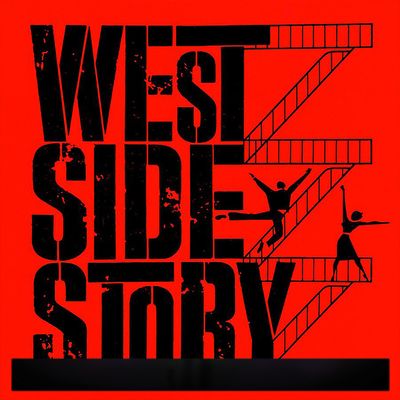
On this episode of “Stage Left: The Podcast”, anchor Rob Russo is joined by Hayley Levitt, theatre critic and associate editor at Theatermania.com, and Jose Solís, freelance theatre critic, writer, and podcaster, for a roundtable conversation about three musicals: “Mack and Mabel”, “Darling Grenadine”, and “West Side Story”.
Music by Jason Robert Brown, “Wait “Til You See What’s Next”.
Rob Russo
@StageLeft_NYC
Transcript
This transcript was automatically generated and might contain errors.
[0:05] Rob Russo: Welcome to Stage Left, a bi-monthly podcast where we talk about the latest shows on Broadway and beyond.
[0:11] Rob Russo: I'm your host, Rob Russo, writer, theater critic, and founder of Stage Left at NYC, and co-host and co-producer of the Fabulous Invalid Podcast, also on the Broadway Podcast Network.
[0:21] Rob Russo: This podcast provides a platform for younger critics and theater journalists with the goal of broadening the cultural conversation to elevate and include as many diverse perspectives as possible.
[0:31] Rob Russo: I'm dying to know what's across the road, what's behind the wall, what's around common, and what will it take till I find my way?
[0:43] Rob Russo: Will it be today?
[0:45] Rob Russo: Will it be too late?
[0:48] Rob Russo: Wait till you see what's next.
[0:50] Rob Russo: Just before.
[0:50] Rob Russo: Joining me this week is Hayley Levitt, Theater Critic and Associate Editor of TheaterMania.com.
[0:55] Hayley Levitt: Welcome to the show, Haley.
[0:57] Hayley Levitt: Hi, thanks for having me.
[0:58] Rob Russo: Delighted to have you.
[0:59] Rob Russo: And returning for round two, very bravely, is Jose Solís, uh, freelance theater critic with bylines of the New York Times, TDF Stages, Backstage, and the magazine America.
[1:09] Rob Russo: In addition to co-hosting the podcast and web series Token Friends, and serving on the nominating committee of the Drama Desk.
[1:14] Rob Russo: Welcome back, Jose.
[1:15] Jose Solís: Thank you for having me.
[1:16] Rob Russo: You do so many things.
[1:17] Jose Solís: I know, right?
[1:18] Jose Solís: I am so glad I didn't traumatize anyone asked me back.
[1:21] Rob Russo: No, we are delighted to have you back.
[1:23] Rob Russo: Well, this week is our first ever all musical episode of Stage Left.
[1:28] Rob Russo: Uh, we're gonna talk about Jerry Herman and Michael Stewart's legendary flop Mack and Mabel, which kicked off this year's Encore series at City Center.
[1:35] Rob Russo: Daniel Zeitchik's Darling Grenadine at Roundabout Underground off Broadway, and director Evo Van Hova's radical new production of West Side Story on Broadway.
[1:44] Rob Russo: So, uh, let's start with Mack and Mabel, as I just mentioned.
[1:48] Rob Russo: Uh, this is composer Jerry Herman and bookwriter Michael Stewart's uh beloved musical flop from 1974, which follows the personal and professional squabbles of silent film director Max Sennett and silent film star Mabel Normand.
[2:01] Rob Russo: Uh this production for Encores marked the first time the show had been seen in New York since the original production closed 46 years ago.
[2:08] Rob Russo: Um I don't know about you two, but I was so eagerly awaiting this production when it was announced like more than a year ago.
[2:15] Hayley Levitt: Oh yeah, I was so excited about it.
[2:16] Hayley Levitt: Because look what happened to Mabel's like the greatest show tune ever.
[2:19] Hayley Levitt: Right?
[2:19] Hayley Levitt: I mean the score is just unbelievable, right?
[2:22] Jose Solís: It's so good.
[2:23] Jose Solís: I downloaded the overture from like Napster when I was 12 years old.
[2:28] Jose Solís: Yeah, that isn't or maybe it was because I don't know.
[2:30] Jose Solís: It was one of those, one of those early uh downloading uh illegal downloading sites, and um fell in love with it and have just been waiting for a production since you know I was a teenager.
[2:41] Rob Russo: What did you guys think?
[2:42] Hayley Levitt: I had a I you're uh Jose is already giving me a glare, but I'm just how I look.
[2:49] Jose Solís: I'm sorry.
[2:51] Hayley Levitt: I had the best time.
[2:52] Hayley Levitt: I really enjoyed that show.
[2:55] Hayley Levitt: I could listen to Alexandra Sosha sing to me all the time.
[2:59] Jose Solís: Yes.
[2:59] Hayley Levitt: Um I mean you could see the flaws in the show itself, but it really blows my mind that that score was not nominated for a Tony Award back in the 70s.
[3:11] Jose Solís: It's unbelievable, really.
[3:12] Hayley Levitt: Yeah, 1974 Tony Awards, not 1975 Tony Awards, right?
[3:16] Jose Solís: Um I actually went and looked back at who was nominated because two of the nominees were for shows that like closed within a week.
[3:25] Hayley Levitt: Which is insane to think about.
[3:27] Hayley Levitt: You know, this score that has lasted 50 years and people love it, and it's probably Jerry Herman's best score.
[3:33] Jose Solís: Um wasn't even nominated.
[3:35] Hayley Levitt: Yeah, it's wild.
[3:35] Jose Solís: Unbelievable.
[3:36] Hayley Levitt: People are gonna come for you for saying that's his best score, probably.
[3:39] Jose Solís: Well, I don't know if it's that controversial to take.
[3:41] Jose Solís: I'll say this.
[3:42] Jose Solís: He called it his favorite score.
[3:43] Hayley Levitt: It's beautiful though.
[3:44] Jose Solís: I was not very familiar with it.
[3:45] Jose Solís: I maybe, I mean, I was not downloading stuff from Napster when I was not that at least, but I was so uh I was so pleasantly surprised because as someone who grew up, you know, I was originally slated to be a film critic.
[3:58] Jose Solís: So I went to school and I remember watching all the Keystone cops and all like the silent movies that the silent shorts that he made.
[4:06] Jose Solís: And I was like, oh god, if I had known about this musical when I was in film school, I probably would have had more fun in my history classes.
[4:14] Hayley Levitt: Yeah.
[4:15] Hayley Levitt: Well, I too loved the production.
[4:17] Hayley Levitt: I mean, it was such a first of all Encores, right?
[4:19] Hayley Levitt: I mean, it's such a gift what they do every season uh to have a full orchestra and a full cast of like top-notch musical theater performers doing shows that rarely get seen, um, usually because they're just either very old or just have never worked, right?
[4:34] Hayley Levitt: Um, and uh to me, Mack and Mabel was just such a curiosity because I I knew all the songs and knew all the words, right?
[4:41] Hayley Levitt: I had an idea of like some of the lore around it, but to actually see it on stage, that in and of itself was just thrilling.
[4:48] Jose Solís: Yeah, um, and then you know, Douglas Sills and Alexandra Sosha as Mac and Mabel.
[4:54] Jose Solís: Um, I don't know that you could have cast it better.
[4:57] Hayley Levitt: Yeah, it sounded beautiful.
[4:58] Jose Solís: Yes.
[4:59] Jose Solís: Everything about it sounded so beautiful.
[5:01] Hayley Levitt: Oh, yeah.
[5:01] Hayley Levitt: And it's just so fun.
[5:02] Hayley Levitt: I mean, you get basically the hello dolly moment with like welcoming her back.
[5:06] Hayley Levitt: And like Jerry Herman loves writing a welcome back fabulous broad kind of song.
[5:12] Jose Solís: It's so funny.
[5:12] Jose Solís: Yeah, I mean, it to me that moment, you know, I I I saw it on opening night, and then you know, it's uh what it's seven performances they do, and then I went back to the final performance because I wanted to see it again, because you know, I'm not I'm I'm that kind of uh devotee of of Mack and Mabel.
[5:26] Jose Solís: Um and first of all, you know, the show from Wednesday to Sunday is like radically different, right?
[5:31] Jose Solís: Because they have two weeks of rehearsal, they're doing a full musical off book, right?
[5:35] Jose Solís: So just to see the performances grow is exciting.
[5:37] Jose Solís: Um but to me on when I first saw it, that that number sort of clicked in my mind as like, aha, I see why this show didn't work, you know, because it's it is this this forced title song that's thrown into the top of act two that's clearly fulfilling the meme or hello dolly title song slot, right?
[5:56] Jose Solís: Um and it's in service to a moment dramatically that like isn't really set up for it, you know, and there's so many other moments like that throughout the show where I mean I'm clearly there rooting for it, right?
[6:07] Jose Solís: You know, because it's something that I love just from the the knowing the score so well.
[6:12] Jose Solís: But there were so many moments where you really realize that yeah, you know, this is a musical that has major structural problems.
[6:19] Hayley Levitt: That you know, Michael Stewart, the book writer who wrote the book to Hello Dolly, right?
[6:23] Hayley Levitt: He's you know one of the great book writers of musical theater history.
[6:26] Hayley Levitt: Um he unfortunately passed away in 1987, and his sister, Francine, has been brought on to do revisions ever since.
[6:33] Jose Solís: Oh and even though she's done, you know, she's doctored scenes and she's tried to add, you know, um and correct for some of the things that have been criticized.
[6:42] Jose Solís: That is all sort of cosmetic when you when you actually look at the musical and realize that the flaws are just so much deeper than that.
[6:49] Hayley Levitt: You know?
[6:50] Hayley Levitt: Yeah, the the turning point at the end where all of a sudden, oh no, Mabel is addicted to drugs and dying of tuberculosis, you're like that came out of nowhere.
[6:59] Jose Solís: Right.
[7:00] Jose Solís: But we're gonna let it go because we're only doing five performances.
[7:04] Hayley Levitt: Right, exactly.
[7:04] Hayley Levitt: Yeah.
[7:05] Hayley Levitt: And also, how do you do a number about cocaine, right?
[7:07] Jose Solís: But how do you do a number about cocaine?
[7:10] Jose Solís: Yeah, Twinkle toes, Jerry Herman was well suited to to really take all, you know, to tackle that seriously, you know.
[7:16] Hayley Levitt: But you know, like something that I really because I kept reading like all the problematic book and blah blah blah, and I only saw it that one time.
[7:22] Hayley Levitt: But something that I really loved about it is that especially nowadays when we see so many uh movies that get turned into musicals, right?
[7:29] Hayley Levitt: And most of them don't end up working very well.
[7:31] Hayley Levitt: And something that I really that really touched me about Mack and Mabel was that I think it's precisely in this, you know, problematic and like kind of like unfinished nature of the book that I think that's where it like is it it's able to uh to to showcase for itself why it's important that it's a musical and not a film.
[7:53] Hayley Levitt: Because one of the things that I mean I love I just came from the movies right now, and one of the things that I both love and also like kind of like detest about the movies is that you know it's gonna be the same every time you see it.
[8:04] Hayley Levitt: And with something like Mack and Mabel, I c you know, that thing where you like you go back and you you hope it's gonna be better next time and you hope it's gonna improve, makes me think it's the book is actually very generous.
[8:15] Hayley Levitt: Like I didn't find it problematic, I found it very uh sad and haunting in that sense that you know, like it's always unfinished, like and you hope that maybe next time something's gonna go different, like she's not gonna die.
[8:28] Jose Solís: Right.
[8:28] Hayley Levitt: That asshole Mac is gonna tell her he loves her and they're gonna be done with all of this, and she's gonna be a success.
[8:34] Jose Solís: So I yeah, I I find that about the book to be quite successful, actually.
[8:39] Hayley Levitt: Yeah.
[8:39] Hayley Levitt: I I I agree with that.
[8:41] Hayley Levitt: I mean, I I I too was very was very moved by the story and the characters and and how sad it really is.
[8:49] Hayley Levitt: And and I was really struck by the fact that, you know, these guys, unfortunately, it was all guys in 1974.
[8:56] Hayley Levitt: Um, you know, Jerry Herman, Michael Stewart, and the original director choreographer Gara Champion, uh, who really, you know, made put his his his uh DNA into the show, um, you know, they were trying to do something that was sort of beyond what their own past experiences had had proved that they could do, right?
[9:13] Hayley Levitt: They were pushing themselves as artists and in an era where the musical was changing so radically, right?
[9:19] Hayley Levitt: I mean, we were torn between the golden age of Broadway, which Jerry was a part of, and like the Sondheim revolution of the 70s, and this musical arrives, and it's I I I could totally understand how in 1974 people did not know how to react to it or what to do with it because it has a sad ending with a rather chipper score and is trying to tackle you know drug addiction and unrequited love and you know, these rather serious things to deal with in a musical, but they just don't necessarily have the tools to do it.
[9:48] Jose Solís: Yeah, it's so interesting because you can really feel that transitional tug of war happening inside that one musical.
[9:55] Jose Solís: It's like kind of connected to the past with this upbeat, jolly tap dancing kind of show like Hello Dolly, and then you see him trying to the whole team trying to do something new and say something and and yeah, real really push the musical to to go places that it hadn't before.
[10:13] Hayley Levitt: And maybe this one wasn't successful particularly, but it probably did do something to push forward that movement and served its purpose as a bridge.
[10:23] Jose Solís: Yeah.
[10:24] Jose Solís: Yeah, to the new generation of musicals.
[10:26] Hayley Levitt: Absolutely.
[10:26] Hayley Levitt: And was still nominated for eight Tony Awards.
[10:28] Jose Solís: Right, exactly.
[10:29] Jose Solís: Yeah.
[10:29] Jose Solís: And what's wild about it is that you know, it closed, and the next show to move in was The Wiz at the Majestic Theater.
[10:35] Hayley Levitt: Talk about a new era, right?
[10:37] Hayley Levitt: You know, how how amazing is that to think about, right?
[10:39] Hayley Levitt: It closed November 30th, 1974, and then like a couple weeks later, the whiz shows up.
[10:43] Jose Solís: Yeah, right.
[10:44] Jose Solís: And then that won everything, right?
[10:45] Hayley Levitt: Right, exactly.
[10:46] Hayley Levitt: Right.
[10:46] Hayley Levitt: It won all the awards that year, you know.
[10:48] Jose Solís: Um, and but also had its own uphill battle because that was something new, and people weren't necessarily sure what to do with it when it first opened.
[10:56] Hayley Levitt: Um, but yeah, no, I I was I was so moved by this production.
[11:01] Hayley Levitt: And and in particular, one thing that I think um the director Josh Rhodes did that was very smart is it is a movie about it, sorry, it's a musical about making movies, which is it's also presents its own challenges and how you actually stage it.
[11:14] Hayley Levitt: And Encores is a concert series, but like not really, because you know, I mean, I I used to go when I was a kid to Encores and they all wore black and held books and stood at music stands.
[11:23] Jose Solís: Not anymore.
[11:24] Hayley Levitt: Right.
[11:24] Hayley Levitt: I mean, these are this is a basically a full-on production that just happens to have an orchestra sitting center stage, right?
[11:29] Jose Solís: Yeah, yeah.
[11:30] Hayley Levitt: Um, but in staging it, I thought he was very smart to um, and I believe this is actually contrary to the text of the show, to withhold the use of any film projection until the very, very, very end of the show.
[11:43] Hayley Levitt: Um, because one of the critiques about the show has always been that in the physical production of it, you're in competition with what life actors can do on stage and what you can do with filmmaking, which obviously, you know, the limits are endless.
[11:54] Jose Solís: Um at the end of the show, I'm I can spoil it because you can't go see it because it closed on February 23rd.
[12:01] Hayley Levitt: Um at the end of the show, um, you finally got to see a reel of Alexandra Socha as Mabel Normand.
[12:08] Hayley Levitt: And I don't know about the two of you, but I burst into tears the second she appeared on that screen.
[12:13] Hayley Levitt: And I, you know, because it everything leading up to that moment, you know, you'd never actually seen what they were creating and why it was so powerful and successful and difficult and so essential to their identities and personalities.
[12:26] Hayley Levitt: And then to finally see it in the end when you've learned that she's dead and they never were able to reconcile their love for each other.
[12:33] Hayley Levitt: I I found that to be incredibly powerful.
[12:35] Jose Solís: Yeah, I definitely appreciated the restraint of that till the end.
[12:39] Hayley Levitt: Yeah for sure.
[12:40] Hayley Levitt: That definitely was a big payoff.
[12:41] Jose Solís: Yeah.
[12:41] Hayley Levitt: Yeah.
[12:43] Hayley Levitt: Oh my gosh.
[12:43] Hayley Levitt: Well, I could talk about Mack and Mabel forever.
[12:45] Hayley Levitt: For my other podcast, The Fabulous Invalid, we did an hour and 20 minute episode where we interviewed all the folks involved in the Encore production.
[12:52] Hayley Levitt: Um hopefully it's a musical that you know will come back in some form, either as a concert or a run or something.
[13:00] Jose Solís: Those lyrics are clever.
[13:02] Hayley Levitt: Oh my gosh.
[13:02] Hayley Levitt: I think at the very least, people should just go back and read those lyrics because that is quality lyric writing.
[13:08] Jose Solís: Yeah, you know, and and Jerry Herman, sadly, I feel like even despite the success of Hello Dolly, um, has not really gotten his due as being, you know, a serious artist of the musical theater.
[13:21] Hayley Levitt: I he's he's thought of as like, you know, someone who wrote Chipper Happy musicals.
[13:26] Jose Solís: But that's hard to do, A.
[13:28] Jose Solís: And B, you know, there's such craft behind the lyrics.
[13:32] Jose Solís: I mean, his lyrics alone, right?
[13:34] Jose Solís: I mean, you know, the marketplace he was competing in at the time I also had the likes of, you know, Frank Lesser and Steven Sondheim and you know, Sai Coleman and all these greats, you know.
[13:45] Hayley Levitt: So it was a crowded, crowded space to be in.
[13:47] Hayley Levitt: And he, I think, is thought of as a toonsmith, but he's also an incredible lyricist.
[13:52] Hayley Levitt: And Mack and Mabel, I think contains some of his most brilliant lyrics.
[13:55] Jose Solís: I would agree.
[13:55] Hayley Levitt: I totally agree, yeah.
[13:56] Jose Solís: Yeah, yeah.
[13:57] Hayley Levitt: Um, there's some really like insane rhymes too.
[14:03] Hayley Levitt: I mean, like, come on. Pickles and Nichols, I think that was one of my favorites. Yeah, I mean it doesn't get better. It's uh you can sense the joy he had writing it. Um, in watching it, which is really special. And he just passed away back in December, which added a tone to the production as well. It was hot when they like brought back the pictures. I was like, oh young Jerry Herman was a snack.
[14:27] Jose Solís: Yes. That is true. That was actually one of the first things that I thought was like wow.
[14:32] Hayley Levitt: Really?
[14:32] Jose Solís: Yeah, yeah. The main takeaway from Mack and Mabel.
[14:35] Hayley Levitt: Yeah, and also that I want Ivo van Hove's Mack and Mabel next.
[14:38] Jose Solís: Oh my god, what would that even be?
[14:40] Hayley Levitt: Yes, yes. Well, we're gonna get to Ivo later in this episode. Alrighty, so let's move on to our second show of the episode. We're gonna talk about Darling Grenadine. Um, this is an original new musical with book, music and lyrics by Daniel Zajczyk, and it follows the love story of a charismatic songwriter named Harry who falls for a clever chorus girl named Louise. As all of Manhattan glitters with the blush of their new love, Darling Grenadine offers a look at what happens when sparkling fantasy begins to dissolve, navigating the tension between romance and reality, light and dark, bitter and sweet.
[15:14] Jose Solís: This show is sort of like a sense like an underground sensation, pun intended. Um, because it sold out like before it even opened, which is pretty wild. Um, and I know it's been hard for folks to get tickets, but it did just extend to March 22nd. So if you're listening to this and you're interested after our conversation, go grab a ticket if you can. Um what did we think of Darling Grenadine?
[15:37] Hayley Levitt: Four years ago almost, I saw a workshop version of it at the O'Neill Institute, and it was almost four hours long.
[15:44] Jose Solís: Woof.
[15:45] Hayley Levitt: Yes, where you're like trying to do the uh what's an what's the dog's name?
[15:49] Jose Solís: Pete.
[15:49] Hayley Levitt: No, Paul. Human Paul and Dog Paul.
[15:51] Jose Solís: Yeah, that's right. Um, so I saw yeah, I saw a super super super long version. So it's been very interesting for me because then I it went to Goodspeed, I think. So it's been very interesting for me to see like the you know the process, yeah, the process of creating the show. And uh I was very pleased with what I thought.
[16:07] Jose Solís: Yeah, much more than I was with the four-hour version.
[16:10] Hayley Levitt: Yes, yeah. Anything's better when it's two hours shorter.
[16:13] Jose Solís: Yeah, except for Titanic.
[16:15] Hayley Levitt: Well, fair point, fair point. Um yeah, yeah. No, this I mean, this is a musical. I actually wrote down in my notes here um the development of it because you know, I think it's always important to pause and reflect on how long it takes to get a musical up on its feet, right?
[16:30] Jose Solís: But you're right. I mean, this was at the O'Neill Center in 2016. It's part of the National Musical Theater Conference. Um and then it was at the National Alliance for Musical Theater's Festival of New Musicals in 2017. It was produced at Goodspeed in 2017. A lot happened in 2017. Um further development just this year in outside Chicago and it's now at Roundabout. Um is pretty wild.
[16:52] Hayley Levitt: I loved this musical. I was so moved by it. Um I was so impressed by the writing of it, you know, just the and clearly I mean it's the product of a lot of development and was once four hours, so I didn't know that till now. But you know, to me it was very economical and very smart and very clever and and I, you know, one of the things that I hate is when I'm watching something, um, when I'm seeing theater and I know what's gonna happen, right? And I felt like throughout the telling of the story, I wasn't sure what was gonna happen from scene to scene.
[17:28] Jose Solís: And I find that really thrilling and hard to do in, you know, telling an original story. Um, because it's so easy to fall back into, you know, tropes or or you know, the plots that you always kind of see. Um, so I I really I I was really taken by this.
[17:42] Hayley Levitt: And it's, you know, it's in a really small theater. The black box is basically a basement. I mean, black box is generous. It has probably what like a ten foot ceiling, if even.
[17:51] Jose Solís: Yeah.
[17:51] Hayley Levitt: Um and the way this was staged was sort of in the round. Um, and the I guess the construct being that you're sort of at a support group or a meeting style um gathering, and then the story, you know, unfolds from there. Um and the ability to be that in such close contact with a small piece. I mean, there's six actors on stage and uh I think a three-piece combo backstage. Um, you know, to to experience it that up close is also really very exciting.
[18:19] Jose Solís: Yeah.
[18:19] Hayley Levitt: I thoroughly enjoyed listening to Adam Cantor sing very close to my face. So I liked that part.
[18:25] Jose Solís: I had mixed feelings about the whole tone of the piece. On the one hand, I really appreciated somebody being willing to write a modern romance of sorts without having cell phones all over the place. That was very refreshing. I did not miss texting as the main part of a courtship.
[18:44] Hayley Levitt: But I didn't realize that it was not set in the 1950s until intermission and I opened my program, it said modern day.
[18:53] Jose Solís: And I was like, oh, okay. And so I I felt I f and I I still am undecided how I feel about that. I almost kind of wish like at the very end someone would like take out a cell phone to be like, oh, we've snapped out of this haze of romance.
[19:10] Hayley Levitt: And I see like why we've been doing this the whole time. And I just I just want somebody to explain to me why we created this romanticized version of New York City and a relationship.
[19:20] Jose Solís: Right.
[19:21] Hayley Levitt: As opposed to just doing it.
[19:22] Jose Solís: Yeah.
[19:22] Hayley Levitt: Which I liked, but I just want to know why.
[19:24] Jose Solís: I agree. I mean, I I think the whole Manhattan as an additional character in the show was a little underdeveloped to me.
[19:31] Hayley Levitt: And it's very prominent in all the promotional materials for the show.
[19:34] Jose Solís: And whenever you know you read an interview or you see any press about it, you know, it's all about oh, it's a love letter to Manhattan, it's about New York City, it's about whatever.
[19:41] Hayley Levitt: And it's like, yes, true, but also that that wasn't very clearly articulated, I think, in the production.
[19:48] Jose Solís: And it is, you know, it is sort of this piece that is, as I said at the top, um, pulling from their press materials, um, that it's you know, that it's playing on fantasy versus reality, and that you know has to do with the central plot point, which I feel like we probably shouldn't give away here.
[20:02] Hayley Levitt: Yeah, for the sake of preserving.
[20:04] Jose Solís: Oh, it's not like out there.
[20:05] Hayley Levitt: Well, maybe I'm sure all I did.
[20:06] Jose Solís: I'm sure everyone wrote about it in their reviews.
[20:08] Hayley Levitt: Yeah, because I never I never read the synopsis, but yeah, you know, because he he obviously this this show, especially in this like ultimate version, I think, reminds me so much of La La Land, which is another very like idealized, like anachronistic, very tree, very precious take on Los Angeles.
[20:24] Jose Solís: And obviously, when I saw this, I kept thinking about uh it's kind of like a combination of like Woody Allen movies from the 70s and the way we were, and also that they oh, sorry, I cannot say that because it would be a spoiler.
[20:37] Hayley Levitt: Um but what you know, like the the one thing that I feel could have maybe helped that sense of anachronism and wonder and enchantment last longer is if it didn't have an intermission.
[20:50] Jose Solís: Because like I feel like there should have been like a tone change after the intermission, and that never happens, like it's the same, you know, like the the same tone.
[20:58] Hayley Levitt: And if it's supposed to be like a support group, I kind of feel that if I was in that support group and the tone was the same when I came back from my donuts and coffee, I would leave.
[21:08] Jose Solís: Like I because I would feel like there's no development, yeah.
[21:10] Hayley Levitt: So that's the one thing that you know that I didn't love about it. That it that's it kind of bothered me that it just maintained this.
[21:17] Jose Solís: And we all love hope and we all want illusion and we all want joy these days.
[21:21] Hayley Levitt: But maybe I'm showing my cards, huh?
[21:23] Jose Solís: Yeah, it's like but I was like, this is the New York I want to live in.
[21:26] Hayley Levitt: Right, yeah.
[21:27] Jose Solís: But I still was like, I uh to your point, like I feel like there should have been a moment that grounded us and that never really happens.
[21:34] Hayley Levitt: Yeah, yeah, that's that's kind of how I felt. Um, but I thought the music was lovely.
[21:39] Jose Solís: Yes.
[21:39] Hayley Levitt: I think this is the first score of his that I've heard, or the first just music of his in general that I've heard.
[21:44] Jose Solís: Yeah.
[21:47] Hayley Levitt: I would agree. I mean, um, I I went to uh a press event kind of, I guess it was a press event that Roundabout did, um, where he performed at Green Room 42 and did a couple numbers from the show with Adam Cantor and um Emily Walton, who played Louise.
[22:05] Jose Solís: Um, and um, but then played a bunch of songs from his other work, um, because he's you know, he's a singer-songwriter who has several albums of music.
[22:13] Hayley Levitt: Um, and I was very impressed with his skill.
[22:16] Jose Solís: And I'm always excited when someone who doesn't sort of sound like quote unquote Broadway writes a musical, you know, and from scratch, right?
[22:24] Hayley Levitt: Is it the difference between interpolating you know pop music into a musical versus someone with a pop sensibility writing something new, like Sara Bareilles, her score for Waitress.
[22:32] Jose Solís: Like that was really exciting because it was Broadway, but not right.
[22:36] Hayley Levitt: It was it was in bringing a new sound to Broadway or Anaïs Mitchell with Hadestown, like talk about bringing a new sound to the theater.
[22:42] Jose Solís: Um, and I feel like he's doing that here, that it doesn't sound like anything I'd ever heard before in a musical.
[22:48] Hayley Levitt: Um and he has such a unique musical voice, um, and some really, really smart writing.
[22:55] Jose Solís: Um I'm looking forward to seeing, you know, A, a what happens to the show, because I'm sure this won't be the last step in the process of you know sharing the show with the world, but also what else he'll write in the years to come because he's relatively young. I think he's in his 30s, early 30s.
[23:10] Hayley Levitt: Yeah.
[23:10] Jose Solís: Any other thoughts we want to share on Darling Grenadine before we move along?
[23:14] Hayley Levitt: I love the ending but I can talk about it.
[23:17] Jose Solís: It is about the love between a man and his dog as well.
[23:20] Hayley Levitt: I think we should include that.
[23:21] Jose Solís: Yes, no, very I'm glad you brought that up because it was a really I I was also very taken by that.
[23:27] Hayley Levitt: I thought it was a very smart move to not have a puppet or you know a an alive animal on stage um and have um a musician who was a trumpeter, trumpeter is that the right yeah trumpeter, um basically do this sort of Charlie Brown you know wah wah wah thing uh but for a dog right and um Adam is also a testament to Adam Cantor's skill as an actor that you believed he was you know having a conversation with his dog right was so great.
[23:57] Jose Solís: Sorry the trumpet guy was so evolved he's like great at this like impressionistic portrait of a dog. Mike Nappy that was his name and like in fact like sometimes I kept wishing that it would this was kind of like a Harvey style show about just the trumpet and the man and like I don't need the archives give me the dog.
[24:13] Hayley Levitt: You don't want more of like a Sylvia vibe to it instead I missed Sylvia I had a great time with Sylvia.
[24:22] Jose Solís: There you go.
[24:23] Hayley Levitt: Oh you know the only other thing that I wanted to mention about the show is um despite I mean all that I said about Daniel Zajczyk and I do believe he's an incredible songwriter.
[24:31] Jose Solís: The one thing that irked me, and much like your conf your sort of confusion about where is this set? When is this set?
[24:36] Hayley Levitt: Right?
[24:36] Jose Solís: Like it, you know, has that that it's it's unclear. Um, there's a show within the show, um, which is supposed to be this like golden age musical that Louise is a chorus girl in.
[24:47] Hayley Levitt: Um, I think it was called Paradise.
[24:49] Jose Solís: Was the name of the show.
[24:50] Hayley Levitt: Um, and it takes place in a hotel, and you know, she's a maid.
[24:53] Jose Solís: Um, and they perform a number or two at least from the show.
[24:58] Hayley Levitt: And to me, that was such an opportunity for him as a composer to really channel like classic musical theater sensibility and write a pastiche.
[25:06] Jose Solís: And instead, the song and the show within the show sounded exactly like all the songs in the rest of the show.
[25:13] Hayley Levitt: That's true, you're right.
[25:14] Jose Solís: Yeah, it was just one moment that I was like, oh, this was such a missed opportunity.
[25:18] Hayley Levitt: So if if anyone's listening, and there's there's another life, that's my one note.
[25:22] Jose Solís: Uh well, our collective notes, but that's one note that I would contribute.
[25:26] Hayley Levitt: Is uh I would have loved a little bit more um variety, variety, yeah, in that moment.
[25:31] Jose Solís: And I also wonder if because the narrator is a very unreliable narrator, everything sounds the same to him.
[25:37] Hayley Levitt: So uh that didn't make it fair.
[25:40] Jose Solís: I also want to see a full production of Paradise because that looks like fun.
[25:43] Hayley Levitt: Right.
[25:44] Jose Solís: It was very Annie in the moments where they had the suitcases and the maids.
[25:47] Hayley Levitt: Yeah, yeah.
[25:48] Jose Solís: Well, maybe that'll be the sequel.
[25:49] Hayley Levitt: Uh to Darling Grenadine will be Paradise.
[25:51] Jose Solís: Yeah.
[25:52] Hayley Levitt: There you go. The last show that we're gonna talk about uh is West Side Story.
[25:57] Jose Solís: Um, and I I feel like this is a show that needs absolutely no introduction. But if for some reason you have just joined Planet Earth and are listening to this podcast, or unsure what West Side Story is, uh it's a classic golden age musical from 1957 that was made into a very iconic film in 1961.
[26:16] Hayley Levitt: Uh that's a modern retelling of Romeo and Juliet set among rival gangs on the West Side of Manhattan.
[26:22] Jose Solís: Um, so that's the basic setup of West Side Story. Um, this is a production by Ivo van Hove, the Belgian auteur who has been making waves in New York for at least the last decade, but on Broadway specifically in the last five years, with a series of productions that have been radical reinventions of preexisting works, which is sort of his signature.
[26:46] Hayley Levitt: And he has a very, very distinct style of theater making that if you've seen one of his productions, you instantly know precisely what I mean by that.
[26:55] Jose Solís: And you know, some might call it gimmicky, some might call them tricks.
[26:59] Hayley Levitt: Um we'll have a discussion about that. Uh but um to kick us off, I um will put my cards on the table.
[27:06] Jose Solís: I absolutely love this production of West Side Story.
[27:10] Hayley Levitt: Um West Side Story is one of my favorite musicals. It's if you know, if someone did come down to Earth and was like, what's a musical? I would hand them West Side Story and I'd say, This is a musical. If you want to know what a musical is, watch this, you know.
[27:22] Jose Solís: Um maybe not this version, but I would I would give them the DVD of uh of the film uh or a recording, a bootleg of an earlier production.
[27:31] Hayley Levitt: Um but um to me what's so exciting about this production is um the fact that uh he has as a as a brought a directorial stamp um to to a classic piece of American musical theater.
[27:45] Jose Solís: And um, much like Oklahoma last season with Daniel, you know, Daniel Fish's reimagining of that classic musical, um, you know, has sort of refused to take anything as precious and sacred and has completely revisited it with fresh eyes uh and set it in the present and created a version for now.
[28:02] Hayley Levitt: Um, now, whether or not that was successful, um, you know, people can debate.
[28:07] Hayley Levitt: I happen to think it is quite successful. Um, but just from an ideological standpoint, from a, you know, my own taste as a theater goer and critic, um, I'm always really excited when someone is willing to bring new eyes to something instead of presenting another amber fossil version of a classic musical that we love. So I've talked now for a long time. What do you guys think? Who wants to go first?
[28:30] Jose Solís: You can go.
[28:31] Hayley Levitt: I had a I think I walked away very frustrated because actually it was interesting that you mentioned the Daniel Fish, Oklahoma, because I loved the Daniel Fish, Oklahoma. I thought he came to it with a very clear idea of what he wanted to say with it. He was like, I'm looking at this the first musical, really, and seeing all of these things about American tribalism and all this like corrupt stuff that's happening, and I'm gonna bring that out and basically build a new musical out of an existing thing. And I thought it was brilliant. This felt like Evo had some initial ideas, and instead of doing something with them, just kind of free associated and pointed to things that he maybe wanted you to think about and didn't like there's uh I think during America there's a big projection of the border wall.
And I'm like, okay, yes, that's probably something that the audience is and should be thinking about while listening to this song, but like what about it? Why why are you just giving me free association of concepts? I was very frustrated. And then the other moments with the projections in the video. Some moments I thought were beautiful, and other moments I was like, I don't even know where to look. Right. Should I be looking at the screen? Should I be looking at the stage? I really want to be looking at the stage, but you seem to be telling me to look at the screen, or maybe it's a choose your own adventure, but I would like you to choose my adventure because you're the director. Those were my feelings. My initial feelings. But what do you what do you feel, Jose?
[30:09] Jose Solís: Oh Rob, this is my favorite musical of all time. Like I am so devoted to the movie, and I'm a sap for West Side Story. And I fucking love this one. I was so shocked. I was like, how how am I loving this? I loved it. I loved every moment of it. And even, you know, the things that don't work for you were the things that work for me. Yeah, that's I mean, that's I'm very curious to hear how other people respond to it because I was definitely that was definitely my own personal reaction. And I appreciate a lot of the stuff. The new things that he brought to it and some of the ideas. I'm just like, oh, you didn't I wanted you to go farther with this. So yeah, so how did you feel about like you know, like the for stars, like I know that a lot of people were very shocked that you know, usually we're we have like the jets and the sharks, and the um jets are like completely white and the sharks are like you know, brown skin or like uh darker skin because they're Puerto Rican.
And the fact that everyone in each gang is multiracial, I know that really bothered some people, but I just love that because Ivo was saying, fuck you to how easily we want to talk about race in the United States. And we like seeing, okay, this this one's white, this one's black, this one's good, this one's bad. And because we don't have that here, people are like, I'm so confused. Well, that's what the world looks like right now. There's no such thing as only like brown skinned or dark-skinned Puerto Ricans. In the same way, there's no such thing as like completely just like you know, like just white, like Americans, right? So just from that, I was like, holy fuck. Sorry, I'm cursing a lot. But I curse more when I love something than when I don't like it. It's an expression of passion.
[30:27] Hayley Levitt: Yeah.
[30:27] Jose Solís: And even you know, that that sequence with America, and he starts by showing see uh images of Puerto Rico, and then he comes to America, and then he comes he goes back to Puerto Rico, and there's this like striking moment where he shoots, well, someone shot uh a fence, and there's like a flag of the United States, and it's like slightly like tr uh turned, but there's a Puerto Rican flag that looks so proud, and it instantly made me think about Jennifer Lopez just like wrapping herself in a Puerto Rican flag when she did that Super Bowl uh show halftime show where she was saying, I am America. Nobody knows in America Puerto Rico's in America, right? That's the lyric from the song. I was I was incredibly moved and by the by the screens, even because it made me think so much about how nowadays, because we spend so much time in front of screens, we often we have become so desensitized to other people's pain that we don't recognize it unless it's on a screen.
So when he did those like huge close-ups of the actors, I feel that for the younger people in that uh theater, they were looking at the screen, like maybe the older ones, like like us. Well, I mean, we're not that old, but uh, I feel like older people are maybe like, but what are the actors doing? Like I want to look at the actors like and their bodies like in real time. But for the kids sitting there and like just looking at the images, it's like being on their phone, it's like being on their iPads or whatever. I don't even know if kids use iPads anymore. TikTok, I don't know anything about that. But it it just made me think about that. Like how we have become so different to pain that even now when we see it on screen, we shrug it and we just like go to Grubhub and try to order a burrito instead.
[33:35] Hayley Levitt: Yeah, yeah. Well, it but it's such a hallmark of, you know, as I was alluding to at the top, his technique of theater making that he incorporates um live video and pre-recorded video into his stage presentation. So um if you haven't seen it, this production uh features basically a bare stage with a giant video wall, probably like breaking the record for the largest video wall on Broadway ever, um which um is used uh for a mixture of live filmmaking. So, you know, there are videographers on stage capturing certain moments and off stage, um, and then uh pre-recorded um footage of the characters, and then you know, quote unquote stock footage, it's not they created it for this production, but of you know, scenes and locations in Puerto Rico, um, you know, at the border, um, you know, up all up and down Manhattan, um, that sort of serve as the scene setting for the entirety of the show.
Uh just felt like it was important to paint that picture uh so everyone knows. Um yes, I mean for me the the use of video as a technique um was incredibly powerful for me because I feel like Romeo and Juliet, you know, the source material even and West Side Story as written and as traditionally performed, um, you know, requires a certain suspension of disbelief that you know these teenagers meet, fall in love, and within a day are dead, right? Or you know, one of them's dead in West Side Story. Um, you know, and and all you're given is is as much time as you spend with them, right? And and Arthur Lawrence's book for West Side Story is famously terse, right? There's there's not a lot of dialogue in West Side Story.
Um, and they've even cut some of it. They haven't added anything, but they've cut some of the dialogue. I mean, the the women in the Jets gang basically have nothing to say. Um, where they have, you know, they have they have lines in the film and in the in the stage production normally. Um, so for me, the use of the video that that specifically the scenes where you would see the jets or the sharks on the street or at a diner, or you know, clowning around or hanging out, or Anita in her bathtub, or you know, cuddling with uh Bernardo, you know, those are intimate moments that to me speak volumes about the humanity of these characters that you never get in a traditional production because all you have are the lines and the songs and the fact that you know, within 24 hours they're dead. Um so it to me it just cracked open the world of these characters and and and gave them a dignity um that you don't ever really get um with this story.
[36:19] Rob Russo: You definitely accomplished a lot in an hour 45 no intermission West Side Story. I was like, oh my god, I'm leaving, it's so hard. So that was very impressive. I just I maybe this makes me very stodgy, but I just feel like the point of the theater is that we don't have screens and we have to accomplish all of those things without cameras and without all of these other kind of shortcuts in a way. So I just wish he had like found a theatrical way to do that stuff without leaning on the the video stuff. I'm like Steven Spielberg is doing that movie.
[36:59] Hayley Levitt: Right.
[37:00] Rob Russo: It's not your movie, yeah.
[37:01] Jose Solís: Yeah you're not as well I I do agree that that some of the the political imagery if I can use that phrase. I mean I know it's all political theater is all political right but the the moments that are explicitly you know teed up to make a political point i.e. the inclusion of you know a a video of the of the border wall right or do officer Krupke right in Act Two which has been reimagined as as a very you know kind of searing look at police violence and the way that that men of color in particular um are are abused and you know um mistreated in in the system um and the corruption of it all and the uh in the inhumanity of it all and the violence of it all um you know I I have to wonder if as a Belgian as a European as a white European man um you know trying to I give him a lot of credit for trying to tackle issues of you know of race in America which is obviously very complex and you know takes a lot of knowledge and firsthand experience to really get at I think um and I think he tried to to do what he could given who he is and you know where he's from and what his own life experiences are and the fact that he's you know collaborating with um you know his partner doing the the scenic and lighting design who is another European and we have gotten this far in the conversation without mentioning all new choreography.
This is the first production of West Side Story um on Broadway at least um that is not using the original Jerome Robbins choreography. Anna Teresa de Keersmaeker uh you know very celebrated modern dance choreographer has been brought in to reimagine all the dance but again a white European woman is you know doing the choreography for these you know American characters. So I think he kind of reached the outer limits of his ability perhaps in those moments to articulate something as sharply as we as American consumers of it might you know expect it to be um also he's straining against the limitations of the text right I mean I think if anything this West Side Story kind of lays bare some of the flaws baked into the show um in the way it's structured and in the way that it touches and deals with questions of race and and poverty and you know all these things um tribalism um you know and again you know look at the look at the writers four four white Jewish guys wrote this show right so like you know they were doing the best that they could in 1957 to imagine the lives of you know poor teenagers uh in gangs uh you know all the languages indented right daddy o is actually like hipster speak you saw that in the West Village not on the upper west side you know in the 1950s right but yet they're you know daddy oh right like Steven Sondheim and Arthur Lawrence just sort of made it up they didn't really you know they didn't hang out with gangs you know like they didn't right you know like and Steven Sondheim admits like that they just kind of made it up they didn't know what these people's lives were like so this production bring it into the present really brings that into high relief the fact that you know some of the language is just very antiquated.
[40:12] Hayley Levitt: But some of the racial and you know sort of political themes of the show also are you know fraught and and as written and as directed in this production, I would agree.
[40:23] Jose Solís: You know, as a non-white, non-American, I love that so much because to me it was satire. The all that video was satire, because obviously Europeans think they're much better than Americans at dealing with race and they pretend like there's no racism in this country. But as an immigrant who has been uh, you know, God I don't want to say victim, but who's been, you know, the subject of racism in America, I love that he was playing with that because he was saying, you guys are not in control, you guys don't know what you're doing. So I can show you why to me this is funny, which reminded me of something that I think also the show does incredibly well, and it's that is he's making so much fun at the performance of masculinity.
Because even when I watched West Side Story when I was a little kid, I was like, why the fuck are these gang members like you know, like snapping and dancing and just you know, like, no, they should have like guns out. I mean, I grew up in a country like where gangs like have overtaken my country. Right. So, you know, like they would not be like snapping their fingers and like singing, you know. They were just like they would just shoot people in the head, right? So this contrast, especially in the Officer Krupke uh number where you pointed out that you know, he does like a Black Lives Matter kind of like sequence, and then the actors are just facing all of us, but singing this, you know, happy comedy number, yeah, right.
It made me think that, you know, like he is making fun of how ridiculous heterosexual men specifically are, and how even this, you know, like grandiose, like I'm a gang member and I'm so violent and I'm so dangerous. Not necessarily that it means that for everyone, but it just showed me how much pain all these people were in, and for the first time also made me realize that this is a show in which every single character dreams of being someone else and that unfulfilled promise like all of them know you know like the the Puerto Ricans are never gonna be considered real Americans like even like the black characters who are quote unquote American are not seen as American by the wider characters so all of that is just these people dreaming of being embodied in someone else so it's a show about where no one no one no one no one gets their wish fulfilled and that broke my heart.
[42:44] Jose Solís: Yeah, I mean, it's the first time I've ever seen West Side Story and cried at the end, right? I mean, you know, because it's you heartless monster, that's why. I'm so been like moved by the music but like actually brought to tears because you know of the story and the performances and the vision of it being so visceral and so real and so sad.
[43:07] Hayley Levitt: You know, because you're right. I mean, it really lays bare how, for lack of a better word, just like pathetic and miserable these people's lives are, right? And like, and how hopeless their situation seems. You know, I mean, Doc is, you know, the one of the few adults in the story, adults, quote unquote, adults, who, you know, who says like, why do you guys live like there's a war on, right? You know, and like, and sort of shines a light on the fact that he's observing this generation that don't know how to reconnect and live and love without being torn apart by violence and hate.
[43:46] Jose Solís: That was actually a moment that did genuinely break my heart when he was like, when will you stop? And I, and at that point, because they really kind of took out a lot of the levity and comedy from this one, all you are is frustrated and angry at everybody.
[44:00] Hayley Levitt: And so by the end, you're like, yes, I hate all of you. You're all terrible. Just stop it. So I really, I felt all of that frustration. So that was definitely helpful. I do wonder if I would have, the officer Krupke definitely was an angry officer Krupke. There was very little comedy in there.
[44:22] Jose Solís: Yeah. And I don't know how if I prefer it that way, if that really made it more effective, or it would have been more effective if we kept the comedy in there and made it more sarcastic and more anger through sarcasm and satire.
[44:37] Hayley Levitt: Yeah, yeah. Because you can definitely get, I mean, humor and comedy and all that stuff has to be kind of a tool that these kids are using to get by in life.
[44:38] Jose Solís: Absolutely. And I kind of want them to keep that a little bit in the one comedy number and get across the pain through that, not just take it out and be like, this is serious. We're talking about something serious and these kids are angry.
[44:59] Hayley Levitt: Yeah, yeah. And that moment in particular, as I alluded to earlier, you know, that's one of the flaws in the show is where that song is interpolated into the telling of the story, which is it's after the rumble. I mean, we've just seen two people be murdered on stage, right? And suddenly we like, you know, cross cut to these kids who were just fighting and witnessed it. I mean, that's like traumatic to witness a friend of yours be murdered, right? And then they're like making jokes about, you know, G officer Krupke. And sure, like, yes, I understand that humor can be a defense mechanism, it can be a way that you, you know, you express things and you know, but especially in this production where everything is played straight, where there is very little humor, where it is very dark and very serious and very brooding to suddenly do a light comedy number in act two, I think that would be very jarring, you know.
[45:51] Jose Solís: So, but they were stuck because you can't not do it. It's, you know, iconic. The only, they did cut, I feel pretty out of the show, right? Which is another problem, right? I mean, if you do that, that song where it is, it's like this moment of joy and levity that like sort of doesn't belong in this production, right? I mean, and I didn't miss it, frankly.
[46:10] Hayley Levitt: But you know what that made me think of what you're saying right now because I remember I thought about it while it was happening because like Officer Krupke has always really bored me for some reason.
[46:18] Jose Solís: Bored.
[46:18] Hayley Levitt: Yeah, yeah. But when they did it after this like a massacre, right? And it's like raining blood almost. It made me think of like how we're on Twitter nowadays so often, and we see this like horrible video of police brutality, right? And then we choose to scroll, and there's a meme of a cute puppy, and we move on. So it made me feel that it's accurate. That's how we act today.
[46:36] Jose Solís: Yeah, right. Well, that's, yeah. I mean, but I guess that that's why they didn't, they moved it before the rumble in the movie.
[46:44] Hayley Levitt: Yes, and that's how they flipped cool and officer Krupke in the film.
[46:48] Jose Solís: Right, which makes it definitely more digestible, right? Because movie-going audiences are not gonna be willing to see two people die and then sing a comedic number, like absolutely not.
[47:00] Hayley Levitt: Yeah, yeah. Well, I also, I mean, I want to give a little tip of the hat to this cast. I think all the principals are doing phenomenal work. Isaac Powell as Tony and Shereen Pimentel as Maria. I mean, they're the ones who have me weeping multiple times throughout, and I, you know, I believed their love. And again, you know, it's kind of like, it's a tricky needle to thread because you know, they are meant to be these teenagers who just meet and, you know, have this affair that lasts a day, you know.
[47:33] Jose Solís: Um, and yet, you know, they managed to make me truly get swept up in their nascent romance or lust or whatever you want to call it. And in the end be, you know, just devastated by the way the tragedy unfolds. And then, you know, just 33 people making their Broadway debuts in this ensemble. It's a very, very young cast. It's a very big cast. I think it was over 50 people on the cast. And I think the choreography is absolutely thrilling. And that was the thing that I was most nervous about because I know Ivo's work, I've seen a bunch of his stuff in New York over the past five years. I kind of had an idea of what it would be having seen other things because he doesn't, he rarely surprises in terms of, you know, the tone and the approach that he takes to things.
[48:17] Hayley Levitt: Um, but I was most nervous about the choreography because the Jerome Robbins choreography is so iconic, and it's what we think of when we think of West Side Story for better or for worse. We think of those snapping guys, you know, doing their pirouettes down, you know, 60 whatever street, right? And how bold to completely get rid of all of that. I mean, I don't think at this point it's a spoiler to say in the opening, the prologue, they don't really dance much at all.
[48:47] Jose Solís: Or snap snap.
[48:49] Hayley Levitt: The snaps are gone, you know, the snaps are not in the score. That was Jerome Robbins. That was something, it's not in the script, something that he brought to it, you know, through the choreography. And I thought the choreography was so incredibly successful. I think she's a phenomenal artist, and the way that it felt so organic to the characters and character-driven and new and yet matched the intensity of the music, which is a really difficult thing to do.
[49:19] Jose Solís: Yeah. You know, I've seen, I recently saw a production of A Chorus Line at Signature Theater in Virginia, and it's one of the other musicals that, you know, there are not that many musicals where the choreography is that essential or iconic, right? Where people actually know the steps, right? And A Chorus Line is one of them, like West Side Story. And I got to see a production that didn't do the Michael Bennett choreography in Virginia. And there were parts that were really successful, and there were a couple times I was like, oh, you know what? I kind of miss Michael Bennett. And I was worried I would have that experience with this production.
[49:52] Hayley Levitt: And the only, literally the only time I ever even thought about Jerome Robbins choreography was during Cool. And even then it wasn't like, oh, this isn't as good as Cool. It was just sort of like a passing thought of like, oh yeah, Jerome Robbins did a really good job with this number. And you know, this is good too, but maybe it doesn't quite, you know, match Leonard Bernstein's music in that moment. But elsewhere, I mean, the dance at the gym to me was gorgeous.
[50:18] Jose Solís: Yeah.
[50:19] Hayley Levitt: That was one of the moments I wanted to be like, turn off that screen. I just want to watch you dance on stage.
[50:24] Jose Solís: Yeah, yeah, yeah. There's definitely some competition happening. And you know, perhaps it's a commentary on our own inability, you know, these days to have focus and to watch only one thing, you know. And you know, typically when Ivo uses live filmmaking in his productions, it has the effect of focusing the eye. And here it sort of doesn't, which is fascinating to me. How a technique that we've seen used so many, so many times can suddenly not be used in the same way that he's used it before.
[50:58] Hayley Levitt: Um, well, we could talk about West Side Story, I think, forever, and we've gone a little long here. Um, but any other final thoughts that you'd want to share, get off your chest about this production?
[51:09] Jose Solís: I want more revivals to be like this. Kill your idols.
[51:12] Hayley Levitt: Yeah, I agree, I agree. And I'm so grateful to Steven Sondheim, who's the only living creator of the show, who, you know, as is usually the case, was sort of like, yeah, go right ahead, do it. The fact he's not precious with his work is so awesome.
[51:26] Jose Solís: Yeah, I mean, it allows, just it'll, it allows it to live, right? And I think A Chorus Line is a good example. I just brought it up a minute ago. Um, because that show, since its original production, 1975, has basically become an amber fossil. Every production of it is done exactly the same way. And what you're witnessing is a carbon copy of a carbon copy of a carbon copy of, you know, Donna McKechnie's performance or Priscilla Lopez's performance or whatever, right? Like, and symbiotically around the country.
[51:51] Hayley Levitt: Symbiotically, exactly.
[51:53] Jose Solís: She's sort of carried the flame forward and has been resetting every production basically since. Um, and to me, you know, I'm sure that I don't know, biorically, but I'm sure she thinks she's, you know, doing Michael Bennett proud and keeping his legacy alive. But to me, I think she's actually stunting his legacy by not allowing what he created to live on in its own to meet the time that it's in, right? You know, like this to me will now allow us to have a production of West Side Story 10 years from now that does use the Robbins choreography and have us say, oh, how exciting that they're using the Robbins choreography, right? But if it's always the Robbins choreography, then it's just gonna become a copy of a copy of a copy.
[52:33] Hayley Levitt: Just watch the movie.
[52:34] Jose Solís: Yeah, just watch the movie. What's the point of doing it? What's the point of doing a revival if it's gonna be exactly what we've seen before?
[52:39] Hayley Levitt: Yeah. Which is exactly why that funky dream ballet in Oklahoma was so exciting. I mean, people had mixed feelings about it, but damn, that was exciting.
[52:48] Jose Solís: Oh my god, it was thrilling.
[52:49] Hayley Levitt: So thrilling.
[52:50] Jose Solís: Yeah.
[52:52] Hayley Levitt: Oh my gosh.
[52:53] Jose Solís: Yeah.
[52:53] Hayley Levitt: No, so just the ambition and the willingness to kill your idols. I like that. And to just completely, you know, reimagine things and with a respect, sure, but also with an approach that's like, it's 2020. What, let's do 2020's West Side Story. And to me, that's what this is.
[53:11] Rob Russo: Before we close the episode, I always like to finish by asking both of you to share where people can find your work online. Uh, so let's start with you, Hayley. Where can folks find you on the internet?
[53:20] Hayley Levitt: You can find me at theatermania.com. I am not particularly present on Twitter, but Twitter is there at Hayley Levitt.
[53:29] Rob Russo: Perfect. Great. And Jose?
[53:30] Jose Solís: Go to Twitter at Jose Solis Mayen and you'll find me there too often.
[53:35] Rob Russo: Right, exactly. Uh, amazing. And I like to put in a plug for my other podcast. I mentioned at the top, The Fabulous Invalid, um, which you can also find on the Broadway Podcast Network. Uh, that show features interviews with a roster of some of the most important and innovative people working in the theater, from actors to writers, directors, designers, and everyone in between. Uh, it's The Fabulous Invalid. You can find out more at thefabulousinvalid.com or on bpn.fm backslash fabulous invalid.
[53:59] Rob Russo: And while I have you, captive audience, uh, I'm really excited to share my favorite new website, which is called Social Goods. It's an online store that offers a curated slate of statement-making merchandise that gives back to nonprofits that are tackling some of today's most pressing issues from Everytown for Gun Safety to Planned Parenthood of New York, the Special Olympics, and more. Uh, I named this podcast on my site, Stage Left for a reason. Uh, so we've partnered with Social Goods to offer a special discount for listeners. If you go to social-goods.com and use the code stage left15 at checkout, you can receive 15% off your first purchase. That's social goods where every transaction comes with real action.
[54:38] Rob Russo: Alrighty. Well, thank you so much, Hayley, for joining us for the first time. Hopefully you'll be back.
[54:41] Hayley Levitt: Yeah, thank you for having me.
[54:43] Rob Russo: Um, and thank you, Jose, for coming back, and hope you'll be back. And uh, be sure to tune in to the next episode of Stage Left and uh follow us. Uh, write a review, subscribe, do all the things that uh you would do with a podcast that you love, and hopefully you enjoyed this episode. Thanks so much.
[55:06] Rob Russo: Just behind the wall, just around the corner. A new bit of history there, right?
[55:13] Rob Russo: Something you own my underestimate, by the way. That's it for this week. Stage Left: The Podcast is a co-production of The Fabulous Invalid LLC and OM, etc., and a proud member of the Broadway Podcast Network. This episode was edited and engineered by Jamie Dumont and Charles Van Kirk. And special thanks to Jason Robert Brown for our theme song, Wait 'Til You See What's Next, from his spectacular album, How We React and How We Recover. You can find this podcast online at stageleft.nyc on the Broadway Podcast Network website on iTunes and wherever you listen to podcasts. And as always, you can read my archive of reviews at stageleft.nyc and find me on Twitter at stageleft_nyc. Thank you for listening. I hope you'll tune in next time. Wait till you see what's next.
© Broadway Podcast Network, All Rights Reserved