

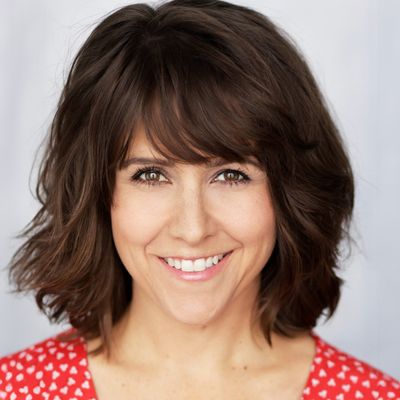
Is she a No One Mourns the Wicked Glinda, a Popular Glinda or a Thank Goodness Glinda? This week, Quincy and Kevin were joined by Alli Mauzey to chat about auditioning for Wicked in a church, her physical comedy skills and why she’ll always feel like a soprano at heart... Read More
From the show: Sentimental Men
Guests
Featured Shows
About
Is she a No One Mourns the Wicked Glinda, a Popular Glinda or a Thank Goodness Glinda? This week, Quincy and Kevin were joined by Alli Mauzey to chat about auditioning for Wicked in a church, her physical comedy skills and why she’ll always feel like a soprano at heart. Plus, the boys get Sentimental about Kimberly Akimbo and Michelle Yeoh.
Transcript
This transcript was automatically generated and might contain errors.
[0:00] Quincy Brown: I'm excited. I actually want to hear stories you have, because you've talked to everybody, I feel like.
[0:04] Kevin Bianchi: We have. And we have stories. Oh, I love it. Oh my god, I love it.
[0:13] Quincy Brown: My name's Quincy. And my name's Kevin. And this is Sentimental Men from Theaterly. We are here to talk, and maybe scream, about our favorite women in musical theater.
[0:22] Kevin Bianchi: Hello, Kevin. What a beautiful serenade on a Friday, Quincy.
[0:33] Quincy Brown: On a Friday to kick off this beautiful episode that I'm very excited about.
[0:39] Kevin Bianchi: I am excited also for you, because this is the first Glinda episode that we have done in a long, long time.
[0:44] Quincy Brown: Don't I know it. I've been counting the days since our last.
[0:49] Kevin Bianchi: What was our last? It wasn't Carrie St. Louis, was it?
[0:51] Quincy Brown: Yeah, Carrie St. Louis. Oh my god, currently in Titanic.
[0:54] Kevin Bianchi: I know. I want to go back and see it. I know. I want to see her in it so bad, because I, as we have discussed on this podcast, I live and die for Celine Dion.
[1:04] Quincy Brown: Have we discussed this on the podcast? I think, oh, maybe on a bonus episode, I think. I just love Celine Dion, because I like, my mom listened to her a lot when I was younger. So like, I kind of just like grew up with her voice. And as we know, Carrie St. Louis can sing it all. So I'm sure she sounds.
[1:18] Kevin Bianchi: I saw it at that first venue. It was at the Asylum, I think it was called.
[1:23] Quincy Brown: Yeah. And I was not familiar with Celine's catalog in the way that I have gleaned a lot of the gays in my life are.
[1:29] Kevin Bianchi: Yeah. But now, since seeing Titanic, I am much more familiar with the back catalog, not just the hits.
[1:35] Quincy Brown: We have a lot to talk about. I do want to acknowledge the fact that we are recording this on December 9th, which is the day that Idina Menzel's documentary, Which Way to the Stage, drops on Disney+. I also want to acknowledge the fact that I went to the world premiere while Kevin was in Paris, and I did, in fact, get to interact with Idina Menzel.
[1:54] Kevin Bianchi: You sure did.
[1:54] Quincy Brown: We're not going to talk about that right now, because we don't have time for it. But we are recording a Just Us episode in a couple days.
[2:02] Kevin Bianchi: Yeah. We have a lot of opportunities to talk about that in the next couple of days, and I would love to talk about it after we both watch the documentary. But I will say, listeners, it's fantastic.
[2:09] Quincy Brown: I can't wait to watch it. A lot of tears, a lot of walker, which is fun. A lot of co-parenting discussion. It's really cool. A lot of funny stuff. She goes into her childhood. It's great. I loved it. I will probably watch it again before we discuss.
[2:24] Kevin Bianchi: Quincy, we saw Kimberly Akimbo last night.
[2:29] Quincy Brown: Yeah, we sure did see Kimberly Akimbo last night. What was your impression? Because I saw it off Broadway, but this is the first time you saw it. So talk to me.
[2:33] Kevin Bianchi: So I went in, having heard a few of the songs before, and I knew the one-sentence summary of, this is a show about a teenager in a 72-year-old's body. And I knew that it was kind of like a no day but today, live while you're young kind of message. But that was it. So I had a really fun time discovering the kind of details and colorful bits of the show.
[3:01] Quincy Brown: I think it's such an interesting show to me. And we're going to talk about this more with our guest, who is Alli Mauzey. We have yet to say her name. But it's such an interesting show to me because it deals with pretty heavy subject matter, but also manages to be so funny and joyful at the same time.
[3:18] Kevin Bianchi: Yeah. Yeah. I think that's fair to say. I think that it's... You said this to me last night and I kept thinking about it on the way home. It is kind of in that Next to Normal vein where it deals with illness and family issues and all of these things, but in a way that's so relatable because it's like, oh yeah, I either have parents or know parents who have these problems or I know or I was a teenager who felt this way. And especially being, I think as theater kids, relating so much to the show choir quartet was really fun too.
[3:48] Quincy Brown: Oh yeah. Kevin, do you know if... I had a hard time telling the ages of the rest of the teenagers. Were they like actual kids?
[3:57] Kevin Bianchi: Oh, I know they're teenagers. I would say they're of age. I would guess that they're all 18, at least. They're like young, young people.
[4:04] Quincy Brown: Young, young, young. Who just look younger. Justin Cooley, Seth, the boyfriend. Oh my God.
[4:10] Kevin Bianchi: Who is the recipient of Drama Desk, Outer Critics Circle, and Antonio nominations, as well as a Theater World Award and the Clive Barnes Award in recognition of his performance as Seth in last season's off-Broadway production of Kimberly Akimbo. He was also a part of the 2021 National High School Jimmy Awards and was featured as a finalist. Justin hails from Kansas City, Kansas and is thrilled to be making his Broadway debut.
[4:31] Quincy Brown: Oh my God. I did not know he was a Jimmy kid. That makes a lot of sense to me.
[4:37] Kevin Bianchi: The Jimmy Awards have really given culture so much.
[4:42] Quincy Brown: It's so funny to be like a 31-year-old person being like, thank God for the Jimmy Awards, but I do feel like, thank God for the Jimmy Awards. Kimberly Akimbo was really great. I was thinking as we were watching it, I was like, I do love this genre of musical where small family, mental health, trauma, illness stuff, like the Fun Homes, the Next to Normal. It's like a very cozy environment.
[5:06] Kevin Bianchi: Yeah. It's nice to see your life reflected on stage. That's how I feel. Sitting next to you last night, I was like, ah, yes. Daddy issues.
[5:16] Quincy Brown: Yeah. Before we, we do have a lot to talk about, so let's run through our guest of honor's resume, Miss Alli Mauzey.
[5:23] Kevin Bianchi: Okay. Miss Alli Mauzey started her Broadway career back in 2002 when she went into Hairspray on Broadway as Brenda, famously the nicest kid who gets pregnant. How many months, Brenda? Just nine, corny. Best laugh in the show. Honestly, like first laugh in the show. So like big, important feature for Miss Mauzey. I think she also went out on the tour of Hairspray and she understudied Penny on the tour, which like, uh. If there's footage of that.
[5:57] Quincy Brown: Probably a terrific Penny. In 2007, she was back on Broadway in one of my personal faves, Cry Baby, original Broadway cast as Lenora Quincy. I mean, she has blessed us with so much. After Cry Baby, also in 2007, she made her Wicked debut on Broadway as the Glinda Standby before moving up to principal Glinda in 2008, taking over for Miss Kendra Kassebaum.
[6:27] Kevin Bianchi: I feel like we should put a disclaimer that we tried our best to keep this timeline straight, but Miss Alli Mauzey has been bouncing around Wicked a lot in her career, so this is our best attempt at putting that timeline together. She is like a Jenny DiNoia Glinda to me. She is like, oh, you need me? I'm here because she's been in and out of Wicked like seven times, six times. So after replacing Kendra Kassebaum in 2008 on Broadway, in 2010, she replaced Kendra in the San Francisco production of Wicked. In February 2012, she is out on the first national tour of Wicked as Glinda, replacing Katie Rose Clark. In October 2012, she is back in Wicked on Broadway, replacing Chandra Lee Schwartz. And then in 2013, she is back in Wicked yet again, celebrating the 10th anniversary with Miss Lizzie Mendez, replacing Katie Rose Clark. What a run in Wicked the musical. And what a way to end her run in Wicked the musical.
[7:27] Quincy Brown: For the time being, who knows? Go out on an anniversary year. That's great.
[7:31] Kevin Bianchi: Yeah. In 2018, she joined the cast of the Hello Dolly revival on Broadway as a replacement for Ernestina. I also forgot this happened. It makes so much sense.
[7:40] Quincy Brown: It makes so much sense. Like, I wish I had seen her in that because she was probably so, so good. And then, of course, in 2021, last year, she did the off-Broadway production of Kimberly Akimbo as Patty, Kimberly's mom, and has now transferred that production to the Broadway, opened the production, rave reviews.
[8:03] Kevin Bianchi: Rave reviews.
[8:04] Quincy Brown: Rave reviews. I think it's the best reviewed show of the season so far.
[8:07] Kevin Bianchi: I think that's probably fair to say. Yeah. And understandably so. On top of all of her Broadway and touring credits, she also has tons of off-Broadway and, like, concert chops. She was in The Golden Apple. She was in It's a Bird, It's a Plane, It's Superman at City Center. She was in Show Boat at the New York Phil. She did Little Shop of Horrors at the Muny.
[8:30] Quincy Brown: Which I would have loved to see.
[8:33] Kevin Bianchi: Like, literally every role that I read of hers, I'm like, oh, oh, she was probably great. Oh, I wish I could have seen that. And I feel like she is somebody who, like, you look at her resume, and it's like everything on there is, like, such a perfect fit. Like, she really feels like she has a very, like, representative resume of, like, what her skill set is.
[8:48] Quincy Brown: Feels like she knows who she is as a performer and is going in for the roles that she knows she will be successful in.
[8:56] Kevin Bianchi: Correct. Yeah, she feels very aware of her strengths, of which there are many. I also love, just in general, I love Alli's voice because it is so, we talk all the time about how, like, we have kind of left the age of, like, the inimitable voices. And to me, Alli is somebody who, like, really has a special and unique tone to her voice that is really fun to listen to, like, on a score like Wicked, where we're so used to hearing it a certain way.
[9:27] Quincy Brown: Well, I love that she can do the contemporary musical theater sound, but can also tap into the operatic of it all in a very authentic and genuine way.
[9:36] Kevin Bianchi: That sounds so delicious.
[9:38] Quincy Brown: Delicious is a perfect word for it. I'm so excited for this. Alli Mauzey, I think, we'll save the compliments for when she's in the room, maybe.
[9:45] Kevin Bianchi: Yeah, yeah, yeah. Give people their flowers when they're present.
[9:52] Quincy Brown: All right, Alli Mauzey, thank you so much for joining us today on Sentimental Men. Truly, this is like a dream come true. I'm very excited right now.
[10:04] Alli Mauzey: It's a dream come true for me, too. I was just saying before we started, I'm really excited to talk about Wicked because I haven't talked about Wicked in a while.
[10:11] Quincy Brown: Okay, so we start every interview with how did Wicked come into your life? What is your first ever touch point with the show?
[10:18] Alli Mauzey: I saw the show here in New York. I saw the original cast. I just got a ticket and saw the original cast. And I didn't really know. I did not know how it ended, which was awesome. Because I don't really feel like there's any spoilers anymore, right? But the Elphaba situation at the very end, when she just comes back, I gasped. I gasped because I didn't know. I thought because in the movie, she goes away. And so I remember that because once you see it, that reaction goes away because you know how it ends. And I just I didn't know. And it was like magical.
[10:49] Quincy Brown: Yeah.
[10:49] Alli Mauzey: So that was my first experiences or memory.
[10:52] Quincy Brown: At that point, were you sitting watching the show thinking like, oh, I could be in this like I want to pursue this? Or was it just kind of like, here's this new show that's this hot ticket?
[11:01] Alli Mauzey: Yeah, if I remember correctly, I don't I didn't walk into it being like, okay, I'm watching this for like a future audition, or I'm going in for the show. I literally just went in as you know, a fan of The Wizard of Oz and what I'd seen about the show so far and just go see a good Broadway show.
[11:19] Quincy Brown: Yeah.
[11:19] Alli Mauzey: So I didn't watch it in any sort of lens of like, oh, I could do that. You know, I don't remember why.
[11:25] Quincy Brown: After seeing it, did you shift your lens?
[11:27] Alli Mauzey: I don't know if I was like, okay, this is the show I'm going to do one day. I mean, I'm sure I'm sure I had to clock. Oh, here's a part with the awesome soprano role who gets to be really funny. So I'm sure I clocked that but I don't I don't have a memory of walking away. I mean, like, I'm gonna like play Glinda one day or audition for the show. I actually feel like it was more like my voice teacher at the time who was like, you are right for this role. But you know, it's interesting. I don't know if it's because I'm a brunette or what, but my agent at the time, and I think casting was going to call me in for both Elphaba and Glinda. Eventually, like this wasn't because you asked me like when I saw the show, but eventually, which I just think is confusing for.
[12:08] Quincy Brown: That makes sense to me because you can't belt, Alli.
[12:11] Alli Mauzey: Yeah, I can't belt. I don't know if you I don't know if like, I don't know if I want to belt that role eight times a week. I'll tell you that much.
[12:19] Quincy Brown: Because that's epic.
[12:20] Alli Mauzey: It is epic. Yeah. And I think I remember it's funny you mentioned the hair color because I remember Donna Vivino told us that initially when she was trying to get in for the show, she was blonde at the time. And and they were like, Oh, Glinda, Glinda. And she's like, No, no, like I can sing Elphaba better than I can sing that but they were so stuck on her physical appearance, which is so funny.
[12:40] Quincy Brown: I know, right? Because the magic of theater is like, I know wigs, but I just think at that time, that's just maybe how they were looking at things. So I actually was the one that made the choice to me and my voice teacher was like, I think I'm just I think I'm more right for Glinda. So I went in with that when I first auditioned for it.
[12:55] Quincy Brown: So for my personal knowledge, have you fully sung an Elphaba song like full out?
[12:59] Alli Mauzey: Ah, in a concert like with a symphony I did see I've had a live in front of the audience. I have sung The Wizard and I yeah, what's so funny is I picked that song with this particular symphony because I think I'd already been with that symphony and I'd sung popular and stuff before. So I picked The Wizard I being like, I think that'll be like the easiest one. And then every Elphaba says that's the hardest one.
[13:21] Quincy Brown: Well, I know. And so then that's what I found out after the fact.
[13:25] Alli Mauzey: That's the song where I feel like I remember talking to Julia Murney and she's like, Oh, no, she's like, I don't know what it is about that song. That's hard. I just picture like no good deed and like defying gravity where it like sits up there. I was like, at least with like The Wizard and I, I don't have to like sit up top for like, incredibly long time. But a lot of Elphaba's back in the day, they were like, Oh, this is a song where I can figure out if I'm going to be able to do the rest of the show or not. Like, where's my voice? Right? Yeah.
[13:49] Quincy Brown: Late, especially out of the gate like that.
[13:51] Alli Mauzey: It was really fun, though, to sing that song. It was just fun to sing an Elphaba song.
[13:55] Quincy Brown: Right. So when it came time to go in for Wicked because you started off as a standby on Broadway, right?
[14:00] Alli Mauzey: Yeah, yeah.
[14:02] Quincy Brown: So talk us through that audition process.
[14:04] Alli Mauzey: So I was living in California at the time I'm from Southern California. So after college, I had well after college and after I had already done Hairspray at that point, I had moved back to like the LA area.
[14:15] Alli Mauzey: There was either an L.A. I think it was when the L.A. Company was going to do a sit-down production. So a lot of us were auditioning for it out in Los Angeles. So I was under the assumption I was auditioning for the Los Angeles Company of Wicked. I got to be honest too. I kind of reflect because I told you it's been a while since I auditioned. I don't know. My agent at the time either didn't submit me or didn't like, because I had only done my first professional like was Hairspray the Musical and I was in the ensemble. And I think maybe he just thought that's what I was. The fun, love, and free will in Brenda. Yep. My agent didn't get me an audition for Wicked. And so I went to an open call and sat in the room. You take matters into my own hands.
[14:58] Alli Mauzey: I did. And then Bernie Telsey's there who cast me in Hairspray. So he's reading through the names and then he goes, Alli Mauzey. Alli, what are you doing? Get in there is what he said. As if like, of course, I could have had an audition. I didn't need to come sit in line. And I honestly I don't remember I must have sung from the show. I must have sung Glinda stuff. And I got, you know, called back multiple times. And it's just so funny that my agent just didn't see it. Didn't see it. Yeah, you know, but was the process like you got called back and then immediately you booked because we hear a lot of times that people audition and call back and then they don't hear for a long time and then randomly they get a phone call.
[15:31] Alli Mauzey: No, I didn't. Mine wasn't like that. I had multiple auditions in a row. And I actually think like I actually had to do a dance audition, even though I wasn't going in interested in this particular show being in the ensemble. At that point, I made the decision I was going to make Glinda. So even when I went to the dance audition, I very much was like, I'm going to be how Glinda would do this, you know? And so I remember making through a dance call. And then eventually I had a quote unquote final callback at there was some like big dance convention or something in town. And so Telsey had to get this old church that has had auditions before. But like my final audition with like Joe Mantello and Castaneda was in it was in a church.
And I did my popular stuff like on like the pulpit area. And I remember making a joke about it and like making a joke about like, oh, gosh, yeah, church. And I could tell I could tell Bernie Telsey was like not amused because I'm sure he was not happy. And I love Bernie Telsey. So I say this with love. But I could tell like he was not amused with my like, like my humor about it. But I quickly turned it into a joke. And I actually think I won the room over rather quickly, which was nice. I think I won the room over that day with my Glinda audition that I had gotten called back for. Now, the only thing was Stephen Schwartz was not there that day. So they separately set up a time for me to meet with Stephen Schwartz in rehearsal studio next time he was in town, which was in the matter of like a week or two. It was kind of quick. Yeah, all this stuff was in within like because everybody was in town like the team was in town. So it was kind of quick. And was this before or after Crybaby?
[17:02] Alli Mauzey: The standby gig was before Crybaby. And wait, I take it back about the Stephen Schwartz thing that didn't happen until I actually took over the role. Anyway, after that church audition is when I got a call pretty quickly that they wanted me to be the standby in New York. And I was jarred by it because I wasn't prepared. And I drug my heels for like a good month about it. It wasn't like I'm gonna do this on Broadway. It wasn't that I didn't want to do it. And it was the best thing I could have done for my life at that time. But I was dating somebody who wasn't thrilled about me moving to New York. And I had an awesome therapist at the time who was just like, go to New York, go to New York kind of thing.
And I just needed somebody to tell me that. And I went to New York and I stood by and that's when I met my now husband. And that was when the standbys didn't have to be at the theater. I just had to be within a five block radius. And I lived with another Broadway gal, Cameron Adams, four blocks away. So we lived together. And then that's how I met my now husband. And I just would go on days with him. And every once in a while, I get the call to be like, Oh, you have to go on for Wicked. And I'd be like, Okay, you know, yeah. And I think I had like a, I actually had an out for Crybaby. So I actually didn't finish my whole standby contract because Crybaby was in place. And I left.
[18:14] Alli Mauzey: Gotcha. So you were working on Crybaby as you were standing by?
[18:14] Alli Mauzey: Yeah, yeah, totally. And so like, the Stephen Schwartz story, I feel like I feel like that didn't happen until they were ready for me to maybe take over the role. At some point, I had a one on one session in LA with Stephen Schwartz. It was just me and him and the piano player. And what's funny is he knew me because I did a reading of snapshots once that he was mildly involved with. And so when I walked in the room, he goes, Allie, he's like, I could have just told them it was okay. But like, I didn't know if he remembered me and I didn't mention it. Which seems to be the theme of your first Bernie. Get in here.
[18:45] Alli Mauzey: I know. I know. What are you doing? You're like, of course you can be in Wicked. What was that work session with Stephen? You were just singing through the score?
[18:51] Alli Mauzey: Yeah, I just did my audition material. I think I did popular I probably did the at that I don't know what they do anymore. But at that time, he's seeing the opening, let us be glad, let us be grateful, that whole thing. And then popular. And I do know the scene leading into popular and the scene where I think we used to call it the cat fight scene in the second. Yeah. And then I think I did that. I just remember him not really like saying much names friendly and myself from definitely went off in the middle of my audition was very quiet. I don't really know if he heard it. Anyway, it was like pretty quick and painless process. It was just like, all right, let's do the thing. Like, yeah, yeah, yeah.
[19:25] Quincy Brown: When you were standing by, how did that experience compare to your prior performing experience? Like was it completely brand new and like challenging? Or did it feel like you were ready for that?
[19:36] Alli Mauzey: I mean, prior to that, when I had done Hairspray, I had understudied Penny Pingleton. So I did know that process. I also knew from my Hairspray experience that when I joined the Broadway company, the show was already up and running. So I did know what it was like to get put into a show with something already existing. And being a little under rehearsed, I never ran you can't stop the beat before I did. So I knew how that process worked. And then at Wicked, I actually feel like I got like, I think I got like three weeks of rehearsal, which was great because I was ready to go before those three weeks. And I think Kendrick Casabon at the time, who was the Glinda, she was hoping for a personal day, but I didn't know this. And I think they were kind of waiting to see where I was going to be. And so they were able to let her take a personal day because I was kind of ready early.
[20:24] Quincy Brown: That's cool. I mean, that's always weird, right? Like to jump into a show like you, first of all, put in rehearsals are weird, because you're the only one in costume. It's so like, weird. Well, and you to me, see, you're one of the Glindas that I think really made the role your own and made a lot of unique, specific choices. Yeah. When did that start coming? Like when you were standing by? Were you kind of doing your own thing? Or were you doing your best to fit into the mold that was built out for you?
[20:42] Alli Mauzey: Yeah, I think I was kind of just fitting the mold because like the cast has like their rhythm in there, you know, but you know, I got to tell you, like, there were times when I was standing by where Kendrick hadn't called out in like a month. And I hadn't been there that much. And I came in, right, because you didn't even have to be in the theater. So you weren't hearing it on this? No, I didn't hear it every night. I mean, I would go I guess I would, I had to have gone in for rehearsals from time to time, like just regular rehearsals. But like, I do remember two things. I remember one time my stage manager was like, maybe like just pop in a little bit more, because it sometimes feels like you're doing a different show.
And I don't know what that meant. And to be honest, I feel like as an as an actor, I've grown so much since then. So I don't even know if my acting was any good when I was a standby, you know. So I hadn't been there in a good month, and I'm coming down in the bubble. And I look over to like talk to the citizens of Oz. And I see a girl, Brianna Yacoubon, who I've never met in my life. And then she sees me, she's never met me in my life. And we're just like having a moment on stage. And I later, I heard her backstage after the opening number, she literally was like, Who the fuck is Alli Mauzey? In the most like a friendly of ways, because she literally like she hadn't, I think she might have been like a swing or a vacation swing at the time.
So she hadn't been there much either. And we literally just like, I don't know who you are. Now that being said, like, that wasn't like hurtful to me. I thought it was hilarious. And we like have like got along quite well when we were at Wicked. But I just love it. Who the fuck is Alli Mauzey? Like, what is going on here?
[22:12] Quincy Brown: Okay, so when it came time to take over full time, did you have to go in and audition again?
[22:16] Alli Mauzey: I did go back in, I don't think I would make that same choice again, necessarily. Because it's like, you guys know me and I and I did just coming off Crybaby, which was a which was that was a tricky show. But it was a positive for me. But it was fine. I went in and like I found out I mean, because you asked the question earlier, like, did I have a long waiting period before when I auditioned and had to wait and both times I went in went for standby and went back and very quickly for it. I found out right away, right away, you know, they actually I was I had moved back to Los Angeles after Crybaby and they flew me out to come just to get in front of everybody again. Because you got to figure to even though I was the standby, I wasn't there that long.
I maybe was there four months because I left to do Crybaby. So I really don't know what creatives saw me except for the associates and they don't always write that time they didn't always make the final decision was playing Glinda full time after you got a taste of it a standby with was that a goal that you had after?
[23:09] Alli Mauzey: I think so I think like when Crybaby closed like way earlier than I had hoped because it was kind of that Hairspray formula too, right? So I'm sure at the time Crybaby was thought it was going to be a big hit. I mean, I guess so. I mean, it was a we had some of the same writers and we had one of the same producers. So I think there was hope there and it was a John Waters thing again, you know, but you know, when it closed, I definitely had that first moment as an actor. I hadn't been part of a quote unquote flop or something like that before. So it's a little devastating, especially that first time and so there's like the creative part of it, which is like super sad and depressing. But there's also the financial part where you're like, I just got a really great apartment and it's a lot of rent. And now I'm out of a job. So when Wicked came back up, I mean, there was the practical side of it of like, the relief I got booking that job financially was awesome. I'm not gonna lie.
[23:54] Quincy Brown: Yeah.
[23:55] Alli Mauzey: And then I was just excited to get to play the role, like get to play be in Wicked. Like at that point, I came in right after the fifth and when I took over, I came right after the fifth anniversary cast, like right after and it was like, it was a thing. So it was like exciting. I was excited. I was super excited. And it kicked my butt at first because that's a massive role like physically, like I lived in sweatpants and Uggs outside of that. My husband, who was my boyfriend at the time, he at some point when I contract ended, he's like, so are we done with sweatpants and Uggs? And there was even a time where like the weather started to change. And I was wearing like sweatpants, shorts and Uggs. He goes, Oh, I see we switched to...
[24:35] Quincy Brown: And I was just like, you don't understand. I was like, the dress is heavy. I'm in heels. I'm like, my body just needs to be in my comfort clothes outside of it. It was hard at first to build up the physical stamina. It was never vocal stamina, but it was like physically to do eight shows a week was, you know, a thing.
[24:51] Quincy Brown: Yeah. So that was one of our questions. What was the most difficult part about the role for you? And it was the physicality, not the vocals.
[24:56] Alli Mauzey: Oh, absolutely. And that role in particular, I think because of the weight of probably that big dress and my feet hurt often in that show, the bottoms of my feet.
[25:04] Quincy Brown: And on the rake too.
[25:05] Alli Mauzey: Yeah, I just, for me, my feet bothered me a lot. But I always said with that role, I would be more likely to have to call out over a physical injury than anything vocal, which was pretty much always the case. Like, yeah, because when I was on the road, I actually I broke my foot. I don't think I missed...
[25:21] Quincy Brown: What's that story?
[25:22] Alli Mauzey: It was literally like before she goes up for Defying Gravity, and I'm on stage, and I just have to step down one step. And it's a little dark, but I definitely like rolled my ankle. And I grew up playing like a lot of sports. So I'm like, when I roll an ankle, I'm like, oh, it'll go away. It'll be fine. And then, and I'm like limping around on it. And I'm still doing the show. And finally, the physical therapist on the road was like, watched me because I tried to hide it. Watched me walk away from her table one day. She goes, is that how you're walking in real life? I said, yeah, he goes, she goes, uh-uh. She made me go see a doctor and I got an x-ray and my foot was broken. I say the thing was like my contract on tour, I think was only like three months. So I really didn't want to like, not do the show and extend that contract any longer. I just was like, I really want to just do this contract.
[26:03] Quincy Brown: Well, and I weirdly have like a, I resonate with you on tour because I grew up in Hawaii and they announced that the tour was coming. And when they announced you must have been on tour or something. Cause I had some perception of I'm seeing Alli Mauzey and then you left. I think that was an enticing part of getting people on tour because it was going to San Francisco. It was going to Vegas and Vegas is that was the brand new theater in Vegas. And it was going to Hawaii. I was on it right before then. And we definitely went through like San Diego and stuff, which is close to where I grew up. If I could have picked them a perfect chunk to do that tour, it would have been when they were in Hawaii. Cause I love Hawaii.
[26:39] Quincy Brown: Was there a point in your journey with Wicked where you're like, maybe I should hang up the shoes and not be doing this anymore? Or was it amazing? You loved it the entire time.
[26:46] Alli Mauzey: If you look back at like when I did it, my longest contract was only nine months, only nine months because I did it nine months. When I come back and took over, I did nine months and then I made the choice to leave. Oh, and then I, they called it and I got to do the last two months of San Francisco. That company was cool. And then that company was over. And then at some point I got a phone call and asked if I wanted to go out on the road for three months. I was like, great. And then at some point there was like a break and they were like, do you want to come back to Broadway? I was like, great. Like there were, I actually probably I'd have to do the math, but if I looked at the director, I probably had more time off in between than actual, my Wicked contracts.
[27:19] Quincy Brown: Short, healthy stints.
[27:22] Alli Mauzey: Yeah. Yeah. And that was honestly, that was the great thing about my journey with it too, is like, I actually feel like I never got burnt out. I always left still loving the show and loving the role. So I was just so glad when they would call me back. I was just like, I love, I love it. I secretly hoped during the pandemic when the shows were coming back and people were like, they were going deep in the bench. I was like, I know I'm going to be a little too old for this role now, but if somebody called me to do Glinda, I know I was like, if somebody called me to do Glinda for a week, it would be like dreams come true. I would have loved to jump in for like a week, you know?
[27:59] Quincy Brown: Yeah, we would have run.
[28:04] Alli Mauzey: I would have loved it. I love that role. It's like, I just, I love it, you know?
[28:09] Quincy Brown: Yeah. Well, it's got to feel nice to knowing that like you are thought of in such a way by capital W Wicked that like, they're like, oh, we need somebody for a few months. We can call Alli because we know she can jump in and she can like get right back into it. Like that's got to feel nice.
[28:18] Alli Mauzey: It's nice. And there is something like familial about it, which I've always like out of all the work I've done in my professional life, like I've spent a ton of time at Wicked. So it does feel.
[28:29] Alli Mauzey: In some way as like a family to me coming in and out of it. So it was always good news to hear that from them and to be thought of maybe in the same way that I'm part of the quote unquote, wicked family. When you also are, I think part of a handful of women who played the role early on, who helped craft the character into what it is today, build that mold that now all the girls are slotting into. I was gonna say, is that true? Because I was like, Kristen Chenoweth is like Queen B. So I'm just like, you probably know more than that than I do. Your era of Wicked feels like they were allowing the actresses to make a lot of choices that maybe they've tightened down on since.
[29:08] Quincy Brown: Oh, okay. Which leads to our question, did you ever get any slaps on the wrist for choices that you were making? Like, were they like, hey, reign this in?
[29:12] Alli Mauzey: I got written up once.
[29:16] Quincy Brown: For what?
[29:16] Alli Mauzey: It was rightfully so. But like, honestly, when I was in the San Francisco company, the creatives, because it was the last two months, a lot of the associates just weren't coming out anymore. There wasn't like such a tight rein of people looking over you. And I don't remember exactly what I did. I definitely during Popular, like it was an awesome audience. And I definitely as a joke, like left the stage and like came back and like left Elphaba hanging for a second because the audience was feeding off of it. And it was definitely, it wasn't a premeditated like, I'm gonna do this today. It was like very in the moment. And then, you know, I remember going up to my stage manager's like, get back on stage.
And then I go back on. And then I remember leaving the stage after that number being like, oh, man, I wonder what's gonna happen about that. And I definitely got a little lovely thing that was actually, look, I've never been written up in my life before or since. And it was actually as far as getting written up goes, like pleasant. They were like, they were actually very complimentary. It came from the higher ups. And I won't say who it was, but it came from the higher ups. I get like more of like a producer ish level. They were like, it's very complimentary about like, what I've like, what a great employee I have been and like all these positive things. So they're actually very surprised that they're having to have this conversation with me, you know, but I will say that moment in my time in San Francisco, not having, you know, as many people around with notes, I got to explore in ways that maybe I couldn't have maybe done in New York, where the associates and you know, people pop in all the time.
[30:49] Kevin Bianchi: Yeah, I feel like the associates are like very much like this is this is how the role is played now. And like, these are the beats that you need to hit. But I do feel like there was that those couple of years were like you and like, Megan Hilty, like there were like a handful of Glinda's that really got to like, run with it and like find jokes as opposed to just landing the ones that were there.
[31:10] Alli Mauzey: Yeah, do you know what I wonder about that time? Like in because you mentioned Megan, and I know she got a lot of time with Joe Mantello. And I do remember a moment where Joe had, you know, he's come in and out while I was still there. And I do remember getting at one point, his stamp of approval, just in general. And, and when that happened, I feel like the reins got loosened up from a lot of the note getting I know, listen, I still got plenty of notes. And rightfully so they had to reign us in like popular could be its own show if you wanted it to be like, you know, so you know, they still need you still need to be in certain parameters. But I do remember feeling like I got Joe's stamp of approval. And I kind of got left alone on some of the probably the things that you're like, Oh, that's part of Ali's performance that
[31:53] Kevin Bianchi: Yeah, yeah. What do you mean by stamp of approval? Can you talk a little bit more about what
[31:56] Alli Mauzey: I think he was just okay with what I was doing. He was fine with it. You know, like when I scream in the pillow, like nobody ever said I couldn't do it. But like Joe was like, he didn't have a problem with it. He didn't have a problem with with maybe I mean, I can't tell you specifically, it's been a while since I've done the show. And it's not like I think about my performance often, but like, but like, I'm sure things that we're doing that were a little bit different. He came and he was like, Okay, thumbs up. It was that easy. Joe just comes in and be like, Great, do this this great. Okay, and then bye.
[32:24] Kevin Bianchi: Yeah, yeah. One of our listeners asked, How does she feel knowing that she's known as the Glinda who screams in the pillow? Isn't that funny?
[32:29] Alli Mauzey: I love it. I love that people like responded to that moment. It's like that it's lived on. Do you know what's funny is I can't remember what other show I was doing at some point. And I had a moment where I wasn't even thinking about Wicked. And I was gonna make a thing of screaming in the pillow. It just fit for the character. I was like, I can't do that again. I already did that. And everybody knows I screamed in the pillow. I can't ever scream in a pillow again.
[32:55] Kevin Bianchi: Yeah, that can't be the signature.
[32:56] Alli Mauzey: Which is funny, because I feel like you could work that into Kimberly Akimbo. It would work for your character.
[32:59] Alli Mauzey: And I did it once in a rehearsal. We were just exploring with that opening beat that Patty has where she's talking to her baby in the camera. And we were just playing one day I was trying to shake things up. And there's moments where she gets like frazzled, I definitely grabbed the pillow and I screamed in it. And I was just like, but I was like, we're not going to do that. But but it would work. I think Patty could do it. You know?
[33:19] Kevin Bianchi: Yeah, yeah. So you are one of the earliest Glinda's that I can picture optioning up. No one warns the wicked. Was that an option that was given to you? Or is that something that you took upon yourself to do?
[33:24] Alli Mauzey: I think I did it because Kristen Chenoweth did it, to be honest. And then I think I even optioned up on the end of Thank goodness, but there's like a F or something in there that I've had seen or heard Megan Hilty do. It's like a little touch note right at the end. Yeah, it's really high. It's actually higher than the more than the wicked one. And so I would do that. I think it was when I was a standby and Stephen Ramis was there. And I think they were just Stephen Ramis was just like, it's not really like necessary. Like, we don't we don't need it, you know? But for me, I was just thrilled to get to sing soprano stuff that I was like, I'm gonna do all the options, you know? And who knows, maybe Kristen had done it, because I know she likes to mess around up there, too. You know, so it's like, okay, yay, yay, you know?
[34:12] Kevin Bianchi: Yeah. Do you feel like I something I Quincy's probably so sick of hearing me say this, but I am constantly saying that I feel like a lot of my favorite belting voices also have very strong soprano registers. Is that something that you a identify with? And was there like one that came before the other?
[34:18] Alli Mauzey: I think at heart, I'm like a true soprano, you know, but I'm curious to know, like, what is it about that quality on these sopranos with the belt voice that like you respond to?
[34:25] Alli Mauzey: I feel like maybe I'd be able to answer your question. It feels like there's a technique there that allows them to belt in a healthy way. It's like taking ballet before you take jazz. You know what I mean? It's like, there's like a foundation there.
[34:38] Alli Mauzey: But I'll say this, I'll say this about being a soprano, at least the way I maybe I use my voice. I can't really speak to any but how anybody else does about me. But like, I think like the way I can maneuver my mix in there to bridge belting and soprano stuff. I feel like being soprano the way I trained is like is helpful. So like a on days when I'm tired, I'm just like, I'm going to sing in a mix. And I don't think anybody's going to know the difference. But it's funny, I find like, if I'm doing a really belty role, like vocalizing in my soprano high stuff helps, you know, and then vice versa. If I'm doing something super soprano, I'll make I'll do some really like witchy, like belty noises to get some pinginess up.
You know, I think it's kind of like if you liken it to like, maybe like a dancer who's like always doing the same turn on like a right leg every night, like they got to keep working that left leg on their off time or things are going to get off balance, you know?
[35:52] Kevin Bianchi: Yeah, I love that analogy.
[35:54] Alli Mauzey: So now that you've had distance from your time with Wicked, when you look back on your whole journey, what are the memories that still stand out the most?
[36:01] Alli Mauzey: I mean, outside of Wicked, like, that's when I met my husband when I was a standby, you know, then, you know, like, I keep in touch with a lot of girls, like one of my best friends I met, it was Nicole Parker, she came in, and we found out and like, like, I talked to her almost every day on Marco Polo, like she's, and we had never met. And we had never met until we did Wicked. And what's crazy about that is we found out we grew up like 20 minutes from each other. And then she got to chatting about like, her life and her mom and I pause and I was like, wait, wait, wait, wait, I was like, your mom, I was like, I asked what she did for living. And I was like, I think I met your mom, because the ENT I went to growing up had, I'm gonna, I'm gonna get this wrong, because she wasn't an assistant.
But she, she, she worked side by side with him. And Nicole's mom, Dee Parker used to talk about this daughter she has, who's going to be a Broadway star one day kind of a thing. And Dee Parker is like, very memorable. I love Dee Parker, she gives the best hugs. So finally, I was like, wait, I met your mom, is your mom work with Dr. Lombardo? I think it was his name? She goes, yes. I was like, she used to brag about you all the time.
[37:04] Kevin Bianchi: That is so funny.
[37:06] Alli Mauzey: And of course, Nicole was like, embarrassed and appalled. And like, I'm so sorry, you know, but like, so like, that's super memorable. And like, a lot of girls I keep in touch with, I just had dinner with Julia Murney the other night, and I met her, she was my very first Elphaba when I was a standby, you know. So those friendships that I've made with a lot, specifically the Elphabas that I played opposite, because I wish I knew the Glyndas better, but I didn't work with the Glyndas. So unless we see each other outside of work, or like every once in a while at an audition or something like that. I mean, I'd have to really like sit with that question. But I do think like the relationships have have like stood the test of time.
[37:41] Kevin Bianchi: Yeah, that family thing.
[37:42] Alli Mauzey: Yeah, yeah, for sure.
[37:44] Kevin Bianchi: All right. So the question we ask every wicked actress, are you a no one mourns the wicked, a popular, or a thank goodness Glynda? It can mean whatever you want. All we ask is that you explain why.
[37:56] Alli Mauzey: I'm always going to gravitate towards the soprano stuff, I think, with that role. So like, because are you talking on no one mourns the wicked, like, let us be glad, let us be grateful, like the whole thing? Oh, yeah. I just loved, loved singing that. Oh my god, I loved it. And then getting to end on a really high note, like all the soprano, don't get me wrong, I had fun playing popular. But, but like, I feel like for me, it's always been a rare occasion that I get to actually sing soprano stuff. And that like, that's one of my favorite things about playing that part was getting to kind of live up there, you know? Yeah, so probably that that opening number, no one mourns, no one mourns the wicked. And what a great entrance.
[38:39] Kevin Bianchi: Yeah.
[38:39] Alli Mauzey: Okay, switching gears into Kimberly Akimbo. First of all, congratulations, we're like best reviewed show of the season so far.
[38:43] Alli Mauzey: I know. Oh my gosh, I know. We're having so much fun. We're having so much fun at Kimberly Akimbo. And this is like, I would, I don't know if you guys have seen it yet. But this is like,
[38:54] Quincy Brown: We went last night. We were there last night.
[38:54] Alli Mauzey: Okay, so it PS, I feel like my last like three performances, I've gone in the white room, like multiple times where I'm just like, I don't know my words, what is happening? But wouldn't you like say like, this part is like, very different from Glinda, right? Like, she's just like, very different, but like the the comedy beats are still there. Like,
[39:12] Kevin Bianchi: Yeah, I have a theory. I have a theory.
[39:18] Alli Mauzey: Okay. I think if I can gush about you for a second, I think something that that I love about your performances is that you really balance like the strong comedy with like a very genuine heartfeltness in like the sadder or like more serious moments. And I think that certainly you get the chance to do both of those in Kimberly akimbo. And it's like such a good contrast and like such a good showcase for you.
[39:43] Alli Mauzey: So when the show itself is so interesting, because it's, it deals with heavy subject matter.
[39:49] Kevin Bianchi: Yeah, it characterizes pretty horrible people.
[39:49] Alli Mauzey: Yeah. Oh, my God. Well, isn't that interesting? Like, I'm gonna, I'm gonna, I'm gonna let you talk. I don't mean to interrupt because I know just that, like, it's a heavy subject matter, horrible people, but manages to be so funny and joyful at the same time. Like, there were so many moments where I'm like, I hate, especially your character and the father. But then I feel so much like I feel so bad for your character. And I can also tell that as a mother, you love your daughter a lot, but you don't necessarily know how to love her. That makes sense.
[40:26] Alli Mauzey: I think that everything you said was the intention and was something that was really thought out specifically when we transferred from the Atlantic before we got to Broadway that that these aren't. I saw it at the Atlantic too. Yeah, I mean, you'd have to tell me your own opinion. But but I think hopefully, maybe maybe we like Patty a little bit more now in the sense that like, we kind of get where she's coming from. And she's not just like mean to be mean.
[40:43] Kevin Bianchi: You know, what moment really resonated more this time, which I'm not even sure if it was in the off probably because I didn't clock it the first time is when Kimberly turned 16. That like, oh, she turned 16. That means that like, technically, this could be her last year. I didn't even get that in the off Broadway version. I didn't get why her birthday was a big deal. And then last night, I was like, Oh, shit. And I could see it on your face that that's why you were so like hesitant to celebrate.
[41:04] Alli Mauzey: Isn't that interesting? Like, because I would say like, there's like one thing that got added. I think that helps that like, Deborah comes home comes back a Bonnie Milligan's character. And she's like, Hey, Patty, you know, it's 1230. You know, what day it is. And it's like, it's Friday, because it's not just Friday, it's Kim's and she starts to say birthday, but I cut her off. And I say, I know what day it is. And that those two little tiny little lines, I know what day it is, didn't exist at the Atlantic. And for me as an actor, it was so incredibly helpful. But I also think probably maybe it was helpful for audience members to totally Yeah, Kim mentions like, at the beginning kind of like brushes past like, oh, yeah, it's like 16 to 18. And it's kind of like it sneaks that information.
[41:48] Alli Mauzey: Yeah, that line. And when you find out she's 16, it's like, oh, it's she's reached that moment.
[41:53] Kevin Bianchi: Yeah, that line existed at the Atlantic. So it could be one of those things like, oh, yeah, it's like, I don't know, it's interesting to hear that like you were able to track it better.
[42:02] Alli Mauzey: This go around, there's a lot more nuance in the Broadway production, I think, than I was able to clock in the off Broadway production.
[42:07] Kevin Bianchi: Yeah, yeah, that really adds a layer of depth to it. I'm curious, what are the backstage dynamics? Because there's a lot of young cast members in this show.
[42:19] Alli Mauzey: So I'm, as I was watching last night, I was like, I wonder how they're interacting backstage. Because it's, it's a small house, the theater is small. And in that particular theater, on the first floor, it's like me, Bonnie and Vicki on first floor dressing rooms. And then you go up a flight. And you've got Justin, who plays the young kid who's like, I think, 19. And Steve, who's of a similar age to me, and then up one more flight is the quote, unquote, teenager. So I was just like, all right, if I want to
[42:44] Alli Mauzey: I'm not just saying it just to say it, I do feel like everybody gets along really great in this company. Definitely the other day I was referencing some old football halftime show to Steven and I was mentioning the artist and he was like, oh yeah, I remember that, blah, blah, blah. I didn't realize how seen, I was like, oh, I feel so seen right now. Because I didn't realize how many times I might start talking about something that the kids 20 years younger than me have no reference point to. And so I could bring something up and be like, and for some reason, I feel like because there's more of them than us, the conversation can gear towards what's going on in current life, which is fun for me.
It keeps me up to date with social media and just technology and who's cool right now. But look, we're at different phases in our life. So I'm not going out with him after the show. I come home and I go to sleep so fast, because my kid wakes up super early in the morning. And that's when I get to like hang out with them before school. So it's like, we are just in different places in our life. But it's fun for me to kind of watch them from afar, because it makes me reflect on my own time, like making my Broadway debut at their age and how fun that was. And I just like, I think they're having a lot of fun. And I'm so excited for them. You know?
[43:48] Quincy Brown: Yeah, that's a fun show for a debut. Like that's a great show.
[43:51] Kevin Bianchi: Yeah, like a fun, like, it's not like you're making your debut in Les Mis and it's like you're going to work every night and like dying.
[43:59] Alli Mauzey: I know. It's like a fun. I mean, and what's interesting too, because it's such a small cast that like these kids like they have like these like, they all really get to shine. They do. They all have like these little individual like personalities on stage that makes them stand out in their own way. Like I don't think anybody's getting swallowed up in any sort of like epic ensemble, which I'm not putting anything down about that. But I just think like as a first Broadway show, they're like these, they're like principal, I think we're all on principal contracts over there to be honest. Yeah. And they have their pictures on the side of the theater and they're massive. And I was like, you guys don't understand how fancy this is making your Broadway debut right now with your pictures on the side of the building. I was like, that's epic.
[45:10] Kevin Bianchi: Yeah, wait, where's your picture on the side of the building?
[45:14] Alli Mauzey: There's a little tiny picture. If you look at there, so if you walk by the theater and like, you know, where you see their massive faces on the side of the theater, face the theater, go to the right just a little bit. And you'll see a little skinny picture of me and Steve and Bonnie and Vicki Clark, like a family, a family portrait.
[45:38] Quincy Brown: Can you talk a little bit about being a mother and playing this mother on stage who's dealing with a lot of heavy things? I'm sure it's caused you to think about your own relationship with your kid.
[45:44] Alli Mauzey: Yeah, I mean, I think for me, like, if I really sit with Patti's circumstances of the truth of she will lose her child before herself, and I don't I can't live in that place like constantly, because like, that's if I sit with Ali sits with that truly, that is I that is my biggest fear in my current life. Like if I were to lose my child before myself, like that doesn't make sense to me. And it is a fear, a fear. So like, you know, when I come home at night, and my kid's sleeping, I definitely like the one of the first things I do, it's just instinctually, I go, I want to, I just want to go watch him breathe for a minute and kiss his head. And just like, I have so much gratitude that I'm getting this time with my kid in my life. You know, I don't, I know, I know, Patti's not a real person, but like, I don't envy her circumstances in the play, by any means.
[46:43] Alli Mauzey: Now, I don't know. I don't know. I mean, I think like, look, there's probably like, let's take for example, like Patti has such a curse. She loves like she curses is not big deal like that. Now Ali tries to be very mindful of her curse words around her child. So there's actually and like, let's say I think like Patti's manners are a little bit more are more wild than in general than like Ali. So it's very freeing. I love walking in the theater. It's also crazy how physically busted you are the entire time.
[47:10] Kevin Bianchi: I know, isn't she just like, isn't it just like, she's just like a mess. Like, like, it's like so fun to play in some ways, because I can't imagine acting out in that particular way that Patti is for myself.
[47:21] Alli Mauzey: Yeah. I feel like far removed from that. I feel like you are very physical comedian. And so was it a challenge to find the comedy in Patti without with so much immobility being part of it?
[47:35] Alli Mauzey: Yeah, I feel it's the being in the thing that feels like I'm most immobilized by is the pregnancy actually. Like because when I when I think, oh, that's interesting. Because she's, and you know, at the Atlantic, I don't know if you remember, but in that last scene, Patti does go into labor, and that switched. We're like a few weeks out from when the baby's actually due. But basically, Patti's at the end of her pregnancy. And I think, you know, for a lot of women, and even like during my own pregnancy, like, you know, you're like, you can be very tired. And you're just you got a lot more weight on you. And like, it's very different than like, me having the body that I'm in now. So that immobility of just like that big belly and having another human being in your body.
And then I think like the hands. I mean, this is like, I think even up to interpretation for the audience members, but it's like, does Patti really need those bandages on her hands? You know, because I do think there's times where I'm just like, I'm kind of using my hands. Okay. And then other times, other times where, you know, while I do think she had carpal tunnel surgery, I'm definitely just like, I'm pretty sure she probably could have had those bandages taken off already. And she's loves the attention, you know?
[48:53] Kevin Bianchi: Yeah. So I don't think she's fully immobilized with the hands.
[48:56] Alli Mauzey: No, I just think it's such a cool show. And like, it does such a good job at depicting regular everyday people and all of their ugliness that comes with it in a non-glossy way that I think Broadway shows even when they show like your everyday family, Broadway shows tend to glossy it up. And when you watch the show, and like everyone is so deeply flawed, but there is so much love there. And they're just trying their best to make it all.
[49:22] Quincy Brown: Yeah, it's a thing where like life is messy, right? Life is super, super messy. And I think we get to see a lot of this mess in these characters. And you know, like, and the acceptance of the mess from everyone in the family too, is really beautiful. I think actually, yeah, I think it's their norm. Right. And I also think like, they are definitely people who as flawed as they are, like they just get their shit out there. They're very direct.
[49:43] Kevin Bianchi: Mm hmm.
[49:44] Alli Mauzey: Yeah, which is different than my how I that feels very different to me. So that was like a learning curve. Like they just it's one of those families. They're very direct. And they may not handle the information great, but like they're gonna, they're gonna say what they think and feel and they're gonna get it out there. And I think that's just how they function. It's just it's their it's their norm. It's hard, right? I feel like we only we're raised, we only know our own experience in life. So like this family doesn't know any different. Kim doesn't really know any different except like, you know, she's got her I wish song where she's like, I just want a simple home cooked meal with my family. Can I at least just have that, you know, but it's hard. I feel like as messy as our families can be. I mean, we still there's still our family, you know. So better or worse.
[50:32] Quincy Brown: And on that, we will wrap up this. Alli Mauzey, thank you so much for joining us. So great.
[50:36] Kevin Bianchi: We just talked to Alli Mauzey. I know, I can't believe it. This was another moment for me where I was like, this woman was a staple in my headphones in my adult, you know, in my younger years.
[50:46] Quincy Brown: Your younger years.
[50:48] Kevin Bianchi: My younger years. So long ago. And I love that she kept being like back in the day. And I was like, I know. I did relate when she was like, these children I work with do not understand my cultural references. I was like, I don't know. And I was like, do not understand my cultural references. I was like, that's me and Quincy, too.
[51:08] Quincy Brown: I was thinking that, too. However, less drastic of an age difference, and you're still out of touch. So what does that say?
[51:12] Kevin Bianchi: It does still feel like there's 20 years between us at times like such as right now. No, it was good. And it was really interesting to hear from somebody who, as we talked about, was in the show before it hit the point where it was really like set, you know what I mean? Like she was able to really play in there, which I loved hearing.
[51:30] Quincy Brown: It's funny, because I don't know why I assumed. I mean, you guys have this context. I don't. I was just doing the show. And in my mind, I'm like, of course, she knows that like she was part of this era where they're allowed to play around more. I know this like made up era that we talk about it like it's in history books. But that like brought me down to earth for a little bit. It was humbling. She was like, what are you talking about?
[51:58] Kevin Bianchi: But I think that's because like, which I wish we could have, I wish we talked about a little more, but it's like she feels like she has always had a clear sense of who she is and the type of performer she is and what she's good at. And that to me, that confidence, I think if I had to guess, probably translated and was able to be read by others around her and helped her with these roles that she's so clearly fit for.
[52:20] Quincy Brown: Yeah, yeah. Well, and she even said to she was like going into that dance call, she was like, I had already decided I was going to be Glinda. Like, like, she has that I don't want to say tunnel vision, but like the focus of like, no, I know where I'm headed.
[52:36] Kevin Bianchi: Clarity and clarity. That's a great word. Yeah, it's like I know where I'm headed. So I'm not going to get distracted by like the possibility of ensemble or the possibility of Elphaba like she knew where she was headed.
[52:51] Quincy Brown: Before we wrap up, we should mention I'm sure we'll talk about this in the Just Us episode that we're recording in a couple days. But let's mention the wicked news that we got yesterday. We at the time of recording boy did we get new one yesterday and earlier this week because we now have officially our Bach, Mr. Ethan Slater. Terrific. I love it. We now have officially our Madame Marble, Future Academy Award winner Michelle Yeoh.
[53:15] Kevin Bianchi: That's actually really exciting. It's really exciting. All the more reason to move up the timeline. My God, that really resonated with people.
[53:21] Quincy Brown: Yeah, I'm glad to see that people agreed. Because we are having a moment for Michelle Yeoh right now. Who's to say I'm sure she will still be having a moment because she's incredible. But who's to say how long this moment is going to last? Are we really going to push it off and hope that the moment is continuing through 2025? I'll stop there.
[53:39] Kevin Bianchi: And we officially have confirmation of our wizard, my personal celebrity crush, Mr. Jeff Goldblum, which it's just all coming together so nicely.
[53:54] Quincy Brown: I feel like yeah, I gotta say this cast is really, really exciting. Like I can complain all I want about the timeline. But the cast is the project that they are assembling in front of our eyes is very exciting.
[54:05] Kevin Bianchi: It's super cool. We'll give them their flowers for that.
[54:09] Quincy Brown: I know. So now we just have Nessa and Dillamond left. Do you think Marble's gonna get a song?
[54:14] Kevin Bianchi: I don't know. I'm like kind of scared. I think Michelle Yeoh is gonna bring that like scariness, intimidation to the role that we were kind of talking about Viola Davis might bring.
[54:20] Quincy Brown: Yeah, it's giving that it's giving that I hope they give I like joked about this on Twitter. But I genuinely hope that Michelle Yeoh has so much like physical strength as an actress. Like she's so known for like stunts and like action movies that I'm like, I don't know how but I hope that she gets to do something. But you know what I mean? Like it's, it's what if they like Frozen Broadway Elsa her and take her out of the dresses and put her in pants?
[54:39] Kevin Bianchi: That'd be cute.
[54:40] Quincy Brown: Oh, cute. Yeah, I don't know. I'm so excited. And I agree. I think she's gonna be really scary because she's so um, start like she has so much like stoic-ness to her. You know how we were talking about Oscar vibes in the last episode about the addition of Michelle Yeoh to me feels like an elevation project Oscar vibes.
[55:02] Kevin Bianchi: Yeah, I agree. I agree. And I love that. It's like a little Oh, it's gonna be deep. It's gonna be deep. And I love a little return to the Jon M. Chu Michelle Yeoh working relationship. That feels nice.
[55:20] Quincy Brown: But it was cute. Did you see Jon M. Chu tweet somebody was like, tell us about the first day of filming. And he was like, I literally cried watching Ari and Cynthia watch walk onto the set for the first time. And like, it was so magical to see like Elphaba and Glinda come to life for the first time. And it was like, ah, makes me excited. They're gonna take this long to make the movie. I hope they're also producing a behind the scenes documentary.
[55:44] Kevin Bianchi: I hope so too.
[55:48] Quincy Brown: Anyways, this was lovely. Happy December, everyone.
[55:51] Kevin Bianchi: Happy December. Merry Christmas. Happy holidays. Happy New Year. We will talk to you soon. Bye.
[55:55] Quincy Brown: You've been listening to Sentimental Men from Theaterly. This episode was produced by Quincy Brown, Kevin Bianchi and the team at Theaterly. Thanks to Anthony Abitangelo, the most swankified podcast editor in town. And another thanks to Michaela Reynolds for making us look downright osmopolitan in our new key art and to Julia DiMarzo for our logo design. If you want to get in touch, send us an email. We love to hear from you all. You can reach us at sentmenpod at theaterly.com. That's T-H-E-A-T-R-E-L-Y. You can also connect with us across social media on Instagram, Twitter and TikTok at sentmenpod. Thanks for tuning in. Till next time, I'm Quincy.
[56:37] Kevin Bianchi: And I'm Kevin.
[56:49] Quincy Brown: How are you feeling after this Glinda app?
[56:50] Kevin Bianchi: I'm feeling good. You know I love to talk to the pink girly.
[56:56] Alli Mauzey: To the pink girls.
© Broadway Podcast Network, All Rights Reserved