

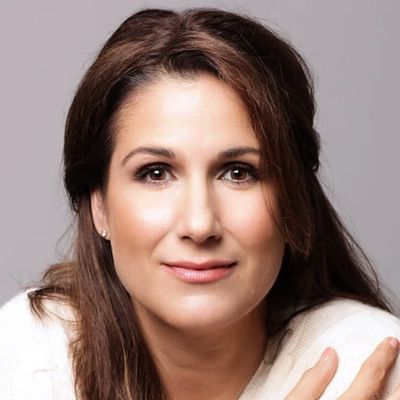
Quincy and Kevin are joined by Wicked’s very first Elphaba, Tony Award winner Stephanie J. Block. She takes the pair through her journey with Wicked: from sharing a piano bench with Stephen Schwartz to almost making her West End debut as an emergency replacement... Read More
From the show: Sentimental Men
Guests
Featured Shows
About
Quincy and Kevin are joined by Wicked’s very first Elphaba, Tony Award winner Stephanie J. Block. She takes the pair through her journey with Wicked: from sharing a piano bench with Stephen Schwartz to almost making her West End debut as an emergency replacement. Stephanie recalls her time roller skating through the Emerald City in San Francisco, telling people she was a birthday clown while on tour and how playing opposite her would-be husband made joining the show on Broadway even more special.
You can also support us by leaving a rating or a review on Apple Podcasts or following us on Twitter, Instagram and TikTok!
Transcript
This transcript was automatically generated and might contain errors.
[0:00] Quincy Brown: We want to talk about audacity. How about having a squat to sing that last note in Woman?
[0:04] Kevin Bianchi: Honey, with a placenta stained nightgown? What are you talking about?
[0:11] Quincy Brown: My name's Quincy.
[0:12] Kevin Bianchi: My name's Kevin. And this is Sentimental Men. But keep your thumb away from that skip button. We're here to talk and maybe scream about our favorite women in musical theater.
[0:23] Quincy Brown: We have arrived. I mean, how do you even begin this episode? Well, it was a long time ago, and we were both very young. I did have a moment yesterday that I was like, okay, we need to save this for the pod. I don't want to talk to you in person about this. Where it's like, not only has this entire podcast journey been building up to this moment, but I feel like our friendship in a lot of ways has been building up to this moment.
[0:49] Kevin Bianchi: Yeah, I agree. I mean, we said it in the first episode, the first conversation we had was about Stephanie J. Block. Like the first casual conversation we ever had. So really, this is big. This is it. This is big. It's all downhill from here. Just kidding. Anything that comes after this, I'm sure will be great. No, it's all uphill. Um, yeah, guys, I mean, this is the SJB episode. We shouldn't have even played the normal intro. We should have just played do do do do do do do do stuck on SJB. This whole episode is stuck on SJB. I am so excited. So excited. And I'm glad that from what we've seen on social and from what you guys have been telling us, it feels like you're all equally as excited.
[1:34] Quincy Brown: I would say so. What's exciting to me, Kevin, is that I feel like Stephanie is also equally as excited about this because she's been, you know, engaging with us almost since our podcast started.
[1:40] Kevin Bianchi: Yeah, she's been kind of flirty with us since October. So it would have been very easy for her to just not acknowledge us this entire time, you know?
[1:49] Quincy Brown: Yeah. I mean, she's been like in on the shtick the whole time. She has been an active participant. And let us remind the listeners that this was her idea. She is the one that commented on our Instagram and was like, I'm ready. Let's do it. Declared that she was ready.
[2:07] Kevin Bianchi: And you know what? We were ready too. We were ready. It's just like, yeah, I mean, I don't even I feel like what can we banter about? There's not really anything. This is the SJB episode. This is it. Should we run through this woman's resume? Do we have the time? Take it away, Kevin.
[2:22] Kevin Bianchi: OK, I'm going to start our journey on Stephanie J. Block's resume with her Broadway debut. In 2003, Stephanie J. Block made her Broadway debut in The Boy from Oz as Liza Minnelli, coincidentally opened like a week before Wicked did, two weeks before Wicked did, which I think is kind of a fun and which I'm sure we'll get into.
[2:43] Quincy Brown: Yeah, I'm sure we will. Then went out on tour with Wicked as the original Elphaba on tour in 2005, then came back to Broadway in The Pirate Queen as Grace O'Malley, then back to Broadway with Wicked as an Elphaba replacement, replacing Julia Murney.
[3:01] Kevin Bianchi: Yeah, replacing Julia Murney. Then 2009, very close to my heart, Judy Burnley in Nine to Five, the musical, which like as we were prepping for this and we've been looking back on her career, I think I was like, oh, is Judy Burnley one of my favorite roles of hers? It's definitely one of mine. I listen to the Nine to Five cast recording on the regular. Like it is one of my most played Spotify things or whatever. I love that. Always Nine to Five.
[3:23] Kevin Bianchi: Next up on Broadway in 2011 was Anything Goes as the replacement to Sutton Foster in the role of Reno Sweeney. Then 2012, she's back at Roundabout Theatre Company in The Mystery of Edwin Drew. First Tony nom.
[3:35] Quincy Brown: First Tony nom.
[3:36] Kevin Bianchi: Then 2016, back on Broadway as Trina in Falsettos, second Tony nom, and then the piece de resistance. 2018, The Cher Show. As star Cher. Third Tony nomination, first Tony win. And I say first because there will be more.
[3:59] Quincy Brown: There will absolutely be more. If we have anything to say about it, there will be more. It is also worth mentioning that she did like pre-Broadway or developmental things for most of those shows. In addition, she is like off-Broadway. She's done shows at City Center. She's done shows at Second Stage. She has done shows. The Muny. The Muny. Yeah, she's regional. She's off-Broadway. She is working, working, working, working.
[4:23] Kevin Bianchi: And one of our favorite gigs of hers, as Patricia Simon's mother on NBC's hit in our hearts. Hit to me, yeah. Television show Rise. That one shot, Quincy, I talk about it all the time of her watching Simon sing at the football game.
[4:40] Quincy Brown: See, but that's not it for me. What is it for you? Mine is when she's like grappling, like coming to terms with her son being gay. And I'm pretty sure she's like crying and she goes, it's gotta be hard. And like the way she delivers that line.
[4:54] Kevin Bianchi: Oh, yes. I feel like she's in a parking lot in that scene. It's been, how long ago was Rise? I think it was at least two years ago.
[5:06] Quincy Brown: It was more than two years ago. I was like middle of college. Like I was actively still in college. I want to say it was like 2016 or 17. It was definitely.
[5:13] Kevin Bianchi: Oh my God. It was 2018.
[5:17] Quincy Brown: 18. See, I was right. Three years ago, technically. Okay. I feel like Rise came out when musical theater was starting to hinge on like, oh, it's mainstream and cool to do musical theater. And then the show like didn't really take off. And I feel like musical theater kind of died out after that.
[5:29] Kevin Bianchi: I agree with you. But I think that the place of musical theater in mainstream TV was like on the decline at that point, like we had our high point with the glee and the smash of it all. And then like, it kind of tapered out. And then Rise was kind of just like, well, that didn't work. So I guess it won't work anymore.
[5:50] Quincy Brown: Which it does work. We need a new musical show.
[5:54] Kevin Bianchi: What could it be? What's the premise?
[5:55] Quincy Brown: Just bring Smash back.
[5:57] Kevin Bianchi: No, literally. Netflix, if you're listening. Bring it back.
[6:01] Kevin Bianchi: Stephanie has also recently played Polly in Crazy for You, Nellie in South Pacific, Sarah in Guys and Dolls, Fanny Brice in Funny Girl, Nancy in Oliver. I mean the range. I can't think of anyone else who has done all these roles.
[6:16] Quincy Brown: Who else has played Cher and Zydel?
[6:19] Kevin Bianchi: Oh yeah, we didn't even say Zydel. And which, how could we not? I'm sorry, I cut you off.
[6:24] Quincy Brown: It's fine. I couldn't breathe. And lest we forget, she was slated to star in the new Atlantic Theater Company musical Bedwetter that Josh Harmon was writing the book for. And Kevin, you and I both love Josh Harmon.
[6:39] Kevin Bianchi: We love Josh Harmon. And I love Sarah Silverman too. And it's based off her book. So when that comes back, we're going.
[6:46] Quincy Brown: Have to. I was so excited for that. I almost like bought like a presale ticket for that.
[6:50] Kevin Bianchi: Well, good thing you didn't.
[6:51] Quincy Brown: I know. Then I was young and unafraid. But yeah, I mean, Stephanie appears on seven original Broadway cast recordings and 14 other albums, including the solo album This Place I Know, which you want to talk about a place I know, it's that album.
[7:08] Kevin Bianchi: Okay, what's your favorite song off of that album?
[7:10] Quincy Brown: We're like giving them a full on Stuck on SJB right now.
[7:13] Kevin Bianchi: Our Stuck on SJB is her entire career.
[7:16] Quincy Brown: Making Good?
[7:16] Kevin Bianchi: It's Making Good.
[7:18] Quincy Brown: Okay, apart from Making Good, obviously.
[7:20] Kevin Bianchi: I think it's the Dolly Parton cover.
[7:22] Quincy Brown: I knew you were going to say that.
[7:23] Kevin Bianchi: Yeah, it's it is that I don't know why I said I think it is. It is that.
[7:26] Quincy Brown: Mine is Invention, the like patter song about the first date.
[7:32] Kevin Bianchi: I mean, yeah, Stephanie J Block is coming in. We're going to do kind of like an abridged version of Stuck on SJB with her because I think that's kind of cute and funny. But guys, I just like, I don't know. We're so excited for this. We're so grateful that you all can be on this journey with us.
[7:49] Quincy Brown: Yeah, I don't know. It's like it is crazy to think about. Like we did it.
[7:52] Kevin Bianchi: We did.
[7:53] Quincy Brown: Yeah, I don't know. I feel like if I think about it too much, I'm going to get nervous. So whatever. But this is like a really cool moment. I mean, this woman truly is like an idol of mine. Not because I have career aspirations that are anything similar to her, but just because she brings into the world and into her work the energy that I hope I also can. You know what I mean? Like she is she comes off as such a good person to work with. And I know we've heard her say in interviews that she like always tries to be kind first. And I think I just love that.
[8:25] Kevin Bianchi: So excited. I mean, is there anything else that we need to cover or do we just get into it? The moment we've all been waiting for.
[8:32] Quincy Brown: Stephanie J. Block.
[8:42] Stephanie J. Block: Stephanie J. Block is here.
[8:45] Quincy Brown: She's here.
[8:46] Kevin Bianchi: She's in the room.
[8:47] Stephanie J. Block: Hello, gentlemen.
[8:48] Quincy Brown: This feels so right, Stephanie.
[8:50] Stephanie J. Block: Thank you. I love your history. I was telling you before I did snooping on you guys and it was fun to see like the roots of your friendship and your obsession with Wicked.
[9:01] Kevin Bianchi: Well, okay. So that is how we wanted to start. We wanted to start by telling you our origin story, which I'm glad you did research. But then we thought that you could tell us your history with Sentimental Men Pod. Because I feel like we've been annoying you from the beginning of this whole endeavor.
[9:15] Stephanie J. Block: That's fair. That's fair. You guys start first.
[9:17] Quincy Brown: All right. So I was a young, spry college kid trying to break into Broadway marketing. So I applied for an internship at a theater company that Kevin was working at. And then I made it to an interview with our friend Kevin Bianchi here.
[9:30] Kevin Bianchi: Yeah.
[9:31] Quincy Brown: And well, then at the last question of our, you know, the fun question at the end of the interview was, what's your favorite musical? Which of course Quincy said was Wicked. Which then of course I was like, well, who is your favorite Elphaba? And then you actually said Viamine because you wanted to sound fancy with the three languages. And then we were sitting under a picture of you in Edwin Drood. And I was like, oh, but Stephanie J. Block, right? And then you were like, oh, but Stephanie J. Block.
[9:56] Kevin Bianchi: And it all clicked.
[9:57] Quincy Brown: And you didn't just say it to get the job. You weren't just like, oh yeah, Stephanie J. Block.
[10:02] Kevin Bianchi: I honestly think that's why I got the job. Because when Kevin like referenced the photo of you, immediately all the nerves of like being in a job interview or whatever went out the window. And I was like, I can't believe I didn't say Stephanie J. Block was my favorite Elphaba.
[10:14] Stephanie J. Block: Yeah. Thank you. Thank you. Thank you.
[10:16] Kevin Bianchi: Yeah. So we're sitting under, you know, that big picture of you singing the writing on the wall.
[10:20] Stephanie J. Block: Yeah.
[10:20] Kevin Bianchi: What a picturesque way to meet.
[10:22] Quincy Brown: Yeah. And like truly you were like our bonding factor. You're the reason like we became friends. You know, when you first meet someone, you don't really have much to talk about. So Stephanie J. Block was our like connecting factor developed into this beautiful friendship.
[10:36] Stephanie J. Block: Well, let's see. So to piggyback on your question, which was, how was I introduced to y'all? Like when did we first come on your radar?
[10:44] Stephanie J. Block: When you, something popped up on my, I think it was either my Twitter feed or my Instagram. It was the audacity of Stephanie J. Block to be like a cat just belting and pawing on the ground and like licking herself or whatever you guys said. And you're like, she wasn't just Stephanie Block at the time. She was Stephanie J., like the Broadway step. And I kept going back. And then all of a sudden in my vocabulary for the next two weeks, I was like the audacity.
[11:18] Quincy Brown: So just your language and the like, the energy that you both spoke with, I was like, oh, I like them. So that made me do a little bit of a deeper dive into your whole thing. And then I started listening to some of the podcasts, which are super fun. Cause I know, at least I'm in the Elphaba sorority with all the girls and I'm listening and going, oh yeah, those are great stories. And then quite frankly, I'd be like, is that what that meant? You know, I was actually learning some stuff along the way through these interviews, but yes, honey, it was your energy together and the language and the gesticulations. These are my people.
[12:01] Kevin Bianchi: Yeah. I mean, and you have like been kind of a champion for our podcast. It feels like at least.
[12:02] Stephanie J. Block: Oh, I'm glad. I'm really glad.
[12:04] Kevin Bianchi: You've been very involved.
[12:06] Stephanie J. Block: Yeah. Well, here's the thing. If you love Wicked and you're not watching or listening, then I think you're missing out. Cause you guys are the Wikipedia of Wicked.
[12:17] Quincy Brown: The Wickedpedia.
[12:19] Kevin Bianchi: That's it.
[12:21] Quincy Brown: All right. So you've done a little bit of research. So you know that in every episode, we have a segment called Stuck on SJB.
[12:24] Stephanie J. Block: Is that even going to happen this time since I am present?
[12:30] Kevin Bianchi: So here's the thing. It's going to happen a little bit in a different way.
[12:34] Quincy Brown: Last night we were prepping and we were like, okay, how do we do Stuck on SJB with SJB? And as we were discussing what we were going to do, we got a notification that you commented on our Instagram post from yesterday saying, check out this Broadway.com video.
[12:45] Stephanie J. Block: Oh, right, right.
[12:46] Kevin Bianchi: You said Joy Behard to play Madame Morrible.
[12:53] Stephanie J. Block: I was like, oh, she did. She actually did.
[12:55] Kevin Bianchi: Yeah, she did for that one day.
[12:56] Stephanie J. Block: For that hot minute.
[12:57] Kevin Bianchi: And we were like, oh my God, that's perfect. Cause we truly were like, okay, we don't know what to do necessarily cause we're not going to do it in front of her. And then you came in with a perfect moment to talk about.
[13:06] Quincy Brown: Oh, block.
[13:07] Kevin Bianchi: Oh, geez.
[13:09] Quincy Brown: So for the listeners, what we were talking about is The Yellow Brick Road Not Taken. I think it was for the fifth anniversary, correct?
[13:15] Stephanie J. Block: That's right.
[13:16] Kevin Bianchi: Yes. And we thought that was a perfect kind of intro into this whole conversation because that whole concert was about kind of the things that happened in Wicked but didn't make it to the final Broadway production and like the different iterations and songs that got cut. And something that we really want to talk to you about is Wicked before Broadway.
[13:32] Stephanie J. Block: Yeah.
[13:33] Quincy Brown: So we start every interview by asking, how did Wicked come into your life?
[13:39] Stephanie J. Block: Wicked came into my life from a random phone conversation or I should say a phone message from Steven Schwartz. I was working in Los Angeles. This is now 21 years ago. It was February of 2000.
[13:53] Stephanie J. Block: Wow. And I had just come home from being Natasha at Universal Studios for the Rocky and Bullwinkle show. And I came literally the olden days pressing the answering machine button. And there was this message, a voice I didn't recognize. And he just said, hey, Stephanie, this is Steven Schwartz. I wrote Pippin. I wrote Godspell. And I'm like—
[14:13] Kevin Bianchi: Did you know who Steven Schwartz was at the time?
[14:14] Stephanie J. Block: Of course.
[14:25] Stephanie J. Block: Project. And I kind of described the vocal type I'm looking for and the look I'm going for. And four out of my five friends mentioned your name. So I don't know if you're available, but if you can, please give me a call back and bop, bop, bop, bop, bop.
[14:38] Quincy Brown: Wait, so were you like shook to your core?
[14:40] Stephanie J. Block: Shook to my core. Shook myself.
[14:42] Quincy Brown: Like a cold call from Stephen Schwartz is a lot.
[14:45] Stephanie J. Block: Yeah. No, no, that was crazy. And I thought, all right, well, this is like what I've been prepping myself for to like literally take it back. I'd attempted to move to New York when I was 22, had the agent, had the unions, did whatever. Came back home because I needed to figure out who I was and not keep shape-shifting at every audition. I was like, what I'm missing is just being comfortable and being myself in every room I walk into. Right. So that's what was missing the first time around. And that's what I went home to work on. And so this call felt like divine of some kind. Cause I was like, here's the test. You just have to be you. Right. Cause who does get that cold call from Stephen Schwartz. So the very next day I walk into his apartment in Los Angeles and I say, hi, nice to meet you. And he's like, great to meet you. Do you have some stuff you can sing? I did.
[15:35] Quincy Brown: What did you sing?
[15:36] Stephanie J. Block: Don't Rain on My Parade because it's been in my book since I was a baby infant child. And I know that it just kind of hits all the marks. Right. I can add color. I do it a little different than the old Babs. I show my own personality. It's got great range. And you know, when all else fails, just give them a big ass voice. So did that. And then he told me a little bit about what he was working on. And at this point it was strictly, um, I would love to play some music for you. So I shared a piano bench with him and he played making good one short day. And as long as your mind. Interesting. And he said, you know, if this works out and you guys, you know, your voice works well with this really all we're looking for is I'm going to bring in another friend to play the male role and another friend to sing with you for one short day.
I'm going to be at Universal Pictures. I'm going to have cue cards and the writer of the musical, Winnie Holtzman will have cue cards. It'll be maybe 15, 20 minutes. You can sing from the page if you want. And then that'll be it. And we're presenting a new piece. And I felt like I left there on cloud nine and still spinning. Not sure if I still was, you know, his choice.
[16:44] Stephanie J. Block: Um, but I sang through a few things, made some big mistakes that he notated. And we're one short day. And as long as your mind kind of as it is now, or so similar. Yeah. I don't think as long as your mind changed at all, one short day may have had some changes where the, the big headed guy, what do we even know? I don't even know what they're called. The big flat head heads. Yeah. The bowling pins were correct. Um, but all in all, no, the shape of each song was pretty similar. So that's how wicked was introduced to me was literally on a piano bench with Steven Schwartz. I heard the first tunes of the creation. And at that point, was it communicated? This is aiming for Broadway. This is what we're trying to do. It was pretty serious. I didn't think Steven Schwartz was just going to be working on something that would be a really excellent regional production. Do you know what I mean? Like I knew.
[17:36] Stephanie J. Block: And he told me, um, because I hadn't, I didn't know the research material. I hadn't read Gregory McGuire's book, but when he told me that it was the prequel to the wizard of Oz and that some of these wonderful ideas of who these characters are, the point of view is going to shift to that of the wicked witch and how she becomes who we know her to be. And I thought, Oh, well, this is genius. You know, this is genius because everybody has a deep relationship, whether they know it or not with the wizard of Oz. I mean, it is just part of our culture. So I knew it was going to be special and the music was special. And also the gravity of being a young actress who hasn't made their Broadway debut yet.
Right. Right. Getting to do like a personal work session with Steven Schwartz. It was monstrously special. It really was. And I didn't want to take too much stock. I had lovingly prepared myself in so many ways. You know, I'd been working professionally in some way since I was 12 and knew that Broadway was my ultimate goal, but I very rarely ever expected anything like I just loved it, had to do it and said yes to most everything. So when something like this came around, I just thought, well, this is an opportunity, whether it's to one song, half a song, no cards, no, no cards. You just say yes for that moment, just sitting on a piano bench with Steven Schwartz. Had I walked out of the room and him saying, it's great to meet you, would I have been sad?
Sure. But that moment still would have been precious and really special and probably super invigorating. Right. At that point in my career with I was working in amusement parks and dinner theaters and regional theaters. So it was a really special thing.
[19:21] Quincy Brown: And then, you know, I can't remember how many days or maybe a week after that we presented it to Universal Studios. And at that point it was maybe a half a dozen people in a very small room.
[19:27] Kevin Bianchi: Was Kristen there yet?
[19:29] Stephanie J. Block: Not yet. Okay. Wow. So you were pre-Kristen?
[19:33] Stephanie J. Block: Pre-Kristen. Wow. Yeah. That's interesting. I feel like the kind of narrative is always that it was you and her both from day one. That happened in, golly, I'm going to say early 2002 or maybe late 2001. And that's when we had the two week full on work session on Universal Pictures Studios lot and changes were being made. But before then, like it was just this wonderful cast of point of origin actors that were gathering. And it was act one after this note card reading presentation. Obviously they must've got the green lit to continue working. And we did it.
[20:10] Kevin Bianchi: What were your nerves like for that first presentation?
[20:15] Stephanie J. Block: You know, I was pretty calm just because I'm pretty good in the room. I have enough nerves that will get the adrenaline going and allow me to hit notes that I can't usually hit at home. Right. That your blood just flows a little differently and you're working on all cylinders. But I was, I felt ready and I felt prepared and it went pretty well. I mean, here we go. A handful of months later he calls and he's like, Hey, we're going to start working on act one and we'd love you to come back. And it's really, again, just going to be this theater in Lancashire, which is in LA. We're going to sit at a big table. We're going to read through some things. Um, I'd love you to learn some of the music beforehand because this is really going to kind of be a churn and burn the songs that you don't know.
I'll be at the piano, uh, plunking them out, but it'll be some people in the industry, but a lot of my friends and what we want here this time around is just a gazillion amount, just tons of feedback. That's what we're looking for. I was like, Oh, okay. So at this point, again, a different cast of characters, really wonderful LA actors. The gentleman that played Bach was about six, one. And at that point, that role, the whole joke was, man, you're the tallest munchkin I've ever met. Like, and that was a whole running joke through Wicked, which later was cut.
[21:40] Stephanie J. Block: Yeah. There was a later recording of a, I think like the last, maybe pre-Broadway where I think Gavin Creel was Bach. And I think maybe it was like the last time that he, that was the joke. You know what I mean? That was the joke.
[21:45] Stephanie J. Block: Yeah. There was a lot for, you know, advocacy for animals in that first act. So Elphaba was, I would say much more aligned, like the book Elphaba, almost to the point of, I'm going to use a serious word, but she was almost a terrorist. She was willing to kill and die to, you know, for the rights of the animals in this sort of early rendition. Um, and act one went really long. I mean, I'm going to exaggerate, but it had to be like nearing two hours or over two hours, act one. And so they knew at the end of that one that there needed to be a lot of trimming. Cause it's still long. It's still like an hour and a half. She's long. Yeah. They got to pack a lot in. You really earn the girl flying at the end of act one. Takes a lot to get up in the air. It does.
[22:29] Stephanie J. Block: So then they called us all back. Uh, and again, the cast of characters were changing. And at this point, Lenny Wolpe now was playing the wizard. So there were some familiar faces. There was an actress named Melissa Fawn, who stayed with the original company. But some of those people that sat at that table did remain in the company for San Francisco and then the original Broadway company. And then after that, that was the, okay, now we're coming and we're getting our hands dirty and we're working.
[22:58] Stephanie J. Block: And so at this point, Stephen Remus is on board as the musical director. Kristen is there.
[23:04] Kevin Bianchi: And is this also crazy for you like personally as an actress?
[23:07] Stephanie J. Block: It's totally crazy. It's totally crazy. But as silly as it sounds, I believe in signs and I believe in like God in the universe, you know, putting things in our path that are supposed to be ours. And somehow without claiming too much ownership, it did feel right. And I was like, Wizard of Oz was my jam growing up. Judy Garland was my everything growing up. Like I knew the whole story behind many of the MGM musicals. Like, so getting my teeth messy into a Margaret Hamilton or a version of a Margaret Hamilton that I had grown up with and just loved these characters so much. It felt right. And it felt organic and I desperately wanted it without trying to be desperate. If that makes sense. I wanted to come to the table saying, I may not have Broadway credits, but I certainly hope you see that I deserve to be here in this moment and hopefully be a vessel for whatever you're trying to create.
[24:09] Kevin Bianchi: And was that a thought in your mind, especially when they brought Kristen in where you were like, Oh, I'm like green still. Or was that not even?
[24:13] Stephanie J. Block: I know. No, that is the joke, right? I mean, that is the joke. Yes and no, because I love Kristen to death and she and I fell madly in love. And she was already in a place where she had won the Tony for Good Man, Charlie Brown. She, I think was in the middle of filming or developing a sitcom that was literally named Kristen. So she had made a name for herself and Mark Platt and Stephen Schwartz were just madly in love with her as one does as soon as they met her and they were around her. And she was this wonderful little angel fairy that was whispering all the time going, you don't need to be a name. I'm here. This material lends itself to like making a star. They don't need someone that is going to bring audiences in.
This material is going to bring audiences in. So for me to walk into a room with really no expectation other than I just want to do a kick-ass job. And I am in love with this role in this piece. There's, you know, Christy saying, it's you girl. It's us girl. And this was the first time you met her doing this.
[25:21] Stephanie J. Block: So we fell in love with each other. We made mistakes. Those mistakes were notated. There's still great, huge, fat mistakes that I made in that reading that exist.
[25:30] Kevin Bianchi: Well, so that's what I want to know.
[25:31] Kevin Bianchi: Yeah. Like what?
[25:32] Stephanie J. Block: Is there anything to this day that's still in Wicked that you're like, Oh, I feel like that might be.
[25:36] Stephanie J. Block: Yes. There are extra measures in the one short day I made huge mistakes where I would hold something over and he loved it. I'm not that girl is, and I'm not taking liberties here. I'm really like saying what Steven said, that it was very much me. And I love that.
[25:53] Kevin Bianchi: Are you the reason for the low note?
[25:55] Stephanie J. Block: No, that was not me. That was not me. If it was up to me, my little larynx and all of the alphabets passed, our larynx would have stayed way up here doing our business. But, you know, in no good deed when we were presenting it, because it is so wordy and I wanted to look up from the page and deliver the material. And then look, but I lost my place. And I was like, too much, too much to mention. That's a huge mistake on me because I looked up and I went too much, too much to mention. And by the time that happened, I found my place again, that was not what was written. So little things like that, that are just, they're just little seedlings that, you know, I still feel so proud. And I'm going, Oh my gosh, at the slip of the tongue or not reading the music correctly and holding it or choosing to go up and be bold and be loud, which I'm sorry, ladies, because now again, it kind of has lived on.
I will say that in the early, early days, we were trying to do Defying Gravity, like a half step or a whole step up, up. Uh huh. And then it just became an impossibility. Like the first couple times I was able to squeeze all my organs and get it out. But right, we knew like over a long time, it shows a week that just wasn't going to be possible. And I don't have like, I look at Adina and her skill, her vocal dexterity and the ability, like her musical ability of being in the moment and changing a musical line right there in the moment. However, she's feeling like she doesn't want to go up. She can find something so beautifully funky and right. That will carry it through somewhere else. I don't have that skill.
Like, you know, they would always give us notes going, okay, girls, too much riffing. I was like, yeah, I don't think that's directed to me. So I would need to be given some alternative lines, depending on, you know, if I was a little fatigued that day or not. So that's, you know, there's little salt and pepper flavorings throughout this entire show that still are my mistakes that lived on.
[28:01] Kevin Bianchi: That's fascinating.
[28:01] Stephanie J. Block: Yeah. You said that was happening early 2001. This kind of first act. Yes. Yeah. Right. So maybe even first act happened still in 2000, later in 2000, maybe September, October then. And then again, in 2001, springish or even summerish was act two. All of this need to happen before September 11th.
[28:23] Kevin Bianchi: Okay. Oh, sure. Right. Joe Mantello was going to fly out to LA and see just a few of us. And that was a no-go. Once 9-11 happened, there was not a whole lot of, people weren't feeling comfortable flying. So that changed things. So that it really is a huge bookmark and will tell the timeline. So we had to have presented it to Universal Pictures before September 11th.
[28:47] Kevin Bianchi: And did Universal have any, like, this needs to change? This isn't okay.
[29:21] Stephanie J. Block: There are stars out there, and then there's money out there, and there's creatives out there, and they're giving you a massive standing ovation, when pretty much you can expect a lot of those rooms to just be looking at you and, you know, a little smattering of this, and looking at their two-page playbill and going, uh-huh. And then after that came, you know, the cookie bouquet from Universal Pictures, with all of the cookies that are the characters from Wizard of Oz, and the bouquet of flowers, and the notes of, we're so excited to develop. So then you do start getting it in your head, okay, maybe this is, you know, maybe this is something.
[30:00] Quincy Brown: Yeah. Because when you were doing the, like, developmental readings, were you thinking, okay, this is mine? Or were you still, I don't know?
[30:06] Stephanie J. Block: By the end of it, I must admit, I wanted her. And I was thinking, okay, I feel like we delivered. And Kristen was saying, it's going to be us, you know, in her little voice, it's going to be us, it's going to be us. And there was just, it was magic. There's a few times in your career where you're like, that was lightning in a bottle, and that moment was lightning in a bottle, or at least it felt that way. And then it was no longer mine. Before Broadway, when they were really searching, I was doing a show called Haven in Los Angeles, and it was, you know, what I was doing and saving my money, and I loved doing it, but I couldn't miss a performance.
[30:40] So I had to do a performance, take a red eye. I went and knocked on Kristen's door. I spent the night with Kristen. We ran the scenes. She was like, here, girl, wear this. I brought different outfits. She told me what to wear. And she said, you know, I'll see you in the room. Next time I'll see ya.
[30:56] Quincy Brown: Because was Kristen kind of solid at this point?
[30:58] Stephanie J. Block: Solid. Oh yeah. She was linchpin. She was the cog that was making it all happen. So I did the red eye, spent the night, had a pretty early afternoon audition, because then I needed to get back on a flight to do my show that night.
[31:12] Quincy Brown: Oh, you were hustling.
[31:13] Stephanie J. Block: And I was hustling. And Stephen said, hey, look, I can't be in the room for your audition. I've got something in Connecticut. I know you. I love you. Joe Mantella will be there. At this point, it was Tara Rubin casting. It wasn't even Bernie Telsey.
[31:26] Quincy Brown: Oh, wow.
[31:27] Stephanie J. Block: So Stephen Aremus was at the piano, and I feel like Wayne might have been there, and Kristen.
[31:34] Quincy Brown: Okay. And what did you do, Stephanie?
[31:36] Stephanie J. Block: I walked in, and I had to sing Defying Gravity. I had to do the scene of Come and Go in Bubble, the catfight scene. I know I sang two songs, and I can't remember. It was Defying Gravity, and I'm guessing it's I'm Not That Girl, right, to show both sides.
[31:52] Quincy Brown: I was going to say, because that's in the packet now, right?
[31:54] Stephanie J. Block: Yeah, has to be.
[31:55] Quincy Brown: Had any of it changed since you had been working on it?
[31:57] Stephanie J. Block: A little bit, but not so much. And Joe Mantella was delightful in every way. In fact, he came up, he gave me a big old hug. He's like, okay, here's the deal. I am the director, but I know that you have had this material for longer than I. And he was certainly a leader. Don't get me wrong. I didn't think we were going to get in there and collaborate, and he was going to pick my brain for all my ideas, but he was very open. And he also just was gracious in saying that you've lived with this role and this material. I have a vision of her in my head. I'd like to see what you bring to the table, and we'll go from there. And it went well, and Kristen and I felt a great familiarity. And actually, I think he spoke to that and said, okay, I love that you guys already have this understanding and friendship.
[32:45] And I walked out, and Tara Rubin walked me out, and she's like, get on a plane and feel really good about what just happened.
[32:51] Quincy Brown: Wow.
[32:52] Stephanie J. Block: Feel really good.
[32:53] Quincy Brown: So you're like, I booked this.
[32:54] Stephanie J. Block: Well, God, you'd never want to say that. But like, yeah. Again, it was one of those moments for me to be in New York and to be welcomed in that way and to feel embraced in that way. So I went back on a plane, and I did the job, and days passed, and I thought, oh, no, this is not a good sign. And then my phone rang, and it was Steven Schwartz. And he's like, hey, I heard you knocked it out of the park. And I was like, oh, I'm so glad you called. And then we just chatted for a hot second, right? Catching up. And he said, so you're fantastic. We absolutely love you. Joe was impressed, but we are going to go a different way. So he front loaded it with all of this amazing feedback, all that I wanted Steven Schwartz to say to me, and ended in that.
He then proceeded to say, but look, we do want you to be part of the original company. In what capacity? We're just not sure. It's a heavy sing. It may be a matinee girl. So Wednesdays and Saturdays, we may have you go on, because we just know what a marathon this is. And he's like, so out of town? No, that's not the way it works. You'll be an onstage understudy. But once we hit Broadway, whatever that looks like. So you have a budget.
[34:03] Quincy Brown: Yeah, exactly. So whether you're the standby, the matinee girl, or an onstage whatever, we'd love for you to join us. And I put on a brave face, and I just said, thank you so much. I hung up the phone, and I wept. I just wept.
[34:15] Quincy Brown: Yeah. We just talked to Keri Ellis, who kind of has a similar situation, where she auditioned for the West End production, thinking that she was going to open it. And then after she had booked it, they told her, actually, Adina's going to come in, and you're going to do it after.
[34:25] Stephanie J. Block: Oh, gosh. And it is a tough situation. And said with love, because we love Adina.
[34:30] Quincy Brown: Yeah. And you can't, there's no blame there, right? You want to place the blame on someone. You want to say you took this, but that's not the way this business works. Nobody's taking anything from anybody. There's a whole bunch of hats that are making decisions, and there's three little shells with the ball underneath. And it's that. And I had to figure out, is this how I want to introduce myself to New York City? As the understudy slash standby.
[35:06] Stephanie J. Block: Yeah. Because your narrative entering the city, it's important. And also emotionally, how comfortable are you standing by for a role that you also helped develop?
[35:10] Quincy Brown: Correct. Right. All of those questions. And I just thought, here's the deal. I can get to New York. I can get there with a job and a show that I think is going to be really successful.
[35:22] Stephanie J. Block: Did you have a feeling it was going to be a thing?
[35:29] Quincy Brown: Absolutely. Even when the reviews came out and they weren't fantastic, I just thought, they've gotten this wrong. They've missed the job or not. It's a thing. It's not just a book musical, and we can look at it as such, but it's beyond that. It's an event. It's an experience. It's a spectacle.
[35:48] Stephanie J. Block: Exactly. Yeah. Right. Was there a thought in your mind at this point that like, okay, well, maybe if I go and I do the alternate or whatever that is going to look like, maybe then I'll be the second one?
[35:57] Quincy Brown: Yeah. Or maybe then I will prove something that I've always needed to prove. And maybe then people will not ever say to me again, you don't have a Broadway credit. You're too green.
[36:11] Stephanie J. Block: Because that must have been a blow, that feedback.
[36:16] Quincy Brown: It was. It really was, because I had heard it before. I was going to say, when you were 22 in New York, were you auditioning for Broadway shows?
[36:20] Stephanie J. Block: I was. I got to a big Broadway audition a couple of times before, one of which I was flown out for Beauty and the Beast for Belle, because I was the first singing Belle at Disneyland.
[36:31] Quincy Brown: Oh, we know.
[36:31] Stephanie J. Block: The director and choreographer of that little 23-minute show at Disneyland, they were the creative team for Broadway. And so it was myself, Susan Egan, and a girl named Kim Huber that were there to audition for that. And that was my feedback then. You're just too green. You have to quit Disneyland. I've got to see credits that are really, because they had found Susan touring with Tommy Tune in Bye Bye Birdie. And that's where they saw her and went. So it was really about clout. So this was already kind of a pain point for you.
[37:06] Quincy Brown: Correct. It was a button for sure. I thought, but here's the deal. If and when I get to go on, I just believe in myself and this character and what I can bring to it. And luckily in San Francisco, I was able to do it that one night with people sitting in the audience and then them coming back. So you only went on once during your time as Understudy.
[37:24] Stephanie J. Block: That's it. That's it. That's history. Listeners, if any of you saw Stephanie in that one San Francisco performance.
[37:29] Quincy Brown: Well, if you can find the date, so it was going to be June of 2000. Well, when were we out of town? 2003. June of 2003. Whenever the Tony's night was, that was the night. We were about to open out of town. We were going to open on the ninth show of the week. Adena, like any other athlete is so tired, right?
[37:45] Stephanie J. Block: Yeah. No, you don't want to open on the night show of the week. Plan that. And so that Sunday night was going to be Tony night. And everybody was just saying, take it off. Everybody who needs to be here to witness all the things that you bring to the role D are going to be in New York for the Tony's like just rest. Let Stephanie go on, let her get the experience.
[38:18] Stephanie J. Block: Yeah. And so I found out in between shows on Sunday that I was going to go on that night, but I gave it my all and the cast was remarkable. And I still like vividly remember the scenes with Chenoweth and the scenes with Norbert Leo Butz.
[38:31] Quincy Brown: It must've been a very special moment to get to.
[38:43] Stephanie J. Block: It was beyond special. Truly. Like all of my senses were being assaulted because I really, you can see the haze and the light when you were doing Defying Gravity. And it just was really special. So, and after that, they came cramming through my dressing room door and they said, go do Boy from Oz, come back to us, whether that's replacing Adena on Broadway or doing the national tour, just come back to us.
[39:04] Quincy Brown: So that was communicated to you prior to starting Boy from Oz. Can you talk us through that whole Boy from Oz transition? Cause it happened at the same time.
[39:09] Stephanie J. Block: So, um, so this, you know, this is again, that sort of divine understanding. I went home to find out really who I was in any room and every room and New York must've smelt it. They just must've like, there's a difference. My voice teacher always had told me, right, you got to work from inspiration, not desperation. And I feel like during my years of being 22, there was this little, just love me, hire me. Let me prove to you. Right. And once that happened, once I understood who I was, like things just started to go boom, boom, boom, boom. So yes, Boy from Oz came while we were, uh, rehearsing for out of town.
[39:49] Quincy Brown: What was your ensemble track in Wicked?
[39:54] Stephanie J. Block: Well, I'm going to go by wigs cause that's going to help me. Right. So my, my opening outfit was this crazy burgundy thing with the wigs with the points. Correct. Uh huh. I was also the, like in One Short Day, the green mermaid dress with the parasol and the big hat.
[40:07] Quincy Brown: I know I got you.
[40:13] Stephanie J. Block: Exactly. That was me. Now let's go back. Let's go back to San Francisco where we're developing that role. And I was like, Hey Joe, I have a great idea. What if, now just go with me on this. What if I'm like a mannequin woman and I'm on this like platform that has wheels and Christopher just wheels me around, but I don't ever really move unless I sing. And he's like, I love it. He's like, so the platform thing we can't really do cause poor Christopher can't like hold you the whole time. Sure. What if you're on, what if you're on roller skates? I was like, I love it. I love it. So I'm now doing like all my stuff on roller skates at, but guys, do you know the pitch of that stage? Oh my God. So at any given moment, Ms. Block would just like start rolling down the stage or I'd be like cool as a cucumber in my outfit and be like this because I was about to fall.
So I don't know how many like performances into previews, but Joe's all, the skates are cut. I was like, I hear you. Thank you for the grace of letting me try. Could have been a good idea. It's like could have been, should have been, they're cut. So anyway, that was my track.
[41:19] Quincy Brown: Wait, that made me think, was it difficult to watch someone else do the role night after night after you had been so involved with it?
[41:25] Stephanie J. Block: Yeah. Okay. It was really, really difficult. The rehearsal process was also really difficult because I just desperately wanted, when you're working at such a pace, right. And it's such a big show. The ensemble was working with Wayne or Corinne all the time. We were just learning, you know, which used to be, which way is the party, you know, right. All, all these different numbers that then Joe would come in and be like, nope. And we'd worked on it for two weeks, but he hadn't seen it because he's in another room working with the principals and solidifying the script and the scene. So I just was desperate to be in, I loved my ensemble. I loved being with these people. I just wanted to be in that room though, and get the nuggets that he was feeding them. And what, how was the role growing and how was my girl Elphaba changing? I just wanted to be there.
[42:18] Quincy Brown: And during the rehearsal process, was there ever a, Oh, Stephanie, do you have any input? Because like you had this, or was it like, once it was Adina, it was Adina?
[42:22] Stephanie J. Block: It was Adina. That's right. They certainly knew that they could trust me with the part, right. I was just always there and ready and watching new pages. She got new pages. I wouldn't, I just go to stage management secretly and say, if I could have whatever new pages and I would take them home, learn my ensemble track, but also be up to date, which what was happening with the principals just in case. Diligent Stephanie. Just being a good standby. That's all on.
[43:02] Stephanie J. Block: So that was that. And then during, I don't even remember. It was very close to when we were going to leave for San Francisco. So spring sometime my agent calls and he's like, do you do Liza Minnelli? I was like, I don't do Liza Minnelli, but I could learn one right quick. He's like, okay, great. Cause I wasn't looking to get a new job. I was just looking to get in the room and meet new casting directors and directors and kind of say, you know.
[43:17] Stephanie J. Block: I'm here now, and I'm with this really great show, which is always a wonderful way to walk into a room, is to say, hey, I'm in rehearsals for, you know, this big jumbo show.
[43:27] Quincy Brown: Did it have that buzz prior to coming to Broadway?
[43:30] Stephanie J. Block: Yeah, it did. Now, did people really know what it was going to be? Well, when you say a new Stephen Schwartz is happening, and Kristen Chenoweth, and Idina, and it's based on, people were getting kind of excited. There was a vibration around the show, yeah, yeah, yeah.
[43:46] Quincy Brown: And we were in an old rehearsal studio called 890 Broadway. And, you know, just that sort of atmosphere where only four people can get up in the elevator. It just felt so New York and awesome.
[43:58] Stephanie J. Block: Yeah. Like, I'm an artist.
[44:00] Quincy Brown: See, exactly. I'm an artiste. And so, on a Monday during lunch break, I ran to Midtown. I sang my song for the folks at Boy From Oz. I came back to rehearsal, peeled off the lashes of my little black pencil pants, and got right back into it. So then, the next day, it was the dance callback. So, on Tuesday, on my lunch break, I went down to Midtown, said I have 45 minutes, and then I gotta get back on. And that apparently went well. And I didn't want to let the Wicked family know what was going on, because it didn't matter at that point, right? I was just doing a different thing than lunch break, not going to PAX. I was actually just auditioning for something else.
[44:43] Quincy Brown: PAX! Will that ever come back? Do you think it will?
[44:48] Stephanie J. Block: I don't know. You know, you can only have somebody else grab your Krispy Treats so many times in COVID. And so then, the Boy From Oz people came back and said, hey, we need to have a work session with you on Monday with Hugh Jackman. It's going to be a couple hours. And I was like, next Monday? And they were like, yeah. And I was like, I have to be on a plane to San Francisco.
[45:09] Quincy Brown: Right. Oh, my God.
[45:11] Stephanie J. Block: This needs to happen in order for you to book the role. And I was like, how am I going to swing this one? So the agents, they were forthright. Joe Mantello actually gave his blessing. He's like, go kill it. You know?
[45:24] Quincy Brown: Yep.
[45:24] Stephanie J. Block: And that kind of support must have been so nice to us, having gone through everything that you went through.
[45:29] Stephanie J. Block: It was really great. Yeah, because I'm sure you've heard, you know, the stories about Joe. He can be a tough cookie. But there's an artist, there's an actor side of Joe, because he was an actor. Like, he's a great human. He's a fun human. And I think there's a deep understanding there. So he knew I wasn't trying to do him wrong. And we had two contracts. There was the San Francisco contract.
[45:52] Quincy Brown: Right. There are two different levels.
[45:53] Stephanie J. Block: They didn't want to pay us to write. So because there was like a point of origin contract. And then there was the San Francisco and there was language about per diem and this, that and the other that made it. Just because you did this one, didn't mean you were already a part of that one. Even though that Broadway contract was sitting there, two entities.
[46:12] Quincy Brown: Gotcha. But you were promised like both contracts, if you will.
[46:15] Stephanie J. Block: Absolutely. We had first right of refusal, but we all know what that means is the producer can pay you three weeks salary and hire somebody else. But on our end, it means something, right?
[46:26] Quincy Brown: Right, right, right.
[46:27] Stephanie J. Block: So half hour out of the room with Boy From Oz, they call me, I get Liza Minnelli. I go, holy crap. I grab my bags and I get on a plane. And that's when I sit down and go, I just start to weep because like, is my choice right? Of course it is. I'll be playing opposite Hugh Jackman, but I'm playing Liza Minnelli. What the hell have I gotten myself into?
[46:46] Quincy Brown: Out of nowhere, this new option, this new path.
[46:49] Stephanie J. Block: That's right. I'll be quite honest, like in my head, the way it plays out and the way my journals would read is like, I'm going to pull a Sutton Foster in the sense that not that I'm replacing Idina, but when the time comes, the girl from the ensemble is going to rise to the creed, you know, and just make her mark.
[47:09] Quincy Brown: So even San Francisco, you were in that headspace?
[47:11] Stephanie J. Block: Well, no, by then I knew. By the time the plane landed in San Francisco and I had several meetings as far as what the contract looks like and what wages were like and how it all were going to, it was going to time out crazily perfect because Boy From Oz was going to open just like three weeks before Wicked. So I was able to do San Francisco, come back to New York, just have a moment of rest, kind of recalibrate myself now toward a different Oz. I like to say I got two Oz's for the price of one, a different Oz, and then start rehearsals with that. And the beautiful thing was we were rehearsing in, you know, 42 West in the new studios and I would come down and say hi to the gang at Wicked and we would go to packs or lunch together and then beautiful sort of communal feeling to be creating or have helped create it and now be a part of this one, but still feel this deep connection and friendship with the cast of Wicked.
[48:06] Quincy Brown: Yeah. But what was it like watching Wicked go through its whole opening? Were you just so involved with Boy From Oz at that point that you weren't paying attention?
[48:12] Stephanie J. Block: I was. I mean, don't get me wrong. There were all sorts of phone calls being like, girl, this and you're not going to believe. And can you believe? Because building Wicked as a whole was just complicated. Yeah. There were a lot of personalities and a lot of strong opinions. And sometimes those opinions would come to a head right in front of us. I'm not airing dirty laundry, but after our first, our last run through in the rehearsal studio before going to San Francisco, I mean, Joe essentially drilled us a new one and said, I don't know what that was. There were moments, there were really tense moments, but there were also great moments. You know, there would be, you'd walk in and you would see Joe Delude, like trying all different techniques of trying to get a Dina Green and then testing it on my hand too, to see what it did to my skin.
And you just go, holy crap, this is real, like this is happening. The different posters that would come in, which was so cool because I had never witnessed that. And when you have universal pictures that knows what media can do, what knows what PR can do to sell a show, you're looking at these posters and you're seeing all these people. And, you know, a lot of us got to vote, not that our vote meant anything, but we got to have our two cents as to what we thought the image was the most gripping. And it was really special. But then there were times where, you know, heads were being clenched and then out of town. Oh man, I can remember we were staging, Which Way is the Party? What's it called now? Was it Dancing Through Life? No, I think we were still Which Way is the Party? Yeah, I think it was.
[49:51] Quincy Brown: Yeah.
[49:51] Stephanie J. Block: And we all had these exquisite Susan Hilferty, vibrant jewel tone costumes. Everybody had something different. Mine was a little like Lucille Ball, where it was like a false skirt with pencil pants and like a sweetheart neck and sleeves and then like a third sleeve on the back, you know, something like that. And we were trying to do the number with the lifts and the things. And Wayne's like, I'm not seeing my choreography at all. What is happening? So that was another moment. Everything stopped and we're on stage and Joe's like, everybody come to the lip of the stage. And he's like, come forward, come forward, take that off, take that off, take that off, take that off. And literally by the end of that 30 minutes, there was just a pile of color and fabric that had to be, guys, half a million, a million dollars just sitting on stage.
And he's like, cut, gone. They cannot do their dancing. They cannot do it. So there were just moments like that for me. That's when I was like, oh, I guess I am green because I've never experienced this sort of creating and not impulsive. I mean, it was coming from a place of reason and a place of servicing the dance and servicing the storytelling. But the decision making that had to be done then and there, it was terrifying, but it was also like awe-inspiring to witness, to be like, okay, he just made a decision. You know what I mean? And there goes genius Susan Hilferty off to design and make something completely different. And the black and whites that you now see that allow it to be from shiz, but allow the dancers to do what they need to do. And so you can see every movement and not be confused by that third arm of fabric.
[51:01] Quincy Brown: Yeah. And even that's different than, because as you said, you were working since you were 12, you've been in rehearsals, you've been in these situations your whole life, but to be there when something is being created is different than just rehearsing a Rogers and Hammerstein show.
[51:56] Stephanie J. Block: That's right. Something had already been tried and true and you can have a new interpretation of it. Right. You know, what works already.
[52:04] Quincy Brown: That's right. That's right. This was different and it did feel like high stakes just because of the price tag that was attributed to the show. Like it was 20 some million dollars or something. And at that point that's mad money.
[52:22] Stephanie J. Block: Yeah. And I think they got so many things, right? There are just tender moments that if I were to go back to the script that I'd be like, Oh gosh, that was something special that I missed. And I can't really even vocalize, but I remember watching things fall to the stage and going, Oh no, I can't believe that's gone. But could I differentiate whether it was me just being married to it or if it's something that really did help propel the story and make it impact all the audience? I don't think I could ever be like a real objective voice in that way.
[52:55] Quincy Brown: Yeah.
[52:55] Stephanie J. Block: It is crazy to think about your Broadway career, at least in the sense where it's like your first Broadway role was in like a supporting character, you know? And then like, you never really had to like do the, let's work our way up to leading. You kind of like hit the ground running once you got to Broadway.
[53:09] Stephanie J. Block: I did hit the ground running and I'm very grateful for that. And I'm really grateful that it took me, you know, I like to say by 11 years old, I was so focused and knew just what I wanted to do, but I didn't get to Broadway until I was 29. So you're looking at like 18 years of doing all the things and pulling out all the tools of your tool belt. And you just have to, you're going to play the ingenue, you're going to be the sassy, you're going to be the funny girl, you're going to do the thing. So I just, I just believed in the art form and I believed in what I could bring to a room, not being cocky, just saying, you know, I got a lot of years under my belt already. And my work ethic always was, I don't care if I'm in Wichita. It felt like Broadway to me. That's why Miss Thing is falling to the ground and licking. That's where that audacity comes from.
[54:05] Quincy Brown: Let's go through, you're in a new Broadway show, Wicked is a new Broadway show. You have to go through the Tony circuit of it all. What was it like? Because just as a human, that has got to be hard to watch Wicked's whole Tony journey.
[54:17] Stephanie J. Block: That is correct. Yes. I still love the company. We still have great friendship. I go, I mean, I do my show, Boy From Oz. I put on my fancy green jacket and my little pumpidus and I go to Tavern on the Green. I go to the opening night, there's hugs and kisses and congratulations. And I don't feel like a foreigner or like I'm not supposed to be there.
[54:38] Quincy Brown: Right. It just, it still feels...
[54:38] Stephanie J. Block: So you saw Wicked on Broadway? Sure. Okay. Perfect. Sure. So now Tony's roll around and I'm seeing the nominations and knew it was going to happen. There's no way you're not going to present this with those two roles and not know that one of these two girls are going to win the Tony. I felt that the part of Elphaba, especially out of town, Elphie didn't have as much humor. She really was all angst, all down. Those little quips and those little jabs didn't come until Broadway. And they wanted that side of her to come through because it was just feeling oppressive, quite frankly.
[55:20] Quincy Brown: Right. And they wanted to give her levity.
[55:22] Stephanie J. Block: So knowing what Kristen can bring to any role. And that was remarkable to see her go. And what if I do this with the lipstick? She just would have idea after idea after idea. And it was genius. And I was like, so if I'm looking at what's here on the page and how the arc of a character and what sort of fulfillment happens to an audience and how we get to watch someone grow, that's Elphie. I mean, it's just there on the page. If you're watching someone and this is not a diss by any means, Adina is a genius. We love Adina. To watch Chenoweth create a comedic role, to watch her create popular.
[56:04] Quincy Brown: Well, and it almost feels like Wicked was almost created as a vehicle for Glinda and Chenoweth. And then it kind of morphed into something different.
[56:08] Stephanie J. Block: It did. The music and the passion and the heart that Elphie just brought and the underdog connection between her role and those that sat in the audience, how they could tap into, oh, crap, that's me. Oh, crap. I've been ostracized. Oh, crap. Right. The presenting of the popular girl is fun and it will make us laugh. But the understanding of somebody and that sort of underbelly of a person, that's Elphaba. And you can't deny that. Yes, then Glinda does grow and learn and we see all of her human aspects come into play. But by then you've already, you've latched in. So you can laugh and be a spectator and want to be her friend and want to be her, want to be Glinda. But I think most people go, but I am an Elphaba.
[57:04] Quincy Brown: Yeah. Well, and with Elphaba too, that's where you get the new information about these characters. Because Glinda, you meet her and you're like, oh, she's in a bubble. She's wearing the dress. I know her. But when Elphaba comes through those doors and she looks like any 20 year old kid going to college, that's like, oh, this is new. This is, yeah. So I totally get it that on the page.
[57:23] Stephanie J. Block: The revealing of it all is happening through the vehicle of Elphie.
[57:30] Quincy Brown: Yeah. So yeah, when the Tonys happened, I was at a bar. Literally, I was not nominated that year. A large portion of the leading cast was, so it was Hugh, it was Beth Fowler, it was Isabel Keating.
[57:42] Stephanie J. Block: Did you think maybe?
[58:13] Stephanie J. Block: Thanks. You are working hard in that show. That really got shunned. We can go into that.
[58:20] Stephanie J. Block: Okay. Anyway, so I do the opening number with Hugh for the Tonys that night. I stick around. We watch from the wings who's winning. You know, I wanted to support Isabel who played Judy Garland, my mom, who I thought was still a stellar. It went to Anika from Carolina or Change, and she was divine. And then comes a banner for Best Musical. And I don't know if anybody's ever shared this for you. Okay. Guys, for a split second, the Wicked poster came down. And as soon as it came down, it went back up and down came Avenue Q. Yes, I remember that very La La Land moonlight. Honey, if you were paying attention, or if you were in the room, it was and Best Musical goes to Wicked Avenue Q. And we all went, like, what just happened?
So we don't know who pressed the wrong button. We don't know what the hell. Did people think it was gonna be Wicked? Yeah. And you're talking to someone who has worked with Jason Moore, loves Jason Moore, can absolutely see the ingenuity. I mean, to get that much humanity and heart from puppetry, like, all of the attributes are there for it to be amazing. It's just, I don't know. It was special. There was like something. It was like the Book of Mormon year when it was just like, it is what everyone I think expected that it was going to be Carolina Change or Wicked, because those were these two kind of juggernauts that hit at the same time. And it was the typical Tony formula where it was like commercial and artistic.
Yes. And you know what, there was a massive campaign. And we all know that the awards season, it's got a lot of play and campaign and Avenue Q had the most incredible campaign. So, you know, but did we believe? Of course. But do you also want to believe? Of course. Do I think I know anything about how the Tonys work? I don't know. Do you know, you'd like to think you do, but so much happens behind closed doors and in corners that I can't speak to it. Right. So that was that. Then I went to a bar and I was watching speeches and I was drinking something that had peach flavoring. I love that for you. I was looking at the TV and just not being as respectful as I should. And just saying secrets that shouldn't be out loud.
And I was sloppy. I mean, Stephanie, that is hard for any person to have to go through. Sloppy. I was sloppy and then went home and then started a new day and a new gig had the Monday to recoup and then went back to work at Boy From Oz. And, you know, it changed. But I will say that how they invited me in and how important they then made the tour feel was special.
[1:01:01] Quincy Brown: Well, so let's go through that because I didn't know that you had been offered tour or Broadway replacement. It was how is this going to work for you? What do you want? And I made it through my agents. I said, you know what? My desire would be, yes, to get that second Broadway credit. But I want to create something. I want to be in that room with Joe Mantello. Back in that room. Yes. I want to have a Glinda where she and I have a unspoken language and something that's built from the bottom up. I don't want to be placed into a well-oiled machine, you know? And even though so many of my friends were there and it would have been kick ass to be on the Gershwin stage, there would have been a lot of magic taking place there. I just needed to start to get to work on an Elphaba who I knew and loved and would allow a forum for that to happen. And that was only going to be happening if we started from day one, square one, rehearsal one.
[1:02:10] Stephanie J. Block: And did you kind of know that if you did the tour at some point you'd end up on Broadway? I hoped that to be the case. Yeah, I really did. When certain things happened, like an injury that took place, I thought, well, maybe not. Maybe I'm a liability now and that's not going to happen. But it was great to know that in the beginning, right, they invested in the commercial in Toronto. So it's before we had even really started the tour. We were filming that commercial in Toronto.
[1:02:34] Stephanie J. Block: That classic, you singing Defying Gravity.
[1:02:37] Stephanie J. Block: Slightly under, not quite in the middle of the note. And I hate listening to it.
[1:02:41] Quincy Brown: Stephanie, it's so good.
[1:02:43] Stephanie J. Block: Why that lives on to this day. I have stood in the lobby at intermission enough times to know that it is right in that pocket. It's not in the sweet spot. It's really not. It's somewhere in the general vicinity.
[1:02:54] Quincy Brown: It's truly what we all latch onto as Wicked fans. So you should know that.
[1:02:59] Stephanie J. Block: Thank you. And then the Grimmery came out, you know, and they were very loving to be like, we're going to have this page. Do you approve this page? And I was like, are you kidding me? This is the Bible. And this was all happening because they opened and it was boom, boom for a national tour to go out that fast. It was still in this real, like, you know, hyped up place. So it felt good. And especially quick for a show that did not win Best Musical that year to putting a tour out.
[1:03:26] Quincy Brown: Right. And it didn't need it. I mean, again, you know, because of where clearly it didn't need the Tony win. That must have felt special because it was kind of something you could own of the character is opening the tour.
[1:03:38] Stephanie J. Block: Oh, it felt good. It really did because it was so fresh. And I've heard Julia also speak to this. That show hadn't hit any of these cities. So the energy, I mean, maybe Sharon Celine Dion felt the way I felt when we opened. Maybe, just maybe. Because really, when you do define gravity and the way that audience responds.
[1:04:01] Quincy Brown: Right. Because we were sitting down at the beginning. We were in Toronto for a good two months. We were in Chicago for like six weeks. We were in L.A. for well over a month. There were these major sit downs. So you just became part of that moment in time for L.A. and Chicago. And it was almost like, you know, when Hamilton first went out, that's what the buzz was. It felt really great.
[1:04:28] Stephanie J. Block: Yeah. Now I was also, you know, nursing an injury and still doing physical therapy and having to. It became a whole thing.
[1:04:34] Quincy Brown: Well, so can we talk about that a little bit? Because we got a little bit of it from Jenna Lee Green when she was on because she also did that No Good Deed entrance.
[1:04:41] Stephanie J. Block: Oh, sure. Yeah.
[1:04:42] Quincy Brown: Because here's the thing, Stephanie. I feel like the lore of your injury, that tour injury is so.
[1:04:47] Stephanie J. Block: Hold on. We've got fingers from Kevin.
[1:04:49] Kevin Bianchi: Oh, no, I say it was two wires. Right. And it was one that.
[1:04:52] Stephanie J. Block: It was. Yeah. Talk us through what that entrance was.
[1:04:55] Stephanie J. Block: All of that, too. I was wearing a harness under the heavy dress. Yeah, I know. It was really limited movement and all that.
[1:05:02] Quincy Brown: As if it's not heavy enough.
[1:05:03] Stephanie J. Block: It was heavy enough. Yeah. So at this point, we had one of our stagehands who was practicing it over and over. And it was a sandbag and they measured his weight and blah, blah, blah, blah. Well, his weight didn't match the gals that were playing Alcoba. So there were a lot of mistakes when we would just dry tech it and then my body would come down and hit the, you know, hit the floor or not quite lift due to weight. Finally, we got that issue laid out. They also decided that they were not going to do it the old fashioned way. You know, they were going to have an automated system. So they programmed it in to where I run stage right. They hook me up. Nick was his name. So he's such a lovely guy that would hook me up. It would take me about 10 or 12 feet up into the air.
[1:05:53] Quincy Brown: Do you have a broom? We asked generally.
[1:05:55] Stephanie J. Block: See, Jenna said, No, I had a broom.
[1:05:59] Quincy Brown: No, it wasn't between the legs. It was just like, I'm magical with a, you know, correct. And she was right in saying that it would take you this way. And then it would just kind of bring you down, like gently bring you down center stage where the book would be there. I'd hand one monkey, the broom, the other monkey would undo. And like you make the movement to get them away and then you'd start the spell, right? So we'd done it a couple of times and it just, again, it would never land right. I'd still be hanging in the air, never injury, but always not successful.
[1:06:35] Quincy Brown: Right. So were you not feeling comfortable with it to begin with?
[1:06:38] Stephanie J. Block: No effing way. I didn't feel unsafe. I just thought this is going to end the show. And there's nothing to be done when you're hanging off the ground and you can't release yourself. So more than anything, I just didn't want to be embarrassed on the first preview going dingle, dangle, dangle. You know what I mean? In this powerful moment. So anyway, I'm released. It still hasn't gone well. This has never gone right. But they say get out of hair and makeup, get out of costume. I'm sitting there and well, actually I'm sitting in street clothes and in green because I'm not sure if they're going to use me for something else, for lighting or whatever. They say, Stephanie, get out of green, go home.
And I'm thinking if I'm not mistaken, it's like a night or two before our first preview, like in the 11th hour before we're supposed to have an audience. And they call me back to stage. We're going to run the flying sequence just one more time. And guys, when you're opening a new show like this out of town, your crew is exhausted. When you go home, they don't. They're still working. So these guys are tired. They're just tired. And I could feel it in my belly that I should have just used my big girl voice and said, I don't feel comfortable tonight, but I will come in early tomorrow when everybody's refreshed and we can do it then. Like, I'm happy to do that. But I didn't. I wanted to be the good soldier.
I didn't want to make waves. So I was like, OK, let's do it. Run, run, run. Stage right. Grab my broom. Mick hooks me up and one pops and my back goes out and I can feel it. And my mic is still on. I was like, I'm hurt. I'm so the whole the whole theater and my friends backstage, everybody's hearing me go. I think I'm hurt. I heard a pop. I'm hurt. I'm hurt. So whoever is working the automation on stage left is pressing the button to stop it. But that's not helping the situation. It's actually creating the thing to want to complete its thing. So Derek Williams, he starts grabbing. He's like, I need a ladder. Just get me a ladder. He gets a ladder. He's trying to get me off. But this thing is just it's making my body flail.
[1:08:37] Quincy Brown: Yes, because there's no way you can use your core or do anything when you're just hanging from one side of your body.
[1:08:46] Stephanie J. Block: And finally, they get me down and I'm like, I really think something's happened because I'm not walking right. So they immediately get me to the hospital. Mark Platt comes with me and we're in Toronto. So their medical system is very different. But I will say this because of Wicked is Wicked. And because Mark Platt is Mark Platt, we get the best orthopedic surgeon who works on all the hockey teams, right? He's immediately called in. He meets me. He's like, you're you're jacked up. I think it's all soft tissue damage. And they're able to protect and isolate exactly where the injury is. And we do find out that it's soft tissue, but that it's acute soft tissue. So they think I'm going to be out of the show for like six weeks. And I said, fuck that. That's not happening.
[1:09:33] Stephanie J. Block: Yeah. So again, Mark Platt being Mark Platt set me up with so I mean, guys like craniosacral therapy, acupuncture, water therapy. I was in therapy probably five to six hours a day like an athlete. Because at this point, you're like, I'm gonna play this role like I have. It happened. And within two weeks, I was back doing it. But it was incremental. It was like four shows, six shows, seven shows, eight shows.
[1:09:59] Quincy Brown: I was gonna say, what was that first show back? Were you feeling good?
[1:10:02] Stephanie J. Block: I was because I just wanted to do it. And then I was at that point, I was at the school of thought, you know, 150% and then we'll figure out what that looks like afterward. Do you know what I mean? You'll deal with it later.
[1:10:14] Quincy Brown: Now were concessions made? Sure. Was I going to run a little less? Yes. Were they going to be able to change a few of like squaddings? And was Derek careful with me? And was, you know, Kendra, Kastenbaum, Mike Glenda careful with me? Yes. But I certainly didn't want to. And I'll be real honest. I'm one of those that if the story is going to be compromised, I won't go in. I mean, I still do that to that day. You know, if I like Julia said, if you're in the shower warming up and Wizard and I isn't happening, what makes you think the other 17 songs are going to come out? So, you know, just, just pick up the phone and say, the story's not happening today, you know, and they've got a great swing or somebody who's going to kick ass in the role. So I knew if I was going to be a detriment to the show and to the part, I just wasn't. But in week two, I was going to get on stage one way or another and make it happen.
[1:11:04] Quincy Brown: Yeah. I cried a little bit during that. That's amazing though. So, okay. So you've gone through all of this. You get to your first show back. I think Jenna told us they had pushed back the opening a little bit so that you could do the opening.
[1:11:15] Stephanie J. Block: They did. And they brought in Chrissy Cates, who was a godsend and killer legend, a legend, legend. Truly. I am indebted. She's fantastic.
[1:11:26] Quincy Brown: Yeah. So you get to that opening night. Are you at the top of that mountain? Just looking at everything that you beat to get there?
[1:11:31] Stephanie J. Block: I mean, yeah, it was extraordinary. And just to see people's faces, like the response, when you do a performance in this way, or play a role in this way, whether it's the magnitude or the emotion of it, people just look at, I know it sounds bizarre, but after the show, they're looking at you in a different way. That's just like, you're this alien person, you know, because of what you've created in that space for them. And that was kind of the experience of the tour. It's just like every day. I mean, you'd be looked at like, oh my God.
[1:12:09] Stephanie J. Block: You play Elphaba. It came to a point, another story that my friends love to laugh is, I made sure that I either had massages or facials, right? Because that green, even though they say it doesn't get in your pores and the crevices. Oh, yes, it does. Liars, liars, liars. I've worn the makeup myself. I know. She sticks and then ends up on your towels and your pillowcases. Yes. So I would go and like get these facial treatments and they're like, do you know you have green in your hair? And I'd be like, yeah. And at first I'd tell people that I was Elphaba and Wicked with all the verb, you know, and then all they want to do is talk about how long does it take? Do you love the show? What does the makeup feel like?
And so I've learned now I would just tell people, oh yeah, sometimes I'm a clown at birthday parties and stuff. Nobody cares. A clown. Yeah. So I would just tell people, that's right, Papa, they'd all be quiet and just let you have the facial or the massage. So that every town felt like a new opening. And it's like a Broadway opening in Toronto and L.A. and Chicago and St. Louis and Atlanta, these really cool towns. And L.A. was extraordinary because it was, you know, kind of packed with Hollywood folk. And they just because they do honor theater there, but not in the way we do in New York. It in and of itself is just kind of foreign and magical. And, you know, how does this happen? Right. So playing the Pantages with the shows, it was amazing.
I mean, the tour was amazing. It was exhausting. It was a lot of things that I could never foresee, such as the injury and maintaining that. It was that experience on so many levels was just beautiful and trying and challenged me. But at the end of it, I was like, you know what? Nobody's going to fuck with me anymore. OK, you know what I mean? I have done it. And then you double down and you play a role like Pirate Queen, which in and of itself, again, is a monster and running the full gamut. And I was like, OK, these three roles of Liza and Elfie and Pirate Queen, if that was my whole entire career, I think I would feel pretty proud with the strength. Yes. And the fight and the impression that I put out there as to the performer that I am and the woman that I brought to the stage. Right. Yeah. And it's crazy to think that like that was just the start of your career.
[1:14:32] Quincy Brown: Yeah. Now we're at 2007 or 2008. So what was the ask to Broadway like?
[1:14:41] Stephanie J. Block: It was in full David Stone fashion, knowing that I had done the tour, him wanting me to come to Broadway almost immediately after. But Pirate Queen seeped in and I desperately wanted to do Pirate Queen on the other side of that. I had, you know, fallen in love with Sebastian Arcelus, who still had poof. That's right. Wait, I have to tell you a story about Sebastian.
[1:14:59] Quincy Brown: Is it his buns in the white pants?
[1:15:03] Stephanie J. Block: I mean, absolutely. I wasn't going to bring that up in front of his wife. But when I was at the Brigadoon opening night at the plaza, OK, we're up at the step and repeat taking photos. And I was standing next to Sebastian and I was like, get in there, like go take photos with her. And he goes, no, I want her to have her moment. And that is my husband.
[1:15:24] Quincy Brown: That's your husband.
[1:15:25] Stephanie J. Block: Oh my God. He's remarkable. He's just remarkable. Yeah. So Seb had also auditioned for Pirate Queen and they wanted him for a role. David Stone said, nope, that's not the way we're going to play it. We're not setting this precedence. You're fulfilling your contract. But I had done Pirate Queen. Right. I went off, but I fulfilled my contract. So again, no breach, no breach of anything. Pirate Queen wasn't going well. And within the words, you know, there was hubbub. There was all sorts of doubt. There was all sorts of rumors. There was all sorts of for some reason, New York decided to shut off what Pirate Queen was before it even came into town. It just was we're not going to pay attention to you. It was the wrong time.
[1:16:05] Quincy Brown: Wrong time.
[1:16:06] Stephanie J. Block: There are a lot of stories that go along with why that happened and a lot of misunderstandings. But David Stone immediately, I mean, I don't even know if we opened Pirate Queen and he was like, so Pirate Queen is not going to last. So why don't we start talking? I was like, whoa, whoa, whoa. This is my show. I mean, I haven't even opened Pirate Queen. How are we discussing? No. He's like, girl. So when Pirate Queen did, you know, come to an early close, we should say, you know, I was like, well, thank goodness Sebastian was not in Pirate Queen with me because he was our steady income at that time. And then, you know, the draw was he was going to Broadway and I was going to join him. That was going to be something really special to do Wicked with him on Broadway. Then two more, three months later, he got Jersey Boys and he left my ass.
[1:17:04] Quincy Brown: But I am glad that I came full circle.
[1:17:06] Stephanie J. Block: I took, I think, my last bow in maybe October 2008. And then it just was pretty quiet until there was a panic conversation. Many years later, I'm about to fly to London to sing for a Scott Allen concert. And every, all the witches are sick, or as they say, poorly. They're all sick in London. And I, I'm going to say it's scary, but I could be wrong. Was it Miss Ellis? If we know the year, we can figure it out. I'm going to have to look back as to when Scott Allen had his like West End show with all these West End stars. And then I flew in. It was with Patina Miller. I mean, it was like Caroline Sheen. It was a whole list of really wonderful performers. And they said, Hey, how would you feel if? And I was like, zoinks. So they got the script to me immediately as I was packing my bags.
[1:18:03] Quincy Brown: Years later, right? Like a couple of years.
[1:18:05] Stephanie J. Block: Years, years. They started to zip. They were pulling my costumes and zipping up costumes. They were shipping them.
[1:18:10] Quincy Brown: Oh, it was like gonna happen.
[1:18:12] Stephanie J. Block: It was going to happen. And it was going to happen. Like, I think they have shows on Monday. So I was doing Scott Allen's concert on like a Sunday night. And then I was going to be in rehearsal on Monday day. And I was going into the show Monday night.
[1:18:22] Quincy Brown: West End debut.
[1:18:23] Stephanie J. Block: So I was like thinking about that, but doing that and going, okay, it's in my bones. And then it got called off at the last minute as one of the, maybe the standby or the swing started to feel better. And she went on, but that was another moment where it's like, well, if I get to do this on the West End. Petrified, but just thrilling. It's that adrenaline rush that we all long for.
[1:18:34] Quincy Brown: Could you do it? Like, would you go back today?
[1:18:36] Stephanie J. Block: She too. Oh, I think so. Now here's the deal. If they were to say, hey, Steph, would you come back for like a month? Yes, of course. Or do you want to come back for a couple of months and do five shows a week, six shows a week? Sure. But you know, it takes, you say yes to the life of Elphaba, right? And now I'm a wife and I'm a mom and that's a whole different equation. But do I think I could still, I might look a little, I mean, I would look old, but to sing the songs, to be in that again, but I won't kid you every time there's a benefit or something at the Gershwin, I go up that huge elevator. I exit the elevator, walk on stage. I'm like, like all of a sudden you just get tired and itchy and things just start to happen.
[1:19:31] Quincy Brown: Well, so that's interesting. We like to ask everyone, was it vocally difficult for you? Like where did it fall on the vocal spectrum for you?
[1:19:35] Stephanie J. Block: Especially since you were involved with creating it. Tour, a lot more difficult than Broadway. I know everybody's going to tell you that sitting in one place in your own home, knowing, you know, what that day looks like every day is just a mental comfort that prepares you for that moment in time for Elphaba, right? It is a tough thing, but it was not necessarily created for me, but it was created on me. There's a difference, right? So it may not have been mine, but I was the voice to which things were molded. And you're in that DNA of that score. I am. It's in my DNA. Now I'm not going to pretend that I wasn't tired, you know, like that Saturday matinee was rough. And I will say like the longest haul I ever went without having to call out was like six weeks straight.
And then I'd just be like, okay, I got a, I got a call. I've earned a night. Uh-huh. I'm calling in sick, sick of the story. I cannot tell the story one GD time. I cannot pick up the broom one more time this week. No, but it's not as fatiguing as some other things, but I've also heard somebody else speak. And maybe it was Julia that it is the, it's just the passion and the 60 miles per hour from start. People say the yelling, yelling. Yes. Oh God. She never just runs on, you know, Zen. She's just never in that place. Right. And if you're not speaking, it's still that sort of, you know, you constrict your muscles and you're protecting yourself. And so you're always in a state of fight or flight with Elphaba always. And that's exhausting.
[1:21:10] Quincy Brown: Yeah. So Kevin and I like to play a game with all of our guests, where we have a theory that every Elphaba of the three main songs that Elphaba sings has one song that they resonate with, that informs their performance.
[1:21:24] Stephanie J. Block: Oh, but we wanted to add for you.
[1:21:26] Quincy Brown: Oh yeah. You get a fourth option. Are you a wizarding eye, defying gravity, no good deed or making good Elphaba?
[1:21:35] Stephanie J. Block: Oh my God. I'm not any of those.
[1:21:43] Quincy Brown: Okay. Well then tell us what's your answer.
[1:21:48] Stephanie J. Block: Well, mine is so, I will always live in this place. I'm not that girl because I wasn't that girl. I wasn't chosen. It wasn't me. And so I would bring that to the stage every night. They never, they didn't choose me. It's not going to happen. So the hope was always there. If you just gave me the three choices, I would be a wizarding eye. I loved singing that song. I loved setting the stage. Now granted, I also had the backstory of making good, right? So it is layered. Making good was pulled and I, I love the song, but I understand she had too much certainty when she sang making good. It wasn't an, I hope song, which the lead of the show in the first couple of minutes needs to lay out for the audience.
It's a, I already am. And now everybody else just needs to see it song. That's interesting. Wizarding eye is, Oh my God, when I meet him and I hope I don't screw up and this is going to happen. And I hope this happens. They are of the same ilk, but there's a slight difference where there's just too much confidence in making good. So I like the growth of where she came. But when I sang, I'm not that girl. It wasn't storytelling. It was a cathartic and purging experience for me.
[1:23:00] Quincy Brown: Also, what's interesting is like Kevin and I, I think we talked about this on the podcast, clocked you for a wizarding eye Elphaba because you bring the making good energy to the wizarding eye.
[1:23:11] Stephanie J. Block: Yeah. Because in a lot of ways, I think making good gives us more information on Elphaba. I think that's really intriguing.
[1:23:18] Quincy Brown: Yeah. Right. And I love with every character approach, it doesn't matter how strong you are. There's gotta be that vulnerability and making good and wizard and I allow for that. You still see her strength. You're never doubting that this woman has power. She may be out of control, but she's still when she steps into a room, you know, she stepped into a room, right? And she's protecting all of that vulnerability, but it's, it's so there. And when she releases that, that I think that's what allows the audience to truly go on the journey with her. If you just saw the defying gravity moment and you hung on to that, defying gravity doesn't hit that way. You can honor it and be like, yes, she is singing. Oh my God. But if, if you're not invested from wizard and I and where she came from, that doesn't pay off. No good deed doesn't pay off.
[1:24:17] Stephanie J. Block: No, I love no, I love them all, but no good deed again, because I made the mistakes and I can have this palpable memory of being there and helping create and mash up. And, you know, when I say Fiero, I know he's, I'm in love with him or he's going to be my husband or he is my husband. There's just a real personal connection to, um, telling the story, you know?
[1:24:42] Quincy Brown: It is interesting though. Cause every Elphaba we've had on has said that they loathe the wizard and I, and it's the worst of the three.
[1:24:49] Stephanie J. Block: Yes. They were always set. Every single person said it was the hardest one for me. Cause it's straight out the gate. And that's kind of where you figured out how your show was going to go that night. And you were the first person to just flat out say, I loved singing that song every night.
[1:25:01] Stephanie J. Block: The only thing I hated was the pose. You know, I can never quite get that fucking pose right. And I got so many notes. Can you lift the arm? Okay. What we need is less this and more of this less Liza and more of this. I was like, Oh my God.
[1:25:17] Quincy Brown: That's interesting.
[1:25:18] Stephanie J. Block: We also would get so many different conflicting notes that I kept a journal. So we would get notes from like Lisa who was the associate director and we'd get notes from Joe and Stephen Remus and then whoever our conductor and musical supervisor was. And I would keep such detailed on this day at this time at the intermission or after it was that, but, and they told me this. So when something contradictory, I'd be like, Oh my gosh. Okay. That's so interesting. I pulled up the receipt, but it was the only way that I had proof that I wasn't going crazy. And I wasn't trying to go against anybody's direction. I was just like, well, that's conflicting to what, um, interestingly enough, I'm such an asshole. As we talk about making good, it makes me think when you finally got to play the role or even when you saw it on Broadway, was there anything that you witnessed that you were like, Oh, that's different. Like that's new to me.
[1:26:13] Stephanie J. Block: Yeah. Or anything that you missed from, yeah, I would say that the Bach and Nessa Rose relationship became quite different than what I remember. Um, I would say again, the Dr. Dillamon role kept getting, you know, shaved down and that I thought was a very,
[1:27:34] Kevin Bianchi: So to be in the audience then and to witness it from start to finish, the downbeat that you feel, the vibration under your feet and the dragon wings start to move, all of it was just so mega to me that you know what you're a part of when you're backstage, but you don't really understand until you're sitting in the audience and witnessing what the audience gets to witness.
[1:27:59] Quincy Brown: Stephanie, this has been so great.
[1:28:02] Stephanie J. Block: Come on. I feel like there's a lot more stories to tell, but I hope I gave you some new info and checked off some boxes. I just can't thank you enough for doing this. For right now and for everything. And for your years.
[1:28:16] Kevin Bianchi: The audacity.
[1:28:17] Stephanie J. Block: The audacity.
[1:28:18] Kevin Bianchi: Okay, you too. Be well. I know we'll run into each other again. Stay safe. Love you. Goodbye.
[1:28:24] Quincy Brown: What a freaking night.
[1:28:32] Kevin Bianchi: Oh, what a night. Literally, Quincy. Oh, what a night.
[1:28:35] Quincy Brown: Oh, what a night.
[1:28:37] Kevin Bianchi: I'm on cloud nine right now, Kevin.
[1:28:39] Quincy Brown: I'm on cloud 10, 11, 12, and 13.
[1:28:42] Kevin Bianchi: I cannot believe that we just spent two hours shooting the shit.
[1:28:47] Quincy Brown: Shooting the shit with patron saint SJB.
[1:28:50] Kevin Bianchi: Here's the thing. I don't know what I was expecting, but this surpassed my expectations. I had so much fun.
[1:28:55] Quincy Brown: I had so much fun. I think when we do these interviews, we always just like are prepared for them to be very formal, very question, answer, question, answer.
[1:29:07] Kevin Bianchi: And there haven't really been any that were like that. But I think as hosts, we're always...
[1:29:12] Quincy Brown: I think we like expect, we prepare for that.
[1:29:15] Kevin Bianchi: Right. Hope for the best, but prepare for that.
[1:29:18] Quincy Brown: Yeah. And I think what's been kind of cool about this whole experience is that none of our interviews have been that, you know?
[1:29:24] Kevin Bianchi: No, everybody's been so chill with us. And I think the cherry on top of the season is the fact that Miss Stephanie J. Block was not only cool with us and chill with us, but she was, dare I say, invested as well.
[1:29:38] Quincy Brown: She was very...
[1:29:39] Kevin Bianchi: She did her research on us. She knew what she was signing up for. It was just like truly an incredible, incredible experience.
[1:29:46] Quincy Brown: Stephanie, thank you so much for coming on.
[1:29:48] Stephanie J. Block: Thank you. Thank you. Thank you.
[1:29:49] Quincy Brown: I'm going to remember this until the day I die.
[1:29:52] Kevin Bianchi: I know. I had my partner sneak in and like take an actual picture while we were doing it because I wanted to be able to like show my kids one day, oh yeah, I used to have a podcast. We interviewed Stephanie.
[1:30:01] Quincy Brown: They're going to be like, what's a podcast?
[1:30:05] Kevin Bianchi: What's a podcast?
[1:30:07] Quincy Brown: But my kids will know who Stephanie J. Block.
[1:30:09] Kevin Bianchi: Oh, absolutely.
[1:30:11] Quincy Brown: It's so funny. My like straight guy friends who have nothing to do with theater all know who Stephanie J. Block is just because they talk about her so much.
[1:30:15] Kevin Bianchi: I was happy that she, with all these years past, was able to kind of talk about it in a real way and talk about the emotions of it all because yeah, ultimately it's not like a let's pit these actresses against each other because it had nothing to do with them.
[1:30:31] Quincy Brown: No, not at all.
[1:30:32] Kevin Bianchi: Yeah, it was like the powers that be made the decision. But as just like a person and a human being, even when she was recounting her whole experience getting to tour and then even all the drama with tour, I was like this whole journey for you getting to finally do Elphaba was such an uphill battle from the beginning to end.
[1:30:49] Quincy Brown: It was like a five year marathon for her with this show. Getting to that opening night in Toronto took her from Natasha at Universal all the way up through everything she went through just to get to that opening night in Toronto is crazy.
[1:31:06] Kevin Bianchi: That is a journey.
[1:31:09] Quincy Brown: And I also think when you're like a young 20 something year old and like you're workshopping this new Stephen Schwartz musical, that's gonna mentally kind of go to your head and you're going to think like, okay, this is it. Like this is it for me. I have the next like two, three years of my life mapped out. I'm going to go to Broadway with this new musical because you're so young and you like don't necessarily like know what's all going on.
[1:31:29] Kevin Bianchi: I don't know. It just really struck me like actually how emotionally difficult this whole Elphaba journey must have been for her. You know?
[1:31:37] Quincy Brown: Yeah.
[1:31:38] Kevin Bianchi: I'm glad that we got to talk to her about the No Good Deed tour mishap of it all because I feel like we got Jenna's perspective of the story and now we got Stephanie's perspective of the story so we could really like get a full picture of it all.
[1:31:50] Quincy Brown: I feel like you and I and this podcast have really put that whole story into a clear focus.
[1:31:58] Kevin Bianchi: Yeah, because it really was a fan lore kind of thing.
[1:32:02] Quincy Brown: It's like an urban legend.
[1:32:03] Kevin Bianchi: Yeah.
[1:32:04] Quincy Brown: We all knew Stephanie got like injured. We don't know how. We don't know what. We know it had something to do with the No Good Deed entrance. But honestly, in my mind, I'd always pictured it like Elphaba riding the broom in on some sort of wire rig.
[1:32:15] Kevin Bianchi: Like Fallout.
[1:32:19] Quincy Brown: Literally.
[1:32:20] Kevin Bianchi: So I'm glad that we heard it from the source exactly what that whole entrance was. And oh my God, the incident of it all.
[1:32:29] Quincy Brown: Oh my God. You know what was what I loved though is the mental picture of Derek. Like, get me a ladder and like climbing up and like, just like fixing it. You know what I mean? To like stabilize a SJB that's like thrashing in the air.
[1:32:47] Kevin Bianchi: Yeah.
[1:32:47] Quincy Brown: Oh my God. I can't imagine. I can't even like get out of bed without four things like cracking back into place. The thought of my 29 year old body like getting thrown in all these different directions while the machine is malfunctioning. That would end me.
[1:33:03] Kevin Bianchi: Absolutely not. So the fact that she like got in therapy, got back and got back to eight shows a week after that. What a superhuman.
[1:33:10] Quincy Brown: Truly.
[1:33:13] Kevin Bianchi: I love knowing that she spent the night at Kristen Chenoweth's apartment.
[1:33:17] Quincy Brown: That is so cute.
[1:33:20] Kevin Bianchi: That mental picture is.
[1:33:22] Quincy Brown: I love that. And I love yeah, when she was like, yeah, we like went over the scenes and then she we were going to bed and she's like, see you in the room. Because we all know that feeling of like in college musical theater, like the night before the audition, you're like with your theater friends, like going over everything, like hyping yourselves up.
[1:33:37] Kevin Bianchi: I was like, oh my God. I love the receipts of it all with like, I have this journal with every note that I've been given so that I can always say I'm doing what I've been told to do.
[1:33:49] Quincy Brown: That is such like honor roll behavior. But that tracks because I think, I don't know if we talked about it on the podcast, but when we were prepping for this, you had made a comment about how she is like a worker, like in everything we've seen and heard from her. She's always like she's ready to put her like nose to the grind and really like put in the work.
[1:34:06] Kevin Bianchi: So her saying that I was like, OK, that tracks.
[1:34:09] Quincy Brown: Yeah. You know what I think is interesting, Quincy, is hearing her say how the first time she moved to New York, she had to go back because she had to like find her self. And I thought that was really interesting because now on the other side of that, like I think we all look at her and we're like, wow, she is so versatile. She does Anything Goes. She does The Cher Show. She can do all these different things. And she really is like this chameleon of an actress.
[1:34:35] Kevin Bianchi: So it's so nice to hear her say that like the start of that was her, you know what I mean? Like in her going back to California and making sure that she knew who she was.
[1:34:44] Quincy Brown: Which I also was like, I realized during the interview, I was like, this girl never did the like Broadway ensemble understudy standby, like work her way up situation. She truly was like booking parts from the very beginning.
[1:34:56] Kevin Bianchi: Yeah.
[1:34:57] Quincy Brown: Like a legend. Love that for her. And even like when I think we got up to 9 to 5 and it was like so much already, but I was like, that was like just the beginning, you know?
[1:35:06] Kevin Bianchi: Yeah.
[1:35:06] Quincy Brown: If we kept going, that was the thing, guys, like it was such a struggle for me and Kevin to be like, okay, do we get into all of our other career stuff or do we keep it focused on Wicked?
[1:35:16] Kevin Bianchi: We didn't have the time.
[1:35:18] Quincy Brown: Yeah. Like ultimately we were like, I think we just got to kind of like talk about Wicked because if we tried to talk about everything, it would take actually 20 hours, you know?
[1:35:26] Kevin Bianchi: Right.
[1:35:26] Quincy Brown: I almost feel like this could be two episodes.
[1:35:29] Kevin Bianchi: Or one long episode.
[1:35:31] Quincy Brown: So I mean, whatever you guys are listening to, let us know.
[1:35:34] Kevin Bianchi: Let us know.
[1:35:35] Quincy Brown: They'll be listening to it.
[1:35:36] Kevin Bianchi: That's what I'm saying.
[1:35:37] Quincy Brown: So how can they let us know what they want?
[1:35:41] Kevin Bianchi: I'm saying they, by the time they hear this, we'll know what we chose.
[1:35:45] Quincy Brown: And we currently, as we record this, don't know what we chose.
[1:35:47] Kevin Bianchi: I know, I know, I know.
[1:35:51] Quincy Brown: I love to know that the decision to go out on tour, to open the tour was like kind of a conversation that happened between her and the show or, you know, her people in the show.
[1:36:02] Kevin Bianchi: Yeah.
[1:36:02] Quincy Brown: A show like Wicked is, you know, a big corporation almost. And so it's like, it would be easy for them to just be like, hi, Stephanie, you're going to replace Idina. That's the offer. Take it or leave it. But the fact that there was a conversation and that she, as an actress, got to say, no, I want to go back in the room. I want to, you know, really craft the role. And like, that's what's important to me. And then she got to do that. It's like a little like flutter in my heart for Wicked LLC.
[1:36:31] Kevin Bianchi: Which I think speaks to like how much they valued her after having worked so hard on the character and developing the role.
[1:36:36] Quincy Brown: Yeah. But yeah, that was something that I learned as we were prepping for this. I didn't realize that the option for first Broadway replacement or tour original was there, you know?
[1:36:47] Kevin Bianchi: Yeah.
[1:36:47] Quincy Brown: Her reasoning for choosing to go on tour made a lot of sense. And it does feel like it's more something she can own and kind of have like her piece of the alphabet pie, will you say?
[1:36:58] Kevin Bianchi: I will say that.
[1:36:59] Quincy Brown: Oh, Kevin, I'm so glad that we got to talk about Making Good with the Making Good alphabet.
[1:37:05] Kevin Bianchi: With the Making Good alphabet.
[1:37:07] Quincy Brown: I know. I have like loved that song so much since it came. Whenever the first time I heard it, I loved that song.
[1:37:15] Kevin Bianchi: And so even just to hear her say like dramaturgically, like why that song is good, but The Wizard and I is better for the show. And like, it was so, so cool. I'm so glad we got to talk about it with her.
[1:37:27] Quincy Brown: Yeah.
[1:37:27] Kevin Bianchi: Well, and even her input of like, oh, The Wizard and I works better in the context of the show was interesting, I thought, because I think there's pros and cons to both, which I think we've obviously gone into. But yeah, it makes sense. I think The Wizard and I is like a quote unquote musical theater song, like more of a musical theater song.
[1:37:42] Quincy Brown: Also, I mean, let's talk about the like knife to the heart when she talked about how she's in I'm Not That Girl alphabet.
[1:37:49] Kevin Bianchi: I...
[1:37:52] Quincy Brown: I wasn't ready for it.
[1:37:53] Kevin Bianchi: I wasn't ready for it either.
[1:37:56] Quincy Brown: I'm gonna be honest. Because when she was like, oh, it's not any of those three. I was like, okay, she's in I'm Not That Girl alphabet. We've had other people say that. But then like the reasoning for it, I was like, oh, no, I didn't even think that.
[1:38:11] Kevin Bianchi: Like I would have never even like put those two together.
[1:38:14] Quincy Brown: Yeah, but I mean, it makes sense to internalize a song in that way.
[1:38:18] Kevin Bianchi: Oh my God.
[1:38:20] Quincy Brown: Guys, here's the thing. It's just like really hard to banter about this episode because I think Kevin and I are both just a little shook right now.
[1:38:26] Kevin Bianchi: I'm still processing it.
[1:38:28] Quincy Brown: Just know that we truly just had the experience of a lifetime, and we're so glad that you were here to experience it with us.
[1:38:35] Kevin Bianchi: Yeah, and honestly, I think a big thank you needs to be said to all of the listeners, because I think part of the reason that we were able to kind of get on Stephanie's radar and kind of hold her attention to the point that she was willing to come on the podcast is because of the listener engagement.
[1:38:44] Quincy Brown: And the fact that, you know, when we would post something of her, you guys would all pop off and participate. And I think that that helped make her feel like Sentimental Men was like a safe space for her and a place that she was welcome.
[1:39:05] Kevin Bianchi: So thank you to the listeners for hyping her up with us.
[1:39:09] Quincy Brown: 100%. We are in this together.
[1:39:13] Kevin Bianchi: Kevin, I'm so proud of us.
[1:39:15] Quincy Brown: I'm proud of us.
[1:39:16] Kevin Bianchi: I'm so happy that this happened.
[1:39:18] Quincy Brown: I'm so grateful for the listeners. Like what else is there to say?
[1:39:23] Kevin Bianchi: I'm grateful for Stephanie J. Block.
[1:39:25] Quincy Brown: Oh my god, I'm grateful.
[1:39:28] Kevin Bianchi: Yeah, and maybe when we do a Cher Show episode, she'll come back.
[1:39:33] Quincy Brown: She's a friend of the pod now.
[1:39:35] Kevin Bianchi: SJB, friend of the pod.
[1:39:38] Quincy Brown: Stephanie, thank you, thank you, thank you, thank you. Thank you for coming on. And thank you for sharing so much with us.
[1:39:45] Kevin Bianchi: Keep up with us on social. If you liked this episode, which I know you did, give us a like, give us a rating, give us a review, give us a subscribe. Tell your friends. And we will see you guys when we see you.
[1:39:59] Quincy Brown: I feel good about what we just did.
[1:40:00] Kevin Bianchi: I feel great about everything we have done in this season.
[1:40:04] Quincy Brown: And SJB was the cherry on top of a fantastic season.
[1:40:09] Kevin Bianchi: And that, my friends, is a wrap.
[1:40:17] Quincy Brown: You've been listening to Sentimental Men. This episode was produced, edited, and hosted by Quincy Brown and Kevin Bianchi. Thanks to Julie DiMarzo for our thrillifying artwork. And thanks to you for tuning in.
[1:40:29] Kevin Bianchi: You can reach us at sentimentalmenpod at gmail.com or on Instagram, Twitter, and TikTok at sentmenpod. That's S-E-N-T-M-E-N-P-O-D.
[1:40:40] Quincy Brown: Till next time, I'm Quincy.
[1:40:41] Kevin Bianchi: And I'm Kevin.
[1:40:46] Quincy Brown: We couldn't like normal banter, how was your week before this?
[1:40:49] Kevin Bianchi: No, what, no.
[1:40:51] Quincy Brown: How was your week?
[1:40:52] Kevin Bianchi: It was terrible, but let's talk to Stephanie.
[1:40:55] Quincy Brown: This week is fucking hell, but I'm really excited to be here.
© Broadway Podcast Network, All Rights Reserved