

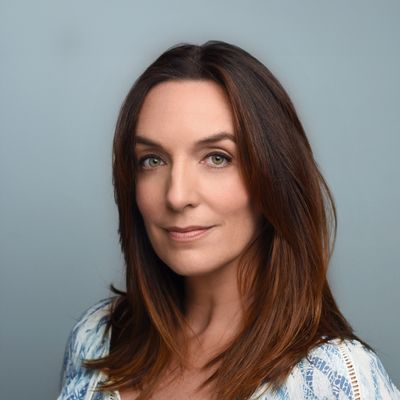
Are the house lights blinking? Because the Sentimental Men are back from intermission! This week, the boys are joined by Julia Murney, who chats with them about the day she discovered Wicked, the show’s devoted fandom and the first public performance ever of “Defying Gravity” (spoiler: it was in a gay bar)... Read More
From the show: Sentimental Men
Guests
Featured Shows
About
Are the house lights blinking? Because the Sentimental Men are back from intermission! This week, the boys are joined by Julia Murney, who chats with them about the day she discovered Wicked, the show’s devoted fandom and the first public performance ever of “Defying Gravity” (spoiler: it was in a gay bar).
You can also support us by leaving a rating or a review on Apple Podcasts or following us on Twitter, Instagram and TikTok!
Transcript
This transcript was automatically generated and might contain errors.
[0:00] Quincy Brown: Now this is 1990, probably 96. I was not even born. How dare you? You will go back to Hawaii and think about what you just said to me. My name's Quincy. My name's Kevin. And this is Sentimental Men. But keep your thumb away from that skip button. We're here to talk and maybe scream about our favorite women in musical theater.
[0:31] Kevin Bianchi: Bonjour, Kevin. Bonjour. Oh my goodness. I wasn't expecting to travel to France to talk about Defying Gravity. Well, first of all, Happy New Year, everybody. Welcome back. We hope you enjoyed intermission. You will notice that Quincy and I did not place our intermission where Steven and Winnie chose to place their intermission. I don't think we ever really we haven't talked about why we chose that. I think it's just how things shook out. I think it's how things shook out. But I also think that this is a more exciting episode to come back with.
[1:06] Quincy Brown: It is. So Happy New Year. Also, we hope everybody whatever holiday you celebrate at the end of the calendar year. I hope it was a really great one. And thank you for coming back to us despite two weeks of silence. I hope it wasn't too rough for you guys to go without us these couple weeks. It's good to see us, isn't it? So yeah, we're back. Sentimental Men part two. This is still season one, season one, part two. And today, guys, today, you know, already, we could say this now, since it's a safe space, just the two of us. I'm so nervous for this. I feel like everyone else has kind of been somebody who grew up with the show. And so we've been able to lean into that experience of like, you were a fan of the show, we were a fan of the show, you just happened to be in the show at some point. But today's guest was there from the start. So we can't really rely on our fan shtick for this one.
[2:02] Kevin Bianchi: Sure, sure, sure. Not that it's not that it's a shtick. But we don't have that common ground with today's guest. Yes, I think we have the common ground of loving Wicked. I think we have the common ground of spilling the tea as well. Because it feels like this guest is past it enough to talk openly about it. Whereas I feel like maybe sometimes when you talk to newer Alphabuzz, they're a little more, they need to be more delicate about what they say and how they put it.
[2:36] Quincy Brown: Yeah, I think that's fair. Do you want to give the unnecessary hints as to who today's guest is? We haven't even named her yet. All right. So the unnecessary hints now that I'm aware that we are putting this in the we put the guest names in the show title. You may know her from the off Broadway production of Andrew Lippa's The Wild Party.
[2:47] Kevin Bianchi: Yeah. Do you think that's the superior Wild Party? Or do you think the other one? You know what? Save it. We'll do an episode about it. Because I think we have different answers. And so I would love to have that conversation. Knowing you and I, I know we have different answers. And that can be a fun little bonus episode that we do. Okay, save it. But I also think it'll come out in this interview I'm sure it will. Well, I like both. Okay. Off Broadway's production of The Wild Party, Broadway's production of Lennon. Yes, Broadway debut. The first national tour of Wicked. Yes. In 2006, replaced Stephanie J. Block on tour. And then moved to Broadway with Wicked in 2007, replacing Anna Gasteyer. And also, I feel like we should note, has done three Actors Fund benefit concerts that have all gone on to be pretty iconic.
[3:45] Quincy Brown: Oh, all iconic. Today's guest is the larger than life, the incomparable, the legendary. She is a star, a statement and a legend. She is Julia Murney. We are talking to goddamn Julia Murney today. I can't believe Quincy. I know. But yeah, so Julia Murney was in the Actors Fund concerts of Chess, Funny Girl, and Hair, which were all staples in some of my earliest years of YouTube spirals were those concerts because there were official recordings of them that were around, not just you didn't have to rely on somebody to bootleg them. And have all gone on to be, are still incredibly relevant today. I feel like we're all still talking about those YouTube videos.
[4:30] Kevin Bianchi: Yeah, those three, the Dreamgirls one, that whole like series was such a fun, cool idea. And it's kind of like an all-stars cast of like, you know, these kind of like more niche shows, I feel like, because the Hair concert was pre-revival. So it wasn't like as relevant in that year as it would have been a couple of years later.
[4:49] Quincy Brown: Oh, sure, sure, sure, sure, sure. Yeah, that. Well, I mean, both performance videos, but the dress rehearsal video of her Nobody side from the Chess concert. Oh, my God. At least once a month. I'm revisiting that. Oh, all the time. I love chess. And I love that Julia has this kind of street credit because she has been in all of these like weird niche things. Like she feels like a very cool guest because she does have this kind of like underground energy about her resume. You know what I mean?
[5:20] Kevin Bianchi: Sure, sure, sure, sure, sure. Has had a lot of interesting jobs, I think. A lot of interesting jobs, most importantly, and I would be ashamed of myself if I didn't include this in the narrative, is that Julia Murney is the woman that Smith almost ended up with on Sex and the City, which I don't know if you, Quincy, are like on the other side of this age gap. I'm a little bit on the other side.
[5:37] Quincy Brown: Okay, imagine this. It's Kim Cattrall. She's the blonde oversexed one. No, I like watch episodes, but I don't watch it. Okay, so it's Kim Cattrall and she's at this like hot new restaurant and there's this uber, uber, uber hot waiter. The blonde oversexed one, that was funny. Well, I don't know if you knew because there's two blonde ones. So I just want to, well, I guess you would know who Sarah Jessica Parker is. Okay. So she's at this restaurant. There's this hot waiter and every woman in the restaurant is like, I'm going to be the last woman here so that he'll go home with me at the end of the night. And it gets down to be Julia Murney and Kim Cattrall. They're both sitting there. They both look so hot because it's, they're in that like mid 90s, like, or like late 90s, I guess.
[6:21] Kevin Bianchi: Yeah, we should post the clip.
[6:26] Quincy Brown: Oh, we will post the clip. The children need to know. Yeah. So we're talking to Julia Murney. So long-winded. I'm sorry. That was great. Legend. I mean, just like truly a legend. This is, this is big. Um, should we do an Stuck on SGB before she gets here?
[6:38] Kevin Bianchi: Yeah, do it. Okay. My Stuck on SGB today. I think it's 2012. I didn't check the dates, but it's Stephanie J. Block and Colin Donnell performing at the Macy's Thanksgiving Day Parade for Anything Goes.
[6:54] Quincy Brown: I just watched this recently. Really? Yeah. I think I was gonna do this for a Stuck on SGB.
[6:59] Kevin Bianchi: Okay. Good thing I got it. So I'm glad one of us is. One, I love it because they're not doing it like on the main grounds of the parade. It's like at the top of some building. Do you remember this?
[7:10] Quincy Brown: Yeah. I don't know if it's the Macy's. Is it the Macy's parade or is it like the weird CBS thing that like Megan and Shoshana did?
[7:15] Kevin Bianchi: Oh, I think it's like Macy's parade light.
[7:21] Quincy Brown: Oh, I thought it was, but it doesn't take away from the greatness.
[7:24] Kevin Bianchi: Sure. Sure. Sure. Yeah. Yeah. One of those like holiday situations. And I think I love this video because of the like sentimental value it gives me, because I remember being so excited that Stephanie J. Block was taking over, but also being stuck in Hawaii at the time as like a child, not a child, but like young. Right. So when I heard that she was performing, I was like, Oh my God, I get to see like some performances, whatever. And it's like, as I was watching it, I was like, Oh, I want to talk to Kevin about this because I think there's something about the way that Stephanie J. Block is as a performer, I think really suits that style of musical, that like classic golden age, but not Rodgers and Hammerstein kind of musical.
[8:00] Kevin Bianchi: Yeah. She has a voice that, I mean, she sounds great on contemporary material as well, obviously, but her voice has a timbre to it that, that lends itself to that style. Right. Yeah. And I was going to say, like, I don't think her belt necessarily is a contemporary musical theater belt in the way that it's not. I mean, she has that voice, like she for sure has access to it, but I, yeah. So it's like her main belt is not the same as like Shoshana's primary belt. You know what I mean? Like they're both belters, but have very different tones and timbres to their belt. It's very like it, I don't know, just watching it. I was like, this very much does harken back to like an Ethel Mermin-y style of performance.
[8:46] Quincy Brown: Oh yeah. I can't wait till the day when Stephanie J. Block plays Dolly in Hello Dolly. She will be such a good Dolly Levi.
[8:52] Kevin Bianchi: I thought you were going to go with Gypsy and I was going to have to like, have that conversation.
[8:56] Quincy Brown: I think people would agree. That Idina is the Elphaba you most want.
[9:02] Kevin Bianchi: Here's the thing. I'm not going to say that Idina is the Elphaba that I most want to see as Mama Rose. I'm going to say that if we're going to get a Gypsy revival in my lifetime.
[9:10] Quincy Brown: Which we'll get four Gypsy revivals.
[9:16] Kevin Bianchi: Okay. In my, in my like late twenties, early thirties, if we're going to get a Gypsy revival, I would love for it to be Idina Menzel. And I think it can happen because she can sell it.
[9:26] Quincy Brown: Oh yeah. I mean, she'll, she would sell it. I agree with you. Stephanie's voice is like so yummy on a more classic material. Yeah. I don't know. I just really loved it. It was like, it really, she captures the essence of like that time in musical theater very well, I think.
[9:38] Kevin Bianchi: Yeah, I agree. And I think it's, it's nice because it's her last couple of things have like access to that contemporary belt more, but it's nice to watch something like that and be reminded that she is like also so good at that golden age style.
[9:55] Quincy Brown: Yeah, a real chameleon, that SJB.
[10:05] Julia Murney: Well, Julia Murney, thank you so much for joining us. I can't tell you how excited we are. We're super excited.
[10:10] Julia Murney: Yeah. I'm excited too. I want to begin this by addressing the fact that I have accosted you in public twice now. Once was at the invited dress of Mac and Mabel. And another time was at, when I was working BroadwayCon, I made sure that I took time to go to your wild party panel.
[10:21] Quincy Brown: Oh, that was just this past year. The wild party day, I woke up sick that day. And I, this is so irresponsible and, you know, lesson learned, but I was like, I'm okay. I'm okay. I'll just go. And by the time that was over, Joaquina, who was also in that panel, had never been to BroadwayCon. And I told her I wanted to walk her around the marketplace. And so I was doing that. And it's not like I get accosted or anything, but sometimes people just go, Hey, or something. And I was saying hi to people. Sometimes people want to hug. I was hugging people and I did not feel good. It was before I was like out of my body. Do you know that feeling where like, Oh, I'm something's wrong with me now.
[11:03] Julia Murney: Yeah. And I woke up the next day for two days. I had like the chills and the heats and the, this and the, that anyway, I hijacked your story. You came to the wild party, uh, came to the wild party thing, pulled you aside after and was like, Hi, can you just walk me through the beginning times of Wicked? I need to establish a timeline of like who was around, what was happening. And you, you do, you walked me through it. It is worth pointing out that conversation started this podcast.
[11:28] Quincy Brown: Wait, that's so right. Really? And that conversation, I was out of body and having like a heat stroke. So, okay. Now that we've got that out of the way, we start every interview normally to tell us when Wicked came into your life as a person, which up until this point, they've always been like, Oh, I was a fan of the show. And then I was in the show, but not this old lady. So I'm excited to hear your story of how Wicked entered your life and spare no detail. It's a good story.
[11:57] Julia Murney: Okay. So I had an audition one day in the mid to late nineties for a show called snapshots that was
[12:04] Julia Murney: It was really like Mamma Mia before Mamma Mia. It was all Steven Schwartz existing music or trunk music put into a completely new book. It wasn't a review. It had a plot and things happened and songs like from Godspell and Baker's Wife.
[12:18] Quincy Brown: Oh, that's interesting.
[12:19] Julia Murney: So I had this audition and I was so excited at the notion of maybe being able to get to meet Steven Schwartz because I had gotten my equity card doing Godspell. So I go in, I sing my song, Steven Schwartz is there trying to remain calm. And he says, do you know Metallark? And I was like, well, yes, but nobody sings it. What are you insane? And I said, I do. I don't have it. So Schwartz turns to the music director and goes, Andrew, and Andrew Lipa gets up from the table and goes to the piano without any sheet music and plays Metallark.
[12:57] Kevin Bianchi: And is this the Wild Party origin?
[12:59] Julia Murney: And that is the day that he wrote on his little notepad, according to him, who is she? Question mark? Queenie? Question mark? I met those men the same day at the same audition.
[13:09] Quincy Brown: That is amazing.
[13:10] Julia Murney: And then they changed your life.
[13:12] Quincy Brown: They changed my life.
[13:13] Julia Murney: Big day. What a day. And I didn't know it was. I mean, I thought it was what a day because I met Steven Schwartz. That was all I was. I was like, done. Check it. So then we did the show in Westport, the Westport Country Playhouse, and then we did it in Norfolk, Virginia at maybe it's called Virginia Stage. That's terrible of me that I don't know. Anyway, while we were in Norfolk, Virginia, I was just walking around town and I walked into a bookstore one day and there in the new and notable table was this novel called Wicked. And I went bonkers for it. I loved it. It's very sexy. It's very political in a way that I understand why. And there are also like the big change that they made is that in the novel, spoiler alert, everyone in the novel, the character of Elphaba is actually allergic to water.
Well, I'll tell you a fine fact. Apparently what I have understood is that nobody told Gregory that they had changed the ending until he saw a big reading of it. I went to opening night to support my friend Adina and Kristen. And when she popped out of the stage at the end, it was I didn't know I could do to not go. No, no, she died. Oh, you mother effers. You don't. Oh my god. So anyway, I told everybody about that book. Stephen swears that he was told about it. I think he was on a boat somewhere. That's his story. Yeah. And I'm like, you want your percentage? Yeah, you just didn't pay attention.
[14:40] Kevin Bianchi: Yeah, Julia, whatever. I want to be completely clear. I love him.
[14:45] Julia Murney: Yeah, of course. So Wicked came into my life as an entity back then. At some point in the next years after the boat, when old boy started actually writing this musical, then I was in Wild Party. And then after Wild Party—
[15:05] Kevin Bianchi: So Wicked wasn't percolating during, because Wild Party was 2001?
[15:05] Julia Murney: No, it was 2000.
[15:10] Kevin Bianchi: And Wicked wasn't a thought in anyone's mind yet?
[15:10] Julia Murney: It was a thought in Stephen's mind. But you and Adina weren't developing it or anything?
[15:14] Julia Murney: No, no, no, no. Neither of us knew anything about it. Okay. So at some point, and I don't remember the timeframe, they started doing readings of it because it was produced by Universal out in California. With our girl.
[15:25] Quincy Brown: With my girl, SJB.
[15:25] Julia Murney: So somebody did a Stephen Schwartz evening at the Duplex. And Stephen said to them, you can have a song from my brand new musical, but Julia Murney has to sing it. And now this story has gotten crisscrossed and conflated when people are like, you were the first person to sing Defying Gravity. I'm like, no, no. In New York. I was probably the first person in New York. Right. Maybe the answer is I was the first person to sing it in New York in public. The Wicked fandom is intense. It's a lot. They are a rabid group. Yes. Woe to you if you are not their favorite witch. Luckily, you are our favorite witch. God bless you. But they can be bitches on the evil places that I like to call the glass palace of pain known as the chat boards.
[16:16] Quincy Brown: So then Wicked is coming in as like, okay, they're workshopping in LA, you sing it Defying Gravity at this—
[16:19] Julia Murney: The Duplex. It's a gay bar in the village.
[16:24] Quincy Brown: Imagine seeing Julia Murney sing Defying Gravity at a gay bar.
[16:27] Julia Murney: But you wouldn't, at the time you would have been like, I don't know what this is. And I was like, why is this so high? God, this is so high. There should be a gay club now that just has Elphaba's come in and sing through the Wicked score.
[16:38] Kevin Bianchi: Do you really think there isn't one?
[16:40] Julia Murney: I'm guessing there is.
[16:40] Quincy Brown: We'll open up Sentimental Men, the bar.
[16:44] Julia Murney: There you go. There you go. In the after time. Because frankly, I'm shocked that there isn't one.
[16:48] Kevin Bianchi: Yeah. Nothing gives me a bigger kick than when people call me and say they're at a club and a drag queen is doing me. I mean, that's subversive. Like you got to really know your musical theater to do me.
[16:58] Julia Murney: It's niche. It's niche. To do Idina is one thing. She's Idina. But like to do me, you got to know some—
[17:03] Quincy Brown: But that's like props. If someone's doing you, that's props.
[17:06] Julia Murney: You got to do some Dirty Rice shit up in there. Anyway, sorry. You had a question, Quincy.
[17:09] Quincy Brown: Yes. So you singing at the Duplex, were you like, I want to be involved with this? What were the next steps after that?
[17:14] Julia Murney: In general, I'm not ambitious enough to go after things with like a sharpened tooth. Frankly, I admire that to a certain degree. Just the amount of hustle that some people have, I do not have that hustle. And so I mean, I certainly was going to say yes to singing whatever some song that Steven said. It could have been Mary Had a Little Lamb, but his version, I would have done it. I don't recall being like, I'll sing this and then I'll play it. I don't know.
[17:45] Quincy Brown: So what was your first touch point of going in for Wicked?
[17:48] Julia Murney: It was for the big workshop.
[17:50] Kevin Bianchi: The pre-San Francisco.
[17:52] Julia Murney: Yeah. And Kristen was already doing it. And she was a friend of mine as well. And if there was an audition and then a callback, I don't remember the audition. I remember the callback.
[18:03] Quincy Brown: Walk us through it, Julia.
[18:06] Julia Murney: Honestly, I was having a time having nothing to do with Wicked. I don't even remember what, but I was having a bit of a breakdown. And I was sort of out of myself in that audition. I remember very keenly doing this scene with Kristi.
[18:23] Kevin Bianchi: Kate's?
[18:24] Julia Murney: No, sorry. Kristen Chenoweth.
[18:25] Kevin Bianchi: Oh, got it.
[18:26] Julia Murney: And I could see my reflection in the mirror in the rehearsal room that we were auditioning in. And the little man on my shoulder had a megaphone that day. And he was like, look at you, look how fat you look. You shouldn't even be in here. You haven't seen Kristen in a while. Is she still dating so and so? I wonder how like, he wouldn't be quiet. Like, I think I don't think I was embarrassing, but I wasn't all together.
[18:49] Quincy Brown: Was your heart kind of set on getting it? Or were you just like, well, it's a job?
[18:52] Julia Murney: Neither.
[18:53] Quincy Brown: Neither.
[18:54] Julia Murney: My heart is never set on getting it. I'm not confident enough for that.
[18:57] Kevin Bianchi: Okay.
[18:58] Julia Murney: It certainly was not just a job. I wanted it. But let's remember, I was obsessed with that novel from Norfolk, Virginia on. I was like, this is special. I didn't think I got this in the bag. I did think it was going to be special. I definitely mourned it when I didn't get it. I was saddened. I'm not, I know people who are like, I cannot see that show because they were up for it. And they didn't get it. Like I said, I was at opening night of Wicked. And frankly, end of act one, I was like, whoa, better her than me. Okay. That's a lot.
[19:30] Quincy Brown: So then what was the audition process like for the tour when you were actually going to do it?
[19:34] Julia Murney: I didn't audition for the tour. That was like, they had the list of people who initially auditioned. I don't know how they do it. Honestly, I did not get the original. When Adina was leaving, they asked me to come in and audition again.
[19:48] Kevin Bianchi: That's interesting.
[19:49] Julia Murney: I was kind of like, oh, my God.
[19:50] Quincy Brown: Because you didn't want to replace?
[19:52] Julia Murney: No, no. Just because I was like, just pick me or don't pick me. Don't make me go through this again. And I went in and did it. And here's another lesson that you learn along the way. Let me have learned it for you, children. I was told she was the best actress we saw all day. She's just too mature. And I said to my agent at the time, just so we're crystal on this, I am never auditioning for Wicked again. Because they know exactly who I am, exactly how old I am, which is what mature means to me. So I didn't get it. And that was that. It ended up being Shoshanna, and then Eden.
[20:31] Julia Murney: I don't have this as fact, but this is what I think happened. I did this show on Broadway called Lennon. That was a big flop.
[20:37] Kevin Bianchi: Yes, we've heard of it.
[20:38] Julia Murney: Bless its heart. I loved it. I mean, it had problems. But anyway, I think it may have even been the night we closed. It was right when Hurricane Katrina had happened. And there was this huge benefit done for the victims of Katrina at the Gershwin Theatre. And I was in it. And I sang a song by myself on the Wicked set. But that week, after I sang that benefit, I got a phone call offering me the tour. I really wonder if it was a combination of they needed someone and I was suddenly available. And I don't even know if the producers were there that night, but I think they probably were. There I was.
[21:16] Quincy Brown: They could see it.
[21:17] Julia Murney: Oh, that show just closed. Oh, wait a minute. Cut to, I then learned that what they meant, here's the problem with feedback. Here's the problem with she's the best actress we saw, but she's too mature, is that what they meant was the new Glinda at the time was sweet baby Megan Hilty.
[21:34] Kevin Bianchi: Right, right out of college.
[21:34] Julia Murney: Next to Megan Hilty, I look like grandmama, but show Shoshana is more petite than I am. So she wouldn't like barrel over a Megan. She was just a better physical fit. That's what they meant.
[21:46] Quincy Brown: But instead you're like, Oh my God, I'm old.
[21:49] Julia Murney: The information that came to me was something twisted because it's a game of telephone. So I couldn't quite figure out why they asked me to do the tour.
[21:57] Quincy Brown: So was it not an immediate, Oh my God, yes.
[22:00] Julia Murney: No, it was not. Because at that point I was so intimidated by it.
[22:04] Kevin Bianchi: Sure.
[22:04] Julia Murney: So I was not chomping at the bit. I was not like, Oh, yeah, I get to do it. I get to do it. I was like, Oh, but these women who've done it, I'd seen everyone who'd done it at that point. They were all friends of mine and they were all baller.
[22:17] Quincy Brown: Interesting.
[22:19] Julia Murney: And so yeah, finally, we just came to some agreements that made it palatable. And when they finally came back and they were like, okay, I had a moment of, oh, oh no, now I have to do it.
[22:31] Quincy Brown: And how was your time on tour? Because your tour bootlegs are my go-tos for Wicked.
[22:36] Julia Murney: God bless. But those are only the boots where I'm in good voice. I'm going to just lay it straight out. I got sick on tour and I was never really able to get better. I would get better, but then I would get sick again. And it's really frustrating when you can do it. Sure. There are plenty of nights where you finish The Wizard and I, and you want to be like, so do you want your money back in cash or a credit? How should we do it? Because I'm a disaster. And guess what? I have 87 more songs to sing. Great. Can't wait.
[23:03] Quincy Brown: Was it the hardest thing you had done up until that point?
[23:08] Julia Murney: Yes. Even Queenie? Because Kevin and I were talking about it where we're like, is Queenie as difficult as Elphaba?
[23:11] Julia Murney: Here's the difference. Number one is Queenie was written on me. Okay. So she lived in my bones and in my blood. Does that make it not challenging at all? Oh, no. Oh, no. But it brings you up to your limits and not somebody else's.
[23:29] Kevin Bianchi: Yes. Very nice way to put it.
[23:29] Julia Murney: There was just something about it. It just flowed out of me. Also, if you're comparing those two particular shows, Queenie is sort of like, if you were looking at an EKG, she's sort of like a level line and then she has these blips and then she's a level line because she's trying to remain cool in the midst of madness. Elphaba, from the second she hits the stage, is like, she's like an EKG gone mad. She's screaming at monkeys and screaming for Fiyero and screaming for her sister. And the screaming is what will take a bitch down.
[24:09] Julia Murney: I warm up properly for this. What you are not ready for is let her go and all of those things. Cause you don't want to sound like, let her go. Like you're in some weird head voice, but you also have to figure out how to do it eight times a week. We talked to Caroline Bowman and she was comparing my daughter. Do you know that she was, Oh, we talked about it, but Caroline was comparing Evita to Elphaba and you've also played Evita. I want to hear what she said. So she said that Evita was easier because one, once you start, you're kind of like maintaining a consistent level of singing, it's not like off and on like Elphaba is and that Evita, there's more colors you can play with in your voice, whereas Elphaba or her Elphaba, at least she said was very forward in her voice.
[24:54] Quincy Brown: A hundred percent.
[24:54] Julia Murney: If she didn't steal that phrase right from me, then she's echoing exactly what I have said about the difference between Evita and then, and frankly, the other element of Wicked is the stage door and by which I mean the extra. It's become much more of a thing, stage dooring, than I recall when I was younger, before you were born Quincy, I'll just bring it up again. It's a thing now. And there were plenty of times, not on tour, tour was different. When I was on the tour, we were still first hit in every city. Most cities, we were only there for two weeks. So it was packed to the rafters and people were like, it's here, it's here. And it was madness of the stage door because there was never really any security guy.
There weren't like stanchions put up. It was just like a mob of humanity. And you just made your way through. Especially in like COVID times thinking you're getting close to all these people. Oh, now I don't know. I don't know if stage doors will still exist. When Laura Benanti was doing My Fair Lady, she very publicly was like, I'm not going to come out because I get sick easily and it's not safe for me. And people had so much to say about that. And she was being so good too. And like signing playbills for people and sending it out. I very much remember coming out of the stage door once. I was exhausted. There was a huge crowd. So I said, Hey, you guys, here's what I'm going to do. I've got a Sharpie.
I'm going to sign everybody's as I go down the line. You can take all the pictures you want, but I can't pose for any pictures. Cause that's one of the things that takes so long. And out of the corner of my eye, I saw this young boy go and roll his eyes. And I held myself and I didn't say it, but I wanted to turn to him and say, do you know what, there's a back door at this theater and I have never taken it. Even when I have been so busted that I should stick my head in the sand. Even when you have come, when I am busted, filmed me and then put it on YouTube that night, this is not my job. I don't think anyone means that when they say it's not part of our job in a, like you're lucky that I come out this door.
That's not what it is. That's not, it's just the time commitment of it all. There's truly a time commitment. And there is, I didn't necessarily think that anyone wanted to meet me. They wanted to meet Elphaba. They weren't like Julia Murney. I mean, sure. Yes. There were some people who were, but in general, like the mom who's like shoving her kid in front of me or whatever, she doesn't know my name. She just knows I played Elphaba and that's who they want to meet. It felt like it was part of the job and I wanted to do that. Is there an upside to it where.
[27:30] Quincy Brown: Of course.
[27:31] Julia Murney: It's incredibly fun. Like when there are little ones where the, the moms are like, go ahead. Say hi. When you get letters, the letters are amazing. And sometimes the letters cross over, especially with a role like Elphaba. So sometimes I would get letters that were way beyond my, like, I'm like, Oh, six pages, double sided. And, you know, and then that's when I started cutting myself and you're like, no, no, oh no, oh no. I'm not the person. I don't know. I'm not that girl. I think you have to walk a thin line between giving them support, but not opening a door called, and now I'm your new mother. Right. I'm not that either. I am an actor who learned notes. Wicked has a very particular bullseye for people who have ever felt like they weren't enough.
So can we talk about how you're doing your tour contract? How did Broadway happen? And what was that transition like? Was it an offer again? Love that. Good, good. As it should be. So was that validating for you being like, okay, now I've done a contract and they just offered me Broadway. So I feel like I am good in this role.
[28:38] Julia Murney: I mean, my own demons are so much more powerful than anything else. When I left tour, I was done. I wasn't Kendra and I left together. Kendra Kesselbaum, who was my Glinda. We left together and Shoshana and Megan replaced us. Oh, that's right. Yep. And I don't remember. We left in August and we. You were on Broadway in January. We went in, in January, mid January. Is that what you said? I think just January. I don't know when. Uh, Quincy, come on, get on it. Jesus Quincy, do your research. So disappointing to me with your information. Speaking of, at the BroadwayCon panel, someone asked you a question about when you were on tour and you were like, oh God, what year was it? And I was like, 2006, Julia.
And you were like, oh, thank you. Yeah. So somewhere, we finished in August. We started in January. So I'm going to guess like a month after I got home, we got home. We got offered Broadway. And you knew that it was like the two of you. And Sebastian, our hero from the road. Sebastian Arcelis. Right. So he stayed out on tour for a tiny bit. I'm not sure how long. So then the three of us went in together. So my contracts were always me, Kendra, Seb. That's interesting. Cause that's not very common. I feel like, especially in the later years of Wicked, everything just gets shuffled. And yeah. I think the last time they did that was when they brought Jackie Burns and Shondra Lee Schwartz to Broadway. Was it an immediate yes to go to Broadway or was it, you were apprehensive?
[29:57] Julia Murney: No, Broadway. I wanted to do it. I mean, I was dead and I should have been in a hospital, but I still wanted to do it. It's Broadway. I did it as best I could. And when I could. Comparing the two contracts, because we talked to Jackie Burns. You said that she's done so many contracts. Yeah. But Jackie was saying that like, it took her until her like second Broadway contract where she was able to have fun with the role and like really settle in. What was your experience doing two contracts? Well, it was easier being on Broadway in that I was home and it's tricky then also because when you're home, that's when you get asked to do all the Broadway cares benefits or all the benefits or all the, and the amount of things that I said yes to, and then I had to bail on.
And I don't like to do that. I don't. But you have to, at some point be like, the thing I'm getting paid for is my job. My job is to play Elphaba. So it is irresponsible. Even though I called out last night to sing in this benefit tonight. And even all the press of being Broadway's new Elphaba. Honestly, that's a newer thing. That's a newer thing.
[30:59] Kevin Bianchi: Yeah.
[30:59] Julia Murney: I just saw your nail polish, but I just want you to see, look, pink goes good with green.
[31:05] Kevin Bianchi: Oh, stop it.
[31:07] Julia Murney: I'm going to take a screenshot of this. Hold your nails up. Oh, except you can't look at that now. Cause it's gross. Oh my goodness. Look at us. I picked this color, not because of Wicked, but because it's called Sweater Weather. Sweater Weather. Cute. Sweater Weather. Well, Julia, I just want you to know, you like really set a blueprint for what Elphaba is today and what Wicked is today. And I think your contribution to the history of Wicked is huge.
[31:33] Julia Murney: Yeah. Thank you. On my good days, I would like to hope so. It would make me very proud to think that that was the case. So we've talked a lot about the history of Defying Gravity and how you kind of played a part in that, but then to come back into the show in the context of Wicked in its published form, what is the mountain of Defying Gravity like? So the song, you probably don't realize if you learn it off of the cast album before you see the show live, is quite lengthy because there are these scenes in the middle of it. I am now, after, you know, lo these many years, I have to sing that song a lot. And obviously you don't do it with the scenes in the middle. So that's what my brain is used to now.
But in terms of the actual show, that's not how it goes. And there are a lot of technical elements because first of all, what happens right before that? The wizard with the monkeys and the red and you have no real power. Who says that? Elphaba. Oh, the glimmery. You can't read this thing, can you? Yeah, yeah, yeah. Okay. So one of the differences between tour and Broadway is that on Broadway, there are several entrances from below and those don't exist on the tour. On tour, you just walk off stage and then you wait for the music cue and you grab a sip of water and go back. Yeah. On Broadway, you're running to get down these stairs to then get down the stairs to come up the stairs. Defying Gravity as a song is not a hard sing until the last, what, 32 bars of the song.
It's really not. That's true. It's very lovely and floaty. And well, it's because it's discovery. It's all discovering stuff from a very heightened, but internal and fearful moment. And especially your Defying Gravity, I think really turns it into an acting song where like you are really choosing acting beats.
[33:19] Quincy Brown: Well, and here's the truth of it, because I was too intimidated by the vocal. If I tried to concentrate on the vocal, I was going to freak myself out.
[33:26] Julia Murney: Interesting. I was like, Oh, right. But there's this other thing. So why don't you do that? Why don't you make that choice? Not that your vocals weren't stellar though.
[33:34] Quincy Brown: Well, bless you.
[33:35] Julia Murney: But like, from my point of view, that song is pretty light and easy. Yeah. In terms of vocal production. Did you feel pressure having gone into it three years after it had been opened on Broadway where like, okay, this is the moment. I mean, the one no fly show I had, I remember feeling like afterwards feeling like, Oh God, that's the big, that's the big money ticket and that didn't happen. Did you try to sell it vocally when you were doing a no fly?
[34:06] Julia Murney: No. You know what happened? It was like a week before I left. I was busted. And I couldn't do anything. And as every once in a while, I would grab my cape and like move it around. And I kept thinking somewhere in the back of my brain, God damn it. I wish I was Shoshana. Shoshana could sing her way out of this. She could rip her way out. I cannot riff my way out. Oh my God. Kendra was laughing. I could see her in the light on stage. Right. Laughing at me. Just shaking yellow. Yeah. Into her shoulder. But yeah, I don't, you don't think about it inside the moment. So, you know, just the mechanics, which I'm sure you've had explained of getting into the cherry picker, but like, you have to get your cape over the whole arm of the, the levitator and you've got to get your bag onto your butt, like onto your back and you've got to lock yourself in.
And then it's on like a computer loop. You can't to the millisecond time, how you get in there, how you get locked. It could be off by a millisecond for any random reason because of that. It's something about like the way it was described to me. I may not have this totally right, but like that it's like a circular loop and the computer has to know that you're locked in and then that circular loop has to get to the top. And once it's gotten to the top and it knows you're locked in, then it will go forward and start making its motions. But if you lock in like a millisecond after it's hit the top, it has to loop back around again. So sometimes you don't start going exactly when you think you will.
So that it's me is really like a fail safe for just like when you can go up. Somewhere in there. Cause there's, I do, I think there's three movements. There's a forward movement and then an up movement and then an even higher movement. Oh, okay. I mean, it's happening relatively smoothly, but those are the three steps. I never found flying scary in any way. Were you present or did you just have too many things going on in your brain?
[36:01] Julia Murney: Uh, I think I was present. I mean, I was present. This is going to sound so thespian. But like I was present as Elphaba. You understand she's an actress. I was present as her in what.
[36:14] Quincy Brown: Can we also talk about your, and I don't know if there's anything to this, but the way you do your whole, and nobody, and all of Oz, no wizard that there is or was, where you like take a gulp, where you're like, and nobody, and then you like gulp as if you're scared. And I think it is brilliant. Because I think she's, it doesn't matter that she's like, I said, I'm going to do this thing. And now I'm doing this thing. Now she's doing this thing. Now she has to do it. Right. And she has to do it alone. When they finally say, we'll give you everything you want. Come do Wicked. Then you're like, Oh God, now I have to do Wicked. Sort of that. But no, that is what you're speaking about is definitely a choice that they let me, I mean, there are choices that they sometimes let some of the women experiment with. And then they're like, and no, there are some things that they let women experiment with for one show. And they're like, and no.
[37:01] Julia Murney: Is there anything you did that got nixed? Because Teal told us about a Fiyero riff that she did in LA that got nixed. And I thought it was so interesting. Well, as the years went on, some of the riffing got ridiculous in that, not ridiculous. That's not a nice word. Off the rails. It got out of hand. It became the focus. In that it wasn't storytelling. For my money, if we want to talk about riffing, you listen to Shoshana Bean because she will tell you a three act effing play. It is all acting.
[37:31] Quincy Brown: Yep.
[37:31] Julia Murney: It is based in something. I mean, when I was doing Wild Party, the staging of the song, Life of the Party, I was sitting frozen on a chair right behind Idina for the majority of the number. She never did the number the same way twice.
[37:45] Quincy Brown: Interesting because I wouldn't think of Idina necessarily as a riffer either.
[37:49] Julia Murney: Well, she finds other pockets to play in that all stay in the right key. Like they don't sound like she's flown into another state. And I would just sit there and have to be like, don't move. Because I want to be like, you better sing that. It just gets me so excited. And that to me, like Shoshana, the way that Shoshana riffs is storytelling. And I know that there were times when I would miss shows and sometimes understudies would go on and there would be all of this sort of riffing and the woman who was the hair girl on the tour, her name is Lisa Thomas, Heya Supavasa of Wicked. And sometimes she would call me when I was out during the show. She'd be like, you need to listen to this. And she would put the phone up and I would hear this. I mean, it was good, but it was crazy. And then she would get back on the phone. She'd be like, you need to get back to work. Hang on. I love Lisa. Should we get her on the pod?
[38:44] Quincy Brown: Bonus episode. She's amazing.
[38:46] Julia Murney: She sounds amazing. Lisa Thomas, Heya Supavasa of Wicked, you need to get back to work. Click. And even when we left the tour, when Sean and Megan came in, Sebastian didn't know them. And I was like, all of the ladies are going to have to calm down on the riffing because the queen is coming to town. And before we left, there was some like piano bar night and Shoshana sang Aretha Franklin or Whitney Houston or someone amazing. And Sebastian looked at me totally open jawed. And I was like, did you think I was lying? Yeah. When I'm telling you the queen is coming to town, the queen is coming to town. But your scoops in Defying Gravity, they were fine with. I love it.
[39:27] Quincy Brown: Me too. Yeah. And that was preservation. It was easier for me to go to school is ever gonna bring me. It was much easier to ever gonna bring.
[39:36] Kevin Bianchi: Yeah, Quincy and I were talking the other day about how this show is one of the most documented, like there's so much like first hand, like primary source material, because everybody films this show. There's a million casts, there's infinite combinations of this alphabet, this and it's like, it's nice for us that we have like access to this, but it's got to be terrible for the rest of you. It's got to be shitty for you. But I appreciate it as a fan to have this history.
[40:03] Julia Murney: Here's my philosophy on the bootlegs. I cannot stop them. They will never be stopped. Hence, two things. First of all, your generation seems to believe that just because you press record, you must press share. Yeah, you don't have to. I record every Broadway show I see. And it's just for me. If it's for you. That's one thing. I'm talking about YouTube. Like have some compassion. Also have some compassion for the fact that maybe you didn't even notice it live. You're presenting a snippet of something that is meant as part of a whole thing. That is part of a different experience that happens live that doesn't happen when you're just dealing with an audio clip because you don't notice anything live realistically, unless it's like a major snafu. You don't notice the little like, Oh, you mean as a listener?
[40:52] Quincy Brown: Oh yeah.
[40:52] Julia Murney: Oh, but my other thing about bootlegs beyond you don't have to share everything you record. Look, Quincy, if Kevin comes over, and you're like, I have to play you something. That's fine. It's like you've hung out with us before. Also, like you can be a bitch in your own living room. Go ahead. But the big thing about the bootlegs for me is if you're gonna do it, you cannot let me see you. If I see you, I don't like you. Because what you have now done is distract me from my job. And people think they are so slick. And they are not. It's like they have like giant oldie timey rotary cameras in the front row.
[41:30] Kevin Bianchi: Well, that's like when I watch the bootlegs from like, now it's like, okay, sure. Like you put your iPhone like this and nobody sees you. But I'm like in 2004, the fact that there's an original cast bootleg. I'm like, what were you taking this on?
[41:43] Julia Murney: But that's the thing. To me, that's the challenge I put to you as bootleggers, because we can see a lot.
[41:50] Kevin Bianchi: And do you like having a record? Because I've had actors and actresses reach out and ask for bootlegs of shows that they were in.
[41:56] Julia Murney: Yeah, I mean, my career in musical theater is basically the Wild Party original cast album and bootlegs. If you really think about it.
[42:06] Kevin Bianchi: That's really interesting.
[42:07] Julia Murney: I'm on a lot of cast albums. I have a solo album. Yes, yes, yes. All of that exists. But Chess with Josh Groban was one night only and has a beautiful bootleg. Funny Girl, when I sang people was one night only. And there's a wonderful bootleg. Children of Eden, one night only. Bootleg. Wicked bootlegs for days. So I am not dismissive of what that has meant in terms of anyone like knowing or giving a good goddamn who I am. It's just that in the moment, if you're doing it, and I see you, then I am starting to think about, am I okay tonight? How tricky do I sound? This is going to be on YouTube by midnight, like things that I don't I shouldn't be thinking about. I should be telling you a story.
And that's what you should be interested in, too. Or are you just because you've seen this 57 times interested in getting, you know, this. And I get it. I understand that people have hobbies. I know there are people who are probably like Annaleigh Ashford went on with me as Glinda several times. Do any of those exist? I have no idea. I'm sure there's someone who has it. Yeah, and that's their hobby. And again, as long as you're not hurting anybody or being hurtful, and it's more of a like a baseball card collecting thing that you just want to share among or it comes from a place of love, I think and admiration. Right. And like I said, if you want to be a bitch in your living room, go ahead. Keep it to the living room, guys. Come on now. It's like who are any of us if we're judged on our worst day? And my response to that is always you do it.
[43:35] Quincy Brown: Right. Okay, so to close out, we actually usually start with this question. But we our conversation was flowing so good that we just kind of flow. Quincy and I have kind of a half baked fan theory that any alphabet is most comfortable in one of the three big songs. And now after having talked about defying gravity, I will be curious now to ask you, were you most at home in any of those three? With prior context of in our pilot episode, Kevin and I played this game and we pulled your name from a bowl of Broadway Alphabuzz. And we disagreed on which was like your song. We had the same reason for picking which was your song, but they were different songs. So you're gonna tell me after I tell you? We'll tell you after.
[44:17] Julia Murney: Yeah. Hands down. No good deed. I was right.
[44:27] Kevin Bianchi: So wait, I have several questions. Yeah. Kevin, what was your vote?
[44:34] Kevin Bianchi: I said The Wizard and I.
[44:34] Julia Murney: God, no. But our reasoning, Julia, was the same. And it's ultimately boils down to you are an Elphaba who acts also because I think it's easy to just make sure that you're hitting all the notes, like the vocal notes as Elphaba and not pay as much attention to the acting of it all. And I think you really make acting a priority in your performance as Elphaba. And I thought that it shone through in No Good Deed. And Kevin also thought that it shone through in The Wizard and I.
[45:02] Julia Murney: Yeah. That's so interesting. Because when Kevin was giving me his argument, I was like, it makes sense. Because he was like, The Wizard and I is a song for an actress because it's the longest song you have the most to like work through. You're like telling a story in The Wizard and I. And I kind of feel the same for No Good Deed where it's like, that's where you really let loose acting wise. Of the three biggies, I also have a very soft spot in my heart for I'm Not That Girl. Because we get to relax a little bit. Because it's on my solo album currently available on iTunes.
[45:28] Quincy Brown: For me, yes, Wizard and I has so much information that you're imparting.
[45:34] Julia Murney: The Wizard voice.
[45:35] Quincy Brown: My Wizard voice, which you know, very famous. But it's also, it's the, what have you actually got tonight song, vocally. And that's always a little tricky. Again, that's a song that you can maneuver pretty lightly until you get to, with me, until the end. And then you are balls out. Good luck to you. See you on the other side. Because you could almost toxin the beginning if you needed to.
[46:05] Julia Murney: No Good Deed, not only is she deciding to just say, you know what, fuck all y'all, I'm wicked, sure. She's also a woman. She has just had some sort of forest sex with the hottie in the white pants. Whatever that was. It's never quite clear what it is. And she is grown when she hits No Good Deed. Like any of the stuff that you've talked about, and I appreciate you're noticing it, of me choosing the part of fear and the part of No Good Deed ain't got, she's got sorrow, but she has no fear anymore. She has grief. She has loss, but she does not have fear, which is what gives her the kind of cojones to go forth. We can also add in like halfway through No Good Deed. And you're like, great, we're almost done.
[46:56] Quincy Brown: It's a victory lap.
[46:59] Julia Murney: It's almost done. I'm glad I was right.
[47:02] Kevin Bianchi: Yeah. And now it's funny because I didn't, after I left the show, I would not sing Defying Gravity.
[47:10] Julia Murney: Really?
[47:10] Kevin Bianchi: Like I had such PTSD about it. And I started doing symphony concerts and I would do Wizard and I, and I did a few concerts that way. And then I had a symphony concert and they insisted on Defying Gravity. And so I like basically took Defying Gravity to lunch and I was like, hello, we need to be friends. And what I realized was that the general lay person, A, doesn't give a damn what song is better out of context. Nobody cares.
[47:36] Julia Murney: Right.
[47:37] Kevin Bianchi: Defying Gravity is the super famous song from the show and people who are asking for it are people who have seen the show and they want to be taken back to the moment when they sat in the audience and that girl went up in the air while screaming her tits off. Because it's really rather simple theatrical stage work. It's not like complicated, the mechanics of it. Especially in like 2020 to look at it.
[48:01] Julia Murney: Yes, but it's so effective.
[48:04] Julia Murney: It's good. And it's the marriage of what Joe Mantello figured out with what all the designers figured out with what Steven wrote, you know, all of it. It's the marriage of all of it. That's what they want. They want to be taken back to that moment.
[48:18] Julia Murney: I'm at Julia Murney on Twitter.
[48:21] Kevin Bianchi: And I am at Pepamama P-E-P-A-M-A-M-A on Instagram.
[48:26] Quincy Brown: And what's the origin of the Instagram name for people who are confused?
[48:29] Julia Murney: She's my little dog. My little dog too, her name is Pepper.
[48:34] Kevin Bianchi: And I was on Instagram first. And I thought, oh, I'll just be anonymous. And that way only my friends will know. And then that changed when I started doing a podcast with Julia Murney on Instagram.
[48:46] Julia Murney: And then that changed, but now it's Pepper. Now I don't want to change it.
[48:49] Kevin Bianchi: No, it's cute. Yeah, yeah.
[48:50] Quincy Brown: This has been so incredible, Julia. Thank you so much.
[48:53] Julia Murney: Thank you so much, you guys.
[48:55] Quincy Brown: It was so nice to talk to you.
[48:56] Kevin Bianchi: Thanks, guys.
[48:57] Quincy Brown: All right. Thank you. Bye.
[48:59] Julia Murney: Thanks so much.
[49:05] Kevin Bianchi: Quincy.
[49:06] Quincy Brown: I just feel like we need to take a breath after that.
[49:10] Kevin Bianchi: I mean, I don't think I exhaled once in the two hours we just spent talking to Miss Murney.
[49:15] Quincy Brown: She talks about how after the first round of auditions for the workshop that then led up to the San Francisco production, when that casting decision was made, that was kind of like the birth of this like Elphaba sisterhood that we keep hearing about. Because the mentality was not like, oh, I didn't get it. That sucks. It was like, this is going to be hard. And we, the four of us who didn't get it need to support the one of us who did. And I thought that it's so interesting that like that bond that we hear about over and over now started because the four women who were there at the beginning were friends already.
[49:56] Kevin Bianchi: Yeah.
[49:57] Quincy Brown: I thought it was so cool. I guess I never, it never clicked. I knew that her and Kendra went to Broadway, but the fact that like the trio of her, Kendra and Sebastian all moved from tour to Broadway.
[50:06] Kevin Bianchi: I always forget that Fiyero is like a principal character in this show.
[50:10] Quincy Brown: Can we talk about the fact that Julia Murney is the reason why Wicked exists on this planet?
[50:16] Kevin Bianchi: Yeah. Okay.
[50:17] Quincy Brown: Had you known that before we did this episode? Because I dropped it on you as we were prepping.
[50:21] Kevin Bianchi: I didn't know that she, so my understanding of the origin of Wicked was the famous, or I guess infamous story of like Stephen Schwartz was on vacation and somebody was reading it and he got this great idea. But I really do believe Julia when she says, I was working on this show with Stephen Schwartz. I bought this book. I told him about this book. I believe it too. And I believe that Julia Murney deserves a percentage of the Wicked revenue. If not the royalties, she deserves the credit. You know what I mean?
[50:47] Quincy Brown: Yeah.
[50:51] Kevin Bianchi: If she's not going to get the cash, she might as well get the credit. You know what I mean? Or like.
[50:54] Quincy Brown: Yeah. It's just insane.
[50:57] Kevin Bianchi: Yeah. Quincy, you know what else I love too, it kind of like came up organically a couple different times was Julia said so much to us about like the stage door culture and the bootleg culture of Wicked, which was really refreshing to me because it's like, obviously that's like, we are not precious about that. We don't hide the fact that we are like bootleg queens. We're watching them all. But to hear her kind of get it, you know what I mean? Like she was like, I get why people do it.
[51:22] Quincy Brown: Well, and also that like, she was like, what would my career be without bootlegs?
[51:29] Kevin Bianchi: Yeah.
[51:30] Quincy Brown: Which I don't, I'm going to be honest and say that I don't think enough actors give credit to that. And it's even like, think of how many women there are who we're obsessed with, who were like replacement Elphabas or standbys or understudies or what have you. And not even Elphaba, any role in the canon.
[51:46] Kevin Bianchi: Yeah.
[51:46] Quincy Brown: Who we're obsessed with, but it's like, we're not obsessed with them because of the cast recording or the Tony awards or.
[51:53] Kevin Bianchi: I rarely listen to cast recordings.
[51:56] Quincy Brown: Yeah. So it's just, I think bootlegs are like, I get the issues that people take with them, but it's like, that's your calling card. Unless you're originating a role.
[52:06] Kevin Bianchi: Yeah.
[52:06] Quincy Brown: There's no record. Yeah. I agree.
[52:08] Kevin Bianchi: Exactly. I mean, even the fact that like, you know, we talk about how Elphaba is kind of like a launching pad now for these actresses. A lot of that is in part to the bootlegs that come out of, if you just went into Wicked and only the people who saw it live, saw your performance, it would not be the platform I think that it is today. But yeah, I get the, and I also think she made a good point where she was like, if you listen to it and you're like, this is bad, don't upload it being like Idina Menzel's worst defying gravity, you know, like keep it to yourself.
[52:37] Quincy Brown: Well, and it's like Julia was saying is it's like, when you see Wicked, you have this like visceral experience seeing it. And so it's like, everybody wants to get back into that. And for some people that's like, I just want to hear an Elphaba sing defying gravity at the symphony concert. And to other people, it's like, I want to be able to remember what Jackie Burns sounded like the day that I saw her in Detroit. You know what I mean? That's true. It's like buying the souvenir program.
[53:04] Kevin Bianchi: Yeah.
[53:11] Quincy Brown: I feel like I haven't done this in a while. I think it's time for Kevin's Glinda Corner.
[53:19] Kevin Bianchi: Oh, it's good to be back. Okay, so for today's Glinda Corner, also, we are saying Glinda's Corner now, vocally speaking, there is not too too much to talk about that Glinda does on her own. I mean, it is like a very important section for her just because she's not getting in a cherry picker and like singing in a full chest voice like she also undergoes as equal a transformation as Elphaba does.
[53:35] Quincy Brown: Are you gonna make that argument Kevin?
[53:49] Kevin Bianchi: What? We're gonna do that. What? I would love to hear how you're gonna argue that Glinda goes through more of a transformation.
[53:54] Quincy Brown: I did not say no, you are hearing what you want to hear right now.
[54:00] Kevin Bianchi: What? You just said that.
[54:01] Quincy Brown: You were hearing me say that. No, I said they she goes through an equal. Okay, I will revise my statement to make you happy. Glinda makes as difficult a decision in this song as Elphaba makes. Okay, I will not be told otherwise, Quincy, like she they are choosing to part ways. They are both saying like, I love you. You are my best friend. But we're gonna we're splitting right now. That's hard. But then she doesn't have to get in a cherry picker and belt a Z right after it. But not even from a technical standpoint. I think from like a character standpoint, Glinda makes the easy spineless decision and Elphaba makes the morally correct hard decision.
[54:41] Quincy Brown: Okay, I don't know what just because it's the quote unquote bad decision within the context of the show doesn't mean that it was not difficult for her to make. You're not gonna win this with me, Quincy. She's just going with what has already been set after being presented the option to do something else to do something much harder and more defiant. She goes No, actually, I'm not going to do that. Because she knows it's not for her. She knows it is Elphaba's moment. It's interesting how biased you are towards Glinda.
[55:08] Kevin Bianchi: I'm biased. You literally just called her spineless.
[55:15] Quincy Brown: Because it's spineless. You think it's spineless. I think it's heartbreaking. She goes I know this is all a sham. But I'm gonna stick with it. So you peace and love to you. I'm gonna stick with it because I Glinda Upland of the upper uplands with my prissy ass upbringing know that I do not have what it takes to do what you have to do. Someone has to do this to the wizard. It's it has to be you. Do you not think less of Quincy? This isn't even my point. My god.
[55:48] Kevin Bianchi: So what I wanted to say was that this song is the last time that Elphaba and Glinda sing together until for good. They do not sing together in act two. And so yeah, oh, imagine that Kevin knows what I remember four episodes ago when you were like, Kevin, you're so smart. You always say things that make me think of the show. Anyway, so this is the last time that they sing together until for good. And I would just like to set up something that I will talk about later in the for good episode is that the last thing they sing together is I hope you're happy in the end. I hope you're happy my friend, Glinda on the top harmony Elphaba on the bottom harmony, which you're like, okay, like that makes sense.
Like soprano alto or soprano mezzo. And that starts with the very first time they sing together. Does it have a name? Yes. They sing in unison, right? And then Glinda in the way I would choose to believe it is she's like, oh, I am not singing the same note as this girl. And then she goes up and she stays up for the whole act. And then I hope you're happy in the end. Okay, same thing. Glinda's up, Elphaba's down. I hope you're happy my friend, same note. So they are coming back together.
[57:01] Quincy Brown: You know what, Kevin?
[57:07] Kevin Bianchi: Yeah, tell me what, Quincy. Tell me what?
[57:10] Quincy Brown: You know, we just talked about how I used to say that. Back in the honeymoon. You were so smart. You have a BFA. I'm so happy I'm doing this podcast with you. And listen, you just gave me another one of those moments. So kudos to you.
[57:18] Kevin Bianchi: Thank you, Quincy. So yeah, so that's the last time that Elphaba and Glinda sing together. And then the only other thing that she sings for the rest of the act is I hope you're happy. To me, it's like a moment of sincerity. Because it's like you just talked about how it's like, her decision could be perceived as like the wrong decision. But then it's like, it's just like a little sprinkle of like, don't forget, she still cares about Elphaba, where she is like yelling after her as she flies out the window. She's like, I really mean it. I hope you're happy.
[57:43] Quincy Brown: That's true. Because I guess I don't really think of Defying Gravity as like Elphaba is flying on a broom, like in motion, because it looks like that's why the movie is never going to get made. Because how do you do that? That's why I'm like, we don't need a movie, guys. Just film it on Broadway and do it.
[58:01] Kevin Bianchi: Kevin, that was a great Glinda's Corner. Thank you.
[58:10] Quincy Brown: Guys, this was a I'm on a high. I'm on a high. I gotta go take a shower, eat dinner. I know. Maybe I'll reorganize my whole kitchen right now. I could conquer the world.
[58:21] Kevin Bianchi: That was so fun. I hope you enjoyed this episode. We will see you next week.
[58:27] Quincy Brown: Yeah. Happy New Year, guys. Happy 2021. May it be better for all of us.
[58:36] Kevin Bianchi: Yes. May we all sit in the theater this year and experience a show with somebody we care about. That's my wish for all of us. That we all get to see Lindsay Heather Pierce as Elphaba.
[58:42] Quincy Brown: I'm just putting it back out there now because we said it back in October in the first episode. We are going to see...
[58:53] Kevin Bianchi: See, my thing is, Kevin, I know that I am going to see Wicked the first night back. I tend to think you're going to have obligations to see a show with someone else that night. That's just kind of what I see happening.
[59:05] Quincy Brown: Me? Yeah. Where else would I go? What other show would be my first show back?
[59:10] Kevin Bianchi: No, I think you're gonna be like, I'm actually gonna like go with these people to see Wicked and I'll be like, okay.
[59:14] Quincy Brown: I think you think I have more friends than I do.
[59:18] Kevin Bianchi: The funny thing is, like, we're each other's only friends. You're the only friend I've ever had.
[59:24] Quincy Brown: Anyways, I guess we'll both go to see Wicked on the first night it's back. Let me know where you're sitting. Maybe we can wave to each other at intermission.
[59:29] Kevin Bianchi: Yeah. 2021. I feel good about it. It'll be December 10th, 2021. But we'll be back in a theater this year. Goodbye.
[59:46] Quincy Brown: Bye.
[59:46] Announcer: You've been listening to Sentimental Men. This episode was produced, edited and hosted by Quincy Brown and Kevin Bianchi. Thanks to Julie DiMarzo for our thrillifying artwork. And thanks to you for tuning in. You can reach us at sentimentalmenpod at gmail.com or on Instagram, Twitter and TikTok at sentmenpod. That's S-E-N-T-M-E-N-P-O-D. Till next time, I'm Quincy.
[1:00:08] Kevin Bianchi: And I'm Kevin.
[1:00:15] Quincy Brown: This is mostly shtick I want you to know.
[1:00:15] Kevin Bianchi: I know.
[1:00:15] Quincy Brown: Okay. But the shtick is killing me.
© Broadway Podcast Network, All Rights Reserved