

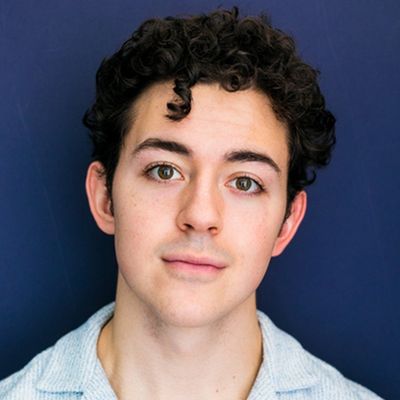
In this Artist Exploration, we welcome Ali Louis Bourzgui an MTCA Alum, Ithaca Alum and the titular role of the upcoming revival of The Who’s Tommy. MTCA Director, Charlie Murphy and Ali discuss: Expectations of family members while auditioning... Read More
From the show: Mapping The College Audition: An MTCA Podcast
Guests
Featured Shows


About
In this Artist Exploration, we welcome Ali Louis Bourzgui an MTCA Alum, Ithaca Alum and the titular role of the upcoming revival of The Who’s Tommy. MTCA Director, Charlie Murphy and Ali discuss:
- Expectations of family members while auditioning
- Embracing the silliness of acting school
- Craving critique and finding openness
- Graduating during the pandemic
- Preparing for The Who’s Tommy
Be sure to check out Ali at the Nederlander Theatre in The Who’s Tommy
Join MTCA for a Webinar!
If you have any questions about the college audition process, feel free to reach out at mailbag@mappingthecollegeaudition.com. If you’re interested in working with MTCA for help with your individualized preparation for your College Audition journey, please check us out at mtcollegeauditions.com, or on Instagram or Facebook.
Follow Us!
Instagram: @mappingthecollegeaudition
YouTube: @MTCA (Musical Theater College Auditions)
TikTok: @mtcollegeauditions
Charlie Murphy:@charmur7
Meghan Cordier:@meghanmarie2014
About MTCA:
Musical Theater College Auditions (MTCA) is the leader in coaching acting and musical theater students through the college audition process and beyond with superlative results. MTCA has assembled a roster of expert artist-educators who can guide students artistically, organizationally, strategically, and psychologically through the competitive college audition process. MTCA provides the tools, resources, and expertise along with a vast and strong support system. They train the unique individual, empowering the artist to bring their true, authentic self to their work. MTCA believes that by helping students reveal their potential it allows each school to connect with those who are truly right for their programs, which in turn guides each student toward their best college fit.
About Charlie Murphy:
Charlie is a proud graduate of Carnegie Mellon University’s BFA program. As an Actor he has performed with theaters such as: NY Public Theatre’s “Shakespeare in the Park”, The Pearl Theatre Company, Hudson Valley Shakespeare Festival, Chautauqua Theatre Company, Kinetic Theatre Company, and the Shakespeare Theatre of DC.
With MTCA [Musical Theater College Auditions -- mtca.nyc], he has been helping prospective theatre students through the college process for over 15 years. As a Teacher and Director, he is able to do a few of his favorite things in life: help students to find their authentic selves as artists, and then help them find their best fit for their collegiate journey. Through this podcast, he hopes to continue that work as well as help demystify this intricate process.
This episode was produced and edited by Kelly Prendergast. Episode theme music is created by Will Reynolds.
Transcript
This transcript was automatically generated and might contain errors.
[0:00] Charlie Murphy: Hello, hello, and happy August. Welcome to the summer break series of Mapping The College Audition.
[0:15] Charlie Murphy: I'm still Charlie Murphy, director of MTCA. That's musical theater, college auditions. Check us out at mtca.com. And yes, we are still on our summer break from new pod recordings, but we're still trying to give you some good content for your podcast feeds over the summer. In July, we gave you a bunch of newly recorded audio blogs, and now we're going to give you a re-airing of an old favorite episode featuring MTCA alumni Ali Louis Bourzgui. Since this interview aired, which really centers around his upcoming Broadway debut in Tommy at the time, he has of course gone on to continue his fabulous career in many ways and, oh yeah, win a freaking Tony. I mean, we've had tons of MTCA alumni on Broadway very proudly, many of whom have been part of Tony-winning shows, but this is our first official alumni Tony win for a performing category, and we couldn't be more thrilled about it. I mean, it's objectively cool. It's very cool. You know, we always talk about how proud we are of all our alumni, and that's really true regardless of whatever path you take. You know, we're hoping that we as MTCA can help you find your best collegiate fit as part of our work together, and we hope of course that extends into the best career fit for your ultimate happiness, whatever that might be, whether that involves becoming a professional performer in the end or not. You know, we're proud of our doctors and lawyers and teachers and yoga instructors and everything in between, right? But I do think for our aspiring performers, which most people coming to us are at least at the time aspiring to be performers, to be able to draw that line between themselves and their dream, you know, might start out with the idea of that dream school, which of course can shift, but at that beginning might be a dream school you have in mind, and then the idea of just what it would be to book a role in a professional show and then maybe eventually to book a role on Broadway. And for many, the ultimate conclusion of that dream could be something like this, and specifically winning a kind of recognition for their work in that show. You know, of course, most of our students will not end up winning a Tony. Statistically, I can say that it's true that the majority of our students will not win a Tony award, but just seeing that possibility for yourself, I hope it's inspirational to all of you out there. I mean, it could be you. Why not you? I mean, actually could really be you as a listener, or if you're a parent, your child, who could be the person years from now, the one I'm talking about, who just won a Tony. And we're hoping a lot of those young people are inspired tonight, where as this episode airs on Wednesday the 5th, we are all going to be seeing Lost Boys as part of our big summer faculty masterclass week extravaganza, and Ali will be participating in a talkback with some fellow castmates for all of our MDCA families. I will say these tickets really sold like hotcakes. I mean, that was true last year. Last year, we had the wildly popular Maybe Happy Ending that our alumni Helen Chen was in, but this one broke the record books. We are basically buying out half of the Broadway house. So this will be a very Ali-friendly audience viewing the show tonight. But whether you're listening on your way to the theater or catching this episode afterward, I hope you all enjoy and are inspired by this episode with our dear, kind alumni, Ali Louis Bourzgui. And if you aren't inspired enough by this interview, which again is impressive, this is preceding his Broadway debut when he's doing this interview, go check out his amazing Tony acceptance speech. This man continues to impress with his grace and self-awareness that he brings to these huge moments, which I think could be daunting to a lot of people. I hope you enjoy.
[4:05] Charlie Murphy: Well, we are so excited to be joined by Ali Louis Bourzgui. Ali is an Ithaca College BFA alum. He's class of 2021. Another young person. We've promised you young people on the pod and here they come. Ali is also an MDCA alumni, class of 2017. He's about to star on Broadway as Tommy in The Who's Tommy. Previously he's done national tours of Company, The Band's Visit. And you're thinking to yourself, how is it possible he's done all this stuff in such a short amount of time? Didn't you say class of 2021? We're going to talk about all of that today. Ali, how are you doing today?
[4:37] Ali Louis Bourzgui: Doing pretty good.
[4:39] Charlie Murphy: I'm so excited to have you on and for so many reasons, but especially as I said, I've been trying to focus on having some younger guests on the show whose paths are a little more similar to that of our listeners. You know, some of our listeners are young as 16, 17, some are in college, some are around your age, still in their early career. And of course I hear you out there, parents, some of them are parents of such students. But I do think, of course, it needs to be said that your path is not typical. Not all of our listeners can expect they're going to be starring as a Broadway lead three years out of school. But I would say, and I want to dive into the college process, your college process was not particularly atypical. At least not at all. Very normal experience, right? And I think, without insulting you at all, I'm going to try to keep pointing out what was so normal about your process. Because I think it's easy from the outside to be like, well, but it was obvious for Ali that he was going to be what, and go, I don't know that that's true for every student who was in your situation at that time. So let's dive into it granularly, if you don't mind. I'm going to start you with the first question I ask everyone, which is just to take me back a little bit. If you can remember 16, 17-year-old Ali, what was your sort of focus of the college process? Do you remember like what you were looking for in a school? What your goals were from the outset? What were you thinking about back then?
[5:46] Ali Louis Bourzgui: Yeah. You know, someone was asking me this sort of recently because they were asking for advice. They're around that age.
[6:00] Ali Louis Bourzgui: Well, you know, I don't remember. It's funny. I just like I had a very clear image in my head very early in high school of wanting to do this. And then when the college process came around, I also had a very clear image of exactly the kind of school environment that I wanted. And for me, that was I really wanted a small program. I wanted to find somewhere where there'd be like 16 people.
[6:33] Charlie Murphy: You mean small theater program, like a cohort?
[6:34] Ali Louis Bourzgui: Yes, exactly. A small specifically theater program where I'd have like 15 to 16 people in my musical theater class. And, you know, my mom, as most of the parents that are listening, like, you know, the parents are like the biggest support systems. And my mom drove me to all of these different schools for me to tour. So I really got that amazing privilege to actually go into each environment and kind of feel it out. And I think maybe that's where I really honed that idea, because there were just were a few schools where I'm like, this is a little too big for me. This is a little this is the or the energy here just feels like not really what I want. And so I started to hone it down to like, yeah, I wanted something small. And I wanted a program that really celebrated individuality. And something that like, looked at each of their students, I was like, this is what's really diverse and unique about you. And we're going to celebrate that and work on that and craft that. So yes, that's really what I was mainly looking for.
[7:40] Charlie Murphy: It's such a great answer. And I will say it is. It's really refreshing. And I was sort of thrilled doing this research for the podcast that I was actually able to pull up the answer that you wrote when you were 16, 17. I promised you a surprise here. I'm gonna read your 16-year-old self. You ready? This is what Ali says in our initial consult when we met. I want a strong BFA musical theater program that will train me as strongly as an actor while also applying the skills of voice and dance. I want a program that will train me as an artist but also prepare me for the world. I'm not looking for a conservatory, but conservatory style training within a liberal arts college. You also said separately, you wanted to be in a four hour radius of Massachusetts, though I'm not sure if that shifted a little bit. So I partially read that part because I asked all of our guests that in terms of for the sake of our students, like, what would your focus be? And kind of cool that like, you did basically describe where you ended up, right? Like, that's exactly it. Because also, I think it was exactly four hours away.
[8:44] Ali Louis Bourzgui: Yeah. I didn't do that math. It was exactly four hour drive. It was a perfect, it was a perfect liberal arts school where I got a really and again, for me, you know, I realized that early, which I'm so thankful for, because when I got there, when I look back, some of my favorite classes were like, my biology class or my art history class, like I got to take these other classes outside of just musical theater that for me, and you know, it's different for everyone. But for me, like, that has informed so many things, actually, in my, like, acting world, or, or even like taking that art history class has helped me so much to understand my own like critiques of shows and like, what kind of shows I gravitate towards. If I don't like something, whether I like I'm reading a script for something to be a part of, or if I'm gonna go watch a show, I don't just say like, oh, I don't like that. Like, I have the tools to be like, very specifically what I what I don't like about it, or what I really love about it. And, you know, I learned some like critique elements through that. And I don't know, yeah, I did the liberal arts thing really worked for me.
[9:51] Charlie Murphy: So cool. And, you know, I praise it not only, of course, it's because a fantastic result and where you ended up and I looked at looked up your results, too, which also were great across the board. But I do feel like it's such a success in the process, in that, like, it feels like you were able to vision board or actualize the thing that you that you're going for, right. And of course, sometimes it changes throughout the process. I'm sure we'll talk a little bit about things that might have changed in going through the process. But I do think really successful that like, you're like, I have this vision of what I want. And then you pursued it. And then you found it through the process. And again, none of that too remarkable, right? I mean, obviously, congratulations, it's a great job done. But it does feel like that is achievable for all of our listeners, I think you go, what does it fit for me? What feels right for me? It's, you know, how do I get toward that, that place. And it's, it's really good to be specific about it, because then it really pays off. And your list, when I look at just your list, it really reflects those goals. I mean, you have a list of schools that all are within four hours, BFA liberal art for the most part, I think you had like one BA on there, a couple exceptions. But for the most part, the scatterplot of what ended up being your final list was exactly what you're describing, which is so cool.
[10:58] Charlie Murphy: Okay, but let's dive into the college process a little bit. Do you remember the I mean, it wasn't that long ago, right? Do you remember the individual auditions? Do you remember, it looks like you did one of the unifieds, but mostly did on campus auditions?
[11:06] Ali Louis Bourzgui: Yeah. Do you remember Skype coaching? Do you remember the application? What do you remember of the sort of college audition process?
[11:14] Ali Louis Bourzgui: Yeah, it was a whirlwind. But I still remember it is like, honestly, one of my favorite moments of, you know, the past 10 years, just because it was so exciting. I'd been waiting all of high school to finally be like, finally get to do that. But also all of high school, I was one of the only people, actually, no, I was the only person in my grade who was deciding to do theater as a career. And everyone else that did theater with me loved it, but they still kind of thought of it as a hobby. So to finally be put in a group of peers, where everyone was there to make theater their career, and it was my first time being a part of like, you know, a large group that all had the same level of passion I did was just so thrilling. And then I just got to meet so many people, each of these things were like, I have a bunch of friends actually still that like, I had originally met at some of these auditions that kept popping up and I kept seeing. And then those are your friends for life.
[12:21] Ali Louis Bourzgui: It's interesting, like, even those are your friends for life. Sometimes people you go, yeah, you do this random audition. And then all of a sudden, you're like a real life friend.
[12:29] Ali Louis Bourzgui: Yeah, exactly. Yeah. And, you know, I remember MTCA just helping me out so much because I did kind of go into the audition process a little blindly. And I wasn't sure, you know, it was so helpful to have someone sort of validate all of my feelings to validate, like, yes, you are good enough to do this. And like, give me a very clear map. I'm a Virgo, you know, and I'm very organized and scheduled. So for someone to it, there was a lot of smoke and mirrors up about the whole thing. And for someone to sort of help sit me down and give me a clear roadmap through the whole thing, was able to get rid of a ton of the stress and anxiety I had so that I could focus on the actual process.
[13:09] Charlie Murphy: I was looking back at your initial consult and seeing some of the notes that Leo took from it. And even when you were describing, like, the kind of coach that you wanted, you're sort of describing that of like, who's the kind of coach who's going to, I forget exactly the way you like talked about lay a roadmap, but ask questions for me and help me decipher it for myself. And it was like, you described a lot of the coaches that you end up with when Ryan and Joe was really cool just to be like, oh, cool, this worked really well. Do you remember when you look back at the process? Do you remember
[13:39] Charlie Murphy: Welcome back to Mapping The College Audition. I'm your host, Charlie Murphy, and today we have a very special guest, Ali Louis Bourzgui, who is currently playing the titular role in the upcoming revival of The Who’s Tommy. Ali, it’s great to have you back on the show!
[14:09] Ali Louis Bourzgui: Thanks for having me, Charlie! It’s always a pleasure to chat with you.
[14:39] Charlie Murphy: So, let’s dive right in. You graduated during the pandemic, which was a unique experience for many. How did that affect your transition into the professional world?
[15:09] Ali Louis Bourzgui: It was definitely challenging. I think a lot of us were craving that connection and feedback, especially after being in such a structured environment like college. Suddenly, we were thrown into a world where everything was virtual, and it felt like we were missing out on those crucial in-person interactions.
[15:39] Charlie Murphy: Absolutely. And now, as you prepare for The Who’s Tommy, what has that process been like for you?
[16:09] Ali Louis Bourzgui: It’s been a whirlwind! I’ve been really focusing on embracing the silliness and the joy of performing. I think it’s important to remember why we fell in love with this art form in the first place.
[16:39] Charlie Murphy: That’s a great perspective. How do you balance the expectations from family and friends while pursuing your career in theater?
[16:44] Ali Louis Bourzgui: It can be tough. There’s always that pressure to succeed and to meet the expectations of those who care about you. I’ve learned to communicate openly with my family about my journey and the ups and downs that come with it.
[16:49] Charlie Murphy: Communication is key. Have you found that craving critique has helped you grow as an artist?
[16:54] Ali Louis Bourzgui: Definitely! I think being open to feedback is crucial. It’s how we improve and evolve. I’ve sought out mentors and peers who can give me honest critiques, and it’s made a huge difference in my work.
[16:59] Charlie Murphy: That’s fantastic. It sounds like you’ve really embraced that openness.
[17:04] Ali Louis Bourzgui: Yes, and I think it’s important for all artists to remember that vulnerability can lead to growth.
[17:09] Charlie Murphy: Well said. As you prepare for this role, what are some of the challenges you’ve faced?
[17:14] Ali Louis Bourzgui: One of the biggest challenges has been finding the right balance between staying true to the character and bringing my own interpretation to the role. It’s a classic, and there’s a lot of pressure to honor the original while also making it my own.
[17:19] Charlie Murphy: That’s a delicate balance for sure.
[17:24] Ali Louis Bourzgui: It really is. But I’m excited to bring my perspective to the character and to connect with the audience in a new way.
[17:29] Charlie Murphy: I can’t wait to see it! Before we wrap up, do you have any advice for students currently navigating the college audition process?
[17:29] Ali Louis Bourzgui: Yes! Embrace the journey. It’s easy to get caught up in the end goal, but remember to enjoy the process and learn from every experience.
[17:29] Charlie Murphy: Great advice, Ali. Thank you so much for joining us today!
[17:54] Ali Louis Bourzgui: Thank you for having me, Charlie!
[18:24] Charlie Murphy: And to our listeners, be sure to check out Ali at the Nederlander Theatre in The Who’s Tommy. If you have any questions about the college audition process, feel free to reach out at mailbag@mappingthecollegeaudition.com.
[18:54] Charlie Murphy: Join us next time for more insights and stories from the world of musical theater. Until then, keep pursuing your passion!
[27:18] Charlie Murphy: Welcome back to Mapping The College Audition. Today, we’re diving into the journey of our guest, Ali Louis Bourzgui, who is about to make his Broadway debut in The Who’s Tommy.
[27:48] Charlie Murphy: So, Ali, you graduated during the pandemic, and I can only imagine how that affected your perspective on the industry. How did your experience in school shape your expectations of the professional world?
[28:18] Ali Louis Bourzgui: You know, I almost felt like school brought the professional world up to this level, like a little bit of smoke and mirrors kind of thing, where I thought it was going to be this insanely high-stakes environment. I thought the professionalism level was going to be through the roof, and it is, but it's not that deep. I joined both of these bands, The Band's Visit and the company tour, and even working on Tommy, it's still the same kind of people you've been with through high school and college. It's just a bunch of artists that are weird and love what we're doing. It’s not as cutthroat and cruel and scary as they say. I realize there is a lot more room for fun.
[29:18] Charlie Murphy: That's so well said. I wish for you to hold on to that feeling because I think you're absolutely right. The process of getting jobs and the life of actors can often make you feel more of the competition and more of the jadedness. But the goal is to get back to that work you were doing in school, right?
[30:48] Ali Louis Bourzgui: Exactly. There is a shared community of good artists making good art, regardless of what school they've gone to or their training. The goal is to set up an open, supportive room, which is what every good show aims for. Sometimes, in the audition rooms and the process of trying to get an agent, it can feel different.
[31:18] Charlie Murphy: Yes, and it’s important to recognize that. Getting rid of any comparison or thinking of it as competition has helped me so much in the audition process too. I go to so many auditions, and it’s my friends I’m up against. But I’ve changed my mindset to think we’re all here together. I’m just going to show my work, and they’re going to choose who works best for them.
[31:49] Ali Louis Bourzgui: Right, it’s not a competition. The part is destined to go to one of us, and it’s not going to change today based on who does it better. We’re all just doing our best work, and they’re going to choose based on that.
[32:14] Charlie Murphy: That mindset is so important for longevity in this business. If you’re going to make it 20 years, you need to have that perspective.
[32:24] Ali Louis Bourzgui: What was the showcase process like for you? You graduated in the middle of the pandemic, right?
[32:37] Charlie Murphy: Yes, and I remember my class graduated during the financial crisis, which was nothing compared to what you faced. Were people less interested in bringing on your class?
[33:01] Ali Louis Bourzgui: Absolutely. The entire year was just full of bitterness. No one was getting agents as much as previous classes. We got back to school, and we were in London when it happened. We were sent home early, which set up bitterness. Then we were told we were coming back, but it was all going to be virtual, and we were paying the same amount of money.
[33:30] Ali Louis Bourzgui: Senior year was supposed to be filled with experiences, but suddenly it was all going to be in our living rooms on our laptops. We were all so bitter about it. Luckily, my roommates and I still had an apartment in Ithaca, which helped, but we were definitely bitter the whole first semester.
[34:03] Ali Louis Bourzgui: Halfway through the year, I thought I can't keep going about this so negatively because I’m not learning anything. I had to focus on any positives. I was getting camera training because everything was with this FaceTime camera, so I started learning how acting changes when it’s just your head in a little box.
[34:43] Ali Louis Bourzgui: I learned some cool tips that have helped me with film acting. The school didn’t have to pay for hotel rooms for guest artists, so we had many more casting directors and guest artists who could just Zoom in. That’s when I met Peter Van Dam, who works for Tara Rubin and cast The Band's Visit.
[35:12] Ali Louis Bourzgui: I got to audition from my living room, which was great. After all of it, I have to recognize the biggest positive: timing. The pandemic was tough, but The Band's Visit would have finished their tour while I was in my senior year, but it got put on pause.
[35:39] Ali Louis Bourzgui: People left to become nurses, which is amazing, but that opened up slots. When the tour restarted right as I graduated, I was able to join right in. Tommy was also slated to happen in 2020, so interestingly enough, I think it’s great to trust the process because so many good things come out of bad times.
[36:07] Charlie Murphy: Absolutely. You can’t control the timing, but you can control your attitude.
[36:21] Ali Louis Bourzgui: Yes, and to trust that you might lose out on something, but that might cause room for something else positive down the road.
[36:34] Charlie Murphy: We’re going to take a short break, and on the back end, we’ll talk about that amazing positive thing that happened, especially your wonderful Broadway debut.
[39:43] Charlie Murphy: We’re back with Ali Louis Bourzgui, and we’re going to talk about some of the phenomenal success that has been happening. Can we nerd out a bit on this moment of your life? You’re about to make your Broadway debut. What’s the primary feeling in your life as you’re about to start rehearsals in a couple of weeks?
[40:14] Ali Louis Bourzgui: You know, it’s funny. Over the past couple of weeks, I’ve been asked that so many times. I’m just managing my expectations and feelings because I have a lot of anxiety. I’ve learned that the best way to deal with it is to just deal with what’s happening exactly right now.
[41:28] Ali Louis Bourzgui: Great moments of excitement that are more like standing still, breathing in it, and like feeling the weight of what it is. And sort of, I've enjoyed doing this because I feel like the way that I can really feel the gratitude is by remembering 16 and 17-year-old me and remembering that like this isn't, this didn't happen in a vacuum. Like there's been years of work that I put in because I've had this dream in my head and I've never doubted it. Like it just, it popped up in my head and there was nothing else I was going to do. It's just been so clear that this was going to happen. And I, and I just have been so tunnel visioned to get to this point. So as exciting as it is, I, I, I just have to like sit in it and be focused on the gratitude of it. But you know, also I'm terrified.
[42:19] Charlie Murphy: I imagine so, yes, of course. No, but that's, that's, yeah. Because, uh, yeah, I, I've done the role, so I have the role under my belt and I, and I know the show is set to go. It's just now like learning how to suddenly be thrown into a spotlight as a very private person. That's going to be a new, a new thing.
[42:37] Ali Louis Bourzgui: Stared at and judged and people are going to write reviews about the show, which have to do with you, even though it's not really about you. It's like, you're sort of put into that. Um, we talked about a bit with like Lauren Patton and her interview of just like, now all of a sudden people are going to be talking about you, but they're not actually talking about you. Like it's this weird thing where it's like, they don't know me personally at all, but they're talking about me. I'm out in the world and all that stuff. We'll get more into that in a bit, but, um, I was just going to talk about the, um, the balance of it. It's something we've talked a lot with some of the older actors, especially of like, because of course the dream is not over now you've played, you're, you're playing a lead role on Broadway, but you've got more to your dream of establishing a career. And we will talk about what some of those dreams are, but, but how you can also try to really appreciate and enjoy this huge milestone without sitting back and resting on your laurels and be like, I'm done. Cause of course you've got more that you want to achieve and you have to actually do the show and succeed and all those things that you want to do.
[43:26] Ali Louis Bourzgui: That's an interesting about, um, do you remember the audition process? I'd love to talk a little bit about like, was it a lot of rounds? How did that, did you know this was going to be at the time? Definitely Broadway destined, but what was it a sort of slow motion? Hey, it's a broad thing. It's Broadway hopeful, but, or do you know it was going, what was that experience like for you?
[43:42] Ali Louis Bourzgui: Um, as I was having, yeah. Um, I I've watched so many interviews where people talk about how they land the roles that they really think they weren't going to get and don't get the roles that they thought they absolutely, you know, ace the audition for. Um, and that was true of this one. I got the initial audition request and, um, I knew the album. I knew the Tommy album. I'd listened to it a long time ago and I thought it was really cool. Uh, but didn't, I don't know. It wasn't really on my radar that much. And I didn't know the show. I didn't know the musical version of it at all, actually somehow. Um, and, uh, so I did a little bit of research on it and I had already been cast in a show that was going to be at the same theater. It was going to be at the Goodman, a play, uh, Leilena that was going to be there through the whole winter of Chicago. And I had also just gotten off a tour for a year and I had just gotten this apartment. And so in my head, emotionally, I was like, I don't know, this is going to be another four months in Chicago right after those other three months. And that's going to be like half a year, uh, in Chicago. And I just got this place. So there was a split second where I was like, I don't, I don't know if I want to take this. And I talked to my agent and she was like, no, no, no, you got to take this. This is like a Broadway tryout. And she like really talked me into it. And I was like, yeah, you're right. And also like, I'm a huge rock fan. Like I, I, the shows that inspired me growing up were Spring Awakening and American Idiot. Um, and, and so like, you know, I just needed to like talk to someone about it and realize like, oh yeah, what am I talking about? Like, it's my dream to do a rock show. Um, so then we took the audition, but it was a whole week of just so many rounds of, of, uh, doing what so many rounds look like. So you're going in for some people and then more people are coming to the room or it's the same people again and again. What was, what was the multiple rounds looking like for you?
[45:39] Ali Louis Bourzgui: Um, I went in for my first audition and this is what I'm talking about, where I just was like, I don't think I'm right for this. Cause I, I felt like I was too young for the role for some reason. I just, I, I think I was so afraid of the weight of it that I was just finding every reason I wasn't right for it. So I was like, I'm too young. I don't have enough of like a rock voice for this. I was just coming up with all the, all the excuses. Um, so I went in and I was like, that was fine, but they're not going to want me. I'm not the right type for it. And then I got a call back and the other rounds were, I just kept doing the same material, but they just kept working with me. Um, which is honestly the coolest kind of audition. Cause it ends up being an acting class and you get to work on this material and push and pull and like sort of already start to work on the character in the room. Um, and then I did a, just some different music work and there was, um, I did the dance call actually. Uh, I kind of forgot about that. I fully did the whole like pinball wizard ensemble movement. Cause, uh, if you see the show, it's very movement based, including for the principals. Um, and you know, I don't do too much moving around, but, uh, everything is very isolated and like sharp and even the principals are doing like really interesting, wacky, futuristic movement. Um, so they needed to see that. You see how you pick a balloon. So that's what it is. Can you connect your impulse to your movement?
[47:15] Charlie Murphy: Yeah, exactly. Exactly. And do you remember some of that push and pull? Like, do you remember some of that in the, in the, you know, as they're working with you, you know, cause I think we often talk about adjustments from a college audition perspective of like, how do you show your flexibility and all that kind of stuff, but maybe a little bit different in the professional world. What was the work that you were, how were you trying to show up to that room where you're going, I'm not here to just learn for four years. I'm here to see how the two of us are going to fit together in a rehearsal room. What was that experience like of what you call the push and pull of them, quote unquote, working with you?
[47:49] Ali Louis Bourzgui: Um, yeah, you know, I, I went in the room and sort of also felt like with working with Ron and Rick, who are the music supervisors and then working with Des who's an absolute legend. Um, but I was, you know, I, I, you kind of have to feel out what is this actor director relationship going to be like too. Um, and like I've mentioned, I, I am really one who loves somebody that challenges me and, uh, somebody who like kind of keeps me in check of, uh, the work I can do. And Des is such this incredible director where he sees so much more in everybody than they might see their ceiling. So, you know, I had this idea of my ceiling and he, he held this other idea like to be like, no, you need to get here. And that made me work so hard, both in the audition room. And then once I landed the part, um, he had such high expectations for me that I had to come up and meet that. And I grew and I'm now doing things that I didn't even know I had available to me.
[48:51] Ali Louis Bourzgui: Um, so yeah, it was, it was kind of feeling out what the director was like, kind of learning what the energy of the show is going to be too. Cause I didn't know what they're, how they're going to feel like you were making a lot of active choices. Like how much did you feel like you were like, yes. And from the director's perspective, yes, I'll, I'll adjust to what you're saying does. And how much did you feel like you were like, Ooh, and I think maybe this, like, did you feel like you were adding a lot of your own? Like, this is my strong artistic voice or were you more going, I'm flexible. I'll do whatever you, um, both I, you know, I was open to anything they threw at me and I didn't see it as like a note, you know, I really saw it as, oh, that's fun. That's a cool idea. Let's play with that. Let's play with that. But, but I do remember, uh, I I've been to a few other auditions where the style was different and I always kind of, I just know that the work I want to do is based in like hyper realism and, and, uh, or just the way that I approach everything from an acting standpoint. So I approached this same thing from a very heavy acting standpoint and they, they liked that. Like, uh, and so we kind of kept going down that route of, um, doing these songs from a really interesting, uh, place of emotion, like not just kind of singing it like a rock song.
[50:14] Ali Louis Bourzgui: Um, Des has this really cool thing that he said to me, the very first audition and then has also brought up multiple times in the rehearsal room, but he said, don't smile. Cause I was smiling through my audition songs, which is kind of a, an easy thing. I, you know, everyone does it. I do it at every audition. I'm like, uh, I don't really know exactly what this moment is. So I'm just going to kind of smile and perform through it and just sort of play like, you know, I don't know that kind of just Broadway face. And, uh, he said, I'm going to give you a challenge. Do not smile at all. And he said, um, you know, they tell skydivers when they're, when they're, when they're doing it to, uh, to smile the whole time so that when they take photos, their face isn't making some like crazy face. Um, he said, when you smile, it cuts out like all of the a hundred different ways your face can be contorted or like the different emotions that can express through your face. So he said, if you don't smile, uh, we're going to see so many more interesting, obscure facial expressions from you as you're singing this and kind of experiencing the words, uh, simultaneously. And that was true. And that, that brought out some really cool, uh, ideas. So it's just playing around with little things like that and just being completely a hundred percent ready to, to play with all of it.
[51:27] Charlie Murphy: It's, it's so cool. And I think it's helpful maybe to hear for, especially our younger actors, just, just finding some of that balance of, especially if you're going to end up playing a Broadway lead, a leading role that of course we need that flexibility, but that there is some artistic point of view of here's how I think I would play it. Not meaning, and I would ignore your direction, but that you are bringing, it sounds like you bring some style, some, some of your own sensibility. This is who I am into the room with enough confidence that you're not just an empty vessel. I think sometimes people think I'm just walking in and I'll do absolutely whatever you want. Part of that's really good, but it's also being like, and here's what I think, or here's my perspective or whatever. That's a cool balance and hard to find.
[52:05] Ali Louis Bourzgui: Yeah. I think it's cool to find like kind of, I mean, it's hard to choose like what your style is or like what you, the same thing that under, you know, the common denominator that you bring to each character. So sometimes I think you need other people to kind of tell you that. But for me, like something I've heard for a long time is that the characters I play, no matter who it is, I always bring a sort of innocence to them. And so I don't, I guess I don't think of it like that, but the way that I go about every single character is, you know, that idea of that everyone is capable of some form of empathy. And so I make all of my characters empathetical, including villains or, you know, antagonists when I go out for those, because I just find that interesting to watch in other actors. And so that's kind of, that informed what I went in for Tommy with was just like a complete, I didn't think of this guy as like someone that was, I didn't play the trauma and I didn't play, you know, there's two different versions of Tommy. There's Tommy that's sort of in this like catatonic state, who's completely trauma ridden. I didn't try to play that trauma. And then there's also the Tommy that's the superstar, right? This is like a guy who all of a sudden is like, oh, I'm a rock star. And I have all these, I'm a, I'm a, like a celebrity. And I'm sitting back in that. I went through both of those versions of him from a complete, just open eye innocence and blank canvas. And yeah, I don't know. That just, it just ends up being really interesting.
[53:41] Ali Louis Bourzgui: It's really cool. And, you know, in some ways you're describing when you're saying what other people are telling you about yourself, it's like, you're describing their comments on the vessel that you're bringing into the room. And to some extent we are, as artists, we have to be responsible for the, I am playing the part through this voice and through this body, you know, for whatever control I have over those things. I mean, Tom Kitt, this is maybe a couple of weeks ago was talking about that, was one of the actresses that was playing a lead in next to normal. And that she was basically like, this is how it's going to sound in my voice. Like I'm open to all the notes, but this is what my voice does. And it's going to sound like this, you know, this is a 47-year-old actress who just goes, I just know. And just so you know, this is what I can do. And here's what I can't do. And I know where I am. And, you know, there's something that's kind of cool about the confidence. If you know, your face looks innocent and that's what you're bringing into the world and whatever perspective that you have on that. But also just, just to say, focusing on that, but also not letting it always define you because
[54:37] Ali Louis Bourzgui: So it's not I'm not like how would you possibly do the Broadway show? But as a 25 year old not having tons of experience in the business business of it, you know, how would you figure out how to do the award shows in the press and the way like is it do you have separate calls with you know alum actors that you know and be like, alright talk me through this is my first times interview, this is my first whatever like is that something you've been thinking about of like, how do I do you get coaching on it? Athletes have like press coaching. Yeah, basically where they forget like is that the kind of thing where you're like? Cuz I know it's like I did not train you on darn you melon didn't you know, it's like how do you figure that out for yourself?
[55:07] Ali Louis Bourzgui: Yeah, I mean I’m kind of learning that as I go. I have the wonderful privilege of having Adam Jacobs playing my dad and Allison left playing my mom and Bobby Conti playing my cousin and you know, all these guys have great careers with and they've done this before so I'm gonna have a great like actual a little family of people that can give me tips and tricks. It's so funny because Adam Jacobs is one of those guys that you know when I was this age when I was doing all this college prep. I he was one of those guys were like on YouTube. I'd watch his proud of your boy for his studio recording like all the time and it's it's that's one of those moments I think you know you're asking earlier like how's it feel? It's like little moments like that of full circle. Oh, wow. Yeah. Okay. Now I'm like at this level. I'm like working with these heroes of mine.
[55:37] Ali Louis Bourzgui: They're gonna be people listening to this podcast and watching you on YouTube and seeing and who's be like, oh my god, yeah, I want to work with you and then 10 years from now they will be. But yeah, just I'll have all the friends that'll help me out and also YouTube is just such a great resource because I learned so much of my acting and my performance from just watching shows like just go going to like see shows or watching YouTube clips of I just learned from not imitation, but seeing how people do things and putting that in myself.
[55:49] Ali Louis Bourzgui: So it's the same for press and I watch the those like variety like actors roundtables. I watch actors on actors all those. Yep. Great interview things and I see these A-list celebrities and just kind of learn from how they do it.
[56:02] Charlie Murphy: I've heard you reference it a couple times. I've heard people tell you talking about addition stories. Oh, that's like even just the way that you have a comfort level with this experience of what we're doing now, which not every even very successful actor not every person if you haven't studied that and put some effort into it. I've been like, oh, what do people normally say? And how do I how do I how could I react to this if it's a tough question that Charlie's throwing me?
[56:07] Ali Louis Bourzgui: Okay, that's awesome that you got that. Um, what about strategically do you feel like you and your team, you know? Obviously you're about to start rehearsal. So it's not like you're already a year into this run. You got you know, the show's gonna be a phenomenal hit. It's gonna run for years. We want all those things for you, of course. Have you started thinking about like, okay, and now what's my next step? How am I parlaying this into stuff? What do I want to be doing? What do I want to make sure I get myself out there while I'm doing this or it's easy? Is that all kind of stuff that's been a conversation or something that you've got on your radar to go? How do I you know make this stick?
[56:37] Ali Louis Bourzgui: Yeah, yeah, I mean, you know again, that's gonna be a process but just like this. I have a very clear image of where I want the ladder to keep going and that's very much film and TV. I love the theater. So not not saying that I don't want to keep doing theater because I would love to just an only theater show.
[56:49] Charlie Murphy: You're saying this is over after Tommy?
[56:50] Ali Louis Bourzgui: No, no, no, um, I mean the dream would just to be able to you know, bounce back and forth because I don't I think just like a you know going linearly through a player a musical will always be my favorite and doing it live is always gonna be my favorite way of doing it. But um right now there's just so many interesting and creative TV and film and I just so want to be a part of that world. Like when people ask me what directors do you want to work with, it's always film and TV directors that come to my mind first and foremost.
[57:07] Ali Louis Bourzgui: And you know even this past this past film season. There just were so many really cool and almost theatrical films that came out and I just I there's moments in Tommy where there's like camera work they put cameras up and we kind of you almost watch a screen of us performing. So I would really love to be able to you know, hopefully invite some names that I'd like to work with in the future to come see the show and make some connections there and sort of make a transition into that so I can bounce back and forth between.
[57:37] Charlie Murphy: We're putting it out there the way that you put out your mission statement for college and then achieved it. We're gonna put that out there and make that true for you. Let's come on big big film producers film directors coast Ali in the show. Um, you mentioned a little bit about your prep for the role. Um, is there anything specific you've been thinking about or that you thought about as you prepared yourself? Whether it's about you know for the rigor of the HO week of the physical demands of the show, you know vocal training dance training that you had to sort of you seem to be in phenomenal physical shape according to Instagram. I was like, oh my god. What is that photo? That's I'm embarrassing me.
[58:07] Ali Louis Bourzgui: Do you did you watch any footage from previous productions? Like what did you do to prep yourself if anything?
[58:09] Ali Louis Bourzgui: Yeah, this was an interesting one because it requires so much. It's kind of like, you know, I used to watch all those like fly girl Broadway calm vlogs and stuff, right? I used to see how like, you know, the Elphaba's had to treat themselves like like monks in a sense and um, I actually just saw a interview the other day of Leslie Kritzer talking about spam a lot and having to do the exact same thing. It's kind of again. It's like when you have to sing at this level you do have to sort of lend your your life to the show in a bit, but I don't know I I'm the I'm a kind of personality that really likes to just put my all into whatever I'm working on. So I don't mind it that much.
[58:17] Ali Louis Bourzgui: I also don't I don't go out in general. So I'm not giving up like any kind of party life or anything. I'm fine. My favorite thing to do is put my headphones on and go walking in the park. So I still get to do that.
[58:22] Charlie Murphy: You could do that. Yeah. Did you have to do anything vocally though? I mean you mentioned like oh I don't know if I sing this kind of rock stuff. Is there voice lessons or just not? How are you doing it each night?
[58:27] Ali Louis Bourzgui: So I came into the process and was like I have to find a balance between musical theater just in the way that I'm gonna be singing this eight times a week so I have to have something that's gonna carry me through but I also don't want to just make this insane. Like I’m obsessed with classic rock and that whole era of rock and there's you know, there's a there's a dirtiness to it there's a rawness to it there's like it's not you don't want to hear this like pristine sound to it because it's not exciting. It's not dangerous and and rock has a grit that kind of keeps you on the edge of your seat and the story lives within that same energy.
[58:37] Ali Louis Bourzgui: So I knew I wanted to honor that and honor the like original. I mean so many people that are gonna see this show or are Who fans and you know also not which is great too, but for the Who fans now that I've become such a big Who fan I want to pay homage to that. So I just have listened to hundreds every single live version of like most of their songs and I tried to sort of emulate that sound while also adding it to like what my voice already is.
[59:01] Ali Louis Bourzgui: But I worked with Katie Agresta who works on a lot of she's she works with all the Frankie Valli's and she also works with a lot of different pop stars, but she has saved my life just in terms of she gave me a very specific warm-up routine and a very specific cool-down routine that I can just copy paste to every performance and know that I'm keeping myself. I'm doing the right maintenance so that when I actually do the show I can really I'm keeping myself. I'm doing the right maintenance so that when I actually do the show I can go to certain points of sort of danger or like things that I wouldn't normally feel safe doing but I know that I prepped my voice for that work and then afterwards I can calm it down and put it in a box for the night.
[59:37] Charlie Murphy: So it was really having someone give me tools so that I could let myself get out of my head about it.
[59:40] Ali Louis Bourzgui: Yeah, your voice is already in a box. It's called your voice box.
[59:42] Charlie Murphy: Oh, right. Okay, can we talk a little bit about social media? I've mentioned my own social media stalking of you and prepping for this interview and one of the things I was sort of intrigued by I was going oh and here it is on January 24th or 25th as we record this you had a very normal number of followers for a human being on Instagram a very tick-tock to very normal, right? I'm imagining even by the time we release this or maybe from a month from now it's gonna be ten times that and then a hundred times that and who knows where that's going. Is that something that you're thinking about in terms of like your public presence?
[1:00:06] Ali Louis Bourzgui: And how you might use those tools of social media again sort of parlaying some of that success and some of the attention that's gonna come but also just preparing yourself for that is inevitably coming. There are gonna be young women who come see this show and go. Oh my gosh, he's so cute. Oh my gosh, he's so cute. I want to follow him and then all of a sudden each night you're gonna get 200 followers or whatever like is that the kind of thing that you've started thinking about and preparing for?
[1:00:30] Ali Louis Bourzgui: Yeah, that's it. Uh, it's been on my mind. Um, but I've always kept a it's always been a focus for me to keep my social media presence at a safe balance because I don't personally love it.
[1:08:16] Charlie Murphy: Welcome back to Mapping The College Audition. I'm your host, Charlie Murphy, and today we are re-airing a fantastic conversation with Ali Louis Bourzgui.
[1:09:46] Ali Louis Bourzgui: It's great to be here, Charlie. I'm excited to dive into this conversation again.
[1:10:05] Ali Louis Bourzgui: You know, one of the things that really stood out to me during my time at Ithaca was the expectations that family members have while auditioning. It can be a lot of pressure, but it’s important to remember that everyone’s journey is unique.
[1:10:20] Ali Louis Bourzgui: Embracing the silliness of acting school was also a huge part of my experience. It’s all about letting go and being open to the process, which can be challenging but ultimately rewarding.
[1:10:32] Ali Louis Bourzgui: I found myself craving critique and finding openness in feedback. It’s essential to be receptive to what others say, especially in a creative environment where growth is key.
[1:10:42] Ali Louis Bourzgui: Graduating during the pandemic was another layer of complexity. It forced us to adapt quickly and find new ways to connect with our craft and each other.
[1:10:50] Ali Louis Bourzgui: Now, as I prepare for the role of Tommy in The Who’s Tommy, I reflect on how all these experiences have shaped me as an artist. It’s a culmination of everything I’ve learned.
[1:11:06] Ali Louis Bourzgui: I’m really looking forward to bringing this character to life on stage at the Nederlander Theatre. It’s a dream role for me.
[1:11:14] Ali Louis Bourzgui: The journey to this point has been filled with ups and downs, but I wouldn’t trade it for anything. Each experience has taught me something valuable.
[1:11:22] Ali Louis Bourzgui: I encourage aspiring performers to embrace their own journeys, no matter how unconventional they may seem. There’s beauty in the struggle.
[1:11:30] Ali Louis Bourzgui: And remember, it’s okay to ask for help and seek guidance along the way. That’s what communities like MTCA are here for.
[1:11:38] Ali Louis Bourzgui: I’m grateful for the support I’ve received from mentors and peers throughout my career. It’s made all the difference.
[1:11:46] Ali Louis Bourzgui: So, whether you’re auditioning for the first time or preparing for a big role, stay open, stay curious, and keep pushing yourself.
[1:11:54] Ali Louis Bourzgui: I can’t wait to see what the future holds for all of us in this industry. Let’s keep the conversation going.
[1:12:02] Ali Louis Bourzgui: Thank you for having me back on the podcast, Charlie. It’s always a pleasure to chat with you.
[1:12:10] Ali Louis Bourzgui: And to everyone listening, I hope you find inspiration in your own artistic journeys. Keep creating and sharing your stories.
[1:12:18] Ali Louis Bourzgui: I’m looking forward to seeing you all at the theater!
[1:12:26] Ali Louis Bourzgui: Until next time, take care and break a leg!
[1:12:34] Ali Louis Bourzgui: Bye for now!
[1:12:42] Ali Louis Bourzgui: ♪ Musical number ♪
[1:12:58] Ali Louis Bourzgui: And we’re back! Thanks for sticking with us through that musical interlude.
[1:13:06] Ali Louis Bourzgui: I’d love to hear from anyone who has questions about the audition process or anything we discussed today.
[1:13:14] Ali Louis Bourzgui: Feel free to reach out to MTCA or connect with me on social media. I’m always happy to help.
[1:13:22] Ali Louis Bourzgui: Remember, you’re not alone in this journey. There’s a whole community out there ready to support you.
[1:13:30] Ali Louis Bourzgui: Let’s keep the dialogue open and continue to uplift each other as artists.
[1:13:38] Ali Louis Bourzgui: Thank you again for having me, Charlie. I appreciate the opportunity to share my story.
[1:13:46] Ali Louis Bourzgui: I can’t wait to see what’s next for all of us in this ever-evolving world of theater.
[1:13:54] Ali Louis Bourzgui: Until next time, keep dreaming big!
[1:14:02] Ali Louis Bourzgui: Bye!
[1:14:10] Ali Louis Bourzgui: ♪ Musical number ♪
[1:14:26] Ali Louis Bourzgui: And we’re back once more! I hope you enjoyed that performance.
[1:14:34] Ali Louis Bourzgui: It’s always a thrill to share music and stories with you all.
[1:14:42] Ali Louis Bourzgui: If you have any thoughts or reflections on today’s episode, please don’t hesitate to reach out.
[1:14:50] Ali Louis Bourzgui: I love hearing from listeners and connecting over our shared passion for the arts.
[1:14:58] Ali Louis Bourzgui: Thank you for tuning in, and I look forward to our next conversation.
[1:15:06] Ali Louis Bourzgui: Until then, take care and keep shining!
[1:15:14] Ali Louis Bourzgui: Bye for now!
[1:15:22] Ali Louis Bourzgui: ♪ Musical number ♪
[1:15:38] Ali Louis Bourzgui: And we’re back! I hope you enjoyed that musical moment.
[1:15:46] Ali Louis Bourzgui: It’s always a pleasure to share music with you all.
[1:15:54] Ali Louis Bourzgui: If you have any questions or comments about today’s episode, please feel free to reach out.
[1:16:02] Ali Louis Bourzgui: I love connecting with fellow artists and sharing insights.
[1:16:10] Ali Louis Bourzgui: Thank you for being part of this journey with me. I appreciate your support.
[1:16:18] Ali Louis Bourzgui: Until next time, keep creating and inspiring!
[1:16:26] Ali Louis Bourzgui: Bye!
[1:16:34] Ali Louis Bourzgui: ♪ Musical number ♪
[1:16:50] Ali Louis Bourzgui: And we’re back! I hope you enjoyed that performance.
[1:16:58] Ali Louis Bourzgui: It’s always a joy to share music and stories with you.
[1:17:06] Ali Louis Bourzgui: If you have any thoughts or reflections on today’s episode, please don’t hesitate to reach out.
[1:17:14] Ali Louis Bourzgui: I love hearing from listeners and connecting over our shared passion for the arts.
[1:17:22] Ali Louis Bourzgui: Thank you for tuning in, and I look forward to our next conversation.
[1:17:30] Ali Louis Bourzgui: Until then, take care and keep shining!
[1:17:38] Ali Louis Bourzgui: Bye for now!
[1:17:46] Ali Louis Bourzgui: ♪ Musical number ♪
[1:18:02] Ali Louis Bourzgui: And we’re back! I hope you enjoyed that musical moment.
[1:18:10] Ali Louis Bourzgui: It’s always a pleasure to share music with you all.
[1:18:18] Ali Louis Bourzgui: If you have any questions or comments about today’s episode, please feel free to reach out.
[1:18:26] Ali Louis Bourzgui: I love connecting with fellow artists and sharing insights.
[1:18:34] Ali Louis Bourzgui: Thank you for being part of this journey with me. I appreciate your support.
[1:18:42] Ali Louis Bourzgui: Until next time, keep creating and inspiring!
[1:18:50] Ali Louis Bourzgui: Bye!
[1:18:58] Ali Louis Bourzgui: ♪ Musical number ♪
[1:19:06] Ali Louis Bourzgui: And we’re back! I hope you enjoyed that performance.
[1:19:14] Ali Louis Bourzgui: It’s always a joy to share music and stories with you.
[1:19:22] Ali Louis Bourzgui: If you have any thoughts or reflections on today’s episode, please don’t hesitate to reach out.
[1:19:30] Ali Louis Bourzgui: I love hearing from listeners and connecting over our shared passion for the arts.
[1:19:38] Ali Louis Bourzgui: Thank you for tuning in, and I look forward to our next conversation.
[1:19:46] Ali Louis Bourzgui: Until then, take care and keep shining!
[1:19:54] Ali Louis Bourzgui: Bye for now!
[1:20:02] Ali Louis Bourzgui: ♪ Musical number ♪
[1:20:10] Ali Louis Bourzgui: And we’re back! I hope you enjoyed that musical moment.
[1:20:18] Ali Louis Bourzgui: It’s always a pleasure to share music with you all.
[1:20:26] Ali Louis Bourzgui: If you have any questions or comments about today’s episode, please feel free to reach out.
[1:20:34] Ali Louis Bourzgui: I love connecting with fellow artists and sharing insights.
[1:20:42] Ali Louis Bourzgui: Thank you for being part of this journey with me. I appreciate your support.
[1:20:50] Ali Louis Bourzgui: Until next time, keep creating and inspiring!
[1:20:58] Ali Louis Bourzgui: Bye!
[1:21:06] Ali Louis Bourzgui: ♪ Musical number ♪
[1:21:14] Ali Louis Bourzgui: And we’re back! I hope you enjoyed that performance.
[1:21:22] Ali Louis Bourzgui: It’s always a joy to share music and stories with you.
[1:21:30] Ali Louis Bourzgui: If you have any thoughts or reflections on today’s episode, please don’t hesitate to reach out.
[1:21:38] Ali Louis Bourzgui: I love hearing from listeners and connecting over our shared passion for the arts.
© Broadway Podcast Network, All Rights Reserved