

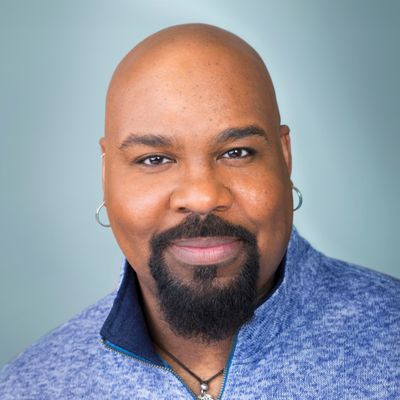
THE Genie, Tony WINNER James Monroe Iglehart is here!!! Oh, man. You know him from ALADDIN, MEMPHIS, and HAMILTON, but what you need is his Sweeney, his Porgy, his Freestyle, and his deep love of comic books. We talk about it ALL this week... Read More
From the show: Guys Who Like Musicals
Guests
Featured Shows

About
THE Genie, Tony WINNER James Monroe Iglehart is here!!! Oh, man. You know him from ALADDIN, MEMPHIS, and HAMILTON, but what you need is his Sweeney, his Porgy, his Freestyle, and his deep love of comic books. We talk about it ALL this week. From sustaining a long run to auditioning for your best friend, Lin Manuel Miranda.. James leads us through his career in a way only the Genie can. He's hilarious, insightful, generous, and we're so grateful he took the time to talk with us.
This Christmas James will lead the nation's top miniaturists as they vie to build festive mini-holiday houses. Each week, only one team will wow the spirited panel of judges, including designer Genevieve Gorder and miniatures experts June Clinkscales and Dave Asling, to advance to the next round. Top contenders will compete for a grand prize of $50,000 and the winning miniature will be replicated into a full-size vacation home.
Tony Award winner James Monroe Iglehart is a native of the San Francisco Bay area. He most recently appeared on Broadway in two productions simultaneously - in the smash-hit Hamilton playing Lafayette/Jefferson, and with Freestyle Love Supreme as their special guest star. He made his Broadway debut in The 25th Annual Putnam County Spelling Bee. Iglehart then originated the role of Bobby in Memphis on Broadway before landing the role of Genie in Aladdin. For his work as the Genie, James won both the Tony Award and the Drama Desk Award for Best Featured Actor in a Musical. James made his sold-out solo debut at 54 Below in a show entitled "How the Heck Did I Get Here?" He was brought back for a sold-out return engagement shortly thereafter. James has brought his act to concert venues across the country. He recurred on the Netflix series "Maniac" opposite Jonah Hill and Emma Stone, and "Unbreakable Kimmy Schmidt" as Coriolanus Burt, the rival of male protagonist Titus Andromedon played by Tituss Burgess. James also guest-starred on "At Home with Amy Sedaris", the Fox television shows "Perfect Harmony" and "Gotham" and on CBS' "Elementary" and "The Good Wife". He voices the role of Lance Strongbow on all three seasons of the hit Disney animated television show "Tangled." He recently made his feature debut opposite Richard Gere, Peter Dinklage and Jullianna Margulies in the "Three Christs".
Transcript
This transcript was automatically generated and might contain errors.
[0:00] Dan Tracy: Welcome to Guys Who Like Musicals. Welcome to Guys Who Like Musicals. We are here with...
[0:06] Joe Carroll: James Monroe Iglehart is here with us. I don't know if you've heard of him, but there's a couple of credits that we think are mildly important. Just a few. We know some Hamilton, we know some Aladdin, we know Kimmy Schmidt, we know Memphis, but we're really excited today to talk about... James is hosting a quirky new four-part series for HGTV, a holiday series called Biggest Little Christmas Showdown. So we're going to talk about all of it. Please, let's go for it. Let's get into it. Let's get into it. So an actor is saying his lines and then out of nowhere he just starts singing. So when we were talking to your people about this, what is this show?
[1:11] James Monroe Iglehart: This is very cool. This is a great little show. It's called Biggest Little Christmas Showdown. It's on HGTV on Friday nights at nine o'clock. And basically, it is a competition show with these amazing artists who are called miniaturists. So if you think you know dollhouses, no, you don't know anything about dollhouses. These are the kind of things that if you are a Marvel fan and someone, an Ant-Man shrunk you down, you could live in these houses. They have electricity, they have water, they have like... I mean, the detail is crazy, crazy, crazy. So basically, each episode we have three teams, three teams of two who compete against the other three teams of two. And at the end, whoever wins that particular episode, they get to the finale.
And then those three teams battle it out for a prize worth $50,000. And it's great. And it's all holiday themed. This Friday will be the third episode. So if you've seen it, it's only four episodes. But trust me, watch it, email, text, let people know you want to see more of it. You never know, I may get another season. I mean, come on, it's COVID, actors need work. So it's really, really fun. And we have holiday themes. So what we've had already is a Melekeleke Maka, you know, that Bing Crosby song that nobody knows how to sing it because it's just messed up. That Hawaiian. We also had Dickens. We had Charles Dickens. And then we have two more themes, actually, two more Christmas themes coming up that I want to, I'll tell you about a little later, but it's going to be really, really fun.
And I swear the detail on these things on these houses is incredible. It's their interior designers. Some of them are theater people who make sets. Some of them are just like hobbyists, but they're all professional. And our wonderful judges, we have June Kleescales, who is like the miniatures to the stars. So if any stars like have miniatures in the house, they probably went to her. We have Dave Asling for all you Star Wars fans out there who love the Mandalorian. He does all sets for that. And for you HGTV fans, if you watch HGTV, you know who Genevieve Gorder is. Genevieve Gorder is a legend as far as like interior design and also star design. So those are the people that are part of our show. And it's called Biggest Little Christmas Showdown on Fridays at nine o'clock on HGTV. And Tony Award winning James Monroe Iglehart is the host. I had to put that in, you know.
[3:17] Joe Carroll: Yeah. Now that is how you do a pitch, Joe. Take notes. Yeah, everybody write it down. That's how you do a pitch. That's amazing. I, in Manhattan, in my apartment in Chelsea, I had this neighbor and he was a big fan of theater. He owns a company on, they have a store on Fifth Avenue called Tiny Dollhouse. So I know all about this world. There's, you know, they have a bunch of followers and they have a very successful Etsy store. Were you always a fan of this kind of thing or how did you come about working on this project?
[3:43] James Monroe Iglehart: What's funny is it came out of nowhere, actually. I literally was driving in the street and Joe, our agent, Ben called and he said, I love it. He goes, he goes, he goes, okay, look, bear with me. That was how he started. And he began to give me the spiel of what this is. And I said, that's really cool. Cause I'm, I'm that guy who, after a show, my wife and I, I would come home, we would watch HGTV, you know, we'd just turn it on and watch people build houses and go, wow, wouldn't it be cool to live in a billion dollar house? That's not going to happen. Or, you know, someone like destroy an apartment. You're like, well, I wish I had the money. Someone could destroy my apartment and rebuild it.
But I ain't got that kind of money. So we watched those shows. So when they, he sent me the pitch, pitched it to me, I was like, this sounds like a great idea. And also this is one of those moments in entertainment where being nice was a good thing. I try my best to be as nice as possible, but I got the job because I was doing this show called Maniac on Netflix. And one of my, one of the guys who stands in, who stood in for Jonah Hill, he and I became friends. And then he, he told his wife, who was the producer of the show, you should get a personality like James Monroe Iglehart. And so they just decided to call me up and we, she and I had a conversation and next thing you know, boom, here we are.
And we filmed this during, during the, during the shutdown, during the pandemic, we filmed this in August. Wow. So it was one of those crazy moments of like, you know, doing all the August, September, doing all this and it being a fast turnaround. I mean, we were six feet apart. I mean, if you watch the show, it looks like there are shots that people are really close and actually, you know, everybody was wearing a mask. Everybody was wearing goggles. It was just one of those crazy, awesome moments where everybody was doing what they're supposed to be doing. It was great.
[5:26] Dan Tracy: Yeah. And I love that. And one of the things that we always, we always ask people, you know, advice and secrets to success and these sorts of things. And what sounds like, you know, one of the things that we love to preach is just like, don't be an asshole, you know? And so when it, you know, and it sounds like in that capacity that, you know, being nice to somebody on set, you never know how that's going to end up, you know? That's so that's, that's, that's fantastic. Um, and, uh, yeah, so let's get into it. Let's get into, let's get into, I mean, listen, this, we have to, we are a couple of super theater nerds. We are obsessed with, you know, we, we are obsessed with all of this stuff. Having you here is kind of crazy. We don't really feel worthy in the way that like, you know, you're sitting here on our zoom and we're just so grateful. Thank you for being here again.
[6:15] James Monroe Iglehart: It's my pleasure, man. Only the second, only the second Tony winner to be on the show.
[6:19] Joe Carroll: Exactly. Cool. It's a very exciting day for us. We'd love to know how you got started. I mean, the Bay area is such a, it's a hotbed for great theater. I mean, I, I wonder, you know, what was that like starting, starting your career there?
[6:28] James Monroe Iglehart: It was great. I mean, it was one of those moments where like, you know, I would, I was good enough to sing where people go, how come you're not in New York? And I was like, cause it snows and I don't like snow in California where it doesn't snow. So it was great. So to be able to work in, you know, the now defunct theater, like American musical theater, which is a huge theater at the time. And then also theater works, which is still there doing great work is where Memphis started, uh, at a reading there in Palo Alto, Memphis started and then went on to become, you know, 2010 Tony award winning musical. Um, it was fun. And also there was things like ACT and, you know, uh, Sacramento musical circus, which I never got to work at Sacramento.
You, you, you did me wrong. I was, I was there, I was around, but it's fine. Uh, but it would have worked in those theaters. Uh, I kind of was able to work up my chops, you know, to, um, basically I graduated from college. I went on tour, uh, with the national tour of Showboat, then came back home to California and started pounding the pavement and basically, you know, honed my craft at home in the Bay area. So, and every time we would do a show, they would always bring out New York actors to play the principals. And so I was always the understudy behind some guy who was like, I was in Les Mis. And you find that he was like a second soul carrier from the left, but he, you know, in the Bay area, we're like, Oh my God, you're from New York.
You must be a star. And so they just like gave them everything. And I'm looking at them. Like I saw the play, Bill, you, you, you were in that show, but you weren't in that show, but it doesn't matter. So, but I didn't always make a promise to myself. I made a promise to myself that if I ever made it to Broadway and I came back home, I would say, listen, is there a guy at home that can do this part? If there is pick that guy, don't bring me out there just because I'm from New York. And then I would do the shows at home. I would do the shows at home. And they were like, so how you like in California? And I'm like, I live here. I live down the street. I just come over the bridge. I pay to come over the bridge every day to come here.
But they're like, Oh, you're so good. I'm like, that's what he's saying. Bay area people aren't good. That's a whole different conversation. I love it. What was fun was being able to, um, see the New York people and the New York people tell me, Hey, you're good enough to make it in New York. And then things transpired where I was able to actually come out here with a show called Spelling Bee, which was great.
[8:34] Joe Carroll: Got it. So did you start with Memphis in, in the Bay area? Did that actually, um, Memphis had a, they had a dual, they had a, um, dual production, uh, with North shore and they had a cast out there. And so they brought that cast except for one guy. Cause they only had a budget to bring out four actors. So they were like, well, we have a guy that we can work. And of course they were like, yeah, yeah. I understand that. But you know, our people are from New York. So, I mean, we'll, we'll look at your guy. We'll look at your guy, but we're probably going to have to bring somebody. Oh, you're probably going to get a bigger budget to bring our guy in. And so we had our, we had our audition and no, you know, this is, I, I, it's like, I can say it now because it's years of there, but I crushed the audition, like killed him.
And they were like, Oh my God. So then we had, so I'm in the show and then we're working on my solo, which would be eventually becomes, you know, a big love on, you know, Broadway. So I started dancing and splitting and all kinds of stuff. And all of a sudden, this is the story I was told the cast looked at each other and they were like, well, I guess James is a new guy in the cast now. Like they decided, they're like, I guess he replaced homeboy, you know, I didn't know this until like later on. They, they had this conversation, like the five of them, four of them were like, yep, I guess he's a part of us now because you know, I was, I was having a good time and it was, but in being in Memphis, I met a guy named Derrick Baskin who became my best friend.
And Derrick Baskin was the principal. He's the lead. He was one of the leads in Spelling Bee. He's plays Mitch Mahoney. And when they were trying to find a way to bring a Spelling Bee to San Francisco, they couldn't find any Mitch Mahoney's. And he said, Hey, call my friend James. And being in that show in San Francisco and in Boston, and then they took our cast to New York, they took the New York cast to LA and we became, we replaced that cast. And that's my first Broadway show was 25th Annual Putnam Spelling Bee. But it was because of Memphis that I met Derrick to be in Spelling Bee. It's really, really strange. And, and another example of being good to people that you work with and then that rewarding you.
[10:24] Dan Tracy: Yeah, for sure. I just, I, yeah, that's, that's amazing. That's amazing. So then, you know, fast forward many years and we're skipping over lots of things, but we've got a lot to cover because of your illustrious success. You're in Hamilton and, and also in Freestyle Love Supreme.
[10:40] James Monroe Iglehart: Yes. How was that?
[10:51] Dan Tracy: Great question, Dan. Okay. Especially during, especially during COVID where someone calls you three months in advance and you go, sure, I'm free to do that. That sounds perfect. Then you get there, you go, oh my God, we're doing this. So that's kind of how it was. So like, I've been doing Freestyle Love Supreme for 15 years and never in a million years, I think it was ever going to go to Broadway. I mean, not that I didn't think we could, I just didn't think Broadway would embrace that, what we were doing. But we had a great off-Broadway run and they said, James, you want to be a part of it? And I was like, yeah. And they were like, but you're doing Hamilton. I was like, cool. So on my Sunday nights and Monday nights, uh, I would do Freestyle Love Supreme.
I took a leave of absence from Freestyle and I was doing, I did, I opened, I did all of the previews and the opening. And then from there I would do Hamilton during the week. And then on Sunday nights I would do, um, Freestyle and every other Monday I would do Freestyle and do two shows. But what you guys aren't saying, which you probably don't know is I was really stupid. So let me explain. I was doing Hamilton, Freestyle Love Supreme and Hercules all at the same time. So I would go to Hercules rehearsal and do Hercules, then go to, uh, Hamilton at night and like talk to the guys at Freestyle for some rehearsals and stuff while they were downtown. Then there was one day during Hamilton where my stage manager from Freestyle calls and goes, Hey, one of our guys is out.
Can you come over? So I did a two o'clock show of Hamilton, went downtown, did the six o'clock show of Freestyle, didn't do the last game, got back on a train or no, I got back in a cab and drove back to Hamilton. So I did three shows one day and then I took leave of absence, did Hercules while we were rehearsing for Freestyle. And then from Hercules went right into Freestyle. So yes, there was a moment where I was absolutely out of my mind. It was all fun though. It was all, it was so much fun that I, but I swear I, my wife was like, you're taking two weeks off and we're going somewheres because I haven't seen you and you're about to die.
[12:46] Joe Carroll: Oh my God. That is like, but like, were you, were you just like the happy that it feels like the most happy and most exhausted you could ever be?
[12:52] James Monroe Iglehart: Yes. Yes, I was. Cause I was, I'm singing. I'm what's funny is there's also three different styles. I'm singing gravelly as Phil over here. I'm rapping like Lafayette and then like rapping like myself, where we play a plethora of different characters in Freestyle, whatever the audience comes up with, we just do. So it was, but it was so much fun because it was, you would just, you would just free. You could, you didn't have time to think you were like, I have to be here, here, hit here and go. And trust it.
[13:22] James Monroe Iglehart: The crazy thing were the fans who, there was one fan, there was like three of them, who were literally at Hercules, Hamilton, and Freestyle. And I was like, how'd you do that? Because I don't know how I did it. How did you do that? We saw you in all three. I'm like, wow, okay, you have no money. Oh my god, that's amazing. I loved the Freestyle of Supreme documentary, getting a little behind the scenes of this remarkable story and this crew that you guys put together. They ask you the question, when you come on the documentary and they start to talk to you, they mentioned that you had to audition, but I was so interested what the audition was like. What did you have to do when they called you? What's that like?
[14:12] James Monroe Iglehart: The audition was basically kind of like the show. It was the throw you in. We were in a tiny, tiny room. You know New York. You have a rehearsal room. You go to get a room, not even something cool as Ripley-Greer. We were in a tiny, tiny room with no windows. There were speakers and drums in there. All of us in this room, all these brothers just tight in this place. We have three chairs because everybody was sitting on the wall or whatever. They go, okay, cool, we're going to do Foundations of Freestyle. What's that? We just take out words and you just start rapping. Shockwave starts beatboxing. I sit on a chair and they go, your first word is so-and-so. I just start going. Then they say, okay, we're going to play True.
You have to tell a true story, make up a hook, and then go. I would sit down and I would think of something to sing. I would sing something. By the end, I was in my element. This is the kind of stuff I would do all the time. What people don't know is that my wife was so happy when I joined Freestyle Love Supreme so I could stop making up songs around her in the grocery store about absolutely nothing. I am that dude that walks down the soup aisle and I'm like, oh, progressive, got that chicken in. She's like, if you don't stop, I'll kill you because I'm pretty good at hooks. She's like, now that stupid hook is stuck in my head. I'm just singing progressive. It's not even a real song. Once I joined the group, you find your family.
You find your place. I got in there. The same day I got cast was the same day Utkarsh Umbakar got cast. We became the replacements for Chris Jackson and Lynn when they went off to do In the Heights. Once In the Heights stopped, we just became one giant crew. It's so cool. I want to know, I was trying to look this up. The people who have done two Broadway shows at the exact same time. I think that's like Barbra Streisand and James. There's another guy. I can't think of his name. There's another guy. There's one chick from the Sex and the City. She did it. Cynthia Nixon. I can't think of the guy's name, but the man, the male who did it, he was in the first act of one play and the second act of the other. He was able to do the first act and then just walk down two blocks or so and then go to the other show. It worked out, but Equity had to have a special contract for me to be able to do two shows.
[16:01] Dan Tracy: Oh, did they?
[16:02] James Monroe Iglehart: Oh, yeah. Because you're not supposed to do that. Well, you know what? It's the coolest thing ever. This is a really stupid question, but you had to audition for freestyle and then you've known Lynn and you've known Tommy, obviously, for a very long time. Did you have to audition for Hamilton?
[16:57] James Monroe Iglehart: Oh, God, yes. Oh, yeah. Come on. Really? No, no, no. What you don't understand is this. Tony Winner and James Monroe Iglehart? No, no. Here's the thing. Business is business. Friends is friends. We are friends, but you don't want to mess up nobody's money. You're like, yeah, man, you're good, but don't come in here messing up. Basically, they called me and said, hey, we want you to audition. Now, think about this. I walked into the audition and I walk in the door and who do I see but Wayne Brady. Wayne Brady is sitting there. I'm like, oh, God damn it. Wayne Brady. And then Wayne goes in first and Wayne does all his like Burr stuff and like kills it. And then they have him sing something else.
And then I go in and I want to do Burr too. So I did my Burr stuff and I did my, you know, my Jefferson Lafayette stuff. And then I leave. And what's funny is before the audition, Tommy comes out and he's playing with me like we always do. What's up, bro? You know, do the pom pom thing. Lynn comes in, gives me a hug. Hey, Jay, so good to see you. Then we get in there and he's like, silence. It's like a regular audition. But also I walked in like, you know, I have to walk in like, you know, Tony award winning James Monroe. I know when we're outside, we're Lynn and Tommy and with the boys, we're freestyle. But when we're in that room, they are producers and directors. And I'm the act. I'm the talent.
Let's do our job. And if it works out, great. If you hire me, you don't. You do. If you don't, you don't. What I've learned in this business is especially with us as performers, we always do this thing. You ever had a conversation with a person, they go, that should have been my gig or that was my gig and somebody got it. Actually, no, it wasn't your gig. If it was your gig, you'd have got it. Doors open doors close. If that door would have closed, another door would have opened. So that door opened for me. I got to do the show and I've had a wonderful time doing it, but it's just another learning experience of, you know, you have to audition for everything. I mean, until you get to the point, don't get me wrong.
I am looking forward to the moment where I'm at Samuel L. Jackson and people just send me scripts and I'm like, yeah, cool. I'm gonna just do all this and I'm gonna scream all my characters just because it's fun. But I would love to do that, right? Just do a whole musical, you just do that and just scream, like play it as Samuel L. Jackson. It's like, you just walk around and do it like this. It's like, hey! 2006-01! Just walk off stage. It'd be fun. Oh my god. Yeah, I had to audition just like everybody else.
[19:05] Dan Tracy: I think that's a really good lesson though because, you know, Joe and I are still in the earlier parts of our career and there are people behind us, people in front of us, but as you get going in this career, it's like every time you go into a room, you probably have worked with somebody in that room. But to remember that you can't take anything for granted and that it's about being a professional more than it is, you know, being friends with somebody. I think that's a really, really good piece of advice. So let's go into a little bit of Aladdin. I know that when you were 11 years old, you wanted to play the genie and when you got the chance, you jumped at it.
[19:45] James Monroe Iglehart: You're making me sound a lot younger than I am and I thank you. I thank you, Dan, for that so much. It was 17 when I saw Aladdin. 17. 17. I'm actually in my mid-40s, which is scary to say! Okay, so yes, I saw Aladdin when I was 17 and it blew my mind. It was everything. It was everything I loved all together. It was musical theater. It was Disney. It was Robin Williams' stand-up comedy all together in one thing. And it was also an action comedy. It's all in one thing. So I just like lost it. And I kind of lived in that world for many, many years, never thinking that I would get the chance to be a part of it. And when the shot came up, I just, when you say throw yourself into something, I threw myself into something.
And it was one of those moments where I was like, I told my wife, I said, they're either going to love me or they're going to hate me. There is no, there was going to be no in-between because I went in there and broke all kinds of rules. I was writing my own scripts. I was writing my own lines and I was cartwheeling during the audition. I did everything you see me do on stage on Broadway, I did in the audition. So they knew what they were, they knew what they were getting. Of course, you walked in and gave them, gave them opening night performance in the audition. They were like, oh, this fool, he's crazy. Okay, yeah, let's get him. He'll do that here on Concrete. He'll be great on a regular stage.
Oh my gosh. I mean, this was pre-development, right? This was, they were, they were about to go to Seattle. Yeah, they had done one reading. They had done one reading. I think they did two. They did two readings of the show and they were ready to like, okay, let's take this and let's, Howard Ashman always wanted, Howard Ashman and Alan Menken always wanted someone of color to play, an African-American pretty much to play the genie. Because the genie, most of the genies are portrayed at the time as slaves. So that's the thing that most people don't know. If you watch the old Thief of Baghdad, it's a black guy playing it. I can't think of his name. It's Rex something, not Rex Harrison, but Rex something.
He's a great African-American actor at that time. And he played that role. And so that was in Howard's mind when he created the genie. That's why if you listen to the music in Aladdin, the genie's music is very different from everybody else's. It's very big band, very cotton clubby, because that was, that's what, that's what they wanted.
[22:02] James Monroe Iglehart: It was Fats Waller, right? Cap Calloway.
[22:04] Dan Tracy: Yeah.
[22:05] James Monroe Iglehart: So when I, Fats Waller. So when I came into it, that's what they were looking for. And I just happened to be the right guy at the right time.
[22:09] Dan Tracy: That's amazing.
[22:10] Dan Tracy: That's so, that's so cool. And I also, I mean, just briefly that you have my favorite Tony award winning speech of all time.
[22:12] James Monroe Iglehart: It's so iconic.
[22:13] Dan Tracy: It was so iconic. Then, and just seeing someone like the joy just emanating from, you know what I mean? I was like, this guy, this man loves the theater, you know?
[22:26] James Monroe Iglehart: I do. But also there's a moment where when I, you know, I grew up in church and there was a moment where there, you, there's a happiness, there's a joy that there are no words for. And you have to praise in a certain way. And you can't praise with words. You can't praise with a song. And just your body just, you dance, you dance it out. And I, that's what happened to me. I gave a praise shout. And I was, cause I was so happy and shocked to be there. Cause I watched the Tony since I was like 16. I remember being, I was in a show at American musical theater and we, it was called three musketeers and the one of the stars in it, two of the stars were Sutton Foster and Christian Burl and they're in the show.
Right. And right after the show, why don't they leave? We in the show the next, next couple of months, Sutton's gone, Sutton's in and she wins for, I think, she wins for Millie. She left our show and went to Millie. So I just got to work with her. Like I was literally second sword carrier from the left. No joke. If anybody knows Harlem Globetrotters, I was one of the Washington generals of the three musketeers. I got beat up every night and I got beat up by Sutton every night. Sutton, like, cause I was the biggest guy. They always, the three musketeers beat up their guys and they let Sutton beat me up. I'm sitting watching Sutton win a Tony. And then here we are, you know, like a decade or so later, I get to be in that same spot.
And it's also the spot of one of my heroes, Mr. Ted Ross, who won that, that, that same Tony for The Wiz and Chuck Cooper won that same Tony for The Life. And so to be in the group, to be in that group with those amazing performers, it was everything. It was like my whole childhood and everything bubbled up in that moment. And I just gave praise to God and said, thank you. This was nuts. And it's still one of the best moments ever. And I know that this is supposed to be the most dignified, um, you know, award show of the season, but I have to do this. This is a praise shout.
[24:32] Dan Tracy: We'll be back with more James Iglehart right after the break. So you're in, you did Aladdin for three years. You did Hamilton for three years. You were in Memphis for a long time. You're in two Broadway shows at the same time, plus a sort of off-Broadway show in the park with Hercules. Yeah. What's the, what's the trick? What's, how do you maintain that longevity that requires that kind of stamina? And the long running show in particular, I'm always fascinated how, how, you know, I've, Dan and I have done a show for a year. That's the longest we've ever done. So, you know, what's the secret? So I was in Frozen for a year and Cinderella for a year and Dan just did Waitress for about a year and a half or so.
[25:13] James Monroe Iglehart: You guys did a good show. Yeah, 18 months. Good job, y'all. Yeah, thanks, man. Well, I think, I think the main thing is to, one, you have to enjoy what you're doing. If you don't enjoy it, don't do it. That's pointless. I mean, I get it. If you have to pay rent, then save up your money until you can leave and go do something you don't want to do, but you have to enjoy it. If you don't enjoy it, there's no point in being a part of it. That's just, you're just wasting people's time and you're just bothering yourself. The other thing is, you know, take care of your body. I know this sounds kind of cliche, but we as performers, our body is our instrument. Our body is what we sell. You know, that's, this is the product.
This is the product of who we are. So take care of yourself. You know, make sure you're drinking a lot of water. Make sure you're warming up. Make sure you're stretching. Make sure you're getting enough sleep. Make sure, I mean, I love our friends, but you know, theater people, we love to stay out all night and like, you know, you know, shoot the crap and like talk and, you know, hold court. And you know me, you can tell that from this show, I can talk a lot. Yeah. I love to hold court. But if I got to, if I got two shows tomorrow, I'm like, hold court. Peace, y'all. Thanks. You know, I'll go have a soda maybe for like 15 minutes and I'm out. You know, they're like, James, you never hang out.
Like, I got a job. I can't hang out. People who hang out don't have jobs. People who have, people who have jobs don't hang out. We, we like hang out once a month. We show up at certain parties and then we go home because we have stuff to do because they pay us to do this. So it's really, you know, I think it's, it's not as hard as people think. It really is about taking care of you and, you know, knowing what you're worth and knowing that you have to sacrifice. You can't kick it. You can't, if you're, if you're single, you can't kick it. I mean, she's fine. That's great. But she needs.
[26:46] James Monroe Iglehart: The date needs to end at midnight. Or whoever you're dating. And if you're married, you definitely need to go home because your significant other is waiting for you. And unless you take them out with you, you need to take you behind home so you can be ready for the next day. So I think it's really just about taking care of yourself. You have to love what you do and take care of you. Because the funny thing is no one else is going to. I love this business and I love musical theater just as you guys do. But you also know that the people we work with, not that it's bad, but they'll watch you burn. Watch you burn and tweet about it. Watch you burn. Watch you burn. Tell you. Tell you, no, go ahead.
Keep drinking. Then get up the next morning. Oh, you know what they were doing last night? They was with me. I'm fine. They messed up. You know, you're like, you know, like in this business, you have three billion associates. You have a few acquaintances and you have very few friends. And when you're out with those associates, you go home, take care of yourself. Take it with your acquaintances, love your friends and go home and take care of yourself. That's what I say.
[27:52] Joe Carroll: That's great. One of my favorite sort of artistic, you know, self-help books is this book called Steal Like an Artist. And it's just, you know, it's what it sounds like, you know, the way that we make art is to like be inspired. And he has these 10 or 12 tent posts and one of them is be boring. It's the only way you'll get something done. The only way you get anything done is if you're boring, you know, and like Broadway is very flashy. And, you know, we're all you know, you know, you're spinning around there and doing splits like the genie. But the reason you could do the splits like the genie is because you go home because you're boring. People need to understand that. Like, I think what fans don't get is they're like, oh, my God, you know, what's it like to be in Hamilton?
Are you hanging out with Lynn every night? I'm like, no, Lynn has two kids and a wife. Lynn is the most not hanging out person in the entire world. Lynn is literally writing every day. So he's like after the show, if he's not at home, he's writing, he's working back at home. And same thing with the rest of the brothers and sisters in Freestyle Love Supreme and Aladdin and Hamilton. They are at home taking care of themselves or they're in class making themselves better or they're at the gym keeping themselves in shape. You know, it's pretty much a 24-hour gig of what you do. And then then to be able to realize that the prep, the production you're in is your job, not your life. Right. We love musical theater, but we are you know, we are Joe, Dan and James.
That's who we are. We are not the characters in Frozen. We are not the characters in Waitress, not the characters in Hamilton. We're ourselves. So distance yourself enough to go. This is a job. And don't take it so seriously that you go, oh, my God, if I'm not in Hamilton, I am nothing. And oh, my God, the rest of the world is better than me. You're like, no, no, this is my gig. That's what pays the rent. And when something better comes along, I'm a jump on that because that's going to pay the rent and buy me a car. You know, you just keep building. Yeah. But I find a place for you to be able to relax and find your happy place. My happy place is watching professional wrestling cartoons and reading comic books.
That's my happy place. Where's your happy place? Find your happy place so that when you get to work, if work is your happy place, that's good. But that's also bad because what happens if the job doesn't do what you want it to do? Then where's your happy place? You've got to find a place that's not where you work so you can breathe and also go back and appreciate how great this all is.
[30:11] James Monroe Iglehart: Yeah, that is that's it. That's that's that's perfect. Write it down. We're putting it, you know, put it and put it and put it in the college fund. Well, we'd love we'd love to do a deep dive into one of your projects, whatever you you know, something that, you know, I mean, your career has been so amazing. Is there a development process or something that or even even, you know, it could be Hamilton. I know that you came into that after it had already been running for a little while. But like, is there something that that that you you know, when we ask that question, anything that sparks in your mind?
[30:42] James Monroe Iglehart: There are quite a few that come to come to mind, you know, when it comes to like how it started and where it ended. There's a short gig that comes to mind and there's a long gig that comes to mind. The short gig was I got asked I was in the middle of I was right about to join Spelling Bee on Broadway and I had been asked by the Oakland Symphony to do Porgy and Porgy and Bess for a literally a two night concert, two night concert. And this is all about preparation. And this is all about figuring out what's going on and not being naive. I was naive. I was used to musical theater. I was used to showing up, not reading. OK, you know, I kind of skimmed me. I'm not a big reader, you know, and then plunking out the music for me on a tape recorder, me taking it, going back home, listening to it and singing it.
And then be like, oh, look, he's amazing. I got to the theater, the Paramount Theater in Oakland. And the orchestra was there. I'd never done opera before. I didn't realize that opera people already know the music when they walk in the door. I'm used to musical theater where they plunk it out for you. So I get there, Porgy and Bess. I'm playing Porgy. I don't read. Oh, no. So the lady on I'm they start playing the music and I don't know it. And there's the conductor and there is literally 50 people in the orchestra and there are 50 people in the choir all ready to go. And the Bess is looking at me like I've ruined her career. The old man behind me who's playing one of the guys at Catfish Row, he played Porgy in his younger days.
He's singing for me. Crown looks at me like, oh, my God, who's this broad? So they're looking at me like this Broadway guy who has no idea what he's doing. He is out of his elevator. Why is he here? And the keyboard player just happens to be my college piano teacher who kept telling me, James, you're not counting again. And I literally run off into a vomitorium and like this is a nightmare. This is a nightmare. Yeah, this is this is the actor's nightmare. So I get home. I am in tears. And my wife looks at me. She goes, OK, I get it. It was a terrible night. What are you going to do? I'm like, I can't do anything. The world's ending. She's like, no, no, no. What are you going to do? Because it's Monday and the concert is Friday.
What are you going to do Tuesday? I mean, Tuesday morning, I called up the assistant conductor. I said, I need to come to your house. We play through the entire Porgy and Bess every day. I mean, that day I get to rehearsal. I'm still awful, but I'm not as bad as I was on Monday. Wednesday, we do the same thing. And I this this is how this is how long ago it was. Like I said, it's like 2007. I had a PSP, which is a portable. Yeah. So I put the Porgy and Bess soundtrack on there and I would listen to it when I was asleep. Listen to when I was asleep. So just be playing in my head, playing every time I got in the car, just playing it. We get to Thursday. I sing. I'm much, much better. Right. And they're looking like, oh, my God, he's getting better.
This is weird. How are they doing it? The show is the show is Saturday night. Right. Friday night. We have a rehearsal afternoon and then we have the preview night just for people to come. By Friday night, I had the whole thing done and I knew what I was doing. And then I sang it. And they were like and then all of a sudden our conductor goes, listen, gentlemen, let's just give it to James. I go hard for learning for you invest in a week and they all clap, clap, clap. And the whole time now still the opera people are treating me like a pariah. They are being completely mean to me, not talking to me, not whatever. We get to Saturday night. Now, now I've had time to do my thing, to do what we as Broadway performers can do when we get into it and we learn something, we become the character.
So all of a sudden I start singing and, you know, opera is very, very, you know, very, you know, a lot of vibrato. So I start singing and doing the one thing. A lot of opera people, I'm gonna get in trouble for this. Don't do that. So that's the night, the opening night in the right before we go on about 30 minutes in some of the cast members kind of go, hey, I mean, you learn that so fast. Who's your vocal teacher? And I was like, I don't have one. They're like, what? I don't have one. I worked with a conductor. So I'm in my own world trying to do my thing. Well, you know, so you're going to Broadway. And I was like, hey, hey, listen, last time I checked, you guys were like not really to Broadway.
So I have to get ready for my show. So just like, you know, that's that's what's up. Don't get wrong. No hard feelings. We're going to do great tonight. I'll see you out there. We get out there. Yeah, I do shade. We got we got. And who messes up? Not me. Crown, the guy who played Crown, who was dissing me. Oh, well, you know, I heard New York people. He messed up twice and I'm holding out notes for days, you know, just doing my thing. But what I learned from that moment was when you are at a place where you think you can't get out. Oh, my God, it's the worst day ever. It's not right. Question you have to ask yourself is what are you going to do? What are you going to do? Are you going to let the adversity smash you and keep you down and make sure you can't do anything?
Or are you going to get up and do something? Do the best you can, whatever that best is. I happen to get lucky. It's honest to God. I happen to get lucky. I have a pretty good ear and we worked it. It worked. Did well. And, you know, that's what happened. The second one is Aladdin. Aladdin was a long process. Aladdin was a process of we didn't know if we were going to go to Broadway. We were hoping. Right. He kept saying, well, you know, maybe a property. Well, they always give you that spiel, you know, just in case it doesn't go. So we went through so many changes. I mean, we went through our show in Seattle was OK. It wasn't great. Our show in Toronto, I thought people were going to throw stuff at us.
Nothing worked. I mean, like we had a great show. We had a great show. But our set was like trying to kill us. And there were new pages every day. We didn't have a good intro. They were like trying to redo the intro of different things. What was happening? We had new characters. Nobody knew the audience that was going on. We were like, ah, it's over. Aladdin is the thing that's going to destroy everything. But we all came together and we're like, OK, how do we do this? And, you know, we all went to our strengths. Yeah. One of the most amazing leading men out there is, you know, Adam Jacobs. So Adam Jacobs, he was solid. He knew what he had. He knew what Aladdin had to be. Courtney Reed found a new attitude for Jasmine to bring her back, to bring her into the 2000s so that the young ladies that see her would see a reflection of themselves.
And I was like, what what can I do that would make what do I think is funny and be brave enough to do that? And it was a process like every new joke. They were like Disney would come to go. Yeah, you can't say that. Oh, you can say that. You can say that. You know, it's about building every single day about building. And that's kind of what it was with Porgy and Bess. It's every single day getting better and better until that moment where you go, OK, we got something. And those are the two.
[39:39] Joe Carroll: When did you know that with Aladdin? Did you did you feel like you had when you had something?
[39:43] James Monroe Iglehart: Yes. I had no I had a I knew I had a little something in Seattle. There was a moment I did something in the audience all when I was like, that's the attitude. That's where he has to be. Jeannie has to be there. He's got to be fast. He can't be too fast because this unlike Robin Williams, where they could edit it or his live concerts, this musical theater, you can have a bunch of you. You have a wide range of ages, so they all have to understand you. And there's people in the back row and the front. So you have to know what you're saying and make it clear. And then there was a moment. What did he say? Exactly. What did he say? But there was a moment there's a moment where you have to go, what is Jeannie's kernel?
What is it that he really, really wants? But surround that kernel with all of the cool stuff, his attitude, his showmanship and the fact that he is he just loves to perform, but he really just wants a friend and to be free. He really wants to be free and wants someone to be loyal to him. Finally, who's going to who's going to be that? Who's going to have that heart to set me free? And then I can show I can show you everything. But I still need that. That's my I want song that you never get to see in the show. Yeah. Right. Right. Once I realized that I knew I had it and the attitude I knew I was like, if I can surprise the audience. So I asked for little places where I could improv where I could surprise those.
So they knew they knew they were watching something scripted. But if it's kind of like free stuff, Supreme, if they see something that's actually happening now, they go, we're in the moment it's happening now. And it would always be different. So whenever you saw the Aladdin, someone would come and go, oh, he did this that night. Oh, he did this that night. Once I figured out that I was like, okay, there we go. That's that's what's going to make this thing hype. And also I told myself, what would I want to see? If I saw if I paid a ticket to see Jeannie, what would I want to see? So everything I did is crap. I would want to see somebody else do, which is why the brothers were really, really pissed at me when I would see them on the street.
I would see brown bald brothers going, why are you cartwheeling? Why are you doing this? Why? Why are you? Is it an A? Why are you hitting that? What is wrong with you? Why do you hate us? I'm like, what do you mean? We had to audition and they want us to do your stuff. I'm like, I'm sorry. My bad. My bad.
[39:50] Joe Carroll: That's so amazing. I think it's to tie it all together, though. It's all like, it's all related, you know, because you'll never that the idea of building and taking care of yourself and looking forward and doing the things to get you to where you want to go. You'll never be in a situation again where you were in Porgy and Bess, where you're not prepared for that moment. Yes. And you're recognizing that.
[40:07] James Monroe Iglehart: It takes a long time for you to get to where you need to be. So for me, it was recognizing at a certain point that if I wanted to play a certain role in a show at a regional theater, start working on it now. There's nothing wrong with that. You see a show on Broadway, you're like, I want to play that. Well, you probably could audition for it in five years, so get to work. This is a 9 to 5 that's not a 9 to 5. You can put that amount of work into this job.
[40:30] Dan Tracy: Dan, that is so right. It's a 9 to 5 that's not a 9 to 5. We as actors have a different... Most people have a 9 to 5. We have to get up and self-motivate ourselves to do this and say, okay, what do I have to do to be ready for the next thing? What do I want to do? But also keep yourself open for things that come out of the freaking blue. I've hosted, but never hosted before. So here I am in musical theater, people are like, hey, you want to be on an HGTV show? And I was like, but I've done enough stupid things talking like, ladies and gentlemen, all that crap that I was like, yeah, I can pull that off. Because you've prepared yourself in weird ways. Keep yourself open because you never know what's going to come down the pike.
[41:11] James Monroe Iglehart: For sure. I love that. I love it. I love it. We always ask, is there a book or a resource or something that you find invaluable? Is there anything that you find in your career? It also could be like an album or a movie or something that just inspires you in that way. Wow. Book, resource, class, person, anything.
[41:30] James Monroe Iglehart: The funny thing, you say book and I'm like, the books I read, people are like, really? I'm a nerd. I'm like, Lord of the Rings! Harry Potter!
[41:42] Dan Tracy: I love that because my wife and I just rewatched the Lord of the Rings trilogy for the first time in a long time. The storytelling and the imagination and that stuff is just, it's unbelievable.
[41:52] James Monroe Iglehart: Yeah. Yes. So that can absolutely inspire me. I have all these resources. I think the things that inspire me are the things like, you know, the Lord of the Rings or the Harry Potter especially the Batman series. The Batman series is like, because nobody expected it to work. Those are inspiring to me because I like to go behind the scenes and hear what happened to the projects. Folks, you know, not thinking it's going to work, but how much research they went into creating it. So those are the things for me. But when I think of, you know, certain movies, I think of, I think of movies like Blazing Saddles from 1974. That's one of my favorites. And it's very inspiring to me. It's very inspiring to me because it's so free and they diss everyone equally.
Everybody. Everybody. When they're sitting around the campfire farting, it's just one of the greatest scenes in movie history. It doesn't matter what, it doesn't matter what race you are. It doesn't matter what your sexual preference, they destroy everyone. And for some reason that's uplifting to me. When you can have, when you can just have a platform where you just, everybody is dissed together. It's just something fun because everybody can laugh. I can laugh at you. You can laugh at me. Everybody's being dissed together, but it's just the comedy of it. So I look at that because that's my type of comedy. I love just doing weird, terrible, awful, but funny, not offensive, but you know, stupid stuff because that's what it is because everybody's so uptight.
So that's inspiring to me. When you can find something that makes you not uptight, that's, that does it for me. And I, you know, I also love the, you know, the, the story of the kid who's, who wants to be a hero, doesn't know he's a hero. I'm very into that. It's a very Disney, very Star Wars-y type of thing. Those are the kinds of things that inspire me.
[43:38] James Monroe Iglehart: What's your, what's your favorite musical? What's the most influential musical in your life? There are two. They are Dreamgirls and Sweeney Todd. I gotta tell you, the first time I read Dreamgirls, I was like, this show is the show we should all point to when we look at all of these contemporary rock shows that work. Like, I don't think that there's Rent without Dreamgirls. That show is so good.
[44:01] Dan Tracy: Yes. Also, that's one of the first shows. It's not one of the first shows, but it is one of the, it's, it's because it's mostly sung. People forget that it's mostly sung.
[44:12] James Monroe Iglehart: Yeah. People forget those scenes are sung and they go, oh, right. I forgot they see through all this for two hours. And that's a show you have to, when you do it, you have to go home. You cannot kick it. You won't be ready the next day, but that one and Sweeney Todd, and I think Sweeney Todd, because one, it is all sung and mostly sung, I should say. And also it was something different.
[44:29] Dan Tracy: Yeah. Sweeney Todd is its own thing. Have you done it?
[44:43] James Monroe Iglehart: Yes. I played Sweeney. It was so much fun. I got to play the, I immersed myself. I, I went to a barber, I went to a classical barbershop and asked the guy to teach me how to, you know, do the barbering with do the shaves with the razor. Cool. And it was just, just the way he talked about the fact that we scrape, you know, we, we go for people who don't know when you have a shaver, you go, you know, you know, up to down. No, he would like have to like curve up. He would follow the curve of your face and to serve, everything would be clean. Just, just those little things that would, for someone like Sweeney, when you realize that he's a serial killer, something as simple as that, that that would, that would appease him.
I have to do it right before I kill you. I have to do it right. The plan. It's all about the plan with he, with him and Mrs. Lovett. And I love that. Oh, and also the music is just so good. So good. I mean, I used to live in the Bay Area and there's nothing like driving on the street, listening to Sweeney Todd. You'll be going at 70 miles an hour and not realize it. You're like Sweeney. Oh God, I'm going too fast.
[45:41] Dan Tracy: Yeah. Yep. Yep. Yep. Absolutely. I love a dark musical too. Cause I, I think that there's so much value to what you said about Blazing Saddles where things lift you up. But I don't think that this genre has to live in a place where everything is about the entertainment. I think that this, this genre has the ability to have so much depth because of what music does to a lyric and Sweeney does that. And you're just like, see, musicals, aren't corny. This is, this is real stuff. And also there's that moment where you realize if you can grab the audience, I feel the same way about Coal House. I was going to say Ragtime, but I feel that if you can grab the audience by, by your hero doing the wrong thing and watching the people root for your hero doing the wrong thing, it is such, it is such a get cause they're clapping and it takes them a minute to realize, Oh my God, I'm cheering for you.
[46:35] James Monroe Iglehart: Right. A hundred percent. Right. Absolutely. Oh my gosh. Yeah. That's one of my, that's, that's absolutely one of my, one of my favorite musicals too. And, uh, my wife did it at, uh, Barrow street, uh, downtown that, that immersive production, um, with Mr. Lewis.
[46:44] Dan Tracy: Yeah. Yeah. She was, she was Joanna.
[46:50] James Monroe Iglehart: Oh my God. She was amazing. Yeah. Ask her about the, ask her if she remembers the night I was there because Norm got me tickets and Norm and I have a insult to insult relationship. So he decided that I was the guy he was going to mess with, but he only did it because he took forever to see Aladdin. And usually when I give, when I see stars out there, I give them shout outs to Norm. I kind of gave a shade out. I was like, Norm Lewis, you know, you love this. And he was like, how dare you? So I kept like jabbing at him as genie jabbing him somewhere. I know Norm likes it. Cause he, he, he's a big fan of mine. So he got he was like, I'm gonna find a show and I'm gonna get you. So when I got to the theater, it was so tiny. Oh my God. He sat next to me and spit in my face on purpose. And I just sat there, you know, there's a moment where you come like, I deserve this. I deserve all of this. It's fine. It's great.
[47:39] Dan Tracy: Oh my God. Yeah. I'm just thinking about that. Like, I want to see, I want to see your Sweeney. That is, I want to hear it. I want to see it.
[47:49] James Monroe Iglehart: Yeah, for sure. We, we would love to know, I call it, I call this the unreachable star question, which is like, you know, uh, what, what's on the horizon for you that you're sort of pointed towards in a way that you'd, you'd love to accomplish, you know, you've done so much now. Um, is there anything that you're like, that I'm pointed towards that?
[48:05] James Monroe Iglehart: Yes. Uh, there's a few things. One, I would love to direct. Um, I got to, I got the privilege of directing and producing nightmare before Christmas, Timber's number for Christmas for, uh, this Halloween, it was all virtual and I had a ball doing that, putting it together, putting the cast together, uh, you know, directing them. It was, you know, and I had a great cast. I had Adrian Warren, Raphael Cassell, Rob McClure, Leslie Margarita, Nick Walker. I mean, I had some folks, you know, I had some great people. So I had a great time doing that. Um, but I think directing would be fun. I love writing. I love to write another comic book. I got to write a comic book for, I got to write two comic books for Marvel comics, which is great.
Uh, but I've had this dream, um, since the first time I saw Richard Pryor on Saturday Night Live when I was a kid, um, something about, and also my heroes are Richard Pryor, Whoopi Goldberg, John Leguizamo, Billy Crystal, um, Mr. Bean. I know that sounds crazy, but you see where I'm going. There's solo artists who get on stage and they tell a story and that's what I would really love to do. I'd love to have a chance to do a solo show and just tell either a story about my childhood cause it was really fun and silly. And I think making people laugh is something that not that we've, not that we've got away from on Broadway, but I think we've gotten so into like telling what, what Dan was saying about like telling real stories.
We got so into being real cause we don't want people to diss musicals anymore. And we forget that sometimes you just want to go to the theater and laugh. You just want to have a good time because we were like, no, musicals are not corny. We have a boy here who has a broken arm, who is lying about a dead kid and he lied to the parents because that's what musical theater is. You want to tell a story about American history with black people and brown people so white people know. It's like, hey, but relax. What happened to Annie? What happened to, what happened to Annie Gitche? What happened to the Wiz? You know, what happened to the misbehavior? What happened to the, you know, the happiness? What, what, what, we, nobody wants to be happy on Broadway.
We just want to be upset and walk out and go to get a drink and talk about how great the show was. Don't get me wrong. I love all those shows. There's a place for all that. But I think it'd be fun to just tell a story that was just funny. You know, usually when you're a solo show, it's, it usually ends up being like a therapy session. Like somebody comes out there and like tells their life and it's horrible. But at the end, they're like, but I'm better now. Blackout. No, I just really want to go out there and like tell a stupid story that is funny. And people walk out going, I knew that kid, or I was that kid, or I had that kid in class. I know that, you know, yes, I remember he, yes, I remember GI Joe.
I want to do a show like that. So I, and what's funny is I've been working on that show for years. Someday it'll happen. Good. And when it does, it'll be, it'll be fun. And you know, people will leave smiling. At least my prayers, I leave smiling and laughing, but directing and developing and being on the other side of the table is what I'd like to do. But also if I'm going to be on the other side, if I'm going to be on the stage again, you know, do something fun.
[51:03] Dan Tracy: Oh my gosh. Awesome. I look, I look forward to that. If I had any money, if I was a producer in any way, I'd be, I'd be knocking on the doors. Like James Iglehart wants to do a solo show. We're producing it. It'll happen. Sponsored by guys who like musicals. Let's just get shows up first.
[51:14] James Monroe Iglehart: Exactly. Exactly. Well, thank you for bringing all of that joy and laughter to us today, to our show today. We can't tell you enough how much we appreciate you being here and taking the time.
[51:23] Dan Tracy: I think we were pretty cool, Dan. We kept it together for the most part, but we tried our best. The fun thing is what you guys are going to realize is Joe and Dan, what you guys don't, Dan says something about people, people in front of you, people behind you. Joe, you said you were in Frozen. That was a great show. And Dan, you're in Waitress. That's a great show. What you guys don't know or don't realize is there are guys who are looking up to you guys and you don't see it yet. And it's going to happen. It's going to hit you when you least expect it. They're like, first show I saw was Frozen. I saw you. I saw you in Waitress. You're gonna be like, you did? What? What? Who? Why? And swear to God, it's going to be awesome. And you just pay it forward, man. Just pay it forward. I have no idea why you were the genie. I don't understand why you played the genie and won a Tony Award for it. That was, well, I'm not crying. You're crying.
[52:07] Dan Tracy: Thank you, James. Everybody go check out Biggest Little Christmas Showdown on Fridays on HGTV. As of us filming this, there are two episodes remaining, but I'm sure that by the time you hear this, you can go see all of them. James, where can people reach you?
[52:23] James Monroe Iglehart: They can see me on Instagram at James M. Iglehart, I-G-L-E-H-A-R-T. And they can also go to Twitter at J-M-I-G-L-H-A-R-T and see all the dumb stuff I say.
[52:33] Dan Tracy: Love that. Brilliant. Brilliant. Thank you, sir.
[52:41] James Monroe Iglehart: My pleasure. This was fun.
[52:52] Dan Tracy: Thank you for listening to Guys Who Like Musicals. We are now part of the Broadway Podcast Network. We are hosted by Dan Tracy. That's you. And Joe Carroll. That's me. We're produced by Ryan Kincaid, and Matthew Mucha is the social content manager. You can find us on Instagram at Guys Who Like Musicals, on Twitter at Musical Guys, or the old-fashioned way at www.guyswholikemusicals.com. If you'd like a chance to be featured on the Ask the Guys segment of our show, please call 203-900-7990 and leave a message with your question.
[53:19] Dan Tracy: As always, thanks for listening.
© Broadway Podcast Network, All Rights Reserved