

Roger Bart, one of the funniest people on Broadway, joins us this week. I really wanted to know how he approaches comedic roles- like Doc in Back to the future. He tells us all about his technique to finding the funny... Read More
From the show: Breaking Broadway with Kerry Butler
Guests

Featured Shows
About
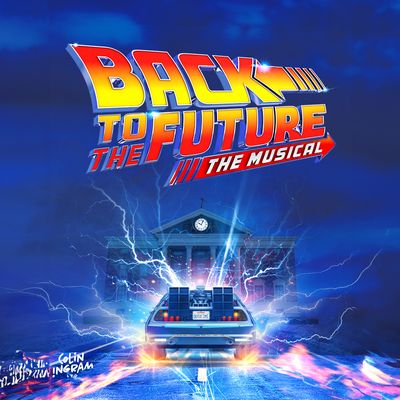
Roger Bart, one of the funniest people on Broadway, joins us this week. I really wanted to know how he approaches comedic roles- like Doc in Back to the future. He tells us all about his technique to finding the funny.
ROGER BART Originated the role of Doc Brown in Back to The Future in London and on Broadway. Broadway: The Producers (Tony, Drama Desk nominations); Young Frankenstein; You're a Good Man, Charlie Brown (Tony, Drama Desk Awards); The Frogs; Disaster!; Triumph of Love; Big River. Film: Trumbo, American Gangster, The Stepford Wives, The Producers, Hostel Part II, singing voice of Disney's Hercules "Go the Distance." Television: "Desperate Housewives," "Revenge," "Good Trouble," "A Series of Unfortunate Events," "How I Met Your Mother." For my brother, Randy.
Follow Roger Bart on Instagram: @rogerbartofficial
You can find me on Instagram @kerrybutler1 and TikTok @kerrybutlernyc. For coaching and teaching, visit my website at kerrybutlercoach.com, follow @kerrybutlercoach on Instagram, or email me at kerrybutlercoach@gmail.com.
Transcript
This transcript was automatically generated and might contain errors.
[0:36] Kerry Butler: Now come with me and fly, fly. I am your host, Miss Kerry Butler. Together you and I are breaking Broadway.
[0:54] Kerry Butler: Hello, everyone. Welcome back to Breaking Broadway. I am here with one of the funniest people I've ever worked with. One of my favorites, Roger Bart. You may know him from The Producers, Tony, Drama Desk nominations, Young Frankenstein, You're a Good Man, Charlie Brown. Currently, he can be seen as Doc Brown in Back to the Future, which I saw and you were hilarious. Thank you for being here, Roger.
[1:24] Roger Bart: Thanks. It's so good to see you, Kerry.
[1:26] Kerry Butler: It's so good to see you. Oh, I forgot to mention that we did Disaster together.
[1:29] Roger Bart: We did. Yeah, yeah. It was a great, great time, wasn't it?
[1:35] Kerry Butler: It was so much fun. My gosh, I look at that cast now and I think, wow, we really have gone places since then.
[1:42] Roger Bart: Yeah, we were just kids then, just starting out.
[1:46] Kerry Butler: We really did. I mean, yeah, you knew that it would launch me the way it did. First of all, I can't believe this is the first time I'm seeing you except from on stage because that's terrible. You've been back for like a year. We have to get together. Second of all, you're hilarious in Back to the Future. I was waiting for you at the party, but I mean, I guess you just have so much makeup. You had to get yourself fancy before and I left.
[2:16] Roger Bart: The party was messed up, but I heard you were there and I was crushed that I didn't see you.
[2:19] Kerry Butler: Yeah, I sent you a video about how much you loved it. I loved it.
[2:22] Roger Bart: I didn't see anybody there. It was loud and I had my gaggle of family.
[2:32] Kerry Butler: Yes, of course. It was pretty swell. I didn't venture too much beyond the table. You know what those crazy opening nights are like. You glance and you're in a five-minute conversation with an investor from Cleveland.
[2:50] Kerry Butler: Are you having fun doing the show?
[2:53] Roger Bart: Yeah, I have fun. I mean, this show's been pretty dreamy on so many levels. One of the things that I've loved about it is its inherent optimism and its buoyancy. I love playing somebody who is animated.
[3:16] Roger Bart: I'm sure I have a feeling you have felt this way too about some of the roles you've done. Anytime your character is referred to as either zany or creepy or a lunatic, it's like heaven.
[3:31] Kerry Butler: 100%! It's my favorite. You can do anything you want. You don't have to explain anything. It's dreamy that way. It's been fantastic. To be part of that Back to the Future franchise is pretty swell. It's a real big people pleaser.
[3:53] Kerry Butler: For sure. This podcast is for actors starting out. I usually like to find out when did you discover theater?
[4:01] Roger Bart: It's good that you said that. I love that your podcast is about that. I used to live for those visits from professionals when I was in college. Just to hear what their life was like. I'm happy to be part of describing that.
[4:30] Roger Bart: In a very visceral way, when I was in fourth grade, we were doing an abridged version of Oliver. It was in the days where the Tams Whitmark scripts were sent. For the kids out there who are listening to this, they used to rent these scripts. You're never allowed to put a pen in a book with the right pencil. Remember you had to erase them? I was hoping, even then I was pretty ambitious, that I had the thickest script. Then I would have the biggest part. They handed it out and I was cast as Archibald Dodger. I was a little crushed.
[5:14] Roger Bart: In my interior self, I went... Anyway, that happened. Then I realized that in that moment, when I entered through the cafeteria with the top hat, tails, and a Green Bay Packers t-shirt on, in through the cafeteria door. The spotlight hit me. I was suddenly in this funny little character role, which I ended up loving more. My sister said to me, as she was consoling me, as I was really upset about not getting Oliver, she goes, no, this is the cool part. Little did I know that in my life, I often got these roles. This was the roles I was going to get forever. It was an amazing thing. It was my first time where I was like, okay. I was also the youngest child, and a lot of kids were listening to this.
You realize when you get a little older that you spend a lot of your childhood trying to hold the floor, to have people pay attention to you and listen to you, when you're surrounded by adults and siblings that are older and they don't really want to pay any mind. You get pretty crafty, pretty crafty at coming up with ways to engage them. That's probably where it felt like suddenly these worlds met.
[6:36] Kerry Butler: Where did you grow up? Did you grow up in New England? Is that right?
[6:39] Roger Bart: Yeah, in Princeton, New Jersey.
[6:41] Kerry Butler: Oh, in New Jersey. Right. That's where I kind of got the bug. Would you go into the city to see Broadway shows?
[6:46] Roger Bart: No. The closest I got to it was my parents would put on a Gilbert and Sullivan album every once in a blue moon. That was really the only theater music I heard.
[6:57] Kerry Butler: Wow. I was fascinated by it.
[7:01] Roger Bart: For a seven-year-old, it's Britishness. It didn't really kind of vibe.
[7:11] Kerry Butler: Yeah.
[7:12] Roger Bart: Then my school went in, I think, 1971 to see Godspell. I remember thinking that was really, really cool. It was really cool. The music was sort of contemporary at that time and groovy. People looked like they were having a good time on stage. I remember being kind of blown away by it. I didn't ever see anything growing up and think, this is what I have to do. I didn't feel like that. I really just got on stage because we were in New Jersey. We put on plays. That's what we did. That was part of our year, was putting on a spring musical and kind of something in the fall.
[7:51] Kerry Butler: And then when did you decide that you wanted to be an actor?
[7:55] Roger Bart: When I was leaving high school, I went in and I booked a television commercial on a radio spot. It was so easy when I was 16 to do it. I just got it. I got lucky. When I was 16 and trying to figure out where to go to school, all my grades were shit because we moved a lot. I was more interested in surviving and making friends. School didn't interest me as much. The liberal arts were what I loved. I wanted to study acting. Much to my parents at that point were kind of like, whatever, the kids are already doing well, the older kids. We'll roll the dice with this one. I went to art school, and that's where I learned about really the art of acting.
[8:48] Roger Bart: There is an art, and it takes a lot of time to learn. To understand for a young brain, I was in it when I was 17. It was Meisner technique through William Esper's program. It was pretty sophisticated for someone who had so little life experience to draw from.
[9:06] Kerry Butler: Didn't you go to Rutgers? Is that right?
[9:09] Roger Bart: Yeah.
[9:10] Kerry Butler: With Kevin Chamberlain, right?
[9:11] Roger Bart: Yes, with Kevin Chamberlain. He was in the class below me, right behind me.
[9:15] Kerry Butler: Were you roommates or no?
[9:17] Roger Bart: No, but we hung in the same. First of all, it's such a small school, but we hung out in the same group. It was really fun. He was really fun.
[9:27] Kerry Butler: He was fun. We had a good time. We laughed a lot.
[9:30] Roger Bart: Yeah. I remember seeing him the first time, Kevin Chamberlain, three-time Tony nominee, fantastic, famous. Who was also in Disaster House?
[9:38] Kerry Butler: Yes, he was in Disaster.
[9:40] Roger Bart: He was in Jessie, became hugely famous there on the Disney Channel. The very first time I saw him, I went to the Cabaret Theater at Rutgers. He was at the piano. At that time, he used to do Jimmy Durante songs. He was so gifted. He just popped. I was like, wow, this guy is going to be a star. He became a star.
[10:10] Kerry Butler: No question. How do you approach your roles when you get them?
[10:17] Roger Bart: It's funny. I've done so many roles. In the old days, I used to do roles where there was no videotape or a movie to consult. I had to look at it. In those days, I did old-fashioned Meisner technique approach, which was first script analysis, which was looking for clues in the script about the behavior. Sometimes that came from, as we had earlier discussed, about what other characters said about you. Then you have to question whether or not they're saying that about you for any particular reason. It could be that they're saying you're crazy because they're trying to dissuade somebody from liking you. Once you figure out those adjectives, you get in a ballpark. Then you're in a ballpark. Then you get into the room on these ones where you—
[11:09] Roger Bart: For the last 15 years, 20 years, I've had to learn to do things based on what I wanted to lift, meaning what were the qualities of a role that I felt were essential to the material, such as with Doc Brown. There's a certain insanity. There's a certain vividness. There's a certain passion about science. There's an optimism, and there's a great loyal friend. Those things, and a sense of danger, and anything can happen. Those are the things that you take and you go, how can I do that in my life in a way Roger Bart would do that doing this role? In the days before I had any kind of film stuff to look at, I would go in the old-fashioned way, which is talking and listening in a scene, understanding what my relationship is to the character, understand what is it that I wanted in the scene. Then by talking and listening with them, you suddenly arrive at a character.
[12:07] Roger Bart: The most fascinating part for anybody who is not that familiar, who is a little familiar with Meisner technique but not completely, and that is the most exciting part, which is how you play your actions, how you choose, how does your character, who they are, navigate a situation. That's really where color comes out and the real fun comes out. That's what I like because I love the many ways you can look at a situation and to achieve a goal.
[12:39] Roger Bart: I feel like I'm pretty professional and on stage, and no one has ever almost made me break like you have because you're just so funny and doing different things, and actually I feel like trying to make me break on stage.
[12:55] Kerry Butler: Yeah. Where does your comedy come from? Did you watch great people, great comedians, and then steal stuff? How did you find your sense of comedy?
[13:08] Roger Bart: First of all, one of the things that I love about, we'll call it comedy,
[13:14] Kerry Butler: Welcome back to Breaking Broadway. Today, I am thrilled to have the incredibly talented Roger Bart with me. Roger, thank you for joining us!
[13:24] Roger Bart: Thank you for having me, Kerry! It's great to be here.
[13:30] Kerry Butler: So, you are known for your comedic roles, and I really wanted to dive into how you approach that. What’s your technique for finding the funny in a character?
[13:44] Roger Bart: Well, I think it starts with understanding the character's perspective. You have to really get into their shoes and see the world through their eyes. Once you do that, the humor often reveals itself. It's about finding the absurdity in the situation and playing it honestly.
[14:04] Kerry Butler: That makes a lot of sense. Can you give us an example from your work, maybe from "Back to the Future"?
[14:14] Roger Bart: Absolutely! Playing Doc Brown was such a joy. He’s a character that’s larger than life, and there’s a lot of room for humor in his eccentricities. I focused on his passion for science and how that sometimes leads him to make ridiculous decisions. It’s that juxtaposition of brilliance and absurdity that makes him funny.
[14:34] Kerry Butler: I love that! It’s like you’re playing the truth of the character, and the humor comes from that.
[14:54] Roger Bart: Exactly! And I think timing is crucial as well. Knowing when to pause, when to deliver a line, and how to react to other characters can really enhance the comedic effect.
[15:14] Kerry Butler: Timing is everything in comedy. What about physical comedy? Do you incorporate that into your performances?
[15:34] Roger Bart: Yes, definitely! Physical comedy can be a great tool. It adds another layer to the character and can often convey humor without words. I love using my body to express the character's emotions and reactions.
[15:54] Kerry Butler: That’s so interesting. Do you have any specific techniques or exercises you use to develop your physical comedy skills?
[16:14] Roger Bart: I do a lot of improvisation and movement exercises. They help me become more aware of my body and how it interacts with the space around me. Sometimes, just playing around and being silly can lead to discovering new comedic moments.
[16:34] Kerry Butler: It sounds like a lot of fun! Speaking of fun, you’ve had such a diverse career in both theater and film. How do you approach the differences in comedic styles between the two mediums?
[16:54] Roger Bart: Great question! Theater is often more exaggerated because you’re performing for a live audience, while film can be more subtle. In theater, you have to project your energy to the back row, whereas in film, it’s all about the nuance. I try to adapt my performance to fit the medium while still staying true to the character.
[17:14] Kerry Butler: That’s a great way to look at it. Do you have a preference between stage and screen?
[17:34] Roger Bart: I love both for different reasons. The immediacy of live theater is exhilarating, but there’s something magical about the intimacy of film. Each has its own challenges and rewards.
[17:54] Kerry Butler: I can see that! You’ve also worked with some incredible directors and choreographers. How do they influence your comedic performance?
[18:14] Roger Bart: Collaboration is key! A good director will help you find the best version of your character and can offer insights that you might not have considered. I love bouncing ideas off of them and seeing how we can enhance the comedy together.
[18:34] Kerry Butler: That’s so important. It’s all about teamwork in this business. What advice would you give to someone looking to break into comedic roles on Broadway?
[18:54] Roger Bart: I would say, don’t be afraid to take risks. Comedy often comes from vulnerability, so be willing to put yourself out there. Also, study different styles of comedy and find what resonates with you. And most importantly, have fun with it!
[19:14] Kerry Butler: Fantastic advice! Thank you so much, Roger. It’s been a pleasure having you on the show.
[19:34] Roger Bart: Thank you, Kerry! It’s been a blast.
[27:00] Kerry Butler: Welcome back to Breaking Broadway! Today, we have the incredibly talented Roger Bart with us. Roger, thank you for joining us!
[27:14] Roger Bart: Thanks for having me, Kerry! It's great to be here.
[27:34] Kerry Butler: So, you’ve had such an amazing career on Broadway. I really wanted to dive into your approach to comedic roles, especially your role as Doc in "Back to the Future." How do you find the funny in a character?
[27:54] Roger Bart: Well, for me, it all starts with the script. I think the writing is crucial. If the material is strong, it gives you a solid foundation to build on. I also like to explore the character's motivations and how they see the world. Finding the humor often comes from understanding their perspective and the absurdity of their situation.
[28:14] Kerry Butler: That makes a lot of sense. Do you have any specific techniques or exercises you use to tap into that comedic energy?
[28:34] Roger Bart: Absolutely! One technique I use is improvisation. It helps me to stay flexible and open to new ideas. Sometimes, the funniest moments come from unexpected places, so being willing to play around and take risks is essential. I also like to work on timing and delivery, which can really enhance the comedic effect.
[28:54] Kerry Butler: Timing is everything in comedy! Can you share a moment from your career where you felt you really nailed a comedic performance?
[29:24] Roger Bart: Oh, definitely! There was a scene in "Young Frankenstein" where I had to deliver a line that was just perfectly timed with the music. The audience's reaction was incredible, and it felt like everything clicked in that moment. It’s those instances that remind you why you love what you do.
[29:44] Kerry Butler: That’s such a great feeling! Speaking of "Young Frankenstein," how do you approach creating a character that’s both funny and relatable?
[29:54] Roger Bart: I think it’s important to find the humanity in the character. Even if they’re in a ridiculous situation, there should be something that the audience can connect with. I try to ground my characters in reality, even when they’re in a fantastical world. That balance is key to making them relatable.
[30:14] Kerry Butler: I love that! It’s so important to have that connection with the audience. What advice would you give to someone looking to break into comedic roles on Broadway?
[30:24] Roger Bart: My biggest piece of advice would be to take risks and not be afraid to fail. Comedy is all about trial and error. Also, study the greats—watch performances, analyze what works, and learn from them. And most importantly, keep honing your craft!
[30:44] Kerry Butler: Great advice! Now, let’s talk about your experience in film and television. How does your approach to comedy differ between stage and screen?
[30:54] Roger Bart: That’s a great question. On stage, you have to project your energy to the back of the house, while in film, it’s much more intimate. You can rely on subtlety and nuance. The timing can also be different; in film, you have the luxury of editing, which can enhance comedic moments in ways that live performance doesn’t allow.
[31:14] Kerry Butler: That’s really interesting! Do you have a preference between the two mediums?
[31:24] Roger Bart: I love both for different reasons. The thrill of live performance is unmatched, but there’s something special about the storytelling in film and television. Each has its own unique challenges and rewards.
[31:44] Kerry Butler: Absolutely! Now, you’ve had such a diverse career. Is there a role or project that you haven’t done yet that you’re dying to tackle?
[32:04] Roger Bart: Oh, there are so many! I would love to do a musical that hasn’t been adapted yet. I think there’s a lot of untapped potential in some classic stories that could really shine with a musical twist.
[32:24] Kerry Butler: That would be amazing! I can’t wait to see what you do next. Thank you so much for sharing your insights with us today, Roger.
[32:44] Roger Bart: Thank you for having me, Kerry! It’s been a pleasure.
[33:04] Kerry Butler: And thank you to our listeners for tuning in to Breaking Broadway. Be sure to follow Roger on Instagram @rogerbartofficial and catch up with me @kerrybutler1. Until next time!
© Broadway Podcast Network, All Rights Reserved