

Brush Up Your Marshall because we have three time Tony Award winning director and choreographer, Kathleen Marshall, to discuss all things theatre, dance, and musical theatre history!.. Read More
From the show: BEHIND THE CURTAIN: BROADWAY'S LIVING LEGENDS » Podcast
Featured Shows

About
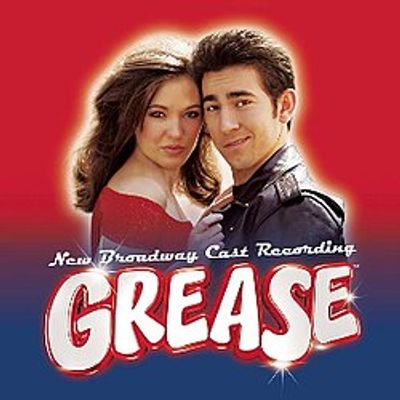
Brush Up Your Marshall because we have three time Tony Award winning director and choreographer, Kathleen Marshall, to discuss all things theatre, dance, and musical theatre history! From an actress in the chorus of the Pittsburgh Civic Light Opera to associate choreographer, from reality TV show judge to Artistic Director, Kathleen has held every job imaginable and is still raring to do more! Her Broadway credits include Kiss Me Kate, Wonderful Town, Grease, Nice Work If You Can Get It, and so many more! Kathleen pulls back the curtain on her career to discuss how she and her brother, Rob, fell in love with the business living in Pittsburgh, PA, what it was like to bring a contemporary lens to Golden Age musicals, and why her first Broadway visit involved strippers and animals chilling in a hotel room. Also, Kathleen shines the spotlight on Michael Blakemore, Hal Prince, Chita Rivera, Graciela Daniele, and Donna Murphy! Become a sponsor of Behind The Curtain and get early access to interviews, private playlists, and advance knowledge of future guests so you can ask the legends your own questions. Go to: http://bit.ly/2i7nWC4
Transcript
This transcript was automatically generated and might contain errors.
[0:00] Robert W. Schneider: Dear friends, we are so sorry about the ads. They are a nightmare in every way, but with your donations, we can get rid of ads someday. Beautiful Kevin.
[0:10] Kevin David Thomas: Thanks, Rob. Bach and Harnick are smiling so hard right now. Friends, yes, we are back with a new plea. Much like those adorable puppets from Avenue Q, we are asking for you to give us your money. For those of you who have headed over to Patreon to throw a little money our way, we thank you so much from the bottom of our hearts. Your contributions are the only budget we have for this show, and it provided us a new soundboard and better studio space. So a thank you.
[0:36] Robert W. Schneider: Thank you. And as you know, nothing is more fulfilling than talking to the legends of Broadway and hearing them share their thoughts, wisdom, and talents with all of us. However, it does cost money. And if you want to help us keep the show going, please head over to Patreon.com. That's P-A-T-R-E-O-N.com. Search for Behind the Curtain, and you can give as little as a dollar a month. And trust me, that dollar will help us more than you will ever know. Plus, for certain monetary donations, you will get to pick your favorite thing and have advanced knowledge of our future guests so you can ask the legends your own questions.
[1:09] Kevin David Thomas: Ooh. Or you can simply leave canned goods and an original cast recording of How Now Dow Jones outside our doors if you don't want to contribute on Patreon.com. Truth. So once again, please head over to Patreon.com. That's P-A-T-R-E-O-N.com to help us out. Thanks.
[1:24] Robert W. Schneider: Thank you. Hi, I'm Robert W. Schneider.
[1:27] Kevin David Thomas: And I'm Kevin David Thomas. And this is Behind the Curtain Broadway's Living Legends. Don't forget to follow us on Twitter at Broadway Curtain and make sure to join our Facebook page at Behind the Curtain Broadway's Living Legends. And follow us on Instagram at Broadway Curtain Podcast. Plus, you can always listen to our podcasts on Broadway World and Stitcher.
[1:43] Robert W. Schneider: From the snowy tundra of Madison, Wisconsin, to the heat of the Great White Way. Today's guest has had an incredible career. She has worn many hats, from dance captain to artistic director, actress to reality series judge. She and her brother give her parents enough knackers to make any family proud. Growing up in the world of Pittsburgh Civic Light Opera, today's guest realized early on that she was destined for the role of leader. She was the assistant choreographer to her brother on four shows before she catapulted to fame with her scintillating athletic and downright brilliant choreography for Kiss Me Kate. And like many great choreographers, came the passion to direct. And direct she did with such hits as Here we go, A Wonderful Town, Pajama Game, Anything Goes, Nice Work If You Can Get It in transit.
And the list goes on and on. To tell us what it was like to work with such legends as Michael Blakemore, Chita Rivera, Jack O'Brien, Gerald Gutierrez, and how she learned to speak fluent Pittsburghese, which is an art in its own self. Here to tell us a hundred easy ways to be successful in this business, is three-time Tony Award-winning director and choreographer, KATHLEEN MARSHALL.
[2:46] KATHLEEN MARSHALL: Wow, what an introduction. Thank you, Kevin. Thank you, Rob. That's amazing. First of all, I love that you know that I was actually born in Wisconsin because I grew up in Pittsburgh, but I was actually born in Wisconsin.
[2:56] Robert W. Schneider: Right. So why the move from Wisconsin to Pittsburgh?
[3:00] KATHLEEN MARSHALL: We um my parents grew up in Boston. My father went to graduate school at the University of Wisconsin, Madison, and he was getting his PhD in English literature. And my brother and sister Mar and Rob, who are twins two years older than me, and I were all born in Wisconsin. Then when I was two and they were four, my dad got a job at the University of Pittsburgh. So we all moved to Pittsburgh. So Pittsburgh's my hometown. But so that's where I grew up, but I was born in Wisconsin. So I wouldn't, you know, know Wisconsin if you blonde me down in the middle of it.
[3:30] Robert W. Schneider: But uh what was your dad studying and what did he do?
[3:32] KATHLEEN MARSHALL: He was he became an English professor at the University of Pittsburgh, and his specialty was medieval literature. Oh and then my mother also got her PhD at the University of Pittsburgh and became and also taught at the University of Pittsburgh, ran their elementary education graduate program. So yeah, I come from a from educators, right?
[3:49] Robert W. Schneider: Right, right. Did you ever want to be a teacher?
[3:52] KATHLEEN MARSHALL: You know, I think yeah, I mean, I think you know, growing up, and in a way that's what you are as a director and choreographer. You're sort of a teacher. So it sort of makes sense in some ways. And my parents were both great fans of the arts. They when they were dating in Boston, they saw the out-of-town tryouts of you know, Pajama Game and Flower Drum Song and tours of West Side Story. So they used to, so they arts was very much part of our life growing up, and Pittsburgh was a great town for that because they took us to see everything. They took us to see Shakespeare and Symphony and Ballet and opera and musicals and you know summer stock and and a great you know and sports events and museums. It was a really sort of great and medium-sized city to grow up in.
[4:35] Kevin David Thomas: That's fantastic. Yeah, and now you didn't get on stage though pretty late. You got on late, right?
[4:39] KATHLEEN MARSHALL: Yeah, we were fans really before we thought. I mean, we did sort of you know, shows around our living room and shows at school and elementary school. I didn't start taking dance until I was 12, almost 13 years old.
[4:51] Kevin David Thomas: Oh, okay.
[4:54] KATHLEEN MARSHALL: Yeah, I thought ballet was for like snooty little girls on Saturday mornings, and I didn't want any part of it. And it was around the sort of era of like, you know, Nadia Comaneci and all that, and I tried gymnastics and I was absolutely terrible. I couldn't, I could not do any acrobatics, but I could do the stuff between the acrobatics. It was like I could oh that was like, oh, I can do this part. So um so yeah, so then I asked for lessons, and there was a wonderful teacher in our neighborhood called Mario Melodia. Um was the actual name. And um, and the thing was that he had a ball, it was a combination like you took ballet and then tap. So I wasn't really interested in tap, but I took this ballet tap combo and within a couple years I was taking classes five days a week. It just sort of it's like people who you know sit down at a piano and go, oh, this is it. Yeah, right. Or kids who sit at the computer and go, oh, oh, I know how to do this. Um it just kind of fit.
[5:48] Kevin David Thomas: Yeah. And then what about actually going into musical theater? When did that bug hit you?
[5:53] KATHLEEN MARSHALL: That we had um an well, we but we had my parents were such fans, they had all the cast albums. Oh, so yeah. So yeah, yeah, they took us to see everything. We had all the cast albums so much so that when we'd be in the car driving and there'd be a song, um, we'd say, we'd ask my parents, what's it from? Oh and they'd say, Well, it's not from anything, it's just a song that somebody wrote it on the radio. We're like, well, but what what's it from? What's the story? Who who sings it and what? We thought all songs had to have a context. So um and then you know, elementary school and doing sort of shows and things like that, and then Pittsburgh Civic Light Opera you mentioned, which was uh wonderful, still you know, venerable institution um that does uh musicals every summer.
And start that at the time we were growing up, they were in Heinz Hall. They're now at the Benedum Center. And um when we were about excuse me, when I was 10, my brother and sister were 12, we saw in the paper, I think probably my my brother or sister saw that they were having auditions for The Sound of Music. And we wanted to go down and audition. And my parents said, Well, we'll take you down, but you know, you guys basically jump around the living room and do shows at school. You've never had lessons, you know, you're not, you know, they're gonna be professional kids down there. We'll take you down. So they dropped us off.
[7:06] KATHLEEN MARSHALL: At the stage, yeah. We like went and got, you know, the sheet music to Edelweiss, and we all like passed around the sheet music to Edelweiss, and we sang, and all three of us, we were three of the Von Trapp children.
[7:07] Kevin David Thomas: Classic parents.
[7:14] Kevin David Thomas: Oh, you guys got cast.
[7:16] KATHLEEN MARSHALL: We got three of us got cast. We were three of the Von Trapp children at CLO. And it was honestly that summer, it was um there was an amazing man named Milton Lyon who taught at Princeton for a long time. He's no longer with us. But he believe it or not, he was the director and the musical director. Oh wow. The director and musical director in one week summer stock. But what he did with the kids is that he took us, he he brought us in all summer. It was the last show of the summer, but he brought us in like a couple of days a week all summer long, so that we'd get comfortable and we'd learn the and we came being really good friends, and we'd hang out with each other. It was so smart. And when between our rehearsals, we'd go to the rehearsal room next door and watch the dancers rehearsing. And that was the first time I sort of saw that. And I was like, wow.
[8:01] Kevin David Thomas: Professional dancers, yeah.
[8:02] KATHLEEN MARSHALL: Yeah. And saw them at work. And I think that was really what started it. You know, was this curiosity.
[8:07] Kevin David Thomas: Yeah. How many summers were you at CLO?
[8:09] KATHLEEN MARSHALL: As a kid, I did a couple of summers because the next summer, believe it or not, it's very different time in the early 70s. I was a very politically incorrect in Ghana in South Pacific.
[8:20] Kevin David Thomas: Oh.
[8:21] KATHLEEN MARSHALL: With a black rinse in my hair, and uh, yeah, and uh good for what they called Texas dirt uh that all over me. Very yeah, would never happen now, thank God. Anyway, so um uh then when I was in college, um I came back to CLO and I danced in the ensemble all through college. It was my sort of summer job all through college. I got my equity card there.
[8:39] Kevin David Thomas: What are the benefits of doing summer stock?
[8:42] KATHLEEN MARSHALL: Oh boy, it is just like uh it's it's such an apprenticeship and such an education. And um, and I think you know, we would because the thing about it is that you're hired for the season. So you're hired to do in that time they did they produced six shows. So you're not necessarily right for every show. I mean, you know, I nobody would necessarily cast me in Fiddler on the Roof, but I you know, you get to do Fiddler on the Roof.
[9:03] Kevin David Thomas: Yeah.
[9:03] KATHLEEN MARSHALL: And um, and so the fact that you that you get to sort of do all these great classic musicals, and it was um Susan Shulman was the resident director, gave me my equity card, but then other directors came through, yeah, and and and teacher at Penn State University. And uh, and so not only and you got this sort of re uh roving uh company of principals who came in. So you got to see how everybody worked, and made different directors, different choreographers, designers, and and and it's all so sort of fast and furious. And it also was this kind of major education in the history of musical theater. And and you see shows we did shows that worked and shows that didn't work, and shows that had you know that were sort of uh still very sort of smart and sharp, and shows that felt a little bit dated, and and but it you sort of it it kind of just like a osmosis, you sort of just absorb all that.
[9:51] Kevin David Thomas: Right. Do you think you could recall what the greatest memory you took away from Summerstock was or the greatest lesson you learned there, or one that you still take with you to this day?
[9:59] KATHLEEN MARSHALL: Well, with Susan Shulman, it was her preparation. I mean, it was her preparation was unbelievable because you know, we were doing uh you're you know, you're you're they would bring the ensemble. There was like a ensemble I can't remember. We were like maybe ensemble of 24 in those days, like twelve dancers, twelve singers, and they'd bring us in like a week to ten days before the sh first show started, and we'd learn all the big numbers. So you're learning like you know, the dance at the gym in the morning, and you're learning the Bonnie Jean ballet in the afternoon, and you're learning I mean you're you know, you're sort of crazy. And then she would have because we'd mostly be with the choreographer staging numbers, right?
And then of course you have to be put into the scenes, and she would have like two hours one morning where the ensemble would come in, and she would be like, okay, you're gonna enter stage left and three, and you're carrying a broom, and you're entering stage two, you know, stage right and two, and you've got a crate. You're gonna cross over there, you're gonna sit on the crate, you're with the broom, you're gonna meet him, you're gonna come over there. I mean it was like it was unbelievable. And it was she was so prepared and she was so positive about it all. And so she never had she had no anxiety about it. So we didn't have anxiety about it. She was just calm. You said it was like a week right a week of speak to rehearsal. And one one one tech for you had a daylight day off. You had Monday off only till and then at seven seven to midnight on Monday nights tech. You did the tech.
[11:14] Kevin David Thomas: Yeah a lot of summer sock companies still work like this.
[11:15] KATHLEEN MARSHALL: And then Tuesday you had orchestra rehearsal in the afternoon and you open Tuesday night. And so just but just the sort of um so that was the the thing about about being positive and about being prepared. And that and that I sort of feel like that still uh still resonates for me and that I find that when I'm prepared I'm also the most flexible interesting person that if I know if I have a roadmap and I have a sense of where we want to go but something else happens in the room or somebody else has an idea I'm actually more flexible about it because I'm not nervous about where we're going.
[11:50] Kevin David Thomas: Oh we just you know and where was college for you?
[11:53] KATHLEEN MARSHALL: Uh I went to Smith College in Massachusetts and um I went it was a one it's a beautiful sort of liberal arts college um but I I know I wanted a liberal arts college more than a conservatory but I know I wanted to still study theater and dance. And one of the main reasons I went there is that a wonderful woman named Jemsy DeLapp was on the faculty there.
[12:10] Kevin David Thomas: Who was I love that you just that you even know who she is. She just passed away.
[12:14] KATHLEEN MARSHALL: Yeah she was on the top of our list of people to talk to this podcast and when we miss people like her, it totally bumps us out because she's so legend. Now we get to talk to you who knew her.
[12:23] KATHLEEN MARSHALL: I mean I mean Jemsy, you know, she because she touched on every aspect of of dance in the 20th century, basically. She she she danced with Fouquin, she danced with American Ballet Theater, she danced with Isadora Duncan's uh adopted daughter's company, Irma Duncan. She was one of Agnes DeMille's, she's most known as one of Agnes de Mill's foremost interpreters and and recreating uh Agnes DeMille's work. She was in the original Simon of Legree and King and I, she was in the original Paint Your Wagon. She was she was in the the London Company of Oklahoma, and she was in Carousel, she stages, you know, she staged Oklahoma and Carousel and Brigadoon around the world. So it was amazing is that while I was in college, I was getting my sort of liberal arts education, and then I'd go to tech for technique class with Jemsy.
And then we and she taught taught musical theater dance and she taught musical theater history, and we did we got permission. Miss Agnes Mill was a was still with us at the time, and we got permission to do the carousel ballet as a concert. So she taught me Louise, and I danced Louise in a dance concert at Smith College. And it was so that kind of you know, that kind of thing. We danced the Sophie, which she had which she had danced with Fouquin. So it was amazing, amazing uh to sort of have her, you know, passing down this information.
[13:32] KATHLEEN MARSHALL: From like the source itself. Amazing thing is when we did um Carousel, well, first of all, she she called Miss DeMille and asked permission to do it, and Miss DeMille said yes, but we had to all uh promise to never recreate it or teach it to anybody else.
[13:45] KATHLEEN MARSHALL: Oh wow. Um, and so, uh, when she was teaching me the Louise solo at the beginning, and um, the fascinating thing is with Jem Z, all she did, she just showed me the steps and she told me what she was thinking. She never said count, she never said a step, she didn't say PK one, she just danced, she just showed me the steps and told me her inner monologue as she was going.
[14:09] KATHLEEN MARSHALL: It was fascinating. It was really fascinating. Do you use elements of what she taught you in the way you choreographed today? Oh yeah. I mean, it's certain certainly in the way that, you know, the sort of specificity of movement and the reason behind movement and it doesn't always have to necessarily be plot. That was the interesting thing. It's not necessarily plot always. It's a it's a but it's emotion. And sometimes that emotion is just release or joy or or curiosity or whatever it is, but there's always an emotion behind it, which I think is moving just to move.
[14:39] Kevin David Thomas: Right, yeah. Right. So you finish up at school, and then what's the next step of your journey?
[14:45] KATHLEEN MARSHALL: Move to New York. Yeah, like to New York after college, with my good pal Rob Ashford, his partner at the time, and another friend of ours, believe it or not, for a month, the four of us lived in a studio apartment.
[14:58] Kevin David Thomas: What?
[14:58] KATHLEEN MARSHALL: Yeah. We lived on a studio apartment on the Upper West Side for a month. It was like a sublet. We all would, it was like the Walton theater, like all go to bed at the same time. Right. We'd all get up and go to find us young's ballet class in the Upper West Side. Okay. And then we were there for a month, and then we took over a friend's lease downtown, and we had a sort of two-bedroom apartment way downtown, like in the financial district for like a year, and we were roommates for about four or five years, I guess.
[15:23] Kevin David Thomas: Oh my gosh.
[15:24] KATHLEEN MARSHALL: Yeah. And all sort of just, you know, going to class, going to auditions, you know, so happy for each other when anybody got a job. You know, it's great.
[15:34] Kevin David Thomas: Yeah. And we always ask our guest, what was your go-to audition song?
[15:40] KATHLEEN MARSHALL: I had a couple. I would use "It's an Art."
[15:43] Kevin David Thomas: Oh, yeah.
[15:45] KATHLEEN MARSHALL: I think you're our first guest to say that. That's impressive. And I used "Look What Happened to Mabel."
[15:51] Kevin David Thomas: Oh.
[15:52] KATHLEEN MARSHALL: That's yeah, that was a big one. Um, what else did I use? Um, "Anyone Can Whistle?"
[16:00] Kevin David Thomas: Oh, nice.
[16:01] KATHLEEN MARSHALL: What more do I need? Those are the ones that, yeah. You had a buzzer out there.
[16:04] Kevin David Thomas: That's a good book.
[16:05] KATHLEEN MARSHALL: Today, that's a good book. Are you kidding me?
[16:07] Kevin David Thomas: Oh, wow, wow. Um, what was the first Broadway show you saw?
[16:12] KATHLEEN MARSHALL: Oh, that's a fun one. That was "Gypsy" with Angela Lansbury.
[16:15] Kevin David Thomas: Oh, good one.
[16:16] KATHLEEN MARSHALL: We were, I think my parents grew up in Boston. So we used to, every Christmas and every summer, we'd drive from Pittsburgh to Boston to visit the family and come back. And one Christmas, our present from my parents was to, on our way back, we were gonna stop and see a matinee of a Broadway show. So we didn't know nothing about nothing. We just were like, we didn't have tickets. We didn't know that like Christmas week is the busiest week in the theater season. So we're driving from Boston in our station wagon to New York with the New York Times, looking at the ABCs, trying to decide what show we want to see. Like we could just gonna walk up and get tickets. And of course, we wanted to see "Gypsy" because we had the album, and we knew Angela Lansbury because we had the "Mame" album and we'd seen "Bedknobs and Broomsticks," so we wanted to see that.
[16:58] KATHLEEN MARSHALL: So we pull up in front of the Winter Garden Theater in the station wagon with the dog in the car. I mean, it's like things so disappointed. Oh, it's oh, it's like a movie. It's ridiculous. And so my parents get out and we, I can yeah, and they go up to the Winter Garden box office. We'd like five tickets for tonight, please for the matinee. And the um they said, well, we don't have, we were sold out for the matinee, but we have five tickets for tonight, which I now realize were house seats because they were eighth row center.
[17:23] Kevin David Thomas: Oh, right.
[17:24] KATHLEEN MARSHALL: Released. So I remember my parents going to a corner of the lobby where the box office was at the Winter Garden to have a little discussion about it because of course the evening tickets were more expensive than the matinee tickets, and it meant having to stay overnight. Right. Which was, you know, really a big, big deal. Much more expensive, yeah. So, and of course, my parents being the softies that they were, came back and said, okay. So we got the five tickets for the evening performance. We stayed, I think, at what was the used to be the Taft Hotel, which is like across the street with the dog. I mean, it was the craziest thing wagon. I think we might have even had a guinea pig with us, I'm not sure.
But we had, um anyway, but I'll never forget sitting in that. I mean, to sit there in like the eighth row and have Angela Lansbury walk, you know, sing out Louise and walk down the aisle, like just right past us. It was just it was unbelievable. It was unbelievable.
[18:14] Kevin David Thomas: That's magical. So then now you're in New York, now you're pounding the pavement. What do you know now that you wish you had known then?
[18:22] KATHLEEN MARSHALL: Well, that's interesting. Um, I guess, you know, as a perfect and now being on the other side of things, you know, and when you go to auditions, and it's like you'd go to auditions that you were right for, that you weren't right for that you were hoping to get. And I realize now that it's so much, it's, you know, there are a lot of talented people out there, and it's about being the right fit for the right show. And also about, you know, a lot of times having a connection to the people putting the show together. And so it's not, you know, to sort of not how can you not take it personally, but you shouldn't take it personally, right? Because it's about you, but it's not about you. Because there's a lot of talented people out there, but you just may not be the right fit for the show, or by the time you get to that point, the creators may already have people in mind who they've worked with before.
And I, you know, and quite honestly, when you're in the room creating, having people in the room that you know and trust, and that you know they deliver and you know you get along with them, and you know you have the same sensibility, of course you're gonna end up having a sort of, you know, rotating rep of people that you like to work with. So I think that sense of sort of not, you know, not being discouraged about it, you know and sort of just knowing that it's not necessarily a comment on your talent or ability when you don't get cast in something.
[19:38] Kevin David Thomas: Now when you start to assist and you're not on stage at this point did you start to realize oh I actually feel like I belong more in this world.
[19:47] KATHLEEN MARSHALL: You know it's funny I was I was touring in "Cats" if you can believe it when my brother who had been performing but had was making the transition to sort of being a choreographer and director and I'd assisted him on some smaller things. He called and said he'd he had been asked Chris the Spider Man was out of town in Toronto and he and Graciela Daniele who he had been working with had were brought in to sort of because Tia Rivera wanted somebody else to come in and take a look at the choreography. And so they went up to Toronto for a few days and then Graciella wasn't able to continue but they asked Rob to continue with the show. So he called and said do you want to come to Toronto and with, you know, and work on me with this and I was like let me think Candrine Hebb, Hal Prince, Gita Rivera, Tanner Switch, yeah I think I'd like to do that.
And that ended up being a huge thing because we went to Toronto, London, Broadway, then there was a national tour and sort of other companies and um and a replacement London company and and so uh and then through that then I started because I'd been in some things that my brother had choreographed and then it got to the point where he said there were a couple of times when he said you could either you can't be in it and assist. You can't do both. And it's like I wanted to assist. And so that's it was sort of just really a fascinating thing. So that's and it wasn't until you know a couple years later I realized, oh, I guess I've stopped performing. Because it wasn't a sort of it wasn't like that's this is it, I'm done. You know, it was sort of like, oh, these are it was really through my brother that these other opportunities came up, and I sort of just kept rolling with it.
[21:19] Kevin David Thomas: Interesting. Now, what's it like working with your brother, collaborating with a family member?
[21:23] KATHLEEN MARSHALL: Oh, it's fantastic. Oh, really? Oh yeah. Oh, oh no. Oh, it's so much fun because first of all, you know, we know each other so well, we trust each other, we have so much of the same taste, you know, we have the same, we find the same things funny, we find the same things, you know, fun. Um, and so, um, but you know, when you're assisting, you also are aware that you can throw out ideas, but it's ultimately his decision as to what to do and how to and how to do it. But you can certainly, but you all I always felt free to sort of say anything and throw out any ideas, and it was always great fun. It was great fun.
[21:57] Kevin David Thomas: So, what does an assistant to the choreographer do? What are some of your job duties?
[22:03] KATHLEEN MARSHALL: Well, a lot of times, I mean, and it's interesting because I've sort of kept it as a day, which is that, you know, having my brother having me as an assistant means I would be doing the female stuff and he would be doing the male stuff in terms of partnering and things like that. And I mostly almost always have a male assistant because of the same thing. Sure. Because we can do partnering in a way we're creating it and demonstrating it and that kind of thing. Um, but it's also it's partly your idea to sort of, you know, whatever the choreographer throws out, you're demonstrating it back so that they can look and see if they like it. Um, you're throwing out ideas. Um, like I said, if you're sort of doing the female male thing, it's like, well, what if they did this?
Um, you're a sounding board, you're often sometimes doing your own research for them, coming on with ideas, you know, and sort of watching things together. But you know, I mean it's interesting because I think choreography really is an apprenticeship art. So the way that I mean, my brother assisted Graciela Daniele, she assisted Bob Fossey. Right. Bob Fossey was supervised on his first show by Jerome Robbins. I mean, so it's, you know, it's I'm sure a lot of those methods of how you work and how you create it are sort of passed down.
[23:07] Kevin David Thomas: Oh, yeah. If someone wants to assist a choreographer today, how do they begin that relationship? How do they begin that mentorship program?
[23:15] KATHLEEN MARSHALL: Um, you know, SDC, the Stage Directors and Choreographers Union, Society of Stage Directors and Choreographers, has a wonderful observership program. And almost every show I've done, I've had an observer. And you can, it's something you have to apply for, and there's a sort of annual enrollment period. But they try to match up emerging directors and choreographers with established directors and choreographers, and you get to sort of observe on their show. Dan Connectys was my observer on "Suzical."
[23:41] Kevin David Thomas: Oh wow.
[23:42] KATHLEEN MARSHALL: Yeah. So, you know, so it's like it all sort of comes full circle. Um, but I think it's also, you know, a lot of times it's just, um, I think observing, you know, how I mean being in the room and people watching how people work. I mean, when I think back at CLO, you know, the uh I would always the they'd have like the scripts of the musicals that we were doing sitting there, and I'd always read them and all of that, and I'd have other people in the ensemble coming up to me and saying, What's the show about? Because they knew I would have figured it out, you know. What are we doing in the scene? Who are we? Um and and sort of because I think it's just always that wanting to know, you know, what it's what what the whole story is about, but the whole exactly the bigger picture.
But I think that's the main thing, and making yourself available. I mean, I've had people who sort of have said, you know, I'd love to sort of, if you need if you're putting something together, you're doing prep or pre-production, can I come in and help and work? And I think that's the thing to do is just keep your eyes and ears open, you know.
[24:35] Kevin David Thomas: Yeah. Um when did you decide well let's actually I'm gonna take a step back. So with your brother, you also did "She Loves Me," you also did "Damn Yankees."
[24:44] KATHLEEN MARSHALL: Yankees, yeah.
[24:45] Kevin David Thomas: Um what's it like working in those different worlds? You enjoy that process. You enjoy doing all that stuff.
[24:52] KATHLEEN MARSHALL: Let me ask you, what's the difference between working at a non-for-profit and working at a for-profit institution?
[24:59] KATHLEEN MARSHALL: Well, the interesting thing, yeah, I mean the interesting thing is like "Kiss of the Spider Woman" was Garth Drabinsky, it was live end, right? And so Garth was there hands-on sort of all the time. And, you know, I mean, you're a little as the assistant choreographer, and it was sort of, you know, was my that was the first Broadway show that I worked on. So I wasn't really as aware of the business and how it sort of all worked and not and the financial pressures they're under for that. You're sort of just doing what you think you're supposed to be doing, you know, which is which is making creating the show and making it as good as you can. Um so I was sort of removed from that kind of pressure.
But you know, the commercial pressure to do things. I mean, I remember when, you know years later, I was doing my first Broadway show as a choreographer was "Swingin' on a Star," a little review that was lovely, didn't last all that long, but it was a lovely review. And it was opening, we were opening about the same time that "Victor Victoria" was opening. We actually opened in the same week that my brother choreographed. And I remember we literally we were both in tech and we ran into each other in Schubert Alley, like both carrying our yellow Lego pads with going over our notes and things. And we realized, oh, we're doing the same thing we've done, but it's just it's now on, you know, on 44th and 45th Street.
Higher stakes in higher stakes with a lot of money at stake. And you sort of feel like but you can't you kind of you have to think about that but not think about that, because you really just have to, it's the same thing whether you're putting on a show in, you know, in a community theater or a high school or on Broadway or wherever. You're just you've got to just work with the resources you have and put on the best show that you can, you know.
[26:31] KATHLEEN MARSHALL: Um, I think the difference with the Roundabout is that you're, you know, you're Todd Hames is sort of so supportive of artists and really just gives you kind of free reign. I mean, yeah, every, you know, everybody's working within a budget, and you ask for things and some things you get and some things you don't, and it's always a negotiation in terms of size of the cast, you know, budget for the set, number of weeks of rehearsal, you know, size of the orchestra, you know, new orchestrations, no existing orchestrations, all of that kind of stuff. It's all a negotiation. But I feel like that once you get the parameters set for some place of the Roundabout, they mostly let you kind of, um, kind of they trust their artists to sort of do what they want. But of course we all need feedback, you know, you all want sort of and you like feedback.
[27:14] Kevin David Thomas: Oh yeah.
[27:14] KATHLEEN MARSHALL: Oh yeah, I sort of feel like the best idea in the room should win. I mean, it's, you know, it's often hard not to get defensive when you get feedback, but um, but I still feel like my sense is that if um is that you should listen to other people's instinct as to what needs attention. What the solution is, sometimes the solutions suggested may not be what you want to do or maybe kind of a little nutty, right? But um, but you need to pay attention to what people are saying in terms of what needs attention. And if a lot of people are saying, you know, I just don't get that, or I just I don't understand that, or I'm I wish that were better, you need to sort of roll up your sleeves and go, okay, you know, how do we how do we fix that? What what need how can we fix that?
[27:57] Kevin David Thomas: How do you prioritize?
[28:00] KATHLEEN MARSHALL: That's a good question.
[28:01] KATHLEEN MARSHALL: I mean, a lot of times it's what you, you know, it's all about time and money, right? You have time and money to do. And I think, and you know, and as especially because you don't really know what you have until you're in front of an audience, right? And then you've got what, three, four weeks of previews before you freeze the show. And I sort of feel like it gets to a point with the company, you know, at a point you're creating, you're creating, you're working, you're changing, you're doing, and then there's a certain point where the paint starts to dry in a show. And now it's not just like, oh, let's move this around and let's play with that. Then it starts to get to the point where now you're sort of as opposed to still creating, now you're changing in a way, if that makes sense.
And there comes a point where it's like, yeah, we could change this to that, but I think that's, it's gonna be diminishing returns because they're getting comfortable with that. And I think that it's gonna be sort of apples and oranges, and it might be a little bit better, but it might, it also might disrupt the company in some way.
[28:57] KATHLEEN MARSHALL: Um, thing that my brother taught me that Graziella taught him was that when you're making changes, especially if you're making cuts, which let's face it, that's always a big part of this, making cuts, is to do several at once. So it's not just one person being having taken something taken away from them, you know, as if this is as if it's a punishment, you know. So it's like, okay, yes, we're gonna trim those lines from that scene and from that scene, and we're turning that dance a little bit, and we're cutting that, you know, so to sort of get everything kind of, you know, oh interesting. So it's not just everything at once. I had, I can't remember who told me this, but there was a wonderful, I was doing a Shakespeare play at the Old Globe a couple years ago, and somebody told me about a director who came in, it was a new play, and they were gonna be making some cuts and trims.
And he walked in and he poked at the newspaper and he said, oh, oh, there was a flood, and da-da-da-da-da, and oh, oh, look, there was a fire and so and so and so, and oh, so and so that country is in deep trouble with their economy, and blah blah blah. Read some of these headlines, and he put down on the viewers and said, okay, we're gonna make some cuts. So we're sort of like, let's put this in perspective.
[30:03] KATHLEEN MARSHALL: Exactly. That's genius. You're gonna lose, you're gonna lose five lines. But you know what? You still have a house. Exactly. And you're, you're, you're, you know, your city isn't flooded. So let's put this in perspective.
[30:13] Kevin David Thomas: Yeah, big picture.
[30:14] KATHLEEN MARSHALL: That's brilliant.
[30:14] Kevin David Thomas: Now, how does "Swinging on a Star" come into your world?
[30:17] KATHLEEN MARSHALL: That is, you know, it's really the crazy one degree of separation, right? Which is that, um, when we're doing "Kiss of the Spider Woman," John Kander and his partner, Albert, have a very good friend named Michael Leeds, who's a director. And Michael Leeds was putting together this review based on Johnny Burke's music and lyricist and based on his music. And, um, they had a choreographer that they lost their choreographer, and John Kander recommended me.
[30:45] KATHLEEN MARSHALL: Oh wow.
[30:46] KATHLEEN MARSHALL: Which was amazing. And that it makes me feel like, you know, we sort of have a saying which is that it's kind of, it's always for credit, you know, which is that you're never, you're always, everything is an opportunity, and you need to sort of always be ready. Because I was just the assistant choreographer at that point. I was not choreographing on my own. I wasn't creating on my own, but somehow whatever he saw in the room, John Kander recommended me. And we went to the George Street Playhouse first, and then we went to Goodspeed, Chester, and then we went to Goodspeed Opera House, and then it came into New York. And it was, um, a review that took us through sort of multiple, you know, eras and decades.
So I got to sort of do all of that. It was like the 20s, the 30s, the 40s, the 50s. We sort of went all through the era that Johnny Burke wrote. He wrote "Pennies from Heaven" and "Swinging on a Star" and "Here's That Rainy Day" and "Misty" and all these amazing songs.
[31:34] KATHLEEN MARSHALL: And, um, it was my first Broadway debut as a choreographer. I'd done several shows as an associate or an assistant, but not as a choreographer, and it lasted three months, but we got, I got a Drama Desk nomination, we got a Tony nomination for the show. It was kind of crazy. Um, and Michael McGraw was in it, and Kathy Fitzgerald and Louis Cleal and Eugene Fleming and all these and Denise Faye and this fabulous, fabulous cast.
[32:00] Kevin David Thomas: Were you nervous at all to be taking the reins?
[32:04] KATHLEEN MARSHALL: You know, it was because we had that journey, you know, because it was, we had three productions before we came to New York, so it wasn't just like, okay, here you go, you're at the, you know, Music Box Theater.
[32:14] Kevin David Thomas: Yeah.
[32:14] KATHLEEN MARSHALL: So in that way, we knew that we had a show that was making audiences happy, and we had, you know, made changes along the way and kept putting numbers coming in, numbers going out, different segments changing, and kept working on it. So, um, it's nervous to put yourself out there, you know, and have, um, and then have the sort of response and in the, you know, the New York Times and everything else. Um, but, uh, but it was, but I, we were proud of it because we'd been working on it for so long.
[32:44] Kevin David Thomas: I must ask you about "Ring Round the Moon."
[32:47] KATHLEEN MARSHALL: I, I, I know that it's, yeah, because, uh, Gerald Gutierrez is a name that comes up a lot, and we lost him way too soon. Um, what was it like being in a rehearsal room with somebody like him?
[32:58] KATHLEEN MARSHALL: Jerry was such a big personality and so passionate about theater and so opinionated about theater, um, and, uh, and had, you know, had definitely, you know, sort of big thoughts about everything. Um, but he was very, he was sort of a force of nature, and he was, um, I worked with him a couple of times, because I, um, I came in on, um, uncredited on "Once Upon a Mattress" and came in and did a little work on that with Sarah Jessica Parker, and then he asked me to choreograph "Ring Round the Moon," which is a play, but has movement in it and has this kind of tango because of comic tango.
[33:35] KATHLEEN MARSHALL: And you know, he had very high standards, is very, um, and and wasn't afraid to sort of voice his opinions in the actors. And I think even during "Ring Round the Moon," I think one of the actresses was replaced along the way. So, you know, he, so he was, he could, you know, have, uh, be very sort of fiery in some ways. But he was so passionate and so, um, curious and sort of really delving into the sort of, uh, meat of a play and not afraid to sort of be, um, confrontational about that, you know, about, uh, with everybody with his design team, with his creative team, with his actors, just sort of say, I, I don't understand that, I don't get that. Why are you doing that? You know, and, um, that's not, and that's not enough, and that's not, you know, uh, well we need to, we need to take that further.
[34:24] KATHLEEN MARSHALL: And, um, and he was amazing. I mean he was also, I think for some people that worked well, that sort of, um, confrontational style for other people not necessarily, but, um, but I think that, you know, when you see what the work that he created plays and musicals, you know, he was, um, and, uh, he was, he had a wonderful tradition, which was that on the night that most of the critics were coming to see the show, he took his creative, we would say we'd be backstage and say hello to the cast, and they would take us out to dinner, took us out to Frankie and I remember for, I think it was like Frankie and Johnny Steakhouse or something like that. And we just go and sort of, you know, because it was a sense was we're doing this for the people, and you know, hope, you know, the critics will say what they say, but we're doing it for the audiences, you know.
[35:12] Kevin David Thomas: And that's something I think you take with you still, right? You said that the first ten minutes of a show or the first five minutes is a compact with the audience. Is that correct?
[35:20] KATHLEEN MARSHALL: Expand on that a little bit.
[35:21] KATHLEEN MARSHALL: Well, and it's something that sort of George Abbott said too, which is that you've got sort of five or ten minutes to establish the style of your show. And now you can, you can, you can change that if you want to, but you have to be conscious of that if you want to sort of pull out the rug from underneath them, which is that we're gonna do this as a fourth wall play, and then halfway through I'm gonna turn it around and do direct address to the audience. And I mean that's in the writing as well, right? But, but it's that sense of we're gonna sort of, and, and I think that's true, and, and audiences know that instinctively. You know, if you walk into a theater and it's a bare stage with four chairs on it and crown molding, you're like, okay, yeah, this is what it's gonna be, right?
This is gonna be a play with, you know, people come on and off stage and move the four chairs around, and now we're in a bus and now we're in a dining room, and now we're whatever. And if you come in and there's a house curtain and there's an overture and the house curtain goes up and we all applaud a beautiful set, it's like okay, this is, that's what this show's gonna be, you know.
[36:15] Kevin David Thomas: What's the most challenging compact that you ever had to make with an audience?
[36:19] KATHLEEN MARSHALL: Oh, that's an interesting question. Um, I think "In Transit" was really because doing an a cappella musical, which, um, you know, people sort of really don't know what that is. And, and it's one of the reasons why we, we asked the, um, the authors, the four authors to do a pre-show announcement because you know we wanted to, uh, people to understand that every sound in the show was made by the human voice.
[36:43] KATHLEEN MARSHALL: Right. Even things that were that were pre-recorded, like a, an announcement or a sound effect of like a subway coming to a stop or a phone ringing or whatever. It was all human voice. Nothing was, uh, artificial or instrumentational. So we actually had them write a pre-show announcement, which was hilarious, but it let everybody know that every sound was made by the human voice because a lot of times they weren't on stage and you'd forget at a certain time because we had vocal percussion and bass and everything, and they'd be off stage, uh, singing backup while maybe there was only one or two people on stage. So it was, you know, the challenge of saying you to understand the, uh, I mean hopefully they're involved in the show and the story and the characters, but just the virtuosity of what these actors are doing in front of them live.
[37:33] Kevin David Thomas: The rules of the play, yeah, yeah, yeah.
[37:35] KATHLEEN MARSHALL: Yeah.
[37:35] Kevin David Thomas: That's, that's a good one.
[37:36] KATHLEEN MARSHALL: And it was great in "In Transit." I thought it was, yeah, it set it up so, so nicely.
[37:40] Kevin David Thomas: Um, that must be, we're gonna talk about "In Transit" a little bit later on. I'm gonna, I'm gonna save those questions. How does Encores come into your world?
[37:49] KATHLEEN MARSHALL: That was, um, through, um, Charlie Repli, director. It was the second year of Encores, and I hadn't even seen any of the first year shows. It was the second season, and Charlie Reppley had seen "Swinging on a Star" at Goodspeed, and he had directed a lot of Goodspeed and knew the folks there, and um, so asked me to come and choreograph "Call Me Madam" for him at Encores, which was the first show of the second season, and Tyne Daly was starring in it.
[38:20] KATHLEEN MARSHALL: And, um, we, um, at that point it was Encores was sort of much simpler than it. I mean, it really was people wearing their own black cocktail dresses and carrying scripts and maybe staging one number was the idea. Although, you know, there were a couple of things we sort of, and there was a singing ensemble, and we had a, uh, a, we had six dancers. And there was a song at the second in the beginning of the second act called "Something to Dance About." Drum Robbins had choreographed the original. And they were out of town with "Call Me Madam," and they had a su opening second act number that nobody really liked. And Jerome Robbins said, I need a new opening act and, uh, number for the second act, and asked Irving Berlin to write a song, and Irving Lid said, well, what do you want me to write? And Jerome Robbins said, I don't know, give me something to dance about.
[39:03] KATHLEEN MARSHALL: And so Irving Berlin wrote a song called "Something to Dance About." And it was this classic.
[39:09] Kevin David Thomas: Yeah.
[39:09] KATHLEEN MARSHALL: It was this classic thing where the, um, Tyne Daly's character, Sally, the ambassador to, I can't remember the name of the fictional country.
[39:18] Kevin David Thomas: Um, or was it a fictional country?
[39:21] KATHLEEN MARSHALL: Yeah, it was like Liechtenstein or something like that.
[39:23] Kevin David Thomas: Lichtenberg, yeah.
[39:24] KATHLEEN MARSHALL: So Sally is, you know, that she's sort of having a party and she sort of sings the song, and then there was this incredible dance arrangement. Talk about following somebody else's roadmap that Jerome Robbins had created that had, and this was like, oh God, what year was "Call Me Madam" again, the le, the somebody screaming out.
[39:40] Kevin David Thomas: 1950?
[39:42] KATHLEEN MARSHALL: I think, yeah, 55.
[39:43] KATHLEEN MARSHALL: So, uh, and, um, so but it, we had this incredible dance arrangement that took you through, there was a blues section, there was a sort of Latin section that basically, uh, was a preamble to dance at the gym, it was sort of laugh fast Latin mambo section. There was, um, a sort of, uh, swing section, there were all these different sections of music, and so I just sort of followed the roadmap, and what it allowed me to do was sort of show off all these different styles of dance, you know.
[40:10] KATHLEEN MARSHALL: And, um, and I had this great, it was like Michael Baris and Marianne Lamb and Joanne Hunter and Darren Lee, I think, and I can't, anyway. I can't had this incredible sextet of dancers and Angela Ferboni and Amy, yeah, Amy Higgins. I can't remember. Anyway, I had this amazing group of dancers.
[40:29] KATHLEEN MARSHALL: And, um, and I didn't know that it was like, you know, it was Encores, and who knew what it was. And who knew that the sort of world saw it, you know, because they, and I think it was also Tyne Daly, it brought a lot of attention to that short show in that production. And so that was my, that was my New York debut as a choreographer.
[40:45] Kevin David Thomas: Oh, which was great.
[40:48] KATHLEEN MARSHALL: And then I did, uh, another show the next season, and then at the, at the end of the "Call Me Madam" season was "Chicago," Walter Bobby. And so after the next, he actually did one more season and then decided to step down. And I, to my great surprise, Judith Dakin, who's the, was the executive director of City Center and Rob Fisher, the musical director, asked me to take over, which was a shock.
[41:09] KATHLEEN MARSHALL: And, um, and I did four seasons of, of, uh, as the artistic director at City Center.
[41:14] Kevin David Thomas: Which is, that's a go, that's a whole new hat to throw on.
[41:17] KATHLEEN MARSHALL: And what was that like?
[41:18] Kevin David Thomas: How do you think that's a good one?
[41:18] KATHLEEN MARSHALL: I remember calling my, I can't remember calling my brother and saying, I have this opportunity and I, I just, I, I, I'd never even, it wasn't a path that I was even sort of exploring. And, or, and he said, well, I said, what should I do? And he said, well, if that's ever th something you thought you might want to do, you should do this.
[41:32] KATHLEEN MARSHALL: Right. Um, because it also, you know, wasn't it, it allowed me to do other projects but because it wasn't sort of, it was year-round but necessarily full time. Right. And I did four seasons, which I absolutely loved, but it got to the point where I was having a lot of outside projects and I thought other things that were happening, and I thought that's not fair to either side. It's not fair to City Center or Encores for me to do these projects and be have my focus split, and it's not fair to the other projects for me to have my focus, you know, to not be give them my full-time attention.
[42:01] KATHLEEN MARSHALL: So um so I ended up sort of just doing four seasons, but uh but I loved it. I loved it. It was really fun. Was there a show that you wish you were able to do in your time there that you couldn't get on that you're like, oh start it. You know, we've um there's some shows that there were always shows that we were sort of trying to do that um that we couldn't get the rights to couldn't get the rights to because somebody was holding the first class rights and didn't want to have it done and that kind of thing and and a show that I'd still love to see done at um at Encores is Mac and Mabel. Oh yeah. You know and it's but it's always the the sort of you know do you do it as it is do you fix it do you not fix it do you you know and and then and the estates that are involved it's it's always complicated.
[42:40] Kevin David Thomas: Were you fixing any of the ones that you had?
[42:43] KATHLEEN MARSHALL: Well we we would do we would do a lot of sort of um you know rewriting I mean not rewriting but editing and um and mostly we always talked about the cringe worthy thing. It's like I was talking about like in pajama game like the sort of Mary Lech it's like ha ha ha in 1950 and not so funny you know in our contemporary life. So there are things most of the time it was editing down. We are our our sort of mantra was always two pages in a song, two pages in a song. You know like get get to get to the get to the songs.
[43:10] KATHLEEN MARSHALL: But there were things that were well here's a we we babes in arms was the first thing I directed for Encores and I was artistic director that season too and we did um it was Rogers and Heart um and the show was a very progressive show. The original one it's not the one that's done in summer stock and all of that the original show in the 1930s was um these kids were putting on a show and the Nicholas brothers were in it as as kids and Val, the hero Valentine is in my funny Valentine Val wanted the kids to be sort of in found these kids and wanted them to be in the show.
[43:44] KATHLEEN MARSHALL: And there was a sort of um bigoted character who was the sort of rich boy who's financing the show and he said I'm not gonna finance the show if those boys are in it and the hero Val punches him. Nice and then they've got to put on the show without their rich financer, you know, and they gotta figure out a way to do it on their own. So the show was actually progressive and had this, sort of that was the theme of it. But the Nicholas Brothers had a song in the first act. Do you know this one?
[44:08] Kevin David Thomas: No.
[44:09] KATHLEEN MARSHALL: Called All Dark People Is Light on Their Feet. And I mean, this is in a progressive, this is a progressive show written by you know progressive writers, supposedly, but it's the 1930s. Right. And that was sort of seen as okay. So I looked at this and I was like, so what we ended up doing was um the verse had didn't have anything that was sort of cringe-worthy in the lyrics. So the the the young boys that we had played the Nicholas Brothers, who were fantastic, um, uh sang the verse and danced the chorus. We just used we just found the dance, and we just never and we called it, I think, I think we called it light on their feet. Nice. Is it was what we sort of said in the in the and we thought, you know what, there's just there's there's his there's history, and then there's we don't wanna you know go there.
[44:58] Kevin David Thomas: History.
[44:58] KATHLEEN MARSHALL: Yeah, and you'll lose the audience.
[45:00] KATHLEEN MARSHALL: Yeah, just we all we always talked about those things that were cringeworthy, and if it's cringe worthy and it's gonna take you out of it and make you uncomfortable, then let's find a way to circumvent it.
[45:09] Kevin David Thomas: Yeah, and for just for our listeners, RH licenses both babes in arms.
[45:14] KATHLEEN MARSHALL: Oh, really?
[45:14] Kevin David Thomas: Yeah, but do I love that you know this?
[45:16] KATHLEEN MARSHALL: Yeah, but do do do KATHLEEN's. Because that's the one they license.
[45:20] Kevin David Thomas: The one where they're all in a community theater like a summer style, it's not so good.
[45:23] KATHLEEN MARSHALL: This one is much better.
[45:25] Kevin David Thomas: All right, I think it's time.
[45:26] KATHLEEN MARSHALL: Kiss me Kate.
[45:28] Kevin David Thomas: Oh.
[45:29] KATHLEEN MARSHALL: Okay.
[45:29] Kevin David Thomas: Here it comes.
[45:30] Kevin David Thomas: So tell us how does Kiss Me Kate happen?
[45:34] KATHLEEN MARSHALL: Kiss Me Kate. Well, I was very lucky that um I'd worked with Paul Geminiani on um Revival of Wonderful Legendary Musical Director on the Revival of 1776, and I think it was really through his recommendation and other people that I was recommended to do Kiss Me Kate, the revival directed by Michael Blake Moore. And Paul Geminiani and produced by Roger Berlin and Roger Horchow. And it was amazing. It was sort of, you know, it was one of those the collaboration with Michael Blake Moore was amazing. The designers were fantastic. It was my first time working with Marty Pacoladinus, my dear dear friend. Great designer. And Robin Wagner and Peter Kasarowski. And we had this sort of amazing team.
[46:12] KATHLEEN MARSHALL: And then the cast came together in this kind of dream way with Brian Stokes Mitchell and Marin Maisie and Amy Spanger and Michael Barress and Michael Mohern and uh Lee Wilcoff. I mean, this is an amazing company. Um it was just it was so much fun to do because it's about our world.
[46:29] KATHLEEN MARSHALL: Yeah and it was about what we do. And so that sense of like treating it like a new show, but then also going back and sort of thinking, well, what is what is it like to do a show out of town? What is what happens at intermission? What happens at, you know, so I remember like when we, you know, well, the the original show starts with a scene and then ends this first scene ends with another opening another show. And of course, you know, when they're when they're originally doing Kiss Me Kate in the 1940s, they don't know another opening and another show is gonna become another open.
[46:58] KATHLEEN MARSHALL: They don't know it's gonna become this anthem, right? They're just writing a song, you know. It's like there's no business like show business. He's just writing a song, he doesn't know what's gonna become an anthem. So I was like, well, how can you do Kiss Me Kate and not have the first words you hear be another opening, another show? So we just flipped all that and we opened with the song and found a way within the opening number to meet most of the characters except for Brian Stokes Mitchell, who then made his entrance at the end of the song.
[47:22] Kevin David Thomas: Now, was this your idea? Was this Michael's idea? Was this a collaboration between the two of you?
[47:27] KATHLEEN MARSHALL: It was I it was a collaboration, I think. I mean, it was it was because there's also uh John Gware was involved in working on the script with us. And so it was sort of a collaboration, but then the idea that we would sort of how it would build and and the fact that it started with um just stage hands on stage that you f you didn't even sure if they were actors or not, you know. Uh, you know, a guy coming coming out and sweeping up and taking off the the work light off and that kind of thing.
[47:53] KATHLEEN MARSHALL: So it was really the sort of sense of like what happens when you first walk into a theater and how it gradually wakes up and comes to life. Um and um so that kind of thing was fun. And then Too Darn Hot was a blast because it was like, well, what happens at Intermission? And I always love when you're backstage at intermission and there are people half in and out of their costumes, and people like you know, uh I was thinking of when I was on the road with cats and you'd see people like in their cats makeup and wig, but with the bathrobe on, smoking a cigarette on the phone, right?
[48:21] KATHLEEN MARSHALL: So, you know, or reading a magazine or like whatever. So that sense of of you know how you're half in and out and um and how some people are sort of energized intermission, and people saw other people sort of chill, and and it's and the in that day they didn't have air conditioning in the theater, so everybody would hang out in the back alley at intermission, the musicians, the the wardrobe people, the stage hands, the cast.
[48:43] KATHLEEN MARSHALL: And then sort of the idea that the fun about it was the collaboration because we all sort of got in on board with this, which is like what happens on stage and backstage in a theater. And I remember with Marty Pacolodinas, he was like, Well, you know, at Intermission, like nobody takes their boots off because they take too long to get on and off, right? But you take the doublet off because it's too hot.
[49:01] KATHLEEN MARSHALL: And so the girls, so we sort of designed it so they all had kind of sexy underwear on, but they were, you know, as if but because they took off their heavy, you know, period costume, you know, at intermission, but they kept their wig on and they kept their boots on because that takes too long to get on and off. You know, it's like so it's like it's it's what really happens, you know, backstage, which was and the other thing that happens, and I was thinking, you know, like when you're in tech, and when you're in tech rehearsal and you're on stage and you're you've stopped for lighting, and the cast is up there, and they're sort of just you know interacting with each other, and invariably somebody will start to, especially if people have done a show together at some point, they'll start to remember some choreography or some staging that they did.
[49:35] KATHLEEN MARSHALL: And so you're just standing in tech, and all of a sudden two people over there are sort of trying to remember uh choreography. So we had a section of two like that, with like two girls. We sort of imagine that they were show, you know, veterans who'd been in shows together, and they pull each other up and they're trying to remember the choreography. Now nobody knows that who watches the Too Darn Hot, but they knew that. You know, they knew that that's their history, and that they're you know, trying to remember some show, oh, two shows ago, what was that step we did, you know?
[50:02] Kevin David Thomas: And what's it like being in the room with Michael Blake Moore?
[50:05] KATHLEEN MARSHALL: Amazing. He's so amazing. And he was, you know, just to see him uh uh first of all, his his his intellectual, you know, uh passion um for the show and for Shakespeare, and to balance the sort of on stage characters and the offstage characters and the the the sort of the world of 1940s and then the Shakespeare to see him direct the Shakespeare was sort of amazing, and and his sense of comedy and his sense of farce and his timing um was amazing.
[50:33] KATHLEEN MARSHALL: And he was so invaluable to me because he was, you know, we'd uh we we passed the ball back and forth so many times, and and I you know, I'd so he'd I'd sort of say, I kind of want to start this number this way. Can you can you lead the scene to that, you know, physically? Or also, I'm I think the number's gonna finish there. Is that okay with you? Can you pick up the scene from there? And and then when we'd show him things, um, he was so great, and it was a great lesson to me too. He'd, you know, because we'd work on some numbers, and he'd say, you know, yeah, I I don't really know much about choreography and dance, and you can just tell me to shut up.
[51:04] KATHLEEN MARSHALL: But it occurs to me that you know, the cool porter lyrics are so specific and so illustrative that maybe you don't maybe you don't need to do as much. And I was like, oh interesting. Yeah, right. You know, because the lyrics are so specific, and a lot of those wonderful cold porter list songs, with sort of, you know, that you don't need to sort of illustrate every one or have a gesture for everyone. I was like, oh yeah, let the words let trust the words, trust that the and trust that the that these you know very smart lyrics, you know, told in a sort of direct way is enough.
[51:36] Kevin David Thomas: Yeah, you know.
[51:37] KATHLEEN MARSHALL: How did you create the choreography for Michael Barress in that that you know what number I'm talking about?
[51:43] KATHLEEN MARSHALL: Bianca. It's I mean, because that's not something you can do in pre-production. I mean, unless you get the three levels of listeners, watch the YouTube post it. It's three levels of acrobatic. The backstage the backstage set had three three tiers to it, like it like sort of, you know, with the sort of uh uh as if it's a dressing room was with these sort of uh balconies or walkways or railings.
[52:03] KATHLEEN MARSHALL: And I had the idea because my whole inspiration for Michael was Gene Kelly, because he is Gene Kelly. So all of his choreography throughout the the show was sort of based on Gene Kelly's athleticism and his kind of joy and his sort of openness. And the whole thing in Bianca is that he's he's he's trying to win her back, and he's sort of declaring his love for Bianca, who's Lois Lane is his girlfriend, plays Bianca.
[52:27] KATHLEEN MARSHALL: And um, and we had this sort of wonderful set, and I remember Robin Wagner's whole sort of concept is that the backstage stuff is real, you know, it's brick and it's metal and it's staircases and it's real, and the on-stage stuff is flimsy. It's it's it's painted flats and drops that wobble and all of that kind of stuff.
[52:43] KATHLEEN MARSHALL: So it's but the backstage stuff is real and solid. So I had this idea, and I don't know if Bianca's ever sort of appeared in the number before, but that he's showing off for her. And I thought of um uh of Jean Kelly and the pirate and that wonderful scene when J Judy Garland's on the balcony and he does this wonderful thing, climbs up to her and swings across the rope and and takes her in his arms at the end.
[53:05] KATHLEEN MARSHALL: And I was like, that's what I wanted Bianca to be, is that he's showing off for her and you know, and doing all of these sort of um a acrobatic things. And so we sort of, you know, we were kind of we Michael Bress and I were sort of looking at the set and kind of and and had them sort of insert like there because he did a sort of flip off of a bar, so we had to insert a bar somewhere, and we had to do, and I said I wanted this thing where he climbs up the outside of the balcony to her, and we were figuring out how we could do this.
[53:31] KATHLEEN MARSHALL: And of course, we couldn't really do it till we did it on the set, but we knew that on the set that it was all gonna be solid and climbable. And I remember in in rehearsal at 890, and we would be doing put togethers and run throughs, and everybody's number was hey, yay, we're all everybody cheers each other, right?
[53:46] KATHLEEN MARSHALL: Yeah, yeah, yay. And then we'd get to the end of Bianca, and we just had this music going, so we didn't know how much we would need. And Michael would just sort of look at me and like raise his hands and shrug his shoulders, and like and he was so sort of you know depressed because everybody else's number was ending ta-da, and he's like, uh, you know, and his number is like they were like, you know, eight, ten bars of music with nothing happening.
[54:05] KATHLEEN MARSHALL: I was like, I we'll figure it out, Michael, we'll figure it out. And he did more than I ever imagined. I mean, I thought it was gonna be sort of just a straight climb. And then he figured, oh my god, if you if you can watch this, I mean, he turns upside down one point and lets his hands go and flips around. Uh it was actually a str it what he did was beyond, beyond what I ever thought he could do.
[54:22] KATHLEEN MARSHALL: And the crazy thing is is equity came in, of course, and had an issue with it. So um, and but uh I I said he created this, he did this. This was his his going upside down and releasing his hands and doing all this kind of stuff and swinging around. This was he was like a kid in a jungle gym and he figured this out, and he was sort of amazing because what he equity came in, we actually had a rehearsal in the afternoon.
[54:48] KATHLEEN MARSHALL: He did it in slow motion, and he did it in reverse slow motion. He went up in slow motion, he came down in slow motion to show them how secure he was and how in control of it he was. And then we promised that I said, look, there are a handful of people who can who have the athleticism to do this, and we had, of course, a complete alternative for understudies and other people, but there were a couple of other people who played the part who did something similar because they could, but it was never a prerequisite for the part, right?
[55:18] KATHLEEN MARSHALL: Like you had you if you can't do this, you can't play this part. But um, but he was amazing in the way, and and once equity did that, they were like, Okay.
[55:26] Kevin David Thomas: It's yours.
[55:27] KATHLEEN MARSHALL: Yeah.
[55:28] Kevin David Thomas: Did you guys know in the rehearsal room that it was gonna be this huge hit?
[55:32] KATHLEEN MARSHALL: No, no, no idea. I mean, I think you know, we knew it was fun. I think we knew that it was um that the sort of performances were kind of amazing, because they were. Um, and I think the fact, and it's another thing that Michael Blakeboard taught me, and I sort of think I I hope that I carry this with me, is to treat your comedy seriously. Um, because even though it's a farce and you know, it's a door slamming farce, and and you know, you know, people, you know, physical farce, is that it was always treated seriously, and that these that the farce, like any good farce, comes from real people with real problems and and real um and real danger and real need and real want and and out of desperation.
[56:15] KATHLEEN MARSHALL: And so you know, everybody's sort of desperate, and these gangsters and they need their money, and they need that he needs a show to go on, and she, you know, and she and she's furious at him. And so the emotions are real, and I think that that is what carried that a lot. And I sort of try to take that with me that to treat your comedy seriously, and that it will work is the you know, the act for the actors, the problems, the dilemmas have to be real and serious, even if the behavior for those problems turns out to be humorous or farcical.
[56:48] Kevin David Thomas: And I think this is a really great time to now talk about how you transition into the world of directing.
[56:52] KATHLEEN MARSHALL: Yeah, uh and let's talk about Wonderful Town. So whose idea was it to do a revival of Wonderful Town?
[56:59] KATHLEEN MARSHALL: We did it at Encores first when I was artistic director. So I chose the show and hired myself.
[57:05] Kevin David Thomas: Was that the first show you directed?
[57:07] KATHLEEN MARSHALL: First one I drew the first one I directed at Encores was Bays and Arms.
[57:10] Kevin David Thomas: Oh, right, okay.
[57:11] KATHLEEN MARSHALL: And then um, and I did had done Saturday Night at Second Stage, and I did a couple other shows. I think no, maybe I think Wonderful Town might have been the second one I did for Encores.
[57:24] Kevin David Thomas: Okay.
[57:24] KATHLEEN MARSHALL: Um trying to think, and then um, but uh what happened? We you know, it was one of those shows we sort of Rob Fisher and I both loved it, and you know, the original orchestrations are so incredible, and Leonard Bernstein and the amazing thing, of course, is that we were talking about dance music and David Chase is a wonderful dance arranger, but you know, Leonard Bernstein wrote his own compositions. I don't know if he did it, he didn't necessarily do his own orchestrations, but those, you know, that Village Vortex and Conquering New York and all of those are his own compositions. It wasn't like he passed it off to Trudy Ritman or another dance arranger. So that was, you know, his arrangements are so beautiful, and we just knew we wanted it to be a sort of celebration of New York.
[58:06] Kevin David Thomas: Yeah.
[58:07] KATHLEEN MARSHALL: And so Donna Murphy is not usually known as or at this time she wasn't known as a comedian. Here's the thing. I knew her as a comedian because she was in the ensemble of The Mystery of Edwin Drood with my brother back in 1985 when she understudied. He was the dance captain, the assistant choreographer, she understudied Betty Buckley. So I'd seen her go on as Drood, and I'd seen her do sort of um there was some off-Broadway um review that she did at like the triad, what we used to be the triad. Anyway, so I knew her as a comic actress because this was before Passion, before The King and I. And so people thought, uh, you know, it's so funny. When she did Passion, people were like, Oh, but she's that funny musical theater gal, Song of Singapore, right? And now, and then she does Passion and The King and I, and everybody thinks she's the serious dramatic musical theater actress. And I was like, no, no, no, no, no, did you did you not see it? Musical comedy, yeah.
[59:00] Kevin David Thomas: Yeah, musical comedy.
[59:01] KATHLEEN MARSHALL: So um, so you know, we knew that she had it in her to sort of, you know, to do this. And again, she takes her comedy seriously. And so, and uh, and she was amazing. She was just amazing.
[59:12] Kevin David Thomas: Yeah, she's pretty incredible.
[59:14] KATHLEEN MARSHALL: Uh, did you have any idea that this was gonna transfer?
[59:17] KATHLEEN MARSHALL: No, no, no. I mean, and it's funny because at that point, you know, when I took over artistic director at City Center, there was a little bit, because it was right after Chicago, right after Chicago had transferred, and then there was this kind of sense like, oh, Encores is every show they do is a sort of mini out-of-town tryout and trying to get to Broadway. And we actually, it took a while, because some of the reviews that we got were like the show's great, but don't transfer it. And it's like, who said anything about transferring it? We're not transferring it. Whoa, whoa, whoa, whoa. Don't don't judge us at that level because that's not what this is. That was a wonderful, you know, special and unusual circumstance that Chicago moved and is still running.
And yes, there are several other Encore shows that have moved, but that's not the main intention. The main intention is to explore things that probably aren't gonna get a commercial Broadway revival. So um so it was a really nice surprise when it sort of got the attention that it did. And it took us a little bit to sort of pull it all together.
[1:00:11] Kevin David Thomas: And then um outside of Encore, let's say something like Nice Work If You Can Get It, or Grease, what's the first day of rehearsal like for you?
[1:00:18] KATHLEEN MARSHALL: Oh, the first day of rehearsal is always fun. It's always a little nerve wracking, but fun. Because I like to sort of, you know, usually you've got the whole cast and team there, but also your producers, your marketing people, your PR people, everybody. And you know, we do a big meet and greet, because I also think it's important what you're talking about about the number of professions available to people in theater. And it's also important for the you know, the actors and the people in a show to realize how many people are working on this show with them. So it's like here's your marketing department, here's your costume department, here's here are the people from the costume shop that are building the costumes. Here's you know, so the whole giant circle of the hundred people involved, and everybody goes around and says who they are.
[1:00:58] KATHLEEN MARSHALL: Um and then the fun thing is to sort of do a big I love to do a sort of big design presentation, you know, set model, costume sketches, but also talking about the style of the show. Because I think it's a very important I always say that a part of your job as a director, I think is to state the obvious and to make sure that everybody's on the same page and to not assume anything. So it's like, okay, does that uh do everybody understand the style of the show that we're doing and the manner in which we're going to do it? Because you sort of, you know, some people approach things sort of differently, and you sort of feel like we I have to make sure that we're all sort of I mean it sounds crazy, but it's like we're all new we're doing a comedy. Is everybody know we're doing a comedy?
[1:01:34] Kevin David Thomas: Do you say this right at the beginning?
[1:01:35] KATHLEEN MARSHALL: Like we are doing a screwball comedy, yeah. And and and talk about, but also talk about, you know, I remember talking about and Anything Goes, sort of talking about the thing I was just talking about about it being a farce and the sense of danger and how that important that is, and how how how desperate, I mean it Anything Goes is like a farce because a farce usually takes this group of people and puts them in one location over a compressed period of time, and there's mistaken identity and disguise and you know and misinformation, and so that's what Anything Goes is, and it's on it's you know, it's on a boat, and I always would say you're on a boat, you're heading, and so the if you've if anybody's ever spent time on a ship with a cruise ship or a crossing or something like that, the motor, you know, you can all you're always aware of the motor of that under your feet.
You're the sense that you're in motion, and so that sense of we're tick tock tick tock, we have we are crossing the Atlantic in five days, and by and you you desperately need something to happen or not happen by the time we get to to England. So that sense of sort of danger. And I said, but within that, yes, within there's this core, like the core of the earth, there's this core of reality of these characters, but there's also a sense of a bubble around it that we're aware that this is an entertainment. We're aware that this we're telling this story for the amusement and delight of an audience. And so my whole approach to Anything Goes, because we've all seen many, many productions of Anything Goes, and they're all delightful, whether they're in a high school auditorium or a summer stock company or you know, the last Broadway revival.
So, how can I, for people who know Anything Goes, how can I sort of deliver Anything Goes for them, but also keep it fresh and have some surprises and delights for them along the way. And so that was my sort of whole approach to it. And that's what I sort of told the cast.
[1:03:23] KATHLEEN MARSHALL: And then we always do a read-through on the first day, even though nobody's learned any music yet. We'll do a read-through and the musical director or the composer or whoever it is will sort of play through songs just so we get a sense of what it is and get everybody kind of excited about it. And then we spend the next really most of the next week, the first week around the table. I mean, talking through every scene with the characters in that scene.
[1:03:45] Kevin David Thomas: So you like tablework.
[1:03:46] KATHLEEN MARSHALL: Oh, I love it.
[1:03:47] Kevin David Thomas: So we've been in rehearsal situations where tablework has been incredibly effective. We've been in situations where we just feel like we're wandering. What how do you lead a table work session?
[1:03:56] KATHLEEN MARSHALL: Well, again, it's like you know, delving into all of it. And it's I always feel it's like uh it's like a Sirocco painting, you know, you don't you not you get up close to you see the dot dot dot dot dot that made up the the hat and you step back and you go oh you know um and I feel like that's that's the thing is we we talked about all the relationships and and when we talk about all the sort of what are the connections to people and what do they want and what is their you know figuring out their history and their and their connection to each other and what they how they got to how how they arrived at this point before the play starts and and you know in each scene remembering what's happened to you up to this point in the story and what do you come into the scene needing or wanting and and what happens during the course of the scene. And I think it's important to sort of do all of that. I mean I think that that's what grounds a musical, you know.
[1:04:43] KATHLEEN MARSHALL: I mean, look, we've all done sort of it's all about how much time you have, right? So, you know, I I've done I mean I did Mamma Mia at the Hollywood Bowl last year, last summer, which is sort of crazy, you know, ten days of rehearsal. I still did a table read, and they they were like, We've never done that here. I was like, Well, well we're doing it now. Um and 'cause I sort of feel like, you know, you the actors, you know, you sort of again you can't assume anything. It's like we have you have does everybody understand this course of the story and the course of your character's, you know, arc and and what you're and because even in a table where people go, Oh, I oh, I get it. Oh, I oh, they start to string the dots together for themselves.
And I feel like you i then when you get on your feet, you're so much uh you're so much ahead because people understand who they are and what they're doing in the scene and then the blocking will usually come much easier because they understand who they are.
[1:05:34] Kevin David Thomas: When you have them sitting at the table, is the objective for them just to talk clinically and listen to the words coming out or do you like them to throw themselves into the deep end of the pool in terms of choices?
[1:05:44] KATHLEEN MARSHALL: Depends on who it is. I mean you know a lot of times people are sort of still exploring and finding voices and especially if it involves somebody that's close to them or not close to them and and you know and the and I also feel like you know there's a point um you have to sort of let actors it try and experiment and I find a lot of times this is something I've learned from several directors I've worked with that a lot of times actors will sort of they'll try something and then they'll they'll they'll adjust and they'll correct themselves or they'll you know and and that if you know somebody may come in and and try a choice that's kind of a little bold but maybe not quite right or a little too broad or a little too or sort of you know um and and you know what maybe let it just let it go and the next day see if they do it again.
And maybe it changes itself because a lot of times at a certain point, you know if actors, if you if if they keep getting it's like a a d you know, if they keep getting corrected and corrected and corrected, then they'll just throw up their hands and say, okay tell me what to do. Shut down. Obviously, I I'm not doing anything you like, so just tell me what to do. Right.
[1:06:41] KATHLEEN MARSHALL: Um and nobody wants that. You know, nobody wants I sort of feel like I always feel like I'm not the one who wants to do it eight times a week. They have to do it eight times a week. So it has to make sense to them.
[1:06:49] Kevin David Thomas: Yeah.
[1:06:49] KATHLEEN MARSHALL: So if if it doesn't if if they don't have some ownership and connection to what they're doing, then it's just gonna be empty because they're just sort of doing what somebody's told them to do.
[1:06:59] Kevin David Thomas: And I imagine you cast people looking for actors that have that sort of creativity and yeah, absolutely.
[1:07:05] KATHLEEN MARSHALL: And I feel like, you know, I I say with humor, uh uh l you know, it's it's interesting because there were a couple of times when I I've had auditions and uh somebody who I thought might be really great for a role come it comes in and but it's not quite it. Sometimes it's because their humor is sort of too broad or too campy or something for my taste. And I sort of feel like it's like water finding its own level. It's like you could you could correct them, but that's where they go. I always say that you know the hardest thing to direct is taste. If somebody's taste is that, you know, if somebody's natural thing is to be serious and brooding and they're never gonna sort of lighten up, or if somebody's natural thing is to sort of be uh light and and sort of, you know, sort of uh not grounded.
Right, you can you can work with them. Right. But it's it's we're it's it's why I sort of feel like auditions are very interesting in terms of people's first take on a role. It doesn't mean they can't be, you know, you can't sort of talk about it and direct them and find other ways, but it's uh always fascinating to me to see where people naturally go.
[1:08:10] Kevin David Thomas: How do you handle conflict in a rehearsal hall?
[1:08:14] KATHLEEN MARSHALL: Um, I'm lucky that I haven't had a lot of it. Um you know, which is a good thing. I mean, I think there's there's still, you know the the hard thing of course is when one actor wants another actor to do something, right?
[1:08:30] Kevin David Thomas: Yeah, yeah.
[1:08:32] KATHLEEN MARSHALL: Right. Which is that I want you to look at me there or I want you to do this. Yes, can you hear me there? And I think, you know, for the most part, I'm very lucky that the actors I work with sort of very respectful and people understand people understand their function in a show and in a scene, you know, and it's it's it's like a it's like a jazz ensemble and it's like, okay, I understand this is your solo, right? This is your feature, yes, and I'm here to support you and you know, and smart actors understand that and understand that uh, you know, when it's my moment, it's my moment, and and it's often a joint moment, but it's also, you know, that sense of of you know, so you're there to mediate, of course.
But I think hopefully it's why I think the table work is important, you know, so that there's a sense of of uh of the collective before you get on your feet, so it's not every man for themselves when you get on your feet in terms of people wanting to sort of take the, you know, take the reins.
[1:08:37] KATHLEEN MARSHALL: And I think, you know, the thing to do is to sort of is to then be specific, you know, to sort of not, you know, because when when we see that you you can see that happen sometimes when an actor makes a suggestion and now it turns out that actor's sort of semi-staging or directing the other actor. And you've got it, you just have to kind of get in there.
[1:09:43] Kevin David Thomas: Yeah, yeah.
[1:09:45] KATHLEEN MARSHALL: Right. And you just have to just get in there because let's face it, every that's the whole point, right? I mean, it's I can't remember was it Olivier or somebody who said, you know, that you know, the third spear carrier from the left has to believe that the play is about the third spear carrier from the left. I mean, it's like buttons that's their job, is that they're they're seeing the the story from their point of view and from and what they want.
[1:10:04] KATHLEEN MARSHALL: And it's like, and you know, there's, and of course they need to and should. Um, but I think it's also important just to sort of, and to just move on. Just move on and say, okay, let's, you know what, let's let that— a lot of times I'll sort of, you know, do a rough blocking of something or rough staging and you say, let's let that simmer, let's let it go away, let's come back to that tomorrow and see how you feel if we still like what we've done. You know, reviews—do you read reviews? To a degree. I mean, I sort of feel like I used to read them all the time at Encores as artistic director because I feel like I have to do that. Yeah, you know what's going on is sort of, um, it's just to be responsible and, um, I look at some of them or I get the gist of them.
Um, I also now my husband will read them and he'll give me the gist of them and he'll tell me you can read this one or you can read that one or that one's not so good or but that one's okay and but you know he'll, so he'll filter them for me. Good, good. But yeah, you sort of need, you kind of need to know.
[1:11:05] Kevin David Thomas: Yeah.
[1:11:05] KATHLEEN MARSHALL: And you know, you know if you, even if you don't read them, you know because people's reaction, they're not necessarily poker-faced about it. Um, you're transitioning, it seems, or maybe I'm wrong, away from musicals. I I'm noticing a lot of Shakespeare work. You did your first play on Broadway—your first play. What made you say I've got to put the musicals aside for a little bit?
[1:11:29] KATHLEEN MARSHALL: Well, it's not so much that, it's that these other opportunities came up that, um, yeah, I did Living on Love, a play that we did at Williamstown and then came to New York and didn't last very long here but I loved it and Renee Fleming starred—she was fantastic. Did you see it?
[1:11:44] Kevin David Thomas: I didn't, no.
[1:11:45] KATHLEEN MARSHALL: It was wonderful.
[1:11:46] Kevin David Thomas: It was really wonderful.
[1:11:46] KATHLEEN MARSHALL: Thank you. It was really wonderful. It's very fun. And we just sort of didn't click, which was a shame, but, um, because I think it was—she was terrific in it. But, um, and the whole company was great. Uh, and, um, but it's just new things that, you know, just trying new things. And I did my first Shakespeare a year and a half ago, I did Love's Labor's Lost at the Old Globe.
[1:12:05] Kevin David Thomas: So how did that go?
[1:12:06] KATHLEEN MARSHALL: Great. I'm gonna go back and do Much Ado About Nothing this summer.
[1:12:09] Kevin David Thomas: So, and again, it was sort of scary because I'd never done it before. And I remember, uh, Barry Edelstein, who's the artistic director at the Old Globe, um, and he called me and talked about it, and I read the play, and it's, um, and Love's Labor's Lost. It was a good one to do because it's not so well known, it's not done, you know, done as much. Um, but there were things in it, and I was like, there was a whole, um, section about the men were sort of, you know, I'd love my love, you know, even if she were dark, or these sort of things, and you know, that—I mean, it's written 500 years ago, and you're like—and I to Barry, I said, "Well, what do you do about that?" He said, "You cut it." And I was like, "Okay, I'm in."
[1:12:47] KATHLEEN MARSHALL: Okay, all right. Okay. Right. If all right, if it's all not sacred text, yeah, and we can sort of—the thing, it's again, it's that cringe-worthy thing, which is like if we can get, you know, if we can move it along for the—for the—because a contemporary audience is different, and they're—the pace that a contemporary audience—look, if Shakespeare were writing today, he'd write 90-minute one-act plays.
[1:13:09] Kevin David Thomas: Right, because he would know what an audience wants.
[1:13:15] KATHLEEN MARSHALL: So, um, so once I sort of felt like, oh, okay, it's—we can kind of, you know, play with this a little bit and mess with it. And then the other thing was having a wonderful, uh, woman who was sort of the, um, dialogue coach, but also sort of the dramaturg in a way, because it's like, what is the meaning? I mean, it's—that's with Shakespeare, so much of it is deciphering it, you know. And I was an English lit major in college, so I had some, you know, experience with that, but it's like, okay, what is the meaning of this sentence? And, well, it can mean, uh, several things. Well, what do we want it to mean? You know, what do we want the meaning of this to be?
[1:13:47] KATHLEEN MARSHALL: And I sort of feel like with Shakespeare, you know, what's amazing is how much of it we understand and how much of it resonates with us today.
[1:13:55] Kevin David Thomas: Yes.
[1:13:56] KATHLEEN MARSHALL: Remarkably so considering how it was written 500 years ago. But you're not gonna understand all of it. And so I sort of feel like that's—that's the job of the actors and the directors and the designers and everybody to sort of say, okay, you're not gonna literally understand every word of this, but we're gonna work hard to infuse it with meaning so that you can understand the sense of it even if you don't understand every individual word.
[1:14:19] Kevin David Thomas: And then for this production of Much Ado that you're doing, um, what time period?
[1:14:19] KATHLEEN MARSHALL: We don't know yet.
[1:14:19] Kevin David Thomas: You don't know yet? That's why you got time.
[1:14:28] KATHLEEN MARSHALL: Yeah, we haven't figured it out.
[1:14:30] Kevin David Thomas: Yeah, we—that's the fun thing is to sort of figure out when and where. I mean, with Love's Labor's Lost, I ended up—we did it, uh, John Lee Beatty designed this amazing set and we sort of—the inspiration was French Rococo paintings.
[1:14:39] KATHLEEN MARSHALL: So it was like Fragonard, like a beautiful sort of garden sort of fan, you know, and um, it was really beautiful. It was great.
[1:14:45] Kevin David Thomas: It's really pretty.
[1:14:46] KATHLEEN MARSHALL: Um, in our last few minutes together, I want to talk about the new works that you've been developing and what that process is like. There's Calvin Berger, there's Ever After, um, there's Diner. So what does the last few shows that you've worked on on Broadway have been, you know, Cole Porter and they're not here anymore. So my question is, what is the process like with a new writer?
[1:15:09] KATHLEEN MARSHALL: Um, you know, it's really fun. Um, and I mean, the, you know, the sense of the blank page of it is very exciting. Uh, and to work with, you know, Cheryl Crow, sort of an amazing, you know, writing her first score. And the fact that as we went along, new songs would come in or ideas would come in, and um, and to see the germ of that and the gestation of that was kind of really thrilling.
[1:15:32] Kevin David Thomas: How soon do you like to be involved?
[1:15:34] KATHLEEN MARSHALL: Well, it depends on the project and when you're invited in. Um, I'm working on, um, which is really fun, which is a, uh, a musical based on the movie Night Shift.
[1:15:44] Kevin David Thomas: Oh, which is the—it was, uh, uh, so, uh, it's Michael Keaton?
[1:15:49] KATHLEEN MARSHALL: Michael Keaton and, uh, yeah, and Henry Winkler.
[1:15:54] Kevin David Thomas: So proud of the thing.
[1:15:55] KATHLEEN MARSHALL: I'm so proud of myself, sorry.
[1:15:56] Kevin David Thomas: Of course you knew Lowell Gans and Babalu Mandel who wrote the screenplay.
[1:15:59] KATHLEEN MARSHALL: Oh no, it's their first screenplay, have written the book, and Drew Gasparini has written this amazing score. Very, very funny, very, you know, buddy comedy, an adult and funny, funny, funny. And um, we've done a couple of sort of 29-hour readings. And the fun thing is, is that, you know, new stuff has come in and, you know, as we've worked on it, and, uh, and it's—and it's who knows when we're gonna sort of, you know, get a production on its feet, but the fun of this sort of like, well, what if, well, what if, and what about this?
[1:16:29] KATHLEEN MARSHALL: And again, I sort of feel like it's my, you know, my sort of job to kind of say, help me with this or help me understand that, or maybe what if, what if that or what if that? And then of course it's up to the writers to either respond to that or not respond to it, and how they respond to it is up to them. But the fun thing is sort of just being the one to say, so what if, you know, can I—can we make that clearer or can I—or there were—there's a—is this some connective tissue missing here? How we get from here to here, or can we develop—that's really fun? Can we take that a little deeper, a little further?
[1:17:06] Kevin David Thomas: But it seems like you seem to ask the writers questions as opposed to telling them I need a song about this right here. Is that correct?
[1:17:13] KATHLEEN MARSHALL: I think so. I mean, I think there's—because it's—because I don't, again, I always feel like, like with the actors, they're the ones who have to do it, the writers are the ones who have to write it.
[1:17:20] Kevin David Thomas: Yeah.
[1:17:21] KATHLEEN MARSHALL: So I, you know, say this is the—this is my question about this or this is what my thought about this, ha, and then up to them to respond or not respond, I think.
[1:17:31] Kevin David Thomas: Oh wow.
[1:17:32] KATHLEEN MARSHALL: And you're okay if they don't respond?
[1:17:33] KATHLEEN MARSHALL: You just—
[1:17:33] KATHLEEN MARSHALL: Yeah, I mean 'cause, uh, some of it is—some of it is, you know, is personal, but I also feel like, I mean, but there—but there's—there's some point where you have to say, well, well, this is—I—if something is just not clear, you know, because that—we all, you know, we can't—you can't treat a, um, a play or a musical like a sort of, you know, thesis where it's like, well, back on in chapter two on page three, I clearly state blah blah blah, you know, it's like, I—if it doesn't—if it doesn't, uh, you know, sort of register, it doesn't register, right? So, so you can say, well, why does—why does she do that in the second act? Well, remember she has that line in the first act? It's like, oh yeah, well, you know what?
That wasn't enough. Like that didn't—I didn't get that because you have to sort of, you know, the hard thing, of course, as you're working on a show is to remember what's it like for somebody seeing it once—an audience, you know, because we get so, you know, in the weeds with it and it's—and it's the most important thing is on first absorption what works and what doesn't. And it's like, oh, that character may redeem himself in the second act, but if I really can't stand him in the first act or I'm really confused by him in the first act, that's a problem.
[1:18:34] Kevin David Thomas: Right.
[1:18:34] KATHLEEN MARSHALL: Right, if you know, um, I mean, not that you can't have twists and turns, but it's like you don't want to have, you know, go along and then feel like, oh, somebody's changed the rules on me partway.
[1:18:47] Kevin David Thomas: How do you juggle all of these things? Because you're always working on multiple things at once. How do you—how do you do this?
[1:18:53] KATHLEEN MARSHALL: You know, it's hard because I always feel like, but like with most people, I'm better with a deadline.
[1:18:57] Kevin David Thomas: You know, yeah, yeah.
[1:18:57] KATHLEEN MARSHALL: You know, I think, you know, when rehearsals are starting on this date, okay, all right, fine. We've got to get a cast, we've got to get it designed, I've got to get it prepped, I've got to get it all ready and be there for the first day of rehearsal. So, you know, the things that are in development are a little sort of trickier because they're sort of a little more amorphous.
[1:19:14] KATHLEEN MARSHALL: And, um, I always feel like it's, you know, those carnival games where you sort of shoot the water, you know, to make the horse go.
[1:19:19] Kevin David Thomas: Yes, yes.
[1:19:19] KATHLEEN MARSHALL: And then you, oh, and then you change to the other horse and you change to the other horse and it's like, oh, okay, it's like that where it's like, okay, I—oh, that horse is going forward. Oh wait, oh wait, I gotta get that one moving forward and oh wait, oh right. And actually it was sort of just saying that, you know, with the new year, it's feeling like, okay, I have to go back and revisit everything, right, and check in with everybody and say, all right, where are we? What's our next step? How are we going forward? And, you know, because nothing happens without some kind of engine behind it.
[1:19:46] KATHLEEN MARSHALL: You know, and sometimes that engine is the, you know, a combination of people, but the writer, the director, is there a producer on board? Is there an institution on board? You know, I mean, if it's a—if there's a production happening, then that happens, you know, then that naturally happens, and the producers of the project or the regional theater will be getting in touch with you and saying, okay, let's set up your auditions. Okay, let's—when are we gonna have the production meeting?
[1:20:05] Kevin David Thomas: But you'll do that too with a writer, you'll sort of put a fire there too.
[1:20:10] KATHLEEN MARSHALL: Yeah, yeah, but that sense of, okay, what are we—I mean, we just had a sort of conversation the other day about something we were developing and it's like, well, the writer, you know, doesn't—we're—we want to look to do a sort of reading/workshop, whatever we're gonna do, but the writer's not available. We've had conversations about the next steps in the writing, but until he has time to sit down and write it, we can't—we can't even schedule production until, you know, until the work gets done.
[1:20:36] KATHLEEN MARSHALL: So I think it's harder for writers in that way. I mean, they're really the ones who sort of—we're all sitting waiting for the next draft, right?
[1:20:43] Kevin David Thomas: Have you ever wanted to write?
[1:20:45] KATHLEEN MARSHALL: No, no.
[1:20:46] Kevin David Thomas: I—I don't know.
[1:20:47] KATHLEEN MARSHALL: I mean, I've, you know, contributed a little bit here and there, and you know, I see—I mean, I always sort of when I'm working with writers, I always say, okay, here's the bad version. Here's the non—you know, something like, you know, this is the information we want to get out. You figure out the, you know, the right way to say it. This is just the bald way of saying it.
[1:21:03] Kevin David Thomas: Oh, that's—you know, um, but, um, but not really. I don't, you know, I think that that's, uh, that's, uh, such an, uh, an art and craft in and of itself.
[1:21:13] Kevin David Thomas: Agreed.
[1:21:14] KATHLEEN MARSHALL: And, uh, you can take a dance class with any dancer in all of history. Who would it be? You get one hour, who is it?
[1:21:22] KATHLEEN MARSHALL: Oh gosh. Wow. Um, you know what, Michael Kidd.
[1:21:27] Kevin David Thomas: All right.
[1:21:28] KATHLEEN MARSHALL: Because, um, you know, I think with Fosse, I mean, we could—there are people still teaching Fosse today and teaching his technique. You know, Agnes DeMille and Jerome Robbins, their work is out there in such a very direct way. You know, a lot of us—I've done Jerome Robbins choreography in West Side Story, and I've done DeMille original choreography. And Michael Kidd is somebody who I just so admire as the choreographer, and but his work's not out there in the same way. And he had, um, such athleticism and, uh, specificity and character and humor, um, which, uh, I love and I would love to sort of see how he created all that.
[1:22:14] Kevin David Thomas: Good day, Mr. Thomas.
[1:22:15] Kevin David Thomas: Good day, Mr. Schneider.
[1:22:16] Robert W. Schneider: Well, it has happened. We finally hit over 100 iTunes reviews, and would like to thank each and every person who took the time to do so.
[1:22:26] Kevin David Thomas: Huzzah.
[1:22:27] Robert W. Schneider: Now we want to climb those charts even faster. And that is where you lovely folks who have not yet rated us come in.
[1:22:34] Kevin David Thomas: The process is very simple. On your podcast app, tap the search tab, enter our name Behind the Curtain, Broadway's Living Legends.
[1:22:42] Robert W. Schneider: Tap the search key, tap our beautiful logo, tap the reviews, tap write a review, then tap your way into our hearts.
[1:22:50] Kevin David Thomas: Tap your troubles away.
[1:22:52] Robert W. Schneider: That's nice, Rob.
[1:22:53] Kevin David Thomas: Once you are there, you can rate us from one star to five stars. Think of one star as Hervey Villechaize.
[1:23:00] Robert W. Schneider: Oh, dear, I walked right into that one.
[1:23:04] Kevin David Thomas: Think of one star as Erve Via Jez.
[1:23:07] Robert W. Schneider: And Ima Sumac in Sideshow and five stars as front row seats to the opening night of Gypsy.
[1:23:12] Robert W. Schneider: But they keep me.
[1:23:14] Kevin David Thomas: Yeah, they keep me for the third day. I thought that was pretty good.
[1:23:19] Robert W. Schneider: Excuse me, Arthur Lawrence.
[1:23:21] Robert W. Schneider: Excuse me, but trying to liven up our commercial ads a little bit.
[1:23:26] Kevin David Thomas: Eight-minute long commercial.
[1:23:28] Robert W. Schneider: It's an infomercial at this point.
[1:23:31] Kevin David Thomas: I'm gonna be like that lady that sells you the copper pots.
[1:23:33] Robert W. Schneider: Look at this. You can put 400 pounds of manure in it, and it slides right out.
[1:23:39] Kevin David Thomas: Then you can make an omelet.
[1:23:41] Robert W. Schneider: You got another lawn, Kevin?
[1:23:42] Kevin David Thomas: I'm waiting for you to say plus you can leave your comment and let us know if you like what you guessed.
[1:23:42] Robert W. Schneider: Plus, you can leave a comment, let us know what you are liking, what you're not liking at this point, or what guests you'd like to hear next.
[1:23:53] Kevin David Thomas: So head on over to iTunes and let us know what you think of our little show.
[1:23:57] Robert W. Schneider: Speaking of little, I'll tell you a story about Charles Lawton later.
[1:24:00] Kevin David Thomas: Thanks, guys.
© Broadway Podcast Network, All Rights Reserved