

Throughout June and July, we are working with the Perelman Performing Arts Center reimagined production of CATS called CATS: "The Jellicle Ball" to bring you a series of episodes with the cast and creative team... Read More
From the show: The Wrong Cat Died
Guests
Miniseries Inclusions
Featured Shows
About
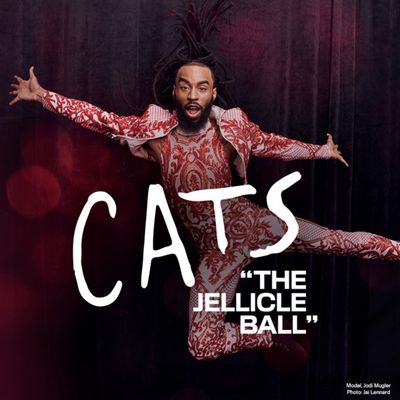
Throughout June and July, we are working with the Perelman Performing Arts Center reimagined production of CATS called CATS: "The Jellicle Ball" to bring you a series of episodes with the cast and creative team.
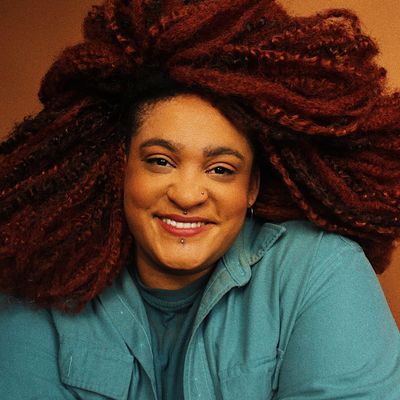
"We wanted to approach it as this re-contextualized version of fatness and what fatness means. The duality of Fat and Phat." This episode features Nora Schell who plays Bustopher Jones in this production. Hear Nora share their audition story, how they view Bustopher as the club owner, and tons of more Bustopher relationships. Plus, Nora shares how they approached crafting Bustopher's character to embody confidence and remove some of the traditional tropes that have been part of the character historically.
- Check out Nora on Instagram: @noraschellmusic
- Check out CATS: "The Jellicle Ball": pacnyc.org/whats-on/cats-the-jellicle-ball
Produced by:
Alan Seales & Broadway Podcast Network
Social Media: @TheWrongCatDied
Transcript
This transcript was automatically generated and might contain errors.
[0:00] Mike Abrams: There's a cat over here. There's a cat over there. And the wrong one died. And the wrong one died.
[0:15] Mike Abrams: Welcome to The Wrong Cat Died, the podcast breakdown of The Cat Sashafi. I'm your host, Mike Abrams, and today we have another amazing guest. We are working with the Perelman Performing Arts Center reimagined production of CATS called CATS: The Jellicle Ball to bring you a series of episodes throughout the run. I am honored to have Nora Schell here with me today. People have very strong opinions about Bustopher Jones, but Nora's Bustopher is something you won't want to miss, and I cannot wait to hear about it. So welcome, Nora, and thank you for joining me.
[0:41] Nora Schell: Thank you for having me.
[0:43] Mike Abrams: I am excited because I loved your Bustopher, and generally, Bustopher's not even in the Royal Caribbean Cruise. Bustopher's kind of a polarizing character, and generally also Gus, and a lot of different things. So I want to get to that, but before we do, I always want to start with your CATS history at the beginning. So how much did you know about the show before you were cast in it?
[1:05] Nora Schell: I had a general knowledge of it. I think the normal amount that a theater kid would have, but who hadn't seen it and hadn't necessarily been a fan. I feel like the most I knew about it was one of my friends and classmates from Michigan showed me a video of them in middle school dancing and singing to it in a production, and that's probably as familiar as I was, so I'm kind of making fun of my college classmate.
[1:36] Mike Abrams: Great. So do you remember who they played?
[1:39] Nora Schell: Mistoffelees.
[1:41] Mike Abrams: Mistoffelees.
[1:41] Nora Schell: They're the dancer. They got to get ready to go.
[1:43] Mike Abrams: Yes, yes. Okay, so you'd never seen it. Did you watch the 1998 movie or anything to prep for this?
[1:50] Nora Schell: I didn't before then because I wanted to, well, one, especially with Bustopher and just the way that this story was crafted, I didn't want to go in with any preconceived notions. I did know the general synopsis, which is also there's not necessarily a storyline, but I understood at least the different characters and some of the relationships that they had and what their archetype was, so I did that, but I didn't want to come in with preconceived notions since this is kind of like it is building a new show within one that already exists.
[2:27] Mike Abrams: Yeah, I thought that was such an interesting part coming in because I joked with, when I came to see you the first time, I went with Alan Seales, a producer from the Broadway Podcast Network, and our joke was that I know too much about CATS, but nothing really about ballroom and nothing about really choreography and all this other stuff. I just know the plot and the story better than most, and so it was like going in, I was really excited to see what you did with that. So it is interesting to hear how much knowledge your cast has had, some having a little bit, like obviously Jonathan's been in it, some knowing nothing besides memory or just a little bit of it, and it's been cool to see how you've been able to still bring that story to life but not having it being exact and obviously imagining it. So let's start talking about Bustopher then.
[3:15] Nora Schell: Yes.
[3:16] Mike Abrams: What did you think when you were cast as Bustopher, knowing kind of the polarizing history? Did you know it or did you learn that as you kind of went along?
[3:24] Nora Schell: I kind of learned it as I went along. I'll actually take you back to when I got the audition in the first place. So I initially got, I got asked like, I don't even know, like a year ago if I was available for the workshop, and I was currently in a different regional production, so I couldn't do it. And in my head, I thought, okay, well, this is going to pass me by because they need people that are going to be with them, so I kind of let it go. But then I got an appointment for this current production, and I was initially being seen for Demeter.
[3:58] Mike Abrams: Okay.
[3:59] Nora Schell: So I taped, but then they reached out to my manager and were like, actually, we'd like to see Nora for Bustopher because we are doing this new reimagined version where Bustopher is a woman. And so I'll let you know how this changes as we go. They're like, and Bustopher is going to be competing in the body category, and they're going to be competing with Luscious Body, and they're going to win. And so I kind of in my head went, okay, well, we'll see how this goes, if it's actually going to be a real representation of this or if it's going to be virtue signaling. So, you know, I went into the audition. I felt good, not great about it. And I also, when I got to the moment, I realized how high profile it was.
And I texted my manager and said, I'm not going to get this job. There are people here who have huge credits. I'm not going to get this. So I kind of went in thinking I'll do a good job and I'm not going to book this. But yeah, a couple weeks, like two weeks later, my manager called me, let me know that I got it. And I know this is a bit long winded to get to where we're at with Bustopher. But so as we started working on it, I had a lot of conversations with Bill Roush and Jalen Levingston about how we wanted to approach Bustopher as a person and also how we wanted to approach it as this recontextualized version of fatness and what fatness means, like the duality of fat F.A.T. and fat P.H.A.T. with fat cat as somebody who is rich, who has money.
And then I learned about some of the polarizing stuff with Bustopher, how in past productions, it really is just like a fat joke. It's taking the piss out of fat people. It's making fun of being fat. It's kind of turning this into this caricature dopey person who thinks that they're high class. But so I'm losing my train of thought. But so when we talked about that, it was really important. It was really important to all of us that this was a celebration of fatness and also blackness, queerness and me being non-binary. And at the intersection of all those things, we were able to come to the conclusion that Bustopher needed to be they, them and not she, her. And so they were able to get it approved by ALW.
And, yeah, I think that we had a lot of discussions where we didn't just make Bustopher about being fat. Being fat is a part of Bustopher, but that's not what defines Bustopher. It's like there's so much more than that. This is we made a lot of backstory dealing with like, what club does Bustopher own? Why is Bustopher speaking a British accent? Is this real? Is this their persona on stage? And so, so much of it, it's like, yeah, Bustopher Jones is fat, but that's kind of the last thing that actually really matters other than, you know, they're celebrating the fact that it's like, yeah, I win body and I'm hot. And so I think that taking away the one dimensional aspect is what helped it reclaim the part and not make it so fat phobic.
[7:26] Mike Abrams: Yeah. It's so cool to hear that because I always thought the first time I saw Bustopher, I always thought two things about Bustopher. And one I know, I think I created. It's not like written into the show. So one was, is that it is just a punching of fat jokes, but also just like excess and greed and rich, you know, type of stuff. And then because of that, and then I was very light on Bustopher story and also like Bustopher disappears right after the song and goes into Gus. And so I kind of was like, well, maybe he's the money behind the crime scene from a cavity, or maybe there's like, give me more to the story. So I started adding to it. So I love hearing that you all were like, let's not make this character so one dimensional, here's how we evolve it.
And then with the ballroom competition piece, which is something that's so unique to your production, that makes it really cool to be able to also have Bustopher win a category and like be a part of the category. That's a celebration of the individual and not necessarily even just the, like the joke and the character.
[8:27] Nora Schell: Exactly. Yeah. And I think the other thing that you mentioned that I want to bring up is you talk about the greed and that aspect and the way that we flip this on its head was that with this backstory, it's like Bustopher owns this club and this is the club for the people, for the black and brown queer people. But Bustopher owns a bunch of other clubs and Bustopher will get that money from, you know, some of the white folks, for lack of a better word, and like is willing to, you know, is willing to be capitalist greed with that. But it's kind of, but then they want to give this back to their community. And that's why this space exists. So that's kind of how we crafted it. And in my mind, it was like Bustopher puts on this accent for when they're dealing with, it's kind of like a code switching thing.
They're dealing with folks who might not take them as seriously for being a fat black person, for being non-binary, and it's a way to be taken more seriously. So that's another aspect of the part that I talked about with Jalen and Bill.
[9:27] Mike Abrams: Yeah, I really just loved it. And again, if you listen to our recap, we kind of discussed in length about Bustopher because there's so little, I mean, I don't say the little depth, like it's the characters do a great job with it, whoever performs it before, but it was the easiest thing probably for them to cut when they had to shorten the cruise because it can kind of be pulled out of there and you all made it so it couldn't be pulled out because there's so much importance to how you fit in the story and what they're, you know, like what's going on and all, you know, like again, a lot more than just Bustopher jumps in and the shoe drops and we dance around with the cane and then we go back off stage and immediately get into Gus' costume.
[10:06] Nora Schell: Yes. So I want to ask you a little bit about one thing that we talked about that I thought was really cool is, as you mentioned, being non-binary, there are, there are lyrics that are about Bustopher Jones, you know, he, it's a lot of he in the lyrics and you had the, it was changed to, to, to they and them, which I thought was a really cool nuance to, to the character and to the music and to, you know, to the story. So what was that like to get it approved and to like talk through that and have that all happen?
[10:37] Nora Schell: So I didn't even ask for that. I didn't think that was a possibility. They came to me and said that they wanted to do it and that they had gotten it approved. So I was, I was surprised and I mean, very thankful. And it meant a lot to me that they had that vision. And they told me, they said, you know, we initially envisioned this as somebody who was a woman, but when you came in and did this, we realized it makes so much more sense to be a non-binary person because you're starting off in this much more mask presenting outfit. And then as you do this burlesque routine and strip away, you get to the more feminine. And so the duality of that really lends itself. And also our amazing costume designer, Queen Jean is dramaturgical in the way that she designs. So she also added so much to that story by just providing such exquisite designs to lend itself to the identity of the character.
[11:36] Mike Abrams: Yeah. It is cool. Cause you, you still like when you come, if you know CATS, it still feels like Bustopher and then.
[11:46] Nora Schell: Again, you add to the story, you walk your category, you have all those moments too to make it fun. And then you're, because you're not the Bus Gus track, that was also like the thing, you're also there through the rest. And that kind of allows even more of Bustopher's story to be told because you don't just disappear after the one song. So can you talk a little bit about some of those moments in like Act 1, Act 2? I'll tell, there's one in particular I'm interested in, but I want to hear from you first about some of those things where you got to add to Bustopher's character by being in Act 2 and by being there throughout the show. So yeah, my job is I'm the owner. I'm the owner of the bar. And so throughout the show, I'm acting as somebody who's getting people drinks.
I'm acting as somebody who's also trying to keep things in order. Like if we think about Mungojerry and Rumpelteazer, when Mungogerry takes the trophy, I'm out there being like, Mungogerry, you're 86, you're 86. Like, your tab is too high. And I feel like the other thing is like, Munkustrap is kind of like the promoter. I'm the owner. So I have a lot of moments with Dudney where we interact as kind of business partners. So we work together a lot. There are a lot of times where I will hand off a trophy to Dudney. So it's like, there's a bit of a higher status that Munkustrap and Bustopher have together as business partners, colleagues.
[13:16] Mike Abrams: Yeah. Okay. So that makes sense then for the part that I noticed. So I sat front cabaret table.
[13:21] Nora Schell: Yes.
[13:22] Mike Abrams: And I turned around at one point and I'm like, are you pouring shots for people behind me?
[13:26] Nora Schell: Yes.
[13:26] Mike Abrams: At the bar? And so I was like, what is happening back there? Because there's this little table would be to the right of where old Deuteronomy City.
[13:34] Nora Schell: Yes. It's my bar.
[13:35] Mike Abrams: Is that your bar? Is that what's happening?
[13:37] Nora Schell: It's the bar. Yeah.
[13:39] Mike Abrams: Wow. Okay. So you just get to have a party the whole time, but also make sure you're in charge and running the show.
[13:43] Nora Schell: Exactly. So it's like taking care of my people, but then also bringing down the hammer when folks need to behave. I kind of have Teddy Wilson, who plays Sillabub. We've kind of created that Sillabub is my little bar back. And so you'll see. And it's also, these are things you notice when you see the show multiple times, it might not be as apparent, but a lot of times Teddy's over there helping me out with stuff, carrying things, doing stuff like checking coats. So yeah, it's, there are some fun little relationships that you might not always pick up on just because it's not outright obvious, but if you see the show, if you're near us, you hear some of our asides. If you know about it, then you see the ways in which we're interacting.
[14:31] Mike Abrams: We're going to take a quick break and then we'll be back for more of The Wrong Cat Died.
[14:35] Nora Schell: So that was my next question, which is what are those other ones? Because the only Bustopher like real, and I wouldn't say it's real, but big connection from the first one, I'm pretty sure I made up and it was a love triangle. And so like, what are the different, yeah, which is, well, so I was always thought Jelly, Lorem and Grizabella were friends growing up. And I thought Bustopher Jones was the middle of that love triangle.
[15:02] Nora Schell: Wow.
[15:02] Mike Abrams: And that was why Jelly didn't want to endorse Grizabella for the Heaviside Lane when she came back. So there's like, everyone thinks it's Gus, but I was like, no, maybe it's because Bustopher's kind of crime mob and money got her into the wrong, Grizabella into the wrong scene and kind of like ruined her friend and friendship. And maybe they were together. There is some like Jelly and Bustopher potential story. So I, this is me spending way too many hours trying to connect the dots between characters. But what, because again, like that doesn't even remotely play out in your production. And so there's a lot more in other ones. So like Cillabub as a barback would have again, never popped up in the other productions, but what were the other relationships you played?
[15:45] Nora Schell: Oh, let's see. I'm trying to think because there are so many. So Sydney Harcourt and I, who plays Rum Tum Tugger, we definitely interact a lot. I think that there's just because of thinking like the status within like ballroom. I think that Rum Tum Tugger is one of the characters that has a bit higher status in the show. So there's, he's like a more seasoned, he's a more seasoned performer. He's not like, he's not like a 007, like one of the like, he's not doing Virgin Vogue. He's somebody who's known. So I think that we have more of a history, like we've known each other for years. He's been at all the clubs that I've owned. Like we have a, we have a working relationship.
[16:32] Mike Abrams: Okay. So there's that one. I interact with Emma a lot, who plays Skimbleshanks and Cassandra. Because like with her as like the MTA, it's another person who kind of has a level of status because I do still like to play that Bustopher is a little elitist. There's an aspect of that where Bustopher is like, yeah, and these are the people that I, that I, that I treat as my peers. And then these are the people who I treat as, you know, my, my patrons.
[17:04] Nora Schell: Very much so. Yeah. Yeah. It's cool to, it's kind of cool to hear because you're, I've always thought about the relationships as like, this is a relative and this is like a lover and this is the stuff. But with Bustopher, it is so much of like, this is the business, like Bustopher running the, you know, the crunching the numbers. And so here are the, oh, we've interacted because they've been coming, you know, they're the regular at the scene. And so they, they know you. What about Macavity being kind of like a little criminally involved?
[17:33] Nora Schell: So yeah, the two, so Macavity, the way that I play it is that I've gotten raided before because of Macavity pulling this type of stuff. So like, you'll hear my little asides if you're by the cabaret tables where he comes in and I'll say to Cillabub, you need to check those bags for tags, like to see if he, if he did that. And like, we have these things where it's kind of like this, you know, like, oh, Macavity, come on, like, you can't do this again. And it's that person that you can't say no to no matter how much. So like, there's a lot where it's, it's a protective thing, but it's also like, like the younger sibling that you want to just be like, can you just straighten up? And then the other one that I have that type of thing with too is Jonathan Burke with Mungo Jerry.
We probably have the most interactions of Jonathan being very mischievous. Like you see at the top of the show, Jonathan's at the bar trying to drink the alcohol. And I, when I do, are you keen to be seen when you're smelling a rat? That's when I grabbed that out of his hands. But there have been a lot of things where like, Jonathan will be on top of something. Jonathan will be stealing a trophy. And I'm constantly having to go over and be like, Mungo Jerry, Mungo Jerry. Yeah, that's something you'll see through the show. It's very much like, oh my gosh, like, how did he get back in here?
[18:44] Mike Abrams: Yeah. It's funny because it's like your parenting, but because of your business.
[18:48] Nora Schell: Yeah, I've got, it's you are, don't ruin the dollar. Don't, don't mess this up. The Macavity part's really unique too, because I think Antoine doesn't play it as like, aggressively villain, which I love, is like a very different kind of take on it. Yes. But it also makes the like relationship with Bustopher a little different because I've always, again, I've always thought Bustopher was, was funding the scene. Like he's funding all that crime. And in this you're saying, basically it's like, no, but you're aware that it's happening at your club. And it's like, let's not, as long as it doesn't impact me, I don't really care what you're doing type of thing.
[19:26] Nora Schell: Yeah. It's kind of like, we got shut down last time, Macavity, like you can't be doing this. Like when the police come, I'm like, I don't have my liquor license yet. I like, I don't have the liquor license. We can't do this. And it's like, you know what, Macavity, you do what you like, but don't come in and mess with my, with my money.
[19:42] Mike Abrams: Yeah. So it's so fun. Can you talk a little bit about the ballroom experience coming like, again, as a theater person, more like that experience and being with such incredible ballroom legends and icons and having them and knowing that you're kind of blurring these two worlds together in a very unique way.
[20:00] Nora Schell: Yeah. I mean, I felt very honored to be able to learn from so many of these astounding artists, whether they're my castmates, whether it's our choreographers, it was definitely a learning curve for me. When I first came into the process, I had just been cheated on and broken up with five days before. And so I was coming in feeling quite not good about myself, not good about my body, not good about my dancing. And I will say that the ballroom people lifted me up and have helped me rediscover a level of confidence that I haven't had for years. And so what I'll say is like, it really is. And I remember baby, our dance captain, I remember at first I was skeptical. I was like, I'm not going to feel better.
She's like, no girl. Like I go and walk a ball when I'm feeling bad about myself. And it always gets me, it always gets me like feeling so much more in my body feeling like I'm that bitch. And at first, I was like, Okay, but then I was texting baby the other night. And I was like, baby, you were right. Like, this has really shifted my perception of myself and my confidence. And I'm very thankful for the patience that our choreographers had with me. And I think the biggest thing is that they saw that I was trying because I'm not necessarily a dancer, but I went out of my way to show that I was willing to work at it. So they were willing to help me out. And really, they've been so lovely. And they're always telling me, you know, you can come to our classes for free, like we're gonna we want to make sure that you are able to do this the right way we see you trying and it's just been so lovely to learn about this art form that I didn't realize simply how technical it was. It's incredibly technical and to just see the dedication that it takes and yeah, to have these folks be patient enough to explain that.
[22:01] Mike Abrams: Yeah, you're, you're right. As I've talked to more again, as someone with zero dance skills, zero ability to hear about like, oh, these like, you know, again, like Broadway dancers and professional dancers. Yes. Also be like, well, this is still a whole different thing. It's challenging and neat. And the other thing you said that I found, as I've talked to an interview, some of the ballroom people is that even though there's this like fierceness and competition, there's also this community, which is again, I think why it blurs so well with the Jellicle Ball and like the Jellicles is that they are all like they might be competing, but they're friends and family and like they are really trying to kind of like bring a community together. And I've always found that to be really cool. So it's cool to hear like your experience that personally and being able to bring that to the stage in a way.
[22:50] Nora Schell: Yeah. And I think, you know, we have to remember like ball culture was about chosen family. This was black and brown, queer and trans people who quite often were rejected by their biological families. So you had to create this community. So that is, that is the basis of this entire of that entire culture, which is why so often when ballroom people talk about how the appropriation of ball culture is so offensive to them, you have to remember that this was a means of survival. Yeah. One of the only places where they could authentically be themselves. So it's been eye opening. It's made me I already had a lot of respect, but now I have so.
[23:32] Nora Schell: I've had a few people that have asked like, "Oh, I don't want to go by myself." I'm like, go by yourself. Go yourself. I'll just talk to everyone around you, have a great time, because everyone's going to chit chat with you, and you'll have a blast. So, okay, my last question before rapid fire. What's the thing you want people to take away from Bustopher? Knowing that you are bringing a very different life to Bustopher?
[24:58] Nora Schell: I'll more start with what people have come up and said that they've taken away from it. I have a lot of plus size and fat folks come up to me after every show. And I have these people tell me these stories about how, you know, they wanted to go to Pride and wear a tank top, but they felt, you know, like, they don't want to do that. They're too big for that. And they said, after seeing the show, they felt inspired. They're like, you know what? Why wouldn't I? Like, I see this person on stage who is a fat individual, and they look great. And I'm not thinking about, oh, that person's fat and beautiful or fat and hot. I'm just thinking, wow, that person has confidence. They're beautiful. They're hot.
And they also happen to be fat. And I think that within this field for so long, fat people were relegated to character roles that were to make fun of them. And this is honestly kind of I feel like it's layered. It's kind of with this role, it's like it's making fun of what this role was and then flipping it on its head and saying, oh, really, you think that that's what it is? I just want people to take away from it that you can push boundaries in this field. Things have not changed as much as we like to claim they have. But I hope that folks can see me on stage as a fat, black, non-binary person and see that it is possible to be seen as a sexual being, a comedic being, a layered being and not just some trope or stereotype.
[26:29] Mike Abrams: And it's such a good point, too. And it's cool that you're getting people are coming up after to recognize that it's got to be so rewarding to hear stuff you put so much time and effort and thought into like resonating and landing with the audience the way you want it to.
[26:44] Nora Schell: Yes.
[26:45] Mike Abrams: OK, some rapid fire. If you could play any cat, doesn't matter who, doesn't matter which one, whether you could sing it, dance it. Just if you could go on for one night and you could play that track, who would you want to go on as?
[26:59] Nora Schell: Monkey Strap? Could you do how? How would you do that?
[27:01] Nora Schell: I'm a good commentator ending. Oh, I'm a good commentator. OK, I actually I'll say Dudney and I, Dudney created most of the chance. And Dudney is also amazing and one of the people in our cast who's musical theater and ballroom. But I did come up with "Don't be fooled by the spots that she's got. She's still, she's still Jenny." Nice. And then still above the softest girl. Come on now. Let's give him a twirl. So, yes, the ending is one of the coolest things I've ever seen. Dudney is truly the glue of the show. He is, I mean, impeccable. He inspires me so much. So I want to go on for Monkey Strap because I just see Dudney. I'm like, oh my gosh, that's awesome.
[27:47] Mike Abrams: That's awesome. Who are your favorite and least favorite cats from a personality standpoint? Like, who do you vibe with and who would bug you?
[27:52] Nora Schell: Oh my God. From a personality standpoint, like as me or as Bustopher?
[28:01] Mike Abrams: I'm more interested as you.
[28:03] Nora Schell: As me. Oh, gosh. Because now this is going to seem like I'm like. Not the performers. No, no, not the performers. Like, just because the characters all have like these distinct personalities. And so my question is, which one would you be? I wouldn't struggle hanging out with them. And it's like, this would be my best friend. Uh, Kerr, I think, honestly, Macavity and Jenny Annie Dots would probably piss me off the most. Because it's like, OK, let's calm down. Yeah. And Bestie, you know, Bombalurina. But I'm also biased because Garnet is my show, Bestie. But I like Bombalurina because the way Garnet plays it is she's this round the way girl who's kind of like, yeah, I'm going to stand up for my friends. I'm going to do what I want. I don't know. I don't give.
[28:51] Mike Abrams: Awesome. I love it. Favorite song in the show.
[28:53] Nora Schell: Oh, I really love that entry of Grizabella interlude that B.B. Simpson sings, who plays Demeter, where she sings the. You found in many a lonely. No, I mean, I just I don't know. That one always comes on. And I really love that. I'm trying to think of stuff that's a little less obvious. Those little. Yeah. Yeah. Those little moments where you kind of it's always the part where you're like, oh, I love.
[29:25] Mike Abrams: Yeah, that's a great one, too. Is Bustopher in a house? And if not, what would Bustopher's house name be?
[29:29] Nora Schell: So Bustopher is not technically in a house since they own the club. But I usually say this to Teddy, who plays Syllaba, because that's kind of like I consider Teddy my like, that's my daughter. Like I am the house father, mother, whoever to Teddy. And so I was kind of like, is it House of Spats or is it House of Heft? Oh, we don't know. You know, because, you know, we got the body. I like that. That's what that's what I would think that Bustopher would would be if they had a house. House of Heft. Like, I like that. I do. I do. I've been trying to figure out, like, because there's a few that feel like they're established and there are a few where it's like, no, they're not in one. Or we've talked about this. And I'm like, let's create some houses here. Let's name them.
[30:15] Mike Abrams: All right. Most important question. I obviously argued at length. I don't think Isabelle is the right Jolico choice. I think your production makes it much harder to make that argument. Yes. But I want to know, who do you, Nora, think is the correct Jolico choice?
[30:30] Nora Schell: In this production?
[30:32] Mike Abrams: OK. Or in general?
[30:34] Nora Schell: OK, well, I'm going to say in this production, because, OK, so, I mean, myself, obviously. But, um, no, I think you'd be the second vote. You'd only be the second vote ever for Bustopher. I think Silk as Mistoffelees, that is that would probably be my Jolico choice. Just that performance is out of this world. And, uh, yeah, there's there's no denying the way that that crowd responds. Like when Silk does that split jump, it truly stops. It stops the show. And then you have when Silk and Sydney kiss and it stops it again. I think I think I think Silk would be my Jolico choice because Silk doesn't even have to say a word.
[31:20] Mike Abrams: Yeah. Well, so we're on the exact same wavelength because the very first time I saw the show, my original thought was I want Tugger and Mistoffelees to go together because I thought it was a singing competition. And I'm like, these two would be a great duo group together because they do this like incredible performances and dances together. And so I completely agree with you. I have no follow up questions. I just want to mark down Mistoffelees and say it's not Grizabella. And I agree. Even though I think that Chastity does an amazing job and her Grizabella to me is is a Jolico choice because of the layers of this being the story of a black trans woman. Yeah, that to me and that level, what memory means when being sung by somebody who is of that experience, that to me does justify Grizabella being the Jolico choice in this production.
Yeah, she can be that. But in the others, yeah, I think the like the whole story that you all bring us through is perfectly set for Grizabella being at least the redemption arc, much more like now. My argument has been for a while. I don't think it depends on what you define the heavyset layer. But I'm like, why are we murdering a cat right after we just welcome the cat back to the family? And so but I do think that the whole like the way you all bring Grizabella back to the ball is beautiful and like such a great like the moments in between and the kind of closure and the way it fits within even the ball culture is really cool. So I think it depends on what you consider what that heavyset layer moment is.
[33:30] Nora Schell: But I like Silks. Honestly, you're right. Such performance stopped me dead in my tracks. Like, I can't believe a human can move like that. And so it's like an alien supermodel. That's what I always tell them. They are like this beautiful alien supermodel. I mean, they're they're a Juilliard grad. They're they're also 24 years old, which I'm just like, God, God. But I love I love them. They're they're a sweetheart. But yeah, the heavy side layer for me, I think, is Grizabella stepping out into the world authentically for the first time. That's what that's what I interpret it as. And so I love that, because if that's the case, then I think the Angelica choice is a very different decision.
[34:01] Mike Abrams: Yes. And that is not the way I interpret it, which is why this podcast is called The Wrong Cat Died. And so I think that's beautiful. And that's a whole different question. And so, yeah, then she probably is your choice.
[34:10] Nora Schell: Yeah, I love it. Well, I appreciate you coming on. How can people stay in touch with you on social media and everything else?
[34:16] Nora Schell: Yeah. Follow me on Instagram at Nora Schell Music and O.R.A. S.C.H.E.L.L. Music. And yeah, you can follow me there and watch my stories where I harass my castmate Dave specifically.
[34:26] Mike Abrams: Love it. I love her. Love it. Dave is incredible.
[34:30] Nora Schell: Dave is an incredible, unbelievable. It's her first musical. So her first musical, like she's incredible. She everybody in this cast is incredible.
[34:36] Mike Abrams: Yeah. Well, everyone should run to see it. You're extended through August 11th. So there'll be a few more weeks to go and hopefully maybe more future. But right now, I can't I can't say anything. But, you know, fingers crossed. Fingers crossed.
[34:51] Mike Abrams: Well, thank you for coming on.
[34:52] Nora Schell: Thank you. And thanks, everyone else, for listening to this episode of The Wrong Cat Died, the podcast breakdown, the Cassash Fee. To follow along, you can subscribe on Apple Podcasts, Spotify or any other podcast. Follow us on Twitter, Instagram, TikTok and threads at TheWrongCatDied or check out our website, TheWrongCatDied.com.
© Broadway Podcast Network, All Rights Reserved