

Diane Paulus joins the show for a deep dive into her remarkably storied career, starting with the serendipitous discovery of her father’s history as a director for the Army Entertainment Corps in post-war Tokyo... Read More
From the show: The Theatre Podcast with Alan Seales
Guests
Featured Shows
About
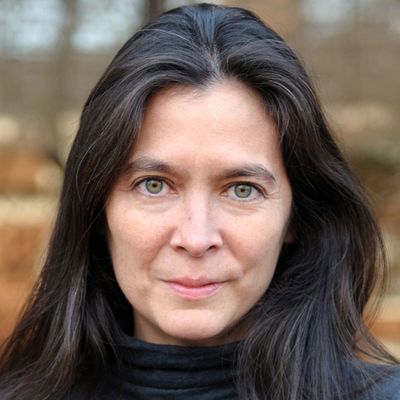
Diane Paulus joins the show for a deep dive into her remarkably storied career, starting with the serendipitous discovery of her father’s history as a director for the Army Entertainment Corps in post-war Tokyo. She shares how growing up at the doorstep of Lincoln Center and performing as a child at the New York City Ballet shaped her rhythmic, music-first approach to storytelling. Diane also pulls back the curtain on the "NASA mission" level of complexity required to mount her latest production, Masquerade, explaining the mathematical precision needed to move audiences through six floors of a converted art supply store.
The conversation explores Diane's obsession with the audience's role as the "final character" and her mission to move theater beyond the traditional proscenium. From the disco-fueled origins of The Donkey Show to the egoless, collaborative rehearsal process of rotating six different Phantoms, Diane reveals how she manages to make the impossible possible. It is an inspiring look at the future of immersive experiences and the enduring power of human-centered, visceral ritual.
Diane Paulus is a Tony Award-winning director and the Terrie and Bradley Bloom Artistic Director of the American Repertory Theater at Harvard University. Her celebrated Broadway credits include the high-octane revivals of Hair, Pippin, 1776, and The Gershwins’ Porgy and Bess, as well as the hit musicals Waitress, Finding Neverland, and Jagged Little Pill. She is currently the visionary behind Masquerade, a brand-new immersive reimagining of The Phantom of the Opera in New York City.
This episode is brought to you by WelcomeToTimeSquare.com, the billboard where you can be a star for a day
Connect with The Theatre Podcast:
- Support the podcast on Patreon and watch video versions of the episodes: Patreon.com/TheTheatrePodcast
- Instagram: @theatre_podcast
- Facebook.com/OfficialTheatrePodcast
- TheTheatrePodcast.com
- Alan's personal Instagram: @alanseales
- Email me at feedback@thetheatrepodcast.com. I want to know what you think.
Transcript
This transcript was automatically generated and might contain errors.
[0:00] Diane Paulus: Hi, I'm Diane Paulus. Welcome to The Theatre Podcast with Alan Seales.
[0:12] Alan Seales: Hey there, theatre lovers! This is Alan Seales with The Theatre Podcast, and our guest for this episode is a literal force of nature in the American theatre, superstar director, Diane Paulus. You know her work from some of the most massive high-energy revivals to ever hit a Broadway stage, but today we're getting into a side of her story that I honestly didn't see coming. We talk about her father, who was actually a director himself while stationed in Tokyo after World War II, and how a single photograph of him with a script in his lap essentially unlocked her own DNA as a director. And it's such a beautiful look at how our paths are sometimes just set up for us before we even realize it. We also dig into the absolute madness that is Masquerade attacking the show across six different floors of a converted art supply store.
Just imagine trying to coordinate six different versions of the same character, all rehearsing at once without the whole thing turning into total chaos. She explains how she managed to turn this massive company into an egoless high-stakes team to bring a brand new version of an iconic classic to life. This is just an amazing conversation about leadership and vision. So make sure to follow me on social media, follow the podcast, leave ratings, leave reviews, follow Diane Paulus. Go see Masquerade once you get here to New York City. It is truly amazing. Watch the video version of this episode on Spotify or Patreon. And everybody, now please enjoy this episode with Diane Paulus. Here you go. One, two, three.
[1:45] Alan Seales: My guest today is a Tony Award-winning director and the Terry and Bradley Bloom Artistic Director of the American Repertory Theater at Harvard University. She has helmed some of the most iconic revivals and groundbreaking new musicals of the last two decades, including Hair, Pippin, The Gershwins' Porgy and Bess, Waitress, Finding Neverland, Jagged Little Pill, The Reimagined 1776, and she is now bringing a brand new immersive version of the classic Phantom of the Opera to New York City called Masquerade. Diane Paulus, holy shit. I am so honored to be sitting with you today.
[2:19] Diane Paulus: I am honored to be here. So excited to have a conversation today. And I love your background. I normally start these interviews with like, tell us about how you grew up and how you got into theater. But legitimately, the way your parents met, who they were, like your dad met your mom in Japan when he was stationed there, but he was out there directing theater, right?
[2:39] Diane Paulus: Yes.
[2:42] Alan Seales: Like tell us that story and how that has kind of influenced you as a kid.
[2:47] Diane Paulus: Sure. So my dad actually grew up wanting to be an actor and he did theater and summer stock, eventually went into television. So when I was born, he was 52. I have an older brother and sister. So I was kind of the surprise third child in the family.
[3:03] Alan Seales: Because he was 52 when you were born.
[3:07] Diane Paulus: Yes.
[3:10] Alan Seales: You were the youngest of three?
[3:10] Diane Paulus: I was the youngest of three.
[3:10] Alan Seales: Okay, okay.
[3:10] Diane Paulus: Yeah. So when I was born, my dad had started working at CBS when there was live television. So I grew up like on the set of Captain Kangaroo for people out there who remember that TV show.
[3:23] Alan Seales: Wow.
[3:24] Diane Paulus: And he did the live broadcast of the Tonys and did live broadcast of Shakespeare in the Park. But the roots for my father were always in the theater. And so when growing up in New York City as a kid, he was dragging us to plays and Broadway and seeing shows. It was only much later in life when I decided I wanted to create a theater piece about the story of my parents, that I was like opening up boxes, like those boxes we keep in attics. I mean, I grew up in New York City, never had an attic. I grew up in an apartment building.
[3:55] Alan Seales: It's like, what's an attic?
[3:56] Diane Paulus: The metaphorical attic, the box came out. And I saw a picture of my dad in the Stars and Stripes newspaper because he was stationed during the American occupation in Tokyo. And he was sitting with the script of Brother Rat, which was a play with his legs crossed at a desk. And it was like, Larry Paulus tears his hair out at the premiere of Brother Rat. And I looked at it, and I really had this moment of like, that's why I'm a director. Like my father, because I mean, my father was a producer of television, but like seeing that photo of him as a director made me just go, oh my goodness, like it was in my genes somehow.
[4:36] Alan Seales: But so he went in, it was in the army?
[4:40] Diane Paulus: He was in the army.
[4:41] Alan Seales: He was in the army, but in World War II.
[4:43] Diane Paulus: He was in the army in World War II. There's another theater story that I'll say really quickly because he never saw active duty. In fact, he was about to be shipped off and there was a sign at the army office, wherever he was in basic training, I think like Alabama. And it said, if you can type, you know, you can interview to have a job in the office. And he went in and there was like another person that he was up against. It turns out that the sergeant that was interviewing him loved William Soroyan, right? So this is like, you know, you're going back to like the 1930s and my father loved Soroyan and, you know, was quoting the line, like no foundation down the line from one of Soroyan's famous plays.
So my father was also credited, like he didn't get shipped off to Germany because he, you know, he knew William Soroyan, but the war ended and he had a choice to go to the Philippines or Japan to finish out his term in the army and kind of on a lark. He was like, well, everybody says Japan is so beautiful, I'll go to Tokyo. And he went and his job was directing theater for the Army Entertainment Corps.
[5:46] Alan Seales: What?
[5:46] Diane Paulus: In Tokyo with Ann Patoniak, who was a very famous American actress who was there with him. And he did plays at the Ernie Pyle Theater in Tokyo. He even founded something called like the Far East Players, you know, and he would tell me about how we would, you know, put incense in the bathroom, you know, as a young director. Everything matters.
[6:05] Alan Seales: Yeah.
[6:06] Diane Paulus: You know, the atmosphere, the bathrooms have to be really nice, you know. So my father was an entrepreneur and a theater person at heart. And I think all of that, you know, you don't realize that when you grow up around that, but kind of like you can do anything sort of attitude, I think had a real impact on me.
[6:25] Alan Seales: That is amazing that he went in the army to one of the farthest countries away from America that you can go to and did American theater.
[6:34] Diane Paulus: And did American theater. And of course, I should say, he met my mother.
[6:38] Alan Seales: Yes.
[6:38] Diane Paulus: Like I would not be here if it wasn't for, you know, my incredible mother who grew up, born in Tokyo, Japanese family, had a lot of activity in the import-export business. So my mother spoke perfect English, went to the Quaker Friends Seminary in Tokyo. And the joke was, and this was in the show that I did called Swimming with Watermelons, that my father went up to my mother in like, you know, the commissary kind of place. And she was working there. And he said, she had a bandage on her finger. And he said, like, you know, ouchie, ouchie, like kind of a stupid GI. And my mother said, oh, no, this is a really little cut. Doesn't matter.
[7:14] Alan Seales: Doesn't matter.
[7:14] Diane Paulus: Like perfect English. Sort of, you know, and that was the beginning of their romance, which was against army rules, anti-fraternization rules. They had like an illicit love affair. And eventually my mother left Tokyo and came to America. She had sisters here, Japanese sisters who had gone through the internment camps. She came to San Francisco, then Chicago, and then followed my father to New York and got married here and raised, you know, us, my family here in New York City.
[7:44] Alan Seales: Crazy cool. So then when you were born, you were back here in the US, right?
[7:48] Diane Paulus: Yeah.
[7:49] Alan Seales: And when did you first, like, realize that this was something you wanted to do?
[7:53] Diane Paulus: So I feel like as a kid of somebody who is being dragged around, as you said, to like all these other things, you either love to hate it or love it. There's kind of no in between.
[8:02] Diane Paulus: No, I think my older sister's a musician. She's a professional harpist. So I grew up with a harp in our living room and a lot of music in the house. We lived in Lincoln, Lincoln Towers, right near Lincoln Center. So we were at the opera and at the ballet and like Damarsh Park was sort of like my playground. So I was exposed to a lot of theater. And I think much to my father's like delight, I played along. You know, he would want me to read the New York Times out loud and he would correct me on my enunciation. I mean, but I was like the happy, compliant child, like the third child in the family. I think my brother and sister hated being put in the limelight, but I sort of, you know, like.
[8:45] Alan Seales: But give me attention.
[8:46] Diane Paulus: I was like, yes, yes, I'll perform for you. I'll put costumes on. I'll do things. So I kind of had that, I think, as a kid. And, you know, when I was young, like 12 years old, I joined a professional theater company here in New York City called the First All Children's Theater that was run by this incredible woman, Meredith Stein. And I did that for three or four years. Prior to that, I was dancing as a little girl at New York City Ballet, and I got to do all the brilliant Balanchine operas, Nutcracker, Coppelia, Firebird. So I was performing as a kid and seeing a lot of theater, and my mother loved the opera. So, you know, opera was playing in our house all the time. So I think, and I studied piano.
I was a musician, actually, first and foremost. I was almost on a route to be like a classical pianist, because my sister was a harpist, so music was a big deal in our family. But I loved being with people. You know, for me, I think if I had played the violin and gone into an orchestra, I might have become a musician, but the four hours of practicing by myself at the piano, like I was inventing plays, you know, as I was sitting at the piano by myself.
[9:53] Alan Seales: Like you were just orchestrating plays in your head?
[9:57] Diane Paulus: Yes, I was, you know, having conversations and, you know, creating little scenarios. Like, I think I just, the solo kind of discipline has never been, you know, a strong point of mine, but I thrive on being with people, like being in groups that I could stay up all night working with a group. So for me, theater became my love. And then, you know, I went to college, and I thought I was going to go into politics, and then I realized, you know, no, I'd rather be changing the world through theater than through politics.
[10:29] Alan Seales: Wow. So your education took you through Columbia and Harvard, which came first?
[10:33] Diane Paulus: I went to Harvard undergrad.
[10:34] Alan Seales: Okay, Harvard undergrad. And so that's what you went to politics for?
[10:38] Diane Paulus: Yeah, yeah, I really thought. I was like, Mayor of New York, I, you know, I clerked for, I interned rather for Ruth Messinger, who was the Upper West Side Council representative back in the 80s. And I don't know, I think I, she sent me to City Hall, and I looked at like, you know, to watch all the, at that time, mostly men kind of like talking to each other on the floor of City Hall and represented her at various meetings. And I just, I wanted to be more in the trenches. I mean, not that politics isn't in the trenches, but like actually doing the work and, you know, making programs, not sort of going and endorsing her work at different coalition meetings. I wanted to sort of be part of the, you know, making change on the streets.
[11:18] Alan Seales: Yeah, yeah. And I had studied about the Living Theater, which was a political theater group in the 1960s, Julian Beck and Judith Molina as my senior thesis at Harvard. So I got really inspired, which kind of led me to my passion for the 60s and doing Hair as my first big show. But I was really fascinated. I felt like I missed my decade, like the 1960s, the kind of youth culture and also like the flourishing of ensemble theater making and all the, you know, the crazy outpouring of collective creations that were happening in the 1960s. So, you know, I had studied that academically and kind of wanted to do that. Like I had these ideals of ensembles and theater companies and, you know, changing the world through theater.
[12:05] Alan Seales: Well, your very first thing that you started, like coming out of college, right, you started your own show that was like an immersive type of thing that ran for a couple of years, like six years, it ran off Broadway, The Donkey Show.
[12:20] Diane Paulus: The Donkey Show, yeah.
[12:21] Alan Seales: So why did you start that in such a, like a different sort of medium? Because that was immersive. That was one of the first things. And what was this?
[12:26] Diane Paulus: Because that was immersive. That was one of the first things. Actually, that was 1997. So that was, I went to Columbia grad school for directing, got my MFA, and I started making shows like you do when you have no money and you're a young director. And The Donkey Show was an idea that Randy Weiner, who's my husband now and has been my artistic partner for, you know, years and years and years, all the way back then, he had an idea of retelling the story of Midsummer Night's Dream, but set in the 1970s disco culture of Studio 54, by the way, which Randy and I went to when we were in high school. So it was very kind of relevant. And we had this lived experience of, you know, being teenagers sneaking into Studio 54.
And we made this show originally with two actors who are my classmates from Columbia grad school. And we did it in the lobby of a hall up at Columbia. After we had graduated, our ID still worked. So we could swipe in with like a boombox, because it was like boombox time still. And we made the show and the internet hadn't really started. So you would get like the disco compilation CDs at Love Drugstore. And we'd listen to them on our CD Walkman. And we'd like transcribe the lyrics, because like there was no such thing as just pressing a button and getting lyrics online. And we, you know, Randy was originally going to write original disco lyrics. He's like, why would I ever do that? Like disco is perfect.
Let's just use these existing disco songs. And we created this crazy little show literally that started with two actors, Rachel Murdy and Anna Wilson. And then we started adding more and more people. And we then created this show that we premiered at the Piano Store, which was this venue down on Ludlow Street, like this back alley used to be this old speakeasy. And it's so funny to think that back in the day, you know, we would borrow the red ropes from the restaurant across the street. And Randy would stand on the corner and like hawk like two for one, ladies night. We would do anything to get an audience, make it like in the club, like fast forward, like my husband owns the box. Like it's like this crazy like life of like we were starting like club theater back in the day.
And we had this thing where if you saw the show, you became a VIP and you could come back the next week. We did it at midnight. I mean, it was like, I feel old, like I can't believe I did a show that started at midnight Fridays.
[14:48] Alan Seales: No, thank you.
[14:48] Diane Paulus: Like like midnight, literally. But if you if you came to see the show, you got on the VIP list and it meant you could come back the following week if you brought a paying friend. And it just became this like viral marketing before there was such a thing. And, you know, people were coming and coming and coming. And we were doing other crazy downtown shows and getting articles in The Village Voice and Time Out and nobody was coming to see those like six people would show up for like our 10 o'clock show. And then every week we were doing the donkey show and we'd like go outside and they'd be like 100 people standing there. We're like, where did you come from? And they're like, oh, someone saw this in my office and everybody said they had to come and see it.
And it just took off. So we just started doing that show for like over a year downtown and moved it to the Pyramid Club in the East Village. And then kind of a year into doing it all for free, all like just once a week, like breaking models, you know, everybody else was, you know, everybody was holding day jobs. You just came and did the donkey show once a week.
[15:46] Alan Seales: At midnight.
[15:46] Diane Paulus: At midnight. And the Pyramid Club, it was like a Thursday night at eight. And then lo and behold, Jordan Roth came and he became a fan of the show. And he's like, I think I want to move this. And then we went on this crazy journey with Jordan where I will never forget it. We went to like the Empire Diner on 10th Avenue and we had a phone book. I kid you not, like a phone book. This really says how old we were. And we opened up the phone book to like nightclubs and we're like looking at nightclubs and we would get in a taxi and we would just go scout nightclubs. And we found the Flamingo, which was on 21st between 10th and 11th. And Jordan brought the show there. And we had our first commercial, like technically like our off-Broadway run of the donkey show.
[16:27] Alan Seales: That's crazy. All this stuff just happens like that.
[16:32] Diane Paulus: And you broke the fourth wall. You're one of the first to really break the fourth wall with this, you know, just set up this format of this type of show, you know.
[16:41] Diane Paulus: I mean, to be like, because I really believe we all stand on the shoulders of people who came before us, like the 1960s happenings, you know, like I was looking at all that kind of 60s culture. And then like you go further back and like we think theater is like I go to a show in an auditorium with the seats bolted to the floor. But if you like look at theater history, theater is really much more ritual, pageant, quote unquote immersive, right?
[17:08] Alan Seales: Your early career too, you were involved with the circus, right?
[17:12] Diane Paulus: Well, I did a show for Cirque du Soleil. So that was, you know, a whole learning experience because I'd always wanted to like, you know, break the fourth wall in circus.
[17:20] Alan Seales: Yeah.
[17:21] Diane Paulus: So we did that in Tent, like it was one of the tent shows that kind of toured all over the world. Amaluna was it was the first Cirque show that featured more women than men. And then after that, I did Pippin. And of course, that was sort of using circus and breaking the fourth wall of, you know, a proscenium theater with circus ideas.
[17:42] Alan Seales: When you approach directing or putting together like a traditional show in front of I say traditional like proscenium where you don't break the fourth wall, is that difficult for you to kind of—
[17:52] Diane Paulus: Can I just do a show where the audience sits there?
[17:55] Alan Seales: You know, I think, look, I love the live theater. And for me, the theater is the theater because the audience is there and they're present.
[18:04] Diane Paulus: Thank you.
[18:05] Alan Seales: It's just, it's the nature of our medium. And actually, theater only happens, just like really meditate on this, it only happens in the presence of the audience. In fact, it's happening in the space between the audience and the actor. It's the audience completing the event. And it's like in the vibrational space between the two, it literally can't exist. So yeah, we have the play, you know, the script in our hands. And, you know, you can, I guess, watch a video of a show. But the theater, the real hardcore theater is a vibrational, visceral ritual act between live performers and audience.
[18:44] Diane Paulus: So for me, I've been obsessed with the role that the audience plays.
[18:48] Alan Seales: Don't go anywhere. We'll be right back after this break.
[18:52] Alan Seales: Welcome back to the episode. And I think, you know, there's lots of theater and I always say, it's very odd to me that in our business, we say, oh yeah, I'm in the theater. I'm like, we never say like, I do sports. You know, if you think about sports, there's like golf, which is like very quiet and like concentrated or tennis, you don't make a noise as an audience member. And then there's like basketball where I sit on the end behind the basketball court and my foam finger and my job is to distract the player to have an impact on the show, right? So there's like a continuum of behavior for an audience at a theater show. And for me, I think coming out of the 20th century and the radicalness of like naturalism, because that was a radical departure, that you're invisible and you're quiet and it's like a peephole and I'm quietly watching.
[19:43] Diane Paulus: Very voyeuristic.
[19:44] Alan Seales: Voyeuristic. That was a radical departure from kind of vaudeville and making noise and screaming and like, you know, making noise at a vaudeville show. But for me, theater, TV and film like can do naturalism so much more powerfully.
[19:58] Diane Paulus: Right.
[19:58] Alan Seales: That I just, when I came of age, it was like, well, why do the theater? Like what is theater? And I think in this moment, in the 21st century, like we are in the right business, I have to say, because the human-centered experience, I'm telling you, it's coming. It's going to be premium. It's going to be valuable. People are going to be flocking to just being in the presence of other humans.
[20:20] Diane Paulus: So I'm really happy.
[20:23] Alan Seales: I'm nodding so hard for those who are not watching. It's like the theater, that's what we do. And I think like, you know, I know we'll get to talk about Masquerade eventually, but I see it. I see what's going on at Masquerade and the feeling that people are having of being two feet away from a performer and having a performer look them in the eyes and sing to them and make eye contact. And I know that that aspect of the theater, which, you know, like you go to a Broadway show, you see incredible talent, but like, what's the experience of Broadway? Like people want to go to the stage door.
[20:55] Alan Seales: Yeah.
[20:55] Diane Paulus: They want to then see that actor. They want to like get their signature. It's an energy.
[21:00] Alan Seales: It's an energy. They want to applaud and have an effect. I mean, that's kind of like why I love musicals, because musicals, there's no world in which a musical is real. We are breaking into song. We are stopping the narrative. And everybody knows how to move at the exact same time.
[21:16] Diane Paulus: At the exact same time. We're applauding, right? Like a number, even if it's like Porgy and Bess, like, you know, Bess, you as my woman, like Audra and Norm Lewis totally in it, but we're applauding. We're saying, I see you. I feel you. I'm here. I support it. I empathize with it. I'm saying yes to this. Like, like I, the audience has to have a voice, you know, and, and, you know, too often I think we go to the theater and I'm, I'm guilty of it too, is like, you go to the theater and you kind of check out, you know, and I feel like when I go to the theater and I'd like kind of go in my brain or I'm exhausted and I fall asleep, I'm like, oh God, we've let the patient die on the table. We're like falling asleep in the emergency, you know, the emergency room.
Like, so I guess I've always been obsessed with, as a practitioner, not blaming the audience, like how dare you audience, like kind of check out or fall asleep. It's like, no, I'm not doing my job. Like as a director or producer, I have not foregrounded your attention enough, you know, like, so I never believe in blaming the audience. Like the audience comes to the theater generous.
[22:23] Alan Seales: Yeah.
[22:24] Diane Paulus: Right. I'm going to spend two hours of my life in this world to like give myself over to someone else's story.
[22:30] Alan Seales: And unplug hopefully.
[22:31] Diane Paulus: Unplug, you know? So like, how do I, how do I meet them halfway and like make them feel alive, make their heartbeat, make their mind go, make their blood pump. Like that's, that's the purpose of it.
[22:42] Alan Seales: I love that you said all that. And I've, I've always said, I mean, learning so much of almost 500 episodes now of this podcast, like the, the audience is always the final character. You can be in the rehearsal room for weeks or months and you think something's great and you're used to laugh at a certain place or you're used to silence in a certain place and you get an audience in there and things are going to play in a way you've never expected.
[23:05] Diane Paulus: Always.
[23:06] Alan Seales: That's just how it is.
[23:06] Diane Paulus: Yes, yes.
[23:07] Alan Seales: And that live energy is what, going off of what you said, I think what makes it so important and as we do go forward and we are more connected digitally, the ability to unplug and have silence and feel connected to a story, to music, to a giant room full of strangers.
[23:26] Diane Paulus: Yes, exactly.
[23:27] Alan Seales: Right? Like that, that unknown potential of what can happen when we're together in a space. I felt the need. And to the unknown.
[23:29] Diane Paulus: Yes.
[23:30] Alan Seales: Right? That, that unknown potential of what can happen when we're together in a space. I felt the need for this so much, especially during COVID. That's what really like put it in perspective for me.
[23:38] Diane Paulus: Oh yeah.
[23:38] Alan Seales: When we all tried to be like filmmakers on Zoom.
[23:41] Diane Paulus: Yeah.
[23:41] Alan Seales: Like post-it stamp performances. No, thank you. But literally just sitting in a room full of people and hearing them breathe and laugh and cry and, and feeling the same thing I'm feeling watching a stage full of strangers, more or less, right? It brings you together in a way that you just don't get in any other medium. And I think now going to Masquerade, it's one of these things where I think you've kind of captured lightning in a bottle because it's the perfect space with the perfect show in the perfect presentation, the way that it all comes together. And okay, so let's dig into this now because Masquerade, this is coming off of Phantom having closed on Broadway a couple of years ago.
[24:21] Diane Paulus: Right.
[24:25] Alan Seales: Like, how did you get involved with this initially? Because was it somebody, was it your idea to be like, Phantom's gone now, but we need to do it in a different way? Or did someone approach you? You're like, all right, I want your immersive take on all of this.
[24:34] Diane Paulus: Yes, yes. A little bit of all of the above. I think Phantom closing gave an opportunity to think what's next with Phantom. And Andrew was very interested.
[24:51] Diane Paulus: Mr. Lloyd Webber.
[24:52] Alan Seales: Mr. Lloyd Webber. Yes, was interested in doing something else. In the first place, he approached Randy about maybe doing a pop-up immersive experience. And it was Randy who said, there's no such thing as a pop-up of an immersive.
[25:10] Diane Paulus: Not Phantom.
[25:11] Alan Seales: Not Phantom. You want to do Phantom immersive, let's do it. And so that led to discussions of what this could be. And I think you're exactly right. When you think about Phantom of the Opera and the kind of simple plot of that story and the love triangle and then the environment of the Paris Opera and the kind of haunted house of it and like the Phantom. I mean, all of it is like, okay, this is immersive theater written all over it. I mean, I think lots of things can be immersive theater, but Phantom just had the DNA. Like, you look at that story, you're like, I want to be inside it. I want to be backstage. I want to be near the Phantom, right? And if you look at how Prince's brilliant production, it had immersive aspects, that chandelier over the audience, the surround sound of the voice traveling around the theater, the Phantom popping up in the proscenium, the soldier popping up in the pit.
I mean, Andrew is, I just think, was way ahead of his time with everything he did, whether it was like making a musical of Jesus Christ or Evita Peron or Cats. So, I appreciated that because I think whenever I do a revival, I'm looking at like what's in the DNA of the original and just like taking that. It's not just like remaking it. It's like, what could it be? But when I started working on this with Randy, we really were clear, this can't be just the immersive Phantom. We have to make a whole new show. That's why it's called Masquerade. It's a new thing. And the whole idea that the audience is invited to the Masquerade by the Phantom, that was the guiding principle of the whole thing. And then it took like two years to figure out how to do it and how to make the math work and how to get the right proportions with the audience.
And finding that building on 57th Street was a big key to that. Walking in that old Lee's Art Supply Store and walking in the lobby, the first ground floor and seeing vaulted ceilings. And it was like, okay, this is the catacombs.
[27:11] Alan Seales: There you go.
[27:12] Diane Paulus: And then like, well, come downstairs and going into the creepy basement, 10,000 square feet of like old brick where you're literally underneath the sidewalk of 57th Street.
[27:22] Alan Seales: Are we really down there?
[27:23] Diane Paulus: Wow.
[27:24] Diane Paulus: You are down there at certain parts of that cellar. You are underneath the sidewalk. And I thought, well, this is like the Phantom's lair.
[27:30] Alan Seales: Because it felt like we were under the opera house.
[27:32] Diane Paulus: That was so cool.
[27:34] Alan Seales: Exactly. And I got to imagine, I mean, I want to get into the math of this too. Because of how you're moving through. But like putting it all together, I'm so glad that you said that when you revive something, you look at how to improve it, how to make it different. Because I feel like it's nothing. You get the reputation of being just kind of like a cash grab if it's just remounting the same thing without really changing something. And I'm like, if you're going to bring something back, why are you bringing it back? What's going to be different? How are you going to tell this story differently, reach a different audience than you did before or reconnect with the old one, the existing audience?
And that's what I absolutely love about what you've done in Masquerade. Because everyone, and so many people know the story. The music is iconic. And I don't use that word lightly. Music is iconic. Everyone knows the story, if not loosely, very intimately. And to put it together in this way where, like you said at the very beginning, where we're able to get inches from Broadway stars, Tony winner's faces, see their sweat, feel their breath on us. I had Carlotta shoo me off of her dressing room because I was sitting where she needed to go. And then she gave me the note after she read it from The Phantom. And I was like, oh my god, this is the best thing ever, right? And this stuff, it touched me.
And I've been around, I mean, Broadway performers for a long time now. But to be on stage, I put in air quotes, because the whole building is the stage. To be on stage with them and to see, I was there with Nick Walker as The Phantom, and just like that dude, oh, just such a menacing, big Phantom.
[29:16] Diane Paulus: I know.
[29:17] Alan Seales: Love him. And he was belting, singing full Phantom, literally a foot from my face, looking at me. I'm like, oh my god, this is the best experience. I'm getting goosebumps right now. It's just one of those things that I think is, even if it's somebody's first experience in the theater, they're going to never, never forget it. Everything will be compared to this.
[29:37] Diane Paulus: Well, you know, that's amazing to hear all those, you know, your experience of it. I do want to say, I think as much as it was thrilling for you, it's thrilling for the performers.
[29:48] Diane Paulus: I was going to ask about that.
[29:49] Diane Paulus: And that's really important, you know, that I think for the actors, people like Nick, who've performed on Broadway, to be in a space where it's like a whole new ball game. And we were really, really intentional about casting people in this original company. And now all the new performers that are joining us, brilliant new people that are kind of joining our family over there on 57th Street. Every time we bring someone in, it's like, are you interested in this form? This is not your traditional gig. You actually are signing up for making contact with the audience. And that might not be everybody's bag, you know, but the people in the building, and not all of them had done it or knew how to do it.
But now in it, you understand the kind of, like the mission of acting, which is like connecting and the transformative qualities of actors as shamans. I mean, I really believe actors are shamans because they're using their body, their soul, their mind to transport themselves into another character. I mean, that is like a religious thing that's going on with an actor.
[31:01] Alan Seales: It is.
[31:02] Diane Paulus: Going back to the 60s.
[31:03] Alan Seales: Going back to the 60s with a little, you know, a little help with your religion there, a little substance abuse maybe there to, you know, expand our minds in the 60s. This idea that actors are channeling something larger than themselves. They are. And it's magical. There is something magical. It's not just, you know, we're not making widgets, you know, it's like, what is that alchemy that happens? And then when that happens, to share it spatially with, for an actor, I think, and make the eye contact. I've just talked to the performers in our company, and every one of them says they're aware of the audience in a way they've never been aware of, and they're having interactions with audience where people look back at them, you know, and will reach out and hold their hand.
[31:54] Alan Seales: Really?
[31:55] Diane Paulus: Will tear up. I mean, there's a story, it's kind of been told many times, but I always come back to it with Erin, who's one of our amazing Christines, where she was crossing through one of the rooms with one audience member, and she noticed they were crying, and she stopped. She stopped, and kind of as Christine said, oh, my goodness, are you all right? And the person said, well, like, it's the year anniversary of my father dying, and I'm, you know, she had just sung Wishing You Were Here, and they were walking through this outdoor courtyard where Christine had pointed out, that's the statue of my father. Do you see him? And she said, I just, I'm thinking about my father tonight. And then Erin turned and like said, you know, can I hug you?
Like, just as Erin, as Christine is, you know, it's like a human moment of like a ministry happening there, you know, hugged each other and took her hand and went on into the experience. Like, so it's intense, but I think for an actor where the calling is, of course, it's a living and it's a profession. But look, actors are actors. We're in the theater because we're into a higher purpose of a ministry, I believe, that kind of keeps our soul going. So I think the company Masquerade are, they're experiencing that on a way, you know, in a way that you just don't get when you're 20 feet across a footlight in an orchestra pit on a Broadway stage.
[33:14] Alan Seales: You have a wall of sound with the orchestra right there, separating you.
[33:18] Diane Paulus: Yeah, exactly.
[33:20] Alan Seales: Oh, that is such an interesting thing that the cast, I guess, yeah, they're allowed to acknowledge, I guess, probably encouraged, right?
[33:28] Diane Paulus: Oh yes, yes, direct eye contact, you know, and it's a lot of what we talked about is what is your relationship with the audience? And the audience is a character there. They've been invited to this Masquerade by the Phantom to witness his story, to partake in it, to empathize with it, to gain understanding. And so, I mean, the Phantom in particular, and Nick is a genius. They're all great in it. But Nick was like the early adopter, I would say, adapter, whatever that expression. I mean, he was always in rehearsal, like looking at the audience. Like I didn't even have to tell him how to do it. He had such a natural instinct for it.
[34:05] Alan Seales: How did you rehearse this? It was crazy.
[34:08] Diane Paulus: Yeah?
[34:08] Alan Seales: Can you imagine walking into a room with six people playing the same role? I mean, I literally, I've been around a bit. I remember walking to that rehearsal. I was like, how am I going to do this? How am I going to make all these guys feel like they have the role and that they're equally creating it? Ditto with the Christines and the Juries and the Rowles. But what happened, and I've spoke about this, but I love that this happened. It created this egoless collective culture where those six original Phantoms were like on the bench watching like a basketball team, and they watched each other in every rehearsal, okay? So you can't have ego. You can't say like, oh, this is my role, and I can't watch. You know, you are watching it. And they were tagging it out. I'd be like, that was great of you. Okay, come on, Kyle, you take over. Okay, now, Clay, you go. Tell him.
[34:56] Alan Seales: I was going to say, yeah, you have to like—
[34:57] Diane Paulus: Tapping it out. And then they would, when we would do run-throughs, six days to do the run-throughs, because it was one run-through per day. We couldn't do more than one a day.
[35:07] Alan Seales: Sure, sure.
[35:08] Diane Paulus: So it literally took six days to rotate through the entire cast. So Nick would go on a Tuesday. He would spend the next five days watching the run-throughs of the other five cast members that play his role. And what was beautiful is at the end of every run-through, they would all go to each other, like all those six Phantoms, and they would like high-five and hug each other, and then they'd start trading stories. I saw you do that. How did you do that? Oh, that was great. That was great. How about this? Oh, how did you do that? Why did you do that? And they started trading stories and tips.
[35:39] Alan Seales: That's so cool.
[35:40] Diane Paulus: And you had Hugh Panera, who had done it for 12 years on Broadway. You had people who had never done Phantom, ever, never sang it once before this process. So there was like a sharing, and it was beautiful amongst the Christines as well, all of the characters, the jury coven, we call them. And so it created a culture of like, we are doing something that is not just about my role and my life. It was like, we are all participating in maybe some form of theater history here, and we all are going to, without ego, contribute to this thing, building the spaceship, and take it to space.
[36:21] Alan Seales: That's how it felt.
[36:22] Diane Paulus: Take it underground.
[36:25] Alan Seales: Take it underground.
[36:25] Diane Paulus: Underground to space.
[36:27] Alan Seales: Underground to space. But it did feel like a NASA mission. It was like, how is this ever going to work? And I would say to everybody, we don't have all the answers. We're going to figure this out together. But actors love to be creative. Actors love to engage in the bigger picture. And I think a project like this allowed every actor to participate and be a creative agent inside the show.
[36:52] Alan Seales: Don't go anywhere. We'll be right back after this break.
[36:57] Alan Seales: Welcome back to the episode. You said a couple years ago, it was like two years ago, right, that Andrew came to your husband, to Meredith, and then how quickly did you find the building? Because I feel like that was probably one of the biggest building blocks to unlock.
[37:03] Diane Paulus: Yes.
[37:04] Alan Seales: And then the music is unchanged, right? So you had to figure out how mathematically to move these segments of people through.
[37:21] Diane Paulus: We worked a lot on the score, actually, to make it all work inside the mathematical rubric of the building and the six pulses. So we worked pretty laboriously on every piece of music. And we did several just table reads at a piano, because there are cuts in songs, there are edits, there's music taking the audience from one room to the next. There's new music. There's a new song that Andrew wrote in our carnival scene. We learned to be lonely, which was written for the film, and we put that inside Masquerade and gave it to Madame Giry. So there's quite a bit of new stuff going. Even the music, if you've seen the show or if you're going to go to see the show, just notice what you're listening to when you first walk in the building and you're checking your coat.
It's this crazy piece of music that Andrew composed. Even that was like, what should the audience hear when they arrive? I mean, that was like a whole multiple sessions on what should be the music when you first walk in the building. And then we re-recorded a lot of the music with an orchestra in Prague. So it's been re-recorded, re-orchestrated, because there are certain scenes, like the organ room scene, you know, when Christine takes the mask off Phantom and where he's playing the organ. If you listen to the Broadway recording, it's full-on filmic orchestration, and it's been re-orchestrated to feel very intimate and very sparse with more just like a string quartet.
[38:43] Alan Seales: I feel like one of the technical challenges probably was soundproofing each of the tracks to keep the audience from hearing another person, another audience track.
[39:00] Diane Paulus: No, brilliant. Lee McCutcheon and Brett Jarvis, our music team in the construction, soundproofing design, tests, soundproofing tests, and then really smart programming. So there are things like the pa-pa-da-da-da-da, which is in the overture, is kind of happening at the same time that the audience is like going down to the lake when the music repeats in the title song. So certain loud music happens at the exact same time and across different pulses, so they cancel each other out. But like to figure that out, massive, massive. And all the things we did to mitigate soundproof, because in the early previews, we were obsessive. I would stand in a room, I'd be like, I can hear it, I can hear it, what are we going to do? And then tweaking things, 15 seconds, 10 seconds, adding church bells so it kind of confuses your brain so you don't focus on the music you hear from a different space, like all the little tricks that were layered into the sound design.
[39:56] Alan Seales: We said you had six days of run-throughs, but how long was your tech? Because normally moving into a theater, your tech is maybe a week or so.
[40:03] Diane Paulus: Yeah, yeah, yeah. The tech was, I think, about two weeks.
[40:07] Alan Seales: That's still not much for that.
[40:08] Diane Paulus: It's not, it's not. But we were teching in simultaneous locations. Because once you get into running the show in simultaneity, there are things happening across six floors. Yes. So literally, we would do one room, tech one room, and then move on. But then the other cast would be practicing the other scenes layered into it, and we would divide. I had two associate directors, choreographer, associate choreographer, music director, music assistant. And we were spread out across six floors watching different parts of the building go.
[40:40] Alan Seales: Wow.
[40:41] Diane Paulus: So yeah, that was exhausting. And then we previewed for like eight weeks because we had such a learning curve of like, oh dear, that audience turned to the right when they were supposed to go to the left. What are we going to do to fix that? Every preview, we were learning about audience behavior, timing, patterns, and refining with the cast. How do you get the audience to know where to move and how to move? And then our incredible butlers that are the docents of this experience, refining how they operate with the audience.
[41:13] Alan Seales: I was going to say that, yeah, the butlers are a character in and of themselves because they're the ones directing everybody in, and everyone has to be in certain places at certain times. So the whole thing just kind of cascades and falls apart.
[41:24] Diane Paulus: Absolutely. I mean, I've always been obsessed with front of house. Like when I did Hair on Broadway and I had a friend call me up and they were like, Diane, your show was so marvelous. And then at the end, all the ushers are like asking us, screaming at us to leave, exit to the left. And we all want to go on stage. And I was like, oh my god. And I remember going to Ju Jamson and saying, can we just ask? I know they're desperate to catch their train and it's time, but can you just ask the ushers just for like five minutes to wait before they start kicking the audience out of the theater? Like we work so hard as artists to transform the audience, like for the two hours traffic of a stage. To get them there.
The actual purpose of the theater is what happens afterwards, right? What happens afterwards? How are we changed? How is the internal furniture in us rearranged? How do we see differently? So I've always thought like ushers before or after, like what happens before or after is as important as what happens during your show. So I love being able to talk to the butlers and work with them on how they operate as these brilliant ushers in our experience.
[42:28] Diane Paulus: Because they're in character too.
[42:32] Alan Seales: Yeah, they're totally in the world.
[42:34] Diane Paulus: Yeah.
[42:35] Alan Seales: Oh, that, yeah. That makes a whole atmosphere that you just don't, you don't get anywhere else. Because this is something else that I really love about this. Because normally when you walk into a theater, transforming the lobby, transforming the house off the stage is typically pretty cost prohibitive. So people just don't do it by getting your own building and building it out custom built to exactly how you want everything to look and feel. I think it was just interesting the reuse of the escalators and everything and whatnot. It's just so well done. And I want to just give all the kudos and all the hats off metaphorically to all of the creative team because I know this was probably one of the hardest technical preparations that you and the team has probably ever done.
[43:27] Diane Paulus: Yes, no question. I mean, I've said it multiple times, but this is no question the hardest thing I've ever done. It just challenged, it challenged the brain, the endurance factor of it, the out of the box nature of it. I mean, I love the theater because it is like making the impossible possible. That's why I always say I love to do the theater because every production, it's a new beginning. And it's like, here we go. We're going to get a group of people and we're going to make the impossible possible. But this one really felt like the impossible. And so the beauty of what can happen when you get a group of people together, it's so affirming, I think, in the world we're living in where things feel so impossible and a new way of thinking feels so impossible and change feels so impossible.
And we can be so crushed spiritually to think that we can make space for a different way of living and existing together on this planet. So I just, I love that aspect. It's like why I love the circus too, because it's like literally the impossible people like flipping on their heads and landing on one hand and the other acrobats have to like hold the nets to make sure no one gets hurt. You know, like it's like, how do you all, like what is all the roles we play to make something that someone says, you can't do that?
[44:50] Diane Paulus: That's so cool. And I say in Masquerade, it's everybody. It's the state, the brilliant stage managers. Our brilliant crew, you know, it's everybody who said, I'm signing on for this because I want to try something that's never been done before. You know, and I think when we look at the model of theater, you know, it's got challenges right now. It's got a lot of challenges. And I think the more that a show like Masquerade can exist and just say, you know, to the next generation of theater makers out there, an audience, like theater can be all these things. It doesn't just have to exist in one lane that we're used to seeing it in. So let's open up, you know, what we think the theater can do. And I, you know, I hope if nothing else, Masquerade is going to contribute to a lot of creativity, a lot of creative thought for the next generation of theater makers out there.
[45:41] Alan Seales: That's interesting. As on the producing side, I've co-produced and now I'm reproducing my own thing now. It's one of those things where I look at something like Jellicle Ball, like Masquerade, that really are pushing the limits of what we know Broadway to be. And it doesn't need to be in a certain square radius. It doesn't need to be on a stage where it's just side to side, right? Like you want to come in and tell the best story in a new way at the top of your game. And was it a hard sell from the business economics of this? I'm going to get insider baseball for a second. But was this a hard sell to like raise the capital for this? Because they're like, oh, that's never going to work.
[46:22] Diane Paulus: Yeah. No, I think because, you know, Phantom is such an iconic property and immersive theater is of such interest right now, you know, experiences like the experience market, whether you're talking about restaurants, I mean, retail is all interested in experience. I mean, that's why that building is empty, right? I mean, Brookfield Properties has buildings that are empty because it's about experience now. Like how are you going to build experiences? So I think the money raised wasn't the issue. It was really how do we craft this in a way that the business plan is going to, you know, be a solid one? Because when you're immersive theater, you're not doing 1200 people a night, right? We're doing kind of a premium business.
And I think, you know, Masquerade has been this enormous, incredible learning curve of how to do this. And, you know, every time we go out to do this again, you know, we have people scouting locations in China right now for us. You know, there are going to be opportunities to improve on the learning curve.
[47:25] Alan Seales: Yeah.
[47:25] Diane Paulus: And, you know, other immersive shows that are kind of, you know, knocking on my door where I'm thinking, wow, I've learned so much about how to do this, not only from the technical and the creative side, but also, you know, how do you make this business work? But I do think audiences are craving what live theater can be and do, what only live theater can be and do. And so if we can find a way to center that, there's a business there that will, you know, continue to thrive.
[47:56] Alan Seales: I love that you are trying to find a place in China. It's really interesting. I guess Phantom, is Phantom big in China?
[48:03] Diane Paulus: Huge.
[48:04] Alan Seales: Okay.
[48:04] Diane Paulus: All over Asia.
[48:05] Alan Seales: Yeah, sure.
[48:06] Diane Paulus: And I think London too, like West End would be a great place. I feel like somewhere, I don't know, has there been talk of finding a Seattle, a Toronto, a Chicago, a Cleveland, where there's lots of theater loving people and just being like, all right, it's cheaper to build a building. Let's just build our own building or gut it and do it custom from the ground up.
[48:30] Diane Paulus: Right, right. Well, I think, you know, we love the Liza Art Supply Store, but we had to retrofit it. Yeah. You know, we were dealing with a building that had a lot of great features, including, you know, the roof and the basement and all that stuff we've discussed. But I think now that we know how the shows work, the show works, we would build from the ground up because we know exactly how it would work.
[48:50] Alan Seales: Oh, interesting.
[48:50] Diane Paulus: So you would have gut this building you're in now, knowing what you know now.
[48:53] Diane Paulus: Well, now that we've made it, I think if we were to go again, we know what, we know the dream building, we know the dream space, we know the dream real estate, right, to also do things like increase capacity. So again, I think it's like this. This is the flagship prototype production that we're going to learn from to build it out.
[49:12] Alan Seales: That is so cool. I am just, I'm so happy for you, and I'm proud of what this is doing, especially for Broadway, for the city, because, you know, a phantom is one of those shows that brings in people, and while they're here, they see other things.
[49:27] Diane Paulus: Yes.
[49:27] Alan Seales: So coming to Masquerade, having that as a destination, it helps the entire industry.
[49:32] Diane Paulus: Yes.
[49:32] Alan Seales: And it's helping to bring tourism back, which is still, you know, its own challenge.
[49:37] Diane Paulus: Its own challenge. No, I know. And I love, you know, I'm a born and bred New Yorker, so I love walking on 57th Street, and I see the lines outside our building, of course, we have a dress code, you know, black, white, silver, like formal cocktail attire, and I go in the Brooklyn diner, and I grab something to eat, and I'm like, or I go down a block or two blocks away, and I always see people who are going to Masquerade. I always say, are you going to Masquerade? Because they're dressed up, and they have their masks.
[49:59] Alan Seales: Do you tell them who you are?
[50:02] Diane Paulus: No, no, I'm just like, oh, it's great. You're going to enjoy it. I know. But I just, I love that, you know, cities need that. They need nightlife. They need events, you know, so I feel like it's, in our own little way, it's a gift to New York that there's this thing that's happening that people are getting dressed up for and going out.
[50:16] Alan Seales: It's become an event.
[50:22] Diane Paulus: Yeah, people used to dress up to Broadway, like that was the thing. And I mean, no shade against wearing sandals and shorts to a Broadway show now, but it used to be something.
[50:29] Alan Seales: I know, I know. And for all the people out there, you can wear your black t-shirt, you know, just like put on a nice little jacket and your sneakers and your black blue jeans, and you'll get it. You know, it's not like you have to be decked out, but for people who want to deck out.
[50:39] Diane Paulus: It's fun.
[50:45] Alan Seales: Wow, it's fun. Do you have cosplay people coming in like full costumes or anything?
[50:51] Diane Paulus: Oh, you have no idea.
[50:52] Alan Seales: Really?
[50:53] Diane Paulus: Gowns with trains, which is really tricky on the stairs.
[50:56] Alan Seales: I was going to say.
[50:57] Diane Paulus: I see these people lifting up their trains. People make their own like headpieces and masks. There was a mask the other day that went up in the air, and there was a chandelier hanging inside the mask on someone's head, you know?
[51:15] Alan Seales: That's brilliant.
[51:16] Diane Paulus: I mean, I just love that. I wanted to say something earlier when you're talking. I love when theater becomes like not just theater, when it becomes part of society or part of pop culture. That's why I like Don Quixote, because disco is so much bigger than any theater has ever been. So I love dealing with things that have that potency, that kind of energy that is a larger phenomenon in our lives. So I love that Masquerade is about dressing up. It's not just like the play or the show. It's about how we live, how we participate. It's feeling like you're really in an opera, like you're watching this in part of the story. I mean, that's why the dress code's there. That's why we're with the actors, and they are making eye contact with us and touching us and acknowledging that we are there with them.
It's not just a performative thing. I think it's so brilliant. Anyway, well, congratulations on all of that. I think it's so amazing. And as we wind down now, we're going to play Plot in 60 seconds. So I have a list of 17 popular musicals in front of me.
[52:20] Diane Paulus: Oh, dear.
[52:21] Alan Seales: Phantom is on the list.
[52:22] Diane Paulus: Okay.
[52:23] Alan Seales: I hope I pass this test.
[52:24] Alan Seales: If you don't know, you can make it up, but you're going to give me a number 1 through 17. I'll tell you what you chose, and then you give me the plot to what you chose in 60 seconds or less.
[52:32] Diane Paulus: Okay.
[52:32] Alan Seales: Okay. Ready?
[52:35] Diane Paulus: 16.
[52:38] Alan Seales: So 16, I'm going to tell you what you chose, and then you give me the plot to that musical in 60 seconds.
[52:42] Diane Paulus: Oh, my God.
[52:44] Alan Seales: Okay.
[52:44] Alan Seales: Ready? 16.
[52:45] Diane Paulus: Yes.
[52:46] Alan Seales: You chose Avenue Q.
[52:48] Diane Paulus: Avenue Q, puppets in a little town. I'm looking at the set in my brain, and there's definitely some crisis going on, and they're having to figure something out. Oh, my God. Kevin McCollum's going to die that I don't know the plot to Avenue Q.
[53:07] Alan Seales: Okay.
[53:08] Diane Paulus: And maybe there's like a, is there like a wedding or something? I did see that. There's a wedding, right? Am I right? No? Maybe so?
[53:17] Alan Seales: Yeah.
[53:17] Diane Paulus: There's a relationship. Puppet relationships, and a reverent dialogue, and lots of humor, and in the end, love wins out.
[53:34] Alan Seales: And puppet sex, yes.
[53:37] Diane Paulus: Puppet sex.
[53:37] Alan Seales: Puppet sex. All right. That's good. That's good. We haven't had Avenue Q in a while. Let's go ahead.
[53:42] Diane Paulus: All right. That's embarrassing.
[53:43] Alan Seales: It's all right. There have been other things like sound of music, curtains and Nazis. That's it.
[53:50] Diane Paulus: Okay. I could have done sound of music.
[53:53] Alan Seales: All right. So then three standard closing questions. First one, simply just what motivates you?
[53:58] Diane Paulus: What motivates me? Okay. What motivates me? The opportunity to be with other people, and surprise myself, and surprise each other, and take a group of humans to a place we thought we'd never go.
[54:14] Alan Seales: What advice would you give to your younger self and younger people listening now starting out down a similar path?
[54:18] Diane Paulus: I would say engage in life. Don't worry about the theater. Read books, go to the museum, develop your own personal interests, things that matter to you, and learn about them, and then find ways to pour all of that into your pursuit in the theater, and treat every theater project as an opportunity to educate yourself and to deepen who you are as a person.
[54:44] Alan Seales: Chef's kiss. All right. Last question. Hardest one. If you could only see one show for the rest of your life, but you can see it as many times as you want, what would you see?
[54:51] Diane Paulus: Oh, my God. That's really tough. As you were saying that to me, I was seeing Porgy and Bess. I'm just going to go with what was subconsciously coming to me.
[55:03] Alan Seales: All right.
[55:04] Diane Paulus: So I'm going to say Porgy and Bess.
[55:05] Alan Seales: Love it. All right. Where can we connect with you online? Do you play the social media game anywhere?
[55:10] Diane Paulus: You know, I have a little secret identity on Instagram, so I can see things.
[55:15] Alan Seales: You got a lurker account?
[55:16] Diane Paulus: But I don't officially do that kind of social media. But you know, I'm affiliated with ART, so you can always get me through ART Instagram, ART website, and Masquerade.
[55:30] Alan Seales: Of course. And you can get me on Instagram threads, TikTok, and Facebook.
[55:34] Alan Seales: Yeah, all right. We are saying thanks to the lovely WelcomeToTimeSquare.com studio. Thanks to Jukebox the Ghost for the intro and outro music. And thanks to Diane Paulus for spilling all the secrets. This has been so much fun.
[55:48] Diane Paulus: Thank you. What a great conversation.
© Broadway Podcast Network, All Rights Reserved