

In part 2 of Christine's conversation with Amanda Green and Branden Jacobs-Jenkins, they continue to dish the dish on demystifying compensation, holding on to inspiration, and more. Amanda Green is a 2-time Tony nominated, Grammy nominated lyricist and composer, and the first female President of the Dramatists Guild... Read More
From the show: The Dramatists Guild Presents: TALKBACK, sponsored by the Dramatists Guild Foundation
Guests
Featured Shows
About
In part 2 of Christine's conversation with Amanda Green and Branden Jacobs-Jenkins, they continue to dish the dish on demystifying compensation, holding on to inspiration, and more.
Amanda Green is a 2-time Tony nominated, Grammy nominated lyricist and composer, and the first female President of the Dramatists Guild. Her Broadway shows include “Mr. Saturday Night”, “Hands on a Hard Body”, “Bring it On”, and “High Fidelity”.
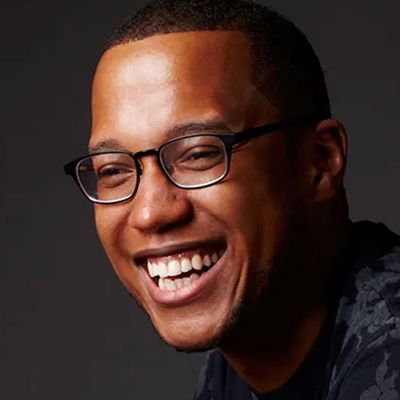
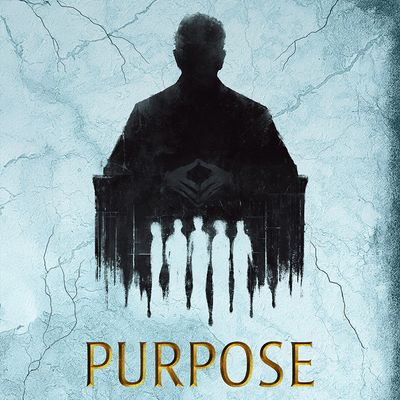
Branden Jacobs-Jenkins is a Pulitzer Prize, 2-time Tony award winning playwright and Vice President of the Dramatists Guild. His plays include "Purpose", "Appropriate", "The Comeuppance", and "An Octoroon".
The Dramatists Guild of America is the national, professional membership trade association of theatre writers including playwrights, composers, lyricists, and librettists, whose mission is to protect the economic, legal, and creative interests of professional writers in the American Theater. Visit www.dramatistsguild.com to learn more.
This podcast is supported by the Dramatists Guild Foundation (DGF), a national charity that fuels the future of American theater by supporting the writers who create it. DGF fosters playwrights, composers, lyricists, and librettists at all stages of their careers through educational programs; awards, grants, and stipends; free space to create new works; and emergency aid to writers in need of immediate support. DGF is a 2024 recipient of a Tony Honors for Excellence in the Theatre. By supporting and nurturing the creators of today, we protect the stories of tomorrow. Visit www.dgf.org or follow @DGFound to learn more about DGF's grants and programs or ways to donate.
Talkback is executive produced by Christine Toy Johnson and edited and recorded by Bruce Johnson. Our theme music is by Andrea Daly. Distributed by the Broadway Podcast Network.
Transcript
This transcript was automatically generated and might contain errors.
[0:13] Christine Toy Johnson: In part 2 of my conversation with Amanda Green and Branden Jacobs-Jenkins, we continue to dish the dish on demystifying compensation models, holding on to inspiration, and more. Amanda Green is a Grammy-nominated, two-time Tony-nominated lyricist and composer and the first female president of the Dramatists Guild. Her Broadway shows include Mr. Saturday Night, Hands on a Hard Body, Bring It On, and High Fidelity. Branden Jacobs-Jenkins is a Pulitzer Prize-winning, two-time Tony Award-winning playwright and vice president of the Dramatists Guild. His plays include Purpose, Appropriate, The Comeuppance, and An Octoroon. Here we go.
[1:08] Christine Toy Johnson: I'm so happy to be back with you, returning for what we're calling the wrap-up of season 6. It's episode 6, part 2 of our conversation that we started this whole season with. Amanda Green, Madam President, and Branden Jacobs-Jenkins, Mr. Vice President—he refused to be called that, but I do it anyway.
[1:27] Branden Jacobs-Jenkins: That's correct.
[1:28] Christine Toy Johnson: Because it's me.
[1:29] Branden Jacobs-Jenkins: And I'm in charge.
[1:30] Christine Toy Johnson: Madam Treasurer.
[1:31] Branden Jacobs-Jenkins: Here we go.
[1:32] Christine Toy Johnson: Madam Treasurer, right. So we wanted to come back to talk to you because there has been a lot of conversation at the Guild lately about this idea of financial literacy and how important it is for writers to know more than they might think they do about the economics of being a writer and all of the things that that entails. So, Amanda, I'd love to start with you. Thoughts you have about what you wish people knew?
[2:12] Amanda Green: Well, I'll include myself. But we have this culture as theater writers of not knowing, of you'll be taken care of. You don't need to know. You keep your eye on the artistic work. Everything else will be taken care of. And also of being told, frankly, directly and indirectly, that we should feel lucky and grateful that our shows are being put on, even though we employ hundreds of people. And we're often asked to be a team player and that in order to be not difficult and a team player, we should be willing and ready to do whatever it takes, even if it harms us and our wallet, to make sacrifices and to do lots of work not in our job description to make the show happen. And we've been having so many conversations and we want to disavow theater writers and to—Branden is always saying it—like to own how important we are to this art form.
You know, you can't put on a musical unless there's a musical that's written. You can't have a play with no play written by the playwright. So that's why it's important for us. Again, I speak for myself to not be the person who's like, "It'll be taken care of. I just need to be an artist. I'm not good about these things. It's more than I can understand." You know, I went to college. I don't know. I'm a pretty bright person. I'm not great, but I can figure out the basics. And it's important for us to own it and to take responsibility for our well-being and to share with each other what we know, what's been happening to us. You know, we can't collectively bargain, but we can share our stories.
And the more we know, you know, we're siloed as writers. We work alone, each on our own projects. And often we're experiencing the same thing at the same time, side by side, and we don't know it until after the fact. And that's one of the reasons the Dramatists Guild is so important, because we're in a room talking about what's happening. And we're like, "Me too. What did you do? Well, this happened to me. Oh, well, you know, when I tried that, then I got that." And you become empowered by knowing more about what kind of agency you can take.
[4:22] Christine Toy Johnson: Absolutely. Right. Branden?
[4:24] Branden Jacobs-Jenkins: Sorry, what was the question?
[4:25] Christine Toy Johnson: I know. I mean, ditto everything.
[4:26] Branden Jacobs-Jenkins: Exactly.
[4:29] Christine Toy Johnson: What's your name?
[4:30] Branden Jacobs-Jenkins: Ditto everything Amanda's saying, because I think, I mean, it's so funny. The three of us are just constantly in conversation just because of Guild work. It's hilarious to, like, try to pretend that we're not, you know, several years deep into conversations about these issues.
[4:45] Amanda Green: Not pretending, just trying to share it.
[4:48] Branden Jacobs-Jenkins: Yes, exactly. Like how to let someone into what's been an ongoing, and to me, very inspiring, very fruitful wrestling with colleagues that I have not had, again, like by myself with my laptop. Not thinking about these issues, but the minute you hear it's happening, everyone else, you go, there's something, it's endemic to the field, and it's time we sort of outed it and talked about it, and stopped being afraid to talk about it, because that silence is what keeps people confused and kind of put down. But in terms of financial literacy, you know, the great Marsha Norman used to say that the only person who really looks out for playwrights is other playwrights, which is, I think, quite true. You know, just even the way rehearsal rooms go, it's like everyone gets an assistant, but the writer, you know, designers all have each other, actors all have each other, but the writer's just sitting there twiddling their thumbs, making no money.
You know? So there's something kind of very profound about that, and I do think that what I've noticed over the years especially is a lot of young writers reaching out to me for advice, that to me, I'm like, why isn't your agent giving you this advice? They're actually getting 5% of your income. Why don't you know what your 10%? Yeah, like, why don't you know what that thing means in your contract? Or like, you know, what do you mean you started rehearsals without a contract signed? And like, what do you mean you haven't been paid? You know, these things where I'm like, there's like a lag happening here. And I think how the guilds historically were about the kind of, you know, skilled craftsmen in the village coming together to protect that knowledge, enhance that knowledge, pass it on, you know?
And I really do think that the guild, to me, has become more necessary than ever to correct this. I think I was just reading something today about how last season, Broadway season, was the highest grossing and the most well-attended, and I don't know a single writer who benefited from that news, right? Or like, you know, a month or two ago, they're complaining about how the $1 million tax credit went away. Don't know a single writer who benefited from that tax credit, right? So I'm sitting here going like, what, why are, we're like these weird ghosts in the machine, right? But there's so much economic news about this. You know, how much of like, how much of what's happening with Broadway is owned by private equity, you know?
Like there's, there's real, there's real world things at stake that depend on the work we do and the privacy of our own homes with our own imaginations. And yet, again, we're constantly infantilized and told we should be so grateful that anyone cares. When actually we're not like kids with crayons. We're people who are super trained. We have expertise in every department. We have to be able to cast. We have to be able to help a director when they're stuck. We have to be able to lead a design team. Like these are real hard skills.
[7:15] Amanda Green: Marketing.
[7:16] Branden Jacobs-Jenkins: Yeah, and it's about more than just putting a pen to paper. Like we're building the game board that every single person plays and benefits from, you know? So a few questions have come up since the first episode, mostly from me, that I wanted to take the opportunity to ask you both. And it really goes back to understanding from a fundamental level the idea of how writers get paid or don't get paid. So there's a certain terminology we've used, amortization, being paid on the gross, commissions, not getting paid at all, not having a contract. And I'd love for you to talk to any listener who doesn't know any of these terms, or as if they don't know the terms, to give them a little insight. For example, let's start with what the idea of being paid on the gross means.
[8:12] Amanda Green: And where have you seen that mostly happen? Again, the important difference between a dramatist and, let's say, a screenwriter, and this is something that I guess happened in the early 20th century, and here we all are, you know, we retain the copyrights to our work. So if you're a screenwriter, you're literally selling the thing you make to someone else.
[8:29] Branden Jacobs-Jenkins: Right.
[8:30] Amanda Green: That they can do whatever they want with.
[8:31] Branden Jacobs-Jenkins: Your work for hire.
[8:32] Amanda Green: Your work for hire. You're given a lot of things. Money's paid into an insurance fund for you. You know, different thing. But you, at the end of your life, ultimately own nothing that you've done. Right? Everything you own lives in a vault somewhere in Warner Brothers. That's the experience of your life. And anybody can rewrite it, or do whatever they want.
[8:49] Branden Jacobs-Jenkins: Anyone can rewrite it, or even put your name on things you didn't write. You know, they can take your name off the thing and then give it to somebody. They can do whatever they want, because they paid you for it. So you've given up the rights to that.
[8:56] Amanda Green: Right.
[8:57] Branden Jacobs-Jenkins: You're an intellectual property. Whereas what we do, what novelists do, and what poets do, I guess, poor poets, you know, is we maintain that the thing that I write, the play that I write, is mine until I say otherwise. Right? And any profit I'm making is because I'm licensing the rights to this to someone to put on a play. And as a result, I participate in any income that is made with that property. Right? And how that number is calculated is either on something called gross, which, honestly, 90% of the theater happening in the world and that the writers paid for, and the writers live alive to be paid for, is paid on the gross. Meaning, for every ticket that's sold, you're getting some percentage of that.
And this is a very old practice. You know, there's a great book called Shakespeare's Money that talks about how Shakespeare made money, and he was a partner in the theater that produced his plays. So he made like a penny for every three pennies that were made. Right? So he made like a 33% gross. Pretty good. Pretty unheard of.
[10:03] Amanda Green: Pretty good for Shakespeare.
[10:04] Branden Jacobs-Jenkins: No wonder. And it's not happened since. He ruined it for the rest of us. The producers figured it out quick.
[10:09] Amanda Green: And is there a quote-unquote standard percentage or do people negotiate?
[10:12] Branden Jacobs-Jenkins: Not exactly. I mean, generally, you want to be making around 5%. And then in musicals, it's 6%, but it's broken up between a composer, lyricist, and book writer. And the beauty of being paid on the gross is that it is very... First of all, you start making money as soon as the ticket is sold. And you see how much money. You know, you can see everywhere what a show made in a week. And you know you'll be getting that percentage of that number you see.
[10:43] Amanda Green: Yeah, so it's a more transparent...
[10:46] Branden Jacobs-Jenkins: Because in order to know what that number is, they have to be... They, meaning the producers or who's handling the property, have to be saying to you, "This is how much money it made, and here's how much you're getting of it," right? So they pay you some amount, and it seems like they're lying. Well, then you can sue them because you have an agreement based on gross, and they're being fraudulent, right? Now, what's crept into the lexicon or I guess into practice more consistently are things like net profits where producers decide that you'll make usually a higher percentage point of any proceeds made above a break-even amount, right? And so an example of this would be, say you've been promised the show takes $5 to make.
[11:33] Amanda Green: Wouldn't that be amazing?
[11:35] Branden Jacobs-Jenkins: They have to make $5 before you make a cent, right? Because in theory, these operating costs are covering things like labor, like paying the actors, keeping the lights on, things that should feel like bare essentials. Now, this question's about what actually creeps into the definition of what it takes to run a show, right? Because what we've learned is that a lot of these producers have their own set fees and office fees built into these numbers that are hidden, right? And our office fees aren't covered, right? Our assistants aren't covered. Our printing isn't covered, right? This is a real concern.
[12:06] Amanda Green: Our bus fare isn't covered.
[12:07] Branden Jacobs-Jenkins: Yeah, bus fare's not covered. Nothing's covered.
[12:10] Amanda Green: Lunches aren't covered, right?
[12:11] Branden Jacobs-Jenkins: So there's a question of like equity in those things. But also inside of that, there's new schemes. Like if you're talking about the top tier of the industry being like Broadway, there's the gray zone. So they're actually saying that breakeven is actually 120% of that number, right? So if you're making even 20% more profits, you still don't get any pay because that's what they've decided they need to retain that buffer. So ideally, everyone wants gross because gross is just the simplest. It's the clearest. It's the most honest because it's really connected to what your property is valued at, right? The value that you're creating, you participate in that value into storing. And typically, this will happen in regional theaters across the country.
[12:53] Amanda Green: Yes, so non-profits tend to have to do that for a lot of reasons, right?
[12:55] Branden Jacobs-Jenkins: Pay it on the gross.
[12:59] Amanda Green: Yes, because they're non-profits, they shouldn't be concerned about net profits.
[13:05] Branden Jacobs-Jenkins: Right, right, right. They make the shows they make and they should break even because they're a non-profit that gets government funding or foundational funding to keep running. They should have pretty much a zero balance budget through the year, right? So it's really when you go into the commercial space that you see these different schemes creep in and the reasons they give are plentiful.
[13:24] Amanda Green: Manifold.
[13:25] Branden Jacobs-Jenkins: It's plentiful and manifold at the same time.
[13:26] Amanda Green: I made that up.
[13:27] Branden Jacobs-Jenkins: You made a new word.
[13:28] Amanda Green: Copyright.
[13:29] Amanda Green: Manifold. Manifold. Right, but ultimately those things, you know, it's very rare that they work out in the, as we're learning, it's very rare they work out in the dramatists' favor. Yeah, there's amortization, which is like a word that I'm always like, I hear it and I go, I don't know. But now you do. Now you can tell us about it. It started, it was a practice that started decades ago, but the finances of Broadway have changed so much that it means something very different than when it started. It's a way, honestly, for writers to take the burden of paying back. Investors get paid back before the writers get their royalty. So it's gotten more aggressive over the years, the use of amortization.
So your show could be making two million dollars a week and you're like, hey, I got a hit show. But if the investors have not recouped yet, you will still receive minimums. And the reason why this is complicated is that as a writer, you do not set the capitalization number of the show, meaning you don't decide how much money from investors is going to be taken in to make the show because there's no budget transparency, right? And so if your show again takes five dollars to make, but the producers decide, well, we've got to capitalize this at three thousand dollars, right? You have no idea where that three thousand dollars is going, really. But you're not going to make any money back until that three thousand dollars is paid back to wherever that three thousand dollars came from.
A hundred and ten percent recouped, which is another term that has come up. It's not till the three thousand. It has to be three thousand plus three hundred before you get paid. And also it puts the writer in the position of taking on the risk of the producers and we're repaying the investors as if we are the producers. And the risk we take is spending five to seven years, whatever it takes, you know, three to seven to ten years to write something basically on spec, except for an advance that we get if we're fortunate and have producers or get a commission in the hopes that the show will be produced and done. But then so we don't get paid at the front and then we have to like take a big cut in the middle.
And often when that it's recouping, that can be the hottest week of a show. So you will never get that money if your show dips down and is now making eight hundred thousand dollars a week after one hundred and ten percent recoupment. You will never see the kind of money that you saw when it was you could have seen when it was making two million dollars a week. Yeah, you understand. So it really you can also there are royalty pools.
[16:12] Branden Jacobs-Jenkins: Well, so I want to go to that. I want to I want to talk about royalty pools and minimums for those who don't know really what that entails. I just love to. Yeah. And we're talking about, again, like the top two percent of the field. Right. This is Broadway and Broadway. But it's, you know, touring like it's a bigger. I would argue that it all trickles down. I agree. It creates standards. I agree. Everything. And and also it's important because there's this perception that like once you're on Broadway, it's like, you know, the slot machine is is paying out. And it is possible to be on Broadway, to have written a show, gotten commercial producers, open on Broadway, run for four months and never see a penny.
Right. I know it's tragic. And it's also possible to have an off-Broadway hit that makes way more money. Yes. Than the Broadway hit that won that wins all the awards. Right. That's very possible in this current economy because of these sorts of things we're talking about. But let's talk about using minimums and what else? Minimums and royalty pools. For those who don't know, let's start with the concept of the royalty pool. Who typically is in that pool?
[17:39] Amanda Green: I wish I could say it was as much fun as like a swimming pool. Like it's a royalty pool. You sit on the throne and you're in the pool. No, a royalty pool is, again, it can be, you know, if the show is very profitable, it can be good for writers because it's like you get they it's very it's a little complicated for me now. I'm trying to explain it. But the show has to reach a certain threshold in order for the pool to kick in. So if the show doesn't reach that threshold, you get no royalty. You get a minimum. And the minimum is something you negotiate or something that is a standardized minimum?
[18:04] Branden Jacobs-Jenkins: Well, there is a standardized minimum in the APC. The Approved Production Contract. The Approved Production Contract, yes. But first of all, anything in your contract can be negotiated. Right. It's a combination of how well you're willing to draw the line in terms of how you value your work, how good your agent is, right, how willing the producer is, you know, but, you know, minimums are a set number that a writer is guaranteed to be paid per week. Yes. And yeah, yes, there is a baseline. I think what's the base number? Is it like, is it 2000?
[18:37] Amanda Green: Yeah. But again, keep in mind, these numbers are very old, you know, but most people and I would encourage anyone to make sure that your minimum is as high as possible before you agree to it. Yes. Yeah. But so it only, the royalty pool gets kicked in at once the show reaches a certain amount of money, but if it doesn't, no royalty pool. And what about the recoupment? Do the royalty pools kick in?
[19:02] Branden Jacobs-Jenkins: I don't, I don't. It's not based on recoupment. I think it's on how much it's gross. Yes, yes, yes, yes. And also, writers share the royalty pool with designers, directors, choreographers. So the more people in it, even if you've got a bigger percentage of the pie, it's the pie gets smaller. So it's sort of, it's not very healthy for, you know, anybody in that pool. And, and writers as the creators really ought not have to be in the pool.
[19:27] Amanda Green: So also particularly, sorry to interrupt. I'd say particularly, I hesitate to use the word criminal, but unsavory practice is often writers are asked in shows that are quote unquote struggling, whatever that really means. This is the third piece of the trifecta of not getting paid.
[19:48] Branden Jacobs-Jenkins: Yeah. Also the, who decides it's struggling is the producers, not you, but writers are often asked to waive their royalties. Which means you get zero dollars for that week. And when you get, when, when the reason why writers are asked first is because you actually, this is important people to know, is that the choice you make affects every other creative participant in that royalty pool. If the writer waives their royalties, everyone else waives their royalties. Right. Okay. They are tied to the, to what the writer does.
[20:16] Amanda Green: And then there is something called deferment where they're, where writers could be asked to defer their royalties or their minimums. Well, you never defer minimums. You can waive your minimums or you can have something called reduced minimums, which literally makes no sense. But no such thing as a reduced minimum, minimum is a minimum. But, but you, you know, the point of a minimum is that that's what you're guaranteed payment of. Keep in mind, that's pre-tax money. That's pre-commissions.
[20:45] Branden Jacobs-Jenkins: No, but on the weeks when you're asked to waive, you get zero.
[20:48] Amanda Green: You get zero. Exactly. You get zero. You do not get, you get zero minimums. Speaking of people that we've heard from who have been on Broadway and made zero money, that's probably what is happening.
[20:56] Branden Jacobs-Jenkins: It's the trifecta of amortization, royalty pool and being asked to waive. And the thing is, the thing that, that writers are told again and again is, do you want your show to happen? Right.
[21:10] Amanda Green: You know, it's sort of like, you know, playing the piano and saying, but you're not going to, we're not going to pay you, but you can sell your CD outside the club afterwards.
[21:19] Branden Jacobs-Jenkins: And it will take 40% of that CD by the way.
[21:24] Amanda Green: Yeah. I mean, I will say I've literally never met a writer who deferred their royalties and it actually came back to them.
[21:30] Branden Jacobs-Jenkins: So they basically waived them, yeah.
[21:34] Amanda Green: I literally, every writer I know who's waived them has never seen that money ever again.
[21:39] Branden Jacobs-Jenkins: That's as writers I know.
[21:43] Amanda Green: Let's talk a little bit about what kind of power you would like to see writers have over any of these things and how, how that, this is a leading question because I really think we've heard from people and talked to people who have found strength in numbers, even though we're not allowed to collectively bargain, there is strength in numbers in, in how people decide to do things or not do things.
[22:15] Branden Jacobs-Jenkins: It's not about a strength that we need to have. It's, it's acknowledging the strength you already have. Right. So I think what's happened is that people have internalized this gratefulness. They've internalized this idea that they're replaceable. They've internalized this idea that like all we're doing is just expressing things. There's no skillset involved here. There's no expertise involved here. Why should I ask for more money for my literal skillset? You know? So I think for me, what I, and the reason why I think the numbers works is because that's people believing, betting on themselves and saying, actually, I don't think you're going to find as good a writer for me for this project. And you can go ahead and hire a person who's underqualified is going to take the sack of nickels you offer them.
And then you're going to see your product fail. You're going to lose millions of dollars. You're going to get sued probably by someone. Right. Let them have that journey. This is what I'm saying. We, we sit at a very important place in the chain of action that leads to a work happening. Right. And I think we have to like sit in that power and also know that sometimes no is the best thing to say in this moment, you know? And if you're talented enough, one opportunity doesn't come by. They keep coming by. It's not a bit, you know, it's not a big enough field that there's like 50,000 people behind you trying to get your job. And we all see to like, start believing that, you know, really internalizing that and being willing to stand up and then say, and sometimes it's difficult to have these agents who are sometimes friends, sometimes not friends, you know, and sometimes they're our first agent.
Sometimes they're a new agent and saying to them, like, I can't, I'm concerned that you're, you're devaluing my, my skillset and that there's a disjunct between us about what I think I should be earning here versus what's happening. But really also part of the safety is, safety is never something that we said, but power in numbers is knowledge sharing. We have to say to each other, stay away from that producer because this is what's going to happen based on what I've heard from this person, this person, this person. And that's not collective bargaining. That's just knowledge sharing. Also, like I was in this position and I did this. And so I got that. And you're like, oh wow. Okay. If you did it, maybe I could do it. You know, it is really empowering each other. And as I said, we're, we're in these silos and the Dramatist Guild is here to like put us in a room and be able to talk to each other.
[24:32] Amanda Green: Yeah. The two takeaways I have from this conversation and also our conversation earlier in the summer is know your worth. Yeah. And sometimes you have to be willing in any negotiation to walk away and for that opportunity to go elsewhere. And that's okay. But you have to be really willing to stand by your work, stand by your yourself and not take something that you don't feel is up to you. A Faustian bargain rarely works out.
[25:10] Branden Jacobs-Jenkins: You know what I mean? So if you're like, well, I have to give up all of this and this feels awful, but at least I, you know, I don't.
[25:18] Amanda Green: Yeah. I think it's not just know your worth, but grow your worth. Right. In that, in the sense that what has value is your skillset. So grow the skillset. Right. You know, I think of all time about Stephen Sondheim, you know, one of his, of course, his mentor was Oscar Feinstein, but he didn't want to do West Side Story. Cause it was like, I don't want to be a lyricist, you know? And Oscar Feinstein was like, listen, kid, you have an opportunity to be in the room with some of the best minds working. It's going to work out. And it definitely clearly worked out. You know? And I do think that like, there are times when you take that job that doesn't pay you the premium you think you deserve, because there's something about this experience is going to add to your skillset. It's going to add to value. It's not always getting the top dollar. It is getting the top thing that for you.
[26:02] Branden Jacobs-Jenkins: That for you, that's going to, that's going to keep you moving the form forward so that you can help others move it forward. You know what I mean? So I do think it's, but I do think it's like, people have to stop thinking that drama, dramatic writing or being a dramatist is like vomiting on a paper plate. Like we, we, I'm saying we, we, it's a, it's a skill to make a show requires more than me tapping into my laptop. I mean, we all know this. You have to know how to identify the talent that can deliver the work. You have to know how to talk to actors. You know, you have to figure out how to identify the right director. I mean, you have hiring approval. People forget this. That's another thing is using the rights you do have.
[26:42] Amanda Green: Yeah. Uh, don't, don't let them go.
[26:44] Branden Jacobs-Jenkins: Yeah. Do not let them go. Yeah. You actually don't have to take producer's notes. They signed a contract where I'm saying that can be its own sticky wicket for you and interpersonally, but the contract that they signed is they will produce the play that you begin.
[26:58] Branden Jacobs-Jenkins: I think that’s a really important point, Amanda, about the idea of being able to say no. I think that’s something that we really have to learn how to do in this industry, especially as we’re navigating these conversations about money and compensation.
[27:28] Branden Jacobs-Jenkins: It’s not just about the financial aspect; it’s also about protecting our creative energy and our time.
[27:58] Branden Jacobs-Jenkins: I’ve had to learn that the hard way, honestly. There have been projects that I’ve taken on that I thought would be great opportunities, but they ended up draining me more than they inspired me.
[28:28] Branden Jacobs-Jenkins: So, I think it’s crucial for us to really evaluate what we’re saying yes to and what we’re saying no to, and to understand that saying no can be just as powerful as saying yes.
[28:58] Branden Jacobs-Jenkins: It’s about valuing our own work and our own time, and recognizing that we have the agency to make those choices.
[29:28] Branden Jacobs-Jenkins: And I think that’s something that we need to continue to talk about, especially in this moment where there’s so much uncertainty in the industry.
[29:58] Branden Jacobs-Jenkins: We have to be able to advocate for ourselves and for our fellow artists, and that includes having those tough conversations about money.
[30:28] Branden Jacobs-Jenkins: It’s not just about what we’re worth, but also about what we need to sustain ourselves as artists.
[30:58] Branden Jacobs-Jenkins: I think that’s a conversation that’s long overdue, and I’m glad we’re having it.
[31:28] Branden Jacobs-Jenkins: It’s about creating a culture where we can talk openly about these things without fear of judgment or repercussion.
[31:58] Branden Jacobs-Jenkins: And I think that starts with us, as leaders in the community, being transparent about our own experiences and the challenges we face.
[32:28] Branden Jacobs-Jenkins: I think that’s how we can begin to shift the narrative and create a more supportive environment for all artists.
[32:58] Branden Jacobs-Jenkins: It’s about building a community where we can lift each other up and share resources and knowledge.
[33:28] Branden Jacobs-Jenkins: And I think that’s something that the Dramatists Guild is really working towards, which is so important.
[33:58] Branden Jacobs-Jenkins: We need to continue to push for change and advocate for better practices in our industry.
[34:28] Branden Jacobs-Jenkins: And that includes not just financial compensation, but also the way we treat each other as artists and collaborators.
[34:58] Branden Jacobs-Jenkins: It’s about creating a space where everyone feels valued and respected, and where we can all thrive creatively.
[35:28] Branden Jacobs-Jenkins: So, I’m really grateful for this conversation and for the opportunity to share these thoughts with you, Amanda.
[35:58] Branden Jacobs-Jenkins: I think it’s crucial that we keep this dialogue going and continue to support one another in our journeys as artists.
[36:28] Branden Jacobs-Jenkins: It’s not always easy, but it’s so important for our growth and for the future of our community.
[36:58] Branden Jacobs-Jenkins: And I think that’s something we can all commit to moving forward.
[37:28] Branden Jacobs-Jenkins: Let’s keep pushing for change and advocating for ourselves and each other.
[37:58] Branden Jacobs-Jenkins: Thank you for being a part of this conversation, Amanda.
[38:08] Branden Jacobs-Jenkins: I really appreciate your insights and your willingness to share your experiences.
[38:18] Branden Jacobs-Jenkins: It’s been a pleasure talking with you.
[38:28] Branden Jacobs-Jenkins: I look forward to continuing this dialogue and seeing how we can make a difference together.
[38:38] Branden Jacobs-Jenkins: Thank you for having me on the show.
[38:48] Branden Jacobs-Jenkins: I’m excited to see where these conversations lead us.
[38:58] Branden Jacobs-Jenkins: Let’s keep the momentum going!
[39:06] Branden Jacobs-Jenkins: I think we have the power to create real change in our industry.
[39:16] Branden Jacobs-Jenkins: And it starts with us being willing to have these tough conversations.
[39:26] Branden Jacobs-Jenkins: So, thank you again for this opportunity.
[39:36] Branden Jacobs-Jenkins: I’m looking forward to what’s next.
[39:46] Branden Jacobs-Jenkins: Let’s keep pushing forward together.
[39:56] Branden Jacobs-Jenkins: I appreciate you, Amanda.
[40:06] Branden Jacobs-Jenkins: Thank you for being such an inspiring voice in our community.
[40:16] Branden Jacobs-Jenkins: Let’s continue to uplift each other and advocate for our worth.
[40:26] Branden Jacobs-Jenkins: Together, we can make a difference.
[40:27] Branden Jacobs-Jenkins: And now it's very opaque.
[41:27] Branden Jacobs-Jenkins: Yeah, and again, if the news every year is that this is the most well-attended and highest-grossing Broadway season ever, and that it's not being reflected in the livelihoods of the makers, that money's going somewhere, right? And that's really the question. That's what we're following.
[41:57] Branden Jacobs-Jenkins: I think it's also interesting that we have talked about, you know, the way, speaking of the way the industry has changed, the way new play development has changed. And so we find ourselves developing these plays or musicals—musicals take longer, traditionally—but for years and years, and then you're still in that no-man's land of not getting paid up until, hopefully, you're getting paid when the tickets are sold. But that in the old days, a producer would decide to produce a musical, for example, and then take it out of town. And you would be earning money because you would see the tickets being sold as it's on its way to Broadway.
[42:47] Amanda Green: Right.
[42:47] Branden Jacobs-Jenkins: So workshops have replaced out of town, even though we do go out of town. Workshops have replaced what used to be an out-of-towner, which is like, open it up cold and fix it, like hell.
[43:16] Amanda Green: Yeah, and so I think that's an interesting perspective to have just historically, because I know that a lot of us think, why is it taking so long to go through all of these readings and 29-hour readings and workshops, and you're still not getting paid, as the writer and the person who was there when the page was completely blank? So that's, yeah, sometimes I think it's helpful to get some context around that. It has changed.
[43:44] Branden Jacobs-Jenkins: I mean, my dad was a theater writer, and he made really good money. And some of his shows ran for three years, some of them ran for a year, but he got wealthy doing writing musicals.
[44:06] Amanda Green: When he would start, when he would get an idea, then how long, typically, from there to the production?
[44:07] Branden Jacobs-Jenkins: Oh, I don't know, you know, three years, maybe? You know, less, less time.
[44:15] Amanda Green: Less than seven.
[44:17] Branden Jacobs-Jenkins: Less than seven. The internet's fine, I can tell you that when you sign on to a job. I mean, I will say that, I mean, this is a whole other podcast, but there are some significant kind of structural changes everyone's sort of noticing and bemoaning in the field. One of them is the disappearance of new play development spaces, like the Sundance, or The Lark is what I was thinking, but also Sundance, even O'Neal, they say, is in trouble.
[44:40] Amanda Green: Every summer there's an article about how O'Neal's in trouble, you know, and these are very significant playgrounds for not just development of work, but development of talent that were ultimately funded by foundations, and sometimes government grants.
[45:04] Branden Jacobs-Jenkins: And actually, for example, last year, every single—not this season, but 2004—every single play that was nominated for Best Play had originated in a non-profit. Similarly, this year, Purpose was started at Steppenwolf, it was a commission from something called the Drew Hines Foundation, which was a foundation that gave money to commission to a non-profit theater of my play, right?
[45:22] Amanda Green: So in even Kimberly Bellflower's work, I think she wrote that maybe in grad school, but had had this very significant life in the region and in universities, and that money flowing in there is not individual investors, right? Those are, that's very sacred money in some ways, right?
[45:40] Branden Jacobs-Jenkins: And I think that these things have all fed a commercial system that when you get here ultimately treats writers pretty unfairly, right? But what's happening is that because all those things dried up, and non-profits themselves are struggling, that foundational money's there, I think no one in the commercial space realizes that the well that they're drawing from is drying out, right? And they're not putting back, they're not putting money back into development, right? They're not actually encouraging new talent, they're not kind of allowing, you know, commissions.
[46:10] Amanda Green: I feel like I came up during a really important kind of boomer, boom moment for playwriting, you know, every single theater had money to commission young writers, and that was a very significant—it wasn't a lot of money, but for like a 25-year-old, it meant you would write a play, you know what I mean? And I wonder now, like, where those folks go, I mean, for a while television was sucking them up, but that's now contracting in the field, I just don't really know what people do to make a living as a writer, I think you'd probably work a survival job much longer, but even then, how does the work get better?
[46:42] Branden Jacobs-Jenkins: How do you put people in situations where they're learning how to work with actors, you know, I remember once writing a play, like, a single tear goes down her eye, or something like that, and the actress turned to me and was like, I absolutely hate you, do you understand? And she, when she broke down for me, she was like, that is an insane thing to ask a person to do every single night. And I would have never, I would have never learned.
[47:02] Amanda Green: I hope you told her, I want to see that single tear, eight times a week.
[47:05] Branden Jacobs-Jenkins: And I said to her, you're fired, I fired her on the spot, but no, but that was a huge learning moment for me, was going like, oh wait, actors every night have to replicate the show.
[47:16] Amanda Green: Right, I know, yes, I had actors be like, that's a mouthful, I can't say that, and I was like, but, but, okay.
[47:22] Branden Jacobs-Jenkins: Yeah, right, but I learned that because I was in a safe, random, I wasn't in rehearsal for the play. You know, that's that kind of education, that's a part of what makes, that affects what the product winds up being, and it's just not there, and no one's, no one's quite acknowledging that, and no one's rushing to support it or fix it.
[47:39] Amanda Green: Right, I talk about process all the time, and how important it is, and how we've become so result-oriented, that a lot of times, people just want it to be, leap from your laptop onto the stage without the kind of time and space and collaboration that is necessary.
[48:00] Branden Jacobs-Jenkins: Right, and that time and space takes money, it takes resources. I remember Lynn Nottage, a few years ago, bemoaning, she's like, I think we live in a first draft culture, where everyone writes a first draft, and that's the one they want to get done. I'm like, of course we do, because you gotta, you know, you gotta do a full year of Ubers to get to time to sit down and write the second draft now, because you don't have Sundance flying you out to Utah, and paying you, honestly paying your rent for a month, so you can sit there and make it better.
[48:24] Amanda Green: You know, we just don't have that anymore, and I think we're going to see the effects of that even more.
[48:32] Branden Jacobs-Jenkins: I talked to Lloyd Suh about this in our interview, because you know, as you know, he was so vital in the Lark, Ma-Yi Writers Lab, second generation, he really, and he talked about how it's really time to build now, so I'm going to circle into this other feeling of, that I'd love to share with you, and also have you bounce back, what gives you hope in the midst of all of this?
[49:02] Amanda Green: Because it's a difficult time, but I really think that as much information as we can share, we can also share inspiration, which you certainly do for me every day I talk to you, both.
[49:15] Branden Jacobs-Jenkins: You're pottery, I mean that's...
[49:16] Amanda Green: I know, that's my hobby.
[49:17] Branden Jacobs-Jenkins: No, no, no.
[49:18] Amanda Green: Am I not, am I not directed by Etsy page?
[49:21] Branden Jacobs-Jenkins: No, I'm sorry, sorry. I think, that's a great question. I guess I have a lot of hope in how many people are talking more openly about their financial world. You know, we were on a council meeting yesterday, where like, some three incredibly heavy hitter playwrights, who I looked up to coming up, confessed to some pretty gnarly stuff that was happening to them, and I was like, wow.
[49:50] Branden Jacobs-Jenkins: You know, if these people aren't safe, no, we don't stand a chance. You don't want anyone to go through it, but it does give you some solace to know that you're not alone, and that together, by sharing the information, we might be able to help each other.
[50:06] Amanda Green: That's the beginning of organizing, yeah.
[50:09] Branden Jacobs-Jenkins: I echo that. I do think the more we talk, and the more information we share, and the less, again, the shame of like, I can't believe I let that happen to me. I feel like a sucker.
[50:20] Amanda Green: I don't think.
[50:21] Branden Jacobs-Jenkins: I should have read it. I should have not. You know, it's just like, sharing it, and information is, knowledge is power.
[50:29] Amanda Green: Knowledge is power.
[50:30] Branden Jacobs-Jenkins: Absolutely. I want to say, too, I am experiencing a lot of young artists who are, I know I just brought up the first draft culture thing, but I'm meeting young artists who have very big, impossible ideas that they know they're not going to immediately make money from.
[50:45] Amanda Green: Does that make sense?
[50:46] Branden Jacobs-Jenkins: I have hope about that. I have hope that people are realizing that whatever they make, you'll never be paid enough for it. You know, so you might as well make the thing you really want to make.
[50:56] Amanda Green: Yeah.
[50:57] Branden Jacobs-Jenkins: You got to make the thing, because also, the thing is always the best.
[51:01] Amanda Green: Yes, exactly.
[51:02] Branden Jacobs-Jenkins: And it will—
[51:03] Amanda Green: That thing is always the best.
[51:04] Branden Jacobs-Jenkins: You can't chase prestigious this or that, and it's never the thing.
[51:08] Amanda Green: The thing is always like, oh my God, this is so weird. Can I do this? I'm going to try.
[51:12] Branden Jacobs-Jenkins: Yeah.
[51:13] Amanda Green: That's the thing.
[51:14] Branden Jacobs-Jenkins: I think I'm feeling people turn on. I feel like for a while, everyone was getting pitched like, do you want to make a musical about Wheel of Fortune?
[51:20] Amanda Green: And you're like, what?
[51:21] Branden Jacobs-Jenkins: You know, everything was like—
[51:23] Amanda Green: Why?
[51:24] Branden Jacobs-Jenkins: What have you heard? Is that happening?
[51:26] Amanda Green: Back off.
[51:27] Branden Jacobs-Jenkins: Amanda, it's my job.
[51:28] Amanda Green: Are they seeing people?
[51:30] Branden Jacobs-Jenkins: No, but what I mean is like, there's a rise again.
[51:34] Amanda Green: Exactly.
[51:35] Branden Jacobs-Jenkins: Can I get a meeting?
[51:36] Amanda Green: But what you're feeling is people actually working on original ideas.
[51:42] Branden Jacobs-Jenkins: You know, I thought that was what was kind of so great about the story of Seraphonic, or even O'Mary this year. I know we don't want to talk about it.
[51:48] Amanda Green: I know you told me not to talk about shows, but just saying, but what it is, I'm seeing a lot of things like that, where people aren't like rushing or being tricked into adapting a movie.
[51:59] Branden Jacobs-Jenkins: I was talking to a very nice man who was telling me about AI and how it can be useful for theater writers and because it's been very useful for filmmakers. And he was talking about, and he was very knowledgeable, and there are some ways that it could be useful, but he was like, well, you know, you can check and like, what's in the zeitgeist? What's the, you know, what are people going to see?
[52:20] Amanda Green: And I was like, stop, right? Because when someone writes a play, it's like, I hate my mother and I have to write this play. You know, and like, it's not, it doesn't tick off any boxes of what people need to see. It doesn't, there's no, you know, demographic, you know, it's just sort of like the thing they've got to write, you know, and that's what plays are.
[52:39] Branden Jacobs-Jenkins: And musicals, you know, a musical, whatever, you know, so that's the thing.
[52:43] Amanda Green: I hate my mother, the musical.
[52:46] Branden Jacobs-Jenkins: Or Wheel of Fortune.
[52:47] Amanda Green: Or Wheel of Fortune.
[52:48] Branden Jacobs-Jenkins: Wheel of Fortune. Ryan Seacrest hates his mother, Vanna White is his mother.
[52:54] Amanda Green: Someone call me.
[52:55] Branden Jacobs-Jenkins: Thank you so much to all our guests this season.
[53:02] Amanda Green: This podcast is supported by the Dramatists Guild Foundation, a nonprofit organization that fosters playwrights, composers, lyricists, and librettists at all stages of their careers.
[53:13] Branden Jacobs-Jenkins: DGF supports these writers with financial grants, free space to create new works, and career resources and programs.
[53:20] Amanda Green: If you are a dramatist seeking support or are a lover of theater who wants to support the future of storytelling, visit dgf.org or follow @DGFound to learn more.
[53:33] Christine Toy Johnson: Talkback is executive produced by me, Christine Toy Johnson, and edited and recorded by Bruce Johnson. Our music is by Andrea Daly. We're distributed by the Broadway Podcast Network.
[53:45] Christine Toy Johnson: As always, to be continued.
© Broadway Podcast Network, All Rights Reserved