

Merrily We Roll Along's Broadway and film director Maria Friedman joins The Art of Kindness for a chat on translating her Tony-winning take on the hit Stephen Sondheim production to a SONY film, starring Jonathan Groff, Daniel Radcliffe and Lindsay Mendez... Read More
From the show: The Art of Kindness: Pop Culture & Positivity with Robert Peterpaul
Guests
Featured Shows
About
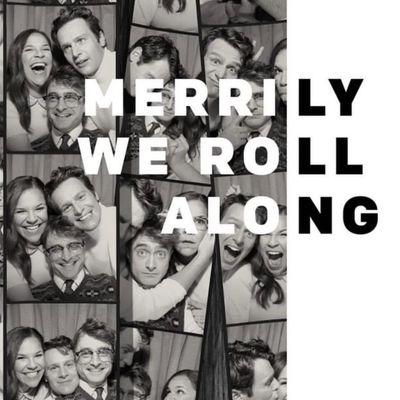
Merrily We Roll Along's Broadway and film director Maria Friedman joins The Art of Kindness for a chat on translating her Tony-winning take on the hit Stephen Sondheim production to a SONY film, starring Jonathan Groff, Daniel Radcliffe and Lindsay Mendez.
The kind musical theatre titan and host Robert Peterpaul discuss:
- How kindness is at the core of Merrily.
- How to lead with kindness on Broadway and beyond.
- Her close relationship with Stephen Sondheim and more.
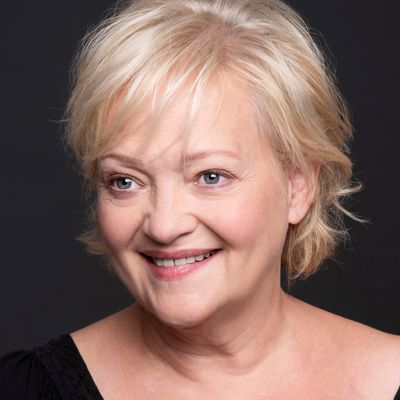
MARIA FRIEDMAN is a 4-time Olivier Award-winning star and Tony-nominated director, celebrated as one of the definitive interpreters of Stephen Sondheim’s work. She most recently directed the 4-time Tony Award-winning Broadway Revival of MERRILY WE ROLL ALONG. Her acclaimed production of Merrily We Roll Along originated in London and conquered Broadway with sold-out houses, securing the Tony Award for Best Revival of a Musical. As an actress, Maria is best known for starring in classic Sondheim roles, including Dot in Sunday in the Park with George and the Olivier Award-winning Fosca in Passion. Her illustrious career is a masterclass in musical theatre excellence across the West End and international stages. And let's not forget her starring turn as the Narrator in the Joseph And the Amazing Technicolor Dreamcoat feature film!
Follow Maria:
Follow us:
@artofkindnesspod / @robpeterpaul
youtube.com/@artofkindnesspodcast
(https://www.buymeacoffee.com/theaok)
Got kindness tips or stories? Want to just say hi? Please email us:
artofkindnesspodcast@gmail.com
Music:
"Awake" by Ricky Alvarez & "Sunshine" by Lemon Music Studio.
Transcript
This transcript was automatically generated and might contain errors.
[0:00] Robert Peterpaul: Hello, beautiful people. Welcome to The Art of Kindness, where we have compassionate conversations with artists from all areas of the entertainment industry who are using their voice to spread joy and make this big, spinning planet in the universe a better place to be. I'm Robert Peterpaul, and I'm so glad you're here!
[0:30] Robert Peterpaul: Hello, old friends. I'm here today with a bonus episode featuring the extraordinary director Maria Friedman, the visionary who helped shape Merrily We Roll Along into the powerful, resonant hit it is today.
[0:51] Robert Peterpaul: With the new filmed version coming out nationwide December 5th, capturing the production's emotional electricity up close, this felt like the perfect moment to explore her process, her memories of Stephen Sondheim, and how kindness fuels her work both on and off screen.
[1:09] Robert Peterpaul: I wanted to also ask her about being the narrator in Joseph, but we were doing this during a press circuit, so we did not have time to ask a lot of questions, which is why this episode's shorter than I would like it to be. However, I think it's still chock-full of kindness, and I hope you enjoy, friend.
[1:25] Robert Peterpaul: Without further ado, let's roll into the conversation with Maria Friedman.
[1:39] Maria Friedman: You win for best title in everything I care about.
[1:48] Robert Peterpaul: Maria, that means so much to me. Thank you. You win for best movie to come out this year. I'm so excited to share some time with you today. How are you?
[1:58] Maria Friedman: Very, very good. Thank you.
[2:00] Robert Peterpaul: You look lovely, and I really enjoy this magical background behind you.
[2:05] Maria Friedman: I'm Sri Lankan, all made from one piece of wood, one tree.
[2:09] Robert Peterpaul: Wow, that's incredible. Well, I don't know if the stage at the Hudson Theatre was made from one piece of tree to have a clunky transition here, Maria, but we're so excited to break down everything merrily with you.
[2:21] Robert Peterpaul: I was so fortunate to see this show when it was on Broadway, and then to see how you translated it to film, it blew my mind. But just for some context here, we always start out by asking, what is your personal definition of kindness, and how do you think it's evolved over the years?
[2:39] Maria Friedman: The reason I tell stories, and I've spent my life telling stories, is because I think the world needs empathy, and not tolerance, some understanding, but kindness. My goodness, what an easy thing to be and do, and how difficult it seems to be for so many people.
[3:04] Maria Friedman: It's why I love the title of your podcast. Is it a podcast?
[3:09] Robert Peterpaul: It is a podcast, yes.
[3:12] Maria Friedman: Because the whole film is about that. The whole film is about losing your essence. We're not born mean, we're taught mean. And our lovely central character, Frank, who we realize if you interrogate the script, we don't hear about his parents, or we hear about everybody else's parents, apart from Gussie in the piece.
[3:37] Maria Friedman: And he hasn't been taught how to love properly, or that he's lovable. And then we go around and we make mistakes, because we are not understanding of cause and consequence, because we don't feel worthwhile enough.
[3:52] Maria Friedman: I hope what is my definition of kindness is thinking of others, and really trying to step in somebody's shoes. It's very easy to guess at something, to assume something, but you need to try on those shoes. You may not like it, but you need to try and understand it, and therefore you will accept it.
[4:18] Maria Friedman: And that in itself is a kindness. Not being unkind is almost a kindness.
[4:24] Robert Peterpaul: Yeah. No, that's an incredible definition, because I think kindness is more complex than we think it is.
[4:29] Maria Friedman: I think it is.
[4:30] Robert Peterpaul: It's a lot more real to hear you say that.
[4:32] Maria Friedman: It's a bit like saying, what is love? I think love is doing, and I think kindness is doing. It's a doing. It has to be active.
[4:41] Robert Peterpaul: Yeah. Although I did just want to go, baby, don't hurt me. You were like, what is love? You know that song? Sorry. Okay, I got to calm down.
[4:47] Maria Friedman: Well, you look nice. That's not kindness.
[4:49] Robert Peterpaul: Yeah. That's polite.
[4:51] Maria Friedman: My big, big thing is not to assume, because I think we're always jumping to an idea about what somebody else needs, but to actually have the courage to ask a question.
[5:02] Robert Peterpaul: Yeah.
[5:03] Maria Friedman: Ask a question about what would you need? What do you like? What do you want? We don't always know, by the way, do we? We don't always know.
[5:11] Robert Peterpaul: No. And that's even in the title, you know, rolling. I think of just rolling. You're not really in control. We're sort of rolling. We're wobbling along.
[5:19] Maria Friedman: Right.
[5:20] Maria Friedman: It's interesting, because you have had such a brilliant, from the outside looking in, relationship with Stephen Sondheim over the years, a longtime collaborator of yours that we miss dearly. And this revival brought new understanding to one of his sort of misunderstood works. And so I wonder, kind of beyond this heart-changing musical, even just to look at your collaborations with him as a whole, although it can certainly relate to Merrily, he was famous, besides from his art, in addition to his telegrams and his emails. And I just wondered if you have a particular note or message you can share with us that comes to mind, I guess related to Merrily, if you can.
[5:56] Maria Friedman: When he died, a lot of people came out of the woodwork and started sort of telling everybody all their secrets and everything. Steve wrote to me privately. I cherish that.
[6:06] Maria Friedman: And there's nothing on earth that would prize all those wonderful letters and emails out of me, because when he died, he didn't expect me suddenly to go, well, here they are.
[6:16] Maria Friedman: They were between he and I at particular moments in our lives, which were sometimes profound, sometimes silly, sometimes fun.
[6:26] Maria Friedman: The one thing you could always guarantee is there would be a point of view about every email he did. It would often be very funny, but I will never, I won't, it sounds pathetic really.
[6:40] Robert Peterpaul: No, I think it's amazing.
[6:42] Maria Friedman: I really genuinely believe that he wrote those not in the knowledge that I would then go and share them.
[6:49] Robert Peterpaul: No, in hearing you say this, now I don't want you to share anything private.
[6:53] Maria Friedman: Ask away where everybody else, it seems like everybody else is happy to, but also don't judge them. That's their relationship.
[7:00] Maria Friedman: So I promise you, I'm not having a judgment about it. If they want to share it, they can, but I suppose the times we were our most, you know, emails or letters or whatever it is, were probably around difficulties, problems, you know, problem solving.
[7:18] Maria Friedman: They were particular around my family, around my children.
[7:23] Robert Peterpaul: In the weeds.
[7:24] Maria Friedman: They're just things I cherish as, I wouldn't tell anybody any of my emails, would you? Do you?
[7:32] Robert Peterpaul: Well, let me share my screen. No, I'm just kidding. I think I'm also wondering in regards to Merrily, if there was one big sentiment that kind of stuck with you as you took this show into your own hands and sort of helmed it.
[7:43] Maria Friedman: Well, he was a great collaborator. So he wanted his shows done, which is why, again, I'm so thrilled that we made a film. He wanted it seen by everybody.
[7:51] Maria Friedman: But when I said to him, you know, I'm doing this for you, he said, I don't want you to do it for me. Do it for you. And if I don't like it, trust me, I'll tell you.
[8:02] Maria Friedman: And then it will be new, right? If it comes from you.
[8:05] Robert Peterpaul: There you go.
[8:06] Maria Friedman: I love that so much.
[8:07] Maria Friedman: He didn't just write it. He meant it. And he was so keen on people reinterpreting his work. And he didn't always like it, but he wanted it done so that it stays alive.
[8:19] Maria Friedman: Let me just tell you a bit about the structure of the way Steve works. It's massive detail in everything, but he leaves space for the casting and leaves space for the heart.
[8:30] Maria Friedman: He's cleverer than anybody in the room. He's cleverer than anybody. Don't try and be as clever as him. Let him do that. He's given you the work. He's given you the words. Now put the humanity in it.
[8:43] Maria Friedman: That's about the casting because he writes love. He's just full of love.
[8:48] Maria Friedman: Love of light, love of a painting, love of a person, wishing to have love, hoping for love, missing love is center to everything he does. So you need to work with love, detail, and it will come out okay because he's a genius.
[9:05] Robert Peterpaul: That's beautiful. Certainly, so are you, I think. And that's a great act of kindness is to let somebody else shine and do what they do best. And I can't believe it, but we only have two more minutes left together, Maria.
[9:14] Robert Peterpaul: I have to have you on here because I just think you're incredible and I have too many questions for you. But one that really kept coming to the surface for me as I started watching this film, which was so much more intimate and certainly had a new lens, even to your new lens that you just described, I thought it was one of the best, you know, I don't even want to call it a pro shot.
[9:32] Robert Peterpaul: I don't know what the words are for it, but I wonder, I guess it's technically a pro shot. As a leader from this and of course the Broadway show as well, how do you incorporate kindness into your process? And not just for everybody else around you, but, you know, you mentioned before you have a family, you have stuff going on. How are you also kind to yourself as the leader?
[9:51] Maria Friedman: That's a very good question. I could do better on that one. I could do better. I'm a pretty tough critique of myself. I give other people a lot more forgiveness than I give myself. And maybe I could learn a little bit from this film just to be a bit kinder to myself.
[10:13] Maria Friedman: As far as other people are concerned, I look for the best in people. I believe in the best of people. I'm not waiting for them to let me down. I'm waiting for them to put their best foot forward and encourage me to do that. So I hope I relate to people from a position of respect. I audition rigorously. I take a long time choosing my people.
[10:37] Maria Friedman: I want a room full of people who are going to feel comfortable and safe because what we do is really vulnerable making. We're exposing our inner secrets out in public. And so I hope I make an environment and we can always do better. I'm sure I can. Every job is new.
[10:57] Maria Friedman: But just to look down the barrel of people's eyes and tell them the truth I think is important. I want to give them the respect.
[11:14] Robert Peterpaul: I really appreciate that.
[11:17] Maria Friedman: Act of kindness. Listening hard. Listen hard.
[11:24] Robert Peterpaul: We could use a lot more of that in this world, I think. And you certainly have assembled quite the kind cast with some of my mutual friends. And from what I've heard, you're doing a pretty darn good job at leading with kindness and making people feel safe. So thank you for being you, Maria, and being someone we can all look up to. Everybody check out Merrily. We roll along, roll along. I just hope you have the best time and enjoy this moment. So great to meet you.
[11:46] Maria Friedman: I am. Thank you.
[11:48] Maria Friedman: Thank you. Thanks.
[11:50] Maria Friedman: Bye, Rob.
[11:51] Robert Peterpaul: Bye.
[11:52] Robert Peterpaul: Until next time, remember, everything is going to be A-OK.
© Broadway Podcast Network, All Rights Reserved