

What do weightlifting, a 15-year career blueprint, and a little kindness have in common? They're all part of Jessica Frances Dukes' recipe for getting stronger — onstage, onscreen, and in life... Read More
From the show: The Art of Kindness: Pop Culture & Positivity with Robert Peterpaul
Featured Shows
About
What do weightlifting, a 15-year career blueprint, and a little kindness have in common? They're all part of Jessica Frances Dukes' recipe for getting stronger — onstage, onscreen, and in life.
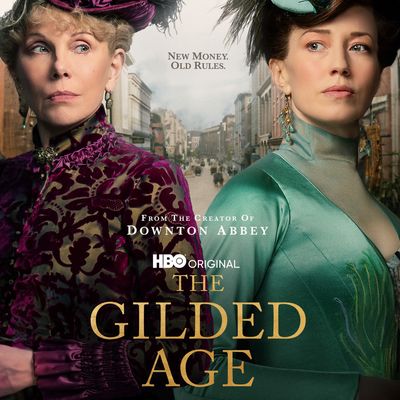
The Gilded Age and Ozark star joins host Robert Peterpaul for a joy-filled conversation about building a career with intention, finding the silver lining in rejection, and why sometimes the kindest thing you can do is stand up for yourself.
Jessica takes us behind the scenes of HBO's The Gilded Age, shares how she mapped out her acting career one goal at a time, and reveals why she believes every "no" is making room for an even better yes. Plus, she gets into her not-so-secret self-care weapon (hint: it's heavy), the power of choosing joy, and how empathy can coexist with boundaries.
This positive podcast episode explores:
The 15-Year Blueprint: How Jessica mapped out her career from DC theater to Broadway and Hollywood — and why every goal can open a new door.
Turning Rejection Into Redirection: Why she no longer takes a "no" personally and believes what's meant for you is meant for you.
The Weight of Self-Care: How lifting weights keeps her grounded, energized, and ready for whatever comes next.
A Gilded Kind of Joy: How playing Athena Trumbo on The Gilded Age gave Jessica the opportunity to lean into lightness and joy. And acts of kindness from co-stars like Audra McDonald.
Kindness With a Backbone: Why empathy doesn't mean being a pushover, and how setting boundaries can be an act of self-kindness.
Leading With Love, Not Fear: What Jessica has learned from sharing the screen with entertainment legends — and why staying curious makes all the difference.
JESSICA FRANCES DUKES is an award-winning actor currently reprising her role as Athena Trumbo in Season 4 of HBO Max’s critically acclaimed series The Gilded Age. She most recently starred opposite Academy Award winner J.K. Simmons in the period crime drama The Westies, playing Birdie Polk, the sharp and unflinching Special Agent in Charge of the FBI’s Gambino Task Force. The series premiered on Amazon MGM+ in July 2026. Up next, Jessica joins the second season of Apple TV+’s Presumed Innocent.
Dukes is best known for her powerful performance as Maya Miller in the acclaimed Netflix series Ozark. Her additional television credits include MGM+’s Earth Abides, Netflix’s Jessica Jones, NBC’s New Amsterdam, NCIS: New Orleans, and CBS’s The Good Wife.
An acclaimed theater veteran, Dukes made her Broadway debut in the Tony-nominated revival of Trouble in Mind at Roundabout Theatre Company, alongside LaChanze. She won an AUDELCO Award and earned a Drama League Award nomination for playing the title role in Lynn Nottage’s By the Way, Meet Vera Stark at Signature Theatre, and won an Obie Award for Robert O’Hara’s Bootycandy.
Follow Jessica:
Follow us:
@artofkindnesspod / @robpeterpaul
youtube.com/@artofkindnesspodcast
(https://www.buymeacoffee.com/theaok)
Got kindness tips or stories? Want to just say hi? Please email us:
artofkindnesspodcast@gmail.com
Music:
"Awake" by Ricky Alvarez & "Sunshine" by Lemon Music Studio.
Transcript
This transcript was automatically generated and might contain errors.
[0:00] Jessica Frances Dukes: Hi, this is Jessica Frances Dukes, and you are watching the Art of Kindness podcast.
[0:30] Robert Peterpaul: Hello, friends. I'm feeling so grateful this week for each and every one of you. And of course, for today's guest, Jessica Frances Dukes. Jessica Frances Dukes is an award-winning actor currently reprising her role as Athena Trumbo in season four of HBO Max's critically acclaimed series The Gilded Age. Jessica most recently starred as a series regular opposite Academy Award winner J.K. Simmons in the series The Westies on MGM+. She is perhaps best known for her powerful performance in the acclaimed Netflix show Ozark. In addition to MGM+, Earth Abides, Netflix's Jessica Jones, so good, NBC's New Amsterdam, NCIS: New Orleans, and The Good Wife on CBS. Jessica will next be seen in Apple TV's series Presumed Innocent.
She also has an acclaimed theater background. That's probably why we get along. Hashtag theater kids for life. Making her Broadway debut at the Roundabout in the Tony-nominated show Trouble In Mind with LaChanze. In addition to other theater credits, she also won an Obie Award for Robert O'Hara's Booty Candy. This was such a delightful conversation, gilded with wisdom, fun stories, and so much warmth. And I hope that as we enter the holiday season, you feel that warmth like a sweater friend wrapping around you. Was that weird? I also hope you'll find us on social media at Art of Kindness Pod and at Rob Peter Paul. Join our kindness community. Oh, audio hug. And leave a five-star review wherever you listen if you feel like it. Thank you. It means a lot. Now, without further ado, please welcome the joyful Jessica Frances Dukes. JFD in the house!
[2:34] Robert Peterpaul: Jessica, JFD, I'm so glad you're here. Thanks for joining us on this Friday.
[2:39] Jessica Frances Dukes: Thank you. Now, my true, true friends call me JFD, so you're already in.
[2:44] Robert Peterpaul: Do they really? Oh, my gosh. Oh, I love that. Yes. I'm RFP. I'm also Frances.
[2:50] Jessica Frances Dukes: Oh, my God. Really? I am.
[2:52] Robert Peterpaul: Are you named after someone?
[2:52] Jessica Frances Dukes: Yes, because yours is like a family name, too. Mine's after my grandmother. I'm named after my grandmother.
[3:00] Robert Peterpaul: Yes, because yours is like a family name, too. Mine's after my grandpa.
[3:03] Jessica Frances Dukes: Oh, my goodness gracious. Yep, my grandma. The first name is after my grandpa.
[3:08] Robert Peterpaul: Really? Yeah.
[3:08] Jessica Frances Dukes: That's a great combo.
[3:10] Robert Peterpaul: Yeah.
[3:10] Jessica Frances Dukes: Where am I finding you today, by the way, friend? Are you at home?
[3:15] Jessica Frances Dukes: I'm at home for once. Not a hotel. Not overseas. I'm like in my home.
[3:24] Robert Peterpaul: Oh, how does that feel? Does it just bring you so much peace to be a little grounded for a moment here?
[3:29] Jessica Frances Dukes: Well, I just got back. So not yet. Soon it will. But like today was like unpacked five suitcases, you know, clean your place, go work out. You know, it's just like that type of day. And then you're like, okay, now everything's clean. Everything's unpacked. Well, then as soon as I finish this, I'm going to eat and then relax.
[3:51] Robert Peterpaul: Oh, my gosh, the human things. I don't know about you, but it takes 50 days to unpack and like breathe.
[3:55] Jessica Frances Dukes: Trust. I have a suitcase in the other room that I'm trying not to look at because if I don't look at it, I don't have to unpack it. You know what I mean? It's just it's art.
[3:59] Robert Peterpaul: Yeah, it's an art installation. Well, you just got off this high of The Gilded Age returning, which I can't wait to get into The Gilded Age. I'm such a huge fan. And I wonder for you, you sort of touched on it a little bit, but how are you at coming down from these highs? I mean, from being on Broadway and then a show closing to going through this big like whirlwind red carpet circuit. How do you kind of come back to JFD?
[4:24] Jessica Frances Dukes: You know, she never goes away. I love that the entire time through the entire ride. She's like, I work too hard to not be here for it all. You can't. There you go. Frances Dukes and not be neat. But, you know, it's been a whirlwind. I was actually like just talking to a friend about it where, you know, yesterday they announced, you know, season five of The Gilded Age. And it was so exciting. And I was like, great, I'm going to ride that high. And then today they announced Presumed Innocent. I'm like, whoa. And it's just wonderful. It doesn't stop. It's like you shoot, you shoot one, go right into the other, go right into the other, then press for that one, then press for the next one. And then, you know, holidays and then press for the next one.
So it's just been so wonderful to get a chance to be in this sort of momentum. It feels like I'm back in that theater world where you're just going from show to show, you have closing night, you go to the next show, you know? It feels like I'm back in that momentum again, where it's just like character switches and time period switches. And it's just like these three completely different people that you're coming out of. Meanwhile, relocating your mom to LA, like all of it at the same time. And it's just life. It's awesome. It's awesome.
[5:45] Robert Peterpaul: Oh, I love your attitude already. And I mean, just from getting to know you a bit in the interviews you've done, and you were on my friend Sam's podcast, shout out Odd Woman Out.
[5:55] Jessica Frances Dukes: Oh, she's so great.
[5:56] Robert Peterpaul: It makes me wonder too. I mean, I heard about how you signed a lease finally on an apartment, and then you booked Ozark. And it's like all these things just in my brain right now make me wonder, how do you sort of find the balance of an artist's life? Like it's such a roller coaster, and it's such a lifestyle, and they don't really teach you that in acting school. But how have you navigated the lifestyle of it all?
[6:20] Jessica Frances Dukes: I do well in chaos. I do. I think because I've always been that type of person, like even as a young adult, I had four jobs. I was always juggling multiple things growing up, whether it be band or drama club or this or that. And so I've always been somebody that had sort of her hand in multiple pots at the same time. So it sort of developed a person who can jump and go. And I also sort of even with the apartment and Ozark situation in that I was jumping and going, that's why I didn't even have an apartment for 70 years because it was just like nonstop on the road. So for me, I navigated pretty easily because I started with a very clear blueprint one and have the ability to work through chaos too. Other people that work with me might be like, you do okay at chaos. I think I'm doing great.
[7:20] Robert Peterpaul: You're a chaos coordinator. I love it.
[7:25] Jessica Frances Dukes: Chaos coordinator. It's like retrograde. I'm like, yes, great.
[7:30] Robert Peterpaul: Yes. Okay. You don't have to answer this, but do you also have ADHD?
[7:34] Jessica Frances Dukes: I do.
[7:34] Robert Peterpaul: Sorry, because I feel like that's how, this is my vibe. I think it's because I have ADHD, but I do much better when there's like 10 things going on at once.
[7:41] Jessica Frances Dukes: Yeah. Cause there's 25 in my head. So it's great. Like in and out on crack.
[7:49] Robert Peterpaul: At the movie Inside Out, it's Inside Out.
[7:51] Jessica Frances Dukes: Inside Out. Yeah. I love that. Oh my God. It's so cracked out.
[7:54] Robert Peterpaul: Okay. I was going to say this later too. Don't worry, everyone. We're going to get to The Gilded Age, but I think that was my first introduction to you. And when you first came on the screen, I was like, whoa, who is this like bedazzling person? And I think what you just described under like sort of like the corset and the time period of it all shows so beautifully. Like you have that sort of like whimsy and magic behind your eyes, probably because you have so much going on in there that just makes for such a delicious onscreen presence. So I think maybe that's the recipe.
[8:24] Jessica Frances Dukes: That's so crazy that you like saw that. It's so interesting. When I booked the role, I was doing Earth Abides with MGM, which was an extremely taxing emotionally, you know, role. And it was, you know, every day, all day, it was number two on the call sheet and it was gut-wrenching drama towards the end. And so I wrapped that on a Friday. I was in a corset on a Tuesday on that night. And so I was so heartbroken due to everything that the other character had gone through. And I was like, ignore it all. You're fine. And so it came out like joy. And it was like the actress sort of also making it all okay and making it all work and making it all happen. And you're in this new world and it's The Gilded Age.
So you have to show up because you walk into that trailer and Nathan Lane is sitting there and Christine Baranski is on the other side. And then you walk on the set and there's Audra McDonald. And so I tell the producers all the time I joke and I say, you know, Athena's whimsy, as you called it, comes from Jessica being like, this is so exciting.
[9:41] Robert Peterpaul: Oh, my gosh, I love that. But also, like, I needed joy and I wanted to play a character that was focused on joy after playing Emma. So I chose to play Athena so light in order for Jessica to receive that gift from her, if that makes sense.
[10:07] Jessica Frances Dukes: Yeah, that totally makes sense. And I mean, it shows on screen, like I said, it also makes me wonder in those down moments on set or just when you're bouncing from character to character, how are you kind to yourself? Because if you're like me, I know it's diving into another project and you keep going, but that does eventually catch up to you. And so I wonder if you have a self-kindness, whether it's when you're on Broadway or, you know, on set at The Gilded Age, that you kind of come back to and allows you to recenter all this energy.
[10:38] Jessica Frances Dukes: It's the, some people would not call this kind, but it's that gem. Lifting weights keeps me... So no matter what, no matter how tired I am, no matter how exhausting things are, I never miss my workout. Even if I have to do it at 5 a.m. or 10 p.m., I have to lift a weight. Now, of course, I do everything properly to my body. So for instance, I do my steam routine and my big old steamer that I have, I do, you know, red light, I have this red light therapy, sleeping bag, I do my facial. Do you like that, the red light? Obviously you do if you have it, but I've never tried it and people love it.
[11:19] Robert Peterpaul: Yeah. It's great if you work out really heavy too, because it speeds up muscle recovery. So I'm a huge nerd when it comes to all of the things, fitness. And so, but that keeps me so sane. And even if I feel before the workout, like, I don't want to do this, who I am before the workout and who I am after the workout, like, I don't want to do this, who I am before the workout and who I am after, two completely different people. And there's just this sense of, like, zen that happens for me, at least, when I have to focus on getting through it. You know, like, there's, we work out really hard. We work out really intense. And, and at the end of it, it's just like this, if I got through that. You know what part of that too, is again, that having so much going on in your head, because I'm very similar.
Well, I mean, I'm, I'm less intense and cool. I'm minor walks, like I would say it's around, but it's really a walk. But if I don't go on a walk every day, I'm like a dog. I am not the same person. I am like in a terrible mood. I need to just be like moving and get my body out there. And it, even if I'm tired, like you said, it energizes me. So I totally get that.
[12:29] Jessica Frances Dukes: Have you always had that, I guess, from growing up in Maryland to now, or is that was like a later in life thing?
[12:34] Jessica Frances Dukes: It was later in when I officially could afford a trainer. That was the first part. I was shooting Ozark in Georgia, and it was the first time in my life as an artist where I had money for more than my bills. So you know, I know a lot of people treat themselves in different ways, but I knew what I wanted for my future. And I knew what type of roles I wanted to play and also just how I wanted to show up in a room. And so the top of the list of things that I wanted to do for myself was get a trainer and went to her wanting to lose weight, and she wanted me to lift weights. And I was like, no, no, no, I just like, I don't want to do all that. I was kind of a person who worked out, but not really. And it changed my life. It changed my life. So I would say I've been lifting weights for probably seven years now. I had a major injury. Life comes in there and then takes you out of it for a year. And you know, now I'm fully back. So yeah.
[13:41] Robert Peterpaul: So how did you balance that out when you had an injury? What was sort of filling the void for you? I mean, if there was anything that you found that could?
[13:51] Jessica Frances Dukes: The year that I had the injury, I moved to LA. I actually injured myself right before the move. And it was perfect. It was kind of this year of being stripped of everything I knew. And, you know, coming to LA from New York after being in New York for so many years, after nonstop theater for so many years, all of a sudden, I was like, I want to try this other city out for a little bit and see what happens. And I came here.
[14:24] Jessica Frances Dukes: Got settled in and the strike hit and I was like, okay, what do I do? And I found myself sort of like developing my own schedule every day. I was like, well, then I'll write, I'll write three shows and I'll write a movie and a TV show and a one-woman show and you know, I just yeah wrote that. That was the best way that I got through that year. But it was very hard.
[14:54] Robert Peterpaul: I love that and I've heard you talk about writing in the sense of doing it for you and saying maybe one day I'll sell it or look to produce it. But you really do it to fulfill yourself, which I think is so special and also when the best writing happens in my opinion.
[15:10] Jessica Frances Dukes: Absolutely, and also just to have it ready so that when that time comes and somebody goes, do you have any, you know, things that you want to do? It's like absolutely. They're already actually done and I just need help to like structure and correct and this is the first draft, the first messy ugly draft is done. Yeah, and I just want to be in that place when that time comes, you know, for people to say, well, what show do you want to do? And I'm like, here it is.
[15:33] Robert Peterpaul: I love that. It's so much of like filling up your briefcase, I guess, is an artist's life and then just again having it to show or like this is a worse example, but the old-timey salesman with the watches and the jacket being like, I have a comedy, I got a holiday movie, you know, all that kind of stuff. But I wonder from Maryland to LA to all over the world that you've been, I jumped the gun a little bit here, Jessica JFD. I'm wondering what is your definition of kindness? And how do you think it's evolved over the years?
[16:05] Jessica Frances Dukes: Empathy has always been my definition of kindness because the way we receive each other and the, I think if we can receive each other with empathy first, you know, that's the beauty of being an actor. When I'm building a role with a group of people, I can't judge any decision that I make as that character. I can't judge anybody else. All I have to do is absorb and tell the story with these people and I go through life like that as well. I want to meet as many people as possible to have different beliefs. I've sat in the back of Ubers and somebody says something that most people would be like, oh, hell no, I'm not talking to them. Oops, excuse my language. And I'm like, tell me about that. Tell me why you are.
[16:58] Robert Peterpaul: No, no, we need that. Every, like we need people to engage with that because then it just, sorry to interrupt you, just creates like further divide when we don't. Not that you have to, it's not your responsibility, but I think that's a beautiful open mindset. So thanks for doing that.
[17:10] Jessica Frances Dukes: Yeah, and then also too, I see people for people and I'm the, I'm one of those people that if you do something mean, I'm not gonna absorb it or take it personally. I'm gonna see it through the lens of, wow, what have you been through that causes you to be this person? And I consider that kind because the other side of it is, you know, taking it personal, lashing out, you know, assuming that it's about me and all these things and I know it's not.
[17:40] Robert Peterpaul: Okay, I need to take your class. I feel like it's so hard sometimes to assume the best intention and that's one of the things I've talked about a lot here on this podcast. A lot of people say that's sort of their kindness tip if they have one and I wonder how you got there or if it was just innate to you because I feel like we all have those moments where you don't get the text back and you're sort of like, oh, well, they hate me. And it's like assuming the best intention not only makes you have a better relationship, but it makes you go a little less cuckoo, yeah, for lack of a better word.
[18:14] Jessica Frances Dukes: Yeah, I think how I got to that was everything I've gone through in my life, you know, I've had to forgive a lot of people, some of the closest people to me and it's been a lifetime of forgiving. And then eventually you hit this sort of wall where you're just like, is everybody shit? And I started to investigate people more and after a really bad breakup, I got this book called The Mastery of Love. It's literally right there. I can look, it's right there. It's by Don Miguel Ruiz and I thought I was getting it to sort of get over heartbreak and it actually turned out to be a book about loving yourself and the tools to do that. And then the second book that he has is The Four Agreements and in that, the four agreements are, I think one of them is not taking things personal, not assuming it's about you, you know, just different things like that.
And through there, I was able to understand sort of humans and human kindness and human flaws and all the things and look at them all as beauty. And I think also as an actress, I have to see everything as beauty because I have to play it all.
[19:29] Robert Peterpaul: Oh, that's so beautiful. I'm gonna read my copy of The Four Agreements now after this.
[19:40] Jessica Frances Dukes: Well, one person that I know is not shit surely is surely with us. I'm sorry, I need to bring up surely because I know I think one of the kindnesses of your life as I sort of tried to look for it in my own deep dive is the way you were given the kindness of exploring your imagination as a kid because not every kid is given that. And I know you had a lot of imaginary friends or characters you would put on like surely, I guess. How do you think that served you now later in life as a creative?
[20:06] Jessica Frances Dukes: It makes me great in a room full of people. My mother never made me feel like she didn't have time for me. My just sort of weird quirky person inside can talk to people without them thinking that they're judging me because I didn't grow up like that. I grew up being whatever I wanted to be that day or that hour, you know? Yeah, and my mom just like my grandma too, they had this sort of, don't allow anyone to make you feel like something is wrong with you. That was one of the biggest things I can remember being said so many times. It's not your fault, there's nothing wrong with you, that you know what I mean? And it was very poignant.
[21:03] Robert Peterpaul: So, you know, surely and all those imaginary friends, like it just gave me this spirit of play that when I go into these big rooms with these big people, I have no problem working the room and going, hi, how are you? Who are you? And it's not about an opportunistic situation. Like I truly want to meet people because hopefully we can create art together someday and BAM, you know, it's still that theater, you know, first day of rehearsal, giggly person that just fills me with joy. And those characters being allowed to be in that space where you can just create and you didn't ring the doorbell and your mom knows exactly who you are because you're dressed a certain way, and then she pours you, you know, she would get the white grape juice, you know, there's regular grape juice.
[21:56] Jessica Frances Dukes: Oh yeah, it looks just like Chardonnay. It's true, it's specifically because it's the same color so that I would feel like it was happy hour. A lot of people are like, is this as surely? So no, surely had, okay, okay, surely was always coming over because her husband was annoying her. I was like, so what's going on today? And after she got off of work, that was our time and I've literally, we still have our wine o'clock, you know? It's the best when you have parents that, well, a mom that doesn't make you grow up and a dad that's like discipline, you know?
[22:51] Robert Peterpaul: Yeah, that's a great balance. I think those are two bosses right there and your grandma sounds like a boss as well. And Jessica, I feel like when I look at your career, you seem to have played a lot of bosses, like people with boss energy. And I wonder how you view, I'll try and articulate this, the responsibility of not only being a person with authority, but then leading with kindness as a leader because they're not always congruent.
[23:18] Jessica Frances Dukes: You know, I think that there is something to be learned that power can be kind as well. You can still be a human being and be in power. And I think a lot of times we think we have to lose that to hold power or shut out certain things to hold power. And one of the things that, you know, Maya Miller or Birdie or whatever power figure I've had is whoever's across from her, you know, I'm gonna always look at them as human. I've been in powerful situations, but I'm always across from, if you notice, always across from a very flawed individual and it's up to me to find why that flawed individual is exactly what I need. That's the only thing that Maya and Birdie have in common is they see through the flaws and go, I see who you actually are and I need you to do that, you know? Because if you're that, then I can do what I need to do easier.
[24:27] Robert Peterpaul: So yeah, I don't know.
[24:29] Jessica Frances Dukes: No, that does. I think that's also kind of brilliant advice for whenever we're sitting across the table from anybody or sharing an Uber with somebody, you know? I think it's a good way to sort of navigate this life. And I guess one leader that I know you've worked with on a set was on Ozark. I think when you first booked it, Laura Linney was your first scene partner and I know you were very nervous as anybody would be and she sort of gave you the act of kindness of being like, we all fuck up all the time. And then I think that sort of freed you to just be there and have a good time. I mean, I wonder if you have any other stories like that of working with these luminaries or leaders that you've been able to collaborate with that have sort of given you an act of kindness that has changed your trajectory or mindset.
[25:11] Jessica Frances Dukes: I've been so, so I don't know whatever the word is for you, thankful, blessed, lucky, you know, whatever the word is. I'm constantly put in rooms with these heavy hitters that are massive stars to me but regular people. And there is no sort of thing put on, you know, there's no sort of like, you know, we're on different levels, don't talk to me, which there's a lot of this industry. Or I don't know, you don't get too close. And I've constantly been in the room with people that are like, hey, welcome, and I'm like, hey.
[25:53] Robert Peterpaul: I know, it's like empathy over ego, you know? It's like the ego gets in the way of that connection so many times.
[26:03] Jessica Frances Dukes: So, I mean, I'm glad that's amazing that you've had that and I feel like The Gilded Age is full of that. I mean, congratulations again. Season five is coming, by the way, and season four, I don't know how this show keeps getting better, but this is like the best season yet, not to lay it on too thick, but I love this show and you play Athena, as we mentioned, although she's fictional, she's living in a very real, you know, period with a lot of barriers. And I know you love a backstory, so I'm just wondering if you like rooted her in any real person or if you sort of just like fleshed everything out for yourself.
[26:34] Jessica Frances Dukes: I fleshed everything out for myself there. I didn't look up anybody specific. However, she is very much so my grandmother. My grandmother was very sort of split between status and, you know, how you're supposed to move through the world in order to be seen a certain way. You know, there was, I remember she used to stick her knuckles at the lower part of my back so I would sit up straight, you know? And she like, chin up, you know, be proud of yourself always, you know? Let them see all. And there was a lot of that in Athena. And my grandmother had these bright eyes and her laugh was this cackle, but she was very focused on how people saw her. And so there's a good side to that and there's a bad side to that.
And I think one of the beautiful things that I love about Athena that I decided to play with but also got the lovely, you know, beautiful writing from this amazing team and the beautiful direction, you know, from Sally Richardson-Whitfield, you know, that sort of helps me play both worlds because it's very important or what Elizabeth Kirkland thinks, it's very important to her what the people of Newport think about her, at least from, you know, playing with so far and reading so far. But also she loves her family and her family is everything and Peggy is a diamond to her, you know? Like everything she is, she's just like, you know, she wants to support and she wants to, you know, help and push.
And, you know, if you think about it, Athena's the one that brought Peggy to Newport because she wanted everybody to see her beautiful, brilliant cousin. But then, you know, Elizabeth Kirkland has rules of what society, like of what class and upper class should look like and so.
[28:46] Jessica Frances Dukes: Athena is kind of caught in between both of those. There's one of my favorite scenes, which actually I have not one line in, is Elizabeth and Dorothy in season three going at it. And we see that again in season four. And Athena is just, she doesn't take up for her cousin. You know, she doesn't pick a side. And then we see it again in season four, where, you know, Elizabeth Kirkland and another woman, played by Sally Richardson-Whitfield, our director, Niflo Cameo, are talking about this moment as if they're not talking about her family. She's right there. And she says nothing. And so I look at that. Some actors, I think, would look at it and be like, I don't have any lines. What's going on? And I'm like, there's a reason why she's silent.
She's detecting something. And I think she's trying to figure out sort of how to be in this world and also be a good person. Yeah, and silence speaks. But Athena came through in the last episode. Athena did. Athena did come through. Okay, so I was proud to see that. She tried to warn people. She did. She did. And I'm excited. Athena is just down the street now. So I don't know what's coming. But I'm very excited to see. I wonder in going back to the late 1880s, the 80s, different 80s, and sort of living in that period. So many people are clamoring, obviously, to get onto that set, by the way, like Matt Damon, like people just want to sort of be in that energy. Has it changed the way you look at today's world?
[30:26] Jessica Frances Dukes: No, it doesn't change the way I look at today's world. But it does help me walk through this world that we're currently in with more power. And what I mean by that is, growing up, there's a certain depiction of what Black in 1800s looked like. Very true depiction, but only a small look into what the Black experience was in this country. And now in this world, we're getting to see the Black elite in 1800s. I remember the first day on set, when we were at Athena's house, and they were like, this is, she plays Louise, she's your servant. And I said, wait, what? I have a servant? I was like, I don't think maybe. And I started making this back story, like, she's not a servant. She's my cousin. And I let her live.
I was like, I wasn't comfortable with it. But at the same time, I had to get comfortable with being a woman of that much money, in that time, and being in a room full of people that all are living the same life. These big crowd scenes when you look around, and the way Sally Richardson Whitfield just directs this gorgeous sort of collage, you know, almost just these beautiful bodies moving through space. It makes you so, so proud. And you feel so, so powerful in the room. And so when you walk out, you have a new sort of feel of what your history could be.
[32:10] Jessica Frances Dukes: Collage, it's a good word. It's sort of like every episode is a live painting in so many ways. And I know some people on the show, and I've had friends that have also popped in and done extra work. And I also know, I mean, it takes a lot of time to do that. And there's not always the proper heating in these buildings during the winter, or it's maybe too hot in the summer, and you're in these layers. It's the summer. It's the summer. Like the little fans, you see the little fans sometimes, and sometimes you don't because they're under our skirts. You gotta like maybe sew some little AC fans in those skirts or something like Disney World, the characters.
[32:46] Robert Peterpaul: Yeah, right. Oh, my gosh. But all those layers. I mean, imagine that takes some self-kindness too. And I love seeing the videos of you all getting a little unhinged on set in between takes. Like, I don't know if it's the heat. I think it's just because us theater people are, you know, we're big fun weirdos. And so do you have any like fun hijink stories you can share from set?
[33:07] Jessica Frances Dukes: I mean, every single day. First of all, you're sitting there with people that are so pulled, yet are so funny. You know what I mean? Like, Danae is such a clown in a beautiful way. And I never thought that. Like when I was watching the show, I was like, oh, wow, she's so, and I know she's a Capricorn too. So I was like, oh, she's so, you know, quiet. And then I met her and I was like, oh, you're a laugh box. This is awesome. We have Adrian Warren this season, who I only knew from Tina. And so I'm, I think we have these images in our head of what people are going to be like when we meet them. And you're like, oh, wow, you're a dork too. Oh, let's be dorks together. And you know, and it's a set full of theater kids.
And I didn't really realize that, you know, I mean, of course you realize it watching it, but then you get into the space and you're like, oh, oh, hey guys. Oh, all right. Let's do musicals and like, you know, it's just, it was a wonderful, wonderful time. And also to the fact that like these multiple Tony award winning people also let loose, you know, they're just fun. They're the stories that, that, that Audra McDonald has is just, it's just wonderful, you know? So I'm having a ball.
[34:28] Jessica Frances Dukes: I mean, can we talk about those two for a second, Audra and Felicia? Like those are legends. I mean, there are so many legends on this show and every, every person, every time we turn around, like I said, I mean, Matt Damon was in the background for a second with David Letterman, David Letterman. It's like, I mean, that set is just reaping with, with such acclaim. What's it like, first of all, working with Audra? I mean, we've touched on it a little bit, but she's such a theater legend and I know she's the one you kind of share the most scenes with.
[35:06] Jessica Frances Dukes: Yeah. You know, she's such a beautiful sort of, what's the word? She's so zen. Like she's so calm. And at the same time, we'll bust out with some joke, you know, or some great story or, you know, and, and I think, I think I would get to know her more if I wasn't so like, it's Audra, you know, like I love to give people their space. So even though I'm on set with her, I'm also like, say something, Jessica, say something. And I'm like, no, she's probably working like in her head about something. Maybe she's getting ready for this. Say, just say something, you know, like that's what I'm going through when she's in the room. And then finally, I bring up something and she's so normal. And then I'm like, Jessica, you're a dork. Like, stop. So a lot of times it's just us in the room, like, breathing, being zen, being quiet, getting ready to work. And me in my head going, Audra McDonald.
[36:10] Robert Peterpaul: Singing through a catalog, your new hit single, Audra McDonald, move over to Nicole Kidman song.
[36:15] Jessica Frances Dukes: Yeah, I think it's so true. I mean, I've seen her on a bunch of like red carpets and at events and she even has that zen presence there amongst the chaos. And it takes a special person to be able to sort of bring in the new energy versus maybe matching the whatever's coming at them. And now I do want you to write that song. But that's such a vibe on set. I mean, do you guys have like a list of musicals that you want to sing in between takes? Because there's been so many videos posted of you guys singing.
[36:41] Jessica Frances Dukes: You know, I haven't been there for that. But you know, because I, it's interesting. I'm in this show with these wonderful, you know, musical theater legends. I'm actually on the play side. So when I was going through New York, I was a straight theater actor. And unfortunately, one of the things that, you know, sucks about New York is the worlds don't necessarily collide a lot. You know, you're doing your off Broadway, you're doing your, you know, your theater, and then maybe you'll get that show that is, you know, that play on Broadway. But there's probably, you know, 400 musicals on Broadway compared to the two plays of the season. So we don't necessarily cross paths. And then now I'm on that show.
And it is the majority musical theater people and they're all singing stuff. But I was a musical theater head back in the day. So, you know, I have my favorites too. But it does sort of feel like I just want to like, be the audience when they start because normally I'd have to pay $400 or $500 to see it. And I'm just on set every day watching these beautiful people just like break out in song like Jordan will just break out in song and you're like, this is so cool. Or, you know, Christine will start doing something and you're just like, so I am just this sort of sponge, this voyeur, this fly on the wall. Sometimes it's just like, this is the best Broadway show ever. And I'm paying to watch it.
[38:19] Robert Peterpaul: Literally, like people would pay to see that. And it is so reminiscent of just I guess, I mean, not reminiscent for me, but when everyone would sit around a campfire, like storytelling at its core should be sort of accessible and like that. And so I love that they are acting in that vein. It's funny because in the last episode, I think Mamie, I believe has a line where some of the ladies are sort of gossiping and she says, a little unkindness spices up a dinner party. And I was like, well, I'm talking about kindness with a Gilded Age star tomorrow. So I just needed to bring that up because I do think there's something to the fact that kindness gets such a buttoned up sort of like puppies and rainbows rep. But I think it is a little bit like unhinged and fooling around in a kind spirit, not never being like mean to anybody else. You also have to be kind to yourself.
[39:05] Jessica Frances Dukes: Yeah. And sometimes being kind to yourself means not holding on to things. That's a much better way to put it. You know, sometimes being kind to yourself is telling the truth to someone who needs to hear it. Or sometimes kindness is letting someone vent and being a part of the, you know, not necessarily being a part of the gossip, but being a listening ear when someone needs to go on. You know, it's really wonderful being in this mix where, and I was saying it earlier, there are so many shows that I could be on. And to put the list up there now of what I've dealt with and who I've dealt with over the past few years, it's like this beautiful mixture of people that are absolutely nice, but absolutely truthful.
They take up for themselves, you know, they don't let the industry swallow them whole. You know, they're very kind to themselves. And sometimes being kind to yourself means, no, I'm not going to do that. You know, I need this right now. So, you know, they say when you hold stuff in, you get sick. So being kind to myself sometimes is also like, you're not going to talk to me like that. That's kind. That's kind. I'm being kind to myself. There's a lot of times, especially in this show, where people are looking out for themselves, because who else is going to? Bertha is looking out for herself because women are not being looked at. You know what I mean? And there's a sort of power in that. There's a strength in that. And so if nobody's going to be what my definition of kind is to me, I'm going to be that.
[41:01] Robert Peterpaul: Beautifully said. And I think we love watching her, not only because she's sort of delicious, and there is that sort of dramatic quality, but at the end of the day, she does choose to lead with empathy in a lot of moments. Like, it's there, you know, and Carrie Coon, obviously such a brilliant actor, as all of you are. And it's interesting on The Gilded Age, because it is a show so much about the value of society and fitting into society, and just how kindness can sort of like disrupt that, I think, is very interesting. I mean, even in the last episode, we had Christine Bransky at the end, storming over and being very herself and authentic and kind to herself and letting it out. And it wasn't even that bad.
But in that day and age, if you showed up without calling on somebody, that's a big deal. But she's very interesting to watch. Guess what, Bertha? I have taken a leap of my manners. I said, you better go, Christine Bransky. What did she say at the end? She was like, sorry, her last line, like she got so worked up and she's like, she will. I don't know. It was great. I wish I could go back to 1881, where there was no Bertha Russell, something like that.
[42:09] Jessica Frances Dukes: Yes.
[42:10] Robert Peterpaul: Something like she storms off.
[42:11] Jessica Frances Dukes: She will rue the day.
[42:13] Robert Peterpaul: Yeah, yeah, yeah. Something like that. I can't remember. It's so wonderful to watch these brilliant choices. I feel like I'm literally in grad school, every set I'm on. To watch these actors play these characters, the choices that they make, the fun nuances, it really shows that they've lived a life, one, in person, in order to bring all of that juiciness into the character. They're such good, at least from what I can tell, I've been a fan of them for so long. That's the other thing. To be on a show, coming in season three, where you were obsessed with season one and two, I was a fan. I get to sit there and learn, observe, but also,
[43:09] Jessica Frances Dukes: Celebrate, and play, and it's just a joyous place to be, and it's wild how you get so nervous when you're going into certain rooms, you know, and you have to have that talk with yourself, and then you get there and you realize that everybody else is just working, they're working through the character, they're working through whatever stuff is going on in their real life, they're working through this, they're working through that, and it's a joy to be in the room, it's a joy to learn, it's a joy to absorb, and just like take in everything I can take in so that I get to take it to my next character, and my next show, or that next scene even, and just like use that time to just breathe in these artists, you know.
[43:58] Robert Peterpaul: That's brilliant. I think if we had more people like you who were sort of lifelong learners and never dropped curiosity, the world would be a better place, because if you, you know, I think of my grandma who was a lifelong student, and that's how she was able to continue to evolve and not get stuck or, you know, grouchy. I mean, we all get grouchy sometimes, but I think that's really cool. I hope you never lose that, and I hope you don't also lose, to have a clunky transition, this surprise game! It's called the Compliment Game, and basically, I reached out to someone you know in your life for a loving statement about you. It's a short statement, but you have to try to guess who said it. Is that okay?
[44:39] Jessica Frances Dukes: Yes. Okay, you can ask me yes or no questions. I don't know too much. Well, I do kind of know this person, so I'll try to help you out. There is a hint if you need it as well, but we'll say you get like three guesses. Okay. Okay?
[44:51] Robert Peterpaul: Okay, I'm gonna read it to you, and then you have to guess who said it. Here we go. Jessica is incredibly talented and such a lovely human being. She has an infectious attitude of gratitude, which I think a lot of people might feel that way.
[45:18] Jessica Frances Dukes: No, I'm joking. They definitely know me professionally. My real friends would have been like, ah, no, I'm joking. Can you read it one more time?
[45:29] Robert Peterpaul: Okay, and I have like two hints if you need them. Jessica is incredibly talented and such a lovely human being. She has an infectious attitude of gratitude, which is actually kind of a hint in a way, the way it's written, because there's sort of like a craft to it.
[45:48] Jessica Frances Dukes: Here's the thing. I'm nice on every set. I'm like this on every set, so I'm like, oh, shoot. This definitely has to be someone I've worked with, worked with. It doesn't sound like somebody who's in my personal life. It sounds like... It is Gilded Age themed, if that helps narrow it down.
[46:10] Robert Peterpaul: Okay, I'm going to say that it is Denae. That's my first guess.
[46:21] Jessica Frances Dukes: No, it's not Denae. I was going to reach out to Denae, but I opted for the person that I knew.
[46:28] Robert Peterpaul: Well, then I'm going to go with my first choice, which is a friend of mine on the show, Kelly Curran.
[46:36] Jessica Frances Dukes: No.
[46:36] Robert Peterpaul: Okay.
[46:38] Jessica Frances Dukes: Okay, well, let me give you the... Do you want the hint?
[46:41] Robert Peterpaul: Yes.
[46:42] Jessica Frances Dukes: Okay. Not an actor.
[46:44] Robert Peterpaul: Not an actor, which is also a hint, but you attended the NBT Gala.
[46:50] Jessica Frances Dukes: I know exactly who it is. I was going to say that too. It's Sonia. Sonia said it.
[46:50] Robert Peterpaul: It is.
[46:50] Jessica Frances Dukes: I was going to say Sonia first, and then I was like, maybe... I think it's an actor he's talking about, because Sonia literally just said the other day. She was like, she brings joy into every room she's in. So I was like, I second-guessed myself. I shouldn't have second-guessed myself. But absolutely, absolutely. Thank you, Sonia.
[47:17] Robert Peterpaul: We live and learn. Sonia Warfield, she is the co-writer of The Gilded Age and just such a lovely person. So I kind of quickly sent her a message, and I appreciate her popping that in.
[47:28] Jessica Frances Dukes: Yeah, she's my big smile sister, because every time we're in pictures, you see all of our teeth.
[47:34] Robert Peterpaul: Yeah, she does have a great smile. I mean, you both do. You're so great.
[47:38] Jessica Frances Dukes: Well, OK, speaking of the gratitude, obviously Thanksgiving is around the corner. The holidays are here. I think you said, not to quote you to you, but I did like this quote. You said something like, you forget that where you are was a goal. And I really love that mindset. How do you sort of come back to that while then allowing yourself to still dream bigger? It's hard not to, I guess, look at the past and be grateful and then look ahead and want more and just see where you are. How do you find that balance?
[48:08] Jessica Frances Dukes: I'm going to answer this in a very business way, even though it's personal, too. I set out a sort of blueprint for myself from day one. The minute I graduated, I knew exactly. I made like a 10-year plan for myself, and then I made a 15-year plan for myself, and then shifted some things. So I can always look back on where I was, where I am, celebrate where I am, but there's still more to go. And I think that I've made a lot of pivots, especially coming from D.C. I was in D.C. for eight years doing D.C. theater and teaching at universities, and then saw my students in New York succeeding. And I was like, I got to do this. I got to do this. Got to New York, and it was just a whirlwind of nonstop success.
And then I was like, okay, well, and then hit Broadway, got my Broadway debut, and I was like, let's go to L.A. And everybody's like, no, wait, you just got Broadway, don't leave. And I'm like, great, but I got to ride this high. I've got to, because I'm constantly celebrating by jumping on what that sort of goal or marker opens the door for. And the way I look at it is every single goal sort of dot, I call them dots because I connect the dots on my little blueprint. Every sort of goal is a goal because I know it will lead me to the next goal. So I can celebrate that goal and be like, great, that magic door just opened. And that's the celebration as I'm also walking through the door. And I think sometimes people go, oh, but you're not sitting in it and celebrating enough.
I'm like, oh, I'm celebrating the whole way through. But at the same time, this is an industry that strikes when the iron is hot, in my humble opinion. So for me, it's an industry where the minute you get that goal, the minute you get that show, you get that role, you've got a window of time to celebrate, but also use that to move forward. And I'm not, I don't shy away from talking about the business because this is a show business. And every, it's like a video game, you know, where you're, you're, you just crack that level that you've been playing over and over and over trying to figure out those magical codes. And then the princess pops out of the castle, and then that door opens and you immediately walk through, you can't sit there and like, you know, the minute you make that shot, the game is still going.
You can't, I think you get a penalty if you celebrate for too long after you make the shot, you know, so it's like, the game is still going. And you guys are watching, for me, at least not winning the games, you're watching shots that are making it because the game is still, I'm still up and down that court every night. So that's, that's what it's like.
[51:34] Robert Peterpaul: Where's the acting book that I can read?
[51:39] Jessica Frances Dukes: Is the book on the business? I need one or like a rip off calendar or something. Okay, perfect. And I'm sure that actually allows you to go back to and then look at the quote unquote, failure dots or the things you didn't get and say what this actually led to this or this casting director saw me and like, I'm sure it works that way too, right?
[52:01] Jessica Frances Dukes: Absolutely. Every no has turned into some of the best yeses. And there's been so many times where I trust the journey. I'm a person that celebrates the process. I am a person that fights for the product. But the process is so much fun to me, the game is so much fun to me. So it's, you know, when I do get that, no, and it's like, Oh, okay. All right. All right. Let me start over. You know, it's like, again, that video game, you die. And it's like, you're like, okay, let's go and play it again. Yeah, yeah. There's a sort of I think, because I'm also competitive. I'm a card shark. I'm, you know, very much so a gamer. And so I'll get adorable slam my face, then I'll be like, okay, all right. I'm like, always in an escape room in my mind.
I'm like, okay, over here, then that Oh, so that you know, and so for me, I can't, I don't, I think, maybe about five years ago, the nose would hurt. Because I was, I felt like I was working for so long and not seeing the results. And I remember, not five years, how long ago was that was hard. So seven years ago, every no hurt, because I was in off Broadway. And, you know, that paycheck was rough, and having moments where you have three peaches in the fridge. And you're like, great, that's breakfast, lunch and dinner. And I can't spend money, because if I get that audition, I need subway money. Like, I remember I had this, like, you know, those big water jugs.
[53:55] Robert Peterpaul: Oh, yeah.
[53:55] Jessica Frances Dukes: And I had a full with filled with change, you know, and I remember dangerous with water in them. So like, with change, their weapons.
[54:20] Jessica Frances Dukes: You don't have a place to live, and you're doing a show off Broadway, and you're getting an OB, but you're sleeping on the floor. You know, you're busting your butt. And people are like, "Oh, my God, you're so good." But you're like, "I'm hungry." It's so real. It's like when you've gone through that. When you've gone through the moments when
[54:08] Robert Peterpaul: Oh, my God, I remember dumping it on the bed one day in Harlem, and just like, okay, this is all I have. And when you come from that, when you have those moments, when it goes, do you really, really want this? Because when you come from the theater, you are not saying that everybody else is less than or whatever. But but us theater folks were doing it for 400 $300 a week. Because we love this. And there is this sort of muscle that is built in you when you come from that. And when the success hits it, it's like everything is is happening all at once. And and even the no's are like, but that was a no from Steven Spielberg. Oh, hell yeah. No, I'm like, you know, not that Steven Spielberg has I haven't even been in front of Steven Spielberg. And when I do, he's not gonna say no.
[55:35] Robert Peterpaul: Yeah, there you go. Let's put that out there.
[55:35] Jessica Frances Dukes: Okay. But I don't get discouraged anymore, because there've been too many no's that led to yeses. And so now, if it's no, we didn't get this. I'm like, great. That means there's something that is in the way that's like, oh, hell no, we're keeping her for this. And it always, it always happens. I remember, I really wanted this job. I didn't get it. And I was like, Okay, all right. I didn't get that one. I wonder why. And it wasn't I wonder why, as far as what did I do? I wonder what is supposed to happen for me. Because I truly believe that what's for you is for you. And what's not for you is not for you. I don't want anything anybody else has. And nobody, nothing that I have anybody can take. You know, so it's a celebration always, because I know, I know what the future holds. I don't know exactly what it looks like. But I know it's bright.
[56:29] Robert Peterpaul: Okay, I'm writing It's a Celebration Always in marker on my wall after this. I'm just gonna put that out there. I love that so much. And I really needed to hear that because I'm, I'm gonna be starting an off Broadway show in the winter. And it's exactly what you said. I just really want to do it. You're not doing it for the money. But then it's like, you start to have a family, payments, a house, whatever. And it's like the love over fear. And you seem to be very good at that, my friend, like leaning into the love of things, versus the fear, whether it's showing up on set opposite an Audra McDonald, leading with like your love for her, and maybe you're geeking out a little bit, but you're not scared. And I just admire that so much about you. And I've had such a blast talking with you. So thanks for having you. Thank you for being you. And thank you for having this brilliant podcast.
[57:17] Jessica Frances Dukes: Oh, thank you. This is so fun.
[57:21] Robert Peterpaul: Until next time, remember, everything is gonna be okay.
© Broadway Podcast Network, All Rights Reserved