

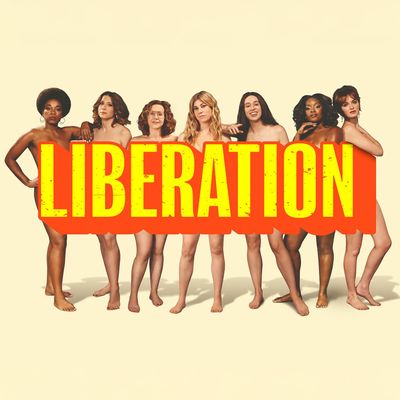
Susannah Flood received a Tony nomination this season for Best Performance by an Actress in a Leading Role in a Play, for her work starring in Liberation on Broadway. She reprised the role she originated Off-Broadway, where she received Drama Desk and New York Drama Critics Circle Awards as well as a Lortel Award nomination... Read More
From the show: Mentors on the Mic: Your guide to pursuing a career in the Entertainment industry
Guests

Featured Shows
About
Susannah Flood received a Tony nomination this season for Best Performance by an Actress in a Leading Role in a Play, for her work starring in Liberation on Broadway. She reprised the role she originated Off-Broadway, where she received Drama Desk and New York Drama Critics Circle Awards as well as a Lortel Award nomination. The play also received the 2026 Pulitzer Prize for Drama.
Onscreen, she most recently delighted television audiences as Amy Schumer’s sister in two seasons on Hulu’s “Life & Beth”. Prior to that she was best known for playing fan-favorite Kate Littlejohn in two seasons of the Shondaland/ABC series “For the People.” In film, she can be seen in Kristen Stewart’s directorial debut “The Chronology of Water”. Most recently she shot a major recurring role in the Netflix limited series “Rabbit Rabbit” opposite Adam Driver and Regina Hall.
A fixture of the New York theatre scene, Susannah received an Obie Award as part of the cast of Branden Jacobs-Jenkins’ The Comeuppance at Signature Theatre. Other credits include David Cromer’s production of The Counter at Roundabout, the Broadway productions of Birthday Candles opposite Debra Messing and The Cherry Orchard, Staff Meal (Playwright’s Horizons), Make Believe (Second Stage), Will Arbery's Plano (Clubbed Thumb), The Effect, Tribes (Barrow Street), Ivo Von Hove's Scenes From A Marriage, Love & Information (NYTW) and Mr. Burns (Playwrights Horizons). She will next return to the stage in a limited run starring in Marin Ireland’s critically-acclaimed Pre-Existing Condition Off-Broadway.
In this episode, we talk about:
• Susannah’s first role in the entertainment industry
• Replacing an actor in Tribes at Barrow Street Theatre
• Making the leap from Off Broadway to Broadway in The Cherry Orchard
• Booking her first television role on Chicago Fire and having Casting Director Jonathan Strauss in the audience of her show
• Becoming a series regular on Shonda Rhimes' For the People on ABC
• Working with playwright Bess Wohl on Make Believe and Liberation
• Connecting with an audience every night on Broadway
• Approaching a role shared with other incredible actors like Lupita N'yongo, Edie Falco, Phillipa Soo, Hari Nef, and Whitney White in Pre-Existing Condition
• How Susannah approaches a new character and script
• Finding your strengths and instincts as an actor
• Her upcoming Netflix project Rabbit, Rabbit
Links to Georgia Oakley:
- IMDb
- Playbill
- Wikipedia
- Susannah Flood's Instagram
- Buy tickets to see Pre-Existing Condition
Host:
Instagram:@MentorsontheMic @MichelleSimoneMiller
Twitter:@MentorsontheMic@MichelleSimoneM
Facebook page: https://www.facebook.com/mentorsonthemic
Youtube:https://www.youtube.com/user/24mmichelle
If you like this episode, check out:
Actors Kat Cunning and Connor Paolo for the film STAR PEOPLE
Tribeca: Luke Kirby and Daniel Serafini-Sauli for World Premiere of Terror Keeps You Slender
Transcript
This transcript was automatically generated and might contain errors.
[0:00] Michelle Simone Miller: Welcome back to Mentors on the Mic podcast. I'm your host, Michelle Simone Miller, and this is the podcast about mentorship in the entertainment industry without having to ask for it. I sit down with actors, writers, showrunners, directors, network executives, agents, managers, to talk about their careers, the lessons they've learned about the people and experiences that have shaped their journeys. In this episode, I'm joined by actress Susannah Flood. Susannah has built an incredible career across theater, television, and film, with Broadway and off-Broadway credits including The Cherry Orchard, Liberation, Birthday Candles, her television run with For the People, Chicago Fire. We talk about her journey from school to off-Broadway to Broadway and television and her approach to finding a character within each of these mediums.
If you enjoy the episode, please subscribe to Mentors on the Mic on Apple Podcasts or Spotify or wherever you listen to podcasts and share it with a friend who loves great conversations about the entertainment industry. This week, I'll also add this episode to YouTube, so subscribe to our channel on YouTube to watch some of our favorite interviews. Links are in the show notes. If you want to go behind the scenes with me, check out my sub stack where I write about covering red carpets at film festivals, the people I meet along the way, and my thoughts on book-to-screen adaptations. It's where I share some of the stories and perspectives that don't always make it to the podcast. I have some great episodes actually coming up covering the Atlantic Festival, the Innovation Festival, and some red carpets with A-listers of the Hamptons Film Festival. Without further ado, here's Susannah Flood. Welcome to Mentors on the Mic. Thank you so much for being here, Susannah.
[2:03] Susannah Flood: It's my pleasure. I'm going to talk a little bit about how much I love your work and how much I've wanted to meet you actually for quite some time. But let's first get into it. I always ask the question, what was your first role in the entertainment industry?
[2:19] Susannah Flood: Oh, well, I guess I got my equity card playing Juliet in college. I was in the advanced acting class at Berkeley. I went to UC Berkeley for undergrad, and it's not a conservatory, and the great thing about that is that you get a lot of people from all around the campus taking acting classes. But there is a sequence, and the sequence is set up to not allow you to take the advanced acting class until you're a junior or senior. I'm a very overachievery type of person, and my parents were acting teachers, so I really thought that I could just waltz right into that class. So by the time I was allowed to take it, it was taught by a wonderful teacher named Laura Dulles. Laura, I love you and thank you.
She had been and still is an actress who had worked at a regional company called Shakespeare in Santa Fe. The artistic director reached out to her. They were casting Romeo and Juliet. They wanted actually young people. They were like, would any of your students be interested in auditioning? I did, and they cast me, I think in part based on Laura's generous recommendation, and they hired me on an equity contract.
[3:46] Michelle Simone Miller: That's amazing. I feel like a lot of schools, colleges, and especially in California, I feel like they're not very supportive of actors in their programs, like auditioning and leaving and getting credits outside of school.
[4:04] Susannah Flood: I don't know how that is at conservatory programs or certainly in grad school. It's always complicated. I've known a few people along the way who have kind of walked up to a juncture where it was like, well, the professional world is calling me, and it's very hard for grad school programs to sort of let those people step away and do that because there's a cohesive quality in the class. If you're missing that time, there's no real way to make it up. It ends up becoming one of these very difficult choices for people. At Berkeley, it wasn't like that. It was just like, there's 34,000 students in that school. In our acting classes, all along the way, there would be English majors, history majors, theater majors, and math. There was a girl who was studying math in our class. It was great. It actually was a lot closer to what my experience of my professional life has been, which is that kind of like you find people from all walks of life.
[5:08] Susannah Flood: Especially in New York.
[5:08] Michelle Simone Miller: Especially in New York, yeah. Then you got your MFA at Brown, in acting. Did you feel really supported by that program? Did you feel like you could also audition outside of the program?
[5:18] Susannah Flood: I felt very supported by that program. I had a wonderful, life-changing time there.
[5:27] Michelle Simone Miller: Oh, good.
[5:27] Susannah Flood: Yeah. Thank you, Brian. Thank you, Oscar. Thank you, Brian. Thank you, Steven. The two different Brians.
[5:38] Michelle Simone Miller: Yeah, two different Brians. It's up to you to figure out which Brian you were.
[5:47] Susannah Flood: A little disruptive for one person to step out for a long period of time. There's something to consider there. Did they have a showcase? Were you able to meet reps at the end?
[5:59] Susannah Flood: Yes. Also, I should say, one of the cool things about the program at Brown, it was called the Brown Trinity Consortium while I was there, because it had a relationship with Trinity Rep, which is where a lot of our actual acting teachers were coming from. There was a lot of performing at Trinity Rep and understudying and stuff. There were opportunities to get your sea legs under you in terms of a professional environment. Of course, people over the summer are auditioning for these apprenticeship programs and theater festivals and all that, that whole circuit, which you and your listeners are very familiar with. All that is kind of available to you in pockets during that time. Then there was a showcase in New York and LA.
One of my classmates, hi, Heather, was incredibly great at keeping a list of these. She had taken a lot of research. She knew. She kind of had an idea of where she wanted to end up. She had an A list, a B list. She had a type A personality, which I love. In a good way. I'm also a little like that, so I appreciate it. Just to give you an idea, Heather ran the Super Bowl for a couple of years. I hope she wouldn't mind me saying that. When she decided she didn't want to be an actor anymore, she discovered actually what I could do instead of act is run the Super Bowl halftime show.
[7:30] Susannah Flood: Yeah, yeah. A casual flex. That's incredible. Heather, way to go. She was amazing. Anyway, in this moment, I really relied on her research. We ended up getting a couple of meetings at similar places.
[7:48] Michelle Simone Miller: Great.
[7:49] Susannah Flood: I was kind of like, give me the, what is this? How should I interpret all this information? What questions should I ask?
[7:56] Michelle Simone Miller: Yeah. Then I ended up at Bauman, Redanti, and Schall, which is then subsequently sort of merged with the Gage Group. I think that's right. I hope I'm not misquoting any of that.
[8:12] Susannah Flood: No, that's right. That would have been a while ago that that happened. Anyway, Mark Redanti, I had a really lovely meeting with him, and it turned out that he had seen, in the 70s, as a child, basically, he had seen this production of a musical that my father had produced when my dad was a young man starting out in New York. I just felt very, very safe. That gave me the sense of continuity. Thankfully, they were interested, and they signed me, and I started auditioning a lot. I honestly just did not, there was no place that I was uninterested in working. I would have gone anywhere.
[8:54] Michelle Simone Miller: That was my next question.
[8:55] Susannah Flood: Yeah, I would have gone anywhere. I wasn't like, there were some people in my, I'm going to use the word cohort, the broad number of young people who graduated from a training program in the year 2007, who were being like, I don't want to go out of town. I was like, why not? Send me out of town, as long as I work. I was like, New York is scary. Even more than that, I was like, I just want to work so bad, and I'll go anywhere to do that.
[9:30] Michelle Simone Miller: Do you remember the first gig, the first play, I think?
[9:35] Susannah Flood: Yeah, well, I went back to Trinity after I graduated, and I did a show there that I sort of knew about. The first time I booked a show after graduating was Lisa Peterson's production of A Midsummer Night's Dream at Hartford Stage. There were these great actors in it. Johanna Day was in it, Lucas Calabrini, which I don't know if people out there remember Lucas, he's kind of left the industry, but he was this amazing clown. Jake Lacey played Demetrius. He had just graduated. He didn't even have his equity card. He was so nice to me. I bossed him around, told him what to do. I was playing Helena. I was like, what if I just climbed on you there, and what if you ignored me, and then what if I actually did kiss you here?
He was like, great. Lisa was like, great. Francis Jew was in it, Tony Award winner Francis Jew. Anyway, it was this amazing group of actors, and I felt totally exhilarated. It was hard because I really did want to work anywhere, but I did kind of encounter that thing, people talk about this, where they book a show out of town, they go out of town, they come back, and they're kind of starting from scratch a little bit. So that was like a push-pull, and because I had gone to UC Berkeley and spent a lot of part of my childhood in California, I knew about the Oregon Shakespeare Festival, and I really, really wanted to work there. My mom is like a deep, deep lifetime student of Shakespeare or the person who wrote the Shakespeare plays.
She's really into the authorship question. Mom, I'm sorry if I'm not stating this correctly, but I'm just acknowledging that she had a great passion for Shakespeare, and I kind of inherited it. I was looking for that, and the idea of working in rep was really exciting. Anyway, the point of all this is that I ended up working out there for these long, long seasons, like a 10-month season, an eight-month season, and had some wonderful learning experiences out there, and worked with some incredibly talented, inspiring, generous people, including the great Bill Rauch, and then came back to New York, and it was kind of like starting all over again, and got day jobs, and had no money, and was trying to collect unemployment on the sly, and doing all the things to kind of just get it-
[12:21] Susannah Flood: All the actor things.
[12:22] Michelle Simone Miller: All the actor things, yeah, living in a house with 12 other people, and-ish, and a little sorority, if you will. It was, yeah, it was a big brownstone.
[12:38] Susannah Flood: And then the first thing in New York.
[12:40] Michelle Simone Miller: And the first thing in New York was Shakespeare in the Park. Thank you, Oscar Eustace. Lily Rabe was a beautiful Rosalind that summer, and I played Phoebe, and that was amazing.
[12:58] Susannah Flood: Did it feel… I mean, obviously, that's also a seasonal thing. That's, I think, the issue with anything in acting related, is that you become very close to a group of people, you put together something amazing, and then it ends, and you're essentially unemployed again. You're not just essentially, you literally are. You are. So you're walking around, so you have this incredible experience.
[13:19] Michelle Simone Miller: Yeah.
[13:20] Susannah Flood: And then afterwards, right, it's the season's over.
[13:25] Michelle Simone Miller: The season's over. Did it feel like there was a little bit of momentum in terms of either auditions or bookings? Did you get another show? I feel like at some point… Yeah, was there something else after that?
[13:38] Susannah Flood: Yes. It did pick up. Yeah, it started to pick up. So the cool thing was that as I was working on that, I… Well, you know, I had auditioned for David Cromer a number of times by this point, and though he had never hired me…
[14:01] Michelle Simone Miller: Which is… God, it happens so often, right?
[14:05] Susannah Flood: I hope you do. I think you still like me because you keep bringing me in.
[14:09] Michelle Simone Miller: Right.
[14:09] Susannah Flood: But that doesn't necessarily mean I will get something at the end of it.
[14:13] Michelle Simone Miller: Right. But I also feel like I might annoy you. But anyway, but what happened was that I had auditioned before the park, in the winter before that summer where I did the park, I had auditioned for Tribes at Barrow Street. And I think I had been called back, but he didn't cast me. But then a lot of the women from the original cast of that show ended up leaving at the same time.
[14:48] Michelle Simone Miller: And this was off-Broadway, right?
[14:49] Susannah Flood: And this was off-Broadway, yep, at Barrow Street. And they were looking for… replacements.
[14:57] Susannah Flood: …replacements. And I think, I don't know why, but it just, it kind of just clicked. I came in to audition for the replacement for the same role I had originally auditioned for.
[15:09] Michelle Simone Miller: Right.
[15:09] Susannah Flood: And in the audition, David was like, or after the audition, David apparently turned to Will Brill, who was in the room reading with us and was like, what about for Susie's role? So then he kind of like switched the track and he cast me as Susie Porfar's replacement. And I just ripped everything off from her and had an amazing time doing it. And people who are coming to see like a replacement cast frequently haven't seen the show before, you know?
[15:45] Michelle Simone Miller: Yeah.
[15:45] Susannah Flood: So like you are just then in the experience that you're having. I didn't feel self-conscious about like…
[15:55] Michelle Simone Miller: Measuring up to something or…
[15:57] Susannah Flood: No, except that I felt like there was this amazing actress who I respected and admired a lot, who had come before me, who had figured a lot of things out.
[16:06] Michelle Simone Miller: Yeah.
[16:07] Susannah Flood: And I kind of felt like me in that shape is going to be sort of different. I'm not going to worry too much about it. Like it's working and the way I fill it up will be kind of inherently different. And most people aren't going to be comparing me to her anyway, so maybe that's fine.
[16:23] Michelle Simone Miller: Yeah, okay.
[16:24] Susannah Flood: And I learned a lot.
[16:25] Michelle Simone Miller: Yeah.
[16:27] Susannah Flood: And then it kind of started picking up.
[16:30] Michelle Simone Miller: Picking up. So in the next couple years, you had a couple other shows.
[16:35] Susannah Flood: Yes.
[16:35] Michelle Simone Miller: And I think you booked a recurring on Chicago Fire.
[16:42] Susannah Flood: Yes.
[16:42] Susannah Flood: Yes.
[16:43] Michelle Simone Miller: So how was all that? And did you find it to be a big difference between, you know, obviously you'd been probably auditioning for TV and film the whole time, but was there a difference you feel like in terms of getting that show? Obviously, the money is one.
[16:56] Susannah Flood: Yeah, yeah.
[16:57] Susannah Flood: But anything in terms of the comparison of these Broadway shows that you were booking and then simultaneously at some point booking a recurring character?
[17:05] Susannah Flood: You know, what happened was that I booked a few, what was it? I had booked a few off-Broadway shows that became kind of splashy cultural moments. And because of that, my agents were, and I was with slightly different agents at this point. I switched to then called Stone Manors. And those people, by the time I was working with like Ivo Von Hovo, they were like, we can get, you know, casting directors are interested in this. Let's bring them.
[17:37] Michelle Simone Miller: Yes.
[17:39] Susannah Flood: Which is a great way. I mean, people always ask, what are ways to get reps? And there's so many, there's a few different ways. And it's obviously there's a Catch-22 about getting reps when you don't have the credits, but then it's hard to get the credits without the reps. But that is a good way is taking a show and then having casting directors come to the show.
[17:57] Michelle Simone Miller: Yes. And it's hard because like, you know, it ended up being that a few of us in the cast paid for tickets for casting directors, which I, looking back on, do not like at all. And I think for young people listening to this who are wanting to invite people, you should start by just inviting them, because they have their own relationships with theaters and box offices want good word of mouth too. And you should not. I mean, I just started by being like, please, please come. I'll pay for your ticket. Yeah, don't do that. Don't give yourself away for free. That much I would like to say. Great advice.
[18:32] Susannah Flood: But thankfully, people out there did say yes, and they did come and out of that I got- Do you remember who, Jonathan Strauss, I think was casting?
[18:44] Michelle Simone Miller: Yes. Do you remember who came?
[18:46] Susannah Flood: Jonathan came. And he was affected by scenes from a marriage. And so he called me in for a role. And so I got a guest star on Original Law and Order.
[18:56] Michelle Simone Miller: Oh, right. Yes. Or not Law and Order SVU. In my mind, that's Original Law and Order. But it's here.
[19:00] Susannah Flood: Yeah. Yeah. And with that money, I took a camera class.
[19:07] Michelle Simone Miller: Oh.
[19:07] Susannah Flood: With Bob Krakauer.
[19:07] Michelle Simone Miller: Yes.
[19:07] Susannah Flood: Well, the thing that I really took out of the class, because I-
[19:18] Michelle Simone Miller: Was it his intro weekend intensive type of thing?
[19:22] Susannah Flood: Yeah. Yes, except it was like four hours over four days type of a thing. Because I think-
[19:28] Michelle Simone Miller: Was it one-on-one at the time? Do you remember?
[19:28] Susannah Flood: Yes, I think it was. Yeah. Because there was another version where you could do just two days, but like eight hours. And I did end up sort of going back and taking that again just for interest. But what I really got out of that first class, because the great thing about this class is that he-
[19:42] Michelle Simone Miller: He was on the podcast.
[19:47] Susannah Flood: Oh, good.
[19:48] Susannah Flood: He's using scenes from real shows, and he forces you into a kind of like audition-y behavior of going out of the room with all the other people who are reading the same role, and coming in and doing it in front of him and the rest of the class who were not reading that role, and then going out. And everybody does that. That group comes back in and watches the auditions for all the other scene assignments. And then you view the whole thing all together. And in viewing the whole thing all together, a couple of things became clear. One, there was no inherent disconnect between me and the camera. Because I hadn't booked something yet, it wasn't because I somehow didn't know something that was relevant to working on camera. That's a lie. Whoever's telling you that is wrong.
[20:30] Michelle Simone Miller: Yeah. Free yourself.
[20:31] Susannah Flood: Yeah. The second thing that I realized is like the reason why I hadn't booked stuff is just I just hadn't happened to be the person that belonged in the role yet. Like what I also saw was that each person's version of that character had so much just intrinsic difference built in based on who they are when they walk into the room, who they bring for free, the sound of your voice, the way you look, the timbre, whether you sit forward in your chair or backwards in the chair, what your silhouette looks like when you turn, all of which is value neutral. It just either matches what the producer has in mind, or it doesn't. There's no right or wrong. You're not doing it wrong.
[21:15] Michelle Simone Miller: Yes, totally. And in some ways that is so liberating. No pun intended.
[21:21] Susannah Flood: Yeah, no pun intended. It's very liberating to know that. In other ways, it's even more daunting because you're like, well, I guess I'm just so much luck. Giving you this.
[21:33] Michelle Simone Miller: Yeah, yeah. And then hoping for the best.
[21:33] Susannah Flood: Exactly. Exactly. Exactly. And so I think that when I walked away from that class, I was giving myself permission to imagine that it could be that at any moment it could be me. And so when Jonathan called me to audition for other stuff, then I felt like, oh, yeah, this could be me. This is what my version of that would look like. And then it turned out that I auditioned for a role that I really was born to play on television. And that changed a lot.
[22:12] Michelle Simone Miller: Can we say what that one was?
[22:12] Susannah Flood: Yes. That was Kate Littlejohn on For the People.
[22:17] Michelle Simone Miller: This is when I'm going to get a little fangirly. Pardon me. I've seen a lot of your work, actually, but this is when I first really met you. So you were Kate Littlejohn in For the People. I saw the pilot of this. I'm a huge Shonda Rhimes person. Of course, I'm going to check this out.
[22:33] Susannah Flood: Yes.
[22:34] Michelle Simone Miller: Fell in love with it. Fell in love with the show and fell in love with you.
[22:37] Susannah Flood: Thank you.
[22:38] Michelle Simone Miller: And immediately saw it. I mean, it's a great cast. Anyone should watch it. There's two seasons of it available. And you were such a standout. I didn't know who you were at the time. And I was like, who's Susannah Flood? Like, I remember going like, I just loved how you inhabited the role.
[22:53] Michelle Simone Miller: Was Heather, now I have to ask, was Heather part of that, like, an inspiration? Did you think of her at all for that? Because it's very much like someone who color, like, not that she would do that. I'm not trying to give that to Heather. Heather was just a way cooler.
[23:06] Susannah Flood: You know, it's funny. I just went back and watched the show. I just watched the pilot for today.
[23:11] Michelle Simone Miller: Oh, you did? I rewatched it.
[23:12] Susannah Flood: Oh, God. I went through, I had like a wave of nostalgia come over me over the summer. And I hadn't watched it for a really long time because I'm so, I was so sad. It was so, yeah, it hurt so bad when it didn't get renewed. And I haven't been able to return to it really, because like, in some ways, I feel like that there will never be anything that that fits me as well as that in some ways. So it was hard. I didn't I didn't really want to watch it. But over the summer, I was like, what was that? And so then I started when I went back and like watched all I was like, this was great.
[23:44] Michelle Simone Miller: You I mean, you just inhabited that role.
[23:54] Susannah Flood: Well, here's the funny thing is that like, at the time, people would be like, you know, I love how she's kind of like spectrum me. And I and I was just I just saw reggae the other I just saw like a couple months ago, and I was telling him this story. We were laughing. And I used to get like, so offended. But I was like, spectrum me. You just never met someone who loves justice as much as Kate Littlejohn loves justice. Like, how dare you? And, and then watching it again, I was like, Okay, I think I can see where that came from. Doesn't mean it's true. But I can see I can kind of see it totally. I was like, Oh, he seems like, um, yeah, just cognitively. Just a little intense.
[24:43] Michelle Simone Miller: He's the world a certain way. That's all I would describe her as.
[24:48] Susannah Flood: She is a little intense. Yeah, she's often right. I mean, there were a lot one pilot episode, right? There was a lot of moments where I know she's so well attuned, even if she's not socially great at connecting with people. She is so perceptive.
[24:59] Michelle Simone Miller: Yes. It is such a well written I mean, as every Shonda Rhimes thing is, I mean, it was it was directed that pilot by like, Tom Berica, right? Like, like, all really great people. Great cast.
[25:09] Susannah Flood: Yeah. But I just I saw you, I think I might have even taken a scene at one point and auditioned with it.
[25:15] Susannah Flood: That's great.
[25:15] Michelle Simone Miller: Yeah. But I just fell in love with you. And I was like, she's gonna do such great things. Because I just felt like there was something about your performance that just really spoke to me. And I've spoken to a quite a few people about it since that show aired, where I was like, you know, if you if for the people come up, I bring you up. And I'll just be like, Susannah Flood was just such an incredible. You just and I do hope you get a lot more of the Kate Littlejohn. And I mean, I would say liberation is another standout. Yeah, birthday candles. I really enjoyed as well. Yeah, I took actually was talking about my work with my alma mater brand.
[26:51] Susannah Flood: It was like four or five times for different roles. And just it's such a big component, even if like you're an incredibly talented human being. It's just luck completely, completely. Well, well, yeah, so I had never auditioned at ABC before. I think that was Marcy Phillips, right? Yeah, yes. So I had never, we had never met before. And the initial audition was at like five o'clock on a Saturday, like they were seeing a lot of people. This was still at the end of pilot season, you know, so there were, yes, yeah, as it used to be. So there were these times of year where casting would sort of hold hours like that. And I showed up and my Marcy wasn't there for that session. You know, Saturday, she has some boundaries.
Well, some people need to rest sometimes, you know, and some people are young and they can go on forever. Anyway, whatever her associates were there, and they were working their butts off. And they were very, they obviously were good at their job because something came out of that session. But like, but so, um, so I had in reading it in the reading the script, I had been like, I could do this, like I had had a feeling, which I had learned from like booking this, this like SVU, like not even primary victim, like just like a small role in this SVU episode, I'd been like, I, me, Susannah, could give something to this role. And I, I have a rather clear, instinctual sense of what that could be. Interesting.
Yeah. And I, and so I recognize that feeling, reading the pilot again, like, I really, I really see why and how she's doing and saying all of these things. And so I, I worked on it, and I felt good about it. And I sort of like went in and did this audition was like, Oh, shit, like, that's too bad. That's not going to go anywhere. And then a while, I don't remember how long it was, at least a week later, I got a call being like, they want to have you for a callback. Yeah. And then I went in and Marcy was there. And we worked on it. And she and she was kind of like, you know, your read of the first scene was so good. I'm not even going to redo it. I think we should just use that again. But let's just keep working on like the second side.
So we did that, which was great. Oh, by the way, another thing that made me feel like I could bring something to this was that I knew what I wanted to wear to the audition. This is like big one, the amount of times I've gone to an audition and been like, what do I have that looks like it belongs in the 1860s? Oh, yeah. I was a commercial audition. And it was supposed to be for like a Hallmarky type city, no country girl. And I was like, I don't even think I own anything. Not like, and I just kept overthinking it. It's such a big thing. It is such a thing. It's such a thing. I've given, I've given clothes away after holding on to them for like five, seven, eight, ten years. This is my audition military jacket that I don't ever audition for.
And then inevitably the next week, like you get that and you're like, damn. Like, do I still have that? No, I gave it away in the last donation pile. Yeah, totally. Well, what I had in the back of my closet back in 2017, when I was auditioning for For the People was the suit, like formal dress, like skirt suit that I had worn for my Rhodes Scholar final finalists audition interview. I assume this was a real life thing. I auditioned for Rhodes Scholar. And it was great. I auditioned for Rhodes Scholar number one. Yeah. And didn't book it. Aspiring Rhodes Scholar number one. Didn't get that. Didn't get it. Didn't book it in life or in art. But I had the outfit. I had that outfit. So I got, so I was like, I know how to dress for this role.
Anyway, so we did the callback with Marcy and then it was just weird. It was just one of those things that was like, they're going to fly you out for a test. No, they're not. No, you're not going to test because of scheduling issues. You never really get like the full scoop or whatever. So they're just going to, they're going to do a zoom. They want to do it. It wasn't a zoom at the time because it was before the pandemic. It was like some something. Yeah, they're going to do it remotely. And then it was like, no, not going to do it remotely because we're having trouble. We're having trouble lining up schedules because some people are in London. So now they're just going to use your tape. And again, I thought like, oh, damn, like that's the end of that.
You know, which is actually probably a healthy way. It's like there's no healthy or unhealthy way. But like there's something healthy about going, OK, well, then that meant I didn't get it. And you can kind of let it go as opposed to being like, well, you know, because the other alternative, which happens too, is like you're constantly thinking about it and you're looking at your phone. You're going, did my agent call? Like, am I still running for this? Has it been too long? I mean, I don't think that ever goes away for anyone on any level. You know, there are just some things that you really, really want. Yeah. And wanting is a good thing to feel. But it is also a double edged sword, you know.
And to be clear, I was not serene about this. I really wanted this job. You know, I wasn't like, oh, well, I was like, if only we could have that level of detachment. I know. I know. Exactly. Exactly. So but then, but then instead of it not working out, it worked out and they hired me. And I had never done anything like that before. That's a whole other. Yeah. Oh, and by then you had already done Broadway. Yes. Which we skipped over, but that's fine. But, but so you had done Broadway, but it's still such a different thing, I think, to be a series regular on an ABC show on a network show. Yes. I mean, your character got her own office. That was really cool. But, yeah, you just you had a very strong understanding of what you wanted, I think, to do with this role.
And it was really apparent. I wanted to ask, you know, I think this is sort of a twofold question. But in terms of looking at other auditions since then. Right. Sometimes it doesn't happen where you have maybe a very clear understanding of how this person is going to be and what you can give to it. Has the accumulation of the roles that you have booked and the obviously you have you have a set of strengths and skills that you've cultivated. But have you noticed that there are certain things that you like doing or that you can give to a role that you can be like, OK, for this one, I'm going to give some of that that I used over there. Or like I'm going to get a little bit of Kate Littlejohn like this, but then a little bit of this role from here.
And then I'm going to put together that. Like, does that happen now that you have done a bunch of different roles that you're proud of? Oh, you know, I don't I guess I don't think of it in those ways of like sort of pouring one character into another. I do think that, as I was saying, like we bring a lot into a room for free. You know, like we bring a certain set of attributes, a certain perspective, a certain set of, you know, tendencies to be optimistic or nihilistic or think fast or think slow or speak simply or speak in long, convoluted sentences and everything in between. And I do think that that probably inclines me towards a certain array of colors on the spectrum. OK, I try to protect myself from thinking about that too, too much from the outside, and I try to get too heady about that.
Yeah, I don't. You know, other people's opinions of me are not my business. And the more I can leave them to whoever they belong to, the freer I am to pursue my own joy, which is what makes which helps me be my best anyway. So I try not to think of myself as a product from the outside. Now, there are people who are really good at that. Yeah. Who and if it works for them. Yes. And some of those people have developed that skill set and it has led to big commercial success, you know, so I don't have any judgment. I don't think it's a bad thing to know. It's just a particular style that you don't. So you're more present to every role as it comes in and what comes for you from you and that. Yeah, I would say so.
Yeah, I would say so. I guess like it's about saying yes to everything I can. Yeah. Investigating it and seeing where the cards fall, you know, in terms of booking it or not. So then on that note, do you find it difficult? Because I do. I grew up doing theater. I didn't really start doing anything on camera until maybe high school. No, no college. It was college. So and I don't think I even took my first on camera class until after college. Yeah. So I found and still sometimes do find it difficult because with theater, you do get at least a collaborative process. You get a little bit of a back and forth with a director, with other actors. We'll talk a little bit about pre-existing conditions.
I'm curious about that. But in general, you have a bit of time to not create all your choices in a vacuum, which is what TV and film almost requires. Because you really, I mean, often come into these auditions with as many of those choices made as possible. And often I've heard casting directors say we need it to sort of stand alone in the sense that this is your work if it was on TV right now. That's how ready it needs to be. So you have to create all that for yourself ahead of time without knowing some answers. Sometimes they fill that in for you later. But the point more is that how do you then work on your auditions when a lot of those that rehearsal process isn't afforded for some of it and a lot of those choices, they might not be able to give you as much wiggle room to.
Totally. Well, sometimes it's really painful because you might be working on something where you're like, I really love this writing. I can see it a couple of different ways. And then I always think it's a little bit of a losing game when you're trying to communicate with casting about the quote unquote tone of the show before you audition. Because often in execution I find then the differences are really on the margins. Like the differences in execution if I'm playing one version of this version A versus version B really have more to do with just kind of, I don't know, they're closer than they seem in my mind. That's fair. And you also can't often ask these days, right? If you're sending in a self-tape, it's almost... Yeah, if you're self-submitting, who are you going to ask?
Yeah, totally. So I think that what I'm left with often is just like that kind of wonderful slash horrible thing, which is like, if I'm the person, then the tone doesn't really matter. So I just have to do the thing that makes sense.
[39:25] Susannah Flood: You are the actor for that role that person has in mind when they wrote it, that any choice you can make, besides a choice that takes you wildly away from who you are, will keep you from getting the role. In essence, I don't think choices mean you book it or you don't. I think it is something more essential about who you are. I will also say like with Kate Littlejohn, like Paul William Davies, who wrote that show, Paul had written her already, you know, like to my mind, I don't think everyone in the cast felt this way, but to a few of us, like when I would talk about this with my cast mates, and certainly to my mind, like Kate Littlejohn was the character on the page that existed the most clearly, the most unique kind of like funny, rewarding voice, like the most kind of like already complete.
And that's because Paul heard her already, like he had kind of written her. And it happened that like, she sounded like me. So, unless I was doing something to totally not sound like myself, I think that marriage would have been apparent to him.
[40:46] Susannah Flood: I hear that. I hear that. I hear that. And like the little things you're saying that you could have done or didn't do, wouldn't have made a difference because that cadence, that style was there already. And those other things could probably be adjusted. Definitely. Definitely. Yeah. And because I was able to, you know, it comes naturally to me to be kind of dry and think kind of quickly, at least as an actor, you know, and that was like, defining on the page of this character's voice, you know?
[41:19] Michelle Simone Miller: Yeah. I get that. Yeah. I get that. But I also think it's a testament, personally, that like the collaboration of the great writing and who that role that the character that they created, but your individual take on it was, because other people can and have probably in classes done that exact role and done it very differently. And not that that, again, is right or wrong, but your version, which is so complete already, like it just felt so right. Like I mean, just, yes. Thank you. Did you feel like, and we'll skip a couple things, but did you feel that that changed things for you in terms of getting other parts and moving on with your career after that ended?
[42:02] Susannah Flood: Yeah. I mean, I think every time someone takes a chance on you to do something and you do it, it makes it easier for other people to say yes to you. That's fair. So, you know, it's like booking a guest star made it more possible to book a recur, made it more possible to book a series regular, just in a very, I mean, listen, Los Angeles and producers and business people in Los Angeles are protecting millions and sometimes billions of dollars in investment. And sometimes the decisions are as simple as like, does this actor have experience in this function on set? Yeah. If no, that's a little scary. It's not worth taking that risk on investment.
[42:58] Michelle Simone Miller: Totally. Totally. So now we have these type of credits on your resume.
[42:58] Susannah Flood: Yeah. You really, I think for a while, went back mostly to theater for a long bit, right?
[43:05] Susannah Flood: Yeah. I mean, I, what happened was that the show was canceled. I came back, was auditioning around. You got another, like Law & Order thing. I think you went back to Law & Order at some point for an episode.
[43:27] Susannah Flood: Oh, that's true. Yes. I booked a Law & Order. And right at that time, I booked this show written and directed and starring Amy Schumer. And that happened literally a month before the pandemic.
[43:44] Michelle Simone Miller: Oh, right. So we signed that contract. And then,
[43:49] Susannah Flood: So it didn't end, didn't come out for a while because of that. We had a whole year's delay. Oh, my God. During which time Amy was like rewriting the show and working on the show. And so we would, and the luxury of it was that like, she got a lot of time to do that. And I got time to get to know her. And we had a whole set of conversations about character and stuff.
[44:08] Michelle Simone Miller: Yeah. We used the time.
[44:08] Susannah Flood: Yeah. We shot it. And then there was actually quite a delay before it came out. There was Yes, because it didn't come out till 2022. This is a COVID thing. Yes. That's a little bit of time.
[44:23] Michelle Simone Miller: Yep. Yep. And then in that time, well, so one thing that happens, I don't know how much you guys you have talked on the show about like, when you're a series regular, they have an option on you. Have you talked at all about that?
[44:40] Susannah Flood: I have talked to a couple guests about that. You can explain that. Not every actor gets that, right?
[44:46] Susannah Flood: Yeah. So if you're a series regular, you often have to sign a multi-year contract in which the show that you're signing for gets an option on you, an option to renew or not at the end of every season.
[44:58] Michelle Simone Miller: Yeah. And up to seven years?
[44:58] Susannah Flood: Usually it used to be six. I don't know what it is anymore. Because this field means really concrete things when it comes to a show that's on ABC or any kind of primetime network where there's a calendar year that the network is beholden to on streamers.
[45:18] Susannah Flood: Yeah, it is truly the Wild West. Yeah. And during the pandemic, it was even more the Wild West, you know, so and during that time, that show is in for series regulars, almost always they are in position one, which means that they have priority on your schedule. So even when you're not actively shooting, they're still maintaining in position one.
[45:41] Susannah Flood: So it can become really hard to book other stuff at the same time. Yeah, because, well, A, like you're not allowed to play another role that's similar to that role or whatever. B, any other show, even if you're not shooting at the same time, will be in position two. And nobody wants that. As I said, like those people who are protecting their multimillion dollar investment, they don't even some of them just don't even want to have to even think about the possibility that they wouldn't be able to have you when they need you. Because what's more important is the actual physical location and when they can rent it and the permits and there's so much money and crazy logistics going into setting that stuff down. The idea that all that would have to be reboarded because like an actor wasn't available because they're shooting another show. It's not worth it.
[46:33] Michelle Simone Miller: Yeah. So I think I'm sure it's different for different people in different industries. You hear, you know, Anne Hathaway, whatever, worked at like five million movies at the same time. Nicole Kidman.
[46:43] Susannah Flood: Yeah, exactly. They'll make it work.
[46:43] Michelle Simone Miller: Yeah. She's like, I don't know how and well, whatever. It's very impressive. But at least at my level, like that was hard. It was hard to find other work. And so what I was really doing during like my downtime was doing theater because that's what I could. Nobody was like, oh, you can't do that play because we might. It was like, well, the play is going to go from this time to February to May.
[47:08] Susannah Flood: Yeah. Yeah. So that's when I did Birthday Candles.
[47:15] Michelle Simone Miller: Yes. Yes. Yes. And then I had a baby.
[47:15] Susannah Flood: And then you had a baby. Yeah. Love it. Yeah. And then we'll skip a little ahead because just in the interest of time. Go for it.
[47:27] Susannah Flood: So you worked with Bess Wohl, who wrote Make Believe. Yes. And then that came back around. And when did she talk to you about liberation?
[47:33] Susannah Flood: She didn't. Oh, OK. Fair. I made that connection. That was me making it incorrectly. No, she she she did. She she it not not perhaps in the way that you. Yeah. In the most. OK. We worked together in 2019. We had a good time on Make Believe. We had a good time. We felt that there was kind of like an instinct. It was a good again, like a kind of like good match type of thing. And again, it's partly luck, which is totally partly luck that happens. And then over the years, we've sort of see more of each other. I would see plays of hers or like she also knew my then boyfriend who turned out to I turned out turned out we got married.
[48:27] Susannah Flood: And during the pandemic, she was working on Camp Siegfried, which was her show that happened in London that David Cromer directed. And she wanted to come back to David Cromer. I know. Well, it's true. Genius. And so and so sorry. Some David memories just flooded my mind. So let me get back on track. So, yes. She wanted best needed best wanted to hear some voices that she trusted reading this play. So we would like do a little zoom with her just as a favor, just for fun. You know what I mean? So there would be like those kinds of contacts over the years that kind of kept the relationship feeling still there, like it was still there.
[49:02] Susannah Flood: And then when liberation came around, it was like, there was a there was a workshop that they did in June, and best had reached out. And I was like, this sounds great, because I because I knew that best had kind of been working on it. And at different times, it was called it was never called liberation was like, the glorious Steinem player, like, you know, whatever. Yeah. And so I knew that. And then we didn't hear anything for a really long time. And then I was like, nudging my agents, like, are they still interested in me? Because I, you know, sounds good. Can I read the script? Like, what, you know, any updates, any updates involved in? Is there a reading something, all of those, all of those things?
[49:49] Susannah Flood: Yeah. And we kept kind of getting the message like, no, there's nothing really to do just wait. And I'm sure what was happening there was that it was being offered out to famous people.
[50:02] Michelle Simone Miller: Yeah, maybe. I'm you think so?
[50:08] Susannah Flood: Yes. Yeah, fair. Yes, which is fine. You know, like, that's part of it. People have to sell tickets. You know, I I can't if I if I wasted time and energy thinking about that thinking about that I would not be able to get out of bed in the morning, you know. And also, having witnessed famous people up close. There is so much that there is so much BS that they have to deal with in their life. Yeah, because of celebrity that I don't know, you know, like they have access to certain projects, they might get a call the first call when they're offering out Lizzie and liberation, you know, right. But they, there's a lot that they sacrifice for that. So I don't know that that is a trade I would even be interested in making, you know.
[50:51] Susannah Flood: So anyway, anyway, the point is, we were kind of waiting for a while. And then finally, all those people said no, and we're busy. And so and so they offered it to me. And I was thrilled and honored and excited about it. And yep. And I character it was it was but also it was it was on the page. There were a lot of questions to be answered about the play. And so and also, I have this little kid, you know, I kind of went back and forth. It was like, can my family afford for me to do another play?
[51:28] Michelle Simone Miller: Yeah. And you also don't know how long ago I mean, like, that ended up being one of the plays that goes to Broadway.
[51:33] Susannah Flood: Oh, my God. So like, yeah, so that other thing to keep in mind of having well, I'll tell you what, the idea that the play would go to Broadway was not never once crossed my mind. Never. Because when I saw it at roundabout, I thought, I think this is going to go to Broadway. I'm glad you thought that I'm glad that
[51:52] Susannah Flood: People thought that it went. I don't think that that was in. I don't think there was anything inevitable about that. I think that has to do with like everyone. Well, it has a lot to do with Whitney and her asking everyone to bring their best selves. It has a lot to do with Bess and her openness to collaboration and making changes and both of them doggedly advocating for the cast members that they wanted to bring in. But also, it's like when I worked with Brandon Jacobs Jenkins, there was this phrase, because Brandon does a lot of rewrites. He would say, he would say, I'm famous for torturing my actors with rewrites. But he's always kind of like hunting the big game. Like all of that rewriting is about kind of like discovering the essential, the essential thing.
And I felt that Whitney and Bess were working in that same kind of way. And honestly, as I've gotten older, and especially after having a kid, there's no other reason to do I don't think there's any other reason to do it. Unless you're doing film and TV, and they're paying you money. That's a different story. Right? That's a different that's kind of a different set of reasons. Money's money. Like you need to it's hard as an actor anyway.
[53:08] Susannah Flood: Exactly. Exactly. So I was like, yeah, so so all of that kind of charged everybody up with a sense of like sacred duty towards the art itself, the play itself, but also the real people who had lived, yes, and fought and struggled and suffered and who are still doing all of that and the way that second wave generation, second wave feminism for all of its failures does offer a kind of roadmap for responding to inequity. And this needs to be improved. I'm not I'm not taking anybody off the hook here. But I am saying that the way that local action coalesced into national progress is the only way that we now, as citizens in a still democratic society have of affecting our future. So and then it happened that when we were doing the play on Broadway, people were being shot in the street.
And the audience members who were coming to see us were feeling as we were feeling great despair about how to respond. And it felt that we could that we had something to offer them in a spiritual way in an emotionally cathartic way. But more than that, in a, in a, like a blueprint, a historical way, what could this is what has been done, this book could be done. And now I'm actually drawing this through line of like, how a lot of these roles that you're, you're getting are attracted to have to do with justice. Yes. Right. Yes. So that's lovely.
[54:49] Michelle Simone Miller: Um, just to make sure that I'm being responsible for your time. I want to ask you about Pre-Existing Condition. Yeah. So can you tell the audience a little bit about what this play is about?
[54:59] Susannah Flood: Yes. So the play is written by Marin Ireland, who I'm sure your fantastic actress and playwright listeners are familiar with. Yes. And it is about a person who see how to describe this finds herself in before the play begins finds herself in a relationship with an abuser, basically, but what that means, she finds herself in a relationship in which the, the power dynamic is off. And where there's a lot of emotional manipulation going on. And there is an incident of intimate partner violence. And the play picks up with her taking the first tentative step into healing from that and, and also slash trying to figure out how to respond to that. Speaking of justice, like what, what is the appropriate response when that happens? And what are the systems in place that can support women who need to respond to that circumstance? Yes.
[56:18] Susannah Flood: Yeah. And it's an interesting setup in that so this character's called A. Yep. And there's a rotating cast for A. Yep. So right, so we just had Lupita Nyong'o playing A, now it's currently Philippa Soo. And you will be starting on October 18th. That's your first performance date. Yes. So it's coming up through November 7th. Yes. So if you're listening to this, get tickets for it. Yes, please. So that's an interesting way of doing it, right?
[56:46] Susannah Flood: Yeah. We have, I think Edie Falco is going to play. Yes. So speaking of kind of. And Whitney White who directed Liberation. And Whitney White. Amazing. And Hari Neff is the other one. And Hari Neff is the guest. Yeah. So, so it's an interesting way of doing this for multiple reasons. For business reasons, I find it fascinating. But also in terms of kind of what we were saying earlier, which is that there's no right or wrong way of doing a role. Everyone offers something. All of you guys as actresses offer something unique. Yeah. And right now, you're working that in rehearsals. Yeah. Figuring out like how is your version of A. So how do you, you know, like we said, take on a role that's already existing, that's already been sort of worked on with two other actresses at this point. How do you create this role for yourself?
[57:25] Susannah Flood: Well, it's interesting. I mean, you know, it's funny because like in the spring and summer, I worked on a television show where the interest of the producers was sort of to capture spontaneous behavior in a very theatrical way. Is this Rabbit Rabbit? Yes. Yes. And so it's shot in sequence. And so in some ways, it felt like the most theatrical version of a TV experience. And now I'm having the most kind of like TV experience of like a theater thing because there is a shape there. And the shape is the shape is inevitable. So Maureen and Maria, who I've known Maureen more at a closer distance than I knew Maria, but admired them both equally for since the beginning. Yeah. Have been very gracious and saying like you're not beholden, you know, they're interested in every actor who steps into the role, pursuing the version that feels truthful to them.
And I think they're like, if you don't want to do that blocking, you don't have to do that blocking. Great. On the other hand, there is a stage manager who has to call certain cues. Lighting, I mean, those things all are important. There's lighting, there's sound design, there is a infrastructure that the design provides that even if Maureen and Maria are really and I know they are sincerely curious about the differences from A to A to A. If you are it is kind of TV like in the sense that like if you've gone home and you've decided that Kate Littlejohn feels X, Y, Z in the scene, but but the producer needs the scene to go a certain way, they're going to edit you into that what they need no matter what.
[59:28] Susannah Flood: So like I could be doing anything I like that I think is interesting and true in A, but if I'm standing in the dark, it's just going to be confusing for people. So that's interesting.
[59:40] Michelle Simone Miller: Yeah, it is interesting. And I and and seems like obvious kind of like now that I'm in it, I'm having this experience of being like, wait, but I don't want to have to move there. I want to I want to be able to move over here like and they told me I could. So why can't I? And I was like, well, for obvious reasons, I was sort of like should have known that. But like, I just didn't think of it. So I mean, it's fascinating. I I've seen a lot of different versions of A. I saw the show when it was at the Connelly two years ago. I saw Tatiana Maslany. Yes, the wonderful Tatiana Maslany. And I saw Edie the first time she did it. And I really wanted to see D.D. O'Connell and I just was out of town. And and then I saw Lupita's wonderful version and I've seen Philippa's wonderful version.
So I and I and I'd like to see everybody's, you know, I'm dying to see Whitney's. I think it's going to I think it's going to blow the roof off. So and I don't feel at all inhibited by seeing other people, you know, like I'm not I can't even remember. You can turn I'm so yeah.
[1:00:42] Susannah Flood: Yeah. I can barely remember where I put my keys, you know, like I'm not going to be beholden or haunted by someone else's brilliance. I just can't remember. So so it's been inspiring to see to see these other actresses tackle it. Yeah. And I and what feels real to me inside of it, you know, I'm I'm at the moment. It's it does sort of remind me of working on For the People a little bit in the sense that, like, you know, on on primetime TV shows, there's a lot that's kind of like mapped out before the actor even shows up. Yeah. And if you're a theater actor who's like coming from like, you know, especially the world of play development or something, you just want to create going home. Yes, you just want to create and you're doing all this.
Yes, you're like behavior and like, oh, what if this and this connects to that or whatever? And, you know, there's probably some of that still. But yeah, it has to be sort of. Yes. Yeah. Like they're like Tom and Paul both were like, you know, we love that about you. Please stop making our job so difficult. You just have to kind of cross there at that time. Right. Figure out for you why you need to cross there. Totally.
[1:02:04] Susannah Flood: So that is like TV. Yes. Yes. Crazy. Yes. Yeah. So so that's so I'm I'm sort of like back in that like how to is there a way for me to use what is true for me to organically arrive at the architecture that has been that exists already? You know, it's interesting. And I don't usually do this, but I just see that there's these a lot a lot of through lines where like, you know, you're getting a little bit of the replacement and tribes like yeah, experience. And then you have all the same theater to the same theater. Yes. Right. And then you have all these, you know, moments of justice kind of going on through these type of performances. And, you know, using kind of what you were saying before, this is very like TV.
And we're now, you know, back in theater. So and I was going to ask you about Rabbit Rabbit, but I'm glad you brought it up. So now I don't have to. But I just want to say thank you for talking about your career, talking with me about this particular project, which I'm so excited to see. And and it's been such a pleasure.
[1:03:09] Susannah Flood: Oh, my God. Likewise. Listen, it is so it is so generous for colleagues and so precious for colleagues to be like, you know, to be able to inspire or say something to each other and then to recognize that and pass that back and forth. So your words mean a lot to me and I and I thank you for them. And it's a pleasure to I mean, who doesn't like to talk about their own journey? The podcast is banking on maybe really the idea that people enjoy it.
[1:03:44] Susannah Flood: Maybe some people out there who are less narcissistic than I am, but I've had a wonderful time.
[1:03:48] Michelle Simone Miller: Yeah, thank you. Wonderful. Thank you.
[1:03:48] Michelle Simone Miller: Yeah. Thank you so much for listening to Mentors on the Mic. If you enjoyed the episode, please share it with a friend in entertainment, you know, would love it. Let me know what you've learned or what stayed with you on our Instagram at Mentors on the Mic. I love reading your messages. You can also find me at at Michelle Simone Miller on Instagram. On both accounts, I'll be sharing even more information about our mentors. Talk to someone about what you learned today who would really appreciate it and send them the episode. Also, if you love the show, please go ahead and leave us a rating and review on iTunes. It really makes a huge difference in growing this. It makes it easier for people to find our podcast and I love reading your reviews. So thank you so much and I'll see you next week.
© Broadway Podcast Network, All Rights Reserved