

In this College Deep Dive, K.O. Associate Professor from Northwestern University and MTCA Director Charlie Murphy discuss: Clarity about the supplemental videos. What is changing with the MT certificate program at Northwestern... Read More
From the show: Mapping The College Audition: An MTCA Podcast
Guests
Featured Shows

About
In this College Deep Dive, K.O. Associate Professor from Northwestern University and MTCA Director Charlie Murphy discuss:
- Clarity about the supplemental videos
- What is changing with the MT certificate program at Northwestern
- Benefits of the flexibility of the MT Certificate and Small Class Size
For more information about Northwestern, visit here. To follow KO, visit here!
If you have any questions about the college audition process, feel free to reach out at mailbag@mappingthecollegeaudition.com. If you’re interested in working with MTCA for help with your individualized preparation for your College Audition journey, please check us out at mtcollegeauditions.com, or on Instagram or Facebook.
Follow Us!
Instagram: @mappingthecollegeaudition
YouTube: @MTCA (Musical Theater College Auditions)
TikTok: @mtcollegeauditions
Charlie Murphy:@charmur7
Meghan Cordier:@meghanmarie2014
About MTCA:
Musical Theater College Auditions (MTCA) is the leader in coaching acting and musical theater students through the college audition process and beyond with superlative results. MTCA has assembled a roster of expert artist-educators who can guide students artistically, organizationally, strategically, and psychologically through the competitive college audition process. MTCA provides the tools, resources, and expertise along with a vast and strong support system. They train the unique individual, empowering the artist to bring their true, authentic self to their work. MTCA believes that by helping students reveal their potential it allows each school to connect with those who are truly right for their programs, which in turn guides each student toward their best college fit.
About Charlie Murphy:
Charlie is a proud graduate of Carnegie Mellon University’s BFA program. As an Actor he has performed with theaters such as: NY Public Theatre’s “Shakespeare in the Park”, The Pearl Theatre Company, Hudson Valley Shakespeare Festival, Chautauqua Theatre Company, Kinetic Theatre Company, and the Shakespeare Theatre of DC.
With MTCA [Musical Theater College Auditions -- mtca.nyc], he has been helping prospective theatre students through the college process for over 15 years. As a Teacher and Director, he is able to do a few of his favorite things in life: help students to find their authentic selves as artists, and then help them find their best fit for their collegiate journey. Through this podcast, he hopes to continue that work as well as help demystify this intricate process.
This episode was produced by Meghan Cordier and Charlie Murphy. Episode theme music is created by Will Reynolds.
Transcript
This transcript was automatically generated and might contain errors.
[0:00] Charlie Murphy: Hello, hello, and welcome to Mapping The College Audition, a podcast where we explore the landscape of the college theater world and try to demystify this daunting audition process. I'm your host, Charlie Murphy, director of MTCA, that's Musical Theater College Auditions, and today we've got K.O., otherwise known as Karen Olivo, on the show from Northwestern University. We've had our eye on K.O. since as soon as they took the job, as Northwestern is a truly unique program. Can I say truly unique? It's not to say very unique, but you know what I mean? It's a unique program I know many of you were hungry to hear about, and K.O. is an awesome artist in and of themselves, worthy of a whole episode, so truly a two-in-one experience in this episode.
[0:55] Charlie Murphy: And look, I probably don't need to make this caveat I'm about to make. It's just when I listened back, I was like, maybe I need to say something. Hopefully regular listeners to the show will no doubt give me the benefit of the doubt, but when I introduce K.O. in their bio, I say, they rightfully lost this Tony, but to the wrong person, or something to that effect, and I'm of course referring to the fact that my wife was nominated in that same category, and not that K.O. was not utterly deserving. I'm sure most of you would have inferred that, but just in case, my base is now covered. For those of you listening live, happy Chicago Unifieds. I'm really excited to see many of our MTCA-ers at the Palmer House and then at the Westin in LA this weekend. Please feel free to come up and say hi if you see me roaming the halls at either hotel. I will show you pictures of my daughter and hug you for being a listener before making you write a review on the spot.
[1:43] Charlie Murphy: And for all of you, I'm so curious, did you enjoy our special episode last week? It was definitely one of our most quickly downloaded. Maybe just putting that word special in the title made you all curious, but I hope for our current students, it was helpful to hear from some students who are in that exact same place you are right now. And of course, I am desperate for feedback, so let me know. I mean, we may or may not do more of those kind of odd episodes, live shows, etc. It's something we've talked about a lot. I'm just not sure how fun they are for you as listeners, or if you just want more of our standard episodes, you can let us know.
[2:16] Charlie Murphy: For those of you who are listening live and about to walk into auditions as we speak, I'm going to give you a version of advice you've heard before. This is basically the entire past month's advice could all be boiled down to some version of like, walk into the room with confidence. And for those, the very few of you who read your actual emails, this was also on an MTCA monthly newsletter. So for those who saw it there, you're going to get this advice twice. But the advice is this. I want you all to focus on being your own advocate. Focus on why it should be you and not all the reasons it shouldn't be. How can you show in your work and with the way you interact with the auditors that you are the right person to be offered one of the slots in their school?
If you can genuinely walk in the room and share your love of this art form, trust that you are enough and that you'll be a great asset to the right program, then it makes the audition experience one giant search for that right fit, as opposed to this series of daunting tests.
[3:12] Charlie Murphy: You're showing them what you have to offer, and you're trying on for size what the schools offer in their conversations with you and in their possible adjustments with you, if they give you adjustments, as well as later on the process, of course, you're going to visit, etc. But don't let your excitement about a specific school place them too high above you in that experience of mutual exploration and fit finding that's happening on both sides. Again, as opposed to it being a kind of one-way test where they are the ones judging you. If you walk in the room desperate for them, it can sometimes cloud their ability to see your most genuine and authentic artistry and prevent them from meeting the real you.
[3:45] Charlie Murphy: To me, an audition is always a win if you show up fully as yourself in your body with your spirit. Even if you flub a line in the monologue or you crack in your song, if they get to meet the real you, then they have all the information they need. But if I walk in and I'm kind of shellacked and maybe I show a version of myself that wasn't my best because I was trying to show them what I thought they wanted to see, that's when I always end up kicking myself after an audition. For me, that almost always comes from a lack of preparation in an audition. If I feel like I've not prepared enough, then it's really hard for me to let go and be easy and be myself in the room. But I know that's not true for any of you. You've been working on these pieces for months. You know what you're doing. So walk in with that confidence that all I've got to do is show myself.
[4:25] Charlie Murphy: It may be worth reminding yourself of the event that is actually happening here in these audition rooms, in these specific rooms, which is that you, the customer, are seeking a place of education where you're going to spend lots of money, with or without scholarships, the school is making lots of money off of this experience, in order to train. So you are the customer and ultimate decider here, not them. Yes, they do have the power in this moment to say no, thank you, or to waitlist you, or to accept you. In that little moment, they have the power. But in just a few short weeks, that's going to be you. It is an amazing thing that happens once those first few acceptances trickle in, where all of a sudden, after months and months of the school's feeling like they have all the power, it shifts to you with the decision to make of where you're ultimately going to attend.
[5:07] Charlie Murphy: If you can, try to bring some of that future confidence into the room with you of who you're going to be in those few short weeks. Of course, and we've said it before, you could take this too far. If you walked into the room with an attitude, you weren't joyfully engaging with them, and you projected this idea of like, hey, why should I even think about going to this school? Why don't you pitch me? Of course, that would be too far, and that would be a big problem. But for the vast majority of you, that is not the issue I see most often. Too often, our students lean toward what I call loud humility and too much meekness. You're going to hear K.O. talk about in the interview, they are looking for collaborators in their students, and that is true for all programs.
You're not exactly going to be like equals in an audition room, right, as you're still listening to them behind the table and following a room that they're running, but you can act as you would as a student in that school.
[6:03] Charlie Murphy: A healthy respect for your professor behind the table, but an engaged advocacy for yourself as a learner with your own point of view and your own artistry to contribute. This is different than being a white blank page or a chess pawn to be moved about the board, right, which our nerves and our eagerness can sometimes turn us into as we seek openness. You can be open and flexible without being empty. So I invite all of you, as much as you can, engage with the genuine experience you're having in the moment, show up for yourself and advocate for yourself, and please try to have as much fun as humanly possible with the experience. The best auditions are, in fact, fun. I love you all, and I hope you enjoy this interview with K.O. from Northwestern.
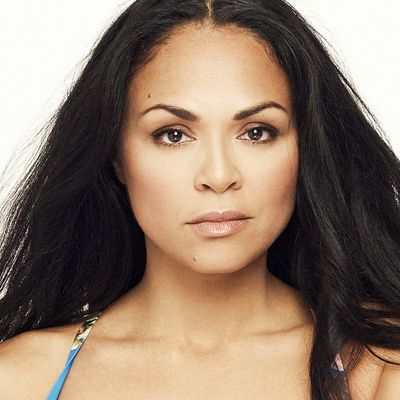
[6:37] Charlie Murphy: Well, we are so excited to have K.O., the artist formerly known as Karen Olivo on the podcast. Karen has a BFA from CCM, originally was Vanessa or I should say originated the role of Vanessa in In the Heights. They were Anita in West Side Story, for which they received a 2009 Tony Award, originated Satine in Moulin Rouge, for which they rightfully lost the Tony Award for Best Actress in a Musical, but they lost it to the wrong person, I feel sadly. They've also done lots of excellent TV stuff. They've taught at CCM before becoming the Director of the Musical Theater Certificate at Northwestern. Northwestern is located in Evanston, Illinois. They offer a theater major or minor, dance major or minor, and then a music theater certificate, which we'll get into some of the specifics of this unique program. K.O., welcome on the pod. How are you feeling?
[7:40] Karen Olivo: I'm feeling good. I just had a really big lunch, and so I'm feeling energized. I just had a really big lunch. I just scarfed it down right before you came on, so we're going to be in the similarly sated place, hopefully. Before we get to all things Northwestern, and I really want to talk about Northwestern and the student experience, I'd love just to hear what attracted you to this program. I know in recent years, both you and the great Alex Gemignani, two Broadway luminaries, joined the faculty, and both of you obviously huge gets for Northwestern, and I think both of you could have taught almost anywhere. What attracted you to Northwestern specifically? Why did you choose this school?
[8:17] Karen Olivo: Funny enough, when I was doing, I opened Hamilton in Chicago, so I lived here in the Chicago area for about 11 months, and when I was doing that, the previous director of the music theater certificate program asked me if I wanted to teach a class at Northwestern, and so I utilized my only free Friday morning to teach a group of students, and so I had already had a relationship with Northwestern in that way, and what I recognized was that the students coming out of Northwestern were pretty brilliant. They were really great minds and critical thinkers and usually could do many things, and so it was always on my radar, and I've taught at different institutions, and when I decided to transition out of being an actor full-time, this was one of the places that showed up, and yeah, it kind of ticked the boxes in terms of the kind of artist that one needs to be to be a creator.
[9:32] Charlie Murphy: Well, let's get, that parlays perfectly into, you know, having seen other theater interested students and seeing some BFA students, etc. How do you think a Northwestern student is different and distinguishable from other MT interested students? Like, what kind of student do you feel like ends up choosing Northwestern over a CCM or a Michigan or a Carnegie Mellon or name whatever school?
[9:52] Karen Olivo: I'll be frank. I find a lot of students that wanted to go to BFAs, but their parents would not allow them to. That's who chooses Northwestern? No, not always, but I see a lot of students like that. That sort of happy medium, make everyone happy. I get my focus, but you get your academics, right?
[10:03] Karen Olivo: Exactly. Then I also see the student who is interested in the musical arts, but also is interested in something else and is already rather successful at something else, and so they want to be able to work on them simultaneously, and because Northwestern has a really rigorous academic line, it's just an obvious choice for that type of student.
[10:29] Charlie Murphy: Yep. I can think of one of my classmates who ended up going Northwestern, I think double majored in theater and poetry because she was also this awesome poet. I'm like, that's a cool thing. You can't get that at every school or not at this level, you know.
[10:40] Karen Olivo: Sounds about right.
[10:41] Charlie Murphy: Yeah. Well, can we dive into this unique supplemental video and how it's used? I think this is probably the most frequently asked question we get at MTCA about any single school on our list. I think we get this question in all the different versions of like, what is it? How it's used? Should they do it? Will it help them get in? Will they be assured of a place in their certificate program if they do this video? So if we talk about this, we'll get into the admission a little bit more in the second half, but just how the basics of you get into Northwestern, you can send this supplemental video in, and then you'll audition for the certificate, sort of how that works.
[11:02] Karen Olivo: I think it actually works the other way around. I think you supply the supplemental as you are applying to Northwestern. And I should say, I'm going to answer some of the questions that you obviously just sort of... And I'll give them to you one by one if it's too much, if you need a reminder.
[11:17] Karen Olivo: No, I think I'm... You'll keep me honest. Doing the supplemental does not guarantee you a place in the certificate program. What I can say is that it is a really valuable tool for an institution that is not allowed to recruit, and we don't audition to get into the theater program. So it is an incredible tool for those of us who teach in the music theater certificate program to get a better sense of the type of person that you are and what you're doing. I'm really sort of in my new phase here. I'm really looking at finding students as they're coming out of high school and sort of gauging where they're trying to go, and then being able to be honest about whether or not we have the capacity to get them to where they want to go.
[12:09] Karen Olivo: It is like a meeting of you tell me what you think your potential is, and then from a professional and educational standpoint, I look and I think, okay, these are the tools that I think I can give you, and also you probably don't know how much potential you have. So it's a really good tool, and I would encourage students to do it. But do tell me, and maybe I said it wrong, but to correct me if this is my understanding is incorrect, that the kind of impetus for the supplemental video, and I know this is how our students often use it, is to potentially not only give you a window, but potentially give the students a window into what their fit in the MT certificate program might be, knowing they're going to have to choose to attend Northwestern, not knowing for sure that they're in that program.
[13:06] Karen Olivo: I mean, a lot of our, you mentioned the kind of student who maybe is in that, mom wants more academic, but I want more of a rigorous musical theater thing. I am academic, obviously I'm applying to Northwestern. A huge percent of our students apply to the school, but then often have that decision between Northwestern and CCM, and they might say, if I know for sure I'm in the certificate, Northwestern is a better fit. But is that right, that that's sort of the intention is for them to understand it? And I guess, how does that communication work with you then, in terms of communicating what you've seen, and what their chances are? I know they might not get a you're 100% in, but how does that communication happen?
[13:45] Karen Olivo: I will say that there is a component, I want to go back to one thing that you said, which is fit. There is not a fit in terms of our certificate program. So what we're looking for really has to do with an individual artist who has a really good concept of what their skill set is, and who's also willing to grow. So there's not a mold, there's not a type of student that would fit into the certificate program. I will say that also the audition process itself, I understand that they're putting out a lot of tapes, they're doing a lot of auditioning, that entire exercise is actually a marker for us, right? So when I see someone who's...
[14:38] Charlie Murphy: Welcome back to Mapping The College Audition. Today, we have a special guest, Karen Olivo, who is an Associate Professor at Northwestern University. We're diving deep into the college audition process and specifically focusing on Northwestern's Musical Theater program.
[15:08] Karen Olivo: Thanks for having me, Charlie. I'm excited to share more about what we do at Northwestern and how we support our students through the audition process.
[15:38] Charlie Murphy: Absolutely! One of the things I want to clarify today is the supplemental videos that applicants are required to submit. Can you give us some insight into what you're looking for in those videos?
[15:58] Karen Olivo: Sure! The supplemental videos are a great opportunity for students to showcase their unique talents and personalities. We want to see their range, both in acting and singing, and how they interpret the material. It's important for students to choose pieces that resonate with them personally.
[16:18] Charlie Murphy: That makes a lot of sense. And I know there have been some changes with the MT certificate program at Northwestern. Can you elaborate on that?
[16:38] Karen Olivo: Yes, we’ve made some exciting updates to the MT certificate program. We're focusing on providing more flexibility for students, allowing them to tailor their education to fit their individual goals and interests. This flexibility is crucial in today’s ever-evolving industry.
[16:58] Charlie Murphy: Flexibility is key! How does that flexibility benefit the students in practical terms?
[17:18] Karen Olivo: It allows students to explore various aspects of musical theater beyond just performance. They can take classes in directing, choreography, and even writing, which helps them become well-rounded artists. Small class sizes also mean more personalized attention from faculty.
[17:38] Charlie Murphy: That's fantastic! Smaller class sizes can really enhance the learning experience. What else can students expect from the program in terms of faculty support?
[17:48] Karen Olivo: Our faculty is deeply invested in each student’s journey. We provide mentorship and guidance throughout their time at Northwestern, helping them navigate their artistic paths and prepare for the industry.
[17:58] Charlie Murphy: It sounds like a nurturing environment. For students considering applying, what advice would you give them to stand out in their auditions?
[18:18] Karen Olivo: I would advise them to be authentic. Choose material that speaks to who they are as artists. We want to see their individuality shine through. Also, preparation is key—practice, but also be open to spontaneity in the moment.
[18:38] Charlie Murphy: Great advice! Authenticity is so important in this field. Are there any specific qualities or skills that you look for in prospective students?
[18:48] Karen Olivo: We look for passion, dedication, and a willingness to learn. Students who are open to feedback and eager to grow tend to thrive in our program.
[18:58] Charlie Murphy: That’s wonderful to hear. Thank you for sharing these insights, Karen. It’s clear that Northwestern offers a supportive and enriching environment for aspiring musical theater artists.
[19:08] Karen Olivo: Thank you, Charlie! I’m looking forward to seeing the next generation of talent come through our doors.
[19:18] Charlie Murphy: If anyone has questions about the college audition process or wants to learn more about Northwestern, feel free to reach out to us at mailbag@mappingthecollegeaudition.com.
[19:28] Karen Olivo: Absolutely! We’re here to help guide students through this exciting journey.
[19:38] Charlie Murphy: Thanks again, Karen. It’s been a pleasure having you on the podcast.
[19:48] Karen Olivo: Thank you for having me, Charlie!
[19:58] Charlie Murphy: And to our listeners, stay tuned for more episodes where we continue to explore the college audition process and hear from more industry professionals.
[20:08] Karen Olivo: Bye everyone!
[20:18] Charlie Murphy: Bye!
[29:17] Karen Olivo: So a lot of self-generated work that was able to be showcased, not to mention a handful of students who are actually, will be directors, I have no doubt, were able to craft things. And so they worked on musical staging. And so they were able to showcase the breadth of their work in one showcase. So cool. And really embracing, you know, Northwestern is a unique school in so many different ways. You certainly talked about the admission process, and we'll do more of that too. But yeah, what is unique about these students that is not true of every other student? It's really cool. Can we talk a little bit about the, you know, we mentioned some of the outside of the theater school, some of the other opportunities that you'll get at Northwestern.
And, you know, it's certainly a school that people have heard of already. So it's not like people like, oh, I've heard they have football. We know those things to some extent. But what are some of those other academic pursuits that you find your students really engage in or other social pursuits? Or what else do people really use in terms of utilizing Northwestern as a whole university?
[30:16] Karen Olivo: Well, I know that there's a really robust playwriting program here. A lot of students do theater for young audiences, which is a wonderful way to cut your teeth on being a content creator, because you're not thinking about trying to create something that is like, highly complex. What you're trying to do is simple themes and in the best way possible. You know, I think that there's also, you know, STUCO, there is a very large student-driven content creating like a it's like its own world where students are in different theater companies, and they generate their own work. That's really big. If that's something that if you don't necessarily if you want to just do avant-garde theater, and you want to just, you want to try to be a lighting designer for the first time, that's like a place that you can just go do that.
I would also say that what I'm finding, and this should be stated, the movement, and I'm going to say movement specifically, and not dance. But the way that movement works now, that whole curriculum has been overhauled. So really, we're leaning into the world of like, um, critical dance theory, where those things and broadening the scope. It's not just like ballet, tap and jazz, it really just goes into sort of the origins and the fundamentals of that. And so if you're someone who is a really strong mover, and at one point, you think that you may transition out of being a performer, because we have to at some point, and you might want to teach or you might want to be a dance instructor or something of that nature. That's like another way that you can start, you're almost like setting yourself up for the transitional period by engaging in some of those classes.
[32:08] Charlie Murphy: So cool. Yeah, I love that. And now you keep using the phrase content creation. Is this on purpose that this sounds like making a TikTok video? Are you? Because I keep hearing like you mean, because you just mean content. You don't mean content creation, like, like they're, you know, they all live in a house together, and they all make TikTok. That's not what we're describing in Northwestern.
[32:34] Karen Olivo: No, I am not. No, I am not hoping to build the next TikTok sensation. I mean, we're talking to the pod about we're not the right people to be making TikToks, you and I. That's wrong. I've made a lot of money, but I don't think you want to do that at Northwestern. Not for the amount of money that you would have to pay. I will say this, when I say content creator, I'm actually thinking of like my buddy, Lynn, I think Lynn Manuel is like someone who was like, at school, who had lots of resources in front of him, saw an area in which he could utilize his skills in a place that was not being utilized, and then moved into that space. That takes, that takes a lot of support. And you have to be brave. And so that's what I'm thinking of the student who doesn't recognize that they could be the next. That's what I'm looking at.
[33:18] Charlie Murphy: I love it. This week, our podcast with Tom Kitt, we've been talking about that, and also kind of talking about the confidence of like, what makes you say that you're somebody who can just go, I'm going to write a musical, I'm going to do like, I think a lot of 18-year-olds, that's, there's a leap to go. What am I, who am I to be able to create that and that you need some place or someone or somehow, someone says, yes, you go do it.
[33:41] Karen Olivo: Yeah, it's really cool. Let's talk about just where your students come from. So just in a rough sense, do you feel like how many students are in the sort of Midwest versus all over the world versus different parts of the country? And then I also want to hear a little bit about where do you think they end up in terms of how many go to New York, Chicago, LA, etc.
[34:02] Karen Olivo: Oh, we have students from all over the place. It is. Yeah, it's scattered all over the place. And a fair amount of international students as well. For me to give you numbers, it would just, I mean, I would be lying, truly. What about that other question? Because I do know Northwestern often has a pretty good, I mean, plenty of them, of course, come to New York City, too, but has a nice stranglehold sometimes on the Chicago market. How much, how many of the students you feel like end up making a career in Chicago or stay in that area versus how many feel like New York City? How many LA? I mean, again, just rough sense of,
[34:44] Karen Olivo: Oh, I would, I would say, well, I can only, I only had one graduating class that I've been in contact with. And what I know is that being close to Chicago, you understand the Chicago scene. The Chicago scene, I think, is a little bit more forgiving than New York is. I think New York is a little bit more commercially driven. And because I did it, it takes you a period of time to actually break in. At Chicago, Chicago, we have a little, we have more resources. We have more like storefront theater. There are ways that you can immediately come out of school and start working. So I do see a lot of students stay here and really cut their teeth on making things and building their resume and then transitioning if they want.
I also see, I've seen a bunch of students decide to go straight back home and work regionally too. So I think that that's the other thing. I don't want to say that every single student who wants to do the musical theater arts should go to New York because I don't necessarily think that works for everyone. I don't think it's sustainable as well. I do think that being in a city, like being as close to Chicago, you get to understand what it would be like to be in a city that is centered around making art because I really feel like Chicago, that's its heartbeat right now. So you get the opportunity to do that and sometimes people fall in love with it and they want to stay. And that's wonderful because Chicago is a pretty fantastic place to live.
[36:19] Charlie Murphy: Sure is. Okay. You mentioned it already, the spending this much money to be a TikTok creator, but let's talk about cost just in terms of Northwestern obviously is not a cheap school. Our rough Googling says the tuition is about $63,000 a year. That's a sticker price. Do you have a sense, of course, I wouldn't expect you to be the financial aid department, but do you have a sense of like what most of your students actually end up paying and sort of how scholarships work, like in terms of how merit scholarships work, how need scholarships work? Is that something that you interact with at all or do you have a sense of sort of what your students end up actually paying?
[36:51] Karen Olivo: I have a zero clue. I do inquire if there is a need for something. If it seems like they're not able to do something or they can't buy something, then I would just like see if they need support. But in terms of what they actually pay, I know I've heard students talk about that it is a huge sticker price. And I would say I've also heard, and don't quote me, but that most students who do get in get some form of assistance. So it is not the full price, but you would have to probably. But all that's coming from the academic merit. It's not like that you're ever watching a supplemental video and you're going, this kid is so good. Could I help a little artistically with this? No. Sadly, no, because that would sort of be in the lane of recruiting. You have no power is what we're learning about this. You have no power to admit you've been powerless.
[38:01] Karen Olivo: No power. The power that I have is to support an emerging artist once they get to me. You can't hold on to that Tony Award and just like suck some extra power from Antoinette. There's nothing to be done. She only spins. That's all she does. That's it. Well, we have a Grammy in the bathroom and it does nothing to help me in there either.
[38:10] Charlie Murphy: All right. Well, on that note, let's take a quick break and we're going to talk a little bit more about the admissions process and a little bit the audition process, that sort of special edition when you're there, when we're back.
[38:25] Karen Olivo: Okay, we are back with K.O. from Northwestern and we're going to talk a little bit about that audition and the absolutely nothing that you have to do with the admission process, as we've learned. But let's talk about that audition and, you know, I really, obviously, when you talk, you say you can't kid a kidder and boy, do all the students know that they're auditioning for somebody who has done it and knows exactly what they're going through and all that. Can we just talk about, so that audition for the certificate, sort of what that process of the live audition looks like, what you're looking for, what makes you want to say, yes, I want to let that person in, in terms of that live audition?
[39:02] Karen Olivo: Well, I'll say two things and this goes back to the supplemental. I just don't want anyone to get, I don't want anyone to stress out about the supplemental. Truthfully, if you put in a tape that where you're just being a human being who's enjoying making art, that is, that's really all it is. It doesn't have to be polished. It doesn't have to be, you know, this is the only thing that I'll ever do for the rest of my life. So it must be perfect. And matter of fact, if it's too perfect, sometimes it's just like, I don't understand why you want to come here. Right. So, and then to speak to what the certificate audition is, that has recently just changed since last year. I recently just changed that.
And before it was just like a song, a monologue, and then you had a dance call and that was it. And what I recognized was that, that doesn't, that only services students who are used to auditioning. And what it doesn't do is it doesn't speak to potential and it doesn't speak to people who might have stage fright, who I am one of those people. So we've included, it also leaves out, I should say, most importantly, it leaves out the student who wants to engage in musical arts, but doesn't necessarily want to be a performer. Because you still would be appropriate for the music theater certificate program if you are not a performer, if you're someone who goes, I might be a composer, director, and if you're doing a dance call, how am I going to show that up?
[40:20] Charlie Murphy: Yeah.
[40:20] Karen Olivo: Yeah. And so that, I think that's another thing that we were losing a lot of incredible talent because there were a handful of hurdles that they could not cross. Now, what it is, is you're able to, you could, you could showcase a manuscript, you could sing in a group, you could, this is to sort of capture the orchestrators. And also for someone who's not comfortable singing by themselves yet, because I want to remind everyone that like, yes, Northwestern is like an elite school, but we are here to teach people. And so you may be someone who thought that you were going to be pre-med your entire life. And all of a sudden you turned a corner and you're like, I'm in love with music and you should have the opportunity to come and train.
And so we're really trying to broaden the way that we sort of assess people. We look at, we'll sit down and we have a conversation with you, talk about where your goals are. Then we actually take what we know that we're going to be programming and we try to match them together to see if we can give you the thing that you need. So it's a little bit less of we've put the stamp on you and now you're smooth sailing. It really has to do with, I'm looking for a student who understands where they are, has an idea of where they want to go, is able to be, can take adjustments, who's not so like solidified in the right quote unquote way of doing it, who is willing to take risks, because that's the person who's going to sit down one day and say, oh, I should write a musical. Or you know what? I never thought of doing this. I'm going to do my one-person show. That's that person.
[42:01] Charlie Murphy: Yeah, totally. Well, and I often ask, especially the BFA auditions, I ask what percentage do they think is about the skills seen versus the human being, the intangibles, all that stuff. Sounds like a huge percentage for you is the intangibles. Is there anything you're looking for skill-wise that you would say, oh, if they don't have this, it's going to be tricky. Or I'm especially looking for this kind of skill or at least a skill. How are you evaluating that kind of thing in terms of potential maybe for growth?
[42:29] Karen Olivo: Yeah, well, it's across the board. We have a really wide sort of a wide rubric. So I would say that some people who come in and who have been trained, we're looking at them and we're saying, OK, this is actually the most important part. I'm so sorry I didn't say this. You fill out questions. There's like a bunch of questions. So you tell us a lot about yourself before you enter the room. We read these like they're almost like mini essays. We read them. We make notes about them. So we understand what you think you do well and how you've been working. And then when you come into the room, we have backstory because you've given this backstory. So then that factors in because then we can we can see what you say, what you say you've been working on and then what you can show in the room.
That also gives us the opportunity to maybe if you didn't show it in the room, give you an adjustment to see if you can. And then that shows us the potential for growth. That shows us someone who maybe has nerves, but who can do the thing, but might need support. So we're looking at someone who is able to grow as an artist, who's not someone who is who will regurgitate something that they've learned, someone who embodies the thing, who is still finding joy in it and who wants to innovate. And I push on the innovate primarily because as someone who's done it for 25 years, I can't believe it.
[43:56] Karen Olivo: There's a lot of power on the other side. They completely shut you out. But are you interacting with any other parts of admissions? Are you seeing essays or letters of recommendation? Do you know their grades or SATs? Does any of that matter to you as you're sort of getting to know the holistic student and admitting them or not into the MT certificate?
[44:42] Karen Olivo: No, I don't see grades or anything like that. I would say this. I know that there is someone on our faculty who compiles our feedback from watching supplementals. And then I think that they may supply it to admissions. I cannot say whether or not they actually read it. But I do know we're making our best effort to watch every single tape and get to know the students. And if they end up getting in, then we're ahead of the game in terms of instruction. I don't ever see essays. I don't ever see test scores. I don't really care about any of that because I'm not there to teach them to be a scientist or to be an engineer. You know, I'm there to help develop a creative mind.
[45:34] Karen Olivo: Well, and I'm glad you brought that back about the supplemental video because I did have that question of like, how does that, you know, so after you've compiled those notes, you said you send some of those to admission. How does that get communicated to the family? Is that through you? Is that through this person? Who is communicating to the family before they've decided to come to Northwestern? Any feedback, if there's any feedback on the—
[45:54] Karen Olivo: We don't think that there's anyone that contacts family. If I were to reach out as a parent and say, hey, what'd you think of that supplemental video? Do you have any feedback for me? They wouldn't hear from the school. Oh, we loved it. You got a positive response. I think of it as like a well that you're throwing something down into. The whole college admissions process is that. That's what they think of everything. Yeah, that's why I say don't stress out about it. Yeah. Do you know what I mean? This is the other thing. And, you know, maybe Northwestern won't like that I say this, but in terms of like being an artist, you can go almost anywhere. Do you know what I mean? Yeah. You can go and you will still succeed.
I know so many people who work all the time who did not do this. So it really has to do with the individual. If your kid is the kid who was like, I eat, I breathe, I sleep this. I'm writing songs all the time. All I want to do is create. I'm creating costumes and set designs. That kid is going to succeed wherever they go.
[46:59] Karen Olivo: Yeah. You know, coming to Northwestern means that we're basically going to put our arms around the kid and we're going to try and lift them up over our head. That's the difference.
[47:12] Charlie Murphy: Yeah, I love it. And we talk about it all the time on the pod, sort of all the different paths. People who didn't go to college at all, people who went to BA programs and studied totally different things that weren't theater, who are all amazingly successful. There's so many different ways you can get there. I'd love to talk a little bit about your extraordinary career and I guess the role that you saw education in it, right? Is there anything that you were particularly grateful to have had in your training and have under your belt, whether that was in college or after college, but from a kind of training perspective and educational perspective and anything you felt like that you kind of were missing out on and you wish you'd known better to kind of prepare you for the realities of the business?
[48:41] Karen Olivo: Yeah, I mean, I should say my arts education started when I was six because my father was a director and was also an educator. And so I was in a household with an educator my entire life. I mean, I remember my first summer job was, I was his assistant at a theater camp. And so I helped him teach mime and I helped him teach improv. Like, so I've always sort of been in that place of watching someone get something and watching them level up. That is addictive. It is. And also knowing that your job is to see this person and figure out what they can't see and then supply them with a tool. And hopefully they can figure out with your help how to use it. I really don't think of the type of teaching that a lot of people think, well, students come as like an empty vessel and I have to put all this stuff inside of them.
Incorrect. They've lived a life, they've experienced life. And what your job is to take what they bring you and say, how can I help them elevate this? And how can I give them the courage to elevate this? So that's always been in my background. And it's an addictive thing once you see it. And I'm sure you've seen it before.
[49:11] Karen Olivo: That, I wanna say my instruction at CCM, I'm gonna be very frank with you. It really did teach me a lot about, it was a different time. CCM is different now. But at the time I learned about being a token. I learned how to be the either racially ambiguous person or you can imagine. And type was also a big thing back then. So it gave me foundational training. It gave me ear training. It gave me the fundamentals in dance. I would say my dance teacher was great because I understood some fundamentals. Things that I did not have because I did not grow up taking lessons at all. And then it also, it gave me a little bit of credibility in the room. A foot in the door. It's important to say that, like you and I had discussed before, I did not graduate from CCM right away.
I actually left my junior year because I went to an open call for Rent that had just opened. Rent had just opened when I was still in school. No one knows. I was so old. But no, I went to an open call and I got it. And so I was on Broadway. So my senior year, my classmates were building their showcase and I was working on Broadway. And so a lot of my final training came as being a swing on Broadway. And that was like the stuff that no one can teach you. That was the thing about learning about stamina. I learned how to be ready to be somebody in about three seconds. You know, switching from character to character. There's a lot of social things that you don't understand in the professional world.
And I had, I mean, I did a bootcamp in it. And that was also really, that shaped the rest of my career. It also told me by being in Rent and being a swing, it also solidified in my mind that I wanted to be a new works person. That I wasn't gonna be someone who was just gonna be okay with being Roxy Hart. That was not gonna be my lot in life.
[51:35] Charlie Murphy: And how did you find that for yourself? So, I mean, cause I certainly understand how sort of the realities of working on Broadway can teach you some techniques and some practical things and all those things. And then if you felt like your training was more, you know, I guess the opposite of multi-hyphen. If the training was how do I fit into a box and fit into this type. And I think that's true of a lot of training back in the day when we used to do it. But how do you, I mean, now hearing the way you speak and hearing the kind of program you're creating at Northwestern. And I think a lot of programs feel like they are now trying to embrace that idea of the multi-hyphenate artist and other ways to think about art and creators and those kinds of things. Where do you think you learned that? Where did you pick that up from the world? Or how did that happen?
[52:20] Karen Olivo: It was from being a swing. If you think about what it means to be a swing, which is you study, you study, you study. You possibly get a chance to go on, but then you must duplicate what is in front of you. And I really do transfer that to the multiple productions of Annie Get Your Gun that you will see in Somerset or, you know, like all of these things that are recreated over and over again. There's a type of person who's great for that. And what I was finding is that I would go on for someone and I was in a box and I needed to achieve the thing and I needed to do this specific blocking. But the character was saying, God, what if I was able to do X, Y, and Z? And so four years as a swing, what I started to recognize was that I had more ideas and more pitches for the storyline and for the arc of the character that could fit into something that was already made.
[53:19] Charlie Murphy: And how did you cultivate for that for yourself? How did you explore that? Now you're gonna originate all these amazing roles. Like where does that go? Plenty of people swing and then they don't find that in themselves. They don't find that next stage. How did you kind of unfurl those wings?
[53:30] Karen Olivo: I was bored. Just bored. I knew five tracks and I could do them all. And after four years, it was like, oh, put on this coat, do this thing. And so I was bored with it. And I was like, but I love this art form. And when I would get on stage, I would hear and I would feel my body wanting to do different things. And I was like, whoa, wait, this doesn't work. I don't know that you know this, but I could have stayed in Rent until it closed. I actually quit Rent without another job. So after four years, I quit. And then I basically did what all other artists were doing, which I got a bartending job and a waiting job. And then I just started auditioning because what I knew was that the path for me was gonna be in a new work and I would have to go and find it.
So then I just started doing reading after reading, trying to find the people that I wanted to collaborate with, learning along the way. Readings are really great because you just gotta give you a script. You got usually 48 hours and you gotta make it sail. So that was also a training ground. And then from that, you build a reputation of being somebody who can come up with great ideas and who can make something come off the page. And then one day you walk into a room and you meet Lin-Manuel and then that's it.
[54:46] Charlie Murphy: And then that's it. But so cool that before you walked into the room to meet Lin, you had to have had the bravery to listen to yourself and say, I know I need to jump off this cliff. I know I need to not just stay in this role where I feel boxed in, but I need to break free, even if it means I'm waiting tables, even if it means I'm bartending and I don't have immediate prospects.
[55:05] Karen Olivo: You actually point out something very specific, which is I think something that I see a lot of young artists losing, which is that internal artistic compass. Everything comes so easily now. And I think that there's also this idea that being bored is bad. And some of the most creative minds push towards the boredom because that's when your brain really starts to tell you the things that it's been cooking up while you were doing something else. And that thing is something that you have to train. And that's truly why I think I'm taking the certificate program in this direction because we need to be able to get students to have reps. They need to do this thing where they're challenging their mind artistically over and over again so that you never lose sight of, oh, this is no longer for me. I need to shift.
[56:00] Charlie Murphy: Yeah, of listening to that internal compass. Well, let's do that. That's my penultimate question is just now as you're leading this program, we talked about some of the changes that may be on the horizon, but when we look at the next five years or whatever, how are you thinking about adjusting Northwestern to continue to step into 2024 and I guess 2029 if it's five years from now? Like a lot of schools obviously were kind of rocked by the pandemic in many ways, but do you feel, or do you see positive changes having happened in Northwestern? Are there things that you go, hey, over the course of the next decade or whatever period of time, I really want Northwestern to continue to change in these ways?
[56:32] Karen Olivo: Oh, absolutely. I think that I can want things to change, but I do think that any sort of change and what we're sort of skating around here, I think is a cultural change, right? The way that we look at making theater and also how we step into spaces to make theater as human beings and as citizens in this world. So all of that, I can have dreams about it, but I also have to move with the force of the student and with the organization, right? And the zero power that you have, the no power stuck in academia as you are. I will keep pushing, right? I'm gonna keep trying to innovate, but I'm not gonna go faster than we can go because then I'm by myself.
[57:11] Charlie Murphy: Yep, and what does that look like? What are some of those things that you go, if I could snap my fingers, what are the ways that you would go? This would be different in this way from now to whatever that dream is.
[57:23] Karen Olivo: We would center self. I think that the thing that has made my career and that makes a lot of incredible performers careers and artists careers is that they have a sense of self. They are not trying to duplicate anything that they've ever seen before. That takes time and that takes a lot of courage and it takes support, especially when they're coming out of high school. So pushing them to be perfect, pushing them to duplicate something that they've seen on YouTube or TikTok as they were growing up does not service them because the thing that we probably need, and honestly, the industry probably needs is the only thing that they specifically can give us. So I would center the student and their understanding of their artistry and what they like and what they don't like and what they dream about and put that to the forefront, not duplicating something that we've already seen.
[58:15] Charlie Murphy: Very cool. All right. I don't know how much you get to interact with parents in this process, but we have very many parent listeners. Any advice you would give to parents through this process? And you kind of mentioned, hey, I think we got a lot of students where the mom said you have to have a good academic option on there or whatever, but anything that you sort of would say to parents as they're...
[58:35] Charlie Murphy: Welcome back to Mapping The College Audition. Today, we’re diving deep into Northwestern University with our guest, Karen Olivo.
[59:05] Karen Olivo: Thank you for having me, Charlie. I’m excited to be here and talk about what we’re doing at Northwestern.
[59:35] Charlie Murphy: Absolutely! Let’s start with the supplemental videos. Can you clarify what you’re looking for in those?
[59:55] Karen Olivo: Sure! The supplemental videos are an opportunity for students to showcase their unique talents and personalities. We want to see who they are beyond the audition room. It’s important for us to get a sense of their artistic voice and how they might fit into our program.
[1:00:15] Charlie Murphy: That makes a lot of sense. And I know there are some changes happening with the MT certificate program at Northwestern. Can you share more about that?
[1:00:35] Karen Olivo: Yes, we’re really excited about the changes. We’re focusing on providing more flexibility within the MT certificate program. This allows students to tailor their education to their specific interests and career goals, which is crucial in today’s ever-evolving industry.
[1:00:55] Charlie Murphy: Flexibility is key. How do you think that benefits the students?
[1:01:15] Karen Olivo: It benefits them by allowing them to explore different aspects of musical theater, whether it’s performance, directing, or even writing. Smaller class sizes also mean more individualized attention, which helps foster their growth as artists.
[1:01:35] Charlie Murphy: That’s fantastic. Smaller class sizes can really make a difference in a student’s experience.
[1:01:55] Karen Olivo: Absolutely! It creates a more intimate learning environment where students can feel comfortable taking risks and expressing themselves.
[1:02:15] Charlie Murphy: Speaking of risks, what advice would you give to students preparing their audition materials?
[1:02:35] Karen Olivo: I would say to choose pieces that resonate with them personally. Authenticity is key in an audition. When students connect with their material, it shows, and that’s what we’re looking for.
[1:02:55] Charlie Murphy: Great advice! Authenticity can really set a candidate apart.
[1:03:15] Karen Olivo: Exactly! And also, don’t be afraid to show your personality. We want to see the real you.
[1:03:35] Charlie Murphy: That’s so important. Now, can you tell us a bit about the faculty at Northwestern and their approach to teaching?
[1:03:55] Karen Olivo: Our faculty is made up of industry professionals who are passionate about teaching. They bring their real-world experiences into the classroom, which helps bridge the gap between education and the industry.
[1:04:15] Charlie Murphy: That’s a huge advantage for students.
[1:04:35] Karen Olivo: It really is. We also encourage collaboration among students and faculty, which fosters a creative community.
[1:04:55] Charlie Murphy: Collaboration is key in the arts. How do you see that playing out in the program?
[1:05:15] Karen Olivo: It plays out in various ways, from group projects to workshops. Students learn to work together, share ideas, and support each other, which is invaluable in their development.
[1:05:35] Charlie Murphy: It sounds like a nurturing environment.
[1:05:55] Karen Olivo: It is! We want our students to feel safe to explore and grow as artists.
[1:06:15] Charlie Murphy: That’s wonderful. Now, what are some common misconceptions about the audition process that you’d like to address?
[1:06:35] Karen Olivo: One common misconception is that it’s all about perfection. We’re not looking for perfect performances; we’re looking for potential and passion.
[1:06:55] Charlie Murphy: That’s a great point.
[1:07:15] Karen Olivo: Yes, and another misconception is that students need to have extensive experience. We value raw talent and a willingness to learn just as much.
[1:07:35] Charlie Murphy: That’s reassuring for many students.
[1:07:55] Karen Olivo: Absolutely! We want to see their growth potential, not just their current skill level.
[1:08:15] Charlie Murphy: Fantastic. Before we wrap up, is there anything else you’d like to share about Northwestern or the audition process?
[1:08:35] Karen Olivo: Just that we’re really looking for students who are eager to learn and grow. The audition process is just the beginning of their journey with us.
[1:08:55] Charlie Murphy: Thank you so much, Karen, for sharing your insights today.
[1:09:15] Karen Olivo: Thank you for having me, Charlie!
[1:09:35] Charlie Murphy: And thank you to our listeners for tuning in. If you have any questions about the college audition process, feel free to reach out at mailbag@mappingthecollegeaudition.com. Until next time!
© Broadway Podcast Network, All Rights Reserved