

In this Artist Exploration, composer, lyricist, and writer Ryan Scott Oliver and Tony Award winner Lindsay Mendez join MTCA Director Charlie Murphy for a conversation about: Rejections and how it can lead them to NYC and ultimately to successful careers in theater, education, and TV/film... Read More
From the show: Mapping The College Audition: An MTCA Podcast
Guests
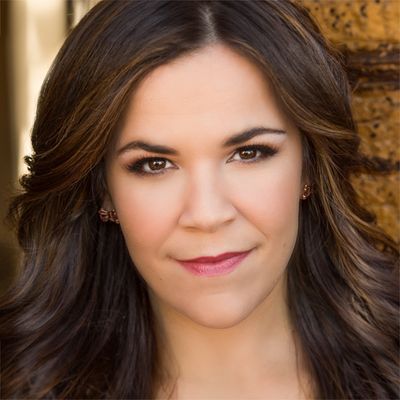
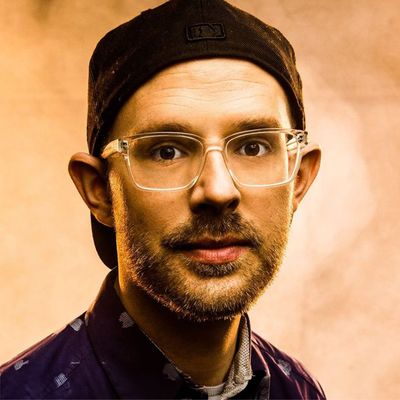
About
In this Artist Exploration, composer, lyricist, and writer Ryan Scott Oliver and Tony Award winner Lindsay Mendez join MTCA Director Charlie Murphy for a conversation about:
Rejections and how it can lead them to NYC and ultimately to successful careers in theater, education, and TV/film.
How specificity doesn’t limit your versatility.
Building a career means more than landing the next show—it’s about mentorship, collaboration, entrepreneurship, and developing your own artistic hustle.
Their new book: How to Succeed in Musical Theatre Without Really Dying: The Actor's Guide to Booking Work and Building a Career That Lasts
Find out more about Actor Therapy HERE!
If you have any questions about the college audition process, feel free to reach out at mailbag@mappingthecollegeaudition.com. If you’re interested in working with MTCA for help with your individualized preparation for your College Audition journey, please check us out at mtca.com, or on Instagram or Facebook.
Follow Us!
Instagram: @mappingthecollegeaudition
YouTube: @MTCA (Musical Theater College Auditions)
TikTok: @mtcollegeauditions
Charlie Murphy:@charmur7
About MTCA:
Musical Theater College Auditions (MTCA) is the leader in coaching acting and musical theater students through the college audition process and beyond with superlative results. MTCA has assembled a roster of expert artist-educators who can guide students artistically, organizationally, strategically, and psychologically through the competitive college audition process. MTCA provides the tools, resources, and expertise along with a vast and strong support system. They train the unique individual, empowering the artist to bring their true, authentic self to their work. MTCA believes that by helping students reveal their potential it allows each school to connect with those who are truly right for their programs, which in turn guides each student toward their best college fit.
About Charlie Murphy:
Charlie is a proud graduate of Carnegie Mellon University’s BFA program. As an Actor he has performed with theaters such as: NY Public Theatre’s “Shakespeare in the Park”, The Pearl Theatre Company, Hudson Valley Shakespeare Festival, Chautauqua Theatre Company, Kinetic Theatre Company, and the Shakespeare Theatre of DC.
With MTCA [Musical Theater College Auditions -- mtca.com], he has been helping prospective theatre students through the college process for over 15 years. As a Teacher and Director, he is able to do a few of his favorite things in life: help students to find their authentic selves as artists, and then help them find their best fit for their collegiate journey. Through this podcast, he hopes to continue that work as well as help demystify this intricate process.
This episode was produced and edited by Meghan Cordier and Kelly Prendergast. Episode theme music is created by Will Reynolds with Additional Vocals from Elizabeth Stanley.
Transcript
This transcript was automatically generated and might contain errors.
[0:00] Charlie Murphy: Hello, hello and welcome to Mapping The College Audition. I am your host, Charlie Murphy, Director of MTCA. That's Musical Theatre College Auditions. Check us out at mtca.com. And today we've got Lindsay Mendez and Ryan Scott Oliver on the show. Very award-winning guest panel today for what is undoubtedly an award-eligible podcast. Just, you know, hit us with some nominations out there, please. People, do what you do. For our newer listeners, in these artist exploration episodes, we aim to explore the paths of success that artists have forged and are still forging and tease out how their theatrical training has helped them to blaze that trail. And I will note, though, as you're listening to this introduction, I likely sound gorgeous, at least I hope that I do, that my audio quality in this episode is lacking.
This is one of those episodes where I was just in my life, I was caught betwixt in between. You've heard a couple I've recorded in the past podcasts from like my childhood home, but they normally still sound okay, because at least I'm bringing in my fancy microphone and podcast equipment. But this podcast was just me and a regular old MacBook. And actually, worst of all, I was recording on a MacBook in my tiny new office space, which sounds completely hollow. So literally, this episode sounds like I'm in a tunnel. Breaking all of the rules of good voiceover recording. But hopefully, since this is an educational podcast, we can just pretend that this is all intended as a good lesson for our future voiceover interested students in the differences that happen in sound quality, from the professional equipment to the simple difference in sound when you record in an echoey room, you will note a significant change.
It's why a lot of our podcast people or voiceover people will record in their closet with lots of clothing around because a hollow room really, you notice the echoey. And yes, many of our savvy listeners may have noticed a change in the past few weeks. In general, we recorded this episode a while back, but you just may have noticed with the new intros and new outros that they are recorded from our new office space, which we are slowly turning into a more and more friendly podcast studio. If you catch some of the sound paneling and you see things appearing a little different, that is why. But hopefully, other than this episode, nothing's gonna sound too out of the ordinary, even though you'll notice a couple of the ones that we recorded, it's like before we had sound paneling, so maybe it's a little bit echoey, et cetera, all those kind of things.
But that caveat aside, I really think you will enjoy this conversation. Both Ryan and Lindsay are just awesome artists, awesome educators, and have a lot of great stuff to say. You may also notice that Lindsay is the sister of Michael Mendez, who's the new head of USC and who we have previously had on the podcast talking about Marymount, RIP, now Northeastern, when he was there, but who we will be having back on very soon, that's Michael, to discuss all things USC. But I do believe they are our first brother-sister combo on the podcast, always new and exciting things that are happening here at Mapping the College Edition. I hope things are new and exciting for all of you out there in this back-to-school time for you all.
Solveig starts at her new kindergarten tomorrow as this episode releases. Oh my, I was just talking to one of our parents at our junior kickoff event who had been listening to the pod for years, one of my favorite things when parents say, I've been listening for so long, right? And that person got to also meet Solveig as she ran around the room like a crazy person this weekend. And it's something I've just kind of realized that this pod has become such a fun time capsule for me with her growth. I mean, it's not just when listeners come up to me and say, oh, congrats on your new baby. And I realize, oh, you just listened to that old Michigan episode or whatever. But having parents be able to follow her kindergarten journey, so many of you come up and ask about kindergarten and how that went from listening to us talk about that on the pod and me getting to relate all these takeaways to my life, especially with these parents.
I've been doing a lot of the takeaways for our student parents. I'm doing a lot of takeaways about my child, but it's been a gift and an oddity to have this kind of public time capsule for myself. But I hope you all know out there, as I do sometimes tend to give bits of parenting advice through this process to parents who've gone through this process for my 20 years of experience doing this specific process. And our guests certainly will give advice to you out there as parents. I hope you always know I'm here for all the parenting advice that comes back from all of you. Many often people will say, oh, I've cherished the time because of this. And I really listen to the things that you guys say, because you have experience that I do not have in having a teenager.
And I do think, as Lindsay talks about a bit in the episode, it is a daunting endeavor to raise a child. And I think the more support you have, the better. So I hope you're doing well out there as fall hits. That's for our parent listeners, students, young career artists, whoever might be listening to this. I really hope you enjoy this interview with Lindsay Mendez and Ryan Scott Oliver. Well, we're so excited to be joined by Lindsay Mendez and Ryan Scott Oliver. Lindsay did not go to college, we'll chat about that, but has had a fabulous career on Broadway in shows like Marilouie Roll Along, Carousel, Significant Other, Wicked, gosh, I could name there's four more, and then off-Broadway amazing stuff, including 35 Millimeter, which is an RSO show we're going to chat about, some great TV and film stuff as well, and co-founded Actor Therapy with this great Ryan Scott Oliver, as well as wrote a book, and also a 2018 Tony Award should be mentioned, need to be mentioned, I don't know, but we're going to mention it.
And Ryan Scott Oliver has a BA in Music Composition from UCLA and MFA in Musical Theatre Writing from NYU Tisch. Who doesn't? He's got this darn MFA in Musical Theatre Writing from NYU Tisch, and done amazing shows like 35 Millimeter, like Jasper in Deadland, which I saw MTC's own Leo Aschebens in the production of Jasper in Deadland, and many, many more. He's also an adjunct professor of Musical Theatre Writing at East University, and a co-founder of Actor Therapy. He's won all kinds of awards, I'm not going to pick one to read because there's so many to read, but they both have won the 2026 Muse Award for their contribution to arts education, and they wrote a book, which we're here to sell copies of, called How to Succeed in Business Without Really Dying. Lindsay, Ryan, welcome on the show. How are you feeling today?
[6:23] Lindsay Mendez: So great, Charlie. Thank you for having us. We're thrilled to be here and work with you all.
[6:29] Ryan Scott Oliver: Thrilled to have you.
[6:30] Charlie Murphy: Well, I was saying in the pre-show that often we kind of talk through your careers, and then we get to where we are, and if there's something to plug, and we'll sort of hit that at the end. I'd love to kind of reverse a little bit, and if you could certainly start off talking to us a little bit about Actor Therapy, and what your 14 years have been of Actor Therapy, and sort of what that is. Actor Therapy being a company, not a process to do therapy necessarily, though you can talk about that a little bit too. And then also the book itself. So what inspired you to write the book? Talk about Actor Therapy, and then we'll maybe take it backward through your career a little bit.
[7:05] Ryan Scott Oliver: So about 14 years ago, Lindsay and I had been working together as a writer and performer. For several years, we'd become very, very close, and we just got to talking about, you know, we were at a stage in our careers where people were starting to ask us to do, you know, master classes, and for Lindsay some private lessons, and we were just sort of like, you know, we both have this really tremendous passion for teaching. We're both super interested in the craft of this. We're interested in the business of this. I have always been super interested in sort of demystifying how we make it, and breaking down this idea that, you know, some people have it, and are destined to make it, and other people aren't good enough, which we just don't believe in, and we don't agree with.
And we really felt like we had something to offer, and that was 14 years ago. It took us a few years to sort of find our footing. You know, I think as anybody does when they enter, when they become an educator, they start often by, you know, maybe parroting the things that they were taught, and, you know, sort of re-sharing the lessons that they had learned. But over time, and the more that you meet students where they're at, and as times change, and as you start to meet, especially we are very fortunate because, you know, as with what we do, we meet students who are 18, we meet students who are 22, who are 30. We have a 67-year-old coming our way. We just worked with two lovely older gentlemen who came to us.
And so you also start to sharpen your ability to talk to absolutely any artist, wherever they're at, whatever their needs are. And we really started to find a voice as educators, and that voice, and especially a lot of Lindsay's background as an actress, all the things that she learned. I like to say that she went to, like, Godspell University with a master's degree in dogfight. And for me, you know, coming at this as a writer, and as someone who has always had a really big passion for business, all that to say, we had a lot to say, and we had a lot to offer, and we had a lot to talk about. And so it's been a blast, you know, it's been a blast these last 14 years, and the book was a long time coming, but it had to be done, and we did it.
You know, both Ryan and I had a ton of mentors coming up, and still do, that we go to all the time. And that was something that we felt was really important for any artist coming to the city, after they finish whatever educational experience they've had, to arrive here and just feel like they're gonna, you know, immediately know everything and get everything. You need to have your hand held, you need someone to check in with, you need that reassurance. And, you know, and so I think that's also something that we wanted to provide, and we do provide our students. And that's been one of the best parts about creating the company, is seeing our students grow, and going to see them on Broadway, and, you know, in different regional productions, and just them knowing that they can always kind of come back to us.
We get emails from them all the time, and still are able to kind of be there in that way. And that just is so rewarding for us. And as far as the book goes, I think, you know, we have kind of created this handbook to give out to our students. And the handbook, year by year, just kept getting bigger and bigger, and longer and longer. And eventually we were like, you know, I think this is getting out of hand, and let's use what we have here, and really fill it out. And so it was a long time coming, but it's something we're super proud of, and we feel like anyone who has any sort of inkling of wanting to do this as a career, would benefit from reading this book. And it's a workbook, it's something to keep going back to over and over again, as you change, your needs change, your, you know, what you're auditioning for changes, you can always kind of go back to it and re-evaluate where you are on your artistic journey. So it's something we're super proud of that exists in the world. It's my third child.
[11:24] Charlie Murphy: I love it. Well, so many like parallel journeys. I mean, certainly, I'm hearing goals of demystifying, it's a big part of what we're trying to do on this podcast, but then also some, you know, talk about professional mentorship, and some of the processes that you've created for that. I think I'm excited to get into some of the specifics. And I wonder if we can kind of use that as a lens, as I now do try to take you back a little through your career in education, and how you develop that for yourself. You know, thinking about our audience, which sounds like it's pretty similar in age to your audience. I mean, our listeners will span maybe 14, 15 freshmen in high school, through maybe 30 year old actors, plus, but then you add in their parents, plenty of parent listeners, where we're going to get to that 67.
And some of those spanning the decades that we're going to maybe not quite 67. I guess, I don't know the maximum age of our parents, but talking about sort of young professionals, and what they might be able to glean from this book. And from your experience, I think would be a cool framing for this chat. I'd love to start with Lindsay. I think we mentioned this idea of no, you didn't go to college specifically. And so now you're going to become an arts educator. Where do you get the nerve?
[12:26] Lindsay Mendez: You know, I was gonna say where you got the process, where you got the technique and the process. But before I'm gonna ask that exact question, talk me through that your reasoning at 17, 18. Because, you know, we have so many talented students, a couple just at the Jimmy Awards, we just had our first student win a Tony, like so many amazing students who at 18, might think to themselves, I could maybe do this professionally. And am I ready? Or do I want more training? Why go to college, maybe for some reasons that aren't just about the specific training of it all. But what was your reasoning at 18 when you made that decision?
[12:59] Lindsay Mendez: Well, Charlie, my reasoning was I didn't get in anywhere.
[13:05] Charlie Murphy: I did not know this. I'm shocked. I assumed it was big professional success.
[13:09] Lindsay Mendez: No, it was I had nowhere else.
[13:14] Charlie Murphy: Yeah, I auditioned for quite a few programs and, and I didn't get in.
[13:20] Lindsay Mendez: And I wish programs. Tony Award winner seven Broadway shows later, what is wrong with it?
[13:27] Lindsay Mendez: Actually, this moment in my life was huge for me, because I really saw that, you know, even sitting in the audition rooms, I definitely felt like there were a lot of people who looked like me who were doing kind of what I was doing. I didn't see anybody on Broadway, really, that looked or sounded like me. And I felt like I was an out of the box choice in a time where I don't think that was something people were looking for. My, you know, my ethnicity, my body type, I got a lot of you'll work when you're 40, you know, from people because of how I looked and, and I just, I really had to like take and sit with that information and talk talking to my parents. I just knew that there was nothing else I wanted to do except this.
And I also knew I had I had won a bunch of competitions. I'm from Southern California. I won the spotlight award, which is a big competition there. I had gone. I was I went to the high school yards. And I had I got an agent from that. I did. I did my first equity show when I was in high school. So I felt like there are people, other people telling me that I'm, you know, I'm competitive. Some markers of success.
[14:57] Lindsay Mendez: Welcome to the show! We're excited to dive into the world of actor therapy today.
[15:27] Ryan Scott Oliver: Absolutely! It's such an important topic for anyone in the performing arts.
[15:57] Lindsay Mendez: Rejection is a huge part of our journey, and it can lead us to amazing opportunities in New York City.
[16:07] Ryan Scott Oliver: Yes, and it’s all about how we handle those rejections that shapes our careers.
[16:17] Lindsay Mendez: Specificity in our craft doesn’t limit our versatility; it actually enhances it.
[16:27] Ryan Scott Oliver: Exactly! When we know who we are as artists, we can adapt to various roles and projects.
[16:37] Lindsay Mendez: Building a career in theater is more than just landing the next show; it’s about mentorship and collaboration.
[16:47] Ryan Scott Oliver: And entrepreneurship! We need to develop our own artistic hustle to thrive in this industry.
[16:57] Lindsay Mendez: That’s why we wrote our book, "How to Succeed in Musical Theatre Without Really Dying."
[17:07] Ryan Scott Oliver: It’s a guide for actors on booking work and building a lasting career.
[17:17] Lindsay Mendez: We want to share our experiences and insights to help others navigate this challenging field.
[17:27] Ryan Scott Oliver: And we believe that everyone has the potential to succeed, no matter their background.
[17:37] Lindsay Mendez: It’s about finding your unique voice and using it to connect with others.
[17:47] Ryan Scott Oliver: Yes! And that connection is what makes our work so fulfilling.
[17:57] Lindsay Mendez: We also emphasize the importance of self-care and mental health in our book.
[18:07] Ryan Scott Oliver: Actor therapy is all about nurturing our emotional well-being while pursuing our passions.
[18:17] Lindsay Mendez: It’s crucial to have tools and strategies to cope with the ups and downs of this industry.
[18:27] Ryan Scott Oliver: And we hope to provide those tools through our writing and workshops.
[18:37] Lindsay Mendez: We want to create a supportive community for artists to thrive together.
[18:47] Ryan Scott Oliver: Collaboration is key! We can learn so much from each other.
[18:57] Lindsay Mendez: Absolutely! And mentorship plays a vital role in that learning process.
[19:07] Ryan Scott Oliver: We’ve both had incredible mentors who guided us along our journeys.
[19:17] Lindsay Mendez: And now, we want to pay it forward by mentoring the next generation of artists.
[19:27] Ryan Scott Oliver: It’s all about lifting each other up and sharing our knowledge.
[19:37] Lindsay Mendez: We believe that success is not a competition; it’s a collective effort.
[19:47] Ryan Scott Oliver: Yes! And that mindset can change the way we approach our careers.
[19:57] Lindsay Mendez: So, whether you’re auditioning for college or trying to land a role, remember to stay true to yourself.
[20:07] Ryan Scott Oliver: And don’t be afraid to embrace your uniqueness; it’s what sets you apart.
[20:17] Lindsay Mendez: We’re excited to continue this conversation and share more insights with our listeners.
[20:27] Ryan Scott Oliver: Let’s dive deeper into the themes of our book and how they relate to the audition process.
[20:37] Lindsay Mendez: Yes! The audition process can be daunting, but it’s also an opportunity for growth.
[20:47] Ryan Scott Oliver: And we want to help students feel empowered as they navigate that journey.
[20:57] Lindsay Mendez: Remember, every audition is a chance to learn and improve your craft.
[21:07] Ryan Scott Oliver: And it’s important to approach each audition with a positive mindset.
[21:17] Lindsay Mendez: Exactly! Focus on what you can control and let go of the rest.
[21:27] Ryan Scott Oliver: That’s a key takeaway for anyone in the performing arts.
[21:37] Lindsay Mendez: We’re all in this together, and we can support each other through the challenges.
[21:47] Ryan Scott Oliver: Yes! Let’s keep the conversation going and share our experiences.
[21:57] Lindsay Mendez: We’re excited to hear from our listeners and answer any questions they may have.
[22:07] Ryan Scott Oliver: So, feel free to reach out to us with your thoughts and experiences.
[22:17] Lindsay Mendez: We want to create a dialogue around these important topics.
[22:27] Ryan Scott Oliver: And we hope to inspire others to pursue their passions fearlessly.
[22:37] Lindsay Mendez: Remember, it’s all about the journey, not just the destination.
[22:47] Ryan Scott Oliver: Yes! Embrace every step along the way.
[22:57] Lindsay Mendez: We’re looking forward to sharing more insights in the upcoming segments.
[23:07] Ryan Scott Oliver: Let’s keep exploring the world of actor therapy together.
[23:17] Lindsay Mendez: And remember, you’re not alone in this journey.
[23:27] Ryan Scott Oliver: We’re here to support you every step of the way.
[23:37] Lindsay Mendez: Let’s dive into some specific strategies for managing rejection.
[23:47] Ryan Scott Oliver: Yes! It’s crucial to have a plan for how to handle those tough moments.
[23:57] Lindsay Mendez: And we’ll share some personal stories to illustrate those strategies.
[24:07] Ryan Scott Oliver: We want to make this relatable and practical for our listeners.
[24:17] Lindsay Mendez: So, let’s get started with our first strategy!
[24:27] Ryan Scott Oliver: The first step is to acknowledge your feelings and give yourself permission to feel.
[24:37] Lindsay Mendez: Yes! It’s okay to feel disappointed or frustrated after a rejection.
[24:47] Ryan Scott Oliver: But it’s important not to dwell on those feelings for too long.
[24:57] Lindsay Mendez: Exactly! Find a way to process those emotions and then move forward.
[25:07] Ryan Scott Oliver: One technique is to talk to a trusted friend or mentor about your experience.
[25:17] Lindsay Mendez: Sharing your feelings can help you gain perspective and feel supported.
[25:27] Ryan Scott Oliver: And remember, rejection is not a reflection of your worth as an artist.
[25:37] Lindsay Mendez: Yes! It’s just a part of the process, and it happens to everyone.
[25:47] Ryan Scott Oliver: The key is to keep putting yourself out there and not give up.
[25:57] Lindsay Mendez: Absolutely! Each audition is a new opportunity to shine.
[26:07] Ryan Scott Oliver: And with each experience, you’ll grow stronger and more resilient.
[26:17] Lindsay Mendez: So, let’s keep that momentum going and support each other through this journey.
[26:27] Ryan Scott Oliver: Yes! We’re all in this together, and we can learn from one another.
[26:37] Lindsay Mendez: We’re excited to continue sharing our insights and experiences with you.
[26:47] Ryan Scott Oliver: And we hope to inspire you to embrace your unique journey in the arts.
[26:57] Lindsay Mendez: Remember, you have the power to shape your own career.
[27:07] Ryan Scott Oliver: Yes! Stay true to yourself and keep pursuing your passions.
[27:17] Lindsay Mendez: We’re looking forward to the next part of our discussion.
[27:27] Ryan Scott Oliver: Let’s keep exploring the world of actor therapy and its impact on our careers.
[27:37] Lindsay Mendez: And remember, you’re not alone in this journey.
[27:47] Ryan Scott Oliver: We’re here to support you every step of the way.
[27:57] Lindsay Mendez: Let’s dive into some more strategies for managing rejection.
[28:07] Ryan Scott Oliver: Yes! It’s crucial to have a plan for how to handle those tough moments.
[28:17] Lindsay Mendez: And we’ll share some personal stories to illustrate those strategies.
[28:27] Ryan Scott Oliver: We want to make this relatable and practical for our listeners.
[28:37] Lindsay Mendez: So, let’s get started with our first strategy!
[28:47] Ryan Scott Oliver: The first step is to acknowledge your feelings and give yourself permission to feel.
[28:57] Lindsay Mendez: Yes! It’s okay to feel disappointed or frustrated after a rejection.
[29:07] Ryan Scott Oliver: But it’s important not to dwell on those feelings for too long.
[29:54] Ryan Scott Oliver: I think, you know, as you well know, as many of your listeners well know, there are a lot of people who have maybe negative experiences at their BFA and some of them question if they needed it or if they should have gone or whatever. I think that there is a right reason to go to a BFA musical theater program and then there are the wrong reasons. And I think when we go for the wrong reasons, we are destined to have a negative experience. So the right reasons are why you should go to any college and why you should spend $30,000, $40,000, $50,000, $60,000, $70,000 to go there, which is that you want to learn and you want to learn the craft and you want your knowledge to be challenged. But musical theater BFA, unlike so many other college programs, many students understandably go because they want to book roles in shows and they want to get an agent at showcase.
And there's also this element of they want to know that they're not crazy to do this. They want to know that in some way they are among the best because it's a huge investment and they want to know and they believe college will do that for them. But because of the politics and the way college is organized, you know, they have to spread the wealth with the roles. So you may, and I witnessed it myself. I saw a number of students who were right for certain roles, not get the role because behind the scenes there was something else, some other factor going on, right? And then you get to showcase, dreaded showcase, and you think you've done everything right. You've, you know, you've developed great relationships with your professors, your classmates, and you've learned everything you can learn.
And showcase happens and you don't get an agent. So you simply go, I failed. I failed college, which is not true. And because the people that may have gotten an agent, it might have nothing to do with, you know, the experience they had there.
[33:07] Ryan Scott Oliver: Go to a BFA musical theater program if you want to learn all of that. I think we all, your listeners especially, know what you will get at a BFA. But there is a pathway, a reasonable pathway, not just a shoot your shot situation, but like an organized, still expensive, but still very thoughtful way to go to a major market like New York City without a BFA musical theater program and pursue this. There is a pathway for that.
[33:57] Lindsay Mendez: No, that's so beautifully said. You know, we just did a showcasing showcases series of sort of threatening to do that for years. And finally, I went to three different showcases and kind of showed, well, here's what you might expect from different ones. I mean, I think one of the big conclusions, which maybe I'm just stealing your tagline or summing up what you're saying. But if you're going to school for the purpose of a showcase, that's not the reason to go to school. It's just that it's a small part of what the four years is that you should be going for an education and really for a college experience. I mean, some people go to conservatory, but if you don't want to go to college, then you probably shouldn't go to college just to get the degree in that. It feels good to have the rubber stamp of Carnegie Mellon on my back. I get to wear the sweatshirt, but that's not a reason to spend a thousand dollars just to get the rubber stamp.
[34:47] Ryan Scott Oliver: You know, one thing I wish would happen with college showcases is, you know, I've been to many. We obviously have our own showcase with our intensives, but, you know, a dozen, maybe two dozen agents will come to these major college showcases. I wish that at every single one of these showcases, three to five of those agents or casting directors or whatever were, and they should be compensated for this, but they, you know, they are assigned to give written feedback to every single one of those students because if you didn't get a meeting, even though there are 20 other agents who are not doing this, if you didn't get a meeting, but you did receive, you know, 50 to 75 words from five people, all of whom maybe they didn't give you a meeting, but they're like, you're great.
You know exactly who you are. Great material, incredible voice. If you saw five people say that, even if you didn't get a meeting or an agent, you'd walk away going, this was my final exam, and I passed, and I wish that more of them could do something like that, and they should all be compensated because they're giving, you know, substantive feedback.
[36:01] Lindsay Mendez: Ryan, you were describing what is actually becoming a much more popular model that especially some of the smaller schools are doing where actually in lieu of the major agents who maybe can't get to come as much, that's exactly what they do. They'll pay four or five industry representatives to come and basically do a class, but they get a chance. They could get a meeting out of it, but it's also exactly that. I mean, that's become a popular model for exactly that reason.
[36:25] Ryan Scott Oliver: I think that idea is really smart, and I think too many times people showing up to showcases and not getting results, people said, we need to make some adjustments to the way it's working. I mean, the converse to that is that, you know, once we start auditioning, we never get that.
[36:43] Lindsay Mendez: Ain't that the truth.
[36:45] Charlie Murphy: I want to take a quick break, and then at the back end, we're going to talk a little bit more about that question of what gives you the right and will judge some kids, which is the dream of dream. So back in a flash.
[36:56] Charlie Murphy: All right. We are back with Lindsay Mendez and Ryan Scott Oliver, and we're chatting process. We're chatting education. And Lindsay threw out that question of what gives us the right to teach this darn thing. I'd love to hear just a little bit about, like you mentioned that idea of authenticity. You know, I want to hear kind of any specifics you have of kind of what the process you have developed in actor therapy. And you don't have to give us the whole book, of course, but the process you have developed, especially for those, you know, young career artists, and maybe especially if this doesn't have to be specific to their arts education, but what you found was missing from those 22-year-olds who were showing up, what you found when you go, in 22-year-old and 30-year-olds, people are showing who going, I need something.
I'm looking for something from this training that you're offering. What was the thing that you go, I'm diagnosing that this is missing, whether it's from those BFA programs from the world that you said, hey, this is part of the process we're going to add it. So I'd love to hear really from either you about that process.
[38:01] Lindsay Mendez: Yeah, I mean, I think I can contribute to what we felt was missing, which was that I think a lot of people came in just saying I can do everything. I've been training and everything. My voice teacher, you know, I'm a belter, so my voice teacher only let me sing soprano for all four years so I could be both. But it was like, okay, great. That's lovely. I love that you can sing all of that. But at the end of the day, if you come in and you're not specific with I'm going for Adelaide or I'm going for Sarah Brown. Be specific. What is your energy like? What kind of feels the most at ease with your speaking voice along with your singing voice that kind of lends you to which side? What is your physical type?
Like all of those things add and usually give us the equation. But at the end of the day, we say, what do you feel like you are most connected to? Which path feels right for you? And they always have to kind of come up with an answer. And so we'll say like, name 20 shows. Who are you in each show? And you can't say like multiple people. Pick a track and then add those tracks up and say, okay, that kind of all lines up together. People who, Ryan always says like, people who buy Sarah Brown also buy, you know, Maury in Oklahoma.
[40:31] Ryan Scott Oliver: So, you know, we start to kind of see a pathway there. And a lot of times also you can say, what other similar artists have had this path? And that can open up, you know, even more. You can say, oh my gosh, Laura Benanti was Cinderella in the woods. What else has Laura Benanti done? Oh, she also did She Loves Me. Oh, she did Wedding Singer. That's kind of different, but still like how are those characters related? You start to kind of see a path forward. And I think that really helps us to iris in and say, I'm not right for everything, but I am the best this you're going to get today. You know, I do this at a 10. No one else can touch me here. This is where you want to start. You want to start with, what am I the absolute best at? They're not going to see anyone better than me at this today.
[40:40] Lindsay Mendez: While I'm working with my voice teacher on my soprano, which I'm still strengthening and working on, but I'm not going to see anyone better than me at this today.
[40:50] Ryan Scott Oliver: You know what I'm saying?
[40:51] Lindsay Mendez: Totally makes sense. You're talking about that nexus between who you are as an artist authentically and what the commercial world is going to see you as and how you're going to potentially work. How can I sell this product, which is essentially what's happening? But hopefully from a perspective, it seems like what you're talking about that is a little bit more artist centered as opposed to sort of, you know, feeling limited.
[41:00] Ryan Scott Oliver: Oh, for sure. I mean, you have to control the narrative. That's the big thing. You know, I completely agree with everything that Lindsay said. And as we've experienced, I think you will have listeners who hear that and say, but I can do it. I genuinely can do Adelaide and I can do Sarah. And first of all, that's fine. But when you go into that audition, the casting director is not able to... You need to help them, right? You need to say, I am the answer to your Sarah problem. I am the answer. And you can be the Sarah answer on Tuesday and the Adelaide answer on Wednesday, but you do want to be clear. And we liken this whole thing, and I'm sure we're not the only ones, you know, to a job interview, right?
And, you know, anyone from California may be familiar. We use this as a metaphor a lot with the restaurant, the fast food chain, Del Taco. Del Taco obviously sells tacos and I hear they're pretty great. But Del Taco also sells hamburgers. And my thing is that if I wanted a hamburger, I'm going to go to Five Guys, not the place that specializes...
[42:01] Charlie Murphy: Not In-N-Out?
[42:01] Ryan Scott Oliver: Are you supposed to be West Coasters? Are you supposed to be like In-N-Out? You're going to In-N-Out. I'm not an In-N-Out fan. I know it's not... I'm from the East Coast and I know that.
[42:07] Charlie Murphy: All right, okay.
[42:08] Ryan Scott Oliver: That's fine. But it's getting people to understand and also to remember they're so... Everyone, especially young people, these 22-year-olds, they are so concerned with making it happen now. And we want it to happen now. It can happen now. But you're not in this for a four-year career. You're in this for a 50-year career, right? You know, people want to be Maggie Smith, you know, cashing a giant royalty in Downton Abbey, right? And so you have to remember that, like, Lindsay continues to be a tremendous example of this. You know, when we met, everyone knew who Lindsay Mendez was. She was the big contemporary gal. She was the girl with the huge voice, right? That was... her name was really getting around and she had this great charisma and this great energy.
And if you wanted someone to belt face, she's called Lindsay Mendez, right? And then we see as her career evolves, right? She... every single role she takes on and this is something she and I have talked about, you know, she learned something new about herself. And slowly but surely, her... the way that the industry understood her began to morph. And if anybody... if anybody is like, well, I don't want to just do just one thing, at any given moment in Lindsay's career, she was doing one or two things. And she allowed the industry and herself as she grew and as she changed, she allowed that narrative to slowly change over time so that 20 years later, she has gotten to do plays and be a soprano and be the love interest and be the disenfranchised one and be the... She's gotten to do it all, but everything had its season, literally, you know?
[44:01] Lindsay Mendez: And I... we want... we really just want actors to take a big breath, realize it's a long book and, you know, figure out... stay on the page you are at today and really be thorough with that today.
[44:15] Ryan Scott Oliver: Yeah, that's so beautiful to say. Often, something we talk about is the idea that, like, your versatility is not lessened by the specificity of this other thing. So, like, it's like not... Like, I think as a young person, you think, I want to be this and then none of that in this other thing. Often, it's actually the thing that made you able to also do Adelaide makes your Sarah really interesting or whatever. It's like the thing that you bring that goes, I actually can ground this with this other thing, but I'm not doing that right now. I am doing this. It's just that all my capability actually makes me more versatile, not less versatile, but it's like... There's something about the changing hats that sometimes, especially young people want to do that is very...
[45:51] Lindsay Mendez: I think it's really important to remember that rejection is a part of the process. It's not a reflection of your worth or your talent. It's just part of the journey.
[46:01] Ryan Scott Oliver: Absolutely. And sometimes those rejections can lead you to the right opportunities that you didn't even know you were looking for.
[46:11] Lindsay Mendez: Exactly! I mean, I moved to New York City after a series of rejections, and it was those experiences that ultimately shaped my career.
[46:31] Ryan Scott Oliver: And the specificity of your craft can actually enhance your versatility. When you know who you are as an artist, it allows you to take on a variety of roles with authenticity.
[46:51] Lindsay Mendez: Yes! It's about finding that balance between being specific and being adaptable. You can be known for something while still being able to explore different avenues.
[47:11] Ryan Scott Oliver: Building a career in this industry is so much more than just landing the next show. It's about mentorship, collaboration, and creating your own artistic hustle.
[47:31] Lindsay Mendez: Right! And that hustle often involves entrepreneurship. We need to be proactive about creating our own opportunities.
[47:51] Ryan Scott Oliver: Exactly. And that's why we wrote our book, "How to Succeed in Musical Theatre Without Really Dying." We wanted to provide a guide for actors to navigate this challenging landscape.
[48:11] Lindsay Mendez: The book is filled with practical advice and personal anecdotes that we hope will resonate with aspiring artists.
[48:31] Ryan Scott Oliver: We really wanted to demystify the process and show that there are many paths to success in this industry.
[48:51] Lindsay Mendez: And it's important to remember that everyone's journey is unique. What works for one person might not work for another.
[49:11] Ryan Scott Oliver: Absolutely. It's about finding what works for you and being open to change along the way.
[49:31] Lindsay Mendez: And that's where mentorship comes in. Having someone to guide you can make a huge difference.
[49:51] Ryan Scott Oliver: Yes! Mentorship is invaluable. It can provide you with insights and connections that you might not have access to otherwise.
[50:11] Lindsay Mendez: And it's also about building a community. Surrounding yourself with supportive people can help you stay motivated and inspired.
[50:31] Ryan Scott Oliver: Definitely. Collaboration is key in this industry. Working with others can lead to amazing opportunities and growth.
[50:51] Lindsay Mendez: And it’s important to celebrate those collaborations, no matter how big or small they may be.
[51:11] Ryan Scott Oliver: Yes! Every project is a chance to learn and grow as an artist.
[51:31] Lindsay Mendez: And even if a project doesn’t go as planned, there’s always something to take away from the experience.
[51:51] Ryan Scott Oliver: Exactly. It’s all about perspective and how you choose to view your experiences.
[52:11] Lindsay Mendez: And that’s what we hope to convey in our book—resilience and the importance of maintaining a positive outlook.
[52:31] Ryan Scott Oliver: Yes! It’s about finding joy in the journey, not just the destination.
[52:51] Lindsay Mendez: And that’s what keeps us going, right? The love for what we do.
[53:11] Ryan Scott Oliver: Absolutely! Passion is what drives us, and it’s essential to hold onto that passion throughout our careers.
[53:31] Lindsay Mendez: And sharing that passion with others can create a ripple effect, inspiring the next generation of artists.
[53:51] Ryan Scott Oliver: Yes! It’s all about lifting each other up and creating a supportive environment in the arts.
[54:11] Lindsay Mendez: And that’s why we’re so excited about Actor Therapy. It’s a space for artists to connect and grow together.
[54:31] Ryan Scott Oliver: Exactly! We want to foster a community where artists can share their experiences and support one another.
[54:51] Lindsay Mendez: And it’s also about providing resources and tools that can help artists navigate their careers more effectively.
[55:11] Ryan Scott Oliver: Yes! We believe that knowledge is power, and we want to empower artists to take control of their careers.
[55:31] Lindsay Mendez: And that starts with understanding the industry and knowing how to advocate for yourself.
[55:51] Ryan Scott Oliver: Absolutely. It’s about being informed and making strategic choices that align with your goals.
[56:11] Lindsay Mendez: And that’s what we hope to achieve through our work and our book.
[56:31] Ryan Scott Oliver: Yes! We want to provide a roadmap for success that is accessible to everyone.
[56:51] Lindsay Mendez: And ultimately, we want to inspire artists to pursue their dreams with confidence.
[57:11] Ryan Scott Oliver: Exactly! It’s all about believing in yourself and your unique journey.
[57:31] Lindsay Mendez: And knowing that it’s okay to take risks and step outside of your comfort zone.
[57:51] Ryan Scott Oliver: Yes! Growth often happens when we challenge ourselves and embrace new experiences.
[58:11] Lindsay Mendez: And that’s what makes this journey so exciting—there’s always something new to discover.
[58:31] Ryan Scott Oliver: Absolutely! The possibilities are endless when you’re open to exploring different paths.
[58:51] Lindsay Mendez: And we can’t wait to see where this journey takes us next.
[59:11] Ryan Scott Oliver: Yes! Here’s to the adventure ahead and all the amazing experiences yet to come.
[59:48] Charlie Murphy: And Ryan, Lindsay, thanks so much for your time today. It was so joyful to chat with you. Thank you.
[59:51] Lindsay Mendez: Thank you, Charlie, so much.
[1:00:01] Charlie Murphy: Yes, yes, yes. Audio quality aside, I really hope you enjoyed that conversation with Ryan and Lindsay. So many great things. I could easily do another 30-minute takeaway ramble, which sadly has become my want recently, doing these long takeaways. But just because of my schedule today, I'm going to be a bit briefer here and just hit a few of those different things. I mean, there's absolutely an hour-long takeaway and a whole episode on the idea of like, why you would go to college, should you go to college, all of those kinds of things. We chatted about it before. We chatted about it some certainly in this episode. And we chatted about it in the episode with my dear friend, Cameron Adams, who's now MTCA's own Cameron Adams, since that episode recorded.
And I don't want to shortchange that conversation by doing half of a takeaway, because I really do think it's a longer takeaway to do. I will just say that many of our listeners, and certainly most, if not all, of our MTCA students are coming to this knowing that they want a college degree or a four-year degree, not necessarily always a four-year degree, but likely most of them do specifically want a four-year degree and a college degree. And they want those things for things that have nothing to do with the training of it all, not even necessarily the artistic of it all. So we often start from that place of assuming that someone is going to college just because it's what our customers are looking for.
But we've said it many times before, and I certainly believe it, college is not necessary for every human being. I certainly believe that across the board, regardless of this industry. And it's certainly, college is not necessary for success in this industry, right? Some extraordinary people might not even need any significant artistic training at 18. If they're already at a very high level artistically, whether that's musically, dance, etc. But even for those who do need significant training at 18 years old, it might not be the right fit out there for you to do a four-year degree at a college if you don't want the other aspects that college brings with it. And you likely can get those training aspects, you can get a lot of the training aspects you might get at a conservatory, separate from a college degree and often at a lower cost.
All of that said, I will say that I personally am a huge fan of college, right? Both from what it can bring to you in a life experience, which I think it's really hard to replicate that life experience in another environment, kind of no matter how you piece it together. And also just from a strategic perspective, having now seen so many of our students over the 20 years who do end up eventually doing other things, having been able to forge those paths with steps that began as part of their degree or as part of their college experience, right? And that's true literally in this business to some extent. Though again, as we talked about, in this specific industry, you may not literally need a degree to do some of those alternate paths, but you still would be set up at your college for some of those connections and those kind of things.
But it is especially true and even more so true if you want to pursue paths later that need additional education where it can be really tough if you need to go back and do all of undergrad and grad school later in life, right? Or even if you have a BFA, you might need to take a couple of additional specific credits if you need to go to a specific kind of grad school. I've seen a lot of people do that really easily, successfully in a year or even less than a year to potentially make that happen, where it's a lot more daunting if you're thinking, I need an entire degree. But all of that is to say, and I guess I did do a bit more of a primer than I anticipated doing there, but I don't believe that everybody needs it.
But that I do think even though college and conservatory style training might not seem like they go hand in glove, and I've certainly said that before, that I have seen many thousands of students benefit from the experience of the combination of college and conservatory, both in and out of the industry as they now are young adults, right? As more degrees and different kinds of degrees just in the broader world become less certain in 2026, especially when we talk about what the new post-AI economy will be, I actually don't know that there are many better degrees than a BFA to prepare you for success in this modern world. Okay, and then pivoting a bit, I just want to give a bit of love to teenaged Lindsay and that amazing story of not getting anywhere and just coming to New York City anyway.
I mean, we've all heard different versions of that kind of resilience and self-belief that this industry can need. With so many of these stories, I do think it can be hard to hear these stories as a listener, because obviously if we're a smart, objective listener, we know that not every 18-year-old who doesn't get into college can just move to New York and go win a Tony Award, right? That's how my reaction when I hear the Morgan Freeman story where he was like, pounding the pavement, not really getting that far, and then all of a sudden achieved international stardom at 50 years old. Not everyone can achieve that as a realistic path, though of course it's beautiful and inspirational when you hear those stories, but it also can be kind of frustrating to be like, does that mean I have to just, no matter what, keep pounding the pavement until I'm 50, regardless of any sort of feedback?
But I do think Lindsay's story and the idea of her not getting to college at 18, despite how talented she was, is part of the reason why more students started auditioning for more programs. People say like, hey, how did this happen where 20 years ago people were not doing as many programs and now they're doing so many? I don't need to once again go deep down the rabbit hole of how many programs is too many programs. I feel like I did that last episode. I've been doing that a lot in a number of different episodes, just talking about that idea of that number inflation has, I think in some cases, gotten out of hand. But this is kind of the flip side of that idea, right? I don't remember if Lindsay actually gave a specific number she auditioned for, but knowing the timing of it all and knowing what many people did back in the day, it likely was not a balanced and realistic list for how competitive the process had become.
The sort of wisdom, the conventional wisdom, had not caught up to how competitive the process had become. Whereas we all know there clearly was a place that would have been a great fit for Lindsay exactly as she was at 18 without anything else that she needed at that point if she had applied to a wider swath of schools, right? Because the flip side that I've heard from people, especially people who don't know what they're talking about, if you can read stuff like this online, it's like, well, if you're good enough to make it, you just get into one of those handful of schools. You shouldn't need more than a handful of schools because if you're good enough to make it in the industry, you definitely would get into those schools.
And that I can say from years of experience in this industry, that is clearly not the case. I mean, Lindsay obviously was and has been good enough to make it. And for whatever version of luck and subjectivity, it just didn't happen for her at that moment with the list that she presented at 18 years old, right? I've seen the equivalent that happens so many times to really talented students over the years where the luck and subjectivity wasn't there for those dream handful of schools. Whatever number they were like, it's these three or four or five schools that I'm really excited about. And they were absolutely talented enough to get into those schools, but it just didn't happen, their wait list, and it just didn't quite happen at those specific schools because there is luck and there is subjectivity in this process.
And those students, when they're working with MDCA, they were grateful to have balance to their list and to have multiple options, right? That still might mean if they were gung-ho enough on one of those schools, they might choose to re-audition. If there's a particular path or a particular kind of school that they just really felt this was the most important thing for them, they could certainly re-audition, but they were glad that they had all the options they had and many realized that another school actually did afford a really great path for them, right? And you know, of course, we can talk in many episodes, we've done this before, there's so many other strategic reasons why you might want to have a longer list in terms of even getting into the most competitive schools, but that's a whole longer takeaway that we're not going to do.
I promise two short takeaways and I'm already rambling. What can we do? Though I also just want to note separately that the value of the idea of that naivete that we talked about, just how valuable naivete at 17 and 18 years old can be across the board, right? Just that part of you that goes, I know I didn't get this audition, but I still know I'm good enough, right? It's an irrational confidence to think that, to go, I didn't get into this school, but I still know I belong in this industry, right? I just think kind of in the arts, in any really competitive business, that kind of self-belief is necessary to succeed in almost anything that is really difficult, right? The world will just tell you there are so many good athletes, there are so many good artists, whatever the thing is that's really competitive to do, models, right?
And you have to have some part of you that goes, it's going to be somebody, why not me? I think it's me, right? And almost just by nature of asking yourself that question, you have to have a bit of a rational confidence that says you're going to be the one who beats the odds because the people who do are the people who have that irrational confidence and do it, right? But also, also my other little sub-bullet point on this bullet point, while we're on this topic, I just want to say for the record how much I hate the comment, you'll work when you're 40. Lindsay was told that, right? That is one of my absolute least favorite things that very well-intentioned people will say to young people. I mean, it just goes hand in hand with that idea of like some of the unhelpful typing that people will do to young people, right?
Which in general, I think typing is just generally counterproductive and limiting to a young artist. But this particular kind of typing, this one really irks because I just feel like it is a weird backhanded way of telling young people that they aren't conventionally attractive. And I say that as someone who got that a lot. I got a lot of, hey, you're going to work when you're 40. You already look so mature. You look so old. By the time you've grown into your body and you've grown into whatever, you're going to work when you're 40 all the time, right? And it's almost irrelevant whether there's any truth to that statement or not. Like whether the person who's saying it is actually correct. It just feels like it's a comment that lives in this particular kind of punditry that is supremely unhelpful to an artist.
Like let's say someone you really trust tells you you're going to work when you're 40. Don't worry, you're going to work when you're 40. What are you supposed to do? Just like sit around and bartend until you're 40? There's just like nothing youthful to do with that, right? And guess what? Lindsay worked a lot before she was 40, even though she might've been an unconventional type, right? In fact, she won a Tony Award before she was 30. I think she said she won it when she was 35, right? But again, to that particular comment, it's just one of those things that older people should just keep to themselves and not say out loud, right? I think often it's intentioned well because it feels good to kind of like mollify somebody, right?
You're telling them this is why this is not happening at this particular moment for you. In the same way that I hear this with high school directors a lot, they'll say, you know, the reason you didn't get into that program is because they already had a lot of other 5'2 blondes, right? That's why you didn't get in. It's because of your type. It's not because of your talent, right? And it's just not a useful or helpful way of thinking. Again, whether or not there is ever some element of truth in that, are you going to change your height or change your hair color or change your gender, right? Again, most things that fall into that category of like punditry, of determining why something did or didn't happen, will or won't happen, it's just pretty unhelpful to you as an artist.
It's not doing anything productive for you. And this one, though you worked to your 40, feels particularly unhelpful. And I do think to young people hurtful. I mean, I always felt a little like twinge of like, I get it, you're saying I'm ugly, you know.
[1:10:49] Charlie Murphy: Okay, let's just wrap with some love for the idea of the Tony being dedicated to the parents who stood by her for so many years. Dr. Mendez, I really like that joke of like, we've given you enough money that you should have a doctorate by now. Here I think she is, this is Lindsay, was specifically talking about financial support and, you know, being conscious about the potentially longer term investment beyond the four years, if that's something you might want to offer your children and what it could do for them, how helpful that might be in being able to help a young artist into their 20s. I certainly would co-sponsor that idea. I think it is really helpful if it's something that you're able to do.
But also, I do think it's worth thinking about support in ways that goes beyond the financial, right? There's just an understanding that goes with the idea that their life choices, and therefore your life choices as parents and as family, are going to be affecting your family in a longer term way if they choose to commit to this lifestyle of being an artist, right? My wife is in her 40s, though people casting people out there, she plays 20s to 40s, young 20s still, she can play all the way to 40s, just for the record. But still, you know, in her 40s, we have Thanksgiving and Christmas plans that are deeply affected each year by shows. I mean, the last four years I've done Halloween by myself, because for whatever reason, Elizabeth had a concert, she had a show, different things, right?
And beyond just like stuff like holidays, the uncertainty of future gigs, even when you don't know what you have, but just the possibility of future gigs can make something like planning a family vacation really difficult, right? We recently, I think I talked about in the last episode, we recently attended my best friend's wedding, and that was something that had to be negotiated as an out in a contract. Elizabeth almost didn't take the contract if she wasn't going to get that as an out, and it was difficult to get. And because of that out, which we did get, it meant she couldn't take this other trip that we had already planned, and we bought tickets for to go meet my brother's new baby, right?
We had to make a trip to California that I had to do alone, right? And it's one thing, you know, for our family as an adult person to make those plans with your new nuclear family, with the three of you, right? But it's a different kind of sacrifice, and it is a real sacrifice of the whole family when you have an artist who's pursuing this lifestyle. I'm talking about big birthdays that you might miss, you know, your parent turns 50 or 60, or those kind of these weddings, right? If you've got a show and you're a young artist, you might not always get out for every kind of wedding. It might not be possible, you know, family reunions, all those kinds of things. And you can imagine what some of these other things that are planned events that normal people plan their lives around are things that will at some point likely be affected if the person is still in this industry.
And it's a sacrifice that everybody really takes on together, because it's not just a sacrifice for the artist who's missing it, but it can be hard on the family to go, man, I really wish this person was here. And then, yes, of course, as well, like Lindsay was saying, if you're able and willing to help out financially, it can be a huge boost to your child into their early career and even into their mid-career at some point. But, you know, the support, and it sounds like this is the kind of support Lindsay was getting was both financial and emotional and empathetic and all those other kinds of support that I know many of you out there who are parents are listening to this podcast and are already offering your child and planning to offer it through college and beyond.
Okay, well, that's it on another episode of Mapping the College Edition produced by Megan Courtier and Kelly Prendergast. Like and subscribe wherever you watch or listen, hit us with a sweet rating and review, and follow us at Mapping the College Edition on Instagram. And of course, check us out at mtca.com for help with all of your individual college prep needs. To my young artists out there mapping their journeys, please trust that you're enough for the right program exactly as you are right now. Now, keep striving. We'll catch you next week.
© Broadway Podcast Network, All Rights Reserved