

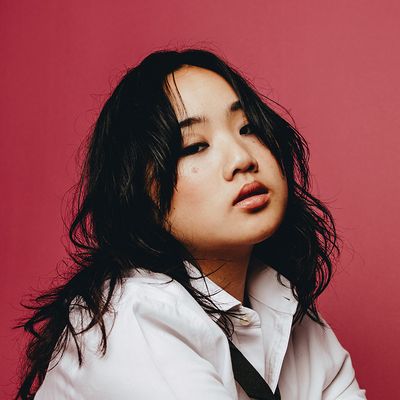
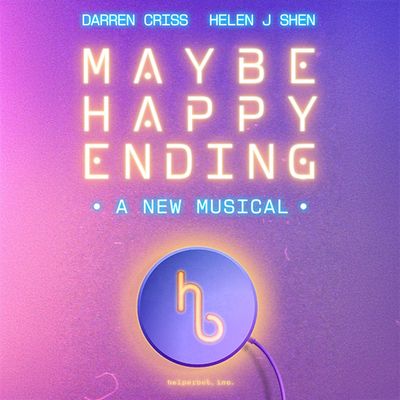
In this Artist Exploration, Helen J Shen from Broadway’s New Musical Maybe Happy Ending and MTCA Alum chats with MTCA Director Charlie Murphy about: What Helen would have done differently in their college audition process. Auditioning the school... Read More
From the show: Mapping The College Audition: An MTCA Podcast
Guests
Featured Shows
About
In this Artist Exploration, Helen J Shen from Broadway’s New Musical Maybe Happy Ending and MTCA Alum chats with MTCA Director Charlie Murphy about:
- What Helen would have done differently in their college audition process
- Auditioning the school
- Taking ownership in your education
- Helen’s routines that set them up for success
Check out our MTCA Events HERE!
If you have any questions about the college audition process, feel free to reach out at mailbag@mappingthecollegeaudition.com. If you’re interested in working with MTCA for help with your individualized preparation for your College Audition journey, please check us out at mtcollegeauditions.com, or on Instagram or Facebook.
Follow Us!
Instagram: @mappingthecollegeaudition
YouTube: @MTCA (Musical Theater College Auditions)
TikTok: @mtcollegeauditions
Charlie Murphy:@charmur7
About MTCA:
Musical Theater College Auditions (MTCA) is the leader in coaching acting and musical theater students through the college audition process and beyond with superlative results. MTCA has assembled a roster of expert artist-educators who can guide students artistically, organizationally, strategically, and psychologically through the competitive college audition process. MTCA provides the tools, resources, and expertise along with a vast and strong support system. They train the unique individual, empowering the artist to bring their true, authentic self to their work. MTCA believes that by helping students reveal their potential it allows each school to connect with those who are truly right for their programs, which in turn guides each student toward their best college fit.
About Charlie Murphy:
Charlie is a proud graduate of Carnegie Mellon University’s BFA program. As an Actor he has performed with theaters such as: NY Public Theatre’s “Shakespeare in the Park”, The Pearl Theatre Company, Hudson Valley Shakespeare Festival, Chautauqua Theatre Company, Kinetic Theatre Company, and the Shakespeare Theatre of DC.
With MTCA [Musical Theater College Auditions -- mtca.nyc], he has been helping prospective theatre students through the college process for over 15 years. As a Teacher and Director, he is able to do a few of his favorite things in life: help students to find their authentic selves as artists, and then help them find their best fit for their collegiate journey. Through this podcast, he hopes to continue that work as well as help demystify this intricate process.
This episode was produced by Meghan Cordier and Charlie Murphy. Episode theme music is created by Will Reynolds.
Transcript
This transcript was automatically generated and might contain errors.
[0:00] Charlie Murphy: Hello, hello, and welcome to Mapping the College Audition, where I am your host, Charlie Murphy, director of MTCA. Check us out at mtca.com. And today we've got Helen Shen on the pod, a wonderful MTCA alum who is about to star in her first Broadway show, and we could not be happier for them. We'll dive deep into Helen's process and journey to where she is and give you all the secrets, so how you can follow in their exact same footprints to stardom, if only it were that easy. However, speaking of easy, I know you were all desperately waiting for the personal update that is the result of the Broadway Show League Championship. Fear not, your captain and your favorite podcast host, we were down, we were out, we needed to win two straight games to come back and win to defend last year's championship.
The odds were against us, but when have we ever cared about odds? We took down a mighty foe in a nail-biter 16-15, followed by a tight 9-7 victory to take care of business. It was glorious, it featured a nice handful of some of your favorite MTCA coaches as heroes, from pitcher Craig DeVino, to all-star catcher Kate McSluggage from the monologue team, to dance coach Logan Jones and his balletic outfield snags, a glorious day on the field for all. And I was there too, you know, I was there too and I was a part of it. And that on-field excitement should not diminish from the excitement that is happening at MTCA this weekend. We've got our junior kickoff happening in person, that's planned for our class of 2026, and online next weekend, and our mock audition for the class of 2025.
Helen talks in their interview about the importance of their mock and how it set her up for their senior year, and boy do you hear us say it again and again how pivotal it is for all our seniors and their development in the process. Our September and October mocks are currently full, though please do sign up to be on a wait list if you're interested in one of those mocks. And please do sign up for our November mocks, as they are in New York City, Chicago, LA, or online, or one of our later New York City mocks in December and January. If you're a class of 2025 listener and you've not signed up for a mock, we really do think it is the most important part of your process from an events perspective. All right, I think you're really going to enjoy listening to this episode, I think Helen is great, and I hope you find them as inspiring as I do.
[2:41] Charlie Murphy: Well, we are so excited to welcome Helen J. Shen. Helen has a BFA in MT with a minor in MT composition, which we'll talk about from the University of Michigan. They're only a few years out of school, the class of 2022, and have already done a lot of exciting work, including most recently starring in The Lonely Few at MCC Theatre, alongside friend of the pod Lauren Patton, Teeth at Playwrights Horizons, and she's about to make her Broadway debut in a new musical, we love a new musical, called Maybe Happy Ending, opposite Darren Criss. And most importantly to our listeners, Helen is another of our fabulous MTCA alum who are out there crushing it in the real world. Helen, welcome on the pod, how are you feeling today?
[3:25] Helen J Shen: Thank you so much, I'm feeling awesome. I had my first fitting today, so it feels really, just feels really good to be here and talk to you about all of it. It's really real when they put you in clothes, then you're like, well this is happening, somebody sewed these, so this must really be real. It was the muslin forms and stuff, so the actual piece hasn't been made yet, which actually, oddly enough, makes it feel even more real. It's like so customized, this is just for me.
[3:57] Charlie Murphy: Yep, and you've already had the, you're on the beautiful billboard, and so you're, you're, this is happening, you're excited.
[4:01] Helen J Shen: It's happening, it's happening.
[4:02] Charlie Murphy: Well, we are so excited to have you on today, for so many reasons, but especially in terms of your recency in graduating, we talked about that. Our first few seasons of the pod, we had all these wonderful Broadway luminaries on, which was very exciting for me, and I think for a lot of our listeners, but one of my big notes for myself was that, you know, I've tried to correct this in the past few seasons, it's have more young people on, right, you can maybe speak a little more directly to what is current in both the academic environment, so we'll talk about that, and then, of course, the professional world at this age, post-COVID you graduated, all the things that a lot of our students and listeners are going to be directly experiencing themselves. I mean, as great as it is to hear from Jesse Mueller or Gavin Creel, I do think their experiences are just a little different than what you've gone through, so I'm really excited for that.
[4:38] Helen J Shen: Well, it's funny, because the industry does change so fast, and so you're, you're right.
[4:43] Charlie Murphy: So fast, and it feels like maybe even accelerating a little bit in the post-COVID world of just how the change has happened so quickly, and so we'll get into some of that. I did this a couple months ago with Ali Louise Borsgi, one of our wonderful alum who was playing Tommy at the time, but I'm going to take you through a rigorous rundown of your, your audition process. I want to talk about your college audition process, your college experience, and then, of course, some of these early career experiences. Do you feel ready? You really feel the gauntlet.
[5:08] Helen J Shen: That's the word I've been looking for, gauntlet. Here it is. I'm ready.
[5:10] Charlie Murphy: Okay. All right, Helen, so I'm going to start you off with the first question that everybody gets. It's a softball before it gets hard, which is just, do you remember 16, 17-year-old Helen, as you were starting to think about this process, what were you looking for in a theater school? So when you came to an MTCA, what were you thinking about of going, here's what I think I want a program to be?
[5:30] Helen J Shen: I came to MTCA not knowing much about the college audition process. I had seen a couple of my friends go through it before. I had even helped my one friend do her pre-screens. I played, I accompanied her because I played piano. So I accompanied her and I watched her go through that process. But in terms of, I only knew the big names. I didn't really even know about Michigan, but all this to say, MTCA really, the system was to pick, same with any college process, was to pick target, reach, and safeties. But it feels a little bit different because musical theater is more nebulous than just your GPA and just numbers and things. So that was a new idea in my head and just doing more research. So I was looking for a music, like I said, I have a piano background.
I was looking for an education that felt it was well-rounded, like I could be pushed. And just one that made me feel like I could really grow into my artistry. I just wanted there to feel like there was room to grow.
[6:45] Charlie Murphy: Did you have any big academic things in mind? Michigan, obviously a really good academic school as well. Was that somewhere on your list of going, I do kind of want this school to not just be BFA and artistic and conservatory. I'm hoping for some liberal arts.
[6:57] Helen J Shen: I think going into the process, I didn't know that that was something that I wanted. And then to visit different, it took me visiting the different programs and asking about it to realize, oh, they don't have as big of an academic kind of world. And so I started to think about what it would feel like to be there for four years. And I went to public school, like I was used to a more rigorous academic thing, but I also wasn't necessarily closed minded to the idea of a conservatory. If you'd ended up at a Juilliard or a Carnegie Mellon, you'd be like, that's fine.
[7:34] Charlie Murphy: Yeah. Do you remember kind of artistically, like when you first came to MTCA, do you remember like what you felt like you needed to work on? Obviously already a skilled musician. Do you remember sort of where you were in the process of hearing me as a singer, actor, dancer? This is what I think I want to work on.
[7:49] Helen J Shen: I definitely felt like, and I still feel like dance is probably one that I feel the least strong at simply because the people who that that's their thing. I wasn't ever going to be a competition dancer in the blink of an eye. And so but I think what helped actually was having the piano background to understand context and understand 10 years of training and 10 years of time. You can't really overnight just be like, oh, I'm a musician. I'm a dancer in that way. That is just years and years of dedication. And yeah, you can't you can't replicate that kind of just you can't replicate 10 years.
[8:34] Charlie Murphy: Totally true. Totally true. Yeah. I love I have the answers. I can check up on what did you say in your initial consultation with I'm looking over this now. You know, you talk about like, a cohesion. I think you said you really were a strong singer already felt confident musically, but you wanted to incorporate all of your talents together. That was, I guess, something that you had said, like, it's why I want to come here. Of course, like, I'm looking back, I'm saying, what do you remember from 10 years ago? Not even 10 years ago, though, really, that was 2018. Six years ago. Six years ago, you were sitting again, as listeners hear that six years ago, you were sitting in a summer initial consultation about, you know, before your senior year wasn't so early, right?
You're about to start your process. And then six years later, here you are about to put on that muslin and become a Broadway star. My gosh, so exciting. Um, do you remember a lot about the process itself? Do you remember the pre-screen, your mock audition and unified and different? Do you remember sort of the stages of the process? Or does it all blend together for you?
[9:39] Helen J Shen: No, I remember. I remember training with Alex Fink and Rachel Stevens, my coaches. Rachel Stevens, very recent podcast guest from CCM. She was just on the pod now working at CCM. Yeah, the best, the best. And just like, I hadn't, it was also these coachings were in the city. And I remember just like, like in my way into the New Jersey transit, it all felt very real. And I remember my first mock audition, I think it was the October mock or the November mock. Oh, it was the November mock. Don't worry, I've got it noted right here. Yeah, I remember that felt like a bandaid being ripped off and, and to have all of the things in theory prepped, but then to actually just go with something that I hadn't had that opportunity to do so before I was super happy that there was a mock audition.
And it was just kind of like, it's fine if you mess up, you know, it's obviously a mock, but treat it as audition prep. And all of the, I remember the ordering of my auditions being something that I thought about of like, you know, you don't want to only save, it was just a good balance of not wanting to save all of my reach top schools for the end. Like I wanted it to feel like I was in the swing of things, right? Like the batting order of like how you lined up your scheduled auditions, some warm up auditions, some schools that matter, and then how those not all in one at one basket at one unified city, that kind of thing.
[11:05] Helen J Shen: Yes. And yeah, and scheduling is also with still being in school, I was like, I only have so many weekends to plan. And so I utilize New York Unified's MTCA. Through MTCA, I did my Baldwin Wallace audition, like I made sure to have a couple of auditions in the beginning, like in October, November, that felt lower stakes, if that makes sense. And then when I got my first acceptance in December, pre, just before the actual thick of it in January, February, I felt already like, worst comes to worst, I still go to musical theater school. And that's the best case scenario for me still.
[11:47] Charlie Murphy: Yep. It's both the safety of I have an in, but also like, somebody can say yes to me. Like, once that happens, you're like, it's possible. Like, it just makes you really believe when you're like, well, they said yes, maybe someone else will say yes, who knows, you know.
[11:59] Helen J Shen: I genuinely had no idea. Like, I think it's interesting, even though I did a couple musical theater programs growing up educationally, like, I didn't know what the response was gonna be. So yeah, that that first yes was like, oh, okay, let me keep going and see what's out there.
[12:30] Charlie Murphy: You know, MTCA has changed. And I think one of the ways that we try to, we're trying to bring back some of what you successfully experienced in 2018, of like, getting yourself into the city and showing up for your coachings, like, and taking them serious. I think even what you were able to do in your November mock, having already experienced some of those really, like, impactful coaching sessions, really, just because everything now, so many students have Zoom now, and it just feels easy. And we'll talk about like, how does it feel like the event of your audition of what it's going to be like at Unified on campus? It's hard to do through a screen, and we're doing this right now through a screen, but it's hard to sort of replicate that same thing.
[13:06] Helen J Shen: It is interesting. I mean, that that was all of junior year for college for me was, I think it helps with on-camera work, it helps with self-taping, because I would say 95% of my auditions are all self-tapes. And so that is a skill. Like, I don't think that it's something to kind of, yeah, it's not something to scoff at. It's a genuine, it's tough to hype yourself up. I'm a person, I'm a perfectionist. It's hard to put it down. It's hard to stop at take three or take five. Like I have now made it a rule for myself with all my tapes that three is the max. Yes. And make sure that like, you're ready to do it. So you're not just like, you know, trying to figure it out in the moment, because that then it's not even as efficient as if you just like, were like, I'm gonna take an hour to do this tape. Yes. Three takes. And there we go.
[14:02] Charlie Murphy: Yes. It's right. How do you take all the best of the fact that flexibility and the best of what you can bring into it, but yet still make it feel like this is an event, and I'm showing up for it. And it's not like, because like, with your life, you can't be like, well, I can do that 9000 times. It's always I could always do it. Not till two Wednesday, I could still do it again. It's like, at some point, you're like, that's not helping you, you're belaboring, it's diminishing returns, like after the seventh, eighth take of belting, it's not gonna sound right. And you're gonna be tired. It's just not. Yeah, totally.
[14:30] Charlie Murphy: Alright, so let's let's give ourselves some notes. Let's start off with a positive. What do you think you did very well in the process? Obviously, you had great results. But is there something that you feel like, hey, I really did this. And if I went back and did it again, I would really try to repeat this thing that I nailed.
[14:44] Helen J Shen: I think I did a good amount of homework. And then when I got to the different auditions, whether that was on site, or in New York, or at Unifieds, or whatever, it was to let my gut just trust it. That was something that like, even though I had put a certain pedestal of schools that I really wanted to get into, actually, when I got there, if that wasn't how it felt to me, in that moment, it didn't matter name, it didn't matter what accolades they wanted, I think something that was hard for me to do, but I think I did my best to do was treat it like they were also auditioning for me. I wanted to show up the best version of myself. But I also was like, they're not all going to be right, to kind of take back that power a little bit. Yeah, especially 17. You're not really sure where you stand in all this, you just know that you want to do it, you have all this past, you don't know where to put it to kind of feel like you were also seeing if they were the right fit.
[15:59] Charlie Murphy: Yep, shifted my mindset. It's so smart. Yeah, it's so smart. I mean, it's like about all the time, like, what is essentially happening is you as a customer are deciding where you're going to put down money. Now, of course, you want some people to let you put down money at their school, of course, there's some of that. But it is, you almost wish you could take all that into your professional auditions, because that's not necessarily the case and Broadway show that you're the customer right in the same way. But really, that is, you know, you knew after December, you're going to school. And now it's just which of my options am I going to go explore?
[16:27] Helen J Shen: There really is as much you auditioning them as the reverse.
[16:30] Helen J Shen: I think that feeling also adds to the sense of confidence that you have, like, it lets you breathe more, it lets you remember to be present more, because you're not so like, I just hope they like me just hope I can do the right thing. So that, you know, yeah, it's so, you know, obviously easier said than done. But I felt very much like, I don't want to, I don't want to be a chameleon to the point where I'm just changing myself just to that's right, palatable to that other person.
[17:02] Charlie Murphy: Well, and it's in it would have the adverse effect. If you are that I'll do anything you want. I just like me, then it's like, well, you're missing what this I can't actually meet you. And so then you're missing the experience of what it actually is. I don't know if I want you or not. You haven't shown me you you've shown me what you think I think you want. Like, yes, that's so true. All right, well, now that we've been nice to ourselves, what on the converse, what is there something that you would have done differently?
[17:22] Helen J Shen: You know, again, it went great. But if you were to go back and do it again, I don't recommend it. Is there anything you would say, hey, this time, Helen, focus a little less on this or focus a little more on this.
[17:32] Helen J Shen: I think towards the end, there were a couple of auditions that I, well, I don't know that I signed up for and then decided to cancel. I think towards the end, because I was trying to juggle still being in school and all the other parts of my life. I don't necessarily regret canceling them, but I think I could have been a little bit more intentional about shaping the entire thing so that it felt like I had a I felt like I actually, you know, intentionally did all of the ones that I signed up to do.
[18:05] Charlie Murphy: Yep. Yeah, that makes sense. Sometimes we talk about like, running through the tape of it all. After Unified, people often are like, I'm just so exhausted. I want to do another audition. And you go, once it's over, it's over. Really, there's only the problem. So sometimes it's nice to go. Let's just end on a bang. Let's have another great audition. Even if I know I'll probably go to this school over this school, 90%, 95%. But to be able to go, I'm going to finish it off and feel good about how I landed the plane.
[18:32] Helen J Shen: And I think that's just good practice for the professional world, too. It's like you, when you sign up to do something, you should follow through, unless something like, you know, obviously listen to your body and listen to it. But that's why intentionally planning and in trying to be as realistic as possible, not biting off more than you can chew as best you can. But to if I was signed up to do something to follow through.
[18:57] Charlie Murphy: I love it. Tell me a little bit. What was your family like at the time? So what was your relationship with your parents in terms of were they supportive financially, emotionally? How did that go in terms of the journey that you took?
[19:06] Helen J Shen: Yeah, they were super supportive financially, emotionally. They just had no idea. But I think that's exactly why MTCA was perfect for assuaging like the anxieties that they had, because there were questions that they asked that I had no idea the answers to. But like Leo does, or Carly does, like I could kind of, it took the pressure off of me a little bit to have all the answers. And it felt like I was doing something active to get closer to my goal. I think sometimes with this industry, it's easy. Well, just it's so it's much more nebulous. Like it's, there's not always something to point to of like, I'm working hard. I promise. Sometimes it's quiet. So so I think with MTCA and with college auditions specifically, it was something that I was working towards. It was something that they were supporting me to do. And it was something tangible. I think that really helps.
[20:05] Helen J Shen: Tangible. So true. There's not an SAT score that you go, well, okay, I've got this. I know at least I'm this like, it's, she's a really good singer. Where did that live in the sort of nebulous, you know, intangible world? I wonder, I mean, I do think a lot of people would be grateful for your parents cluelessness and support. Because I think sometimes the parents who are really feel like they know a lot. Obviously, that's gonna be very helpful to family. And sometimes not so much. Sometimes like, Mom, I wish you knew a little less about this process.
[20:34] Helen J Shen: My parents were really good about giving me space to also, like, total props to them. They really leapt and trusted me a lot of the process. And I understand wanting to like, micromanage and wanting to be as helpful as possible. But sometimes the best thing to do is be like, I'm proud of you, no matter what. Go do it. Yeah, go into the city and go try like that. I really was grateful for them. Giving me space.
[21:01] Charlie Murphy: We're going to talk a little bit about the Michigan experience. Of course, we've heard a lot about that darn school, Celia and Erica and Gavin and blah, blah, blah. But of course, we do want to hear about your experience. So give me what was the specific experience of those four years like for you? I mean, you mentioned junior year was COVID for you.
[21:47] Helen J Shen: So we left, I left sophomore year early in March to go home. And then that was, I think, six months at home. And then I moved back to Ann Arbor to take virtual classes, I felt like that was the most, that was the best way for me to focus. And it, you know, we all made do with what we had. But I took during the junior year online portion, I was really, I felt like dance class wasn't where I wanted to put my energy because I just didn't feel comfortable going. Like, personally, I just wasn't comfortable with that. And so I kind of, that was the time that I shifted to getting a minor in musical theater composition, because at the time, I don't know, I had that music background, it seemed good. It was, it ended up being the best part of my time there. Because Professor Lynn Schenkel is absolutely a genius. And as an actor, I learned so much. As a writer, I have learned so much. And it's just, yeah, it was so unique.
[22:53] Helen J Shen: And it felt like even Professor Wagner was such a big proponent on writers and the craft and the history of it all. Like it felt like there's, coming out of Michigan, there's a reverence for the canon that I feel is really important, and is a common thread through alum.
[23:13] Charlie Murphy: Totally, totally agree. And I mean, not only with COVID, though, but with the sort of leadership change at Michigan, like, it was a pretty transitional time. I mean, how did you, Michael would have come in your, was that also your junior year?
[23:26] Helen J Shen: His first full year was my senior year. But he had come and done a concert called Broadway Our Way, sort of using the arrangements from his Broadway Inspirational Voices concerts. And then the next year, sophomore year, we had, I had done another original piece of his called Son and Soliloquies at Soul. So we already felt such, we, I mean, my class of 2022 felt so, just felt so connected to him because our freshman year, he had already taken us under his wing a little bit. And a lot of the people in Broadway Our Way were freshmen.
[24:10] Helen J Shen: And so when we became seniors, and that was his first year, we felt in lockstep with him. And we were ready to usher in his program, like his, his ideas of the program.
[24:24] Charlie Murphy: How does that, yeah, I guess I'm so, I mean, it happens so often. I mean, so many schools, especially during COVID, there's so many people transitioning, transitioning out. I guess, like, what is the, what is that student experience? Maybe you're specifically rooting for Michael as he's coming in. But as you're seeing this sort of transition at the top, you know, in the, some of the ways it's like, if as our presidents, here we are, this will be released, November's coming, hopefully, well, no matter what, we're gonna have a transition. But, but, you know, sort of how does that affect you from a student perspective, as you see a new vision? You know, Michael was articulating a new and different vision, and it's gonna happen again as he.
[25:00] Helen J Shen: Left Michigan that those students would feel. Okay. Well, how what are we doing now? How do you feel that in terms of like your classes and you're an actor with other professors? What does that feel like from a school perspective as you see shifts like that? For me personally, I felt like it was a good opportunity to step up I think going into college like the way that hierarchies of school had happened before was student and teacher and kind of when those transitional periods happened in college and just even in general, we're all adults here now and we have to kind of help each other. Like I think I was expecting things to be handed to me or things to be easier and to kind of have a more passive role but actually because of the transitional periods I had to have more of an active role in my own education, which is totally such an asset to have post-grad.
Yes, I feel like I have more of a front-footed way of thinking about things. No one's gonna no one's looking for you. You have to go to that audition you have to put yourself out there in a really like front-footed way and I think when I was in school it was a harder transition because it's like well, okay, I'm paying for this education who's gonna teach me on this thing and that's all fine and dandy, but I actually think me looking for what I wanted to learn from the people that I knew could teach me those things the best has helped me the most post-grad.
[26:43] Charlie Murphy: That's such a good lesson to pull from that. That's really smart. Um, how did you feel in terms of you know, we mentioned that beginning of what you thought you were looking for at 16, 17? Did how did you feel in terms of kind of the amount of what I'm gonna use air quotes and say? Conservatory style training that you got right? I know some people will use conservatory mean different things but you know we would put Michigan more on that liberal arts end of the BFA in terms of you have more opportunity for academic classes that minor in MT composition you talked about. How did you feel in terms of did you feel like the right amount of focus on acting singing dancing for you? And how much control you had of that did that feel right? Did you ever think what kind of want even a little bit more of a conservatory style? Less academics did you roll more academics? How did that feel in terms of your fit?
[27:24] Helen J Shen: Hmm? I think at Michigan if you have a very specific idea of what you want to do the world is your oyster like the way that the programs are structured as a given is a little bit more rigid, but there is room for play. There's room for students to take a semester abroad. There's room for like time off there's room for a lot of a lot of flexibility in that way. And so that's why I think for me at Michigan because there was that space for fill your like, you know, choose your own adventure kind of space then I took a creating original theater class through the acting department. I took like producing classes I took you know musical theater composition classes. I was able to kind of do different things and I felt like that only added to my time in the actual like performance classes that were mandatory for that.
Yeah, I think that because I felt like I could go take you know classes with the smartest people that I could possibly, you know, the people who I was living in in my freshman freshman dorm I could learn so much about other things and collaborating with jazz majors like it just ended up being like it's about being surrounded by people who can push you and I found that tenfold at Michigan.
[28:46] Charlie Murphy: That's so cool. And do you feel like you have a sense of the hyphens that may spring from that for you? I saw you did some music direction. That seems like that may be how are you thinking about actually composing? It's something you're already doing or what kind of hyphens beyond actor. Do you see yourself sort of embracing that?
[29:01] Helen J Shen: I totally see writer I see producer I mean a person that I really look up to is Sara Bareilles because she just doesn't seem to have a job title kind of does what she's passionate about and I yeah, I I felt like not in that way but I felt a little bit in my in the own Michigan microcosm like just continue choosing classes and choosing activities and choosing projects student student works that you feel passionate about and then you'll land where you're meant to like I just have some yeah, I I don't even know the things that I'm gonna want to do 10 to 15 years from now and I'm so excited to find those out.
[29:50] Charlie Murphy: I love it. Talk about speed of change, you know in terms of the industry I feel like you're describing almost post hyphen. Like we were just embracing the hyphens. We just finally were like, okay actor writer this is amazing where all these things now you're like, I'm not even don't even give me a hyphen I'm all the hyphens don't label me. I could be this or this or this. I'm gonna hopefully not traumatize you method probably was a good experience, but tell me a little bit about your showcase experience. So I want to hear kind of the lead-up to it in terms of what was your preparation? Then what was the reception and how is that kind of launched you into the early career success you've had?
[30:18] Helen J Shen: It is so easy to put showcase on the highest pedestal because it really it's a showcase in glass. Yeah, exactly and for four years. It's what you're leading up to but it also I think put a lot of pressure on all of us especially being the first one that was back in person post. It felt and and knowing that a lot of my now hearing back a lot of my agent and manager friends being like we just couldn't even look at the class of 2020 and 2021 like that knowing that and how heartbreaking and how difficult it was and still is to just recover from that timing debacle it is just it was a lot to shoulder and I think it's just an interesting weird difference in you're there for four years and you're having the same exact experience with these 20 people for three and a half years and then suddenly the second half of the last year you're watching people leave or you're watching people get agents or you're watching people not get agents and and it puts a weird strain on on the family that you've built but I think yeah, I think that's just part of it a little bit and the people who can kind of I don't know it's just I think it's a it's difficult.
It's a hard time it was really easy for all of us to keep looking sideways and and to feel like a bad a quote-unquote bad showcase result means the end of your career even though we're all so young like it it's easy to put narratives in that way and I just maybe it's me coming from a time where I like the my showcase results were pretty good I felt I felt really good about what happened after showcase, but like it really doesn't mean anything like it's it's it's a great launchpad. It's you're able to get in front of so many people and that's a great opportunity but a bad showcase does not mean failure and a good showcase is not a success.
[32:34] Charlie Murphy: Yeah, I mean in some of the same ways though it's a different experience in the college edition in the same way as I think people tell themselves false narratives about what showcase is like what is the event that's happening? I think people get as wrong as they do the college editions where they think this match causation means am I good or not? It's like no, that's not what's happening that's not that's not the experience of this event that is occurring.
[33:02] Helen J Shen: Yeah, I'm sure case too but if you don't mind giving I know you probably don't want to brag about yourself but as much specifics as you as you want to in terms of you don't have to give me every single result or anything but do you remember like what you how did you think about what you chose to sing or what you chose to how you chose to present yourself how were you thinking about like even some I wouldn't mind hearing some of the like we've had a number of conversations about type or brand or you know is that how the how are those conversations happening in school and then how did those kind of manifest into the showcase and then I even love to hear a little bit like and how did that land on agents and managers if you had those discussions? What were you thinking about? Here's how I want to show myself.
[33:32] Helen J Shen: Yeah, I think I was it helped me in the beginning to think about shows that that are currently on Broadway that I could go on go into that helped me kind of narrow like what kind of genre? Should I even go you're distilling you're distilling 22 years of your life into 90 seconds what is the best 90 seconds to do that? It weirdly is even more wild of a choice than than picking what your college audition songs are gonna be like at least you had two choices or three choice you know you had more and and though some schools do have more choices, but with Michigan it was one song and you could either do a song by yourself. You could either do a song with a partner or a group even or like if you wanted to dance like it was all sorts of things.
I think I knew already that I really loved the contemporary musical theater world. I knew that I would either go for a pop song or musical theater song I ended up choosing a song that was by Lynn Shankle. So it felt really just like full circle to do that and I had a really great time working with her and working on it. And I think something that my now manager has said post is like what I really loved about your showcase piece was that I watched you tell a story and I think even I'm sure the notes of what I said at 17 reflect this but I didn't care about story at all when I was growing up. I was like as long as I sing good that is a good performance to me, but through Michigan and through just like growing up I guess above all you need to tell the story and you need to do things that are character driven because you know that's what musical theater is as opposed to being a recording artist or something else like it that is what our job as actors is.
So, yeah, I think that was something that I didn't know was gonna help me as much as it did was to pick a song that I felt like I could tell a story through and you could see how I felt about the words that also showcased, you know vocal but honestly more importantly it's about telling a story.
[35:59] Charlie Murphy: And how much of those you know, did you have a lot of in that showcase class or the you know? Did you have a lot of conversations about sort of how you were gonna process yourself meaning how you're gonna market yourself to the to the world and then how did those land on those agent manager conversations as you're sitting were they saying? Hey, here's how I see I see you in these shows and was that lining up with what you thought or like how did you do I guess at the processing the expectation of this is what I think I'll this is how I think they'll see me?
[36:29] Helen J Shen: I think that's all you don't really know until you've seen it you don't really know until you're in it, which is what I think I something that ties into this conversation is that I had already self-submitted to a Tara Rubin project and so I had without an agent without a manager. It was already being sent like some tapes and stuff and so I was already like dipping my toe into self-taping and auditions and stuff. And so I already knew sort of what was hitting I was getting callbacks for more of the pop rock kind of things and yeah, I think we all kind of didn't understand how to answer those questions about brand because yeah, I think well it's interesting because like some people read really young and there's just like certain roles that like if you read young this will be you'll be doing better than that.
[37:30] Helen J Shen: But then what happens to the students who are like, I can't wait to grow into my Brian Ursy James roles? Like, I can't wait to do that. It felt a little bit, it can feel skewed because sometimes the timelines, because they are so vastly different for different types of characters, it can feel like you're not making it in the industry if you're not immediately doing those things. So I'm short, I'm 5'1", and I have like a pop rocky voice. So those ones felt like things that I could goalpost that I could shoot for that felt attainable. And I was also getting good feedback from so I think that's what gave me a little bit of direction. And I think that a part of it is luck. I don't know. Yeah, for sure.
I mean, did you I noticed on the website, I forget exactly you put it, you said something like, I had a punk phase and I never grew out of it or something, something like that, right? Like, did that and that feels kind of how the industry was then willing to meet you of, you know, a lonely few kind of world that you're going to fit into. I mean, some of that you may already get kind of be saying by saying pop, more the pop musical theater than being the music man or something like that. But was that you know, was is that something that you, as you're thinking having to put that out into the world? Are you thinking, hey, that's going to be attractive to other people? Are you saying, hey, that's really authentic to who I am.
And I'm just going to lead with my authentic self and see what happens? How much are you calculating or thinking, you know, processing is really what I mean there. How much are you processing for the sake of casting directors and going, here's a good place for me? Or are you going like, hey, this is me hope you can find a place to fit me?
[39:02] Helen J Shen: Sure, I think I those are the those were the shows that resonated with me the most was like more pop punky rock shows like ones that felt more on like the rent side of things or like, yeah, so I but this is something to unpack for myself too is like, why didn't I think that I could be right for these golden age musicals? And a lot of that is representation. A lot of that is like, I wanted to do. I didn't want like, to feel like I wasn't welcome in a genre. And I do think that that was still something that I work through today and still am so excited to like, help change and help like broadening what the idea of a golden age lead would look like or sound like or anything. But I do think that those those kinds of shows that I like the pop the punk vibe of it all were the ones that resonated with me the most and I happened to enjoy embodying those characters the most and just had more fun doing those auditions and doing those materials and stuff.
And I think I just leaned into that. I love it. I mean, one of my questions I've done that. I mean, I do think it's the it's something the industry is currently struggling with is like, how do we think about personal identity and how it fits with type and brand and all these things? Because it's like the industry is changing and hopefully we are changing it. And really, you guys are changing it more than my generation, but like in a beautiful way. And the industry is trying to catch up and trying to figure it out. But there's still the industry that was and the industry that will be. And I think it's really interesting. And some of this is something we do with our MTCA students to some extent early on at the beginning of this process, kind of self-discovery.
Like, how do you feel like college helps you or helped you kind of click into some of that embracing of who you were? Like, like, how did you, you know, we met you, you didn't have red hair and then you have red hair on your website or whatever. It's like, what made you go, this is me and this is how I'm going to step into this person? And then then maybe now we're back and we don't have red hair. So it's like, how do you think of that journey for yourself as like of what you're experiencing and maybe what college adds to that conversation?
[41:29] Helen J Shen: I think it's a it's a safe place to incubate and take risks and make mistakes. Like, I feel like you can only learn about yourself trying different things. At least for me, I'm like always trying to push my own boundaries and kind of continue asking, like, is this my most authentic self? And there are certainly some growing pain times in school, in college. But I think that's just your, you know, late teens into your early 20s. That time is for trying things. And that time is for not knowing and being okay with not knowing. And yeah, I think that time was really important just to, like, feel all the growing pains and just move through them. Yeah, I don't think there was any class or any other thing that I could have done to do what was right for me to, like, get where I am today.
I just had to, like, I was feeling like I wanted to dye my hair red and kind of a little bit damn the man of, like, if this is not marketable or correct, actually fine. And I think, yeah, I think, like, trying to find the things that you can point to, to be like, I'm gonna if you dye your hair, you're gonna feel more this like, though, all of those things, I just had to, like, follow my instincts and follow my gut to do.
[43:04] Helen J Shen: Yep. So it's so interesting. I mean, this is now many years of therapy that we're all gonna have to go through to figure it out. But it's like, it's interesting, like, who are you in conversation with, as you ask those questions, you know, in terms of being like, maybe this is me. And I think it's people really crave, I think a lot of young artists crave, oh, I'm red hair person, I'm this, I got it. Like that's, and you know, it just feels like it's an ever moving target, too. Because then you're like, well, maybe in that moment, that's right for me. And maybe that's not who I am next year. And you know, some of those things, I think are really, it's hard, it's hard as an artist to sort of you want there to be a black and white answer.
And often, it's not, it's not as simple as I'm just this or just this. And I'm also this role, these multifaceted people and knowing that most likely you will change. I think that was something that like, oh, if I dye my hair, do I have to keep dying my hair forever? Like, and then that's how they know me. And then my headshots, I'm always that way. Yeah. But again, that's like that, that sense of, of like, I'm gonna do exactly what they want me to do. But I get this job is like, you can't live life thinking that. So true. The only constant is change. All right, well, we're gonna take a break and talk about this exciting change that's about to come up in your career. So we're back in a flash.
[44:12] Charlie Murphy: All right, we are back with back flashingly flashingly in a just with utter rapidity. We're back with Helen J. Shen. And we're going to talk about this wonderful debut that's coming. Everybody loves a Broadway audition debut story. Here's my obligatory. Tell me about the booking. So what was the audition process? Any good story with the landing the role?
[44:31] Helen J Shen: Yes. So I actually this is, I think is a great story. So I was in the process of doing shows for teeth, the musical, and at the same time doing rehearsals for the lonely few, they overlapped, I was doing double duty for a little bit. So I was scheduling all these things, I got a tape, you know, you you tape and you expect not to hear anything back because that's how you protect yourself. And probably the numerical reality most of the time. That's what happens. Exactly. You know, when have I ever booked from a tape when his look at it? Anyway, so I just taped got the callback. Great. The callback is a chemistry read with Darren Criss. I'm like, Okay, don't freak out. It's just gonna be what it is.
I get there and it goes really well. I'm trying not to like let it get to my head. I'm just letting it go because still even if it doesn't, if it went as good as it possibly could have, maybe I'm a, you know, an inch too tall or too short or all of these things that are out of my control. So completely let it go. I also at the time in teeth was covering the lead called dawn. And so this was a flash forward to a Wednesday. And we had two shows on Wednesday, and I get a text that says you're going on for the matinee. And I'm in rehearsals for the lonely few and I'm like, Okay, I haven't ever done this before. All I had was a sort of put in and I can't really focus and I asked to leave rehearsal early because I was just like, I just knowing me, I won't be useful.
Give me the notes tomorrow. Thank you very much. I run to the theater. And I'm doing my I do the show. I kind of blackout. This is like the highlight of my entire day already. I got another text, you're gonna do the evening show as well. Okay, great. I'm doing the evening show. And it goes like, perfect. And all of my friends are there. Like, everything is just it's, it feels like your wedding night. It's there's no other feeling to describe, like, how people come around you to boo you to support you when you go on for a role that you cover, like, that part of understanding is actually electric and intoxicating. And it's the most amazing way that theater people come together to help things happen.
And so I'm celebrating this, the fact that I did two shows for my for my dawn premiere and everything. And my manager calls me over and he goes, let's take a picture. Let's take a picture of the seven repeat. And they go, say, say you're making your Broadway debut in the fall. And I was literally in front of the seven repeats staring at a row of my best friends in the world, my agent, my manager next to me, and they're all like, it's happening. Like, it was slow motion. It was so crazy. Also, to point this out, Michael Arden, who's directing maybe happy ending wasn't in the room for the chemistry read. It was just he had work in Atlanta and was like, gonna, they were taping it for him and was gonna watch it later.
So I hadn't even met Michael Arden at this point. And I get, they tell me that I have the role. And that night, I get a call from Michael that was like, you know, your audition was amazing, your chemistry, like, we're so excited to do this. And just knowing the day that I had had, I was like, I actually don't have the capacity to, to process any more. That's too much. It's too much. It's just a Wednesday. It's just one Wednesday. I woke up this morning thinking I was just gonna go to rehearsal and my shows. And that's it. And exciting enough. Woke up on Thursday. You know, having my Broadway debut down the line, and it was amazing. It was a really quick process to like, I had been developing teeth for a little bit developing the lonely few, like all of these things are in the industry, you kind of are like, I mean, one hopes that I'll go to Broadway, one hopes that it'll keep flowing and stuff.
So I knew that there were things that I was already planting seeds about, right? But this one came in tape callback roll. So often, it's that it's a chance of a chance of a chance of maybe if they get a theater, and now you're like, I'm on this was two auditions, a self tape in one audition.
[49:00] Charlie Murphy: Yeah. Wow. Hell, that's amazing. That is you remember that for the rest of your life. That's like a forever, like, you're gonna see those faces at the seven repeat and have that feeling that visceral feeling. That's so cool. Um, tell us for audience members who don't know what a chemistry read is. What is a chemistry read as it might differ from an audition?
[49:15] Helen J Shen: They normally when you have a final callback, it's just you yourself doing the material that you've been given, probably from the show. They'll probably tape it. But this one, the creative team already knew that Darren Criss was going to be attached. So he was not auditioning with you. He was it. Yeah, Darren was singing with me. And it's whether or not the person singing with him was going to be right. And what is there a difference in the way that you kind of approach it? You know, as think of a normal audition with someone's behind the table, and there's a reader and it's spotlight on you. Does it feel that did it feel different? Or did you know, do you do anything different in terms of the way you approach it knowing, hey, it's two actors collaborating, and we're trying to feel if we feel good together? Was there any difference in your approach?
[50:00] Helen J Shen: I think going into it, well, I'll say that all auditions feel pretty much different always because it's just a different chemistry of people in the room, not even someone that you have to collaborate with. But just the projects are different, like everything. You just kind of have to be open and just receptive to the vibes, I guess. But with this one particularly, they made sure that I felt like it was very much a work in progress. And I love when auditions feel like the beginning of a work session. Like, I love being given notes. I love when they want to see how I work in the room. Because that's something that we always think that the audition or, you know, we get an audition for something and you're like, this is your opening and closing night of blank on Broadway.
That sometimes helps me just be like, I get to sing this material, I get to play this part, even if it's just in this Ripley Greer room, like, and I never get to do it again. Right now, this is what my take would be. Because then I feel like that's in my control. And then whether or not they want that take is up to them. And I feel like I've left everything that I can on the table. So. But to your point, maybe a little artistically unhelpful to think of it like closing night, because you don't need to be at that place. In fact, that's not where we'll be. You want to if you're this director there, you want them to be able to go plus me plus I'd add this in and plus the two of you together and what would we discover?
So in some ways, it's like it needs to be lived in, but hopefully raw enough that there is still room to grow to opening night because there's a lot of changes and especially new musical they know you're gonna it's not like it's set and done and everything. We know exactly how it works. Yeah.
[51:41] Helen J Shen: This is why I'm always a promote proponent of holding your sheet music, holding the pages. Think about it. You don't need to be performing like it's not a performance. And even if you're I mean, the goal is to not look at it so you can connect with your scene partner, even if it's a that's the reader, but holding it already sends a message that this is work in progress, that this is not where I will end up, because a lot of like processes, 90 percent, that's the whole job is the process. You're not going to think it's so true. Well, and then it leaves that just also a reminder for yourself of like, I have the capacity to listen. I don't have to be just play the tape on what I practice. There's a chance maybe you'll really throw me and I'll have to look down.
Okay, that's happened. Like if I'm really listening to what's in front of me. Great. I can read and react a little bit more to know it is that rehearsal and not and not performance. It's so true. Are there things you're doing in your life other than this podcast to prepare you for the ways in which your life is changing? Right. You are about to be Broadway's Ellen J. Shen and that really doesn't go away. Right. That's a forever label that you get. I know we're not labeling you when there's no labels, no hyphens, but you're going to be Broadway's. That's how you're going to advertise yourself. You know, have you thought about like, my life's going to be different a month from now than it is now and what you're doing to prepare for that?
[53:01] Helen J Shen: Yeah, I think the best things to do, whether or not it's Broadway or whatever, I think for me, when I know that I have a contract coming up, I try to set myself up with routines that help me just set me up for the best version of myself, like having a sustainable enough exercise regime that I feel like I can do even when I really don't want to do it. If you don't mind sharing, do you want to get specific? What does that look like for Ellen?
[53:24] Helen J Shen: Pilates. Pilates. Okay. Is that like a morning Pilates? Like, are you trying to fix like, here's the time I would do before rehearsal, an 8am before a 10pm rehearsal or that kind of thing? Probably a 10.30. Like something that I think trying to go, yeah, bite off more than you can chew or like being too ambitious actually doesn't set you yourself up. I've done it before. I've been like, I'm going to be an 8am, wake up, I'm going to whatever this and it just isn't sustainable because life happens and you want to also be able to enjoy your life. So I think Pilates has been the thing that I've been loving recently that makes me feel like even when I'm like dragging myself there, I feel like at least I know I took a class, I got to the class and I could sit on the couch the rest of the day and still feel like I did a good job.
I think finding little ways that you can kind of show up for yourself is sustainable self-care to me instead of just like going balls to the wall one way and then like the other way. I think it's trying to find that balance and setting myself up with realistic expectations. I think it's easy to be like, well, once Broadway comes, I'm going to be famous or I'm going to be like super happy all the time.
[54:40] Helen J Shen: You might be famous. That's more realistic than happy all the time. So I think like and just the nature of doing theater, it's going to be difficult. Like eight shows a week for anything is difficult. And I feel very fortunate that I've been able to have experiences before that I know that this will not be an easy undertaking. So I don't, I know I'm already going into it knowing that it will be a challenge and knowing that I will get sick and knowing that I will have to lean on people and lean on other, you know, that will happen. So I think, yeah, just trying to keep my expectations level headed.
[55:21] Helen J Shen: What about in terms of, is there any other artistic, I mean, other than getting absolutely jacked from those Pilates, is there anything you're doing vocally and physically or just in terms of like literally the work of the book? And how are you trying to think day one of rehearsal? I'm going to try to be here. I, they will send a script and I try to like read the script a couple of times, go into it with my own ideas of the character. But honestly, we're probably going to do a first read through. I think once we dive in, it's about finding the alchemy of the people and the collaborators that we get to work with. So in that way, I want to be flexible and open. But once that, once we're there, it's about trying to get off book as soon as possible, is trying to offer things and follow my own acting instincts and my own character's instincts and trying to make it so there's a more shorthand, more, I just don't want to feel I am aware that I'm going to, it's going to be really easy for me to get intimidated by working with Michael Arden or with Darren.
Like it's going to be, that will be something that is in the back of my mind is like, what am I doing here? So I think like knowing that when I have questions or if I have offerings, like obviously knowing, knowing time and place is good and knowing like ways of approaching those things, but not being afraid to offer my own artistry just because I feel like I'm new on the scene.
[56:54] Charlie Murphy: Absolutely. Well, and maybe it speaks to the confidence of a young woman who's able to say, hey, I'm auditioning you as much as you're auditioning me at 17. But that's so true. I mean, you may not have the exact same status in the industry as Darren, but in the room you need to have as much weight and be equal collaborators. It doesn't help to shrink and say, well, you've been on Glee. I'm just out of Michigan. I don't know. That's not helping you where you need to be able to be a collaborator and an artist. Is there stuff that you're thinking about and you can share only what you want to share in terms of conversations with management or representation of different ways? Are you thinking about ways that you're trying to kind of capitalize on career momentum in terms of, OK, so this is happening and I've got to make sure I keep this going and I try to, you know, get on this magazine. I got to go to this place. Is there those conversations you're having with press and, you know, sort of how you can manage the juice that you're about to have?
[57:47] Helen J Shen: Sort of. Yeah. Yeah, of course. I think that's like a natural. It's my I'm glad to lean on my team to think a little bit more. Coldly isn't the word, but like a little bit more like let's try to be more ambitious and try to keep doing like that is I trust that. That's what like my publicist, my agent and my manager, that's what they're doing. And that's why I've hired them and that's why, you know, they're on my team to move this forward. But I do think like as an artist, I'm just moving forward, just trying to continue to do things that inspire me. I do think that when you get to a certain like right now, my my name is literally in lights above the marquee.
[58:35] Charlie Murphy: Yep.
[58:40] Helen J Shen: One doesn't want to know the idea of it. You don't want to like go back into step backward in that in that way. But also that means that I can't say yes to jobs that might make me money in that certain way. So there is a little bit of a weird balance that you have to get through in this weird like limbo time because you're not. You're at a different level than you were, but like that, it's not all it doesn't mean that all of you know, you're going to get every role that you audition for, like it just it also means that you can audition for the same things that you could have once. It's like joining equity, you know what I mean? Like it's that give and take.
[59:19] Charlie Murphy: Right. And the old phrase is like we all get promoted to the place where we're incompetent or whatever. It's like at some point you go now. Now, if I can only take Broadway lead jobs, like how many jobs are there that are Broadway leads? I mean, my wife had that experience of going. Now I've been Tony nominated, so now I can't take these jobs that I wanted to take. I also want to make art and I want to do this job and they're going to pay me money and I can't take that. That's really, yeah, that's a conversation for future Helen to have to worry about.
[59:44] Charlie Murphy: What about have you had conversations about stuff like social media and your public perception? I mean, you mentioned your names and lights there, but right now we only have 6000 Instagram followers. I imagine that will not be true in October and November, where people listening in 2025 are going to see just a more public version of yourself. Is that something that you think about in terms of how you put yourself out there into the world?
[60:06] Helen J Shen: I certainly think that having more platform comes more responsibility and I'm excited to utilize that and also by utilizing that, maybe be more sparing with posting and stuff, but something that I think just social media in that whole way can really warp a lot of perceptions of what's actually going on. My boyfriend, Andrew Barth Feldman, went through a very similar rocket launch when he was 16. Thankfully, I'm not 16 and I have a bit of more developed frontal lobe. I'm lucky that that is something that I can have, but I also know that I'm, in the grand scheme of things, very young. And so I think that's something that I know I would like to have, people who I trust to hold me accountable in those ways. I just think it'll probably get very overwhelming with commenters and then with just a lot of opinions about people. And I don't think our brains are wired to comprehend the amount of opinions that social media gives us access to.
[61:30] Charlie Murphy: Ain't that the truth. Ain't that the truth. Helen, you know the aggregators now are about to take, Helen says she has bigger frontal lobe than Andrew. That's what the takeaway from this episode is basically saying, you're bragging about your own frontal lobe.
[61:43] Helen J Shen: That's so true.
[61:45] Charlie Murphy: But yes, it's actually helpful that you've seen that experience. Because any Broadway lead experience is a rarity. Even for those rare people who do it eight, nine times, most of your life, that's not the moment you're experiencing. So it is in the ups and downs of it all. But a first big up like this is hopefully one of many, but very exciting wave to ride. If you feel like, and I imagine these two years have felt like a slam dunk in terms of, this is about all you could want from, I just graduated from school and here I am two years later. Do you have any sort of specific hopes for yourself for the next two years or the next five years? Or do you have a vision of what the rest of the 2020s look like for you?
[1:02:31] Helen J Shen: The impact of Maybe Happy Ending is an overall positive one on the industry. I just hope the people who see it, I hope it touches them. And then I hope to continue to make art that I would like to consume and collaborate with the people. I've made so many wonderful connections through working on the musicals and just working as an actor that I have, and to what a joy it would be to work with them again and continue to meet people. Something that I love about being an actor is that even in a 29-hour reading where you only meet somebody for Monday through Friday, those are still people in your address book if you want them. The reason why we say the theater industry is so small is because if you want to, you can make friends with as many people as you want. And I think hoping to, I'm hoping to work and collaborate with people who inspire me. That's the next chapter, I think.
[1:03:39] Charlie Murphy: If you're picturing a 17-year-old out there who is desperate to live the life to be Helen J Shen, what advice would we have for that young person?
[1:03:46] Helen J Shen: Be you. I think when I was looking at, the question is always like, whose career do you feel like you would love to emulate? And I had all sorts of answers about people that I looked up to, and my journey, the way that it's playing out doesn't look like theirs, but I wouldn't trade it. And I think like continuing to try to be as true to you as possible, there's room for new people. There's not necessarily room for a second Philippa Soo. You will always fall short to the people who you can't emulate. You have to just be the best version of yourself. And I know that's cliché, but it really is true. Just continue asking, am I being as authentic as I possibly can and striving for that? Cliché for a reason.
[1:04:44] Charlie Murphy: Okay, so we know if people can find, want to find you, they can find you at Helen J Shen. Anything else we got to plug in terms of other stuff that people got to know? We got to go see Maybe Happy Ending, I'm guessing.
[1:04:48] Helen J Shen: Yeah, Maybe Happy Ending. That's really it. It's enough. It's enough for one moment in your life for sure.
[1:04:54] Charlie Murphy: Helen, thanks so much for being on the pod. We truly, deeply appreciate it.
[1:04:58] Helen J Shen: Thank you for having me. So fun.
[1:05:09] Charlie Murphy: Wow, wow, wow. Can you believe how mature Helen sounds? To our student listeners, doesn't she just sound like a full adult human actor person? Like, not like a kid at all, right? Now, if you can honestly picture yourself that you were sitting in the exact same place they were only six years ago. Six years from MTCA student sweating about Unifieds to a Broadway lead opposite Darren Criss. Is that typical? Of course not. It's extraordinary. But it absolutely can be you listening to this episode right now. Please, for your sake, believe that what I'm saying is true because it is true. It could be you. In terms of takeaways, I wrote down a bunch. They're all pretty quick hitters, so I'm gonna try to fly through these laundry list style.
First, I really liked the way Helen talked about confidence that she gained by auditioning the auditors as they were auditioning them. That's exactly right. We've talked about it on the pod before, but it is almost the whole reason why that idea exists. To have the confidence to feel on an equal and collaborative playing field.
[1:06:09] I do also think in the college process there's something to be gained if you're actually journaling your experience and remembering it. That's the version of auditioning them, but that is more secondary in that you're going to have the ability to have some of that comparing later in the process. The real secret behind that you are auditioning them is the backbone and the confidence that it gives you. Then I did want to do a couple small cleanups that I heard as I was listening to the episodes. This isn't so important, and I don't really stress in general about the language people use when talking about colleges here, but you did hear Helen say target, reach, safety, which is a language that a lot of college programs might use in general, but certainly not something that we use in MTCA when talking about the artistic college audition process.
We do use the term academic safety for non-audition schools, and of course for people who are looking at broader non-audition BAs, we'd use audition and non-audition target and reach, but we categorize the audition schools a little differently since there really isn't such a thing as a reach or a target when it comes to the subjective art form of musical theater. There are extremely competitive programs out there from a numerical perspective, and there are ones that are not as competitive in terms of how auditions, how many people audition for them and how they're accepted, but that logic does not follow in a predictable way that it would with academic schools to give us a reach and a target.
[1:07:26] We do categorize it, which wouldn't call them reaches and targets. Even if we correctly identified a student as very talented, it doesn't mean that they're necessarily going to get into those less competitive schools. We see it all the time where one of our students will get into Michigan, but not Carnegie Mellon, or not CCM, but then yes into Marymount Manhattan, and yes to CAP21, but not into Montclair or Manhattan School of Music. Those are all just random schools of course that I'm pulling from different categories, but something like that would not be surprising at all. It would be incredibly common, and the reverse of that from an academic perspective really would be an outlier.
If the equivalent of the schools in terms of their numerical difficulty were to happen with an academic applicant, that would be really surprising that you would get into the third-ranked school, but not the 19th-ranked school, or those kind of things, or maybe the third-ranked school, not the 45th-ranked school would be really surprising. Not at all surprising from an artistic perspective. Even though we know academic colleges aren't completely numerical or predictable, it just is a whole different world in terms of the specifics with the theater process. Though again, we often do have that ability to say, here's a balanced list that incorporates your artistic competitiveness as we see it across the board.
It is not as specific as, this school is going to be a target for you and you should get into them, this school is a reach and you probably won't. We just don't do that process. It's not really helpful from a student perspective. And it wouldn't be accurate to say that this is a reach necessarily, when it might not be, but it also doesn't mean that you're going to get in there. It just works a little bit differently.
[1:08:51] And the other thing I want to correct a little bit of, and again, I'm being much more aggressive with Helen here in setting the record straight on our philosophy, only because she was an MTCA student. Plenty of actors say plenty of stuff that I kind of disagree with, or I certainly disagree with way more than this, but just because Helen was an MTCA student, I want to be clear that people aren't drawing things that they think are necessarily universal and what MTCA recommends. And this is specifically in reference to the comment about batting order in terms of strategy. I really loved the conclusions Helen drew for herself about what worked for them and what might have been a change if she did the process again.
But I just say it kind of across the board. We do believe that the batting order strategy is much more individual to the person once you get beyond those very few basics that we always talk about. As any MTCA will have heard us say many times, we don't like putting your favorite schools first. As we found over the years, students do tend to get more comfortable and better with this audition process as they go. So there's a big piece of advice that we would give, putting your favorites within the January-February prime audition season, whether that's on campus or whether that's at one of the main national unified auditions. And making sure that you've used your fall, or depending on the timing of when you start, depending on the timing of your audition season, this could be early January, to make sure that you've gotten some practice in before you do your favorites, whenever your season starts.
This definitely should include a mock audition for MTCA students before their favorite schools. Though again, that doesn't necessarily mean before all of your auditions, depending how you have to shake this out with timing and scheduling. And ideally, not just the mock audition, but some other auditioning experience in there before your favorite schools. This doesn't mean that these should be schools that you dislike, so we don't have to kind of make up quote-unquote practice schools. And these schools could turn into favorites, of course, in that kind of ineffable experience of auditioning and meeting another human being when you're auditioning them, as Helen would say. But we wouldn't want you to go in knowing that this school was number one, number two, number three on your list, just from a pressure perspective with the early part of the auditioning.
But my larger point here, and it's really what I'm saying, is that beyond that, we wouldn't say stress too much about what number four through eleven on your list is and where that lands. And even four through eleven, those aren't exact numbers, right? If you have strong ideas about specific schools that you want to do on campus, go for it. But I wouldn't choose them over Unifieds because of strategy. It could be personal preference and convenience for you travel-wise. And please don't worry about gaming the system of which schools in New York versus LA versus Chicago versus on campus from that school strategy perspective. If you know for yourself that you like the idea, hey, I don't want to put all my eggs in one vocal basket and you like spreading things out, go for it by all means.
But anything that happens in that January, February is prime audition season, and there's just only so much you can control. I mean, could a specific school be tired at the end of the season one year in LA? Sure. And could you get them a little bit more tired that year? Yeah. But could that same school the next year come out completely refreshed after getting to see some friends and hang out at the beach and be in the best mood ever in LA? Yeah. You just can't predict and game out stuff like that, and you're going to make yourself crazy if you try to.
[1:12:29] You know, actually, the reason I use the phrase batting order for myself is that, and here I'm going to tie in that Broadway Show League again, is that it is almost identical to the strategy of baseball batting order. There's definitely some big strategy when you look at a batting order from sort of a large perspective. I mean, anyone who knows baseball, you wouldn't normally bat your pitcher first or your worst hitter, whoever that is, first, right? And probably not your best, most powerful hitter, you know, your biggest slugger wouldn't want to be your lead off as you want their home runs to be more impactful with people on base. But beyond that, people obsess way too much when it comes to who should hit three, four, five, six.
In fact, I think actually lower levels of baseball, they often do the analytically less smart thing if they hit a very good power hitter fifth or sixth, and that less good but scrappy quick type hitter second, right? You know, when they actually analyze all this numerically, for anyone who's read Moneyball, they find that basically you just want everyone to get on base all the time, and you want to hit your better hitters earlier. So like your best two hitters, two and three, is often statistically better than hitting that big power hitter if they're also a big average hitter fourth, because for those times that the four hitter gets up with the bases loaded and actually hits that grand slam amazing, those are balanced out by the negative of that great hitter getting fewer at bats.
But the larger point for those kinds of statistical differences, we're talking about incredibly small effects and margin of error kinds of differences. And in our industry, we can't predict who's going to be on base when. So you've got to do your personal batting order that makes sense for you in the crazy jigsaw puzzle you're constructing of your own travel, your school schedule, your parents' schedule, if they have work schedules, and then you got to call it a day. You know, as long as you've set yourself up with your batting order to be prepared for your auditions, you've done your job.
[1:13:34] And the last quick hitter I want to do was just that I love those positives Helen spoke about with shifting leadership at their university. You know, in her case, that meant Michael McElroy, our two-time podcast guest, but our students experience it every year across the country that program heads are going to shift and change, often at a moment's notice. We just had Vicki Bussard know what we're talking about with last episode. And just hearing how Helen was able to adapt to that and what they learned about self-sufficiency is really exciting. Hopefully that's true for all of our students who are in similar situations, that they can glean positives out of those shifts that are inevitably going to happen to a lot of them each year.
And I, of course, hope that you've gleaned some positives out of this episode of Mapping the College Audition produced by Meghan Cordier and Kelly Prendergrass. Follow us on socials like Insta and YouTube at Mapping the College Audition and subscribe to us on your podcast platform of choice. And as always, please check us out at mtca.com for any help with your individual college coaching needs. If you want to be like Helen J. Shen, we guarantee all of our students who use MTCA will get into Michigan and be a Broadway lead in their first few years out of school. That is said with sarcasm, of course, MTCA legal team. To my young artists out there mapping their journeys, what is your personal best Wednesday? We'll see you next week.
© Broadway Podcast Network, All Rights Reserved