

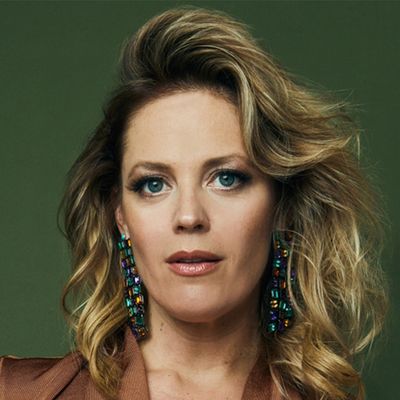
In this Artist Exploration, we welcome back Elizabeth Stanley, Tony Award Nominee for Jagged Little Pill and Charlie Murphy, MTCA Director discusses: Being a leader a company. Secrets of self tapes. How can I play a wide range of roles? Showing your humanity... Read More
From the show: Mapping The College Audition: An MTCA Podcast
Guests
Featured Shows
About
In this Artist Exploration, we welcome back Elizabeth Stanley, Tony Award Nominee for Jagged Little Pill and Charlie Murphy, MTCA Director discusses:
- Being a leader a company
- Secrets of self tapes
- How can I play a wide range of roles?
- Showing your humanity
- Artistic superpowers to pass down
Check out our MTCA Events HERE!
If you have any questions about the college audition process, feel free to reach out at mailbag@mappingthecollegeaudition.com. If you’re interested in working with MTCA for help with your individualized preparation for your College Audition journey, please check us out at mtcollegeauditions.com, or on Instagram or Facebook.
Follow Us!
Instagram: @mappingthecollegeaudition
YouTube: @MTCA (Musical Theater College Auditions)
TikTok: @mtcollegeauditions
Charlie Murphy:@charmur7
About MTCA:
Musical Theater College Auditions (MTCA) is the leader in coaching acting and musical theater students through the college audition process and beyond with superlative results. MTCA has assembled a roster of expert artist-educators who can guide students artistically, organizationally, strategically, and psychologically through the competitive college audition process. MTCA provides the tools, resources, and expertise along with a vast and strong support system. They train the unique individual, empowering the artist to bring their true, authentic self to their work. MTCA believes that by helping students reveal their potential it allows each school to connect with those who are truly right for their programs, which in turn guides each student toward their best college fit.
About Charlie Murphy:
Charlie is a proud graduate of Carnegie Mellon University’s BFA program. As an Actor he has performed with theaters such as: NY Public Theatre’s “Shakespeare in the Park”, The Pearl Theatre Company, Hudson Valley Shakespeare Festival, Chautauqua Theatre Company, Kinetic Theatre Company, and the Shakespeare Theatre of DC.
With MTCA [Musical Theater College Auditions -- mtca.nyc], he has been helping prospective theatre students through the college process for over 15 years. As a Teacher and Director, he is able to do a few of his favorite things in life: help students to find their authentic selves as artists, and then help them find their best fit for their collegiate journey. Through this podcast, he hopes to continue that work as well as help demystify this intricate process.
This episode was produced by Meghan Cordier and Charlie Murphy. Episode theme music is created by Will Reynolds.
Transcript
This transcript was automatically generated and might contain errors.
[0:00] Charlie Murphy: Hello, hello, and welcome to Mapping The College Audition. I'm your host, Charlie Murphy, director of MTCA. That's Musical Theatre College Auditions. Check us out at mtca.com. And today we've got the great Elizabeth Stanley, the wife herself, on the pod for Act II of our multi-act play. Maybe it'll be a three-actor, maybe it's a five-actor, who knows? It might all depend on whether we get other artists who cancel last minute, and however that works out. But I will say in all seriousness, we did want to have Elizabeth back on the pod, as I mentioned at the top of the interview. The first round of our interview was very much me experimenting and finding my sea legs as an interviewer. But sadly, the timing of this was probably not ideal for Elizabeth, as she's fighting through a bit of a cold as we record the pod.
I had just generally been looking for an opportunity to slot her in, so then when we did have an artist cancel, I thought it would be a great opportunity. But then by the time she had the cold herself, it was too late to back out of it timing-wise. But she was heroic. She fought through it beautifully. But you're going to hear some gunk in there. You're going to hear some coughs, some clearing of the throat, and that is in fact what's going on for her. You're going to see beautifully. She doesn't apologize for it, just like any good actor in an audition room. But here I am serving the function of a good casting director, letting you know secretly after she's left the room, you know, that was her with a cold.
You should imagine what she sounds like normally, you know. It ended up being a really nice conversation, though. I think we tried to leave no meat on the bone for any potential Act Three to kind of challenge ourselves for what that might be. And I do really like the idea of doing more artist Act Twos in general. I've really enjoyed doing them with colleges, and I'm interested in, as we move forward, in having some key guests back on the pod. So you can let us know if there are any artist guests that we've had on that you really want to hear from again. I can't make any promises, but I can always try to make even people who aren't married to me sit down for a second interview. And where you can let us know all that, of course, is at mailbag at mappingthecollegeedition.com where I did want to answer an actual email we got recently.
Often I'll answer some of the smaller, more specific questions directly via email, or maybe I'll point someone to a resource if it's not necessarily the best one for me to answer, depending what the question is that's asked. And since a lot of our listeners also end up attending webinars, which, you know, we do MTCA webinars at least once a month, often twice a month, I haven't been as tempted to do kind of a full mailbag style show. We did one in the first season a while back with all of you, but it's something we could do again if you're really interested as listeners from non-MTCA students. But I do feel like so many of these questions are often so hyper-specific, they end up being easier to answer one-on-one.
And then for the people who are really in the college process with us, that's where the webinars, half the webinars is question and answer sessions, so we get to do a lot of that with me and Leo. But as I was beginning to answer this longer question from a listener via email, I told myself this would be a good one to answer on the show because I wonder if there are other people out there with the same question. So I stopped typing and resolved to do that. This will only be the kind of second time I've taken an email and turned it into a longer takeaway or thought. So here goes. This is from Blythe from Texas who asks, I'm a parent of a 10th grader who'd love nothing more than to get an MTBFA and also a longtime listener of the podcast, which I adore.
Thank you, Blythe. I wanted to throw out an idea slash subject that I can't seem to see find much info on when it comes to MT programs, the application process or what to do and not do within the audition room. And that is student neurodivergence. We all know characters have been written both into plays and musicals for many decades who are either explicitly or assumed to be autistic or in some other way neurodiverse. But when it comes to actors and their training, I rarely hear about autism or about welcoming or wanting to work with neurodiverse performers. A thing I do always hear is the goal for performers to be their authentic selves. Probably there's a lot on this podcast. But when I ask other BTDT parents in large groups whether to disclose autism as part of identity in either application essays or in the audition room by way of casual conversation before or after presenting pieces, the general consensus is no, don't do that.
Present as best as you can as neurotypical and then deal with those conversations with the faculty of the school after the student is in the program if when they get accepted and only then if needed. I understand not wanting to present any sort of complication to the panels on the front end and I know how few people get into each program. No one wants to hand professors a reason not to be considered. So I can see how concealing parts of oneself or trying to act more socially adept slash confident in conversation etc. than one actually is could be beneficial. Though this doesn't seem authentic. On the podcast I've heard many professors from these schools say they want unique individual performers and I love that.
Then I hear from parents of neurodivergent actors to keep the autism diagnosis both concealed and undetectable on paper and in the room. It does make one wonder what the professors actually mean when they say unique. I'm wondering if this might be something to bring to light on the pod as even just the very beginnings of a discussion. In the wake of the short run of How to Dance in Ohio, maybe the world of MT slash acting is finally ready for people to be really authentic. I don't know but I do see this as a strange gap in this area of the industry and I'd love for someone to get the conversation going. Blythe, you've done it. You've gotten the conversation going by this very email. Thank you for that long and really well-written email.
I hope you guys were able to hear it as easily as it was to be read. Okay, here's my answer and I'm going to try to give myself some sort of shot clock here and try to do this maybe under five minutes because I do think I could do about 10 minutes just on the caveats I want to do before I give the answer itself but here we go with the caveats. I will just say that what I'm going to say is of course as always coming from my opinion and my experiences in talking to faculty members and other professionals and not a place of studied expertise specifically on neurodiversity. Likely that's understood already but I do want to try to be clear because I often will speak from a place of what I believe is truly earned expertise on this process after the 20 years of doing it but also will on this podcast I'm going to try to venture into areas which test the limits of that expertise and this one does feel like this kind of example.
You know I've tried to do that really in general with conversations about identity across the board where there is always a bit of discomfort as a cis-het white guy but I do think at least some of these conversations I can bring some value to perspective-wise even if it's not my exact lived experience and I think in ducking these conversations often the void is filled with even less expert opinions which I think may be the case here in my opinion. I think this is especially often the case if the opinions that you're reading come from some kind of online chat board. So the caveat that in all these conversations I'm often giving advice outside of my own lived experience. We're talking about race, gender, neurodiversity, etc. So please take it all with the grains of salt that are appropriate in this case.
Maybe not as many grains of salt as you would with the online chatter but still some grains as you're hearing me give this answer. So the reason I gave such a large and careful caveat there is that I'm really not sure of the source of all those been there done that parents and where the advice they're getting is coming from. If that's some specific advice they've gotten or it's just their own experience. I do have family members who are on the spectrum but I'm not intimately aware of all the advice of various autism experts when it comes to day-to-day life outside of the theater world and I'm loath to be callous in countering that advice. Whereas you'll hear me all be callous when I hear your high school theater teachers or maybe just less informed older coaches talking about, you know, you have to know your type.
I feel very confident in countering that information because I know the source of it and it is outdated. They are saying things that may have had some truth to them at some point but are really no longer applicable and I can say that with confidence. I'm going to speak with less confidence here but I will generally say that in my opinion that advice is similarly outdated. For the most part I believe that is just not how the college theater world looks at neurodiversity in 2024. You know in many discussions with college faculty I've only heard it as a positive thing to disclose and colleges talking about how they want to include neurodiversity and ability across the board into the diverse palette of their cohorts.
I have never once gotten the impression that a faculty member would think of it as a strike against a student. That said it is not something that I ask every faculty member about explicitly so there may be differing opinions here and of course it could be that even faculty members who say they would be welcoming inclusive and thrilled to hear about a student's neurodiversity they might not walk the walk. This is again where that caveat comes in it's not my lived experience. You know many companies will talk about how important something like racial diversity is at their company but then you'll do the double blind trial with identical resumes and a more black sounding name always seems to do perform less well than the less black sounding names.
You know because of unconscious bias right so I can't speak to that whether there could be some kind of unconscious bias which I imagine that might be the fear of neurodiverse students and their parents and potentially where some of that hesitation would come to disclose is that if they say it they'll be welcoming but maybe they would have an unconscious bias I don't know. I will say anecdotally I have seen forms of disclosure be really successful for our students and that our students on the spectrum in the past have done very very well in this process when disclosing that. You know not every student has chosen to of course it is always a personal decision I'm giving my opinion but it is always your personal decision if that's something you want to talk about or not this is true of almost any kind of identity but I can think of multiple examples where students started off not disclosing in audition rooms then began to disclose and saw a marked difference in their results.
Again this is not proof of causation because it could be they just continue to get more confident in their process as many students do improve throughout the process but I do imagine it helps. I will say that with neurodiversity like many forms of identity it is often not evident and especially in the high pressure of an audition room I think it often can get misinterpreted as something else going on. You know sometimes a faculty member might just think the student was really nervous or wasn't interested in taking an adjustment when if they knew the full information they might be able to give that adjustment in a different way. I have seen direct examples of that with faculty members being really glad they knew that information about processing of any kind because a lot of these excellent educators have dealt with different learners and can then adjust their feedback accordingly.
On our next artist podcast I talked to Marcus Martin who's currently standing by for the Genie in Broadway's Aladdin and he talks about his multiple learning disabilities. He is an autistic but he says he has processing issues that held him back significantly academically. It really affected his college landscape and he talks about how he's really learned to communicate differently with choreographers and how they've adjusted accordingly as he spoke to what he needed. So there were certain needs that he talked about like sequencing that he needs to learn a certain way and that's something he was able to articulate to professional choreographers. You know and this comes to my broader and I think the more important point where I think I have a little more confidence though again still speaking outside my lived experience.
This process is not and should never be about tricking yourself into school. I think that's just not the right way to approach this. It's not about if I can just get myself into the door at Shenandoah then the rest of my career is automatically made for me. You know you're looking for the best possible learning environment for you to grow for four years and to launch you for a successful career and of course going to a school with some heft that can help you in all the ways we've talked about for the past 180 episodes. But this process isn't like Gattaca right for the kids out there you're going to look up Gattaca excellent Ethan Hawke movie. You're not trying to fool your way onto the ship and then once it launches it's all downhill for you and there's nothing they can do right.
Let's imagine for a second a scenario where your non-disclosure would be the difference between admission and not where you were right on the edge and if they knew your child was autistic they would say no but if they didn't they would say yes. I can speak pretty confidently to say that if that was the case I don't think that's the right school for you. Would you really want to go to a school where they be dinging you for being autistic right and are you going to pretend for four years to not be autistic? Wouldn't you rather be at a school and I promise you there are many out there who will embrace the fullness of who you are. I gave a similar advice many years back to a student of ours who used braces to walk.
She didn't need them all the time but if she was able to do some dance calls without them but normally would use them in everyday life and my big advice was if they're going to be freaked out by the braces do you really want to go to that school? And she decided you know it was a hard decision she said I'm going to use them for dance calls. She had great results and ended up at a school in Pace who was really excited about the specific artist that she was. You know and I'll also say and then I'm going to stop this incredibly long answer that if it's something you want to disclose you would want to lead the process of disclosing it. This is not something a faculty member will ever ask you about like many forms of identity that are not evident on the surface.
This is not something that schools are going to prompt. In general schools are not going to ask about your sexuality, your gender identity, they may ask for pronouns but that's likely it that won't they won't then follow up and say what does that mean about your gender identity. They won't ask about your race, your ethnicity. If any of that is something you do want to disclose I would include it in some way on the resume and or proffer it willingly right don't wait for them to ask because they won't they won't dig deeper and try to say tell me what does that mean about your ethnicity right you're never going to get hey Charlie are you perchance autistic but you might get oh I see you worked for autism awareness at your high school tell me about that and then you're going to be offered that opportunity to disclose.
Now I do not think you need to walk into every room and start off by saying hi guys I'm Charlie I'm autistic right you can find your own comfort level with how you disclose when you disclose what feels appropriate it might not need to be said in every room you know for instance our dyslexic students wouldn't normally reveal that before they do their monologues but they might if they were given cold copy and asking if they could have more time outside the room so you can feel what feels right to you you know sort of ask for what you need when you need it you know same thing if there's something you want to reveal that's not evident in your identity that you think is helpful in sort of revealing a larger part of who you are it is something you can actively work into each conversation if you choose to you can actively work into your material if you choose to or you can choose to discuss it only if it comes up naturally and not necessarily force it into each room there is a version of it where it can feel a little bit forced and okay great why are you telling me this is sort of in my face if it's something that doesn't feel kind of organic to you you know if someone asked why you picked a piece of material and you share that you have an ethnic or racial connection to it or a gender identity or sexuality with the character you're welcome to reveal that information or not for instance if I were singing
[15:36] Charlie Murphy: With the amazing, the indisputable, the non-parallel herself, Elizabeth Stanley.
[15:43] Charlie Murphy: Well, we are so excited, dare we say honored, to welcome back Elizabeth Stanley. Elizabeth went to Indiana University where she was a voice major, but then switched majors and ended up with a BS. We'll chat about that once again today. She's been on Broadway in Company, On the Town, Million Dollar Quartet, Crybaby, and Jagged Little Pill, for which she received a Tony nomination and a win in our hearts. She's also been in plenty of other things like Bridges of Madison County, the first national tour, Xanadu, she was just a nine at the Kennedy Center, all over your TV screens, in Kindred, on Hulu, The Equalizer, New Amsterdam, Gossip Girl, Blue Bloods, currently starring on P-Valley on Starz.
Should we say recurring or starring? You're starring in your recurring role, I would say, for sure. She's also my wife, which I could not say on our first episode. She's a mother of my child, and an all-around delight of a human being. Elizabeth, how are you doing? Welcome back. Are you honored to be our first returning artist guest? We've had some colleges return, some faculty members who moved to new schools and come back, but you are our first artist to get to recur on the pod.
[16:55] Elizabeth Stanley: Oh, yes. Honored. Deeply honored.
[16:57] Charlie Murphy: It's an honor. Well, good. You should feel that way. And it's only on your merit. No personal connections earned you this.
[17:04] Elizabeth Stanley: I believe that. I really believe that.
[17:06] Charlie Murphy: Well, I have to say, I was excited to have you back on because I did want to break that ice of returning artist guests. I have found it's been really interesting with some colleges having them back on, that we get into some deeper conversations. We'll see if you and I can break through our nonsense and get into some deeper conversations or not. But also because I feel when we had you on, it was really a guinea pig style episode. The podcast was finding its feet with artists. I was still figuring it out in terms of what I wanted to ask in terms of questions, stuff like that. So we're going to try to get a little deeper than we did in our first interview. But for some folks who may have not, some folks probably have heard that episode already.
Some may not have. For the most part, I'm going to say we're not going to repeat that info. We're not going to go back and do everything again. In that episode, we kind of talked through your college experience in depth. We talked through some of your post-college training. We talked through your pandemic and some of the jagged little pill of it all. But listeners, you're welcome to listen back if you want to. But most of the stuff today, we're going to kind of move forward and have different conversations. However, this will be the only kind of repeat. For those who are listening for the first time, can I challenge you to do a super quick previously on? Basically just like, can you give me a tight 90 seconds of your childhood through Indiana University experience in a tight, let's say 90 to two minutes, if possible. I won't set a timer.
[18:30] Elizabeth Stanley: Okay. I grew up in a very tiny town in Illinois, Camp Point, Illinois, to be exact. And I thought I wanted to be an opera singer because that was sort of like the example of a professional musician that I had through my voice teacher. So I sought out opera programs. I ended up at Indiana University. I loved it there. Absolutely loved it there. Made some of the best friends in my life while I was there. I got super excited by mostly the people I was meeting in the music theater realm. And so I switched up my major, which then ended up becoming a bachelor of science. I don't know. That's just what they called it. So that's what I graduated with. But so I sort of hodgepodge together a musical theater degree. I moved to New York. I worked a million side jobs. I did a lot of regional theater. I made my Broadway debut about six years after I moved to the city. And then I've just been auditioning and going between gigs and side gigs ever since.
[19:24] Charlie Murphy: Well said. That was a great tight 90. And brings us maybe a little bit to where your Broadway experience began. You've mentioned sort of your debut with Company. I'd love to hear, you know, understanding that you didn't have especially a sort of traditional BFA training. But also I think we can say we're not a Broadway or bus person at 18. You didn't think, hey, I know I for sure I'm going to have Broadway experience or that Broadway was everything to me. I just love to hear a little bit of like in your five Broadway shows, you know, you might be able to come up with a lesson or a takeaway from each of them. And we can go as granular as you want. I'm happy to kind of go into specific shows if you want to.
But just kind of all in all, what do you think was the experience of being on Broadway that you didn't know beforehand? So in the last time we talked about sort of some of the experience of cutting your teeth in the regions, but was there anything specific to Broadway that kind of you learned from working at that level?
[20:20] Elizabeth Stanley: I mean, I think my biggest like sort of like, oh, okay, this is what Broadway is. When I was doing Company was that it just feels exactly like a regional show, like it's the same process, the same, you know, you're learning your lines, you're doing your best, you're figuring out a role. The big thing for me was just like everyone was the best, you know, like the best, not the right word, because that makes it sound like there's a finite like thing you can be as an artist, but everyone was equally awesome. Whereas I think, you know, doing theater regionally, sometimes there are like people who like local people who maybe that's not their like one and only thing they're pursuing in life. Which is cool in its own way, you know, and same like when you're in college, I think there are lots of people who are doing it maybe more for fun or they're not as serious about it or that, you know, everyone kind of has a different path. But definitely on Broadway, it really felt like most of the shows I've done felt like everyone was that was their dream was there.
[21:25] Charlie Murphy: Yeah. Yeah. And then what about like, was there a difference? Did you feel the difference between you've played a lot of certainly characters and leading roles, but then as you moved into the cry baby of it all, as you moved into Jagged Little Pill, and you're saying, Hey, I'm really leading a company. Did you feel a difference in terms of what it was to watch, you know, maybe Raul lead a company versus then going, what is my experience as I'm headlining or as I'm leading a company?
[21:49] Elizabeth Stanley: Shows aside, I mean, I just think in life, you're always aware of what leadership styles resonate, which for me, it's someone who's very connected to every single person in the room. You know, that's not some people like someone who's very sort of untouchable and feels like, oh, wow, I just want to be that if I could only like, get to them. But I tend to like people who really feel like, you know, oh, we're all doing this together, like it's because it takes every single person to tell this story. So I definitely aspire to be a leader of a company who was just kind of grateful to be amongst awesome peers rather than someone who was higher than anyone else.
[22:31] Charlie Murphy: Who likes people that are untouchable? You said some people like people that are untouchable, who aspires to have a leader that you're like, I can't talk to that person, they are untouchable.
[22:39] Elizabeth Stanley: I don't I mean, I don't know if they like it. But I think some people think like, oh, wow, that you know, that diva must be like, so cool. Are you sort of like, that that feels powerful, I think, to some people. It doesn't feel powerful to me.
[22:52] Charlie Murphy: I like it. Yeah. What about the TV world? Like, you know, I think a lot of young actors who are, you know, go through this experience of maybe cutting your teeth on smaller roles, and then kind of moving up to it. And you're definitely in a place of your on-camera career, where you're getting to do more acting on camera in terms of some real roles, I know, including when you're currently filming, like, what have you learned from being on set, maybe in those early moments when you had the few lines, and now as you shift to doing, hey, I'm doing a little bit more? What have you learned from the experience of being on set? Is there anything that you feel like, hey, now, if I could go back and tell myself the first time I was on set this, what was that experience in terms of understanding, you know, what those experiences are behind the camera?
[23:21] Elizabeth Stanley: I think it's that when you're on camera, the performance that's being captured feels like rehearsal. Because you haven't like done it a bunch of times, you maybe haven't even met the person until that day that you're doing your scene with. So for me, that's a really different process. Like, I like in theater, I like to kind of feel things that I do a lot of homework and prep work before I get there. But then it's also so much of it is like, who are the other people in the scene? And how does that unfold? And how does what they're giving to me make me react, and we kind of find which path that feels the best for that. And I also think it's really fun to try it a different way every single time in rehearsal.
And on camera, consistency is like, really, really necessary for editing. So, you know, even though I'm trying to be conscious of it now, and some directors have different, you know, different, different shows have different amounts of flexibility. But, you know, sometimes, like, I know, the scene I was just doing, they said, Hey, in this last take, you put your hand up here, don't do that. Or actually, we like that. So keep that. So now you need to put your hand here on that line, like every single time. And so as a theater actor, that is just like a different technique, you know, because as a theater actor, I like to like, absolutely not be thinking about what I'm looking like, at all. Because I feel like in some ways, that's like the death of creativity, if you're like, looking at yourself from the outside, rather than just being in it. But that I think it's sort of necessary technique on camera. So sometimes I feel like my choice just becomes to like, don't do anything.
[25:22] Charlie Murphy: So that you can repeat it.
[25:24] Elizabeth Stanley: You know what I mean? I mean, and not like don't do anything in terms of like, you're acting, but just in terms of the physicality, like the more still you can be, I think it's better.
[25:34] Charlie Murphy: And what did you use any kind of technique? Or what was your strategy? So I can imagine that exact, you know, okay, I have to put my for those who are listening, she put her sort of fist under her chin, in that example. And so when you have to put your fist into your chin again, how do you keep it alive and discover it like it's the first time as opposed to sort of playing that result? Right? What did you do in that moment when the director says that? Oh, we like that. Now, how do you sort of keep it alive as if it's a rehearsal as if it's happening for the first time?
[26:02] Elizabeth Stanley: I mean, then in a way, it feels like a performance, just like if you're, you know, if you're doing a choreography or something where you do do the same sort of movement every time, and you have to make it seem motivated and fresh every time. So it becomes a bit more like that, I guess.
[26:22] Charlie Murphy: What about, you know, this is maybe very similar in terms of, I guess, the kind of acting, but when last we chatted, we were in 2021, still reeling and in the middle of a pandemic. Now, here we are in 2024. And sort of self tapes are stubbornly here to stay. I think they've become the industry, you know, in the past couple years, I guess you've had a few zoom auditions, precious few in-person auditions, and then just like hundreds and hundreds of self tapes. So, you know, are there any kind of secrets in terms of your success of self tapes? And when you're getting an audition, is there anything concrete that you go, this has really helped me, both in terms of efficiency, but also just in terms of stuff that's worked acting wise for you when you look at self tapes?
[27:00] Elizabeth Stanley: I mean, the more prepared I can be, I guess, just like what I was talking about, you know, you do have the ability to see what you're sending in as opposed to a theater audition, where it's live and you're like, I don't know, it felt good, but, or it felt terrible, but maybe I'm wrong. So I think sometimes, you know, if you have the luxury of time, it's awesome to do like a practice round of auditions for yourself, you know, like do a self tape and be ready to send it in, but then be ready to watch it and go, Oh, I said, Oh yeah. Like sometimes, you know, you and I will say sometimes as we're watching back, like I'll say, Oh, that wasn't an acting choice. Like that was a side because I was trying to remember my line or whatever.
Like if you have the luxury of time to then redo the tape, which I usually don't, but I guess I've learned that, you know, you kind of just have to let some of that go. And hope that that's enough, you know, hope that everyone else is kind of in the same boat with the same amount of time to turn it around and that you're sort of imperfections in terms of line accuracy or timing or certain things like that are not going to cost you the job. If you are in fact exactly what they're looking for.
[28:19] Charlie Murphy: You know, I think of you as someone who's so good at like the self tape technique. Is there like, you know, even when you think get as granular as like eye line, like something often you'd be like, I need to take in because I just think my eye was, what didn't quite make sense as I was tracking that. Like, is that something you're figuring out as you're memorizing your lines? Are you noting that in your script of like, okay, this person is going to live upper left of the phone. This person's going to live, you know, obviously we need to see your eyes for the most part. So it's not, no one's living behind you, but you know, even just the way that you'll track that often, you know, for those who haven't done a lot of self tapes, you might have three, four or five characters in a scene.
Even if it's three, it's going to be a lot to track of where are all these people. How are you sort of thinking about that relative to the phone or to your backdrop or, you know, as you're sort of making those choices to go at, doesn't quite work. Doesn't, doesn't look different enough, um, on camera.
[29:00] Elizabeth Stanley: Yeah, I definitely plan that out. I think as I'm, as I'm
[29:12] Elizabeth Stanley: And preparing the scene is like, Okay, how many people are there? It basically put everyone on two sides of the cameras. The cameras like in the middle and you're either looking to the left or to the right. I'm in a scene if there are like five people that's, I don't know, you can kind of get away with, I think, just choosing two different places to look. At least that's what I say. I don't know. But yeah, I'm really conscious about that. I think I've learned that, but back from the days when I would go in and I'd be in the room, sometimes I would get that note like, okay, that was great. Let's do it again. Just this time when you're looking to this person over here, don't look so far over here.
Look pretty. Cause it's just all pretty, it's smaller than I realized, I think, initially when I was first doing it. I think it's a little tricky for young actors not getting necessarily that level of feedback. If you're not lucky enough to have somebody who's giving you, you're not taking an on-camera class or getting necessarily that level of feedback at a classroom level. I think you lose something not getting to do work with casting directors in the room in the same way that, you know, we got to early in our careers. Yeah. Although I would say something like that, something that's technical like that, you can really self-correct. Like that's what I'm still doing now. You know, I watch it because sometimes, and you know, it's really just about the eyes sometimes.
And so, so it's, that's just like a technical thing. Like, Oh, just move your eyes when you're looking at that person. Don't turn and look like they're all the way over here. Like they might actually be. Because you'll watch it back and you're like, Oh, now the camera is really only seeing like the side of your face instead of.
[30:48] Charlie Murphy: Do you feel like, is it helpful for you to like imagine that the person is actually moving to that spot? Or are you just thinking, I'm looking at a spot? Is it kind of similar to often with college auditions would be like, are you picturing an actual face back there? Or are you looking at a spot on the wall and actually just imagining your mom? But are you actually picturing, like, are you, I guess, how much are you visualizing the different characters actually being on the side of the phone or you're going, I know I'm talking to this character and I'm looking at a corner of a phone or whatever.
[31:18] Elizabeth Stanley: I'm not, I think it's too many things for me to be like conjuring a face and a scene, you know, and the emotional life of it. But I, you know, as I go through and I'm mapping like the acting beats, I am going, okay, who, you know, what, what scenario is that in my own life or what can I use as a substitute or, or if it's, you know, just what is the basic intention and emotion? That stuff is the same for plays or for on-camera stuff. Um, and I'm definitely that I think is the, for me, that is like the most important part, even more than the line accuracy is like what's going on in the scene and what are these relationships and why did they choose the scene for an audition? What's it showing about this character? If there's more than one scene, like what difference are you supposed to show them between the two scenes?
[32:10] Charlie Murphy: Yeah, that's well said. Um, what about just from a preparation perspective? I think, um, I've said it before, but it's something that I think you do so well in the way that I think you approach hair, makeup, costume, in terms of all that. Cause how do you think about, you know, what you're going to bring to a self tape and what you're going to bring to a, you know, obviously you're not going out and buying new costumes for each of these stuff. They've just come in. But, but what do you think in terms of like what you're, how you're going to present yourself on camera when you get a different role? Like what, what, what are you reading or are you taking in and then what's making you think, okay, this is what I'm going to, this is the woman I'm bringing up. I mean, you're someone who can play 25 years old and currently playing a grandmother on screen. So you're really showing a lot of range, I think based on the makeup that you're wearing.
[32:54] Elizabeth Stanley: Thank you. Uh, yeah. I mean, you know, you'll hear it said a lot, like don't make the people watching the tape have to use their imagination to imagine you in this because, um, you just want to show them as much as you can. Like I'm this. Um, so I think that's like part of the, I don't know. I think it's fun. I suppose some people think it's like really annoying in the way that I think the technical stuff is annoying, but I think like the playing dress up part is fun. Um, so, you know, going into your closet and going, okay, what makes sense for, what would this person be wearing and how would this person be fixing their hair and how would they be doing their makeup? All of that is really specific cause it, it tells you so much about a person.
[33:46] Charlie Murphy: What about, and then it's another kind of superpower of yours I think is the, the self tape slate. Uh, Leo just did a great video as we're recording this on a, you're talking about this college edition slates and how important it is to be able to walk in the room and like, this is me. Hi, I'm Charlie. It's so nice to meet you. Um, you know, it's something that I think you do so well in, in sort of bringing your personality onto the slate and within the kind of limits of technical requirements. I feel like you often kind of have fun with it. What, what do you think about it? That's something that you watch someone do is something you just started doing or what, how do you approach that in terms of your own self tape slates for different kinds of roles?
[34:19] Elizabeth Stanley: I don't know. I've never watched anyone else do it. I just, um, I think I just started having fun with it because it felt so silly. Like, like particularly the full body slate. It just feels like, why? Um, because most of the time it's just, they just want to see your essence. I think, you know, like what, what's your whole being like? But, um, it's funny because on camera you really usually are only seeing like the face basically. Um, depends. But so I think I just felt awkward, uh, being like, here's my full body. Uh, so I just started kind of doing silly things with that. And then my agents and manager would watch my tapes back and be like, make comments like they liked my slates. So, um, I just kept it up.
[35:14] Charlie Murphy: But it does seem like you maybe do modulate a little bit for the type of a project. Like the more comedic or fun, the character it does seem like you might be a little more silly and fun where you still might be free, but if it's a pretty dramatic role, you're not going to be goofy in the same way. Is that fair?
[35:29] Elizabeth Stanley: Oh yeah. Yes, definitely. Um, I think it's always great to show personality just in terms of like, I don't know, like a lot of the characters I auditioned for are not, uh, the nicest people. So I think like I don't necessarily want to be in character when I'm slating for that. I want to come across as someone who hopefully would be nice to work with. Um, but then, uh, I don't need to be like goofy, uh, if it's something that's serious. Uh, but yeah, if it's comedy, then I think it's a great place to kind of just be your silly self.
[36:08] Charlie Murphy: Yep. Totally makes sense. Right. It's another place you're asking them not to have to do too much work in their imagination of sort of thinking, God, she was doing so much act. If, if we meet this sort of goofy, fun, silly person, and then it's like you're playing one of the many crying moms that you've played or whatever. It's like it makes it almost maybe makes the tape we just watched feel less genuine or less. I don't know. It can make me feel disconcerting to watch those two things in, in contradistinction.
[36:36] Elizabeth Stanley: Yeah. Um, all right. Well, let's, we that's, that's what we've done. Our, that's our vegetables. We've eaten our vegetables. We've had some serious conversations. We're going to get a little bit looser and goofier on the back end of the break. We're going to let some listeners bloop, bloop, bloop through a couple ads and we'll be right back.
[36:50] Charlie Murphy: Okay. We're back. And now I have my first semi challenging question for you. These have all been easy so far, right? Do you agree? Oh, these are just easy questions. Okay, here we go. So as you know, I ask a lot of artists guests kind of, I try to narrow in on like, what is a superpower? You know, what, what's something that they do really well that maybe not every artist does, you know, what's something that they really know about maybe in ways that not every other artist does. Like with our friend Sean, Helen Krill, we talked about generosity on stage with Celia Keenan-Bolger. We talked about vulnerability and I've often asked you when we're prepping a podcast or if I'm prepping a podcast and you know the guests, I'd be like, what do you think this person's superpower is?
Or I'll say, does that sound right to you based on what you know of them? Does that feel like it's a good superpower? So you may be anticipating the question for yourself. What do you think your superpowers? What do you think if I were to ask Elizabeth Stanley, this is her superpower that she knows about more than maybe other artists.
[37:45] Elizabeth Stanley: I feel like I've been able to play lots of very different characters. Um, and that feels both like a luxury, but also, yeah, a little bit of a superpower to be sort of, um, be able to play like someone like Claire DeLune, who was absolutely batty, um, and funny and really like kind of broad comedy. Um, and then do something like Mary Jane, um, which was much more dramatic.
[38:16] Charlie Murphy: What do you think enables you to do that? Like what, why do you think? Cause I think a lot of actors really strive for that. Certainly it's something that a lot of guests, you know, they'll often have a resume that looks like a lot of this, you know, blink, blink, blink a lot of the same kind of ish roles. And they're often talking about, I want to break out of that shell. I want to do this. I want to show that I have more range than, than what I've been playing so far. What do you think has enabled you to play such a wide range?
[38:38] Elizabeth Stanley: Uh, well, I mean, I think a lot of it is luck and timing. I think, I didn't really know what my own sort of abilities necessarily were when I moved to New York. Like I hadn't really been cast in like comedic roles. I hadn't really been cast in like belty roles. So I think I was, I just had, I was kind of like, Oh, okay. And so I just like auditioned for absolutely everything. Um, and so it just kind of revealed itself to me, like, Oh, I was getting called back for this ingenue. And then I was getting called back for this sort of like sassy, sexy, sassy person. And, um, so it just gave me the confidence, I think, to be able to be a shape shifter. And then I think some of it was timing in that, like, um, it was still like, you know, it was pre social media.
It was pre, uh, like YouTube was still like pretty new. Um, and so like, if someone hadn't seen your performance of something, then they didn't necessarily know who you were or what you could do. And so I think like, I wasn't typed like immediately. Um, as, Oh, she's the person who does this thing. Um, and I think that that worked to my benefit that I wasn't like famous or super findable, uh, online.
[40:16] Charlie Murphy: You're still not, when we researched your bio for this, you're missing like six roles. I mean, I have a note for you to update your bio online. It's really, I mean, it's still very difficult to find. Uh, but I might also add in, it seems like the fact that you have a certain level of vocal versatility is unique and maybe allows you, you know, just within the traditional musical, musical theater canon that you can play more operatic sounding characters. You can play belty characters that, that your voice at least is not limiting the kind of characters that you might shine in might be another little version of that superpower too.
[40:47] Elizabeth Stanley: Yeah. Yeah. Thank you. I guess that's, that's true. I do think that's where, again, I sort of like found it in a backwards way, but my degree really is in music. And so I feel in the, in the realm of musical theater, I feel like a very strong musician. Um, and that I can learn quickly. I understand it. I can read music. I could teach it to myself. I can play it on the piano sort of mostly. Um, yeah. So, and I, so I think that whatever that is, that, um, has translated also, yeah.
[41:34] Charlie Murphy: And I wonder, you know, one of the things, one of my, my, I was sort of, um, how would I answer this question for you? You know, of course I made you do the work because that's what I'm going to do on this podcast. You pick your own superpower. But I was thinking, I was like, I wonder if you'll talk about your drive, meaning like you're the, you had, you do, I think have a remarkable work ethic. Uh, you really are able to push yourself. Um, but I also feel like, and maybe it's a bit of a, a, a superpower kind of combination of powers is like, you're able to do that. You're able to be hungry in a really, um, I think in a competitive way that is mixed with just the right balance of like grace and kindness.
And like, I do think there's a version of like the hungry musical theater actor where you're like, Oh, watch out. That's not necessarily the best person to be within the room, but you do need to have the hunger and the drive to like have a standard to hold yourself to and be able to work hard and be able to go, I can work those million side jobs and I'm willing to pound the pavement. It feels like you, you have, um, maybe it's not a unique mix, but I think you have a really good mix of those two things. You know, maybe that's coming, comes from the music background of going, I know what it is to practice for hours a day. Dancers sometimes have that, but you know, actors don't always have that. Like, I know what it is to like put the quote unquote technique work in hours and hours a day. Do you feel like that's a fair characterization of a superpower too?
[42:56] Elizabeth Stanley: Uh, just my ability to be like studious. Is that what you mean?
[43:00] Charlie Murphy: Yeah. I mean to, to, to work hard and they, you do have a high standard for yourself. You do, you know, it can sound better. You know what? Uh, all right. I should, I've, I've worked the three hours. My voice is tired. I should stop now. Like it's like you have a, you have a, um, it seems like you have enough system for yourself of the ability to work hard and work smart. Um, yeah. But that, but that, I think what's maybe kind of unique about that or what's great about that is that you have that without seeming like a technician, without seeming like, I don't think people would see that hunger. I think I only discovered that from you living with you as opposed to necessarily, you don't seem like somebody who's like, man, I'm, I'm sharpening the ax, grinding the ax all night. Like you seem like you walk in and you make it feel pretty effortless.
[43:48] Elizabeth Stanley: I remember when I first moved here, I just never had any extra cash, so I never took class or studied with anyone. And then I remember going to auditions after I had started taking class, where in class I would work on the audition, and then I would go to the audition and be like, I nailed that because what I had practiced, which is sort of impossible to practice on your own, was doing the thing in front of people. So that part of the nerves was less. And the adrenaline of like, oh, this is what came up in the moment when I was performing it for people. I was already informed by that from when I had done it in class. And then I had that information to go in and just make those choices that I found in the audition.
I think then I had become used to the fun game of like, oh, how different could you do it in class? The teacher asks you to do it this way. And that became fun rather than feeling sort of stuck in the one way that you learned it and it's hard to get out of. Because I definitely remember feeling like it was hard to take adjustments when I first started auditioning and sometimes hard to get past the nerves. Hard to get out of the mindset of doing it right, too, of thinking of the director saying, oh, that's the way you want me to do it. Okay, let me make it 10% more this, like you're trying to get an A on the audition, when often they're discovering with you too, they don't even necessarily know, is it this?
They're really throwing it at you sometimes. Sometimes not. Sometimes they are saying, I want it to be this and can you do it? But it feels like that's it's our mindset, especially as good students. And I know I didn't say that you're a valedictorian, but Elizabeth Stanley is a valedictorian, ladies and gentlemen. But that as a good student, it can be tough to be like, right, I'm not trying to get an A here, we are trying to create together and let it be something different in the room, as opposed to exactly what this person's asking for. Yeah. And I think, you know, that was just something to learn by trying it and doing it and learning like, oh, the best results were always when I just like, let myself be bold.
When I let myself be free, when I wasn't like self critiquing as I was going, but what I was really sure of were the sides, was the material I was bringing in. I knew the song really well. I knew the scenes really well. So then I could play when I was in the room. I wasn't like stuck, just trying to remember the technical side. Totally. I feel like it's a good tangent. No, a good tangent. I love it. What about when you see younger actors? I'd love to, you know, sort of, you know, you mentioned sometimes you'll, whether it's a student that you've worked with, or just when you see someone, you go, you know, you're at a concert, you're at something, you're working with a 22 year old, 24 year old actor, maybe many of our listeners around that age.
What makes you think this person is going to be successful? When you just sort of have that feeling of like, I'm watching out for this person. What do you think in 2024, a young actor needs to have, which could be the same as it was back then, could be different. But what do you, when you see a young actor, you go, that person's really, they've got it. What is making you watch out for them? What is making you sort of identify them and pull them out from the pack? There's so many different things. I think it's always inspiring to me to see young people who are like really curious. They're really curious about the other actors in their company. Both professionally, like, oh, oh, you're 20 years older than me.
And like, oh, so what was your experience like? Not like, oh, you're better or smarter or whatever, but just like, what has your life been like as an artist? It just, that just kind of communicates to me. I think that that is a young person who's maybe understands that it's like a long game. They're not like looking for the quick and easy, like brass ring to grab and then, you know, never let go of, which doesn't really exist. But also someone who is able to work hard, is able to like be prepared, but then also like be flexible in the moment and able to kind of take care of themselves as an artist, I guess. And I mean that in like all the different ways. They're living in the messiness of life, like we all are, but they're able to kind of juggle it.
They're able to maybe have their side job or deal with their roommates who may or may not be awesome and deal with the romantic pursuits that they're having. Deal with the stressful auditions that are exciting, but like the stakes are high as they're coming in, like it's a lot of things to hold as a young person. And I think, you know, sometimes I see people, like they just get really sidetracked or overwhelmed by some element of life, which is understandable. But I think as an artist, if you're able to keep holding on to the art itself, the reason why you love doing this, while these other things of life are always spinning around you, as they always will be, but if you're able to kind of keep digging in, keep loving coming to the rehearsal room, keep loving coming to the stage, keep loving coming to the cast, that to me, I see and I'm like, oh, that person's like, they're gonna, they're gonna stick around.
[50:42] Charlie Murphy: How did you navigate that? I mean, you know, of course, a long career, let's say we're halfway through our career, realistically, you got another 20 good years in you, 23 good years in you, I don't know, whatever. But, you know, in midpoint of this career, and there's been amazing ups, there's been downs, right? There's been probably some near misses, some what ifs, right? How have you navigated some of those, the heartbreaks and the thrills and the thrills? And like, you know, how have you maintained and stayed as sort of consistent? As an artist, I see, by the way, for people watching YouTube, this is a painting that Elizabeth paints. Oh, my gosh, they might not be admiring it. So they're admiring it.
They can definitely, they might not know what it is, but they're definitely admiring the brushstrokes. The size, at least, is impressive. It was a child that did it, you know? Yeah, that's exactly what it was. But how have you navigated those up and down? I mean, most recently, not too long ago, your agency folded. And now you've got it. I mean, not long before that, your management company split. Like, you know, there's been also, I'm sure, you know, some self tapes that we thought, this is the book, we're going to book this one, this is going to change our life, financially, and in every way or whatever, like, how do you continue that? I mean, still 20 years in, we're still those still are happening.
By the year, you know, how do you navigate that? How do you sort of keep it steady for yourself? I mean, I think sometimes are better than others, right? Like, I definitely go through spells where I feel pretty down and discouraged. I think it's important to, like, acknowledge when you're feeling that way. Not, not so that you can stay there. But so that you can be clear, again, about your why of like, do I still want to do this? Do I like this? Is it worth it for me to go through these hard parts about it? And you know, if, if the disappointment or the inconsistency, or, you know, I don't know, half of the things that are kind of hard about this business. Aren't like, they're keeping me from living a full life, then how do I change?
What do I which which path do I go down instead, that might be right next door? Sorry, might be right next door to the, the, you know, the path I'm on. So I think I'm kind of always assessing that. Um, yeah, I think people would be surprised how often, at least I've heard you ask that question of, is this still worth it to me? Do I still want to do it? And for some of the times I would, I would think like, is she really asking that question? Like, I'm like, you're so successful. How could you? Why could you feel that way? How could you feel that way? But I do wonder if it's almost a, just a touchstone for you of coming back to going, let me reconnect to my why. Let me, let me make sure I have that fire and it's, it's fueling me.
I think I've just been surprised, obviously, during the pandemic was one particularly trying instance for I think a lot of actors and artists, but, but just that I think you do come back to that fire a lot. You do come back to your why. I've observed that a lot and go, this is really interesting. Um, I, I don't know that every 22 year old actor is going to think, well, Elizabeth Stanley needs to keep doing that and keeps checking in five Broadway shows in, but I certainly have observed that that, that is true.
[54:26] Elizabeth Stanley: Well, I think it's always true because you know, we're always growing. Our lives are always changing every, you know, your relationships with your parents changed and your relationships with your friends change and your romantic life changes. And then maybe you become a parent, like there are just so many things that shape us and change us. And, and some of those things are big and affect the way that we need to live our day to day. And so I think like, that's part of what always kept me assessing. I think like for me, sometimes I would get to certain points in my life where I felt like for, for the longest time as a young person, like doing theater was like the one thing that I just loved so much.
And like singing, I just loved those things so much. They were absolutely the most important things in my life. Um, I mean, it's, it's hard because sometimes you're like, Oh, am I going to go to this friend's wedding? Or am I going to take this job? And, um, but for me, it, it was like the, the job was so fun. It was so fun, um, that it made those hard choices still worth it. Um, but then I do think like, I got to a point where I was like, wow, like I've, I feel really good about the things I've achieved in my professional life, but like my personal life is like, I just keep not quite figuring it out. Like I'm not, I'm not meeting the right person. I want, and I like, and now I feel like I really want that part of my life to have more creativity and more, um, abundance in it.
And so I, I think like there were times when I made decisions, like, you know what, I'm not going to work out of town as much because I want to, I want to try and meet someone. And I want to try and meet someone who lives in New York, who lives on the Upper West side is going to bike sweaty to our first date, whose name is Charlie Murphy. Uh, you know, so that was like a, that was a change that was happening. And then I, you know, I think again, like a big change was becoming a parent and now like my career thoughts are, are different again. And I imagine that will keep changing as my kid gets older, you know? So I just think it's always, it's always good to check in. Um, I think the other thing that sort of keeps me sane is like, uh, well, two things, like just really keeping a, a gauge, a, a watchful eye on the amount of like social media I'm consuming.
Um, you know, I basically hate social media. I don't want to even be on it. Like, I don't, I don't love posting. I don't, it feels like a chore to me if I'm honest. Um, but I know that it's something that is useful for me as an actor. So it definitely feels like, okay, this is like part of my job to do this. Um, and I always have notes for myself that I could be better at it. Um, but I think, I also know that then if I am just on it and I'm just scrolling through it, I don't leave feeling better. Um, so that's like, don't, I try not to do that to myself. Um, and then, yeah, the other thing I think like you're saying with this beginner huge painting, um, is investing my creativity in.
[58:25] Elizabeth Stanley: They want to hear, what's the most wonderful part about going on a honeymoon with me? Oh, just spending time with Charlie Murphy. But so you say it like sarcastically, they're going to think you're joking, but you mean that, for real. No, you know what, it was so great. I think as an artist, again, not even as an artist, as anyone in this world, it's really hard to like carve out multiple days in a row where you're not going to be checking your email and replying to every text that you get and just all of the responsibilities that we all have. So it really felt like a great luxury to just take that time and spend that time together. I think a lot of artists don't give themselves vacations, right?
Often, I got a trip here and so that becomes a vacation. But there is something, I definitely agree, like by day four, I was just like thinking differently. My mind was working differently, not being trapped in emails and responsibilities in the same way, like just literally being able to slow down that much. And I think especially, I know as a young actor, the first 10 years, I didn't take a vacation. What if that's the time I'm going to book? I mean, like Christmas, I guess. But other than that, it would be like, nope, I can't give myself that luxury because this could be the time when I would need that sweat equity or I needed that, but I do think there's a lot to be gained by slowing down when we can.
[59:56] Elizabeth Stanley: Yeah, I mean, and it's, again, it was like a huge luxury to be able to take a trip like we did because I think also as a young artist, like I didn't have like extra money to be like flying somewhere and going on a vacation. But I still think like you can take a vacation to go visit your parents or to go visit a friend or just like take a weekend and just put your out of office message on and stay home even and just be like, I'm taking a break. Though I will say a change of physical scenery, I think is helpful.
[1:01:00] Charlie Murphy: Yes, you do. All right, one more short break and then we have a surprise third section coming up. So get hyped for that.
[1:01:05] Elizabeth Stanley: Oh my.
[1:01:07] Charlie Murphy: All right, we are back with a now snacking Elizabeth Stanley. So we'll let her crunch while I ask you a nice long question to sort of clear the pipes. You're working on a cold and now there's snacks in there. So a lot going on for those vocal cords. Okay, so another question about being my wife. Leo often refers to me as his work husband, but I do think sharing a small apartment with me, sound insulation or not, you have become a true MTCA wife. You've really started to learn the ways of MTCA. You're married into the MTCA family. You're basically our first lady.
[1:01:44] Elizabeth Stanley: I guess so vice and the what, the heir apparent or whatever. But here's what I wanna ask you. Okay, so for having watched, heard through the bedroom door, many years of this process from start to finish, what do you think you've absorbed about it as different from your own experience? So you'd already taught students before we met but you often would say things that, at TPAP you'd say things like, oh, talk to Charlie about that. I don't know anything about the college processes early on. But now I think you can no longer say you don't know anything about the college process. What are the things you hear me repeat the most from your perspective? What have you learned in terms of going, I guess it's this, I guess this is what's going on in 2024.
[1:02:25] Elizabeth Stanley: I mean, it's, I definitely, my experience is different. I didn't audition for hardly any schools comparatively to what it seems like is necessary now. I didn't cast a very wide net. I kind of stayed within the Midwestern region. And it seems like, that for me just was sort of like, oh, that's what I did. But it feels like a lot of your families, that's more of like an intentional thought. Like some students are like, hey, I really wanna stay this many miles from my family or I wanna go really far away or whatever. It feels like that's a little more thoughtful than my situation was. I also was like doing things from the classical musical repertoire. So like the choosing of rep was very different and the amount of stuff I had to prepare was totally different.
[1:03:25] Elizabeth Stanley: Yeah, and I also think like in the classical music world, for me, and again, this is probably different in that world too now, but there was not as much of an emphasis on like, who are you as a person? Like, we wanna know that like, you're gonna be a great classmate who's a good person and also eager to learn. And I think for me, it felt more like, am I doing this right? There's more of a right or wrong rubric of am I the right kind of opera singer? Am I the right kind of- Like, am I talented and am I doing this correctly was what it felt like the test was.
[1:04:10] Charlie Murphy: Where now you would hear the test as more of a who are you as a human being kind of test.
[1:04:14] Elizabeth Stanley: Yeah, I feel like what it seems like what your students are striving for is to definitely like showcase their talents to the best of their abilities. But also to really, really show, not show, show's not the right word, to really, really be present, I guess, in themselves so that they can just shine as the person that they are. Rather than like a sheen of like, this is what it's supposed to be, which then, I don't know, it's not very interesting. I think then it's hard for anyone to stand out if we're all trying to be the same. So it really feels like I hear you constantly being curious about who is this student? And what are they looking for? And then what kind of material is gonna suit them so that in the audition process they feel comfortable and also people that are like schools are gonna see them for who they are.
[1:05:23] Charlie Murphy: That is a very flattering and I feel like surprisingly accurate, at least to my own impression of like how I would describe it, reflection. So that's how it's working through the bedroom door. Whatever you're absorbing in your sleep as I'm doing this while you sleep in the other room, it's really working. Do we need to give the listeners an impression of me doing an initial consultation? You have said before you think you could do an entire MTCA initial consultation despite having never looked at notes or seen anything. You think you could do it. Do you have a good Charlie?
[1:05:53] Elizabeth Stanley: Do you have a good Charlie? Do you have a good Charlie? Do you have a good Charlie? Do you have a good one minute?
[1:05:54] Charlie Murphy: Yeah.
[1:05:56] Elizabeth Stanley: Okay, let's see here. Oh, sorry, sorry, I'm late. Sorry, I'm late. Wow, okay, so let's see. I see we've got a mom here. We've got a Charlie. So mom, if you could describe Charlie, what would you say? How would you describe Charlie?
[1:06:15] Charlie Murphy: This is so much worse than I thought it was gonna be.
[1:06:17] Elizabeth Stanley: Wonderful, I would say he's really dedicated. He's really...
[1:06:21] Charlie Murphy: This is now my mother.
[1:06:22] Elizabeth Stanley: He's very civilized. He's great with language.
[1:06:28] Charlie Murphy: And then you would say, okay, and Charlie, how would you describe yourself?
[1:06:33] Elizabeth Stanley: Yeah, I guess like what my mom says is pretty true, but I would also say that I'm like a good friend.
[1:06:43] Charlie Murphy: That was pretty good. That was pretty good. I'd never asked the parent to describe themselves before the kid. The order would have been reversed, but everything else was pretty accurate there in your book.
[1:06:51] Elizabeth Stanley: Oh, dang it. That's pretty good. Me being late is probably the most true part of all of it.
[1:06:57] Charlie Murphy: What do you think, as parents now, we talked about this kind of, but not really. What if, God forbid, Sylvie does say she wants to be an actress? What is your first gut reaction hearing that? And then what advice do you think you would give her as she navigates this crazy biz? Assuming, I think we would agree that we would be like, okay, great, we'll support you. We wouldn't be like, no, you have to do STEM. What would you say? What would you want to tell her as someone, neither of our parents, of course, were in the business.
[1:07:27] Elizabeth Stanley: First of all, it's STEAM, Charlie.
[1:07:29] Charlie Murphy: Oh, STEAM, thank you, yeah.
[1:07:31] Elizabeth Stanley: So the arts are included.
[1:07:32] Charlie Murphy: No, I don't think so. But if I say you have to do STEM, then I don't think it would, as in contradistinction to the arts, who wants to do arts? She'd say, no, Dad, it's STEAM, and I'm gonna be an actor.
[1:07:45] Elizabeth Stanley: Well, first of all, I think, I know you were joking when you were like, God forbid, but I think it would be a huge compliment because I think one of the things I worry about as a parent is it is a profession that in some ways forces you to be a bit selfish because the schedule is, you're not always in control of it. And so I hope that she's not gonna be scarred by having an artist mom who I think is gonna be different than if I were pursuing something more traditional. So it would be a huge compliment. It would be a great joy. But yeah, I mean, I think for me, it's like as long as it is making you happy, then keep doing it.
[1:08:43] Charlie Murphy: Yep.
[1:08:44] Elizabeth Stanley: And if she's 14, what would we be like, okay, what are we gonna have you do? Of course, she'll be using MTCA, of course, for her college auditions. But what would you be thinking about like, okay, so as a young person, because actually I think a surprising amount of our parent listeners are maybe anticipating college auditions, but have 13, 14, 12, 11-year-olds who they know are interested. If you're in that place, who they know are interested, if you're in that place of like, what would you be thinking? Here we are in New York City, we have this mecca of all this art around us. If she was like, mom, I want some help getting better at this. What would we have her do? What would we be doing for her to say, let's help you, sort of put you on a path to success in this industry?
[1:09:31] Elizabeth Stanley: I mean, I think always like taking class, studying with a variety of people, is sometimes a great idea because I think, especially when you're young, oh, I don't know, for me, every teacher I had I admired so much and I looked up to so much. And so everything that they said was like, oh, the holy grail. And I think art is not something that there's only one correct way to do. So I think casting a wide net. I also think like, okay, you're interested in this, like you're interested, like if she's interested in dance, I would say like, great, let's take a bunch of different kinds of dance and see if one is more fun than the other for you. Just the ability to be, to keep changing and growing within it, I think is important.
[1:10:36] Elizabeth Stanley: And also to consume art. Watch different, read different books and watch different indie films and go see theater when you can. You don't have to be in New York. Anywhere that you are, just taking it in, watching things that are free. Nothing has to be like fancy, but it all is informing you.
[1:11:03] Charlie Murphy: Yep.
[1:11:04] Elizabeth Stanley: I'm so glad you said that last part because I do think some aspect of that, I would want to be like, if you want to be an artist, especially an actor, whether it's an actor, singer, dancer, but you want to be a performing artist, I do think what you are intaking in terms of sort of other interests you're cultivating, what are the things that you're bringing to the table that aren't just your technique as an actor, singer, dancer, especially as an actor. It's like, what is acting technique at 13 years old is hard to tell. And so it's like what you could be growing as an interesting human being. And of course I think that's easier said than done in terms of how do you founder that as parents. But I think I would be like, that's as important to me if I'm like, okay, she really is going to go into this business.
I'm like, cool. What kind of person is she is and what kind of voice is she going to have? And in terms of what she's going to want to say about herself, but also just about art and all that kind of stuff. Like, I'm interested in, it's an interesting question of like how we would cultivate that. I do also think helping her to find discipline in practicing is really essential. I mean, you'll hear artists across every genre, I think, say that like, I have to be disciplined. I have to carve out time for myself to write every day or do whatever it is. Like, it takes discipline. There's no way without the 10,000 hours to get there. You're not gonna- I think like, so that, and I think for most of us, that's something that's learned.
[1:12:31] Charlie Murphy: Yeah, that's what I meant by your superpower of drive. I think you have, you really have discipline in a beautiful way. Maybe discipline might be a better word than drive, but I think you have it more than a lot of artists.
[1:12:39] Elizabeth Stanley: Maybe. I do think like my parents set me up really well for that. Because I think I, so for me, I guess that it became fun, right? Like I learned that I saw the results. Oh, when I practice a bunch, it's really fun. Because then I get to the next level, you know? Like I get better. So, I mean, hopefully.
[1:13:32] Elizabeth Stanley: I'm like understanding that it takes a long long time to grow into your artistic self and that there will be people who are shiny for whatever reason when they're 15. And then there will be people who are not shiny until they're 50, and that's not an exaggeration. You can't use the phrase shiny without evoking Moana.
[1:14:05] Charlie Murphy: No, it's so well said, and I do think that's some of the—just as you're saying that, I was sort of—it was evoking in me like the God forbid. I think I put there is not because I have some desire for her to do something else, but just like I think both you and I can—we know what some of that—the rejection and the pain and the judgment and the whatever—and that it's almost like as parents who know that it's all—it's harder to imagine like, oh, our poor girl's gonna have to go through that. I mean, I think some parents who don't still—so I know it's a hard industry, and that was some of my parents' reaction of going, "Oh, are you gonna be okay?" And you know, I feel that way still because I'm like, I know how hard it is.
I know it's a difficult industry, and there's knowing some of the downs that you would experience as well as the ups. It's hard. It's hard to, you know, sort of watch your kid go through that. So many of our parents in the college process watch that with going—they know at the outset they're gonna experience a lot of rejections, and it can be really hard as a parent to watch your kid have to have those boo-boos is all we were experiencing right now. But there's bigger boo-boos—those emotional boo-boos of getting your heart broken, you know?
[1:15:12] Elizabeth Stanley: Yeah, it's really hard. I will say the thing that has eased that for me, which I would hope to be able to pass on, it's just that like you—you are only in charge of what you do. Did you stick to the practice plan that you had? Did you put in the hours that you promised to yourself you would do? Did you feel like when you were in there you gave it your all, like you did the best that you could do? That's the—that is the measure of like how are you doing? Yep, and the rest is somebody else's opinion.
[1:15:55] Charlie Murphy: Well, and you know also most people are not gonna sail through their entire lives without hardship and rejection, and there's something kind of beautiful about creating resilient kids, and this industry certainly creates—it tests your resiliency. But I think grows the muscle that is your resilience—your resilience, your resiliency, whatever it is—but that makes you more resilient than you would be if you never experienced any kind of hardship. So in some ways, that's—it's exciting to know regardless of what your child ends up doing that they'll sort of be—I have that—not thicker skin, but have that tougher whatever underbelly that makes you go, "I can endure this. I can feel the sadness, but I can endure this and move on and pick myself up and keep focusing on the parts that I can get wrong."
[1:16:37] Elizabeth Stanley: Yeah, I mean, I think anytime you open yourself up to—you know, you're vulnerable. It's a—it's a—it's like a muscle that gets strengthened, and that's a useful muscle to have in life in general.
[1:16:56] Charlie Murphy: All right, I know I can only do one more question because we've got to go pick our child up from daycare. Do you like how I say we've got to, even though it's you that's gonna be going to do this? In the past, you know, I've sometimes talked about sort of where do you think the business is going? Where do you think your career is going? I've asked different versions of the future sort of vision board kind of question. I'd love to just throw out there like let's map out the next 20 years of your life. You know, you're beautifully into a place where you are able to say no to some projects, are going, "I'm just not particularly interested in working on this. This is not the—isn't sparking joy for me.
This isn't something that I'm like, this is my next probably show." I'm not necessarily feeling that, or I am feeling it with this one. What do you think in terms of what are the kinds of things—what's the kind of art that you feel like in 2025 and beyond that you're particularly interested in being in? It could also be stuff that you want to see—like what kind of art excites you that you go, "I'd pay a babysitter and go see the show," or "I would accept this role if it were given to me." Like what kind of stuff do you want for the next 20 years of your life?
[1:18:01] Elizabeth Stanley: Things I feel genuinely creative in terms of the production value, so I'm not really turned on by like a huge flashy set and a pre-existing song catalog. While having been in shows that do those things, the more like Las Vegas a project feels, the less I am interested in it, and the more like acting class something feels, the more I'm gonna be interested in it. The more that a project feels like they're doing something unique to theater, they're not trying to be a movie that's just on stage or a rock concert that's made into a play—like they're doing something that can only be done on the stage—that is super exciting to me for theater. Doing something that I just simply haven't done yet in my career is also super exciting and terrifying.
So it could be like a cheesy terrible project, like all the things I said like I would—I don't want to do that, but if something about it is like something I've never done—like if it's a Shakespeare play that is Las Vegas style, I might be like, "Oh my god, count me in," because I haven't professionally worked on Shakespeare, so that would be like terrifying and awesome.
[1:19:35] Charlie Murphy: You just guarantee you the next thing we're doing now, it's gonna be the Merchant of Vegas or whatever.
[1:19:44] Elizabeth Stanley: Great. Yeah, I mean for me, like the dream would be to be doing things that either are—in some way, I'm able to take my family with me. Like, "Oh, we want you to come and do a show in the West End for six months," or something that's long enough that it's not like disruptive to my child because I feel like there's so much inconsistency in our lives that I'm more interested in consistency than I used to be. Yeah, and I—I mean I'm really digging all of the on-camera work I've gotten to do in the last several years, so I want to keep doing more. I'd love to be a series regular and kind of feel what that is like to live with, you know, a specific character for a long period of time.
[1:20:29] Charlie Murphy: I love it. All right, anything we need to plug? We got P-Valley's about to be released, the third season. You're all over it playing a just beautiful grandmother—the role you were Ruth and to play. We have Nine coming to Broadway, right? Are we announcing that here on the pod? But it's not happening to Vegas—that's coming in spring of 2025 to Broadway. No? Anything else that we need to be able to check out for?
[1:20:49] Elizabeth Stanley: Check you out on Instagram where you'll hate yourself as you post our honeymoon photos at L.stands.
[1:20:55] Charlie Murphy: Yeah, L.dot stands. We love it. Yeah.
[1:21:00] Elizabeth Stanley: Yeah, no, I don't think there's anything else major to be promoting at this moment.
[1:21:06] Charlie Murphy: All right, check out Stars and Until the Third Act that's coming very soon when we bring you back on for a third time—three years. Great. We'll check in. Thanks for coming on the pod, babe. It was so nice to get to chat with you across our apartment.
[1:21:14] Elizabeth Stanley: Hey, thanks, babe.
[1:21:24] Charlie Murphy: Yes, yes, yes, my wife, folks. Her flu game is what this podcast was, and we're grateful to her for it. I was also really touched by hearing that portrayal of myself and MTCA's philosophy coming back at me. You never know what people are osmosis from the other room, but that was very sweet and good.
[1:21:44] Charlie Murphy: Okay, the thing I want to do a little takeaway on—I think none of you'll be shocked. So we talked about it a bit in the episode, and it's certainly not brand new, but I just want to talk a little bit more about that idea of drive. I think there is no version of a career in this business, at least from what I've witnessed, that isn't hard. That's true. Regardless of the level of success in this industry, whether you're Audra or you're pounding the pavement at equity calls, it is a hard business. Another reason I love my sports analogies because I think it's really true there, too. It takes so much work to be a superstar in the NBA, but it also takes so much work to be a journeyman in the NBA, and it takes so much work to be a G-League player who never gets a call up.
It is hard all the way down. You know, I guess in the NBA there is a version of being like a 6'8" freak athlete and not putting in the work where you might be able to at least be a washout for a few years without really putting in the work, but that equivalent doesn't really exist in the theater world. Maybe a very specific kind of nipple, baby, but there's just not really the same extreme end of the bell curve where you're gonna get ten chances without at least some showing up for yourself and showing up for your talent, you know? And the ability to work hard is just such an important skill in both of these worlds—to work hard, to work in a way that takes care of your body, takes care of your spirit, to strive with grace.
It's such an important thing. You know, parents often ask like what I think it takes to be successful in this business, or maybe they'll ask a version of like does my kid have what it takes to be successful in this business? And I think they're almost always asking about their kid's current skill level or even maybe the predictions for raw talent from an ingredient perspective. But I do think that question of will this kid be able to work hard for it and get the most out of their God-given gifts is at least as important as what those gifts are—likely more so, you know? I've often used that Steve Nash quote about resiliency being the most important factor to success in athletics, and I think that is probably where I'd end up landing.
It's not just the ability to bounce back, but it's the ability to get off the mat and keep working hard, right? To navigate everything life in this crazy industry throws at you and to get back to the gym the next morning, get back in a dance class, be back at the piano singing. As I was jotting down this takeaway, Elizabeth was currently at the piano practicing for an upcoming gig, which she'd be doing for the past many hours. And again, this is just my opinion. I'm not a scientist in terms of, you know, how much of this is genetics or nurture versus nature, but I think in general it is less of a gene than a muscle to be honed—both that resiliency and the ability to work hard. Those are both things I believe you can really work on and improve.
You know, I was not someone who was able to work hard in academics through much of my high school career. I definitely was the do the homework in homeroom kind of kid. I still did well—pretty smart, so I was able to kind of skate by. But I really only found my ability to grind later in life as I connected to my passion of this art form, and then I've been able to apply that ability to other avenues of my life as well. But it's not something that felt natural to me. I think some people may have that more readily available than others, but you can train yourself to do it, or at least I've been able to, so I think there's hope for others as well. You know, you can't necessarily turn yourself into a rock tenor or a live ballerina if that's not the mechanism that God gave you, but you can turn yourself into a hard worker.
You can turn yourself into someone with grit and resilience who is able to reconnect to your passion and keep that flame burning. You know, in the world of controlling what you can control, that is a goal you can set for yourself to work on and improve. And of course, that's not everyone's issue. You know, we're talking about our students in the college process. There are definitely young artists who work incredibly hard on their process and actually have to learn to relax and treat themselves with grace. But I'll say in general, it is more often than not the case that the difference between a successful process that a student is going to be really happy with and not is within the margin of effort.
Often I see students who are exhausted, working themselves to the bone in some ways, but aren't necessarily actually putting in the work with their college prep in a productive way. You know, they're talking about how much they want it with her—they're spending a lot of time and a lot of stress generally on their lives, but then they actually haven't read the plays their monologues are from, or they're still shaky on their lyrics, or they aren't actually putting the time in between their voice lessons to work on that specific new technique that they actually need, or they aren't actually coming to dance class because it scares them. This may be you; this may not be you. Only you can tell, but I'll just say it is incredibly common that people talk about their want but don't actually prioritize that in their schedules.
[1:26:09] Charlie Murphy: All right, I can talk about this for another hour, so I'm cutting myself off. Shot clock is buzzing. This episode was already very serious and school marmy without me going on a diatribe about hard work. I can't help myself, Megan. Just cut it off. Cut the takeaway. Cut it all. Let's just lose it all and just do the interview. This episode was in fact produced by that very same Megan Cordier and Kelly Prendergast—shout out! And set design credit to our very own podcast guest Elizabeth Stanley for help with our set decoration. For those who aren't watching on the YouTube and our social clips, we've got some new set decoration in our bedroom. Can't see my bed. My gosh, we're upping our game across the board here, folks.
[1:27:02] Charlie Murphy: And yes, you may follow us on Instagram at Mapping The College Audition, where our posting has increased about threefold, and on YouTube by searching Mapping The College Audition if you want to watch a slow series of videos of me getting more attractive with age. It's a remarkable thing. If you have questions you would like answered on the show, feel free to reach out to us at mailbag@mappingthecollegeaudition.com or comment on any social media platform. And if you love us and want to rate and review us on your podcast platform of choice, I would be so honored and appreciative. And as always, most importantly, check us out at mtca.com for help with your individual college prep needs. To my young artists out there mapping their journey, how are you connecting to your artistic fire? Until next week.
© Broadway Podcast Network, All Rights Reserved