

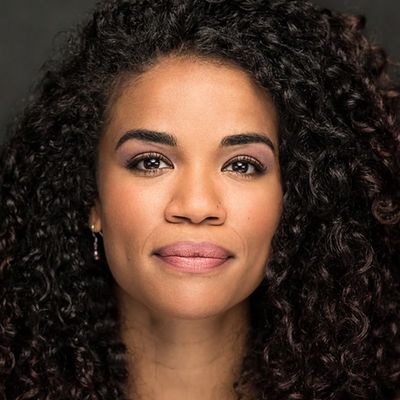
In this Artist Exploration, Britney Coleman, from the national tour of Company and Beetlejuice, chats with MTCA Director Charlie Murphy about: 🔴Britney’s journey into theater and majoring in musical theater. 🔴Her experience with A Very Potter Musical... Read More
From the show: Mapping The College Audition: An MTCA Podcast
Guests
Featured Shows
About
In this Artist Exploration, Britney Coleman, from the national tour of Company and Beetlejuice, chats with MTCA Director Charlie Murphy about:
🔴Britney’s journey into theater and majoring in musical theater
🔴Her experience with A Very Potter Musical
🔴Touring and making a role your own
🔴What it means to "bring yourself to an audition"
If you have any questions about the college audition process, feel free to reach out at mailbag@mappingthecollegeaudition.com. If you’re interested in working with MTCA for help with your individualized preparation for your College Audition journey, please check us out at mtca.com, or on Instagram or Facebook.
Follow Us!
Instagram: @mappingthecollegeaudition
YouTube: @MTCA (Musical Theater College Auditions)
TikTok: @mtcollegeauditions
Charlie Murphy:@charmur7
About MTCA:
Musical Theater College Auditions (MTCA) is the leader in coaching acting and musical theater students through the college audition process and beyond with superlative results. MTCA has assembled a roster of expert artist-educators who can guide students artistically, organizationally, strategically, and psychologically through the competitive college audition process. MTCA provides the tools, resources, and expertise along with a vast and strong support system. They train the unique individual, empowering the artist to bring their true, authentic self to their work. MTCA believes that by helping students reveal their potential it allows each school to connect with those who are truly right for their programs, which in turn guides each student toward their best college fit.
About Charlie Murphy:
Charlie is a proud graduate of Carnegie Mellon University’s BFA program. As an Actor he has performed with theaters such as: NY Public Theatre’s “Shakespeare in the Park”, The Pearl Theatre Company, Hudson Valley Shakespeare Festival, Chautauqua Theatre Company, Kinetic Theatre Company, and the Shakespeare Theatre of DC.
With MTCA [Musical Theater College Auditions -- mtca.com], he has been helping prospective theatre students through the college process for over 15 years. As a Teacher and Director, he is able to do a few of his favorite things in life: help students to find their authentic selves as artists, and then help them find their best fit for their collegiate journey. Through this podcast, he hopes to continue that work as well as help demystify this intricate process.
This episode was produced by Kelly Prendergast and Socials by Jordan Rice. Episode theme music is created by Will Reynolds with Additional Vocals from Elizabeth Stanley
Transcript
This transcript was automatically generated and might contain errors.
[0:00] Charlie Murphy: Hello, hello, and welcome to Mapping The College Audition. I'm your host, Charlie Murphy, Director of MTCA. That's Musical Theatre College Auditions. Check us out at mtca.com. And today we've got Britney Coleman on the pod. For our newer listeners, these artist exploration episodes, we aim to explore the past, the success that artists have forged and are still forging, and tease out how their theatrical training helped them to blaze that trail. This was a fun episode. It was my first time meeting and chatting with Britney. Didn't stop me from putting her through the gauntlet of identity and how you discover your identity that I did with Sarah Ford. And coming up in just a few weeks, we're going to do the same with the inimitable Marcus Crawford Guy of MTCA fame before putting to bed this little runner, which I've enjoyed.
I hope you've enjoyed it as well. I hope you found these conversations helpful. You know, I know they're a little intellectual and maybe they can feel a bit vague as we talk about things like self-discovery, but I just didn't want the fact that it was hard to be a reason that we shied away from it. We are in year five of this podcast. We can do hard things. We're going to try to do hard things. Speaking of hard and big things, this weekend, we wrapped up our private audition weekend with six awesome schools alongside our junior college experience. It was all a big hit. I had a blast. It was so great seeing so many of you. Thank you to the kind parents and students who came up to me and told me they were fans of the pods.
It means so much to me. I had a few students come up to me as they were walking to their auditions and say like, you're in my headphones right now. I'm listening to you. As they were like very smartly, I think listening to part of an episode with a faculty member that they were literally about to walk into the room and then audition for that very faculty member was true. All six of these schools. And I think, you know, part of the intention of the pod is a great way to feel really comfortable, not only knowing the vibe of a school, but then knowing the vibe of a little person. You know, we always talk about like, they're just people behind the table. What a great way for them to feel like a real person when they're in your ears.
And then you're going to go have a conversation with them. And I will say so many parents came up to me. Thank you to the parents. It's very sweet. Many of you thanked me for the podcast as a resource in general. And it's always exciting for me as the years pass to hear about the longevity of some of you listening. One of our junior parents, right after the junior college experience meeting said she'd been listening for four years already. And I was like, wait, so your child was in seventh grade, literally. So that's amazing, but it's awesome. It's one of the fun things as we talk about this podcast going into its fifth year, I guess it'll be its sixth year, technically, as we get into 2026.
It's really cool to be able to see that longevity. So a big thank you to all of you out there for listening, for recommending to your friends, for rating and reviewing us when you do that. All of it really helps us stay relevant and helps me continue to pump out this very content that so many of you want. Speaking of content, next week, we are going to do a special takeaways only kind of episode. It's your favorite kind. Oops, all takeaways. I think it's essentially going to be basically a long audio blog, and it's going to kind of double with the blog that I'm writing this month. But I hope I'll be able to expand a bit in the episode. We may do a little bit more things. We'll see. We'll see as we record that.
But I'm going to try to record that before I take off for Chicago, where I'll be visiting in-laws over the break. And then we'll be back for New Year's and beyond as we get into 2026. I'm wishing all of you the most wonderful holiday seasons. Hope you've enjoyed it so far and you continue to enjoy it. And please enjoy this episode with Brittany Coleman.
[3:29] Charlie Murphy: Well, we are so excited to be joined by Brittany Coleman. Brittany has a BFA in MT from the University of Michigan, which she noted was overrepresented on our podcast. We know we are representing a couple of schools a little too much. We're sorry. We're doing it. She's been on Broadway in Sunset Boulevard, Tootsie, Company, Beautiful, the National Tour of Beautiful, Beetlejuice, and Company. Also, Kelly makes me mention in a very Potter musical, which Kelly says is a very big deal when she was in high school. It's a very, very big deal, which I believe her. Brittany, welcome to the pod. How are you doing?
[4:01] Britney Coleman: Hi, Charlie. I'm good. Thanks for having me.
[4:03] Charlie Murphy: I'm so excited to have you. I'm going to start you off with the same question that I start everybody off with, which is just, I read that brief bio of the Broadway and the National Tour credits, but like talk to me a little bit about like, I'd love to hear your journey up to, you know, let's say 16 years old, like sort of where you came from in the world, how you got into theater, like getting up to the place of when you were applying to colleges. What do we need to know about Brittany?
[4:28] Britney Coleman: Yeah. So I think important context is that I grew up in Ann Arbor, Michigan, which is the campus of U of M of Michigan.
[4:36] Charlie Murphy: Did you have a parent who worked for Michigan or literally on the college campus?
[4:40] Britney Coleman: So what happens when a lot of people go to Michigan is that they end up staying after they graduate. So that's what happened with my mom. She got her master's in social work there and decided to stay. And my dad is from Saginaw, Michigan. So yeah, they were working.
[4:54] Charlie Murphy: Saginaw Pride.
[4:57] Britney Coleman: So I am one of the many kids with parents who are alums as well. I think I'm actually the third generation. I have a great aunt who also went there. Anyway, being on a college campus, growing up, just means we have access to a lot of amazing things in terms of the arts coming through and academics. Everyone is competitive in an academic sort of way. We take the school for granted. I think that goes across the board with any college town. It's like kids don't realize what they have access to.
[5:30] Charlie Murphy: How special it is. And was it for you, Michigan, or from 16, 15, 14, were you just like, well, that's where I want to go. My parents went there. That's where I'm going to go.
[5:37] Britney Coleman: No, not necessarily. Well, Michigan was the fallback school for everyone, whether they wanted to be doctors or lawyers or whatever. Everybody kind of wanted to get out. And it took me getting into the school and having calls from professors being like, hey, we only accept a handful of people. Do you know how many people auditioned? Like, X, Y, Z. Oh, wow. I actually had no idea. But going way, way, way back, my dad is the musician side of the family. He's one of 10. He's a pastor's kid. And so all of his siblings sang and played instruments in the church. So yeah, he was the drummer. And he also sings. He has an amazing voice and a little bit of a recording career. And yeah, so that's kind of that side of the family.
I was a very shy kid growing up, very intimidated, especially by that side of the family. So thankfully, my teachers in elementary school, one in particular, when he got there, I think I was in third grade, he was our new music ed teacher. His name was Jeff Willits. I always talk about him because he was the one who literally pulled me out of the chorus and said, hey, do you know you can sing? We're doing this 45-minute version of Secret Garden for children, and you should be Mary. And I was like, wow, I had no idea. I was just I was so shy. And then the minute he pulled me out and kind of got me into what that is in terms of theater and just taking up space on stage, I was hooked. So then I did every school show after that.
[7:11] Charlie Murphy: And did you know pretty early on how you want to pursue this to the college level?
[7:15] Britney Coleman: No, no, no, because I was also really heavy into academics and stuff too, and orchestra. I play violin.
[7:27] Charlie Murphy: Yep. For those watching the video, there's many instruments on the wall behind Brittany. Uke, mandolin, guitar over there.
[7:34] Britney Coleman: Yeah. So it really took me having to choose what colleges I was applying to junior year to be like, what did that college list look like? Because we determined, at least you tell me, I pin the nail on the donkey in terms of your age. So you're a pretty young guest compared to a lot of our people who've gone through this when it was a different process. I mean, you would have gone through this process, at least musical theater wise, not that dissimilar to some of our students today in terms of the, you would have had pre-screens, right? You would have had a couple of pre-screens.
[8:00] Britney Coleman: Oh, I was kidding about my age.
[8:05] Charlie Murphy: Oh, are you much older actually?
[8:11] Britney Coleman: Yeah, I'm pre-pre-screen days.
[8:16] Charlie Murphy: Pre-pre-screen days. That's as much as we're going to age Brittany on this podcast is pre-pre-screen days. I said, I was like, she's like 26, 27. I was like, okay, great.
[8:26] Britney Coleman: No, no, no, no, no, no, no. I missed the pre-screen days. And I'm also happy to say Michigan didn't have a cut program, but at the time CCM did and a couple of other schools.
[8:31] Charlie Murphy: Oh yeah. Okay. So now you're aging yourself much closer to my own age. I missed the cuts. I missed the pre-screens. I'm so happy. I feel like I'm so often have a dry sense of humor and people miss my own sarcasm or my, I'm like, no, obviously I was getting there. That's very funny to have it happen to me, to see what it feels like. But okay, fine. So we're not going to talk about pre-screens, but talk to me, what was your journey in terms of like, what were the schools we were looking at? Were you looking at only musical theater schools? Did you look at academic programs to just academically? What was the list for Brittany?
[9:00] Britney Coleman: Yeah, it was important to me to be at like a non-conservatory style school. But also I literally, I applied to colleges and MT programs that an upperclassman of mine had also applied to because I had no idea what I was doing. I was doing like, you know, I was taking tap dance lessons on the side. I didn't, I don't think I did maybe two musicals in high school tops. So like most of it is straight theater. Then all the orchestra stuff. So I was like, Oh, musical theater is a thing. I can just combine everything. You know what I mean? Like very naive of me, but I just went off a list. I think it was CMU, Michigan, Ithaca, NYU, Northwestern.
[9:52] Charlie Murphy: So yeah, you would know more about CMU than I would, but that's also, it's not a conservatory, right?
[9:58] Britney Coleman: CMU is a conservatory.
[10:03] Charlie Murphy: CMU is very conservatory-like, but you, for the most part, NYU, Northwestern, much more academic schools on there. I mean, CMU is always that weird example where it's like such an academic school that it feels like it shouldn't be a conservatory. It doesn't feel like it's Juilliard or whatever, but in terms of the actual academics of it, it's very conservatory-like. But that leads me to that question. So at Michigan now, were you a taker advantage of the double major possibility? Did you do a minor? Did you do some of the academics? Did you really feel like, Hey, I sucked up some of the academics that Michigan offers beyond the musical theater?
[10:26] Britney Coleman: Yeah. So that's a requirement for sure. In terms of getting your degree there is just making sure that your academics are covered. I actually ended up testing out of a lot of my requirements, like my language and my math and science. So then that left me to explore what else the university had to offer. So I took English classes and psychology and maybe a semester or two of Italian. But it was more exploration. It wasn't like, Hey, I'm getting a double major in psych or whatever. It wasn't like that. Exactly.
[11:01] Charlie Murphy: Yeah. I was just kind of generally across the board. Cool. And it seemed like, and now this course, now I'm understanding your age much better, given that you would have done this with Darren and Chris, but it seemed like also got a chance to create a musical that was in college. You did that. Is that true?
[11:12] Britney Coleman: Yeah. So they had a really strong student-run theater organization. We called it Basement Arts and it was fully produced by students, designed, directed, kept, lit, all of that stuff. And I, you know, luck and timing is everything, but I was there. Let's see, all these guys would have been seniors. So I think I was a sophomore. I was a sophomore at the time. And yeah, they had the Lang brothers, we call them. They were the writers of our show. They had already done a Lord of the Rings parody and they wanted to do a Harry Potter parody and it got me swept up in that.
[11:47] Charlie Murphy: How did it become so popular? Was it, was it YouTube at the time that made it a huge national thing?
[11:59] Britney Coleman: So a very, well, it was called Harry Potter, the musical at the time. And then, you know, the lore is that we got a cease and desist from Warner Brothers once it became popular on YouTube, but our recording of that, we recorded it because we couldn't fit our family and friends into the shows. We added performances. It was in our little
[12:20] Britney Coleman: One of our classroom spaces that turns into, well, you know, you pull out the risers and like, ta-da, it's a theater. It's a black box theater. We just couldn't, we didn't have the space for everyone to see it that wanted to see it. So we filmed it and we put it up on YouTube. And I think it's one of the first like live filmed theatrical shows that went viral on YouTube. Yeah, it kind of went insane. And kind of unique, I feel like for Michigan in the like, it seems like that model and again, Michigan is kind of unique school in the like, the amount of academics you take while still having what could feel like conservatory level classes from a musical theater perspective. Because I would say that's not unique to have like the student run theaters.
If you're at Vassar or you're at Northwestern, you're at those kind of places where there's not the intensive musical theater training, but it's cool to kind of, that you get a little both, but there really is still like, CMU does not have that. We have like, there's such like, there's a scotch and soda, but it's for like non-majors. None of the musical theater people are like doing the like, you know, fun student run groups because we're like in the musicals and in the plays at the conservatory. That's so interesting.
[13:28] Charlie Murphy: Yeah. The best part about our student thing was that it wasn't just MTEs. It was like actually mostly straight theater folks. So they're bringing in their own perspective on it. Their true fearlessness. Cause I feel like MTEs, and I don't know if it's the same nowadays, but especially when I was at school, like we're a little tightly wound in terms of respect for the craft. But like when straight theater majors sing, there's like a sense of abandonment and it's, it's so fun. I wish that that translated more into like our kind of Broadway sphere.
[14:02] Britney Coleman: Oh, that's such a good way to put it. I do feel like with our students today, both the actors and the MTEs could use a little more of that fearlessness. I feel like that was so common in, I'm going to say our era now, cause we're close enough in age I'm discovering, that like there was especially, it would be especially the non-MTE actors. The MTEs definitely more concerned with beauty, but there was an abandon of like, it was almost like a pride in like, I'm okay if it's a little ugly. I'm okay if it's messy. The messiness is almost the point of it. Like that, I feel like that's hard now for this generation acting and musical theater because of Instagram, because of TikTok, because you know, there's, you could have done the very Potter musical, not knowing that YouTube was going to make it into a hit. But I do think there's a conscientiousness now of like, if this is being filmed, this could go viral. And so it's that much harder to be messy and to be open to all those things.
[14:49] Charlie Murphy: Exactly. So the timing of it was incredible. It was just, it was so dumb. It was so low budget. It was so great. And then we did it like a sequel the next year and we could tell like, oh, okay. We upped our budget for the set so that it looks good on camera. Oh, we've got a costume budget now. Oh, okay. Okay. Well, Kelly will be proud of us. We talked about the very Potter musical, which is what she wanted. Talk to me a little bit about post-college. So how is the graduation into showcase into those first couple years navigating? Did you move right to New York? How was that experience of now, your journey to success and all the things that you're doing now?
[15:10] Britney Coleman: Yeah. So I, let's see, we showcased, which was great and a very important step, I think, in entering kind of the whole New York market.
[15:37] Charlie Murphy: Did you get an agent right out of showcase?
[15:44] Britney Coleman: I did. Yeah, I did. Yeah. I sang Fame. Heck yes. It was a great setup. We had all the dancers do, you know, 30 seconds of like heavy lifts and like tourjetes and like explosive dancing. And then I just got to walk out and it was a park and park and they lifted me up and it was like very tongue in cheek. And I think that's why it kind of made it successful in kind of that same kind of Starkid way of like, I'm here, but we're, are we taking this seriously? I don't know. You tell me. So that was fun. So I've actually been with the same agents ever since, you know, I can't say, can I say the amount of time? I actually don't even know how long it's been.
[16:18] Charlie Murphy: No, and nor do you ever need to, you can play 25 to 45 and you should enjoy that for as long as you can, whatever the wider the range is.
[16:28] Britney Coleman: I feel like as I get older, the range gets wider, you know?
[16:32] Charlie Murphy: Exactly. Range. We love range.
[16:37] Britney Coleman: Yeah. And so then what was that first big hit for you? How soon after school was that where you're going now I'm hitting that, whether it's the first big tour or the first big Broadway thing, or the first thing where you go, Hey, I feel like I'm on the map.
[16:44] Britney Coleman: Yeah. Well, first I had to get my union card. So I was doing Summer Stocks, the two summers previous to graduating at a wonderful theater in Indiana called a wagon wheel theater. It's in the round. And they, they do like a handful of guest artists contracts, but like most of us are non-union and it is truly like we rehearse for a week. We open the show the next day we start rehearsals for the next show. And it was a wonderful training ground in terms of stamina for us. So that was, that was intense. So I showcase and then went right to Indiana to do that season. And then I came back and yeah, pretty much hit the ground running for auditions and everything. I did one non-union show at the old St. Ann's warehouse before they tore it down and moved it across the street.
And that was cool. I'm still friends with a lot of those girls. It was a Karen O show, Karen O of the yayayas and Adam Rapp, who's Anthony Rapp's brother wrote it. Adam is an incredible playwright. He directed it. It was the strangest fever dream of a show. They ended up taking it to Australia afterwards. And then I could not go because I was getting my equity card doing Into the Woods. That was at Baltimore Center Stage and oh, Westport Country Playhouse.
[18:01] Charlie Murphy: Yeah.
[18:06] Britney Coleman: I mean, you're describing it as a pretty typical, I mean, in some ways, not always actually typical, but it's sort of standard. Like I did the non-union show and then I did the regional gig. It wasn't like, Hey, I graduated in Broadway a year later. But you're building up, you're getting your equity card, you're working regionally. How many years before we're going to hit the first Broadway show?
[18:23] Britney Coleman: Took me maybe four years to do Broadway. Yeah. I mean, it's both very quick in the long run. It's amazing. That's your 26th year doing a Broadway show, but also awesome in terms of the buildup to it, in terms of the, that isn't also a long time in some ways, four years to be building and doing regional work. And it's both, right?
[18:42] Charlie Murphy: It was a lot of, yeah, it was a lot of regional gigs, which were great. Cause it's all, I was doing all like principal stuff. I'm not, I'm not a dancer. So that limits me in terms of ensemble work that I can do. So it was all like principal stuff, which was great. And met a lot of people who then I ended up circling back with back on Broadway too. It's kind of, it's really interesting kind of looking, looking back on like, wow. Okay. So that's where those people were in their lives when they were working that regional gig. I see. Okay. And connecting all those dots. That's so cool.
[19:16] Britney Coleman: Do you remember any, any favorite audition stories, whether good or bad in terms of those early years? Were there any like, Oh my God, amazing here. I booked this or God, I blew this audition.
[19:24] Britney Coleman: Well, yeah. I mean, I remember right after showcase as I was meeting with agents, they also called me into come in for sister act. There it is. That's where we can really land the date. Um, uh, they were casting, uh, maybe covers. Uh, and I just remember like having my like backup showcase clothes in there with me and like having the sides of my hands, my hands literally shaking as I'm trying to sing that song. Oh, it was awful. It was awful. But like, I knew I was just like, okay, this is, this is where I'm at mentally in this place right now. Like we're okay. We're okay. Keep on tracking along.
[20:11] Charlie Murphy: I think helpful for people to hear. And we'll talk about this a little bit in the second half, we'll talk about sort of identity and self-discovery and kind of the journey of who you are of like, just to hear that, like somebody who is capable of being the lead and leading a national tour of company or whatever. So I mean, that is not a, a small lift of what you're capable of doing, but still knowing like even someone like that, who ultimately has that ability that your body can portray you in that way. I think sometimes people, when they have that experience, they go, well, I guess I'm not cut out for it. I guess if I was really an actor, I'd be stepping up in this moment or my body wouldn't be betraying me in that way.
But it's like, we all have those experiences. We all have a moment where you go, man, I botched that one, man. That was not for whatever reason, I wasn't in a place to have that good audition, but then obviously you're going to have some great ones coming up. Imagining you did not book the sister act while shaking like a leaf.
[20:59] Britney Coleman: Oh, absolutely not. No, because I think they also kind of squeezed me into callbacks too. So it was like, I was dancing with just like a handful of girls and like, you can prepare as much as you can for, you know, that kind of situation, especially through school, through class, through coaching, but you'll always have your first experience. And that was my very first audition for Broadway.
[21:20] Charlie Murphy: Yeah. Yeah. It's definitely a different level of nerves. It just feels, when you know it's real in that way, it's a different level. I mean, we talk about the first college audition too. It's like the first time it's real, it's just a little more nerve wracking than even if you prepared for it, even if you know it's coming, the stakes are there. Do you remember the first great one, the one where you booked one? Is that Sunset Boulevard first? I'm not sure in terms of the order of it all.
[21:39] Britney Coleman: Yeah. So funny enough, I had done the tour of Beautiful. I can't remember if that audition overlapped with tour. I think it happened right after. But anyway, same producers, same producers of Beautiful, the Carole King musical and Sunset Boulevard. So I remember walking into my final callback for Sunset and seeing familiar faces behind the table. And that made me relax immediately. And I was like, Oh, okay, wait, we're actually going to have fun here.
[22:09] Charlie Murphy: You've already been cast by these people.
[22:13] Britney Coleman: Yeah, yeah. Yeah, exactly. So that was like a nice kind of like wind in my sails. Like everything's probably going to be okay and just have fun with it in the room kind of thing.
[22:22] Charlie Murphy: And then tell me a little bit about the company experience. We mentioned that you did it with Lisi is one of our coaches, also a podcast guest. She was on as well doing the tour. I mean, yeah, what a role that is. I mean, that's for forever. My wife talked about like, that would be the dream to play Bobby. It's just like what that experience is. So what was the experience of now actually playing it? I mean, what? How was it?
[22:35] Britney Coleman: It was, it was just crazy. It was so interesting, because I had done the Broadway production too. So I saw...
[22:51] Charlie Murphy: And were you covering that? Or you were actually playing Bobby on Broadway?
[22:57] Britney Coleman: So I really kind of saw that role through kind of Katrina's lens first, and just seeing how that show got put together. And yeah, I was just, I was like watching everyone like a hawk during that, that process, because it wasn't easy. It's like a, it's a hard show to do. It's a beloved show. And people have a lot of opinions about it. And so I, you know, I first caught on to that in New York. And I was like, this is, this is interesting. And it's really interesting to watch people adjust their way through it. But like, ultimately, it was a wonderful kind of production to be a part of, but also just watch from, from start to finish. And so I took a lot of that with me into tour, which like is great, but also probably a fresh perspective would have been helpful too. I think with that process.
[23:49] Charlie Murphy: Yeah. How do you make that journey from having studied somebody who obviously is not identical to you in a lot of ways? Like, how do you then make Bobby your own? How do you then go, okay, well, this is my, but now as I'm taking it over, it's a little different maybe when you're stepping in and playing the role within a production that's already established. But now when you're like, I'm, I'm going out and I'm on the tour, and this is my Bobby, like, were there things you did to actively differentiate or to actively reshake the etch-a-sketch so that you can go, okay, this is, we're keeping what worked, but also here's how, what I want to do.
[24:15] Britney Coleman: Yeah, for sure. I think what I learned is that like, Bobby can fall pretty flat just in general, if you're not bringing your whole self as an actor and as a person, as a whole human being to that role. And so where I had the most fun and what I thought was the most interesting was, was when I could just let kind of my as.
[24:39] Britney Coleman: From the National Tour of *Company* and *Beetlejuice* on bringing yourself to the table.
[25:09] Britney Coleman: From the National Tour of *Company* and *Beetlejuice* on bringing yourself to the table.
[25:39] Britney Coleman: From the National Tour of *Company* and *Beetlejuice* on bringing yourself to the table.
[25:49] Britney Coleman: From the National Tour of *Company* and *Beetlejuice* on bringing yourself to the table.
[25:59] Britney Coleman: From the National Tour of *Company* and *Beetlejuice* on bringing yourself to the table.
[26:09] Britney Coleman: From the National Tour of *Company* and *Beetlejuice* on bringing yourself to the table.
[26:39] Britney Coleman: From the National Tour of *Company* and *Beetlejuice* on bringing yourself to the table.
[26:49] Britney Coleman: From the National Tour of *Company* and *Beetlejuice* on bringing yourself to the table.
[26:59] Britney Coleman: From the National Tour of *Company* and *Beetlejuice* on bringing yourself to the table.
[27:09] Britney Coleman: From the National Tour of *Company* and *Beetlejuice* on bringing yourself to the table.
[27:19] Britney Coleman: From the National Tour of *Company* and *Beetlejuice* on bringing yourself to the table.
[27:27] Britney Coleman: From the National Tour of *Company* and *Beetlejuice* on bringing yourself to the table.
[27:37] Britney Coleman: From the National Tour of *Company* and *Beetlejuice* on bringing yourself to the table.
[27:47] Britney Coleman: From the National Tour of *Company* and *Beetlejuice* on bringing yourself to the table.
[27:57] Britney Coleman: From the National Tour of *Company* and *Beetlejuice* on bringing yourself to the table.
[28:07] Britney Coleman: From the National Tour of *Company* and *Beetlejuice* on bringing yourself to the table.
[28:17] Britney Coleman: From the National Tour of *Company* and *Beetlejuice* on bringing yourself to the table.
[28:27] Britney Coleman: From the National Tour of *Company* and *Beetlejuice* on bringing yourself to the table.
[28:37] Britney Coleman: From the National Tour of *Company* and *Beetlejuice* on bringing yourself to the table.
[28:47] Britney Coleman: From the National Tour of *Company* and *Beetlejuice* on bringing yourself to the table.
[28:57] Britney Coleman: From the National Tour of *Company* and *Beetlejuice* on bringing yourself to the table.
[29:07] Britney Coleman: From the National Tour of *Company* and *Beetlejuice* on bringing yourself to the table.
[29:17] Britney Coleman: From the National Tour of *Company* and *Beetlejuice* on bringing yourself to the table.
[29:27] Britney Coleman: From the National Tour of *Company* and *Beetlejuice* on bringing yourself to the table.
[29:37] Britney Coleman: From the National Tour of *Company* and *Beetlejuice* on bringing yourself to the table.
[29:47] Britney Coleman: From the National Tour of *Company* and *Beetlejuice* on bringing yourself to the table.
[29:57] Britney Coleman: From the National Tour of *Company* and *Beetlejuice* on bringing yourself to the table.
[30:07] Britney Coleman: From the National Tour of *Company* and *Beetlejuice* on bringing yourself to the table.
[30:17] Britney Coleman: From the National Tour of *Company* and *Beetlejuice* on bringing yourself to the table.
[30:27] Britney Coleman: From the National Tour of *Company* and *Beetlejuice* on bringing yourself to the table.
[30:37] Britney Coleman: From the National Tour of *Company* and *Beetlejuice* on bringing yourself to the table.
[30:47] Britney Coleman: From the National Tour of *Company* and *Beetlejuice* on bringing yourself to the table.
[30:57] Britney Coleman: From the National Tour of *Company* and *Beetlejuice* on bringing yourself to the table.
[31:07] Britney Coleman: From the National Tour of *Company* and *Beetlejuice* on bringing yourself to the table.
[31:17] Britney Coleman: From the National Tour of *Company* and *Beetlejuice* on bringing yourself to the table.
[31:27] Britney Coleman: From the National Tour of *Company* and *Beetlejuice* on bringing yourself to the table.
[31:37] Britney Coleman: From the National Tour of *Company* and *Beetlejuice* on bringing yourself to the table.
[31:47] Britney Coleman: From the National Tour of *Company* and *Beetlejuice* on bringing yourself to the table.
[31:57] Britney Coleman: From the National Tour of *Company* and *Beetlejuice* on bringing yourself to the table.
[32:07] Britney Coleman: From the National Tour of *Company* and *Beetlejuice* on bringing yourself to the table.
[32:17] Britney Coleman: From the National Tour of *Company* and *Beetlejuice* on bringing yourself to the table.
[32:27] Britney Coleman: From the National Tour of *Company* and *Beetlejuice* on bringing yourself to the table.
[32:37] Britney Coleman: From the National Tour of *Company* and *Beetlejuice* on bringing yourself to the table.
[32:47] Britney Coleman: From the National Tour of *Company* and *Beetlejuice* on bringing yourself to the table.
[32:57] Britney Coleman: From the National Tour of *Company* and *Beetlejuice* on bringing yourself to the table.
[33:07] Britney Coleman: From the National Tour of *Company* and *Beetlejuice* on bringing yourself to the table.
[33:17] Britney Coleman: From the National Tour of *Company* and *Beetlejuice* on bringing yourself to the table.
[33:27] Britney Coleman: From the National Tour of *Company* and *Beetlejuice* on bringing yourself to the table.
[33:37] Britney Coleman: From the National Tour of *Company* and *Beetlejuice* on bringing yourself to the table.
[33:47] Britney Coleman: From the National Tour of *Company* and *Beetlejuice* on bringing yourself to the table.
[33:57] Britney Coleman: From the National Tour of *Company* and *Beetlejuice* on bringing yourself to the table.
[34:07] Britney Coleman: From the National Tour of *Company* and *Beetlejuice* on bringing yourself to the table.
[34:17] Britney Coleman: From the National Tour of *Company* and *Beetlejuice* on bringing yourself to the table.
[34:27] Britney Coleman: From the National Tour of *Company* and *Beetlejuice* on bringing yourself to the table.
[34:37] Britney Coleman: From the National Tour of *Company* and *Beetlejuice* on bringing yourself to the table.
[34:47] Britney Coleman: From the National Tour of *Company* and *Beetlejuice* on bringing yourself to the table.
[34:57] Britney Coleman: From the National Tour of *Company* and *Beetlejuice* on bringing yourself to the table.
[35:07] Britney Coleman: From the National Tour of *Company* and *Beetlejuice* on bringing yourself to the table.
[35:17] Britney Coleman: From the National Tour of *Company* and *Beetlejuice* on bringing yourself to the table.
[35:27] Britney Coleman: From the National Tour of *Company* and *Beetlejuice* on bringing yourself to the table.
[35:37] Britney Coleman: From the National Tour of *Company* and *Beetlejuice* on bringing yourself to the table.
[35:47] Britney Coleman: From the National Tour of *Company* and *Beetlejuice* on bringing yourself to the table.
[35:57] Britney Coleman: From the National Tour of *Company* and *Beetlejuice* on bringing yourself to the table.
[36:07] Britney Coleman: From the National Tour of *Company* and *Beetlejuice* on bringing yourself to the table.
[36:17] Britney Coleman: From the National Tour of *Company* and *Beetlejuice* on bringing yourself to the table.
[36:27] Britney Coleman: From the National Tour of *Company* and *Beetlejuice* on bringing yourself to the table.
[36:37] Britney Coleman: From the National Tour of *Company* and *Beetlejuice* on bringing yourself to the table.
[36:47] Britney Coleman: From the National Tour of *Company* and *Beetlejuice* on bringing yourself to the table.
[36:59] Britney Coleman: From the National Tour of *Company* and *Beetlejuice*, I think one of the biggest things that I learned in my journey is that you really have to bring yourself to the table. You have to be authentic and true to who you are, and that’s what makes you unique as an artist.
[37:29] Britney Coleman: I remember when I was auditioning for different programs, I was always told to just be myself, but it took me a while to understand what that really meant. It’s about embracing your individuality and not trying to fit into a mold that you think others want you to be in.
[37:49] Britney Coleman: When I was in *A Very Potter Musical*, that was a huge turning point for me. I was able to explore my comedic side and really let my personality shine through. It taught me the importance of being versatile and open to different styles of performance.
[38:09] Britney Coleman: Touring has also been an incredible experience. It’s one thing to perform in a theater where you’re familiar with the space, but when you’re on the road, you have to adapt to new environments and audiences. It challenges you to make the role your own every single night.
[38:29] Britney Coleman: I think that’s a big part of what it means to bring yourself to an audition as well. You have to show the casting directors who you are and what you can uniquely offer to the role. It’s not just about hitting the right notes or delivering the lines perfectly; it’s about infusing your personality into the character.
[38:49] Britney Coleman: I’ve learned that the more you can connect with the material and make it personal, the more impactful your performance will be. It’s about finding that balance between honoring the text and bringing your own flair to it.
[39:09] Britney Coleman: I remember one audition where I decided to take a risk and add a little bit of my own humor to the piece. It was scary, but it paid off because the panel responded positively to my authenticity.
[39:29] Britney Coleman: I think that’s a lesson for anyone going through the audition process. Don’t be afraid to take risks and show who you are. It’s what sets you apart from everyone else.
[39:49] Britney Coleman: And even when you face rejection, it’s important to remember that it’s not a reflection of your worth as an artist. Sometimes it’s just about finding the right fit, both for you and for the production.
[40:09] Britney Coleman: So, I encourage everyone to embrace their uniqueness and bring their true selves to every audition. It’s a journey, and every step is an opportunity to learn and grow.
[40:29] Britney Coleman: Whether you’re just starting out or you’re a seasoned performer, remember that your individuality is your greatest asset.
[40:49] Britney Coleman: I’ve seen firsthand how powerful it can be when you let your true self shine through in your work. It resonates with audiences and creates a deeper connection.
[41:09] Britney Coleman: So, as you navigate your own audition journeys, keep that in mind. Bring your authentic self to the table, and don’t be afraid to let your personality shine.
[41:29] Britney Coleman: That’s what will ultimately make you stand out and succeed in this industry.
[41:49] Britney Coleman: And if you ever feel lost or unsure, just remember that you’re not alone. There are so many resources and people out there who want to help you find your way.
[42:09] Britney Coleman: Reach out, ask questions, and don’t hesitate to seek guidance. It’s all part of the process.
[42:39] Britney Coleman: I’m grateful for the experiences I’ve had and the lessons I’ve learned along the way. They’ve shaped me into the artist I am today, and I hope to inspire others to embrace their journeys as well.
[42:59] Britney Coleman: So, keep pushing forward, stay true to yourself, and remember that every audition is a chance to grow and learn.
[43:19] Britney Coleman: Thank you for having me on this podcast. It’s been a pleasure sharing my journey and insights with you all.
[43:39] Britney Coleman: I hope you found something valuable in our conversation today.
[43:59] Britney Coleman: And I look forward to seeing how each of you brings your unique selves to the stage in the future.
[44:19] Britney Coleman: Break a leg out there!
[44:39] Britney Coleman: And remember, you’ve got this!
[44:59] Britney Coleman: Thank you!
[45:19] Britney Coleman: From the National Tour of *Company* and *Beetlejuice*, I’m Britney Coleman, and I’m excited to see where your journeys take you.
[45:39] Britney Coleman: Keep shining!
[45:59] Britney Coleman: And don’t forget to bring yourself to every audition.
[46:19] Britney Coleman: It’s what makes you special.
[46:39] Britney Coleman: Thank you!
[46:59] Britney Coleman: I appreciate the opportunity to share my story.
[47:19] Britney Coleman: And I hope it resonates with you all.
[47:39] Britney Coleman: Remember, you are enough just as you are.
[47:59] Britney Coleman: So go out there and show the world what you’ve got!
[48:19] Britney Coleman: Thank you for listening!
[48:39] Britney Coleman: I can’t wait to see what you all accomplish.
[48:59] Britney Coleman: Until next time!
[49:19] Charlie Murphy: talked about the college process but how much harder it is than anything else you're going to do in your professional career. The way you could tell, Britney was like, I haven't had to do this in a while. I haven't had to think like this in a while. The same would be true of a lot of things in this process. If you ask the professional actor to do a monologue other than occasionally — like a Shakespearean actor probably has a speech that they know and might have done a speech for a Shakespeare season if they're auditioning for multiple plays — but it's really pretty rare that you're going to do a monologue in your career. It's mostly about sight. So most of those most professional actors, that's a 30-year-old actor, they would not be nearly as strong as a 17-year-old or a college student in like pulling out a monologue that they deeply worked on or any of those things.
And the same is really true with all these questions of identity, right? We really ask you all at this age to like wrestle with these questions and like pick these paths in your life and then you may or may not be forced to do it ever again in your career. You might. Some people really go through these crises of identity or really choose to do this deep introspection and many adults really don't after 17, 18, 20, whatever that age is. You know, it's really tricky because we are asking you to be engaged with this question of who you are, but especially at this age, we really don't need you to have it like ready to go with the shellacked answer, right? We don't want you to be like, I am exactly this.
I am these three things. This is my dating profile, right? Just like with your prepared artistic material, you want to be incredibly prepared, but you want to be prepared and flexible, not rigid, right? You don't want to say this is my monologue. It's going to go exactly like this. You still want to feel alive in the asking and the answering of the question of who you are and then like continually discovering and curious, right? It's really cool if it feels like the way you're answering the question is like right now on Saturday at 17 years old, I think I am this as opposed to like, I know I'm this, I've always been this and I'll always be this, right? We want somebody who knows who they are, but really we want someone who like has a sense of what is authentically true about them more than like I know all of the answers about me.
And what's also tricky about this, I'm making it sound like you're going to be explicitly asked this question. You will rarely be asked this question directly. I mean, it could happen. They're like, Hey, tell me about yourself, right? But rarely are they going to say, Charlie, who are you? Right? The way that we might do this directly at an MTC interview, all of these aspects of your audition, it's that they're implicitly asking you this question, not they're actually literally asking it, but they're implicitly doing it, whether it's in questions of material, what have you chosen to bring in for me is a version of telling me who you are or in how you answer almost every interview question is a version of who are you, right?
When they say, Hey, why do you want to go to Carnegie Mellon? Why do you think you're a good fit for Carnegie Mellon? So much of that is like, who are you? Who are you? That would be a good fit for Carnegie Mellon. Both do you know something about our school and also tell me something about yourself and how you think you might fit, right? It's, it's this question again and again in so many different forms, but almost always implicitly, the reason that I think it's helpful to explicitly answer the question for yourself is that I do think it's helpful for all of that information to be springing from this informed and thoughtful place, as opposed to feeling like, well, now answer this way, now answer this way.
And that there's not like a cohesive truth behind it. Okay. That was one long part. We're going to do a couple of quick, tiny, quick hitters. We'll see how fast we can do it. And then I have one more longer thing I want to talk about. I just wanted to note at the very beginning of the interview, I mentioned this idea of school over-representation, right? This is something we talk about in next week's episode. So teaser for that. But also I do just want to say, it is not a conscious choice that we want to represent Michigan so much or Carnegie Mellon so much, or some of the schools that we have, right? Or any, any of the truth, there's more schools than that, that we would say we have over-represented to some extent on the pod.
I do also think it is helpful information that without trying and just grabbing interesting and successful actors, which for the most part, ever since season one, season one, I really tried to be a little conscious with scholastic diversity. And since then I've been like, let me just find interesting people who have interesting conversations, but it's worth noting that I have naturally over-represented certain schools, right? I will say Broadway and the industry at large obviously does that. They obviously do over-represent some schools at the highest level of profession, right? So there's a little teaser to next week's pod and it's all of what next week's pod will be about. So I will say no more on that, but listen in around Christmas or afterward.
We also, we've talked before, I just want to hit on the nerves of it all. I love that story about what Brittany talked about with her hands shaking and she felt like her body was betraying her. Really cool. You know, we talked about it this weekend. The reason I wanted to jot it down here is we talked about it this weekend at the kickoff meeting, where a student basically asked the question of like, how do I not be nervous? Asking our alumni students who had just gone through the process, how did you deal with nerves, right? And you will know if you're a regular listener that I'm a big fan of this idea of embracing your nerves, embracing your adrenaline, as opposed to expecting not to be nervous or trying to not be nervous, because you always will have some level of adrenaline, some level of what people call nerves.
And it likely will surge when you have auditions that are really important. Again, we talked about that before, but when it's the big Broadway audition, it's a big TV audition, whatever the big thing is, like it's likely going to feel more important and you're likely going to have a surge of adrenaline, right? So basically the goal is to learn how to harness and use that excitement instead of letting it overwhelm you, as opposed to trying to like prevent it from coming up at all, right? And then of course you do have to be kind to yourself when occasionally it naturally will spill over sometimes. Sometimes you are going to be more nervous than you want to be, even when you're good at riding the wave of your adrenaline, even when you really know what you're doing.
There are times in the same way athletes have this where there's a moment where the moment gets a little too big for them and then they learn and they adjust and the next time it's a little bit easier, right? So you can also be forgiving of yourself that you will get better even at that process of riding the wave of your adrenaline when it comes. It's something that Lisi talks about in her episode, and I wanted to mention Lisi. Lisi talks about the idea of how her vocal instrument especially feels different under different levels of adrenaline. She says, I come in like a tuba and I end like a violin or whatever, whichever the order was, right? And I just wanted to make sure we did, because we mentioned Lisi in this episode, she did company the tour with Britney and we have to give a huge shout out and congrats to her for having her baby earlier this month.
We gave some congrats at the private edition weekend, but I'm giving it all to you as well if you're listeners and fans of Lisi from that podcast episode. Just so cool for me to have so many friends and colleagues who are like making it work in the industry and also supporting families. Boy, it's hard as an artist, but boy, it is cool when you do it. So yay, yay, yay. You don't hear me mention it in this interview only because we filmed this interview weeks before it actually happened. We filmed in November and then she had her baby at the top of December, but we couldn't be happier for you, Lisi. Okay, and the last point I want to talk about is very obviously that idea of bringing you to the table.
So what we're talking about in all these runners, Britney mentions the idea of bringing you to the table. I really like that. I mean, it can feel a little bit cliche. It's certainly something we've heard many times, but if you think of it as an active bit of advice, meaning it's something that you have to actively do to bring yourself to the table, to bring your point of view to the table, and we've talked about this before, you know, when schools say, we want to see you, I think often they are commenting on the ways in which you hide from yourself by putting up masks. We've talked about that a lot before. And there are ways that you kind of, you show them what you think they want to see and it prevents us from seeing you.
We've certainly talked about that, right? Whether that's in material selection or performance choices, so much you can do that sort of plays it safe. You hide behind the idea of a character instead of bringing all of yourself, right? I think all of that, that discussion we've had before is something to be aware of. It's certainly going to be helpful for you to be aware of that, but also, and I think to Britney's point, to think about the positive version of what it is to bring you to the table actively. I talk about this a bit in that blog. I wrote a blog on sharing, not hiding. I think it's helpful for all of you this time of year, but I'll just add in that idea. What sometimes is missing when we play it safe is your full passion itself.
And I want to kind of define that a little bit more in terms of what I mean by your full passion itself. I'm using the word passionate for lack of a better word, but there is this thing that happens. If you really step on the gas in an audition, you really actively try to bring all of yourself, which necessarily includes your baggage and includes the things about yourself that scare you a little bit, but that only then do they really get a sense of you. That basically something different happens when you put the pedal all the way to the metal and we see all of you brought into the room. It's different than just the idea of, are you hiding or not hiding? You could be not hiding, but still not pressing the pedal all the way to the floor, right?
I sometimes use that phrase. I love it, though some people laugh at it, this idea of leave the room stinking like you. I want to leave the room really smelling like Charlie, right? And to leave a bit of your own scent, there's a different kind of presentness that is an active choice. It's like an aggressive active choice, right? And I'll say for me, and this won't be true for everyone because I think it works differently for different people in terms of how you do this process, but for me, I had to unlock and work through some fears of mine. I had to work through a fear of appearing arrogant. I had to work through this fear of like my own level of competitiveness. I'm afraid of some of my own levels of masculinity, my own sort of aggression, right?
And there's this like Charlie energy that I can bring to the table. Podcast listeners probably won't be shocked to hear this, that can intimidate some people and that I am a little bit afraid of, right? I have learned to be polite and I've learned to be inoffensive in life, just from like living in real society. And it is a very useful social skill that we all should have the ability to not always be your full unbridled self in every social situation. But as an actor, I had to find a way to let that go, right? There's a reason that I do so well in Aaron Sorkin material that I really connect to it, right? Not only do I enjoy that writing, but something unlocks for me in those characters because they're unafraid and unashamed of their intelligence and their arrogance, two things that I am really afraid of personally, right?
And that doesn't mean that I only have to play characters with qualities I'm afraid of. Of course not. This same advice of putting that pedal to the metal, that allows me to play characters that are vulnerable and that are emotional and that are grounded and subtle. But there's this thing of I'm going to bring the full range of human expression. To do that, I have to bring all of Charlie to the table and then choose what I'm going to highlight or not highlight, right? But I can't be hiding from it or be afraid of it, right? What I had to let go was the idea that I want the people behind the table to like me. Of course, we always want everyone to like us, right? But that especially that I wanted them to like me in this specific way that I was hoping I would, right?
You think about it, most of the time you walk into the room, most of the time I walk in a room, I want people to think I'm funny and that I'm nice and that I'm humble and that I'm handsome and all these other things that most other people want people to think about them, right? But if I bring my full self to the room, including the fullness of all my human experiences and some of those things that scare me a little bit, the arrogance, the competitiveness, the aggression, right? Then these people can actually meet the real me and then they can like me or dislike me as they will, right? But they're meeting me and not my representative, right? And the truth is many, I hope, and I think this is true, will still think I am humble and nice and all the things that will still happen.
It doesn't mean I have to let go of the possibility of that result, but I have to let go of the forcing of that result. If I'm trying to show them only this part of me, then they're missing out on getting the fullness of me, including some of those specific parts, right? It's this idea of like when you're forcing them in that direction, you're actually going to not achieve that result. But if you can simply bring all of yourself to the table and then trust them to interpret you as they will, that's their job. But your job is to bring the fullness of yourself to the table. It's like a good human skill in general. I think it is helpful at times in life for everybody, but it's really an essential skill for an actor.
All right, let's wrap there for another episode of Mapping the College Edition, produced by Megan Courtier and Kelly Prendergast with social media work by Jordan Rice. Please like and subscribe, rate and review wherever you can. Follow us at Mapping the College Edition on Instagram. Head over to mtca.com for information on how MTCA can help you with your individual college prep needs. To my young artists out there mapping their journeys, please trust that you're enough for the right program exactly as you are right now. Now keep striving. We'll catch you next week.
© Broadway Podcast Network, All Rights Reserved