

In this Artist Exploration, Broadway veteran and MTCA Coach Betsy Morgan and MTCA Director Charlie Murphy discuss: Betsy’s unique college audition experience. Her career and approach to the work. How she has grown into the person and performer she is today... Read More
From the show: Mapping The College Audition: An MTCA Podcast
Guests

Featured Shows


About
In this Artist Exploration, Broadway veteran and MTCA Coach Betsy Morgan and MTCA Director Charlie Murphy discuss:
Betsy’s unique college audition experience
Her career and approach to the work
How she has grown into the person and performer she is today
How teaching has shaped her acting and her life
If you have any questions about the college audition process, feel free to reach out at mailbag@mappingthecollegeaudition.com. If you’re interested in working with MTCA for help with your individualized preparation for your College Audition journey, please check us out at mtca.com, or on Instagram or Facebook.
Follow Us!
Instagram: @mappingthecollegeaudition
YouTube: @MTCA (Musical Theater College Auditions)
TikTok: @mtcollegeauditions
Charlie Murphy:@charmur7
About MTCA:
Musical Theater College Auditions (MTCA) is the leader in coaching acting and musical theater students through the college audition process and beyond with superlative results. MTCA has assembled a roster of expert artist-educators who can guide students artistically, organizationally, strategically, and psychologically through the competitive college audition process. MTCA provides the tools, resources, and expertise along with a vast and strong support system. They train the unique individual, empowering the artist to bring their true, authentic self to their work. MTCA believes that by helping students reveal their potential it allows each school to connect with those who are truly right for their programs, which in turn guides each student toward their best college fit.
About Charlie Murphy:
Charlie is a proud graduate of Carnegie Mellon University’s BFA program. As an Actor he has performed with theaters such as: NY Public Theatre’s “Shakespeare in the Park”, The Pearl Theatre Company, Hudson Valley Shakespeare Festival, Chautauqua Theatre Company, Kinetic Theatre Company, and the Shakespeare Theatre of DC.
With MTCA [Musical Theater College Auditions -- mtca.com], he has been helping prospective theatre students through the college process for over 15 years. As a Teacher and Director, he is able to do a few of his favorite things in life: help students to find their authentic selves as artists, and then help them find their best fit for their collegiate journey. Through this podcast, he hopes to continue that work as well as help demystify this intricate process.
This episode was produced and edited by Kelly Prendergast. Episode theme music is created by Will Reynolds with Additional Vocals from Elizabeth Stanley.
Transcript
This transcript was automatically generated and might contain errors.
[0:00] Charlie Murphy: Hello, hello and welcome to Mapping The College Audition. I'm your host Charlie Murphy, Director of MTCA. That's Musical Theatre College Auditions. Check us out at mtca.com. And today we have got the inimitable Betsy Morgan on the pod. For our new listeners, in these artist exploration episodes, we aim to explore the paths to success that artists have forged and are still forging and tease out how their theatrical training has helped them to blaze that trail. And I really do think this special one, Betsy is an amazing artist with an awesome career that could be an episode on its own just as an artist. But then she also brings the perspective as a kickass MTCA song coach. So we're going to talk about both sides of the table in today's episode.
This is the beginning of a little runner on MTCA coach episodes. I did a little like three-part series here, which I'm still not 100% sure if I'm going to run these three in a row for the series of it all if that's exciting, or if I'm going to sprinkle in some other artists guests. So stay tuned there of how they're going to be released. But you're going to see in the next couple months, a series of MTCA artists guests. I will say in general, I do like mixing it up and trying to make sure we don't get too MTCA heavy on the artist side of things, just to of course, get as much diversity perspective as possible, because I know not all of our listeners are MTCA students, nor do you have to be there's no pressure to be.
But I will say I'm really excited for all three of these episodes, all of which I've now recorded. And I think it's a really nice series. So I'm looking forward to it. Though, as you'll hear me say on the last one, which was Jason Gotay, another great episode, we will pause on the MTCA coaches for a bit after this. So if you're catching the third one, you're like, Oh my gosh, is every other episode an MTCA coach? No, it won't be. We will not oversaturate that market there. As I record this part of the episode, we are halfway through November. And so I just want to take a second and send a little bit of love to all of our students out there, whether you're a junior, sophomore, freshman, you're just beginning your college journey, or especially to our seniors who are deeply in the thick of it right now.
I always do think this time of year is just a nice chance to try to take a breath. And if you can to kind of reconnect to that fire for yourself, right? Connect to that flame that first set you on this path and maybe see if it needs a bit of kindling and what might that kindling be or some oxygen or whatever that fire is going to need. You know, the holidays often do this naturally just because you have a bit of time to rest and relax, especially the December holidays. But I would just say to all of you out there, if you're feeling a bit burned out as you listen to this, if you feel exhausted and stressed and you're questioning whether you really want to do this or not, that is totally normal for this time of year.
It's like the most common thing we hear year after year after year. You know, I would say this is the time of year where that sentiment is most present for the most of our students, right? Because it's just the point of the year where you've done so much. Likely you've done a lot of artistic work, a lot of applications, a lot of pre-screen filming, even if you're not completely done, but you're deep in the thick of it pre-screen filming wise. But you don't get to do most of the fun stuff that's going to happen in the next few months, which are those individual live auditions, which again, really are fun. Again, people don't believe me when I say that, but I tell you most people enjoy January and February in this process, though most people do not enjoy October, November as much in fairness, right?
You know, the actual walking in a room and meeting people once you feel fully prepared is really fun. The pre-screens and getting the framing right and do I have all the requirements and the scheduling and the applications and all the supplemental essays, that is not fun for almost anyone. I mean, I can't say none of our students enjoy it. Some people are like, I actually like writing essays, great, but most of our students don't enjoy that part of the process. More of our students do enjoy the actual individual audition experience. So that's all just to say, just because you might be feeling a bit exhausted, I know many of you are, I would encourage you, please don't despair, you know, but maybe this is the time to kind of dig deep and see if you can find another gear.
You only got a few more weeks until at least those December holidays and even less before Thanksgiving, right? I really do believe you will find a second wind if you keep going, so many of our students do. And also when I say dig deep, that doesn't just mean pushing through the exhaustion necessarily. Sometimes a version of digging deep for yourself, if you're going to sustain it healthily, could be a bit of self-care. You know, when I say keep going, I mean don't pull the plug and just like give up on these applications and give up on your process, right? You know, we just had someone post recently in one of the Facebook groups of they're thinking about accepting an offer early just to be done with it, right?
Out of the convenience of like, I got a pretty good offer from a school that I think is actually a decent fit, so maybe I'll just stop, right? I would say for all of you out there, if you're considering that, you really do deserve a chance to complete a full process. You've put so much work in, you deserve a chance to complete a full process for yourself and see where you might end up, right? But if you're feeling wiped, one of the things I recommend to everyone out there is I could not recommend a night of sleep more highly. I know that sounds obvious, but the number of our students who are just chronically underslept, and I know you're going to tell me, all of you, I've heard this a thousand times, you're going to tell me it's just impossible to get more sleep.
With my schedule, I cannot get more sleep, right? But I would challenge you, what if you saw it as a challenge to overcome rather than an impossibility, right? Is there nothing creative in your life that you could do, including maybe canceling some social obligations, some family obligations, whatever you have to do, of course, that you can do within reason, to get one excellent night of sleep? I'm not saying you're going to fix your problem of being underslept by doing one creative thing, but could you just get yourself one creative night of sleep? And then maybe one creative night of sleep a week where you go, I know at least this day I'm going to get one great night of sleep. I'll say this is something that I do for myself.
I was so exhausted last week. I just had a few days of getting up really early with Sol. She had some nightmares, so some waking up in the middle of the night, and then I was already really tired, and then my best friend came in town for the night, and we stayed up late. And I'm just at a stage in my life, I'm just at a place in my life where I cannot stay up past midnight, realistically. Like I was out past midnight. I cannot do that if I'm getting up at 6 a.m. It's just not possible, right? So that night, I was like, I'm having a tough day. I made myself a plan where I was going to go to bed when I put my daughter to bed. So I put her to bed at 8 p.m., and I'm like, I'm going to bed right after, right?
Does that seem ridiculous to me to go to bed at 8 p.m. most nights? Of course, right? I don't want to go to bed. I got to watch NBA basketball. I got other things to do. I had emails to write. I got things to do, right? And for this specific night, I had a few obligations. I had to move some stuff around. There was someone I was going to get back to. I said, I'm just going to have to push that around. I was going to do a call. Anyway, I had things I had to do creatively to go, I know this is what I need. I got to prioritize myself. There was a little bit of pain involved in moving that, but everybody survived. No, it was not some horrible situation, right? And my God, the difference in the second half of my week after just having gotten one great night of sleep.
I got one night of like over nine hours of sleep, right? Total game changer. So my encouragement to all of you out there, maybe this isn't your issue. Maybe your stress is different stress, but if you're somebody who's stressed and also underslept, treat yourself to that. Treat yourself to one great night of sleep. You deserve it. And then once you do it once, maybe you'll do it again the next week and maybe it's soon it's a week and who knows? And we'll see where we go with that. And yes, I will say, I know those of you who are listening out there, I'm conscious that so many of you tell me that you listen to this very podcast to fall asleep. So there you go. That's a double suggestion. You can just turn this thing on at 9 PM and you're going to be out by 902, maybe to me saying these very words right now.
But if you're still awake as you listen to this, make sure you set the timer, right? Set that podcast timer to end after five minutes so that you don't miss too much of the episode when you wake up in the morning so you can listen to more. So that's what I do. If I fall asleep listening to an episode, I'll be like, all right, 10 minute timer so that I don't miss too much. So you do not want to miss out on the glory that is Betsy Morgan. All right, there you go. My little pre-episode takeaway rant over. Though I will say if you're enjoying wellness tips like this, do check out our webinar this coming Thursday. That is tomorrow as this episode releases, which is all about managing your health and wellness.
We have two wonderful special guests of our wellness coaches. It's one of my favorite webinars of the year and very consciously positioned at this time of year when staying well, in all senses of that word, is so important. All right. Well, I hope all of you are as well as you can be out there, and I really hope you all enjoy listening and mostly stay awake for Betsy Morgan.
[8:32] Charlie Murphy: Well, we are so excited to be joined by Betsy Morgan. Betsy is a BFA from Emerson College, a criminally underrepresented school on this podcast, but we're rectifying that one episode at a time. She's been on Broadway's in all kinds of stuff, Kimberly Akimbo, The King and I, A Little Night Music, Les Miserables, The Little Mermaid, High Fidelity, What a List, also on tour with Les Mis, some really fun off-Broadway stuff, including that Sweeney Todd that was at Farrow Street, and the very exciting recently departed from Masquerade, the new Phantom of the Opera version of things. Betsy, welcome on the show. How are you feeling today?
[9:11] Betsy Morgan: I'm so excited. Thanks for having me. I'm thrilled to talk to all of your listeners about all things underground in musicals, since that's where I feel like I exist.
[9:22] Charlie Murphy: I like that you started as like a thesis statement. This will be the thesis. Now, I'm going to tell you what this episode is going to be about. We'll see what we talk about. Okay. I want to take you a little bit through your college journey, but before we talk about your own college journey, could you give us a little bit of the previously on, give me the 60-second catch-up of young Betsy. You're growing up where, how, the cornfields of Iowa. What do I need to know about Betsy Morgan before you did your college auditions?
[9:49] Betsy Morgan: I grew up in the suburbs of Chicago, and I did professional theater in Chicago as a kid. I was a theater kid really early on, and we actually had a really good community theater vibe going on where I lived. At a certain point, I decided to stop doing the professional stuff, because I really wanted to play the parts that I was too old for in the community theater productions, and also in school. Then from really from eighth grade on, I just did school shows and community theater stuff.
[10:25] Charlie Murphy: Were you early on knowing you wanted to do this? Was you that kid who was like, I'm eight years old, 10 years old, 12 years old. I know I want to pursue this.
[10:35] Betsy Morgan: Yes.
[10:36] Charlie Murphy: Yeah. Okay.
[10:37] Betsy Morgan: Never another option. Never-
[10:39] Charlie Murphy: Never another option. Still not. Yet, you have so many options. You're very multi-talented, as we're going to talk about in many ways. Talk to me about the college audition journey. Do you remember what you were looking for in a school, how you came up with a list that included Emerson? Talk to me about that as you're 17, 18 and doing this.
[10:56] Betsy Morgan: Yeah. I knew I wanted to be in a city. I knew I did not want to be in that typical college campus situation where there's a fence around buildings and everyone's in there. I knew I wanted something lively and exciting. I knew I didn't want Chicago, because I wanted to go away from home, and I knew California was too far. I was pretty sure if I went to New York, I would quit.
[11:22] Charlie Murphy: You quit college and start pursuing, do you mean?
[11:25] Betsy Morgan: Yes. I was like, I will be auditioning and-
[11:28] Charlie Murphy: Too tempting.
[11:29] Betsy Morgan: My head was way too big at the time, and I was like, I'll get cast and I'll quit.
[11:36] Betsy Morgan: I was only really looking at two schools, and one was NYU, back when it was NYU CAP21, when that was the BFA, and the other was Emerson.
[11:46] Charlie Murphy: You just said you didn't want New York City in one of the two schools in New York City?
[11:50] Betsy Morgan: Would you let me-
[11:51] Charlie Murphy: No, I'm just going to call you out on your BS, you know what I mean?
[11:53] Betsy Morgan: Yes, because what I did was I did early decision to Emerson, and then CAP21 was my backup, because it was a different world then. There weren't programs everywhere. There was just a handful-
[12:07] Charlie Murphy: This was 60 years ago now.
[12:09] Betsy Morgan: It was 62 years ago.
[12:11] Charlie Murphy: But wait, why Emerson? What attracted you to Emerson as opposed to, if you're describing a city, Pittsburgh is a city, you could have done Boston Conservatory. What made you think Emerson? Did you like, if I'm hearing NYU, some of the academics that both Emerson and NYU were going to offer you?
[12:26] Betsy Morgan: Yes. I knew I wanted a liberal arts program. I knew I wanted a pretty good one. I remember back then, 62 years ago, they used to have these big, huge books that you would get for college.
[12:40] Charlie Murphy: You are aging yourself.
[12:42] Betsy Morgan: Yes, I know, I know.
[12:43] Betsy Morgan: I had a few of those, and you would go through them, and you would read about the school. It was the size of the Yellow Pages. They don't know what that is either. This is what I picture them. This is the top 10 list that they do when they flip through them. They're on Facebook going, click, click, click, or the parents are on Facebook now, or the kids are on TikTok.
[13:05] Betsy Morgan: We had these huge books. I remember reading the little excerpt about Emerson. It mentioned that some of the people who go there will sit on the Boston Green, on the Common, and have a lot of fun and not do a lot of work, and they'll have a great experience. Some people will work their butts off, and they'll have a lot of fun too. It painted this picture of a really diverse group of folks. It wasn't so serious, but it was like, you'll get what you put into it, is what I took away. That felt really good to me because there were some things that I really wanted to put a lot into, and then some things that I was kind of, hey, if I don't study super hard for that thing, maybe at Emerson, I'll be okay.
[13:58] Charlie Murphy: Impossible for me to imagine you laissez-faire with anything.
[14:02] Betsy Morgan: I was like, you're definitely that latter category of people, right?
[14:04] Charlie Murphy: You're the one who's like, I'm putting every ounce into this thing and getting the most.
[14:08] Betsy Morgan: No?
[14:08] Charlie Murphy: You are not wrong.
[14:09] Betsy Morgan: I'm not wrong, unless you've changed so much over the years.
[14:13] Charlie Murphy: Okay, so then what was the experience?
[15:15] Betsy Morgan: That's not true because there were absolutely professors that I still keep in touch with to this day who got to know us very well, but that musical theater head of the department, that wasn't there when I was there. And so I, as the underachiever you know I am, really shaped that education into what I wanted it to be, which was I didn't do a ton of performing when I was in college. I did directing, and I was writing, and we were doing all of this stuff because no one else was doing it. Like I remember when they announced what our big musical was going to be one year, and I feel like we had, I don't maybe, I don't remember, but it was 70% girls and 30% men. And I remember they picked a V.I. Singh.
Two women. So we really just kind of took it into our own hands and made it what we wanted it to be. The other thing that I tell my students about to this day is that because there was a different person there all the time, no one ever put me in a box and told me what I was supposed to be doing or wasn't supposed to be doing. So I felt like I could do anything. And I never felt too young. I never felt too old. I never felt like I wasn't the right type for this or that. And that was vocally too. Like I just was, I said, oh I'll learn to sing that way, or I'll learn to do that thing. And it's part of what's made me the actor I am today.
[17:00] Charlie Murphy: Versatile young actor that you are. Yeah, I love that. I also think it's just worth, and we'll move on from the college of it all, because I want to get in your career, and I have so many other fun things planned for us. But I mean, I do think it's just a helpful double click for a lot, maybe especially for the parent listeners, when you're thinking about the value of some of these liberal arts programs. Just knowing that being a Betsy type of human being, who is that go-getter, and who can create that kind of education for yourself, is very helpful. The more loose a program is, often we see the positives of flexibility. But there is help sometimes on the more conservatory style thing, where it's like, if you're not that go-getter, they will shape a program for you.
And we do have some students who will go through and feel like they get a little bit lost in those kind of programs. Or if they can be bigger, and if they just figure it out, choose your own adventure, if you don't have someone choosing that adventure for you, it can feel like, is my education listless? Do I not feel like I know what, I didn't feel like I got a lot out of it, if you're not a Betsy kind of human being. So it sounds like it was a win for you, but I do think it's worth just evaluating that, of like, is my child, or am I, if I'm the kid listening, like, am I that kind of person who is going to really be a go-getter, and be the leader of my own education? Or is it helpful to have someone shape some of that stuff for me?
[18:09] Betsy Morgan: I think it's a great point. And I think that's part of what makes this process so different for everybody. And I also think that the, and this is a big question, or thought to put onto a high school student, but I think that what I want to instill in my students the most, is that what anybody wants to see, whether you're in, going into college, or professional auditions, or friendships, or whatever, is everyone wants to see the truest version of who you are on that given day. And if that means that you need structure and guidance, that's a really great thing to find out about yourself. If that means that you want to be more free, and want more opportunities to do things that are not part of the curriculum, that's a really good thing to know too, because that's going to help bring who you are and where you excel to the forefront.
And that is, I think, golden when it comes to being a person. You're previewing some of the stuff we're gonna do in the second half of the episode, so I'm gonna cut us off and jump to your professional thing. So now you've graduated, can you talk to me about the first couple years in the city of navigating yourself into success? You know, just what that was in terms of how you were able to break in? Were you, you know, doing crazy side jobs? What was the first couple years for you before it all starts hitting for you?
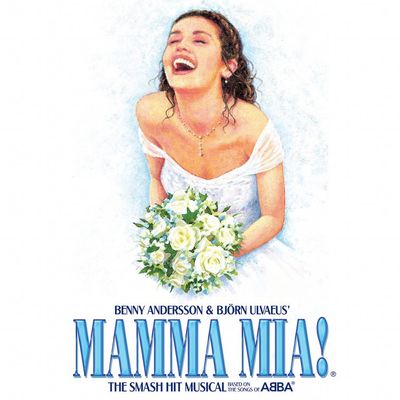
[19:36] Betsy Morgan: I kind of hate telling the story because it's just not fair, and it doesn't happen this way. But I finished at Emerson, and I was like, if the Red Sox go to the World Series, I'll stay in Boston. And if they lose, I will move to Colorado and train for the San Diego Marathon. This is because I was burnt out. I needed a break. I just was feeling a little bit at sea. And so, of course, the Red Sox lost because, I won't say the year, but before the Red Sox started winning. And I decided to go to Colorado. But on the way there, I stopped off in Chicago, and my mom calls me and she said, Connie just called me and said that Mamma Mia is having an audition, and that you should go. And I went to this Mamma Mia open call, and I was an absolute mess.
I didn't, we, I also, I didn't have the training for the real world coming out of Emerson. That wasn't part of training yet. You know, we learned a lot about shows and, and directing. You're creating your own thing. You're not getting a beautiful showcase with Perfect Everything where you know all this stuff. None of that. There was none of that. And there was nothing on the business side at all. So I didn't, I was woefully ill-prepared, which Mamma Mia found adorable. They were really into how big of a mess I was. And so, they had me come back the next day, and then I moved to Colorado. And then they, maybe like two months later, they flew me to Los Angeles to do like a final big callback. And I got cast in Mamma Mia.
[21:23] Charlie Murphy: So cool. So this happened very fast for you. In the space of you training for a marathon, you're already hitting the ground running. I love that. What about, can we talk about, it seems like a huge theme in your career is just like the world of understudying, standing by, swinging, right? You really have done all of those different things. Especially given that you're like, I didn't have this intensive training that, you know, now there are schools where they're like, we're going to train you how to cover. That's like a big part. But it didn't sound like that's something that was actively being happening, you know, 62 years ago. How do you feel, how do you feel like first you acquired that skill set? Like, and what did it take? What did it need, what did you need to do to be, you know, some of these shows, I'm like, you're reading, you're playing six roles in the show. Like, what was that like?
[22:07] Betsy Morgan: I just wanted to be part of it, all of it. And I believe in hard work. And when the first, it never occurred to me to monitor what I said yes or no to. It was, I'm sorry, you want me to be in your show in any capacity? Like, yes. Like, it was always like, yes, I just wanted to be part of all of it. And it turns out, I didn't know this at the time, but it turns out my brain works in a way where I can compartmentalize and store that kind of information. And I don't know if you can say genius on this podcast. No, no, it's just like a different, like, I also just like work really, really hard. So if you call me and you say you want me to be on Broadway's, but I can only do it if I learn six parts.
I'm not gonna say no. Like, that was crazy. Like, nobody got to be on Broadway's. That was not, that wasn't, that's not like a thing where I come from. So it was, it was always just how can I be a part of it? And later in my career, but I don't want to like get ahead of you. But jump ahead, go. It became about what is work that I want to be a part of? And what are the rooms that I want to be in? And who do I want to learn from? And what stuff that excites me? And sometimes it's something that I am creating, and I get to be part of that, that building process. And sometimes it's, they want me to stand by or they want me to swing or whatever it may be. But my up until very, very recently, my entire career has been new stuff. It's, I have not done one replacement. Other than my wife.
[24:07] Charlie Murphy: Exactly. But that was a sort of a weird cover, let her do a movie. Like, was it two weeks that you did at the end of it?
[24:16] Betsy Morgan: Yeah, but that was the first time I'd ever done something like that. That seemed intense coming into a show for the last two weeks where everybody's, the whole thing's already running. And you're like, I just got to step in. And this is both thankless and amazing that you did that. But again, it was, I said, you know, send me the script. Let me read it. And I read it. And I was like, I want to do this work. Like, this work is interesting and great and heartfelt. And I wanted to be a part of it.
[24:40] Charlie Murphy: That show's so good. Just listening back to the soundtrack, I was like, that show's soundtrack is great.
[24:44] Betsy Morgan: For the listening audience, we are referring to Adam Gwan's All the World's a Stage. If they're regular audience members, they've already heard Adam Gwan on the show. So they know all about it. Come on. We're going to show up for my wife's work.
[24:56] Charlie Murphy: Well, you don't know. It could be the two people who are just listening.
[24:59] Betsy Morgan: Listening just for me. I have one of my friends recently on who goes, I've told this story on a podcast before. I was like, you think our listeners have heard you on a podcast before? He was like, yes, my fans. I'm like, great. That's, yeah, sure. But what about, it sounds like maybe you've answered this question already, just the, as you move through it, because I would just say that you are someone, it seems like who has successfully, you've done a lot of standing by, a lot of covering, but more swinging and then were standing by, but then also really, you know, in Phantom, you weren't. I mean, it's like, really, you have progressed through the ranks, if not necessarily linearly, but slowly.
And you're not the kind of person who then, I think there is, there's a certain person who goes, hey, I'm going to swing and I'm really, that's going to be my whole career. I'm going to be, I'm an amazing dancer. I can do enough to cover the other things. And that's what I'm going to spend my life doing. It seems like you have moved up. Were there times when you said, I need to maybe say no to an understudy job so that I can play this off-Broadway lead? Or like, how did you figure out navigating the resume that's got all kinds of different stuff?
[25:59] Betsy Morgan: At a certain point, I felt like the Broadway's jobs were just paying for me to be able to go downtown and originate shows at the public or the Atlantic or wherever. It gave me the income to be able to do that. That's being reductive, but because they're in the last few shows that I've done on Broadway's have not been like that. But at first I thought maybe I am going to be a swing. Maybe that's my path. And I, again, I just was somebody who loved the work. So it's not that I wouldn't say no. I have definitely said no to jobs before. And that's when I do that, it's not because it's a swing or a standby. It's because this work isn't as interesting to me as this other work or because I want to stay available in case something cool comes around.
I, especially in the last like 10 years, I've had such clarity about work that I want to do. When I got the breakdown for Masquerade, immediately I was like, I will do this show. Like this will be, I will be a part of this. I wanted to do it. Like the idea of an immersive Phantom of the Opera, like just made my mind explode. And I knew I wanted to be a part of it. And I didn't care what it paid. And I didn't care. I just wanted to be part of building whatever that crazy thing was. And in those intentions, I have been a part of it. I have like almost never been wrong. I, when I think that something is going to be a learning experience or an exciting theatrical experience, it usually is.
[27:47] Charlie Murphy: Yeah. I wonder what, what parenthood has done to you also in terms of that clarifying and, you know, sort of, I do think sometimes I keep, you know, doing, talking about how the obstacle can be the way in times for people. And then in some ways, the difficulty of parenthood and going, is it worth it to do this job? Or, you know, sometimes also that helps you be like, oh, this, this is right for me. And maybe in this moment of my life, this isn't based on time.
[28:09] Betsy Morgan: Yeah. It's also just, there's something factual about it. I, I just can't go out of town as much as I used to be able to go out of town. You know, it was really easy to just say, oh, well, let's go do a quick Christmas show in Florida or whatever. And that's just not a reality.
[29:01] Charlie Murphy: Take note, MTCA students, that's a great plan that Betsy did. That's very smart. But like, he and our kid have a really good time when I'm gone. They call it two dudes. And like, they live their best lives and watch lots of AFV. And, you know, and the same is true that when Chris has to go out of town, that that time is really valuable for us to have. And then also the traveling. He's like, Leo got to go out and spend a couple weeks in LA. And that's, that's awesome. So it's a unique and beautiful childhood we hope that we're giving him. No, you're that's, that is the reality of their lives. You can't we can't resist it. So you have to sort of lean into it. Okay, we got to take a break because I got some fun things planned on the back end. So short break, and we're back in a flash. All right, we are back with the hilarious Betsy Morgan trying to make me laugh during our break.
[29:56] Charlie Murphy: Succeeding, just succeeding. And just because of that, and actually not because I planned this already. I'm going to embarrass you a little bit here, Betsy. This is my plans. What I'm gonna do, I'm going to give you an unabashed compliment that I'm gonna make you sit there and endure. Okay. Because it's November, it's a month of kindness. I just want to do a little double clicking on the idea of kindness. And here's the compliment that I make you take, which is that I think this is my read of you, that you have achieved the ultimate goal as a performer, which is that everybody wants to work with you. Like, of course, that's true, because of your flexibility and your multi-talentedness and all those things.
Of course, that's a factor. But I would say to even a greater extent, it is because everyone wants to be in a room with you, right? I will say certainly, that is how we felt when we first met you applying to MDCA. Like, it wasn't that you didn't have a good artistic audition. It was but that was just part of it. We're like, we want this person in our orbit. And I hear about that every time someone finds out I know you or that you work at MDCA that Oh, my God, Betsy, she's just the best person, right? So I want to put that in compliment endure. There you go. You've had to endure it. Here's the question. Here's the context. I want to put it in and make you react to it. Which is so many of our schools say that, hey, just as much as an important that kids are talented, we're looking for kind people.
That's really, that's what we want, right? And often they'll say it like it's some brand new novel thing, even though many of the schools will say that it's something I think our listeners who've listened to multiple college episodes will understand, hey, they're looking at me as a human being as much as as a performer and my talent. That's true. The college level is through the professional level. I guess the question is, and what I want to kind of do a little deep dive on is like, how did you cultivate that? I want to presuppose whether it's true or not, that this was not something that is just just natural in you, even though I'm sure you are a very kind person, but in the way that you have worked to grow your skillset artistically, was there anything that you feel like you, that you cultivated on that other end of things to achieve being the kind of person whoever wants to be in the room with? Okay. Compliment question over. You may now speak and react.
[31:57] Betsy Morgan: That's the nicest thing anyone's ever said to me. So thank you. First of all, I wasn't like, it's not that I wasn't nice, but I wasn't always like the easiest person to work with necessarily. As I'm sure you could probably imagine, I was a bit of a know-it-all, which nobody wants to work with. And I think that I had to, oh God, how do I put this? First of all, my place in this business, a lot of times has been really humbling as an understudy, as a standby, as a swing. Those are humbling positions to be in. And it makes you both grateful for what you have, whether it be a show or a job or a good, whatever it is, it makes you grateful. But then also it really makes me, it made me know how I wanted to be when I was in those positions where people were looking up to me, whether that's as a lead in a show or as a teacher at Northeastern or as a coach with MTCA or as a mom, quite frankly.
So I feel like being someone who has so often been asked to just observe and learn while observing made me observe lots and lots of people. And that just helped me figure out who I wanted to be and how I wanted to feel about myself at the end of every day. And I want to be someone who people feel like they can come to when they need advice or that they can get an honest answer from or who isn't afraid to say, I don't know, or I could go on and on, but it comes partially just with age. But also I'm not somebody who exists up on a pedestal. I just believe in doing really good, hard work. And that's come not only in my career, but also just as a human.
[34:30] Charlie Murphy: What do you feel like, you know, I think that's a great answer. Given the particular human being that you are or were, let's say at 18, 22, you know, if you're more intense, driven, go-getter kind of person, do you feel like for you to get to that state of what you're naming gratitude, you know, let's just sort of presuppose that the idea of like how you show up to a rehearsal room, happy to be there, ready to work, whatever that thing that works for people to go like, this is how I want the state I need to be in to be that best self. Do you feel like that's a practice where you are, like, are you actively bringing something in with you, like gratitude? Or does it feel like you're like, I have to consciously leave parts of me out?
Like what is the work for you who could potentially be perceived in ways that are, you know, not everyone would naturally be like, oh, she's the nicest person. How do you bring that person to the room? What does that work for you of going to the kindness gym? Like, what does that mean for you?
[35:33] Betsy Morgan: Well, for a long time, I just had to communicate about how I was. So I would show up on the first week of rehearsal and say, hey, if I seem really, really intense, that's because when I'm thinking about something really hard, it comes across as intense or there are a lot of other words that have been used in the past that I won't use now. But I learned to kind of explain my way through a process. And that was helpful in the beginning. The other part of it was I kind of learned what was my job and what wasn't my job. And I don't mean that there are a lot of times when I speak up when it's not my job. That's not what I mean. But knowing just kind of where my place was, especially when I was younger, and having respect for that and respect for the people whose job it was that at some point in the early days, I felt like I was maybe stomping on.
And that was a hard lesson to learn early on, but a really valuable one to just kind of say, okay, I don't know everything. And I have to figure out what I can learn from these people who've been doing this a lot longer than I have. And that was, you know, that didn't come for free. Like I had a bunch of experiences where I didn't feel great, or I made a mistake, or pissed somebody off. So it, you know, it's, again, looking back on it.
[37:19] Charlie Murphy: Yeah, it's an amazing, it's an amazing recognition, or I guess, skill set of like, especially as a young person who's very capable. And so, you know, a lot of our students graduate being incredibly capable. And there'll be times you're like, I might feel like I know more or might have a different capacity than a person who's in a position above me, to be able to simultaneously be like, recognizing my role in this specific, whether it's the role in a show, or sort of my place in this hierarchy of where we are. But that doesn't have to limit my capacity. That doesn't mean, oh, I guess I am just this, you know, lowly peon, because this person has a bigger job, and I should just keep my mouth shut.
Like, it's not that. It's actually that as your capacity expands, but you can choose to wear this hat. I think to your point, then it does allow you then when you're in that different position to go, I know how I would want to be different in that moment. I can't, I can't fix it in this moment, necessarily. It's not always a way that I can, you know, subvert the role that I'm in. But I do think that's a, to be, to be more capable in the role you're playing is a frustrating thing, but also could be a great learning experience to be like, great, that's.
[38:23] Betsy Morgan: Yeah, and it continues to be like that continues today.
[38:27] Charlie Murphy: Um, what other, we're gonna switch gears in a second. But while before I leave this, you know, the compliment, this amazing thing that you've done, I kind of wonder what other things about you, your skill set, and the things that you've cultivated, fit into that, like talking about that, let's not just moving on from the Oh, you're such a great person, which of course you are, but in your ability to cultivate relationships, network, you know, like, because part of me thinks about like, you're so responsible and organized. And I mean, you already said communication for communicating about how you are. But I think your ability to communicate to like, there are people who are super nice, who everybody loves who go Yeah, but so sloppy, you can't work with.
I love them rooting for them, but not gonna not come back to my company. Like, it's just like, wishing you well, you know, that like, there is something about like, the way you're able to serve that kindness on a responsible platter. Yeah, I wonder, was that something that you had to work on to like, were you were you as a young person was did that part come naturally to you? How have you been able to do all of those things? Because I do think some people with that second skill set, who are like, super responsible, organized, but you're like, I can't stand her. And then there's people who are super nice, and maybe don't have. So I guess, how did you find that there was the balance if you're I'm sort of putting the answer in your mouth, but I wonder what you think about that?
[39:45] Betsy Morgan: I feel like my there are parts of my life that are pretty streamlined, because I don't exist online, like I don't have an online presence at all. So there is, and I've never done it, no social media, no. I mean, that's it, no social, like I have none of it. So that creates a space for me to be able to, like spend time on the things that I want to spend time on. And it's funny, you mentioned networking, because I think I'm probably a terrible networker, because I don't, I don't do any self-promotion. I don't do any.
[40:36] Charlie Murphy: Yeah, I don't do any social media. So you may not be you may not be a great networker in quantity, but you certainly are in quality. I guess that's the I saw I didn't even realize you weren't on social media. But I wonder how much of that is an impact of like, because it does feel like the moments you get with Betsy are like high impact, high quality moments that make someone want to be like, God, she's great. When can I see Betsy again, or whatever, like that, in a different way that if you're like, shooting your shot everywhere online, or whatever, this version of like, I never really got to spend time with that person. Not to say that, of course, it can't be successful and have high social media followings.
But I actually think it's an amazing thing. And I sometimes think how would things have played out differently if I had gone that route, but I know my personality, and I just don't think the two things go together. But all that to say is that I care about, I feel I fill my life with the things that I really care about. So if we're talking about MTCA, I don't if you look at the way that I keep myself organized, you would probably think it's a disaster. But the way but but I spend extra time on it so that it works in my brain, and it helps me get the best results for my students. And, and that's true with teaching at Northeastern as well. And certainly true when it comes to preparing for auditions and shows and stuff. It's just like, I spend a lot of time on it.
[42:07] Charlie Murphy: You spend a lot. Well, and I think that care, you feel that care. I guess that's what I mean about that high touch moment. So I would not think oh, you're disorganized. I would think you're one of our most organized coaches, though I have no idea how anybody organized themselves. That's kind of your responsibility. But that you feel from on the other end of things. This is a person who's taken time to consider this is not like random, accidental. This is someone who's, who's been conscious. It's also what I'm capable of too. Like I there was a certain point one year with MTCA when I knew I wasn't capable. Like I couldn't do my best work with more than what I had. And that's and I there's.
[42:46] Betsy Morgan: It's been a few times in my career to where I have overloaded myself and I have, that's when I either haven't done my best work or have had to let something drop.
[42:58] Charlie Murphy: No, that's huge. Knowing your limits. And we talk about that with our high school students where it's hard at 17-18. I know you don't always know it, but going, if I'm going to get to the point where I'm giving everybody 75 percent that for this year, for how important this is, that's not helpful. You want to go, how many rooms can I show up as my fullest, you said, my truest, fullest, most authentic self. You can't normally do that if you're being pulled too many directions. I mean, my wife and I talk about that all the time of like, we need to save enough time so that when we're in the room together, we still have enough left over that we're not always at 5 percent because we've drained the battery completely in all the other directions.
You've got to know your own limits and hopefully in all your relationships be able to show up aligned. And now I'm just getting to therapy. But let's change gears and talk a little bit about your time behind the table. You mentioned Northeastern, MTCA. You've now coached this process. You've taught so much in this process. I'm going to start you off then with my most challenging question, which I'll say no coach has yet to satisfactorily answer. So that's the challenge I'm giving because I know the competitive part of you now is going to try to give me a really good answer.
[44:04] Betsy Morgan: Oh, you know me so well. I think it's such a good question, but everyone's like, what? How do I answer that? OK, so I'm going to give it a try. You're going to do it for us. It's the question simply this. What do you think you have learned from your students? So what have they taught you that you didn't already know coming in as an educator?
[44:24] Betsy Morgan: I think that when I started coaching and teaching, for that matter, it was about... You might have to edit this out. You might not want this answer.
[44:40] Charlie Murphy: Give me the answer.
[44:40] Betsy Morgan: That it was about theater, that it was about getting into a theater program, that it was about getting cast in a show or fill in the blank with something that has to do with success. Success in theater, and that's not what it's about. I think that it is so much about learning about who you are and how you can show up with your material, with your attitude, with your preparation and improving upon that, and that sometimes is a challenge. And that sometimes means giving the best song performance you've ever done, or sometimes it means writing a paper on an album that you thought was a terrible show that you're realizing now changed the face of musical theater in the 40s or... I just think that what I've learned now is that it's not about something as small as I want to do musicals.
It's about the much broader scope of being a great person in the world who wants to succeed at whatever it is that you're going to do, and some of these students will go on to be Broadway's stars, and some of these students will go on to be teachers of theater, and some of these students will go on to do communication or local one or fill in the blank, any number of theater adjacent or completely different jobs, but I'm hoping that at the end of our time together, their work ethic feels solid. They feel good about themselves and they want to just like do their best moving forward in whatever capacity that means.
[46:50] Charlie Murphy: You can give your competitive educator self the five-star, gold star answers. Fantastic. Of course, I would want that in the pod. I've said very similar things myself. I definitely felt at the beginning of doing this coaching 20 years ago now, oh, it's all about getting kids into Tony Mellon, Michigan, Juilliard, whatever, because that's what they say they want. It's my job to deliver that result. Of course, to some extent, there's still a framework of that happening, but it's like what it actually is is the process. The process is the vehicle or the vessel where if they are doing that, if they're just doing that true self-discovery, it's actually giving them the best chance at the best results, but the more exciting thing, the more important thing in their life is not just the result of where they get into school, but can they carry that process of self-discovery through to wherever it takes them, like you said, into all these different professions, different parts of this industry.
I could not agree more. The other thing that's shifted, I'm sure this has happened for you too, where it's also the perspective of what the experience with the young person, but then also now from the parents' perspective, really, now that I'm closer to the age of the parents, being like, oh, watching a child cross the threshold from young adulthood into adulthood is also a beautiful, spiritual thing. Anyway, I could go on. That's not my question to give answer. I'm just asking questions, but yeah.
[48:15] Betsy Morgan: Quickly, so when I was a young child auditioning for professional shows, getting nos, my mom told me this thing once that I'll never forget and I still use, I still live by this to this day, where she said, you work, you work, you work, you work, you work, and then you go in and you let it all go because if you did everything you could possibly do at the end of the day, it's going to be what it's going to be. That part isn't in my control, but the work is in my control. I feel like regardless of which school any one student ends up going to, if you do the work and you put in the time, I don't want to say you'll end up where you're meant to end up, because that's not quite what I mean, but I feel like the world has a way of putting us on certain paths.
I certainly know that the shows that want to hire somebody because they need a lot of followers and they need that, I wouldn't be right for those shows anyway, right? So it's like, I kind of feel like we all end up going in the direction that we're supposed to go in, and I feel like that's why I end up in a lot of the rooms I'm in, whether that's in a performance space or if that's in a teaching. And it feels like there becomes an interesting mix, which it's tricky in this process, it feels like it wants to be such an internal self-discovery, and then finding your voice of you speaking is most of what's happening in this audition process, going, I'm discovering who I am, and then I'm voicing that into the world.
It feels like as you keep going on your journey, a larger percentage of you also is then responding to external stimulus too, in terms of listening, of like, okay, so as I'm speaking myself into the world, am I hearing that echo back of like, where is that resonating? And then how do I move in the direction of the things that people who seem like they want to hear my voice, and places my voice feels right, and this feels good. Sometimes it takes a stubbornness to go, I still got to keep doing this work to know what I have to say in the world, but then the sort of flip side of the stubbornness is the sensitivity to know, like even what you said in terms of your self-awareness to know, I know how I can come off, I'm going to use that as an advantage for myself and be charming, as opposed to, that could have turned some people off, they're like, God, Betsy, that was a lot. But you being able to be like, I've listened enough to the way the world could react to me that I'm going to shape myself into the places where I potentially could fit.
[50:55] Betsy Morgan: Yeah, I also feel like part of the reason why I answered your question the way that I did, the big question about what have I, what have the students taught me, is because a very, very wise, much, much older than I am woman once told me that we keep each other relevant by investing and getting to know these cross generations. And I will never show up in a room and think that I have nothing to learn from that younger generation or an older generation. I was in a dressing room once that had, I think we had four generations of people sharing one dressing room. And like the way that we were able to talk and learn from each other is extraordinary. So every time I get into a space with a group of people, especially if they're from a different generation than I am, I'm like, okay, awesome.
What are you going to teach me? That's why I asked that question that way. I do feel like as an educator, of course, it's often our responsibility. We're more leading with a, we've got a syllabus and we're teaching. But if we stop listening and learn, if we're just like, I'm just doing my thing. I'm like, it's time to retire. That's it. Like if you're not able to go, at least noticing how does it impact the students? And is it resonating? Do I have to say it differently? But it also can't just be like, listen to me, listen to me, listen to me. It's got to be like, what am I learning from you? And how can that affect and change me? Well, because the whole thing I want to do is bring out who they are within this material or within whatever context we're talking about.
So the thing that's the most important for me is to listen to who they're going to bring forward. So I have to, you know, I try to be in tuned with that. Boy, so many parallels of parenting there. Okay. What do you think about, what do you see as the biggest difference, you know, as somebody who did this 62 years ago, what feels different in 2026? What's the stuff that you're like, oof, this took a little, you know, as I was, as you're coaching the process, figuring out, you know, of course there were not things like pre-screens, some of those obvious things, but what feels like it's like, oh, this is how this process feels fundamentally changed to you.
[53:07] Betsy Morgan: Well, first of all, the amount of schools people apply to, it's just like, that is, was just not the case. You had two schools and one of them was a school you didn't want to go to based on its cities, but you had one school really that was an option for you.
[53:21] Charlie Murphy: That's true. I, when I think back on it, I was, I, I was not smart about it at all. So, but that is, that is huge. Just the amount of schools. The other thing is the differences in what the schools want as far as technical requirements, like this whole nonsense with, with 60 seconds, minute and 30 seconds, full body, crop shot, like all of it. It's just kind of like, none of this matters, but it does matter. And the spreadsheets that I can visualize that I would have had for myself, that is just fundamentally different. We, all we had to do was show up and you did two songs and a monologue, two songs and two monologues. That was it. That part was the same, but all of the other, it's just a lot of technical stuff. It's a lot of crap that doesn't really matter.
[54:24] Charlie Murphy: Yeah. So just before this call was, you know, having a social media engagement with it, which you will never see because you're not on social media, where it's really tricky. It's like, I think people were kind of calling out what is so unfair, which is true. It is unfair of like, oh God, how does this matter? All these different requirements. It's like both true. And also from all my therapy, I guess it's like sort of, you're not going to change that as a person in the world. And so then how do you live within that? How do you choose to decide within that, those parameters, you know, are you going to be that person who threads the needle and goes, hey, with all my different schools, some schools are getting a three quarter when they ask for a full body and that's going to be okay.
And I'm okay with that. You know, is it that how you're going to deal with, but like being mad at them is not going to help. Or are you the person who's going to go through and do every single slate exactly the way, exactly the time, you know, are some people getting a 60 second monologue when they ask for a 90 second monologue, probably fine, but that's, you got to sort of figure out your, your version of that.
[55:17] Betsy Morgan: Yep. But also you have to like, because it is a competitive industry, it's like somebody's going to do it. It's like people, actors get mad about self-tapes. I'm like, well, self-tapes aren't going anywhere. Like it's, you know, if that's not, if you're like, I just don't want to do self-tapes, I'm like, you're not going to be an actor at this point. Like that's, so you got to figure out how you're going to do it. It's all here to stay. So that, but that's the biggest part that's different. You know, the, I feel like, yeah. And just the amount of people who are interested in doing theater, which is incredible, but there's a lot of, it's beautiful.
[55:51] Charlie Murphy: Yeah, it really is. I mean, yeah. Okay. Let me give you the flip side, the probably the easier version, but maybe the less fun, less beautiful spiritual version of the question of like, what do you learn from your students? What is something that you go, if I could, for all my 17, 18 year old students, just give them this. I know I'm right about this and they don't hear it. You know, if you could burrow into their brain, what is the thing that you go, I keep giving this note and man, it feels like it's not necessarily something that's, you know, in most 17, 18 year olds.
[56:18] Betsy Morgan: Take up space. I mean, vocally take up space. I mean, physically take up space. I mean, emotionally take up space. Be big. And that doesn't mean, that means within the context of your piece, of course, but man, when someone walks into a room and just is there and takes up that space, it is an incredible thing to see. And I feel like, especially because we're in a self-tape time right now, we get, we get stuck in these little.
[57:01] Betsy Morgan: And it makes us feel like we cannot move and be larger than life. And I would like to encourage all of them to be larger than life in their true and honest emotional.
[57:19] Betsy Morgan: I love that. But that does feel like, for me, a big change in the 20 years of doing this. It did not used to be that everyone's default was small. And now there is definitely an idea of like small equals truthful. It's like, we know that's not true. You know, you could be, truthful equals truthful. I mean, you could be authentic and enormous or authentic and small. But those two things are not, it's not like, you know, when I mumble, that means it's real. In some contexts, sure. But in some contexts, you're gonna give a barbaric yop to the world and you're gonna fill up that space, yeah.
[57:48] Betsy Morgan: Yeah, who is this person? What do they want? What are they trying to do to get there? And then that can be so many different, there's so many different ways to play within that that can be just completely insane or completely mumbly or whatever. There's just lots of options. But it does seem like maybe in, now a more common way of dealing with the nerves or dealing with, you know, just when students do feel like they care a lot is to sort of shrink and not be seen. That's, it feels like an easier way to protect themselves versus I feel like there were previous generations where those nerves might make people go over the top where you're like, all right, chill out. It's like that you're like so messy and so spastic. But like actually that more of our students don't, even when they're really nervous, will just sort of shrink and hide in more wallflower style auditions, which that did not used to be as common, but that is now.
[58:45] Charlie Murphy: Yeah, I was a chill out kid. I was like, whoa, enough from you.
[58:51] Betsy Morgan: Me too. I'm sure you can imagine that. Generational, I mean, more similar in other ways too. So it may not be all, it's not like there's nobody at our generation as well, but anyway, I know we got a hard out in a couple of minutes because you got to go pick up your kid. So let's end with advice to the parents out there. So of course you have the perspective yourself as a parent, but also just as someone who's gone through this process now working with parents, what advice do you have for parents of their artists, children of how they can best support their young ones?
[59:19] Betsy Morgan: That's such a good question. And it's a really hard question.
[59:22] Charlie Murphy: Oh, I stumped you with the one that, or you got the one great. That was an easy question or that hard question. You got easy. Now this is an easy question. You're not ready for it.
[59:28] Betsy Morgan: Yeah, this one's hard. I think obviously you want to be encouraging because it's a hard process. And this business, forgetting about college, this business comes with a lot of no's and a lot of heartbreak, no matter how successful you are, you will hear a lot of people saying no. So just having that support and I know my mom will always tell me that that person who didn't cast me is stupid. Like she will always be the person being like, well, they're crazy to not pick you. So that kind of support is really, really helpful, even if it's not true. And then I think just leaving space to let them succeed and fail and cause all of those things will happen. And asking for help when you need it, because there are a lot of very generous people in this business who will help you. So yeah, that's an unsatisfactory answer, but I'm gonna have to go away and think about it a little bit more because I actually don't know.
[1:00:44] Betsy Morgan: I still feel like I would love to know my mom's answer to this question, because I don't know what I would do if my kid decided he wanted to go into theater.
[1:00:58] Charlie Murphy: All right, we'll call Betsy's mom and we'll shoehorn that answer in here. We'll see what Betsy's mom says.
[1:01:23] Betsy Morgan: Oh my gosh, if you call my mom, she will spill everything.
[1:01:26] Charlie Murphy: Oh, I will be. Don't you worry. I got it on your NAC profile. Appreciate the time today. Thanks so much for it.
[1:01:33] Betsy Morgan: Total pleasure, thank you.
[1:01:40] Charlie Murphy: Yes, yes, yes. I hope you enjoyed that conversation with Betsy. Oh my, how I love her. So I'm gonna limit myself just to a few takeaways today, since one of them is kind of meaty, but I will just quick hit the idea of, I know how different the process is now than it was back in the day, right? And I know it is only so helpful for you to hear the perspective of people who went through it all at a time when people were only auditioning for a handful of schools and were using a phone book instead of the internet. I know, right? I don't know if it helps you to know that I know that, but just telling you that I know that, right?
[1:02:16] Charlie Murphy: I will keep trying to have guests on from lots of different eras. My next MTCA coach, I will tell you, is one of my favorite former MTCA students who went through a much more similar process to you. He went through the process in 2018. But of course, there will be some times where I have guests like these, and I'm just saying that I know. I won't spend too much time in their college process. I know when you hear they did two schools, you go, okay, great, right? But like Betsy teaches us in this episode, I'm aware of how that might come off, and I'm telling all of you.
[1:02:45] Charlie Murphy: Speaking of awareness, did we all catch the absolute brutal impression of Betsy's mom in the middle of there? I mean, that was a cartoonishly ridiculous Chicago dialect. Whatever she just did in terms of trying to sound like her mother, justice for Betsy's mom. I may have to call her after this pod to see how she feels about that, this impression of herself. Maybe she'll be like, that's what I sound like. What are you talking about, Charlie?
[1:03:10] Charlie Murphy: Okay, and then let's get to the meaty one, which of course was a big part of this episode itself. It's just talking about the cultivation of a human being, a cultivation of our own personalities. You know, I've been wanting to have a version of that conversation. We've talked about that a little bit, but I wanted to go a little deeper into that conversation for a while, since so many schools will talk about the importance of what kind of human being you are and how that's just as important as talent when you walk in the room. And it's always tricky because I don't want to push too hard on any individual school when they're gonna say that. They're often gonna say that as if it's like novels, as if it's the first time you're hearing it, even though of course, if you're a regular listener, you've heard so many schools talk about that, right? I do sometimes try to get them to go a little further with it, but they're not always prepared to have like that deep level of a spiritual conversation.
[1:03:52] Charlie Murphy: But here comes Betsy, who is ready to maybe have that level of conversation. And I must say, my point in asking Betsy of it all, you know, it really is true what I think I've said about her as a human. I think that everything I said there is true. But one of the ways I thought it might be interesting to have that conversation with her is that, you know, it's not necessarily like, it's not to teach you how to be a kind person. I'm not telling you that, right? First off, who am I to teach you how to be kind and be the kind of person that people like is even more important than the kindness, right? You know, and of course, whatever you might need to do individually is gonna be, everyone's journey is gonna look different in terms of what you might wanna work on about yourself and all that's gonna be radically different.
[1:04:28] Charlie Murphy: But what I do wanna introduce into that conversation, and the reason I brought it up with Betsy, especially knowing what she was gonna say of like, hey, I am someone who maybe could have come off as intense in some version of that, is I just wanna introduce the idea that like, who you are as a human being is not a static thing, right? The human being that Betsy was hoping to cultivate is as real as the human being that she was presenting at any given moment of her life. Does that make sense? That like the human being that you are is not true. The human being that you want to become is just as true as a human being you are, right? To use like an old, tired Harry Potter analogy, which I'm embarrassed to say I've used like three or four old, tired Harry Potter analogies on this podcast, but it's that idea that like, Harry wanting to be in Gryffindor mattered for the Sorting Hat.
The fact that he said not Slytherin meant he wasn't a Slytherin, right? You know, there is just not some true, static, you know, unmovable human being that we are out there, but the human being that we have been, and then there's the human being that like we are becoming, and that becoming I think is so important for those of you going through this process at 17, 18, where you are still changing so rapidly.
[1:05:46] Charlie Murphy: There's so much becoming happening, right? I mean, I'll say it is still true for me in the middle of my life as well. I'm in deep middle age at this point, and I am still becoming, right? We are always in process and working to become the human beings that we're gonna be tomorrow, right? That doesn't negate all the great process and progress we've made in the past, but we are still always becoming, right? And, you know, I wanted you all to notice there, Betsy's first reaction when I gave her that big old compliment, so nice, that's the nice thing someone ever said, and then she said, I wasn't always nice, right? And I would say that is true of me. I think I've always been nice, not that I'm not a nice person, right?
But there are people who would have had experiences with me and who would perceive me as a lot of things that wouldn't fit in the category of nice, right? Whether those people can perceive me as competitive or arrogant, right? All kinds of things that someone might not call nice. That still could be true in certain contexts, right? If you meet me in the right business context, if you meet me on the basketball court, there'd be people who, I think most of them would now describe me as a nice person overall, but in every interaction, they wouldn't necessarily think of me as nice, right?
[1:06:48] Charlie Murphy: And for me, you know, I've had to work pretty hard to both understand those possible perceptions, right? Where I might've thought, but I was intending to be nice all this time, but now I can understand how I could have come off, right? But then also, especially later in life, to not give those perceptions too much weight, right? Just because someone thought that about me doesn't necessarily make that true, right? I want to be the human being that I intend to be, right? Even if I'm not always succeeding at performing that person, I can keep coming back to that intention, right? You know, and I think what Betsy said, that self-awareness of communicating how you can be perceived, I think that's hugely helpful.
But I also think there's something really cool that at this tender age for these 16, 17, 18 year olds that are out there listening, you all have the ability to speak toward your aspirations, to speak toward that person that you want to be, right? You get to call yourself and call into being the artist that you want to be in the world, and colleges will respond to that artist, not to the artist necessarily that you have been. They're not looking at your resume and going, I know what you have been. You get to say, this is true for me. You don't need to be shackled by what you've been in high school. You are free to articulate the human and the artist that you feel inside, and then strive to become that person because you're searching for the place that will most help you become that person that you want to be, not just the person that you, quote, unquote, are, right?
[1:08:04] Charlie Murphy: And I guess alongside that idea of who you are not being static, of it not being a true fact, is just that idea that we get to work on ourselves like it's a muscle, like so many things, like it's a metaphorical muscle, obviously. Our human personality is not a literal muscle that we're tearing it down, right? But it's that same idea that you get to work it like a muscle, the same way that talent is not static and true. Your vocal talent is not true. It's not a truth. It is immutable, right? It is changeable, right? Danceability is not true. You're here where you are now, but that can change and will change over the course of time, whether you stop dancing and get worse, or whether you keep dancing and get better, right?
That is also true of parts of our personality that we want to change. And I don't know that every 17, 18-year-old hears that and really believes that, of like, I can change my personality, right? Even things like, if you've ever said about yourself, I'm not a hard worker like she is. She's a hard worker. That's not me. I'm not a hard worker, right? I would just challenge you to reframe that. Like, if you would like to be a hard worker, then I would say like, hey, I'm working on how I can work harder. I'm in process to be able to work harder. And you can. You can become somebody who works hard. As somebody who, I used to think about myself that way. I used to think like, oh God, I'm kind of lazy.
And I'm like, I don't think I'm lazy anymore. I don't think people would perceive me that way. And I don't even perceive myself that way. I have worked on my ability to work hard, right? And even things that feel even more core to us as people, we'll say things like, I think that person's a really kind and generous person. I wish I could be kind and generous like that, as if it's this immutable fact. But what happens if we think to ourselves, I would like to operate from as kind and generous and giving a place as that person? Because you can, right? That is one thing that I've learned from all my years on this earth. These things, as shocking as it seems, even those kind of core things about yourself really can change.
People can change a lot, but we especially can change if we believe we can. If we do believe that we're stuck in one mode, then it does kind of become the reality. If you go, I'm stuck in my ways and that is true and there's nothing I can do to change it, then that kind of becomes true. But if we believe we can grow and expand, immediately those things start happening and we grow and expand. So I challenge all of you out there, allow yourself that growth and expansion. Believe in that growth and expansion and then expand in the ways that you really want to expand.
[1:10:21] Charlie Murphy: Okay, that'll do it for another episode of Mapping the College Audition, a podcast that is growing and expanding by the episode, of course. To help with that expansion, why don't you like, subscribe, wherever you watch or listen, and I dare you all to write us a review or leave a comment wherever you can. You can follow us on Insta at Mapping the College Audition and check us out at mtca.com. That's www.mtca.com for any help you may need with your individual college process. To my young artists out there mapping their journeys, please trust that you're enough for the right program, exactly as you are right now. Now keep expanding. We'll catch you next week.
[1:10:23] ♪ Mapping the College Audition ♪
© Broadway Podcast Network, All Rights Reserved