

Why is there still no Tony Award category for wig design? Most audiences never even realize the actors on stage are wearing wigs, and that is exactly the point... Read More
From the show: Half Hour with Jeff & Richie (Post-Show Broadway Discussions and Interviews)
Guests
Featured Shows
About
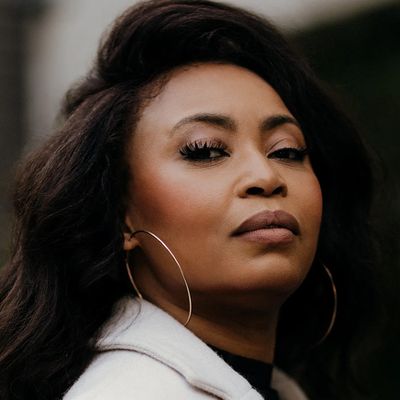
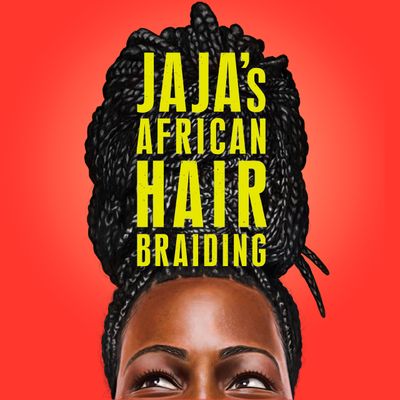
Why is there still no Tony Award category for wig design? Most audiences never even realize the actors on stage are wearing wigs, and that is exactly the point. On this Spotlight Series episode of “Half Hour,” we sit down with Nikiya Mathis, the first wig designer to receive a special Tony Award, for Jocelyn Bioh’s Jaja’s African Hair Braiding. Nikiya takes us from doing her classmates’ hair as an acting student at NYU Tisch to designing Schoolgirls; or, The African Mean Girls Play on Broadway. She shares how her crews get actors salon ready in about five minutes, how she pulled off a full hair transformation on an actor who never leaves the stage, and why her wig design journey taught her more about leadership than acting ever did. Plus, we hear about her Tony night and a wig moment with Andre De Shields at Cats: The Jellicle Ball that we will not be forgetting anytime soon.
Follow Nikiya on Instagram at @nikiyamathis and her hair page @our_black_tresses.
Follow and connect with all things @HalfHourPodcast on Instagram, TikTok, and YouTube. If you enjoy these discussions, follow “Half Hour” and leave a rating and review so more theater lovers can find the podcast.
Transcript
This transcript was automatically generated and might contain errors.
[0:01] Jeff Malone: Welcome to Half Hour with Jeff and Richie. I'm Jeff. And I'm Richie. And today on our Spotlight Series, we welcome a very special guest. Welcome to the show, Tony Award-winning wig designer for Broadway, Nikiya Mathis. Nikiya, welcome to Half Hour Podcast.
[0:01] Nikiya Mathis: Thank you. I'm excited, guys. Thank you so much for having me.
[0:21] Jeff Malone: Let's talk a little bit about Nikiya. I'm going to read Nikiya's bio for all y'all out there. Nikiya Mathis made Broadway history as the first wig designer ever to receive a special Tony Award for her work on Jocelyn Bioh's Jaja's African Hair Braiding. She started out as an actor, a classically trained performer with an MFA from NYU Tisch. She has originated roles in world premieres by Terrell Alvin McCraney, Dominique Morisseau, and Lynn Nottage, and appeared on TV in Power Book 3, Raising Kanan, Snowfall, The Blacklist, and more. After years of hair horror stories on stage and on set from her peers and herself, she created Actresses' Hair by Nikiya, a.k.a. Our Black Tresses, to give actors the natural hair support they weren't getting.
That work led her to designing Off-Broadway and in 2021 to her first Broadway show. Her Broadway credits now include School Girls or The African Mean Girls Play, Cats, The Jellicle Ball, Purpose, Death of a Salesman, and Top Dog, Underdog. On screen, she has designed wigs for Phylicia Rashad on The Gilded Age and Danai Gurira in Matchbox. She is also an Obie and Drama Desk Award winner. Offstage, she leads Hairversations, workshops for actors of color on the hair question and auditions, casting, and on set at places like Yale, Princeton, and the Denver Center. She also teaches masterclasses in hair and wig design at NYU Tisch. That's an incredible bio. I hope you're sold on it.
[1:40] Nikiya Mathis: Thank you. I appreciate it.
[1:43] Jeff Malone: We connected with you kind of through our social media because one thing I had said on a podcast episode we recorded recently was, where are the Tony Award categories for wig design? And I knew that you were a Tony Awards winner and I think that's amazing that they have given you this wonderful special Tony Award. But I mean, we could kind of just even kind of start with that since that's kind of how we connected with what your thoughts are on just why is that category not around? Should it be around? Do you think it will come soon? Maybe just your thoughts on that.
[2:15] Nikiya Mathis: You know, I feel like even before I started as a wig designer, I feel like there was a campaign for wig designers to have a Tony category. Like, this has been a long time conversation. And it's so strange to me that Hollywood would recognize wig design, wig and hair design, before theater when, like, that's the beginning of it all. Like, it is so crazy. You know, I think, you know, I think it's maybe a patriarchy thing. I think, you know, wig design is maybe considered a feminine category, but also a lot of people just don't understand hair. And I think sometimes, and not to make it a sexism thing, but if there are men at the helm who don't really understand how things work and they're like, oh, yeah, you know.
And I think also a lot of times costumes is attached to hair. So they assume, oh, that's just a part of costumes. So give it to costumes. You know, and I don't understand. I don't completely know what the politics are around not having a category, but there's got to be something up. I don't know if they think they're going to have to pay wig designers more if they give them a Tony category or what, but it's crazy. It doesn't make any sense.
[3:32] Jeff Malone: It's also so interesting because I'll see shows with a lot of people and some people not as theater savvy, maybe as others, and they'll, and I'll say, oh, those wigs. And I, I will, I kid you not, I can't believe how many times people are like, wait, they're wearing wigs. And also I'm like, actually, most people up there are. People are like, people are like, wait, what? Because somebody asked me once, like, do they have to like sit for hours and put their hair up like that every night? And I'm like, no, it's a wig. And they're like, so I think there's just, I love that you are spending a lot of your career on the educational side of this and totally teaching people about it because it is, I love it. I just think it's the most beautiful thing to see wigs of all shapes and sizes on all actors. I just, I like look for it. I look, I'm like, oh, and the best is when I can't see the lace.
[4:20] Nikiya Mathis: No, I know. Like, I feel like that, honestly, I feel like wig design is so magical because the other thing about it is, you know, when you put on clothes, you're, you're putting on clothes and there's a transformation, but I don't know if you've ever experienced, like, if you got a haircut or like something new, you know, got your hair colored in, like, you could just be wearing a white t-shirt, but like, I feel like a new person right now. Like, you know, it doesn't matter. Like when your hair, because like your hair really is your crown. And there is something really transformational about that, that I think people don't understand. But also in terms of the magic of hair for theater, you only have, like, you actually don't have the time.
Like, you know, I think, you know, I've worked on set as an actor and, you know, and, and I've, you know, done hair on set, you have about 30 minutes. Now, sometimes if it's a lead or something like that, they'll give you the time you need. But, you know, I've had like an hour sometimes to do somebody's hair and make it look camera ready. On in theater, you might have maybe five minutes to pop on that wig. And what I tell my crew is they still need to look salon ready in five minutes. Like, how do you do that? You know, and then, you know, like you're saying at times people are like, wait a minute, that's a wig. There is something really precise about the work that we do, especially when it's not, it's not something stationary.
It's something that people have to also move in. They have to, you know, you're turning like 360. It has to look good from all angles. And I just feel like it's really, it's not a respected enough craft.
[6:01] Jeff Malone: Yeah, I agree. And taking it back a little here, you trained as an actor at NYU Tisch and you built a career in television and off-Broadway theater. How did you make the move from performing to hair and wig design?
[6:14] Nikiya Mathis: You know, it's so interesting. So I started off doing hair just in high school, doing my own hair and then doing my friend's hair. And then when I got to grad school, you know, so there were costume design students. There's a costume design department at Tisch grad acting. And the costume designers would make these beautiful costumes for us. But then there was no hair department. So often they would say, hey, your hair needs to look like this. And we would turn around like, okay, well, who's doing it? And it was like, well, you can do your own hair. I don't know how to do it. Or most of the people didn't know how to do their own hair. So I would be doing like my hair, like all colors, like black, white, all of them.
I would just be saying, oh, if you're in my show with me, yeah, I'll just do your hair for you because we just didn't have that support. But I also do remember I played Benita in A Raisin in the Sun when I was there. And they said, you're going to have to shave your hair head down because Benita, you know, goes into a fro. And I was like, I was so like, I was mortified because I wasn't ready. And my hair meant something to me. And even like the idea of cutting it into a short fro at that time, that was like before what we now call the natural hair movement where people were really embracing their natural hair. I was just like, I'm not, I didn't know I was going to have to do that. I didn't sign up for that.
And then I remember reaching out to a mentor. Her name is Syrette Scott, an amazing director. And she was like, no, they need to give you a wig. But had I not had somebody to reach out to, I would have just done it. And actually, there would have been like some trauma around it. So even at that point, there was an understanding of like, wait a minute, there's something, there's something awry about the way in which hair support is given and the conversation around it. And just the assumption that you're just going to cut your hair, do whatever to it without actually thinking about or talking to the performer. So I ended up getting a wig because I was able to advocate for myself, which honestly, I wouldn't have had I not known this director.
And I think at that point, afterwards, I started doing more hair for my classmates. And I remember talking to Maggie Raywood, who was over the costume shop. And I was like, is this a thing? Do people do hair for theater? Because I just didn't know. And I was like, I might be curious about it. And she didn't know a whole lot about it. But I just remember, it was like a day when there was something that just kind of dropped in my belly. And I can really almost remember like kind of looking out into the horizon, like, that would be amazing if that happened one day. I didn't know how it would happen because I'm like, how do you even do this thing? But after that, when I graduated, the first professional production I did was Danai Gurira's Eclipsed.
And there were actors who needed their braids done. And the theater, Tony Award winning regional theater didn't have anyone who could do cornrows for the actors. Like, so when I, yeah, when I was starting, there was really not the hair support that was needed. So I found myself really in professional productions doing my other classmates' hair. And then my friends would say, oh, I know you do hair, Nikiya. Can I pass your name on to the costume designer for this show? And that's how it started.
[9:50] Jeff Malone: That's amazing.
[9:51] Nikiya Mathis: Yeah.
[9:52] Jeff Malone: And so when you talk about Schoolgirls, which is on Broadway right now, we just saw it a few weeks ago. We loved it. And how did that come to you? What made you want to join onto that project and that show in particular?
[10:05] Nikiya Mathis: You know, well, that's interesting. I think the, so Jocelyn and I go way back. So Jocelyn is also an actor and a fantastic actress. So we actually, there was actually, back in the day, I did a play and she took over for me in the play.
[10:45] Nikiya Mathis: We were doing this like, um, uh, it was like a, what do you call it? One of those hunts, a scavenger hunt. Our friend at Apparel does one like every year throughout New York City. Sidebar. I'll tell you all about it. Um, but we were doing a scavenger hunt and she was saying, hey, I might need somebody to do a show. And then later I got an offer to do her play Nollywood Dreams off Broadway at MCC. And I was excited. It was probably the biggest show I had done at that point. Um, but then that's when COVID happened. So we were intact. And then we heard, OK, yeah, I got to go home for a few weeks. And of course, we never came back, you know, for a year. And then we continued. So honestly, after that, I was able to do more.
We really cultivated this designer playwright relationship. And I didn't assume that I was going to get, let's say, her next show. But I remember her during Nollywood Dreams mentioning she was writing a show set in an African braiding salon. And I, and I lie not, I didn't say anything because I'm not the type of person that's like, oh, you need to like put me on. But I was like, in my spirit, like, Lord, please let her choose me for that. Because that was a dream come true. Like, like, like a kid in a candy shop. What are you talking about a hair salon? So later, I, this was maybe like a year or so. I don't even remember how long later. I remember, you know, them reaching out saying, hey, we would love for you to design it.
And I was like, you know, it was just like a dream come true. So, you know, I did that show. And of course, you know, won a Tony for it, which was just amazing. And just amazing that she would write the beauty of Black women into a show. I just felt honored to do that show. And then, you know, now, so we're, it's been an ongoing collaboration. And because I also worked with Whitney White before then, you know, and they were collaborators. It just made sense because we kind of knew how to work together.
[12:50] Jeff Malone: That's amazing. And when we saw Schoolgirls, the wigs looked so natural that we actually forgot they were wigs. How do you, how do you achieve that level of realism in your designs?
[13:04] Nikiya Mathis: You know, it's so interesting. When I started wig design, I wasn't doing what traditional wig designers do in terms of ventilating, which is the art of tying hair into lace strand by strand. I was getting wigs and doing what I knew to do in my real life. And I remember the first show I designed, I was, I think I got a, I got a Henry Hughes Award for it. And it was similar. They still didn't know that those were wigs. But I was just using techniques that I had already known. And I was definitely like really cutting the lace back. So, you know, we were, you know, just making sure it looked as natural as possible. The longer I continue in the business, I do more what traditional designers do in terms of keeping lace.
Sometimes you have to keep lace for longevity because if you have a long run, the lace is going to start to, you know, to kind of dissolve a little bit. So you kind of need that. So it is tricky sometimes in terms of like hiding lace. So I, you know, try to do the best I can with that. But in terms of making it natural, something that I tend to do is my the way I work in theater tends to be closer to how people work in a salon. Like I want to do consultations with you. Like I'm not just going to, you know, show up, do a wig wrap, you know, keep it moving. I want to know about your personal hair. I want to know what challenges you have with your hair, what challenges you've had with wigs in the past.
I want to know what you feel like looks good on your face. Because the other thing is because I'm an actor first, I know what it is to be on stage and not be comfortable and feel like, okay, this is crap. Like I can't really do my job because I don't feel good in what I'm in. Now, you know, of course we know sometimes people can take that too far and want to like just completely do their own thing. But I try to establish that it's a collaboration. I'm collaborating with the actor, the costume designer, and the director. And we all have to just be in agreement with what we're doing. But oftentimes it's, okay, I'm going to style this wig off of your head on the wig block. But then like if I need to cut it, I'm going to actually cut it on you.
I'm not going to do the cut just on the wig block. Because I'm going to do it almost as if we're in a salon because then I know when it's on you. I know what it's going to look like. You know what it's going to look like. How short do we want to go? And then I'll continue maybe the rest of it on the wig block in the studio. And then, you know, when we get into tech, we'll continue that process. So I think it's more because I'm really catering to the actor and kind of looking at it more like a stylist from a stylist's eye.
[16:02] Jeff Malone: And then you take Jaja's, as you're mentioning, which is like so the hair is one of the characters in that show, per se. So now when you're doing that, how do you approach that production knowing that you have so much more intricacy to work with, with wigs and different actors? And that's the focus of the audience, too.
[16:23] Nikiya Mathis: Yeah. Well, you know, that process, with that process, that was actually a really beautiful process. Because usually as a wig designer, they bring you into the process last. Like after they've given all the money to everybody else, then they say, hey, we got like a couple quarters for you. I'm being silly, but not. But they brought me because they recognized how important the hair was. So the process, I was almost like the lead designer for the first time. And that was really beautiful. It was myself and the set designer. And that doesn't always happen. So I had to like figure out. So what we know is that a woman walks into this shop at the beginning of the play and stays on stage the whole time until the end of the play.
She walks in with one style, like kind of a short, curly fro, and has to be in small, long box braids by the end of the play. So I was like, how in the world are we going to do that? Okay. I'm scared and excited at the same time. Because, you know, it's like a fun little puzzle piece to like put together. So I had to figure out, okay, if I was going to do this, let me just imagine if this had to happen, what would it be? Is it going to be multiple wigs? The other thing that happened is I just assumed that Whitney was going to let her leave the stage kind of at a certain point that she didn't let her leave the stage. So when I like went to the design run and she didn't let her leave the stage, I was like, oh, this is going to be a little harder than I thought it was going to be.
So, yeah, like I think I then started to do like a backward design of, okay, so if I need to, she's in this one hairstyle, this short fro. If she starts the process of getting braided, okay, they start the process of braiding in the back of her hair. Okay. So if I'm going to do this, I'm going to have to create some braids. We're going to have to get them on bit by bit. How am I going to do this? I'm going to have to really do some choreography. So I really, you know, it's going to be choreography with the actor who's the braider with the person in the chair and with Whitney. So what I had to do is Whitney and I came together and we talked about, okay, so this is the design that I've created.
And this is what I'm going to need in order to make this work. So we all really worked together to figure out how to create the illusion of these braids coming on. And, you know, I'm not telling you because, of course, I would have to, like, kill you if I told you.
[19:01] Jeff Malone: All good. All good. I love hearing about that. The process of that. That's amazing to hear.
[19:09] Nikiya Mathis: Yeah. And that kind of leads to, as well, after a show opens, how are the wigs maintained to look the same at every performance? And, like, who is caring for them?
[19:20] Nikiya Mathis: Oh, I love that. So I have worked, I've tried to work hard to create a team of people that kind of have a shorthand with me. They know how I work. But the most important thing is that they care about actors and they care about the health of actors' hair. So, you know, another thing that we don't really talk about, we're talking about wigs and putting wigs on and off and pinning them. But what about wig prep? What about the actors who need to be braided down? Or the actors who are like, hey, my hair, I wear my hair straight, is there someone that can blow it out or straighten it for me? So I tend to have people who want to support actors in that way and really desire to do that. So I have a few people on my team, but on the team of schoolgirls, it's a woman named Tanika and a woman named April, who are just, they're really great.
I've worked with them for several years. So part of the conversation I have with them is I bring them into the conversation about what the actors want for their wig prep. I try to determine. So I think right now April is doing the braids. Tanika is doing any, like, potential blowouts. And I have them work with me on the styling of it initially. And I have them watch me. And I say, hey, this is something that is really important to me. Like these angles in Jordan's wig, who plays Mercy, she has the Bobby Brown kind of Gumby wig, which was actually, when it started, it was actually even more severe. But Whitney was like, hey, I think we need to take it down a little bit. I was like, no, I don't want people to think it's just a bad haircut.
I need them to be clear that it's like a Bobby Brown 80s Gumby. But, you know, it was fine. So, yeah, so some of that is like, you know, I try to encourage them to maintain those sharp lines. And the tricky thing about afros is, and I think wigs in general, when you're in the seat in the wig room in front of the mirror and you're looking at an actor, it can look one way. But when you get on stage, it's actually a really different perspective. So you can't just assume.
[21:30] Nikiya Mathis: That what it looks like there is gonna translate on stage because it does somehow show up differently. And if it's an Afro and there's like, let's say a little bit of a dent and you can't really see it from where you are in the wig room, you can see it actually more on stage for whatever reason. If it's slightly imperfect, I don't know, something about the stage amplifies it. So those are the things that I try to tell them to keep in mind when they can. But of course you have like maybe five minutes to pop a wig on, you gotta pin it, you gotta put a wig cap on, pin that down, put the wig on, you know. So there's not a whole lot of time, but they really do a good job. So very cool.
[22:12] Jeff Malone: Tell us a little bit about your Tony award winning night, because I'd love to talk a little bit about that. I mean, what an incredible honor to receive this special Tony award. And just tell us about that experience for you. What was it like?
[22:22] Nikiya Mathis: Oh my gosh. Well, you know, it's so interesting. So I brought my mom with me, we got a hotel across the street from Lincoln Center. And then like, I got a photographer, Ambije, who's really fantastic, because I'm like, I have to document this and I have to document this. Well, you know, got an outfit made and then, you know, walked across the street to a line outside of Lincoln Center. So I say, you know, that wasn't as glamorous, the waiting in line, but you know, you don't see all of that, like when you're outside of the photos, but like, it was like, I walked across the street, Jocelyn was waiting in line, you know, we're hugging, taking photos. Heather Alicia Sims, who's now in School Girls was there. It was just amazing.
[23:10] Nikiya Mathis: What I will say about fashions is that my stylist wanted me to wear these Louboutins. And I didn't know that Louboutins hurt. So when I got on the red carpet, I literally was really about to die. And after I did all my interviews, like I was like, I have to take my shoes off because so I literally, after I did the interviews and walked from the red carpet to the theater, I was actually barefoot because my feet were killing me in those Louboutins. Anyway, that's just like another story. Like ladies, you know, when you start to get glam, don't let anybody convince you to get these Louboutins because they're not made for comfort at all, but they were real pretty shoes. But it was amazing. Like what I felt then was that, I think there was something, I remember when they did the Tony announcement and I was doing a show uptown in Harlem and I had two friends who are actors. One is Kara Young and she was in a show. So went up there to design her hair and we had also acted together. And I remember sobbing.
[24:22] Nikiya Mathis: And I didn't sob because I'm like, oh my gosh, my dream came true. I sobbed because of how hard it had been. Like I sobbed because of like the hours I had put in and the way that I had actually come into the space and there were actors, particularly actors of color really supported me. But in terms of feeling like I had a larger community, I felt like I had to prove myself. I would hear things like, oh, she doesn't ventilate or she doesn't know what she's doing. All of those conversations and also the conversations of me having to fight to get somebody's wig prep right? Or having somebody who was working under me as a supervisor undermining me and me having to figure out how to be a leader. Like this was my wig design journey has been the journey of really figuring out how to be a leader and stand confidently even more so than my acting journey.
And I didn't know that it was gonna take that. I didn't know that that's what it was gonna come with. Cause I think I might've said, no, I don't think I want it because I didn't realize all of the challenges. I think it's so worth it. It's been so worth it. But I just remember really sobbing.
[25:47] Nikiya Mathis: There was a release of, oh, I've been trying to prove myself all this time when really when I came into the space wanting to do was just support. And I didn't know that it was gonna take all this. And I'm sure you guys understand like you have a dream but you don't know that all the pitfalls that come with that dream, all the shenanigans that come with the dream. So I'll say after that, when I then was finally on the red carpet in the theater, it was just beautiful. And it was beautiful to already know that I had won the award and not be like, okay, am I gonna win it tonight? Like I already won guys. Like I'm just here looking pretty and watching. Like thank you. And it was just great. Like they had me like go outside and do an interview and sign the board.
And then they had something I didn't know. I'll say one of the interviewers was like, okay, spin it. And I was like, what does that mean? I literally took the whole Tony and spun it around because I just didn't know. I didn't know like that was funny. Like listen, somebody should have done a tutorial about winning a Tony award with me because I didn't know that. But yeah, it was a lot of fun.
[27:01] Jeff Malone: I love hearing stories like that. And so deserving of your amazing career. And I just wanna say, we're almost out of time, but I'm speaking of these wonderful stories. We do like to ask, at the end when we wrap up, our guests, a fun, great, cool, silly, whatever you want, behind the scenes story that maybe people don't know of a production you've worked on. It could be something you're allowed to say, of course.
[27:30] Nikiya Mathis: Okay, so I don't know if I can tell this story. I'm going to, because I think it's probably fine. Cats the Jellicle Ball, the amazing Andre De Shields. So if someone has seen Cats the Jellicle Ball early on, they would have seen this tall, high top ombre purple wig that Andre De Shields was wearing. So what happened with that is we started saying that we were gonna do his lavender ombre wig, and then we were gonna do a gray, white and gray ombre wig, like Off-Broadway. So I think he and Queen had an idea of doing a really tall, high top that was black and ombred into purple, which was kind of really dope. But for me, what I try to do is to do quick turnarounds. So I didn't have any of the supplies to actually do this in the moment. So I quickly just ran to get some things. So I made it pretty quickly. So we talked about it the night before. Then that day, I got it done, did a fitting with him, and we just put it on stage.
[28:44] Nikiya Mathis: So the cage or the foundation of it, for me, wasn't as sturdy as I wanted it to be. So I was nervous about it, because it has to be straight up and down, and it was a cage. There was wire inside. When I put it on him, I was like, I wanna make sure it doesn't lean. I'm so nervous. So I sit out in the audience, and I'm like, okay, he's about to come out in this thing. Like, please let it just be straight. So he comes out, and everything is good. I'm like, okay, it looks pretty good. But I'm like, but is it leaning? You know, I'm just nervous about it. I see Andre De Shields pull his hand up, and I'm like, oh no, it's leaning. He's gotta be, he's trying to fix it. He pulls the wig back. It is like, instead of up, it is going straight back on his head.
And I am fortified. I'm like, oh my God, I done ruined this wig. I done like ruined this moment of Andre De Shields. He's trying to hold it up, and he can't. And it's like hanging off the back of his head, child. So, and like, we go to the production meeting, and I'm like, listen, don't worry, I'm gonna fix it. So I talked to Andre after, and it wasn't that it was leaning. It's that he wanted to do a transformation because some of the other actors had a transformation. So he's like, he thought it would be cool to take off his wig. And I was like, Andre, you scared the, I thought that I had like put this crooked wig on you that you couldn't maintain, and you actually just took your wig off on stage.
I was mortified. But you know, it was like looking back on it, it's hilarious because it just wasn't at all what I thought it was. It was him, you know, being Andre and saying, listen, I'm a legend. I'm gonna do what I want to do on stage. Right.
[30:41] Jeff Malone: Oh my God. We love those stories. And Cats, of course, I know we didn't have much time to talk about that today, but what an incredible journey that show. We saw that all from the end on the way, and just congrats on that too.
[30:51] Nikiya Mathis: Thank you. We love stories like that too. I just think that is wild.
[30:55] Jeff Malone: Oh my gosh, that's so great. But we do, unfortunately, we're out of time. I feel like we can have you here for a whole nother half hour because-
[31:01] Nikiya Mathis: Yeah.
[31:02] Jeff Malone: You're gonna have to come back at some point.
[31:04] Nikiya Mathis: Absolutely.
[31:05] Jeff Malone: We love that. Where can people find you on the social medias?
[31:09] Nikiya Mathis: Yeah, so you can find me at Nikia Mathis, N-I-K-I-Y-A M-A-T-H-I-S, or on my hair page at Our Black Tresses, O-U-R underscore B-L-A-C-K underscore T-R-E-S-S.
[31:25] Jeff Malone: Amazing. We'll put those links in the bio of the link of this episode.
[31:30] Nikiya Mathis: Awesome, thank you so much. You can click on them too, that's amazing.
[31:32] Jeff Malone: But we thank you so much for coming today. We really appreciate the time, and this was just such a wonderful experience for us, so thank you for being here.
[31:37] Nikiya Mathis: Thank you guys, I appreciate it.
[31:39] Jeff Malone: Yes, that is all for today's Spotlight Series episode of Half Hour. We thank you all so much for listening. We hope you enjoyed the conversation with Nikiya Mathis. In the description, we'll share all the information on where you can learn more about Nikiya, and also Schoolgirls, or the African Mean Girls play, and how you can get tickets. And to all our listeners, if you have any suggestions for future interviews, we'd love to hear from you. You can connect with us on Instagram and TikTok at Half Hour Podcast.
[32:05] Nikiya Mathis: So thanks so much for joining us today, Nikia.
[32:08] Nikiya Mathis: Listen, my pleasure, thank you.
[32:10] Jeff Malone: I'm Richie.
[32:11] Jeff Malone: And I'm Jeff.
[32:12] Jeff Malone: Saying ta-ta for now.
[32:13] Nikiya Mathis: Bye.
© Broadway Podcast Network, All Rights Reserved