

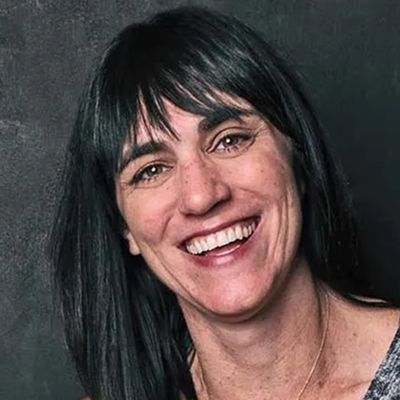
In this week's podcast episode, we have a captivating conversation with Tony-Nominated Director LEIGH SILVERMAN, known for her recent role at New York Theatre Workshop directing the new production of "MERRY ME." Join us as we delve into Leigh's remarkable journey in the industry, exploring her early beginnings and the pivotal moments that led her to success... Read More
From the show: Half Hour with Jeff & Richie (Post-Show Broadway Discussions and Interviews)
Guests

About
In this week's podcast episode, we have a captivating conversation with Tony-Nominated Director LEIGH SILVERMAN, known for her recent role at New York Theatre Workshop directing the new production of "MERRY ME." Join us as we delve into Leigh's remarkable journey in the industry, exploring her early beginnings and the pivotal moments that led her to success. We also explore the captivating themes of Greek and restoration comedy, queer representation, and pop culture in "MERRY ME," offering a deeper understanding of the production's impact. Additionally, Leigh shares exciting insights into her upcoming directing role in the highly anticipated Broadway musical, "SUFFS." If you're a Broadway enthusiast or simply crave engaging theater discussions, tune in to this episode and subscribe to our channel for an exploration of all things theater.
If you liked this episode, don't forget to subscribe to this podcast and leave us a review.
Share your thoughts with us on this episode below:
On Instagram: @halfhourpodcast
On TikTok: @halfhourpodcast
On our website: www.twoworldsentertainmentllc.com
Transcript
This transcript was automatically generated and might contain errors.
[0:07] Jeff Malone: Welcome to Half Hour with Jeff and Richie, which is now on the Broadway Podcast Network.
[0:12] Richie Grasso: I'm Jeff.
[0:13] Jeff Malone: And I'm Richie. And on today's show, we are very excited to have a very special guest with us today. This is Tony Award-nominated director LEIGH SILVERMAN, whose current directorial work can be seen at the New York Theatre Workshop in the new production of "MERRY ME," which is now playing until November 19th.
[0:30] Jeff Malone: Leigh is an American director of the stage, both off-Broadway and on Broadway. She was nominated for the 2014 Tony Award for Best Direction of a Musical for the musical "Violet" and the 2008 Drama Desk Award for Outstanding Director of a Play for the play "From Up Here." Some past credits include on Broadway, "Grand Horizons," "The Lifespan of Fact," "Shinglish," and "Well," and off-Broadway, "Stuffs" at the Public Theater, soon to come to Broadway, "Sweet Charity" off-Broadway with Sutton Foster, and "The Search for Signs of Intelligent Life in the Universe," among many other shows as well. So Leigh, welcome, welcome, welcome.
[1:03] LEIGH SILVERMAN: Yes, thank you so much for having me.
[1:06] Jeff Malone: Yay, this is wonderful.
[1:07] LEIGH SILVERMAN: Thank you.
[1:08] Jeff Malone: So before we dive into "MERRY ME," Leigh, can you tell us a little bit about your journey into the world of theater and what motivated you to dive into the industry?
[1:19] LEIGH SILVERMAN: Oh God, sure. I mean, I was like a total theater nerd. Like I was just like, you know, my real life is on the stage, mostly was how I moved through my youth. I was an only child and was at a summer theater kind of immersion program when I was 15 and had this teacher there tell me that I was a terrible actor. And you know, it was like one of those moments that are just so horrifying and humiliating. And then she said, you know, but I think you're really smart and you have really interesting things to say about these plays, and you should be my assistant for the summer and then go on to a career in the directorial field. And I was like, okay, and I must have really believed her or something, because like I've really staked my whole life on what that one person said to me when I was 15.
But it was for me really being able to that summer I got she handed me Ibsen and Shaw and Shakespeare, and I just was like my mind was really blown open, and I went to Carnegie Mellon as an undergrad director in their theater conservatory. And then while I was there, I applied to the grad writing program, and so I ended up doing a dual degree in both directing and playwriting, and I really did that because I wanted to work with writers, and I can't even really explain why. I just was like, that's where that's what I'm interested in is collaboration, and at that time the only way to be in a room with a writer was to be a playwright myself. So I graduated from Carnegie Mellon and moved to New York, and my first internship was at the New York Theatre Workshop in 1996, and they were doing a musical there at the time called "Rent."
And so when I went to the workshop to like meet with the people and see, you know, we went up to the rehearsal room and I watched a little rehearsal, and I was like, yeah, these are my people. This is gonna be my jam. So I moved to New York in the summer of '96 and was an intern at New York Theatre Workshop. So the fact that I have this show there right now is really like this beautiful kind of full circle moment for me.
[3:40] Jeff Malone: And what was before we move on to the next question, I just have to ask when you were in the in this what was it like you're in New York and now you're in the "Rent" rehearsal? Did you just like casually say you're in the "Rent" rehearsal room? Like what was that like popping in there?
[3:54] LEIGH SILVERMAN: I didn't really, I, you know, it was like I just was like everything was I was just like on fire with excitement. You know, what is there to say? And then I sort of interviewed for my internship. I went back to Pittsburgh, I finished my time there, and in that time, "Rent" had opened, Jonathan had died, the show moved to Broadway, it won the Tony, and then like I came back to New York after I graduated and started my internship. And actually, my first job was my first paying job was to be the PA on the "Rent" tour. And it was, you know, everything that I had hoped it would be. I was surrounded by amazing, interesting, incredible people who are telling the story of underrepresented voices on stage in this incredibly moving piece of theater. And I was like, this is exactly what I want to be doing.
[4:51] Jeff Malone: Awesome. I love this. I love it. And so you were talking earlier about collaborating. So, you know, you've collaborated with Hansol Jung before, who's the playwright of "MERRY ME." Can you share a little bit of your collaborative relationship with the playwright over time and how it influenced this production and like how you guys worked together on getting "MERRY ME" to where it is now?
[5:12] LEIGH SILVERMAN: Sure. So I met Hansol when she graduated from Yale and her play "Cardboard Piano" was picked for the Humana Festival. And the artistic director Les Waters at the time set us up and thought we would be a good match. And we sat down and Hansol started the conversation by saying she did not trust directors and didn't really like working with them. And I was like, I wasn't really planning on doing this play. I was just interested in meeting her. And then I was like, I'm gonna break her. Like I just was like, I'm up for that challenge. Like, give it to me. So truly, it was that working on that play with her at Humana, and then while we were there, she had started to work on a new play called "Wild Goose Dreams," which we then worked on at the Sundance Theater Lab and then brought to La Jolla and then to the Public Theater.
It was during "Wild Goose Dreams," the second production of "Wild Goose Dreams," that it was February. It was a play that was about loneliness, it was a play that dealt with suicide, it was so dark. And we had also been working on her next play, "Wolf Play," and had done a couple readings of that, and I was like, Hansol, for God's sakes, you gotta write a comedy. You're like, what I'm this is like, I'm like, you know, I can't take it, my heart can't take it. And she said, "Well, what kind of comedy?" And you know, I thought I was saying the thing to her that would really stump her, which is I was like, I don't know, like, write me like a lesbian sex farce. And she, of course, being exactly like me and being up for a challenge, was like, I see you, LEIGH SILVERMAN, I will do that.
And she did, in fact, set out to write this play, "MERRY ME," which started off being a kind of very devoted adaptation or subversion of the play "The Country Wife," which is an English restoration play about a man who goes around town claiming to be impotent so that the women would sleep with him. So she was like, I'll just reverse that and make a play about a gay woman who says she's straight so that all the gay women, you know, want to have sex with her. And she just was like, as Hansol would say, like she traded the penis for the vagina and tried to make a play. But then because it's Hansol, she had all these other really interesting and like crazy queer ideas, and she had read, you know, all the plays in the canon, the queer canon and from the Greeks to the Five Lesbian Brothers to Split Bridges, you know, all these different authors, and she kind of put everything that she was thinking about into a martini shaker and really came up with this very, it's like I've said to her many times, like you have to be really smart to write something this dumb.
Like it's incredibly sophisticated, and yet all the time it's subverting and making fun of itself and honoring and then laughing at form, style, and she just it's like one really good setup and joke after another, and it is after a kind of bigger concern, like the restoration comedies are, which is that she ends this epilogue in this very emotional place where she talks really about not choosing revenge when you're angry and not choosing the axe, but to choose something else instead, the Marys, as it were. And which is what the great Restoration Comedies did, which is that they delivered on five acts of comedy and then gave you something to hold on to and feel optimistic about at the end. So to me, that's really the hat trick of what she does, or like the kind of like unbelievable thing that I just marvel at in the play, which is that she manages to deliver all that comedy and then the kind of like beautiful epilogue.
[9:20] Jeff Malone: Yeah, it's super cool. As you were like just saying, too, everything's kind of thrown into the cocktail shaker, and the play is described as an intoxicating queer cocktail. How did you approach the queer themes in this show, especially in terms of the comedy?
[9:39] LEIGH SILVERMAN: We'll be right back.
[9:43] Jeff Malone: Welcome back.
[9:45] LEIGH SILVERMAN: So I've directed two other plays at New York Theatre Workshop. One was "The Five Lesbian Brothers," "Oedipus of Palm Springs," which was an adaptation on the Oedipus story, also told in a very gay, very outrageous way. And then Madeline George's play "Hurricane Diane," which was somewhat of a retelling of the Bacchae, and a queered up version of that. So I felt like I had kind of cut my teeth on like those kinds of plays. And I will say, even though I have directed both of those other plays, plays that are robustly funny and are about female desire and female sexuality are very few and far between. So the fact that I've just listed two others, it's like to me, it really I feel so lucky to have completed the trilogy here with Hansol's play.
But I think you know, every idea that I would have, I would, you know, pause it to my designers and to Hansol, and I would kind of be like, is it like dumb, like good dumb, or is it like dumb, like and so it's like, you know, when we would do a thing and we would laugh about it, and then I'd say, okay, well, let's check in about it tomorrow, and then we do it again, and I'd be like, still dumb? Like good, good, good, or like, no, no, no, dumb, dumb, dumb.
[11:03] LEIGH SILVERMAN: So um, that was kind of our barometer every day. And then, you know, really it's like casting a uh uh a group of people who are just like audacious and fierce and funny as just funny as all get out and like incredibly attractive, and you know, put them in a play where like there's just lots of sex, lots of jokes. I mean, it is um they are a wondrous group of um comedians, and so you know, I think of myself in that case of like I'm just trying to build the right um playground for them, and then they can um, you know, and then I just edit because I just have to give them the right stuff. And and it when we would rehearse and things weren't funny, I was like, I'm just not setting the right table for them, or I'm not setting up the right equipment for them to bounce around on. Um, and so it was fun.
[11:55] Jeff Malone: Do you do you think that when you talk about the Greek and the restoration comedy history with the queer themes? Were you realizing in the process, like, oh, there's more similarities here than not? Because sometimes we look back on Greek plays and restoration and and buried in there is a lot of sexual innuendo and queer theme. And so was it easier to kind of combine, or was there challenges? What was it like mashing all that together?
[12:19] LEIGH SILVERMAN: I mean, the real the truth is that we want people who uh who like know a lot about theater and the history of theater to have like a lot of Easter eggs in the play, and we want people who know nothing about theater to also have a great time. And so I will say this thing, and people are gonna be like, oh my god, never let her direct a play again. But I felt like my North Star was the Muppet Show. And the Muppet Show works on so many levels, right? Like you can watch, you know, I remember being a child and watching the Muppet Show and not laughing at certain parts, and my parents who were sitting behind me on the couch cracking up, and I didn't know what they were laughing at. And then there were things that would happen that I would just find hilarious, and I'd be like, You guys, don't you think that's funny?
But like it had that breath, and it had that sophistication that it could appeal to me as a child and my parents on the couch. And I think I that was the aesthetic that I was trying to hold on to was the kind of Muppet Show brilliance um and the Muppet Show silliness, both.
[13:24] Jeff Malone: It totally makes sense too. Now that you say it and you we like look back and watch it from that that perspective, you're like, oh yeah, that does make sense. And you pull in these cool theater themes and you pull in also so many different pop culture references that the queer community would just get, you know. We're sitting there laughing, and maybe not everyone around us was getting a lot of them because we were also at the mountain, but you know, for us, we were like, oh, this is so funny. It's it's so good. Um, which kind of going to the audience now? Uh, what do you hope that audience take away from MERRY ME? Is there a message or a feeling you want them to kind of leave with?
[14:01] LEIGH SILVERMAN: Yeah, I mean, on its, you know, most basic level, I hope people feel entertained. I hope they have had a good time. I hope they have felt um delighted and merry. Um, maybe like uh, you know, they got to know someone sitting next to them, or they, you know, like to me, there's also a little bit of like we've had a a number of like um kind of hilarious meet cute stories of people in the lobby, like because I think that people feel a little like uh excitable, you know, after the show. That's so that certainly has been part of the uh the hope is that people would walk out feeling merry. Um and that there's a very strong message, of course, of nonviolence in the show and not seeking revenge, and um that feels particularly um important today, and certainly um we started uh our performances, our dress rehearsal was maybe two or three days after the beginning of the war, and it has felt like a very important actually to be talking about um conflict and what the options are in terms of um how to how to move through the world and do you carry the axe or not?
Um even though the axe is a metaphor, it still feels like that's part of what we're hoping for. And and I do also feel like what Hansel is really after is talking about female desire in ways that aren't just in relationship to male desire. And that is also I think a very um underrepresented topic in the theater and one that um you know, has been explored in some ways, um, you know, a little bit on television with certain you know, L-word and things like that. But you know, I think this kind of um there's a a long speech in the middle of the play about um female desire and the way that it manifests, and she describes it as a campfire. And I I I think that passage of the play is is stunning, and I I've never really heard articulated what female desire um quite articulated like that. And so I I also feel like Hansel giving the real estate literally and the space on the stage for that exploration also feels incredibly like exciting and um unique to display.
[16:36] Jeff Malone: That was definitely one of the things when we were leaving and we were walking, and we could do our little chat when we're you know, walking to the subway, and we said this is some of the material that that's happening on the stage right now really just is like we never see stuff like this. And we kind of the first thing we said to ourselves that's like why you know, like why don't we? And you know, what do you think? Like, why why do we not see it? Even probably even on a more main stage, because this is down at New York Theater Workshop, but like where it's more commercial and you know, the everyday Broadway person's going, they're not looking at that, they're looking at what, like, you know, movies and adaptations of those things. So it's curious.
[17:19] LEIGH SILVERMAN: Um, we're always curious as to why that is. Uh, you know, the patriarchy, the patriarchy. Um, but you know, I think that it's it's um uh you know, female. I mean, my theory is like female desire and female sexuality is powerful, and people don't always love women to be powerful.
[17:41] Jeff Malone: Scary.
[17:42] LEIGH SILVERMAN: Yeah, and I I feel like this show even like took it on a deeper level too, because it was actually from the female perspective and like saying, Hey, like we don't need to live the way the male has been saying for so long. You know, and that was like another big takeaway. It's like, yeah, why? So, you know.
[18:01] Jeff Malone: It was nice.
[18:02] LEIGH SILVERMAN: Great. So that I'm so glad you both felt that way.
[18:05] Jeff Malone: Oh yeah, we really loved it.
[18:06] LEIGH SILVERMAN: No, we did. We were really and I and I this is great that we were g able to talk some of this out with you because I was I knew the interview was coming up. So it is a wonderful thing, and there is a couple weeks left in the run, so y'all listening. Try to go check this out downtown in your theater works. Maybe there'll be a future of it somewhere else, maybe, or maybe the the rights will be available for people to do it around the cunt. That would be nice too, I'm sure, you know. So hopefully people get to us.
[18:29] Jeff Malone: We we did want to ask you a few questions beyond Mary Me too. We we would love to know some things that might be up on your plate and especially uh SUFs that's coming to Broadway next year.
[18:45] LEIGH SILVERMAN: We'll be right back.
[18:50] Jeff Malone: Let's jump back into things.
[18:52] LEIGH SILVERMAN: Well, I am um actually leaving tomorrow. We're doing a remount of a play I did five years ago with Billy Crude up called Harry Clark that um uh we're doing again, which is really exciting, um, out at Berkeley Rep. Billy um wanted to do it again. We had planned, always planned to do it um a third time, and then the pandemic hit and he's had all this success with the morning show, and so um with the strike going on and everything else, we were like, okay, now's the time. So um really excitedly we're back in the room together, so that's been really fun. So that is the most upcoming, as in tomorrow. I'll be free to California. And uh we open November 20th at Berkeley Rep. And the show will be running there for six weeks.
And then opening April 18th will be a remount of um the musical Sufs written by Shana Taub that we did at the public last year. And um yeah, it's been well, I guess it's been about a year and a half since we closed now. And we've done a huge amount of work. There's um I would say 14 of the 17 songs are different. Um the cast size has changed. We have an all new design team, we have a new choreographer. We're like, it's a really um, it's been a really exciting action-packed 18 months of work on the show. And um, we go into rehearsal in February. We have um two um amazing producers, Jill Furman and Rachel Sussman, and they are now being joined by Secretary Hillary Clinton and Malala Um as uh producers as well.
And we're gonna be at the music box theater. And um, I'm really excited to get back to it and to particularly because it's an election year. And it just feels like um, you know, this is the story about um not only women gaining the right to vote and the importance of voting, but um, it's really about um using your voice to make change and what could be more important um right now and in this coming election year than that. It's it's it's such an important story to tell.
[21:01] Jeff Malone: We didn't get to check it out off Broadway downtown. I think partly because it was so successful, it's so it was like sold out every night we could go. And so I had I am a few people went and they said, I think it's gonna transfer. I I think we're not gonna see the end of this. And it's so funny because you know we're big this is gonna sound so silly but we're like big Disney people and whenever I think of the women's suffrage I m movement I think of the character Mary Poppins, the mom who was like like this huge and as a child I'm like obsessed with that movie. And I always thought that was like the greatest thing that she like had there was a strong powerful mother in this family. And you never like that's such obviously there's so many other representations of women in that movement but that was like the mainstream Disney one.
And so I always like now I'm like oh now there's gonna be a musical embryo about this and what an important story. And then yes when I read that Hillary Clinton's gonna be attached to this too I'm like this is like moving in the right direction. Like I mean you all must be just like so ecstatic.
[21:55] LEIGH SILVERMAN: Oh yeah it's really it's really incredible. And I you know yes like women getting the vote is like important and like it's really great that we're telling that story.
[22:04] LEIGH SILVERMAN: And these women, these characters are just so awesome. Like, I just am so excited for people to meet these women because they're like funny and weird and they care and they're activists and they struggle. And they're, you know, they're just like, they're just, you know, women who are trying to make a difference. And like that feels to me to be, um, you know, and they do it through song, of course, and they all sound incredible. But like, it's, um, you know, it's, it's to me, it's really about, um, you know, it's about this group of women who were standing on the shoulders of women who have been trying to get the right to vote for 60 years.
[22:44] LEIGH SILVERMAN: This show covers the last 10 years of the suffrage movement. Um, and it's, it's really, um, wild when you think about, um, kind of how long it went on, and also in any social movement, um, in any civil rights movement that you have, you know, the intergenerational struggle. You have the old guard, you have the young upstarts who come in and are like, this leadership sucks. I want to do something different. I want to do it my way. I want this other thing. And the struggle when a whole group of people all want the same thing and they all want to get there in a different way.
[23:20] LEIGH SILVERMAN: And so that feels like it's such a universal thing, whether it's about suffrage or, um, civil rights or, um, you know, any of our other movements. It feels like, um, you know, there's just, there's the interpersonal struggle around how to get where we all want to go is feels just like really ripe and delicious and thorny and worth singing about.
[23:45] Richie Grasso: Yeah, for sure. We're definitely gonna be checking that out. I can't wait to see, hear more about that in the spring, which is gonna be great.
[23:50] LEIGH SILVERMAN: Oh, thanks.
[23:51] Richie Grasso: Yes, I love a music.
[23:52] LEIGH SILVERMAN: We have, yes.
[23:53] Richie Grasso: We have a final question before we get to that. I have to just steer a little bit. Um, we are huge Sutton Foster fans on the Half Hour Podcast. Um, I think I might have seen since a little, I grew up in the area, and so a little boy, I would go to Broadway shows, and she was just always in the show. Like, and still she's gonna be doing Once on This Island at City Center, she's got Sweeney Todd coming up, and you have directed her in Violet on Broadway, which I loved during that. I love that whole piece. And we, another show off Broadway, Sweet Charity, that was like the hard ticket to get, but we won the lottery here, the rush, right, Jeff?
[24:28] Jeff Malone: We won it.
[24:29] Richie Grasso: And we had like the two seats way, way up in the background. I didn't care. I didn't, I didn't care. I needed to be in that room. I've actually done a production of Sweet Charity years ago. I love the show. I loved your take on it. So I just have to ask, you've worked with Sutton a few times. What is it like working with her? What you've worked with her in these huge roles? Just tell us a little bit about maybe your experience working with her.
[24:50] LEIGH SILVERMAN: Sure. We also did Wild Party together at City Center. You know, I, it's like, yeah, she is such an amazing collaborator. She's so smart. She's, um, incredibly game. She's super fun to have in the room, and she has, um, an enormous capacity to both lead a company and to be completely ego-less for a person who is such a mega talent. You know, she knows kind of both from a res, you know, from like a star's responsibility point of view, how to move through the world and how to move through a process and how to lead a cast and how to show up on stage.
[25:44] LEIGH SILVERMAN: And she's just the best collaborator and brings tons of ideas, has, um, truly, um, I mean, really across the board, and every time we've been together on a process, she's interested in whatever's gonna work the best. And if something's not working, she wants to just work it, work it, work it. Um, she's inexhaustible, and, um, she's just a very, um, open, dedicated person to the process. And you know, that's what makes her also a great leader in the room because, you know, it's like she's working harder than everybody, so like no one else can complain, you know.
[26:29] LEIGH SILVERMAN: And it's like there's this, she's just, um, yeah. And then it's like she opens her mouth, and you're like, oh my god, I want to just like, you know, like fall down dead because it's so beautiful. So, you know, there's like, it's such a combination of, you know, personality and the way you can just feel her care and her commitment. We actually, during the pandemic, we made this, um, concert, streaming concert for City Center called Bring Me to Light, and we did essentially like 12 music videos that we kind of strung together in this concert, and I was so moved by the way that it felt to be in her presence in the middle of the pandemic, you know, wearing like I had to wear like a face shield when I was around her, and we were like shooting this whole thing, and she just was so excited to show up to an empty theater, empty City Center, thousands of seats empty, and like sing her face off with the possibility that when we, you know, stream the concert that it could bring something to somebody's life in that moment and lift them from some of the despair or the whatever they were going through.
[27:43] LEIGH SILVERMAN: And, um, and she's just, she's really, she's really quite an, um, amazing person.
[27:51] Richie Grasso: I love that. And I, we loved those shows that she was in. We've loved your take on them and, and just her performance and everything. It's been, I love hearing that because I just love seeing her and she's working, she's always working with her.
[28:01] LEIGH SILVERMAN: Always, always.
[28:02] Richie Grasso: I'm just so impressed. Um, we are almost out of time. I have one more question we have to ask. We ask all our guests this, so I don't mean to throw this on you on the spot, but we always, a lot of our listeners always tell us they really love to hear fun behind-the-scenes stories of something that you're allowed to tell us, maybe a mishap or something in the rehearsal process. So is there anything silly, fun? Or it doesn't even have to be funny, but just something funny that maybe happened on MERRY ME or any project you've worked on, a funny kind of behind-the-scenes story that our listeners might like to hear.
[28:32] LEIGH SILVERMAN: Oh my god. I mean, theater is nothing but funny behind-the-scenes stories. I mean, really. Um, oh my God. I mean, so many. I feel like, um, I mean, MERRY ME is, um, such a ridiculous, um, combination of like crazy things that like describing anything is a little bit of a, um, it's, it's sort of hard to describe on specifically on that. But I will, let's see. I will tell you this is one of my favorite theater stories. So I was doing actually the Oedipus of Palm Springs when I was doing it at New York Theater Workshop. Had a scene, um, about 45 minutes in where the actors, um, there's like a kind of first scene where everybody arrives at this Palm Springs resort place. There's like a big opening scene where everybody's greeting each other, and then each, um, couple goes to their little casita. So it's about 45 minutes into the play. They all regather on the patio and they drink what is described as, um, frosty and delicious margaritas.
[29:41] LEIGH SILVERMAN: But we haven't changed the set since preset. So whatever has been sitting on stage is definitely melted because it's been, uh, probably more like an hour with preset that this blender that they're gonna pour their margaritas out were sitting on stage. So we went through every possible thing that we could put in that blender. So we did like Cool Whip, we did mashed potatoes.
[30:10] Richie Grasso: Wow.
[30:10] LEIGH SILVERMAN: Because we were just like we were trying to think of like what can you do that looks like a frosty drink to an audience member, but that you could pour like a margarita out of a blender, but that's been sitting on stage.
[30:24] Richie Grasso: Okay.
[30:25] LEIGH SILVERMAN: Can you guess what we used?
[30:27] Richie Grasso: Oh my gosh. I feel like the whipped cream would have been the go-to, but no, maybe not.
[30:33] LEIGH SILVERMAN: It, um, it melted. It like kind of, it, you know, it disintegrated.
[30:37] Richie Grasso: Oh, what?
[30:37] LEIGH SILVERMAN: And the mashed potatoes couldn't pour.
[30:39] Richie Grasso: Oh yeah.
[30:40] LEIGH SILVERMAN: So I don't know. Think of it like eggs.
[30:44] Richie Grasso: But then they have to drink it.
[30:45] LEIGH SILVERMAN: Oh, actually.
[30:47] Richie Grasso: Oh, I don't know.
[30:49] LEIGH SILVERMAN: So what we did was applesauce.
[30:53] Richie Grasso: Oh.
[30:55] LEIGH SILVERMAN: In the blender. Because if you pour applesauce, it sort of looks chunky like ice, and it's thick. So you can sort of drink it. And so every night they would like get to that point in the play and they'd like pick up that blender and they'd pour it into the glasses, and then they'd all toast and they'd all say, like, frosty and delicious, and then they'd all take a drink of that applesauce. And it was like, you know, and it, it looked, you know, and it was kind of like we colored it light, like little light green, so it looked like a lime margarita. You couldn't tell, it looked like margaritas, it was amazing. And I will say that like that is one of my most favorite theater stories, mostly because it was the most disgusting thing they possibly could have put in there.
I mean, they were just like so grossed out, and it looked so good, and it felt like, and then they had to be like super drunk because they drank this entire pitcher of applesauce. And I'm sure none of them eat applesauce anymore.
[31:49] Richie Grasso: That's right.
[31:50] LEIGH SILVERMAN: But I, it's like to me, that's like that sums up everything about the theater. Just like drink an entire blenderful of applesauce and get super drunk.
[32:02] Richie Grasso: And I what I love the most about that story is I don't know if you know if the playwright was around, you know, could someone have gone to the playwright and be like, can we just change the frosty and it was like, no, we're gonna take that, we're gonna run with it. We're not gonna change the playwright's thing, we're gonna make it work. Like that's awesome. You know, I love it. I love it.
[32:15] LEIGH SILVERMAN: Oh, we love those stories. Thank you, thank you. I got a million. Have me back, I'll tell you more.
[32:22] Richie Grasso: Yes, I love that. We will, we would love to for sure. And that does kind of put us at time for today. So that is all the time we have for today's episode of Half Hour. And we thank you all so much for listening.
[32:33] Jeff Malone: Yes, we hope you enjoyed our conversation with LEIGH SILVERMAN, and we will share all information on where you can learn more about Leigh in the description.
[32:41] Richie Grasso: And to all our listeners, if you have suggestions for future episodes, we'd love to hear from you. Uh, you can connect with us on Instagram and TikTok at Half Hour Podcast.
[32:50] Jeff Malone: Yeah, so thanks so much for joining us today, Leigh.
[32:53] LEIGH SILVERMAN: Thank you. Thank you both so much for your questions and your interest. I love being here. It was wonderful.
[32:59] Richie Grasso: Signing off for now, I'm Richie.
[33:01] Jeff Malone: And I'm Jeff.
[33:02] Richie Grasso: Saying ta-ta for now.
[33:04] All: Bye.
© Broadway Podcast Network, All Rights Reserved