
Brent Comer made his Broadway debut originating the role of Darrel. But, Brent's journey to Broadway wasn't your typical story. Listen in to hear how Brent accidentally signed up to become an actor. See more on Brent @_brentcomer_... Read More
From the show: Built For The Stage Podcast
Guests
About
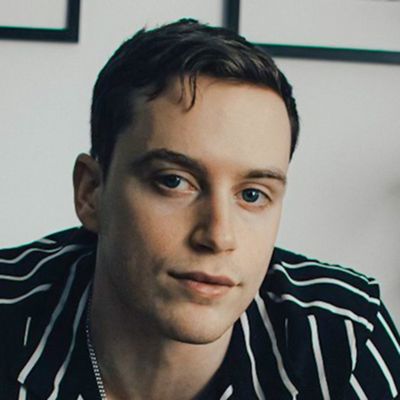
Brent Comer made his Broadway debut originating the role of Darrel. But, Brent's journey to Broadway wasn't your typical story. Listen in to hear how Brent accidentally signed up to become an actor. See more on Brent @_brentcomer_
Transcript
This transcript was automatically generated and might contain errors.
[0:00] Joe Rosko: Hey, what's going on? Welcome to Built For The Stage Podcast. This is Joe Rosko, founder and host of Built For The Stage, Broadway's number one fitness platform with clients in over 20 Broadway shows, the West End, collegiate theaters across the country, and really theaters across the globe like Australia, Germany, Tokyo, Disney. We are your one-stop shop for all things fitness. Go to builtforthestage.com. Check us out for a two-week free trial where you will work one-on-one with me on an interactive fitness app. All right, let's get on with it. Special guest as always, super excited about our guest. Going to see the show, the show being The Outsiders, October the 6th, I think, which is a Sunday.
So if anyone wants to come say hi, I'll be there at the show with bells on. Our guest first off is Brent Comer. I'll bring him on in just a second. But Brent plays Darryl in The Outsiders. Like I mentioned, he made his Broadway debut in the show, also was with it in La Jolla, was touring with Les Mis. And yeah, I think he's a Baltimore native, maybe, or close thereof. I'm going to ask Brent about that in just a second. So without further ado, please welcome to the podcast, Brent Comer. Location change and everything. I want a little more sunlight.
[1:38] Brent Comer: I'm calling in from Queens today, baby. It's my favorite place in the city, bro.
[1:48] Joe Rosko: Yeah, I lived in Astoria for six or seven years.
[1:55] Brent Comer: Really? And you left?
[1:58] Joe Rosko: I did. I left for a bit. I went to Long Island City, just a couple of skips and a hop away.
[2:07] Brent Comer: Not that far.
[2:08] Joe Rosko: Yeah, but I'm in London at the moment.
[2:11] Brent Comer: Oh, you're in London?
[2:13] Joe Rosko: I'm in London. So everyone listening right now, first off, thank you. With Brent being in Queens, and I'm in London with construction going on next door. If you hear any noise, just pretend like you're, I don't know, just eavesdropping in on Brent and I's phone call or something. So apologize about the noise ahead of time. But anyways, welcome. Are you from Baltimore? Was I right?
[2:34] Brent Comer: So I'm about an hour outside Baltimore. I'm from Frederick, which it's weird. Maryland's a small state. You wouldn't think that there's like an hour outside of anywhere in Maryland. But yeah, I'm just about an hour west of Baltimore. I'm a huge Baltimore Ravens fan. They just suffered a catastrophic loss yesterday.
[2:56] Joe Rosko: You know, you ruined my joke. I had this all planned out where I was going to be like, are you okay today?
[3:04] Brent Comer: I was going to hope for some strange reply like, yeah, yeah. Is there any reason I shouldn't be okay? And then I was going to bring up the loss yesterday, but you beat me to it.
[3:12] Brent Comer: So I'm very conscious of the loss. It's very front of my mind.
[3:17] Joe Rosko: Yes. Yes. All of you theater fans out there, please don't stop the podcast. I promise you, we're not going to talk about it. Just hang in there, hang in there. It's going to be okay. Just hang in there.
[3:28] Brent Comer: Know that the pain is festering underneath the surface.
[3:32] Joe Rosko: Yes. All right. Well, last thing I'll say about that is being a Youngstown, Ohio native, which is an hour from Cleveland. Don't ever, don't ever forget that the Baltimore Ravens are actually the original Cleveland Browns. Don't ever forget it.
[3:47] Brent Comer: Yes. Every, every Superbowl, every Superbowl, you guys are owed like a commission for it.
[3:52] Joe Rosko: Right. Exactly. Exactly. All right. Well, okay. Everyone listening, we're hopping off the football train, as promised. So relax, we're here to talk about all things theater and Brent Comer. So before we jump into The Outsiders, what was growing up in Maryland like, as far as performing? Was that always your thing or how did that come about in your life?
[4:11] Brent Comer: You know, I actually, so I didn't really, I didn't get into theater. I actually got into theater by accident. It's actually, I've, it's actually a kind of a fine story. I always tell the story. It's, um, so in high school I was playing sports, I was playing football and I was running track and we had like this, um, at the end of the semester, we had to pick our classes for the next semester, um, for the following fall after summer. And I remember sitting there and I wanted to pick like a newscasting class because I knew that I would have football practice after school. So I was like, I would love to spend the first half of my day doing newscasting or like something that would be easy. Not very like, uh, academically ambitious of me, but, uh, not advanced, advanced calculus or chemistry or something like that.
But I, um, so I attempted to select a newscasting class and I accidentally selected a musical theater class, um, which I was surprised was even offered at my high school. Um, but I did it. It was like an advanced musical theater class. It was like theater, advanced musical theater. And, um, I remember I went in the first day and we had to audition for the fall musical, which was Zombie Prom, which was an amazing experience to be clear. Um, and, uh, I went in and I sang "La Vie Bohème" from Rent. Of course you did. I didn't know that I walked in and everyone just started singing and I was just like, Oh, I guess I didn't get the memo. Um, so I went and sang "La Vie Bohème" and they're like, congrats kid. You're in the fall musical. Uh-huh. And, uh, from there I just kept doing it.
[6:09] Joe Rosko: Wait, so I have a question. So you, you sign up on accident for it. Once you found out you enrolled into musical theater instead of the newscasting, what made you like, not, I don't know, contact someone at the school and be like, wait a second. I didn't, I didn't know until I was there in the room.
[6:20] Brent Comer: Um, like I, the thing is, I remember it being like, it was confusing because it just said theater. And then it had like a, like a numeric denotation to it. Like it was like, it was like theater two, five, three or theater three Oh four or something like that. And I thought theater, like the newscasting class was a theater thing. So it's like newscasting was theater three Oh, whatever the hell it was. And then I go in and theater that one was the musical theater class and not newscasting. And we all, we met in the auditorium and I was like, fair. It makes sense that we would meet there on syllabus day when we go in. And then like, I slowly start to realize, Oh, this is a big class for a newscasting, uh, for a newscasting crew.
I thought it was gonna be four people. And then I think I remember it was like, okay, no, there's like 15 people here. Some, I started to realize something was wrong. And then as I sat down, I was like, um, I like, so this is a newscasting. And I asked my friend, they were like, no, it's musical theater. I'm like, Oh, and then I checked with the teacher. I remember me like, am I in this? And they were like, yeah, no, you're signed up for this. And I was like, Oh, I signed up for the class. So I attempted to leave, but the friend with, I sat next to her name was Rachel. Um, she was like, no, you're not leaving. You're staying here and you're singing. And I sort of did it as a joke. I was like, okay, well, I messed up.
Sorry for swearing. Um, no, you're okay. Yeah, I messed up. So I'm gonna stay here and I'm gonna sing. And it started off just sort of as a joke. And then I went up there and I sang and I was like, oh, that's actually not too shabby. Yeah, yeah. Yeah. And I just okay, sweet. Yeah. So it was just sort of like this, this procedural error that I just kept rolling with and kept saying yes to. Um, and in the matter of a couple hours, I was like, okay, well, I guess I'm doing the musical.
[8:27] Joe Rosko: Okay. So you, you go through the class, you do the musical and then it's just like smooth sailing of like, wow, actually like this, I'm going to keep doing it. Or what was the trajectory after that class and musical?
[8:31] Brent Comer: Yeah. So I, I like, I kept, I remember I kept doing it and I remember just like liking it a lot more than sports. Cause it's for those playing sports. I just kept getting yelled at. And like, and like people just kept like being like, it was so confrontational and stressful. And like, and one thing off your ass, you're the softest, worthless piece of nothing I've ever seen in my life. And then you got it. And then in theater, it's like, wow, that was really fun. It was really great. Oh my God. It happened exactly the way that we planned it would happen. And, and like, I was like, this is so much better. Everyone's nicer. Things happen the way they're supposed to happen. And like, yeah, I don't know.
I just like, I just definitely enjoy it. I also just, I was always into storytelling growing up. I was always like, I always wanted to play video games and watch movies. And, um, I didn't really like, I didn't, I mean, I love sports. I just didn't really like taking part of it. I just didn't really understand the, the mentality of it to be honest. I guess I just didn't have, I was good at sports. I was naturally, I understood how to do it. I just, the mentality of it, I guess I just didn't have a dog in me the way that a lot of like the way that a lot of sports people, I just wanted to dance, dad. And, uh, yeah, I get it.
[9:58] Joe Rosko: Okay. So speaking of wait, let me interrupt you. Sorry. So dad or anyone else in the family, what happens when Brent, the football player and athlete is like, Hey family surprise. I'm doing this thing called musical theater.
[10:12] Brent Comer: Well, my parents thought it was kind of fun at first they were like, Oh, it's okay. So you're just doing that in your spare time. And they didn't really, cause my brother did, did the theater as well. And I'm just like, I'll do it too. Okay. Okay. And, but you know, I remember very distinctly the moment when I said I didn't want to play sports and I wanted to do theater. And it was me and my dad was always up really well, you know, nowadays kids get up and they go to school, they have to get up at like six in the morning or something, something ridiculous. And I remember just being up before the sun was up and me and my dad were just sitting and I like told him, I was like, look, man, I don't really want to do this anymore.
And he, he wasn't upset or like mad. He just sort of his eyebrows raised and he was like, I was like, I think I kind of want to just keep doing like the theater thing. And I remember he wasn't upset or mad. I think he was annoyed because he could see I was pulling away from it and I wasn't naming it or I wasn't saying it like once I told him I didn't want to do it anymore. And I wanted to do this. He was surprised, but he wasn't angry. He was like, okay, great. And I was like, okay, cool. I'm glad that we had, I'm glad that you were not upset with me. And, and he, the thing about my dad that I love, you know, as long as you were doing something that like, you know, it wasn't bad, you know, like you weren't getting into trouble and you found something that you were interested in and, you know, and you wanted to be the best or were striving to be the best version of whatever that was you could be, then, you know, that's, that's one thing I really admired about the way that they raised me.
They were like, you know, and one thing I really appreciate about the way that they raised me, he didn't care what I did, as long as I, he still, you know, he doesn't care what I do, as long as I'm, you know, pushing myself to be the best version of whatever that is.
[12:12] Joe Rosko: Yeah. Okay. Awesome. All right. So, you, you tell your dad, you're on this journey, not necessarily thinking to yourself, oh, I'm going to do this professionally one day. When does that moment happen where, I don't know, do you go to school? Do you go to, yeah, tell me when that happens.
[12:32] Brent Comer: So, I actually, I took a gap year after high school because I didn't really know what I wanted to do.
[14:11] Brent Comer: I worked at a restaurant for a year, which started my very long restaurant career. My very long side gig career. But I'm sure a lot of us are familiar with that. Oh, yeah, baby, get on the machine and figure out how that thing. I love going to restaurants and they hand me a toast machine and I'm just like, I got it. But anyway, what was it? Yeah, no, I took a gap year. Because I didn't quite know what I wanted to do. I worked at a restaurant for a year. And I sort of decided in that year, like, you know, I'm gonna audition at some places and see if I can get into a few musical theater programs. And I was very unorganized. I only auditioned at three. I got into two of the three. And what did I sing for it?
Oh, no, I sang "I'm Alive." I'm alive. There you go. Which is I shouldn't have been singing that. And I said, Why not? It's out of my range, especially this is this is the crazy high tenor song from "Next to Normal," right? Yes, yes, it is that. And then I sang "What Is It About Her," which was my saving grace. There we go. Nice, dude. I love little Brian Darcy. But yeah, no, I took a gap year, which was one of the best decisions because I took that time to really figure out what I wanted to do. And really, I sort of spent that time figuring out what I didn't want to do, which I didn't want to go to school and be an athlete. I didn't want to sort of resign myself to a sort of a career path that I felt sort of apprehensive about.
And when I was so sure about something that I did love, and I did want to pour my energy into. So really, a lot of that year was just sort of coming to peace with that. And after I shot in that direction, I went to JMU. Go Dukes. Go Dukes, baby. Go Dukes. They're everywhere. Keep your eyes peeled. I know it. Yeah, I've worked with plenty and directed some of the kids that went there. Go Dukes. They're everywhere. It's a beautiful campus, too. Great program. Yeah. And yeah. And from there, I just sort of really dug in and just navigated my way from a student in Virginia to being a professional in the city, which is a whole story in itself. It's four years of getting in practice rooms and just driving yourself crazy and falling on your face 100 times and still falling on your face as a performer in the city sometimes.
[17:01] Joe Rosko: Okay. So let's dive in there. Before, when you moved to the city, they don't just roll out the red carpet and give you your Broadway debut. You had some ups and downs or maybe more downs than ups. What was that journey like? Did you ever consider, is this for me? Do I want to do this? Or yeah, I know eventually you booked that tour. So yeah, give us a little timeline and just the journey to your Broadway debut, I guess, once you moved to the city.
[17:29] Brent Comer: Yeah. You know, what was funny was when I first moved to the city, I had first contacted you and we made a little workout plan. You made me a workout plan. And I remember being subscribed for my first few months. And it was actually an amazing start to my fitness journey. Yeah. I really, to be 100% honest, I wasn't quite ready for it at the time. But it was definitely like, it's sort of like set the parameters of like, okay, no, so I need to focus on these things. Which like, I had just moved to the city. And I like was working as a host somewhere. I like had some money saved up. Yeah. But I didn't, I wasn't, I was very much in the red every week. Because I wasn't making enough money to live there.
But I remember being like, okay, I'm going to do the Built for the Stage workout. I'm going to go to work. And, you know, I'm going to go to the auditions. And, you know, I was pounding the pavement is the first thing like I moved to the city, like two weeks after I had graduated college. Um, and it, it was, it was, dude, it was so I remember it's so hot. I've been like, what a nasty place. And I was like working, I was working at Maison Pickle. And I was working there for three months in a completely unstable situation or unsustainable situation of where I was just wasn't making enough money. And I was going to have to find another side job, or quit this one and get another one that paid more. And out of the blue, I was very, very lucky. I auditioned for Les Mis. And I got that one.
[19:17] Joe Rosko: Of course you did. I mean, come on. Easy casting right there when you walk in.
[19:21] Brent Comer: Yeah, look, look at this. Oh, yeah, I was on the not being facetious at all. Like, of course, that's, of course, that's one of your shows, dude. I do. And the thing was, I love that show. That's what it's been. Yeah, musicals. And so I went up, I went out and I did that one for about nine months and then COVID happened. And, you know, industry was wiped out. Everything was like everyone was let go or, or, you know, tours and jobs were postponed. And, you know, it just swiped the carpet under the theater industry, which sucked because I really thought that I was getting like, more confident and more footing as a performer. And I was understanding how things worked. And then like, rug right out from under me, gone.
And, you know, and then everybody went into COVID and everybody started doing Zoom musicals, which I thought was going to be the future of musicals. So I'm like, what the hell have we done? We've created a, you know, a Frankenstein monster of the theater industry by doing Zoom musicals. And like, no, I mean, I thought Zoom musicals were cool, but I like, I didn't, I hope that that wasn't the future of musical theater, not being with people, you know what I mean? And because I think that's the magic of it. I think that's, that's what makes it special. And, you know, I coming back from COVID, I had moved to Astoria at a place that's actually right down the street from here. And I had just been auditioning my ass off, man, making to a lot of callbacks and going through a lot of no's, throwing a lot of self tapes against the wall, and seeing what stuck as all actors do.
And you send, you know, your tapes into the void. And most of them, you don't hear anything back from. And I remember I had actually stopped. I was like, you know, I don't really want to do this anymore. I think this post COVID musical theater industry isn't really something that I want or that wants me. And I was sort of coming to peace with that. I started working in the alcohol industry, working in sales, and it was actually, I was having a great time. I really enjoyed it. I was pretty good at it. And then my last audition before I was like, all right, I'm done, was The Outsiders. It was actually the last one that I was going to do. And it was an audition process that was very long, but it kept going.
And I remember I had gone in like four or five times. And this was just for The Out of Town. And I auditioned and I got The Out of Town as a different part than what I'm playing now. And yeah, The Outsiders was just sort of like a ball that kept on rolling. And it's sort of like, the more I kept auditioning and stuck with it, the more came out of it, luckily for me. And I did The Out of Town. It was a great time. I understudied the part that I am now, Ryan Vasquez. And he was in an unprecedented situation, in my experience. He was between three broadcasts. He was in the middle of the night. He was in the middle of the night. In my experience, he was between three Broadway shows. And he ended up going with another one.
So they considered me for the actual role. And after a few rounds of being at bat for it, they decided to give me the job, which was awesome. Very fortunate there as well. But The Outsiders was just something I sort of stuck with. It was like I said, it was a ball that kept on rolling. And yeah, I'm very, very fortunate to be where I am. And I'm very grateful.
[23:12] Joe Rosko: Yeah, okay, cool. Congrats. That got us to your Broadway debut here.
[23:17] Brent Comer: Yeah, sorry. I ranted for quite a long time.
[23:20] Joe Rosko: No, no, no, no. I'm just recapping of like, all right, we started at the beginning. A kid from Maryland accidentally signs up for a theater class, goes to JMU, moves to New York, books a tour. Then COVID ruins everyone's life. Then we do alcohol sales. And we're about to go crush it on commissions right before your last audition of The Outsiders. So okay, amazing. All right. So we're at The Outsiders. The slow COVID recovery for everyone.
[23:54] Brent Comer: Yeah, right. Exactly.
[23:56] Joe Rosko: So you're with this cast. You make your debut. And magically, you are part of a Tony Award winning cast. Are there any OGs in your cast that went around saying to maybe newcomers like, hey, this is not normal. This is not normal right now.
[24:15] Brent Comer: You know, it's hot. Yes. Like, the thing about our cast is everyone is so like, this is a lot of people's first rodeos. And I think that's part of like, we have a few people who have been in a few Broadway shows. There's not many of them. You know, there's a few people who can speak to that sort of experience. But I think really what makes the show really special is the sincerity and the love for it. Because it is a lot of people's baby. Yeah. It's a lot of people's first special experience. And I think that that's part of what makes it for everyone else. This isn't just another job. Do you know what I mean? For everyone in the show, this is like, no, this is their first go around. And everyone really gave everything that they had for it.
And I think that was sort of the special ingredient that we had, or that we still have is that, you know, the cast is young. The cast is, you know, the cast is like, we're a bunch of young dreamers who like, this is our dream come true. And we wanted to make something that meant a lot to us. You know, we didn't want it. This wasn't just another job. This was like, this was our first big bang. You know what I mean?
[25:41] Joe Rosko: Yeah.
[25:43] Brent Comer: And everybody in that rehearsal space, and it was for a lot of the creatives, it was their first go around. A lot of the creatives, not their first project, but their first musical. You know, our composers had never written a musical before. Adam, our writer, had never written a book for a musical before. And Danya, our director, had never directed a musical before. And so for a lot of people, we were learning a lot. And while we were learning, we were collecting all the things that we loved. You know, we were discovering all the things that we did love for the first time. And we were, you know, I think that was an advantage that we had in the creative process was, you know, we were feeling a lot of these things for the first time. And it made everything that we felt in the studio really potent.
[26:36] Joe Rosko: Yeah, not to interrupt you, but like, I feel like with the cast being young and the creative team also having a fresh experience, it kind of is telling to the story of these young kids trying to make a name for themselves of saying, I'm worth something too, regardless of my class. So I think that, I don't know, chip on your shoulder almost from the collective of everyone on that stage, probably, like you're saying, transfers very well to what's actually going on.
[27:08] Brent Comer: Yeah, the thing is, is nobody's really lying up there. You know, like, no one, like, I mean, we're acting, but we're not lying, you know. And like, for a lot of people, you know, it's, we do have a bit of a chip on our shoulder. And we do kind of like, we do have that sort of mentality in The Outsiders. And, you know, we were kind of, you know, we knew that we didn't have like, that we were all just a bunch of kids, like a bunch of new kids who no one had ever heard of, really. Yeah. And like, we knew that, like, you know, everyone was like, not that we were like, you know, like dicks about it. We just, we were just like, we were just like, we felt sort of like, no, this is like, we have something here.
And we're excited to share it. And I know that every, you know, everyone thinks that they do, but we were like, no, we really, this is more than anyone. This is our first, this is our first go around. Then, like, you know, because it for everybody was their first go around, and they wanted it to be special. And, you know, it was very, it was just a magical experience putting it together, man. Because like, you know,
[28:22] Brent Comer: One thing I do know is that I don't know if I'll be able to experience like a sincere love for the work that we were doing, like I felt there. Do you know what I mean? And you know, who knows? I don't mean to, I don't mean that to sound negative for my future experiences, but I just, it's an acknowledgement that I do recognize how special the room was when we were putting it together. Yeah, you might fall in love again down the road, but this one was your first love. This is my first love. Exactly. You know what I mean? That's exactly it. We'll put it that way.
[28:53] Joe Rosko: Okay. Awesome. All right. If anyone hasn't seen the show besides it being the Tony winner, what's a reason why someone should come and see your show?
[29:02] Brent Comer: Because I think the story that Susie wrote is a story that applies to everybody. I think everybody sort of feels like an outsider. And I think in the show, we sort of explore universal themes of feeling of being excluded, of being misunderstood and not seen. And I think the show sort of invites people to allow themselves to be seen by those around them and the people they love. And I think that it's really life affirming and love affirming. And I think if you come, bring your closest people, bring your best friends and bring the family members you love the most, because it's a really special experience for people who, you know, want to be seen by each other, want to allow themselves to be seen by the people they love.
[30:01] Joe Rosko: Awesome. All right, Brent, that's our episode for today. Really a pleasure to get to know you. I hope everyone listening enjoyed that getting to know Brent outside of just being in the outsiders and being, you know, a performer, but you as the person. So yeah, let's hop on after this call, talk about training now, what it looks like, and obviously getting you.
[30:12] Brent Comer: Dude, I would love, I know, dude, like I, we didn't even get into the, to the, to the fitness journey. I wanted to like, I mean, I was trying to be, I'm trying to be respectful of your time. If you have five minutes, let's jump in.
[30:35] Joe Rosko: No, let's keep going. Let's keep going.
[30:36] Brent Comer: All right. Okay, great. Okay, cool. So tell us about like, um, being able to balance now you're in a show or maybe even before during rehearsals, like how has fitness and performing, uh, married themselves together for you in your life?
[30:49] Brent Comer: It's really, well, so during that COVID period when nothing was, I really like sort of clamped down on, on, uh, fitness because like, I feel like everybody needed something to sort of clamp down onto or to cling onto during COVID as a means to like, uh, to allocate their passion to, or to like, to pour something into, which for me, it wasn't musical theater because musical theater didn't exist. And, um, so I spent a lot of my time going to the gym. And so my brother is a bodybuilder as well, or, uh, which is an advantage that I, I mean, I'm not a bodybuilder, but he was. And during that time, we both sort of like, he became my trainer for a little while and he sort of, uh, continued the built for the stage.
Uh, sorry. He continued the sort of built for the stage journey that I had started a long time ago, uh, a long time before. Yeah. And, um, you know, I really just sort of clamped down and, you know, I moved back here, I was auditioning and I was exercising and, um, but now doing the show is like, it's I'm learning now is when you're doing eight shows a week and you're like committed to fitness, it's, it's a really, it's a tough balance to strike. Um, especially in a show that's so physical. Um, so right now I'm going like five days a week, right. Try five or six, which made six, maybe too much.
[32:22] Joe Rosko: Um, but you know, I'm sorry, I'm ranting. I forgot the question, but we're talking about how you're meshing together, how you're bringing together a performance and, uh, uh, performance and training, which you're doing, you're explaining it right now. The, the, the thing you just said about maybe six is too much. I think it's a great conversation to let people know that like, just cause you go five times or six times or two times or three, whatever the number is, they don't always have to look the same intensity wise. Maybe out of those, if you do go six times, maybe two out of the six is just simply like taking a 10 minute jog just to get the body moving, getting a little bit of a heart rate elevation going and then stretching for 30 minutes. Like that's still a training session that's complimenting everything else you're doing.
[33:07] Brent Comer: Yeah. That's a lot of what my warmups for a matinee look like, like for a matinee I need to warm my body up. I like, because if I don't, and I go into a matinee cold, it would be, I have done it before and it's like disastrous to both quality and like how you're feeling.
[33:34] Joe Rosko: So you actually don't start performing until the second act.
[33:35] Brent Comer: No. Yeah. Yeah. Like the whole first act, which is like what were a lot of my work. I mean, not a lot of it, but like, like a hefty portion of, of, of the role of meaty part of the role happens, you know, you're just completely missing it. And like, so what I do is I get up earlier and I go for a run before a matinee. I try not to do like an entire workout before matinee, because usually it's a two show day. So I try not to go to the gym on two show days because I'll just be dead tired by the second act of the second show.
[34:11] Joe Rosko: Yeah.
[34:12] Brent Comer: Um, but yeah, no, I, I think warming up my body is just as important as warming up like my voice, because if I try to warm up my voice when my body's not warm, it just doesn't happen. It doesn't, it doesn't work. And I ended up just grinding gears that aren't ready to be worked.
[34:30] Joe Rosko: I always, I always sing the best after working out. Cause like you just said, your, your, your voice, it is a part of your body. So the warmer your whole body is the more prepared and ready your voice is as well. So gear here to that.
[34:45] Brent Comer: Dude, a hundred percent. It's also, it's also interesting. You know, the show that we do is really like, um, it is, it is really physical and you know, there've been, there've been injuries. Um, I remember I was doing the out of town and I was thrown on like, there was a Corey, a choreographed moment where I throw myself onto my shoulder and I threw myself a little too hard onto my shoulder onto the ground. And, and I remember like my shoulder should have been dislocated and, you know, thank God it wasn't. But I remember just like, it's a lot of pressure on your legs and it's a lot of pressure on, on your joints and stuff because you're, there's just so much impact. And I remember just being like, okay, next time when we go to Broadway, I like need to make sure that like my body is braced for this because like, you know, people get, people get hurt in the show all the time, you know?
And it's not always like a huge, you know, painful career ending injury, but like there's people who like, you know, I got to take tomorrow off because you know, like I really, you know, I really, you know, I messed my shoulder up or I messed my leg up, uh, during the rumble yesterday. And, you know, it's, it's, there's a lot of velocity in the show. And if you're physically, if you're like physically not prepared for it, like it, it'll, it'll knock you off your feet if you're not ready, you know?
[36:25] Joe Rosko: I think another thing just to get on the soapbox to everyone listening is the training aspects. Originally fitness and it's a route was about injury prevention. It wasn't about like, oh, how I look or whatever it was about being durable. Um, and training for actors, uh, as far as durability is in my opinion, the most important thing. Cause like you're mentioning, yeah, the show's the same every day because of the blocking and choreography, but it's not. Cause there's new people in there or things just go just a little different.
[37:06] Brent Comer: Yeah.
[37:07] Joe Rosko: And those little differences puts you in these like split second situations, like physically that if you aren't durable or aren't athletic in some way to quote unquote, uh, save yourself, you're going to get injured. So I just wanted to,
[37:24] Brent Comer: Yeah. Yeah. I'm in on and agree with what you were saying there.
[37:29] Joe Rosko: Dude. A hundred percent. Really? Like you have to be physically adaptable in this, in the outside is in this space. I remember prepping for the role and just being like, you know, like the character that I played, like he doesn't rely a lot on his words. He, you know, his, his presence does a lot of the talking. And I knew that something physical had to happen with that. Cause in the book, it's very physically described in a specific way. And in, you know, the script that Adam wrote and also just in the material that he speaks, you can tell that he's speaking a lot with his body. And there was a lot of physical work that I was doing as a means to sort of like discover where he existed physically.
And a lot of that had to do with training. A lot of that had to do with like, okay, well how, because my character is like a roofer, you know, he works on a roof for, he works on a roof for 10 hours, 12 hours. And I'm like, okay, well, what does that fucking do to, you know, what does that do to your body? And how does that make, how does that make your body exist in space in moments when you're not working? And, um, you know, I was focusing on that with like training and I, you know, there's just so much that there's just so much physicality in the show. And really that I, that I recognize in a lot of other Broadway shows, um, that is that it really just can't be taken for granted. And I think that it's, uh, it's sort of an essential part of the business.
Cause I think that like, you know, physically how you move and how you work and how you train is such a big part of your, of your work as an actor that if you're not really, if you're not really greasing, what's the expression, if you're not really, uh, greasing that up and you're not like, and you're not working those, those parts of your, of your instrument, then it can make you like really, it can make you really stiff and unable to move. I think that like challenging yourself in that way of can really benefit your work.
[39:41] Brent Comer: And I remember like, after I had come back to theater after COVID and I, I was, you know, a few years into my fitness journey, I was like, movement feels easier. Like I can say, like when we were working choreography, I can say yes to certain things because I know that like, I know that, you know, I've trained for this. I've, I've, I've, I've trained for, to be ready for these certain things. And I'm not a good dancer by any means, but like, you know, I'm ready for whatever choreography comes at me, at least in a way that I feel safe.
[40:13] Joe Rosko: Do you know what I mean?
[40:14] Brent Comer: Yeah. Yeah.
[40:15] Joe Rosko: Well, well, that's a whole other, like, I might have to just bring you back on for a second episode.
[40:20] Brent Comer: Yeah. I think a part two is necessary. Are you, are you game for a part two?
[40:31] Brent Comer: Why don't I, I'll see the show on October 6th and then we'll do a part two so that we can also, I can chat with you about, you know, what I saw and everything like that and, and your specific track and what I saw you having to do. And, and then I'll have a little bit more insight to ask you more questions about specifically your track and in the show.
[40:53] Joe Rosko: Yeah, dude. I would love, I would love to do that. And, uh,
[40:56] Brent Comer: Oh, okay. Good bet. All right, everyone. You heard, you heard it here. Brent committed to part two. Let's do it. Part two of the episode. Right in the sunroom in Astoria.
[41:06] Joe Rosko: All right. Well tell the story. I said, Hey, and I'll see you, uh, on the sixth. I can't wait. Thanks so much again for being on the podcast.
[41:15] Brent Comer: Thank you so much for having me, Joe.
[41:20] Joe Rosko: Yeah. My pleasure.
[41:23] Joe Rosko: All right, everyone. Brent Comer from the outsiders. That was fun.
[41:30] Joe Rosko: Super fun. Make sure you give Brent a follow, uh, on the Gram at underscore, uh, Brent's name, Brent Comer. Oh, I might've actually missed an underscore after there. I think there's, I think it's book ending. I'm going to, I'm going to, he's backstage saying, yeah, there's two.
[41:40] Brent Comer: Okay. I messed that up if you're watching.
[41:45] Joe Rosko: Um, but if you're just listening and you look in the description, I'm going to type up the description later, uh, for like Apple podcast, Spotify, et cetera, et cetera. It's underscore Brent Comer underscore. So your book ending on underscores there. All right. Go see the outsiders. Uh, I'm Joe Rosko with built for the stage. Check us out, buildforthestage.com. You can try out the program for, uh, for free. Why don't you mention Brent's name as well? If you do try the trial, Brent was talking about some financial struggles, uh, earlier on in the, I don't know, I was going to say like the 2020s or something. I don't even know how you say it, but like COVID time, if that's you as a performer, I get it. So let's have a conversation and make it work. Um, because you should be training like the athlete that you are. Actors are athletes train like one later.
© Broadway Podcast Network, All Rights Reserved