

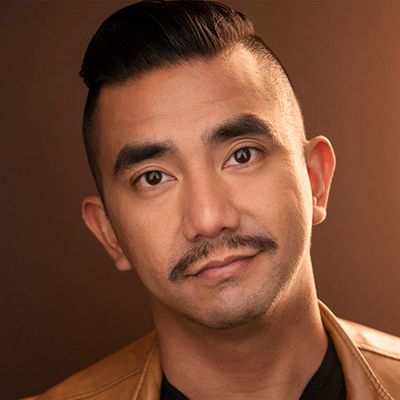
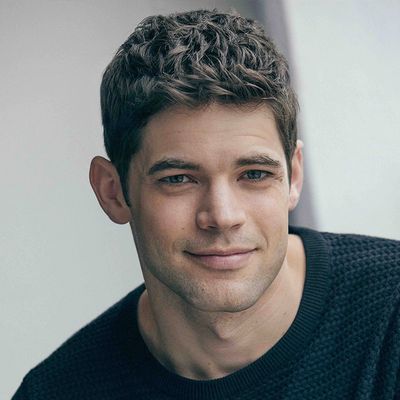
We documented our discussion! Play along as Aaron J Albano (Newsies, Hamilton) and Hayley Podschun (Chapin, Hello, Dolly) join Bryan, Kevin, and Kimberly via video chat to break down Six By Sondheim, Bathtubs Over Broadway, and The Best Worst Thing That Could Ever Have Happen... Read More
From the show: Broadwaysted!
Guests

Featured Shows
About
We documented our discussion!
Play along as Aaron J Albano (Newsies, Hamilton) and Hayley Podschun (Chapin, Hello, Dolly) join Bryan, Kevin, and Kimberly via video chat to break down Six By Sondheim, Bathtubs Over Broadway, and The Best Worst Thing That Could Ever Have Happen. Come for the bad puns and Milagro tequila but stay for the musical talk, Barr Hill gin, and surprise guest, Jeremy Jordan (Six by Sondheim, Newsies)!
Extended cut and full video with our discussion of Documentary Now: Cop-Op is on Patreon. Become a supporter on our Patreon: https://bit.ly/2Q2zELG
Transcript
This transcript was automatically generated and might contain errors.
[0:20] Bryan Plovsky: Hello and welcome to the official Broadwaysted podcast where we're drunk on theater. I'm your host, Bryan Plovsky. And what's up, Doc? On the docket today is a little docile document that we have found dockside. We're not taking Lai Docane in the boondocks, but still enjoy some docudramas while pumped full of endocrines. That's our pedicle doctrine, and we're sticking to it. Are we overdocumenting? Joining us today are the usual Haddock Paddocks, including Kevin.
[0:50] Kevin Jaeger: Is there a doctor on this plane?
[0:52] Bryan Plovsky: Yes. Kimberly, our indoctrinated game master and unofficial babysitter for the hour.
[1:00] Kimberly: Indoctrinated?
[1:01] Bryan Plovsky: Yes.
[1:02] Kimberly: Are you my cult leader?
[1:04] Bryan Plovsky: Yes. And with us today, to talk through the awesomeness of documentaries that we watched are the same people that watched Aladdin, Mary Poppins, and Descendants.
[1:15] Aaron J Albano: I just got it.
[1:17] Hayley Podschun: You just got it.
[1:18] Bryan Plovsky: Wait, really?
[1:19] Hayley Podschun: Heaven!
[1:20] Bryan Plovsky: When I said documentaries, I was like, oh.
[1:29] Hayley Podschun: I'm sorry. That's how this episode's gotta go.
[1:32] Bryan Plovsky: Yeah. Um, and they're back to talk more with us. Let's give a big Broadwaysted welcome to Friends of the Show, Hayley Podschun and Aaron J. Albano.
[1:52] Hayley Podschun: Um, what are you drinking?
[1:54] Aaron J Albano: We don't deserve the intro music anymore.
[1:56] Hayley Podschun: No, we don't deserve an intro at all.
[1:57] Aaron J Albano: I love it.
[1:58] Hayley Podschun: New theme song every week is what you deserve.
[2:01] Aaron J Albano: Oh, I'll work on that. The next one we record, I'll have a better song for us.
[2:05] Hayley Podschun: That way. It'll be like the club version of "I Still Believe" from Miss Saigon.
[2:10] Aaron J Albano: Did you ever hear that?
[2:11] Hayley Podschun: No, but please send it over.
[2:13] Aaron J Albano: It's one of my favorite shows ever. I don't know if I can find it, but like they had it at like ITS, like International Thespian Society when I went to Florida, like state competition.
[2:24] Hayley Podschun: They did a dance at the end, and they had all mixed remixed glove mixes of like original cast album songs. And the most popular one was "I Still Believe," because all these girls like threw their heads back and like belted to Jesus. And like everyone was like dirty dancing to "I Still Believe." And I was like, this is so ironic right now.
[2:49] Bryan Plovsky: That's okay. What are you drinking?
[2:54] Hayley Podschun: Um, I have their salt Aquila with jalapeno lime from Trader Joe's.
[3:01] Bryan Plovsky: Nice.
[3:02] Hayley Podschun: And I'm very sad because the Trader Joe's down in Arizona doesn't have my jalapeno salt.
[3:09] Bryan Plovsky: Oh.
[3:10] Hayley Podschun: Which is usually what I put in here. So I just have regular salt on the rim.
[3:14] Bryan Plovsky: All right. How do you put salt on a rim? Do you just get the glass rim wet and then just stick salt against it?
[3:20] Kevin Jaeger: You got it. Use your lime. Put your lime around it, then put it down.
[3:25] Bryan Plovsky: So you're too.
[3:27] Kevin Jaeger: Yeah.
[3:30] Bryan Plovsky: You worked in a restaurant, Kevin, for a long time.
[3:33] Kevin Jaeger: No. I did, but I never worked behind the bar.
[3:37] Bryan Plovsky: Kevin, what are you drinking?
[3:38] Kevin Jaeger: Oh, I'm drinking white claw.
[3:40] Bryan Plovsky: What flavor?
[3:41] Kevin Jaeger: Uh, this one, I bought a variety pack, but this one is watermelon.
[3:46] Bryan Plovsky: But the watermelon is so good.
[3:48] Kevin Jaeger: I found out they're all just delicious, though.
[3:51] Bryan Plovsky: No, you're new to white claw, yeah.
[3:53] Kevin Jaeger: I'm very new. I just started. This is like my first ever pack. My third one, and I'm like, these are delicious.
[4:00] Hayley Podschun: I've never had white claw, but I've had spikes, the spiked seltzer brand with the mermaids in it. And I love that one.
[4:05] Kevin Jaeger: Yeah. We have the Corona seltzer right now in the fridge.
[4:10] Bryan Plovsky: Corona seltzer, get rid of it.
[4:12] Kevin Jaeger: Oh yeah, my parents have this and it's really supporting them.
[4:15] Bryan Plovsky: Oh, it's not quite as good. It's also less alcohol than a white claw. It's 4.5 instead of 5%.
[4:22] Aaron J Albano: I put tequila in it.
[4:25] Bryan Plovsky: Uh Kimberly, what are you drinking?
[4:27] Kimberly: I have a gin and tonic in a Graceland tumbler.
[4:31] Bryan Plovsky: Ooh.
[4:34] Kimberly: Um, and I found this at my parents' house, which is apropos, because it's Bar Hill Gin.
[4:38] Bryan Plovsky: Nice.
[4:39] Kimberly: And they have a bunch of coasters because they went to, I don't know if they went to the distillery or they were at like a wine and food conference and they were there, but the back is a honeybee.
[4:49] Bryan Plovsky: That's awesome.
[4:51] Kimberly: Or is it coach cleaning? And they have the Barr Hill honey as well. That's very good on a goat's cheese.
[4:59] Bryan Plovsky: Oh nice. Cool.
[5:01] Kimberly: Um, like actual honey.
[5:04] Bryan Plovsky: Like the actual Barr Hill honey.
[5:06] Kimberly: Yeah.
[5:07] Bryan Plovsky: Oh, cool.
[5:09] Kimberly: It's not in the drink, but they have it here.
[5:10] Bryan Plovsky: That's awesome. Um, I will also let everyone know that apparently Saint Germain can go bad.
[5:14] Hayley Podschun: Oh, yeah.
[5:15] Kimberly: My first gin and tonic was disgusting. I'll talk about Saint Germain instead of a lime. And I was like, this Saint Germain looks like syrup.
[5:22] Hayley Podschun: Yeah, I found that out myself in a bad mistake.
[5:25] Kimberly: Oh, it was disgusting. I thought the gin was bad. I got really upset.
[5:30] Bryan Plovsky: It was not.
[5:33] Kimberly: The gin was actually bad, but you just don't realize it.
[5:36] Aaron J Albano: No, gin is delicious.
[5:37] Kimberly: Shut up. Um, I'm just drinking Malagro Tequila with a splash of soda.
[5:46] Aaron J Albano: Nice.
[5:47] Bryan Plovsky: Yep. Aaron swirling his glass is my favorite thing ever.
[5:52] Aaron J Albano: I know I'm drinking, I mean, I'm boring. I'm drinking my leftover glass of red wine from my Disney movie today. It was gnarly head noir.
[6:03] Bryan Plovsky: Cool. What movie did you watch today for Disney movies?
[6:06] Aaron J Albano: Snow White.
[6:08] Bryan Plovsky: The old movie movie.
[6:10] Aaron J Albano: Are you starting from that one and going all the way through?
[6:13] Bryan Plovsky: We're going through all the princess movies.
[6:16] Aaron J Albano: Like in order?
[6:18] Bryan Plovsky: As stated in the dressing room in Wreck It Ralph 2. So that's like 14.
[6:27] Aaron J Albano: Those I needed like a solid list because all the lists online are very different. And so I was like, I need like a consistent, like this is what we're doing. So that's what we're doing. And we're going from the OG all the way through.
[6:41] Hayley Podschun: Cool. Wow. Well, we this week watched some documentaries that you can find streaming. We watched Six by Sondheim. We watched The Best Worst Thing That Could Ever Have Happened, and Bathtubs Over Broadway. And for those of you who join our Patreon, um, we also watched the Documentary Now episode Co-op making fun of Company. Um that so that you'll be able to hear us talk about that as well.
[7:07] Bryan Plovsky: And for the record, I didn't know that Documentary Now, I didn't know what it was. I just thought it was like a series of like documentary shorts.
[7:14] Kevin Jaeger: Oh no.
[7:15] Bryan Plovsky: Oh my god. I was like, great, and a 24-minute documentary that uh is about a musical. I don't know. That's cool. And then I started watching and I was like, that is John Mulaney. And then like five minutes in, I was like, oh, this is a joke.
[7:34] Kevin Jaeger: I was like, she's dressed like a religion stretch, and like I did I I didn't get it. I was so good.
[7:40] Bryan Plovsky: They um if you like we'll get there, we'll get there. Um, but uh let's I think let's go in order. Let's do Six by Sondheim, then we'll do Best Worst Thing, then we'll talk through Bathtubs. So we'll keep Sondheim back to back, then we'll go into Bathtubs, something a little lighter, depending on how you consider the Sondheims. Um, and then we'll talk Co-op. But um, overall, I loved watching all three of these.
[8:05] Kevin Jaeger: Yeah, what did everyone think about these in general?
[8:08] Aaron J Albano: I thought they were fantastic. I because I had seen I think two out of the three of them already. I had never seen Bathtubs Over Broadway, but I had seen the other two, and it was such a good. I texted everybody being like, we've watched so many, so much plot-driven stuff. I like had to rewire my brain to like figure out how to watch these like informational documentaries. And once I got in the groove of watching the documentaries, it was so wonderful. I absolutely loved that we did this.
[8:49] Kimberly: Had you seen all three of these? What was your relationship with these documentaries?
[8:54] Kimberly: Um, I had only seen, well, Co-op and Six by Sondheim many times, but I had purposefully never watched The Best Worst Thing because I knew it was going to like wreck me.
[9:09] Aaron J Albano: Sure.
[9:09] Kimberly: And like I was like, I don't know if I can handle that ever. Um, so thank you for forcing me to watch it. It was not I did not cry nearly as much.
[9:17] Aaron J Albano: Sure.
[9:18] Kimberly: I also love a documentary the same way I love podcasts. Because I was just like, oh, it was just like a soothing tone in the background.
[9:25] Aaron J Albano: Yeah, yeah, definitely.
[9:27] Kimberly: Also, I kept calling Jay upstairs to watch the bathtub movie with me.
[9:30] Bryan Plovsky: But had you seen that before? Because you're the one who found it and suggested it.
[9:33] Kimberly: I did.
[9:34] Bryan Plovsky: Oh, you were?
[9:35] Kimberly: Never mind. It was not me. But I um, Jay filmed a pilot about industrial theater. Oh many months ago.
[9:41] Aaron J Albano: That's the one we did with Brian Darcy James.
[9:44] Kimberly: With Brian Darcy James, and it never went, but he was like, it was the most fun we ever had, and but like no one knew that was a thing, so the pilot didn't go.
[9:53] Aaron J Albano: Interesting.
[9:53] Kimberly: Oh but how fascinating.
[9:57] Aaron J Albano: Huh?
[9:59] Kimberly: What network was that supposed to be for?
[9:59] Kimberly: I don't know. Maybe Fox, NBC.
[10:05] Kimberly: It was like a main network. It would have been just like following the players of any of that. Because I think he filmed it around the time that like um 30 Rock was really popular. It was like the same vein.
[10:06] Aaron J Albano: That would have been so fascinating.
[10:21] Hayley Podschun: Nice.
[10:23] Kimberly: Um, I had seen all of these except Six by Sondheim. And I love documentaries, so I enjoyed revisiting all of these. I made my parents watch Six by Sondheim with me. I actually started it, got about seven minutes into it, and I was like, nope, my parents need to watch this with me. Um and then I made them watch Bathtubs Over Broadway with me as well as Co-op.
[10:49] Kevin Jaeger: Cool. Uh Kevin, had you seen these before? What was your relationship with any of these?
[10:52] Kevin Jaeger: Um I saw Six by Sondheim when it came out, and uh I saw The Best Worst Thing That Ever Happened. I had never heard of Bathtubs Over Broadway or of Co-op. Um or Documentary Now, actually.
[11:12] Bryan Plovsky: Like, all right, it's like a Ken Burns show, I guess.
[11:16] Kevin Jaeger: Oh my god.
[11:18] Bryan Plovsky: That's what I expected.
[11:19] Kevin Jaeger: I was like, It's a wonderful rabbit hole of a show.
[11:23] Bryan Plovsky: Truly. Um yeah, so that was uh I had never seen those, but I one of the things Aaron said in our group chat that I think is like really like speaks to how I experienced these was that like when I saw them, I was like in a totally different place as like a creator and like writer and performer. So like I had such a different experience to the ones I had seen previously. So I was almost nervous to watch them again, but like it was like I'm at such a different place that I appreciated so much more and in different ways a lot of the stuff that was in the key stuff.
[12:01] Hayley Podschun: Sure.
[12:01] Kimberly: Um I hadn't seen any of them. This is all new to me.
[12:04] Bryan Plovsky: Really? All of them?
[12:06] Kimberly: No, I I had seen Documentary Now. I had seen the Co-op.
[12:09] Bryan Plovsky: Really? Never saw Six by Sondheim?
[12:12] Kimberly: Never seen.
[12:13] Bryan Plovsky: No.
[12:13] Kimberly: Oh my gosh.
[12:14] Bryan Plovsky: I want you to talk the whole time.
[12:17] Kimberly: Um and I and we're gonna talk through this. To me, I have no I had I always had no interest in learning about Sondheim because he was a myth. And I just accepted that he wasn't a real person. He was just a myth behind all these shows. Does that make sense?
[12:33] Bryan Plovsky: Yeah, I had no deeper Wikipedia interest in it. Um, I you know, I I knew the stories, I'd seen the footage here and there through other things, but like just never, I don't know, it was just something maybe it's stubbornness, maybe it's whatever the case, it may be on my end. Like I also didn't grow up with Sondheim, so he didn't, he doesn't interest me as much as a close personal friend as a youth.
[12:55] Kevin Jaeger: Yeah, no.
[12:56] Bryan Plovsky: I knew Oscar, but I didn't know uh no, but I just didn't grow up with Sondheim musicals. Uh I grew up with Cole Porter and um, you know the 80s. Absolutely, that's what I grew up with. And I just it just he I have a very different relationship with him and his musicals than a lot of other people, even ones that are right here. Um but let's start with Six by Sondheim.
[13:20] Kevin Jaeger: Um 2013. Um, the concept behind this is they're telling a story of Sondheim.
[13:26] Bryan Plovsky: What are you smiling at, Kevin?
[13:28] Kevin Jaeger: No, I was just like, wow, that was seven years ago when I like last saw this movie. Like I was just thinking about how different my life is now than seven years ago, and why that like changed how I experienced this.
[13:40] Bryan Plovsky: Yeah, it's so this one, it's interesting because like well, we'll get into that, but just to describe this, this as everyone knows, they take six of Sondheim's most famous songs and songs that define portions of his career, and they basically use those as jumping off points to tell the story of Sondheim um for better or for worse, in terms of as a creative, as a teacher, all the in-betweens of that. Um and the doc the so the six songs are "Something's Coming," "Opening Doors," "Send in the Clowns," "I'm Still Here," "Being Alive," and "Sunday." Um I think it's a solid list.
[14:19] Kevin Jaeger: Yeah, let's talk about that list. Let's start off with that list. Do you think that there are ones that were potentially missing from that list in terms of being really nice tent poles of his career for you personally? Do you think those encapsulated it best? Let's let's talk a little bit about that.
[14:34] Aaron J Albano: I'm with you.
[14:36] Hayley Podschun: I did not go listening to Sondheim stuff at all.
[14:40] Aaron J Albano: My first time I ever listened to it was, uh, Sunday in the Park because the school I was at was gonna be doing it the next year.
[14:49] Hayley Podschun: So I watched the movie with Bernadette and Mandy Patinkin, and I couldn't get through it. And then I ended up doing Sunday in the Park on Broadway, and I was, and they were, you had to sing a Sondheim song. And I was like, I don't know any Sondheim songs. So I sang something from, um, uh, Forum. Sure. Sure. Which is fun. It was fine. I don't know how I booked the show, but I'm so glad I did. But I don't know his, even still today, like it's, it's, I have barely seen a lot of his work, and it makes it like sad to say it, but I'm like, I just didn't grow up doing it. So I don't know how these songs, like I don't know what's missed or what's really great, but I am very glad that they included Sunday. I like that that was the end.
[15:38] Kevin Jaeger: Yeah, I was, yeah, I feel like it would not, there wouldn't be any other number to make the end.
[15:44] Hayley Podschun: No, I feel like, I feel like the list of the songs are their favorites that maybe could make the list too.
[15:52] Kevin Jaeger: Sure, sure.
[15:52] Hayley Podschun: But I feel like it's a good, like you could put something in Gypsy, like from Gypsy in there, but that's covered in Something's Coming. Like you could put something for sure, but that's cut. Like it was a good, all six of those numbers were pretty, were good umbrellas for his entire career.
[16:13] Aaron J Albano: And they feel, I think a good story of like these markers that they were trying to do.
[16:16] Hayley Podschun: That's what it is. The narrative behind these songs is way more interesting than just like having a good song that he may have written in like a day.
[16:24] Aaron J Albano: Absolutely.
[16:24] Hayley Podschun: Yeah, yeah. And what I love, what I loved most about speaking of the narrative, is what jarred me, because it's been a while, because yeah, last time I saw this was like in 2013, and I've seen many, many documentaries since then. But the fact that there's no overarching narrator, and that it's literally just him telling his own story, the whole movie was really jarring, but ended up being a really nice way to tell the story of his life and his career by basically it being himself narrating his own life.
[17:02] Kevin Jaeger: It was really cool in that way. Once I figured out how to watch it in that way.
[17:06] Hayley Podschun: Sure. Did any of you guys see Sondheim on Sondheim?
[17:10] Aaron J Albano: No.
[17:11] Kevin Jaeger: No, that thing about like him narrating his own thing.
[17:14] Hayley Podschun: I didn't even notice that because that's what Sondheim on Sondheim was.
[17:19] Aaron J Albano: It was just like a clip would come down of an interview and then a song.
[17:24] Kevin Jaeger: So I found this documentary at times repetitive from the show.
[17:29] Hayley Podschun: Okay.
[17:30] Kevin Jaeger: But I was just like, oh, it's like they saw that show and they were like, let's make this better and a movie.
[17:36] Aaron J Albano: Right.
[17:37] Kevin Jaeger: You're, you didn't chime in on the six songs.
[17:41] Aaron J Albano: Uh, no, I mean, I think, I think there's like, like it's just where he said, like you could argue for certain songs here and there, but I think overall it's like a really solid like mix of what he does really well, as well as like telling the narrative of his like song journey.
[17:57] Hayley Podschun: Sure, sure.
[17:58] Kevin Jaeger: And yeah, I think it all played together really well. I'm like an apostle of Sondheim. My parents, I was like born in the 80s, and they were like, oh, he likes musicals, what do we do? And they were like, buy all the musicals we can find. And so they were just throwing me stuff that was contemporary, which was like Sondheim and Lloyd Webber, and like that's what I grew up on.
[18:17] Hayley Podschun: Sure, sure.
[18:17] Hayley Podschun: So like I actually have holes in my musical theater stuff that's like classics, like what I had known fitted on the roof or chorus line or things like that, because they were just buying me all the shows of the 80s.
[18:28] Kevin Jaeger: And on, so like I had like just like Sondheim. I was like, he's a god. And, um, yeah, well, he was a big reason why I even became a writer. So like watching this movie is just like very emotional experience for me. Cause it's just like I feel like it's a moment of having like a mentorship from him without him like actually being there in the room and mentoring me, just because he's so honest in this documentary.
[18:53] Hayley Podschun: So let's talk about Sondheim as a character, I guess. Um, did I guess kind of explain your relationship to the character of Sondheim that was created in this narrative.
[19:07] Kevin Jaeger: Um, does that make sense?
[19:10] Hayley Podschun: I think so. So this, this documentary, I think that all the something of these two Sondheim documentaries have in them is that they don't look at it in a, they're very biased because they are done by Lapine and Lonny Price, who have relationships with him. So there's obviously not going to be like two sides of the coin. However, in Six by Sondheim, a lot of his interviews do speak for themselves in terms of the tone of Sondheim.
[19:41] Kevin Jaeger: And I think that as Sondheim ages, you definitely get a different version of him. Obviously, you have that young Sondheim who is very cocky, and Jerry Herman will deny it and did deny it till the day he passed away. But that like that, that the hummable tune, uh, comment at the Tonys was not necessarily directed towards Sondheim, but like that interview clearly, all of those interviews clearly talk about the hummability of tune.
[20:06] Hayley Podschun: So, like it was so there's an, there's like this, there's this version of Sondheim who knows how good he is and how, um, and how humble he is, but also at the same time not humble but very charming. Then there's the older Sondheim who really feels more like a teacher, um, and is not maybe doesn't have the same type of ego because he doesn't have because he's not that age anymore.
[20:27] Kevin Jaeger: I guess, uh, talk about your feelings of Sondheim as like a character with an arc through this, as opposed to, uh, an actual human being who like has thousands of layers.
[20:38] Hayley Podschun: Does that clarify it a little bit better?
[20:40] Kevin Jaeger: Yes, but that's not at all how I watched the movies.
[20:44] Hayley Podschun: Re-watching it in my mind, like, oh, that's so smart that you even say it like that. I'm like, yeah, I have never, but he totally did turn into this beautiful teacher.
[20:54] Aaron J Albano: Um, someone who like literally, as Kevin mentioned, sees him as like a god, a myth. All of these things are just like you just hear these stories. Does this person exist because their catalog is just an unbelievable thing?
[21:07] Kevin Jaeger: You know what I mean?
[21:08] Hayley Podschun: Do I love you because you're beautiful? Are you beautiful because I love you?
[21:11] Kevin Jaeger: Right.
[21:11] Hayley Podschun: Sorry, Kevin, you were like one, like one thing Kevin you've been it to say.
[21:13] Kevin Jaeger: Oh no, because I, I mean I was just gonna say in terms of because I'm not the hugest Sondheim fan like it's, he's a perfect example of where of an artist and a composer and whose work I will always admit to be full to be brilliant but I will never like, hey what do I want to listen to on my drive? Oh, let's listen to Sweeney Todd. That's never gonna come out of my mouth outside of what I just said it right then but like I'm gonna cut that and play it all the time that's my new that when someone curses on an episode yeah yeah yeah we're gonna just put it in like at the random uh us talking during like the opening song yeah yeah yeah yeah because that's going under it yeah I didn't bring anything but I'm here to have fun I will absolutely listen to Sweeney Todd under that but like there there's something about watching this documentary where he's just even in in all of his life from arrogant Sondheim to like mentor Sondheim he's it's undeniable that he knows what he's talking about and he's known what he's talking about since day one.
[22:34] Hayley Podschun: This movie made me feel completely inadequate.
[22:41] Kevin Jaeger: No, I, I think the brilliance of Six by Sondheim, that the reason I think it's an amazing documentary, but also just brilliant in general with because it's Sondheim, is that it's structured like a Sondheim musical.
[22:56] Hayley Podschun: So it's like the way it's told is Sondheimian in itself.
[23:00] Kevin Jaeger: So the arc is a very much a Sondheim character. Like, for example, like it's basically a story of a somebody with a lot of hubris who comes out guns blazing and starts doing a lot of stuff to like make a scene. And then when they realize what happens to them because of how harsh life can be, but also like the beautiful moments of like trusting reality, they have like a very Sondheimian like discovery song.
[23:28] Hayley Podschun: Like that's basically every musical.
[23:30] Kevin Jaeger: Like The Witch in Into the Woods goes through that. She's hubristic, she's throwing out curses, but like she loses what she actually wanted to get by causing all of this to happen. At the end, she sings Children Will Listen. Like Sweeney Todd comes in guns blazing, ready to like kill the judge and kill everybody, and like at the end, like he didn't listen to himself and feel anything, so he realizes he just killed his whole life because he was too busy ready to revenge something.
[23:56] Hayley Podschun: So it's like this arc where they all like have this teaching moment at the end.
[24:00] Kevin Jaeger: Sure. I mean, that moment, that moment when when I think Diane Sawyer, so I forget who asks him about like regret on having kids.
[24:08] Hayley Podschun: Yes, Diane Sawyer.
[24:11] Kevin Jaeger: Like that is very, I uh, that fits very nicely into your analogy, Kevin.
[24:15] Hayley Podschun: Yeah, so it just feels like everything and like how he said like teaching is so important. Like one of the last things they talk about is like how Oscar Hammerstein like called him Stevie and what he wrote, and like how much that meant to him.
[24:29] Kevin Jaeger: And so, like I know.
[24:30] Hayley Podschun: All of that, but it's everything that it's structured. It's like it's structured like a Sondheim musical.
[24:35] Kevin Jaeger: So I feel like that's like the most touching thing that like his collaborator who made the movie could do to pay homage to him is to create a perfect Sondheim musical of his life with him being the tragic hero like through the whole thing?
[24:51] Hayley Podschun: Like I think that's just like a really brilliant way to structure it.
[24:55] Aaron J Albano: Um, what are your thoughts on, um, I guess the videos, like the things that they shot for this, like Audra or the three of them singing, or the four of them doing Opening Doors? Like, did was that too kitschy for you? Did you enjoy all of that? How did you feel like that kind of was that the glue that held it together? Or was that something that like made you like was that the moment like was that the bathroom break at a concert when they sing a song you don't know?
[25:22] Hayley Podschun: And can I add the caveat to that question? If you'd seen this before, was your experience of them different between now and the like the first time you saw it?
[25:33] Aaron J Albano: Yes.
[25:36] Hayley Podschun: Um, I remember watching this the night it came out, which now that I'm thinking 2013.
[25:42] Kevin Jaeger: December 9th.
[25:43] Hayley Podschun: Yeah, I think I was home like for something with my mom, and we like watched it together because we were so excited. But I thought it was just gonna be like almost a concert.
[25:54] Kevin Jaeger: Because the way they advertised it, they just showed the clips performances.
[26:00] Hayley Podschun: So I was like, oh, this will be a fun, like kind of pre-recorded concert, and then it was a full documentary, and I was like, oh, this is fun with Betty's America Ferrera.
[26:11] Aaron J Albano: I know more than watching it today.
[26:14] Hayley Podschun: I was just like, wait, these weren't necessary. We just saw that there's footage of Marilee that you could have pulled from.
[26:22] Kevin Jaeger: Yeah, of Opening Doors.
[26:24] Hayley Podschun: Like, I didn't need Darren Criss and Jeremy and America Ferrera. Although now I do want to see Laura Osnes' Beth.
[26:35] Kevin Jaeger: Sounded great.
[26:36] Hayley Podschun: I think that was gonna watch it. I mean, I thought the performances were fantastic. What I saw in 2013, I thought everything was great apart from I didn't understand why they did what they did to I'm Still Here.
[26:47] Kevin Jaeger: Sure.
[26:48] Hayley Podschun: Oh my god, that number. And like this time I appreciated like the vision and the whole thing together more. I still wish that they had let some like strong belters just kind of like do it that song.
[27:04] Kevin Jaeger: Like wait, I was thinking of the wait, that was Audra's number, right?
[27:08] Hayley Podschun: No.
[27:08] Kevin Jaeger: No, no, Audra's saying Send in the Clowns.
[27:12] Hayley Podschun: Right.
[27:12] Kevin Jaeger: I'm thinking it was like that like jazzy do that guy.
[27:16] Hayley Podschun: Oh my god.
[27:16] Kevin Jaeger: What was that?
[27:17] Hayley Podschun: Why is this the longest number in the entire movie right now?
[27:21] Hayley Podschun: I fast forwarded. I needed to because I was nervous that there was gonna be like someone talking over a bit about the story, and I was like, you this has gotta stop.
[27:31] Kevin Jaeger: They just, the lyrics to that song are brilliant for sure. I just wish they'd had like, and I get what the performance was. I'm not saying anything bad about the performer, I just like wish they had given that song a chance to really just be belted out because we've already had Something's Coming, which is like a female solo.
[27:50] Hayley Podschun: So it would have been nice to have a female solo because I don't think were any of the other ones female solos.
[27:56] Kevin Jaeger: Just the Send in the Clowns from Audra.
[27:57] Hayley Podschun: Yeah.
[27:59] Aaron J Albano: I will say I had not seen this documentary because I knew that they, um, reenacted like stuff from shows. I was like, I'm not watching this.
[28:08] Hayley Podschun: So on that note, yeah, was Sondheim as the producer way too kitschy in the third act of this?
[28:16] Kevin Jaeger: Yes.
[28:18] Hayley Podschun: Um, I didn't mind it because it was such a bad idea in the first place.
[28:24] Kevin Jaeger: I was like, well, at least he's like turning this around.
[28:28] Hayley Podschun: Sure.
[28:29] Kevin Jaeger: Oh, the hub didn't.
[28:32] Hayley Podschun: Yeah.
[28:33] Kevin Jaeger: And I think at that point I was just like, okay.
[28:35] Hayley Podschun: I mean, I guess we're doing this.
[28:36] Kevin Jaeger: Sure.
[28:37] Hayley Podschun: Like, I just gave up at that point.
[28:39] Kevin Jaeger: I was just shocked that he said yes.
[28:42] Hayley Podschun: Well, James Lapine directed, like, it was that was a strictly like for this documentary.
[28:48] Kevin Jaeger: You know, James Lapine was like, just sit in the chair, sing the song, just do it. It'll take us like 20 minutes. You'll get paid more. Do it.
[28:59] Hayley Podschun: Um, what was your favorite Sondheim hairstyle?
[29:05] Kevin Jaeger: I don't know.
[29:06] Hayley Podschun: I know.
[29:07] Kevin Jaeger: Karen and I really liked it.
[29:10] Hayley Podschun: I really liked younger Sondheim.
[29:12] Kevin Jaeger: Sondheim with long hair is truly the best.
[29:15] Hayley Podschun: Smoking the cigarette being like, listen, I, I didn't expect Send in the Clowns to be that popular. I just wrote it, like, I guess, you know, in Disc Doc, she started playing it once Judy Collins sang it.
[29:26] Kevin Jaeger: So, like, hummable tune, am I right?
[29:28] Hayley Podschun: I was like, You're so cool, I hate you and love you.
[29:30] Kevin Jaeger: No, even younger version.
[29:33] Hayley Podschun: Oh, like Something's Coming, Sondheim.
[29:35] Kevin Jaeger: No, I'm all about the one that gets angry and puts his hair behind his ears.
[29:39] Hayley Podschun: Yeah, that was that's my favorite. So that was Dave Cigarette hair. Like that one he's like dashing. I get it. Like he's way hot. Sebastian Stan Steven Sondheim is my favorite. Oh, how cute. Steven is not my first time. Steven Sondheim the winter solution. That's so good. Stephen Sondheim as the winter soldier is everything. Um, I guess I'm calling him that forever. He's like what S4? S what Sebastian Stan Steven Sondheim. Um that's so good. Um for me, I would say the sexiest thing about this documentary is when he described the difference between a poem and a lyric. Oh, found that to be the sexiest thing I've heard in a long time. And that made me think about the rest of the documentary, and even as he gets older, he becomes way more pithy.
So, in those in the Sebastian Stan Stevens, the S4 um interviews, he's just like he loves the sound of his voice way more than he does when he's older. And that Diane was that the Diane Sawyer, I forget who did that one. It is Diane Sawyer, but the way that the reactions and all that stuff, like it was just so sexy the way he described the difference between like the momentum and the listening and everything happening versus like the poem that you're supposed to reread and get something from it, was just like this literally the sexiest thing I've ever heard.
[31:13] Kevin Jaeger: Well, it's like what it's his his intelligence is just hot. It's like oh okay. He's been yeah, it's amazing. So I don't know. What was some of your favorite advice or lines that he had in this that really stand out to you? And and like someone for Kevin, like, was it in 2013? Did something pop differently than it did you then watching it this week?
[31:42] Aaron J Albano: Advice wise. One of my favorite things or moments from this movie is when he's doing the interview with Arthur Lawrence, and um uh I think uh I think Bernstein was in the interview as well. They're like sitting on couches talking to some guy, and Steven Sondheim as like a that's this is like the the sexy version that Haley and Aaron were talking about. Sure. Like he's like already starting to brood a bit on the couch, and he's like, No one listens to lyrics in a musical. And they're like, Arthur Lawrence, like, no, I think they do, and Sondheim like starts his lecture, which is the same lecture he like talked about in that like ending moment that you were talking about. Yeah, he's had the same through line of like he's had the same like brilliant line, he's just learned how to like structure it better as he's gotten wiser, like but he's always been that brilliant because that's why his stuff has just always been on the same level of brilliant.
But like when he's like when he's saying what he's saying so definitively about the audience experience and why lyrics are like have to be poignant, but like quick enough for them to get it, be like, Great, I got it. Now I have to see what's happening. Like that was like so brilliant to watch him doing that on a couch when he was the brand new nobody, like 26 year old, and like these are these seasoned, like that's who took him on, but he still stood his ground. Like that to me is like such an amazing lesson to like believe that you're the strong one in the room, even if you're not the one with the most money or the most experience, like per se. Anyone else have a standout moment?
[33:18] Hayley Podschun: Um two of two of mine are there's this one that like when he was talking about, and it was it it was it was reflecting when he was like, No, your your lyrics have to be the most direct. It's I feel like so many other artists like cre in the cre and creative teams everywhere are like my choreography, my direction, my and he's like, no, there's a lot happening. Everyone, when you're watching a musical, there's a lot happening. This is why the lyrics have to be as clear as possible. He's not discounting everything else in the musical, he's actually saying these all exist too, and this is why I have to write this way. My mom even commented on that quote. She was like, Yeah, because I'm always looking at the costumes and the sets, i.e. why I'm her daughter. So we're always looking at the details, but like we need we need those lyrics to be standing out.
[34:20] Kevin Jaeger: Yeah, absolutely. My and my other my the other one. Mango, though. Mango, nice, good choice. The other one moment. Um the best worst thing. Yeah. Because man, go on with the next thing. Anyway, Aaron, so you can finish. Sorry, finish your thought.
[34:39] Aaron J Albano: Yeah, no, no, no, no. It wasn't really a lesson, but like the way the documentary sort of spelled out that his trauma with his mother is what like sort of inspired children to listen. So heartbreaking. And yeah, I was just like, that got me. I mean, a lot of things about this documentary got me, but that was like if if if that in fact is what inspired Into the Woods, I was like, whoa, this is a lot. Um, sorry. I was just gonna say really fast that I call I had my parents also in who are in Florida uh watch Six by Sondheim because they have HBO, so I told them to watch it, we could talk about it. Yeah, and my mom said this. My mom said watch that movie made me made her sad for him because of his mom thing, and she was like, Well, you're very lucky that you know that I love you.
And I was like, or I'm not lucky because I'd be more famous if you hated me. My dad thought it was hilarious, but my mom did not find it. You were like Candor and Eb live next to us. If you didn't love me, they would have been my parents. That's literally what I said to her. I was like, why am I not saying oh Fred drop got me this thing, mom? Drag her. Oh my god. I'm sorry, poor kids, I couldn't do it.
[36:02] Bryan Plovsky: Brian, I wrote down one note for all three of these movies. And that note is directly for you. His dad joke at the forum. Oh my god. Like an image. And he just goes, you know, a funny thing happened on the way there. Oh, in a t-shirt and shorts and like sandals. I was like, I was like, it's Brian. That's the Sondheim action figure I would buy. That was my favorite song. So all I wrote down was talk to Brian about dad jokes.
[36:32] Hayley Podschun: Oh, I love that. Something something that this movie's I we all know that we all know hi, Maisie. We all know that you know uh uh Hammerstein like became his surrogate father, taught him everything he knows and all that, you know, obviously gave him the connections to start writing lyrics at 25 for like a Broadway production, but I it it's so it's so crazy to watch him talk about Oscar Hammerstein like a father figure, um, so casually, and the the weight that he holds um for that word Oscar versus the way that like a lot of us casually just like understand the fact that like he is the greatest or is considered the greatest or the father of it, however you want to define his role in the musical theater, but to watch the weight every single time he said it carry that name, you was almost like watching like him wearing like a weighted vest of Oscar Hammerstein on him for this whole life, and even the moment where he talks about never trying to write like Oscar again, but then and and that being very clear and and and not hypertherical hypocritical in any way, but at the end, just wanting him to be proud of him was just like a very for me, a very strong and and kind of mind-blowing narrative throughout this.
[37:50] Kevin Jaeger: Yeah, which is why I wrote my senior thesis about their relationship.
[37:53] Hayley Podschun: Oh, yeah. Fancy. Well, I wrote it about that, like his whole career has been him trying to like make Oscar proud and like fix all of Oscar's flaws in his own work. And that will be available via PDF on number. I did find it the other day. I was like going through my flash drives and I plugged one in to like move something to Jay's computer, and I was like, this is my entire senior year of college. I want to read it. I would don't know if it's good.
[38:21] Bryan Plovsky: Um, but any before we move on to more Sondheim, any final thoughts on Six by Sondheim? Pull up my notes. Watching the entire being alive was surrendering. Also, if this had been made this year, they would have used um the footage from Marriage Story, guaranteed.
[38:41] Hayley Podschun: I still haven't watched that because it's okay.
[38:44] Kevin Jaeger: Okay, never mind. Honestly, don't watch it.
[38:48] Hayley Podschun: It's not that great.
[38:49] Aaron J Albano: Oh, I enjoyed it. I just, I mean, my only things were like minimal stuff. I was like, he was 25 when he wrote the lyrics to West Side Story, and then for him to say, no, don't put my name on it. It's okay. Like, I know. What also I think there are moments where Hal Prince and Steve Sondheim look like twins.
[39:13] Hayley Podschun: That's really I agree with that.
[39:16] Kevin Jaeger: Yeah, it's true. It was fascinating hearing how he wrote when they he was talking about writing for Ethel Merman. Oh, I love that Oscar kept giving him challenges. Was it in- I feel like his whole career was like Oscar being like, here's a lesson. Here's a um, oh you know what some other things that stuck out to me were actually you brought it up. The concept of that it's not that writers work better under pressure, they work better on the road when they know who they're writing for, and that's why songs sometimes stick a little bit more. Was like something that like I don't know if I'd ever heard before, but like I knew in the back of my head. But like having a lot of the things that like you know in your gut, but have no one has ever verbalized before. I felt there was a lot of those moments for me in this.
[40:05] Hayley Podschun: Oh yeah, he articulates a lot of truth that like is just cathartic at this point, where you're like, Oh, that's how you say that. And it's yeah, oh go ahead.
[40:15] Kevin Jaeger: It's so honestly flabbergasted that like Send in the Clowns was such a big hit because he just wrote it as a very quick, like emotional song for a specific singer.
[40:26] Hayley Podschun: Right. And suddenly it was like, this is my song that's gonna break out. Like he was like so shocked. And I remember I love that. I remember when we did Mary Poppins, and you said that Glennis Johns sang that initially.
[40:39] Aaron J Albano: Yeah, yeah, yeah.
[40:39] Hayley Podschun: And seeing that little clip, that little snippet of her singing it. Sure. I was riveted. I was like, oh it makes me listen to the song completely different now, knowing like her breath patterns. And I mean, we'll get into this with like best worst thing, but like that small Jason Alexander interview he has when Sondheim's like, what do you what are things that you're good or not good at? And he's like, Oh, I'm I'm actually terrible at this. And then he wrote his entire song for Jason Alexander. This is all thematic. That's why I was bad at it. He's like, it's so fascinating.
[41:13] Kevin Jaeger: Yeah, teacher at the highest level. Some things that I'll point out about this are watching this documentary, even sa it feels like Sondheim lived in a it look it's like watching a different world of how theater works. Yes, yeah, it doesn't work like that anymore. And it's just so interesting that like it feels like watching like this antique relic of how theater once worked versus how it works now, and just like they would just churn these out and get them up and like sure. It was just it was just a very the way they auditioned, like it and we'll talk more about that in best worst, but like it just felt like a totally different world. And I bet that you know Haley and and Aaron, you can talk to that a little bit in more depth.
[42:01] Hayley Podschun: Yes, we can when we get there.
[42:01] Kevin Jaeger: Yeah, um, and then another thing is uh my hot take on this is that I believe that Send in the Clowns is totally overrated as a song, and um I completely understand why it was included in this, but like that song I I I don't understand that song and and is and I I understand it like intellectually, but like it just doesn't do it for me.
[42:21] Hayley Podschun: Oh I disagree wholeheartedly.
[42:24] Kevin Jaeger: I think that I have control over the Zoom, so we're gonna kick you out.
[42:30] Aaron J Albano: I mean, Bryan, I'm kind of there with you. I again I'm not a Sondheim baby, so I'm like, I I don't I respect it, but I'm like it's I don't want to I you know it it's just like uh but it's a monologue, it's brilliant. Like it's just like it Yeah, for sure. Like we're talking about just as a song, or like what the song I guess that's both both things. It's a really moment for her. Like it's just brilliant short and like it's exactly how you would be if that happened in the moment. Like the speech pattern is this like song path. Oh yeah. I don't doubt it's brilliant. I know it's brilliant, I hear it. I'm just like overplayed maybe, but I don't know if they stuff like overrated. So I that'd probably be a skip on the album. That's a skip on the album for me.
[43:15] Hayley Podschun: I mean it's a skip on the album too. I'm de I'm so the only time I'll ever like listen to it is like if Judy then just doing it on him as your producer. But I think in in recent years, that song has gained more relevance in or is that sharing too much? More relevance in my life than it did before, and now it like resonates way more.
[43:41] Aaron J Albano: You mean we can do starting actually being a professional clown?
[43:46] Hayley Podschun: Sure, yes. Always left on the sidelines. You're just like, send me in, coach. Like I'm writing like you're on. I'm ready to clown today.
[43:56] Kevin Jaeger: And then the only thing that I wish was in this that I didn't see in this, and I don't really see down the line. I haven't really don't really talk about his com his purely comic songs, even though he doesn't write purely comic songs. The closest they got were the puns, and they did that little section on Little Priest where they showed that and how he like finds words and stuff like that. But like in terms of like like forum, I I feel like a lot of these writing processes were very redundant throughout, which is totally fine.
[44:27] Aaron J Albano: But I would have loved a little bit more insight into how he, Sondheim, is able to create these humorous moments in songs that are very grounded in the characters, but like his choice of words may be a little bit higher than that character's vocabulary to make it funny, or how do you make it funny by keeping it the same vocabulary level and the same inflections and things like that?
[44:52] Hayley Podschun: I would have you can infer all of that from how he talked about the other songs.
[44:56] Kevin Jaeger: Yeah.
[44:56] Hayley Podschun: Talks about a pinch and a punch and all of that. Um and you get a little bit of but I would have loved the in my opinion. Maybe there aren't interviews that there were no narrative to be able to go by that. But I would have been interested a little bit of more of a juxtaposition to the serious stuff, the Belty stuff, the deeply character stuff that he writes.
[45:16] Aaron J Albano: I mean, I guess I think that's where it was just all kind of covered in the umbrella. Um when he went like in that stuff.
[45:22] Hayley Podschun: Sure.
[45:22] Aaron J Albano: I feel like the main thing is yes, there are puns, yes, there's like clever wordplay, but it's all character driven. And so I think it was like too. I don't know, I'm making stuff up. It's not like I wrote them.
[45:34] Hayley Podschun: No, but I mean I mean it's also it's also maybe this is the bigger question. I never really got a sense of his sense of humor, and that is something that I focus in on when I meet someone new or when I'm hearing deeper about someone. Like what is their type of sense of humor? And I never really got that from that. And that's that's that's not the documentary fault. That's just something that I pick up on.
[45:57] Kevin Jaeger: No, I get that. And yeah, that that I would say is missing. Um but uh all around I'm assuming this like an A plus for everybody, yeah.
[46:06] Hayley Podschun: Yeah.
[46:07] Kevin Jaeger: 100% on not Rotten Tomatoes. A get rid of get rid of the reenactments, and I'm great.
[46:14] Aaron J Albano: Yes, fire Hayley.
[46:19] Kevin Jaeger: Um can anyone guess what can anybody guess what the uh Rotten Tomatoes was on this?
[46:25] Hayley Podschun: 94.
[46:27] Kevin Jaeger: 96.
[46:28] Aaron J Albano: 89.
[46:31] Hayley Podschun: 90.
[46:33] Kevin Jaeger: 100.
[46:35] Aaron J Albano: Really? What is that called? It's like totally fresh.
[46:40] Kevin Jaeger: Yeah, it's a I mean it's only based on 12, so I don't know if it can count as that.
[46:46] Hayley Podschun: Because only 12 reviews.
[46:48] Kevin Jaeger: I was gonna say, yeah, what people are going on to review Six by Sondheim on Rotten Tomatoes.
[46:53] Aaron J Albano: Correct. No, well these are these are these are based on the professional reviews.
[46:59] Kevin Jaeger: The audience score is an 80 based on 63.
[47:02] Hayley Podschun: But I go I go off just the critical reviews.
[47:05] Kevin Jaeger: Yeah. Not it.
[47:06] Hayley Podschun: Oh, that's a big distinction.
[47:07] Kevin Jaeger: Because I don't know what jabronies are writing. Like they could like literally Jerry, Jerry Herman could have written a review bringing him down.
[47:16] Hayley Podschun: It won something, right? It won like the Oscar or the Emmy or whatever.
[47:20] Aaron J Albano: I don't know. Uh let's see.
[47:21] Hayley Podschun: It won't be not an E-GOT actually. It was really intense.
[47:26] Aaron J Albano: It won a Peabody award.
[47:28] Hayley Podschun: Oh, fierce.
[47:30] Kevin Jaeger: Yes. Anyway, so let's talk about something other Sondheim. Best Worst Thing That Could Ever Have Happened. Um, this was uh from 2016. This is by Lonnie Price, who was in it, and as we know, went on to be a very fruitful director of Sondheim Chosen More. Um, but um this was basically a documentary um the you know showing the the progress, the history of Merrily We Roll Along and the some of the actors who were in it. Um so um let's just go around. Like, what are your thoughts on this?
[48:06] Hayley Podschun: Who had seen it again? I forget.
[48:07] Aaron J Albano: I had seen it, Aaron.
[48:09] Hayley Podschun: All right, so only me and Kimberly had not seen it before today. Cool. Um anyone can go.
[48:15] Aaron J Albano: Yeah, all this movie wrecked me harder than it did before.
[48:19] Hayley Podschun: Same, same thing.
[48:20] Aaron J Albano: I think I was very fortunate that I was watching it while I was doing work. Because if I had my druthers, I would have like cozyed up with a glass of wine and like no one around me on like a big TV, but I did not have that opportunity.
[48:41] Hayley Podschun: Um, and so since it was not my sole attention, it did not wreck me as much as it should have. But I loved it so much. Fun fact, me and Hayley have been in that theater.
[48:54] Aaron J Albano: True.
[48:55] Hayley Podschun: It literally heard it.
[48:56] Aaron J Albano: So have we. We've sit in that theater.
[48:59] Hayley Podschun: Well, we've been in the seats. My first note was I'm emotional seeing the Neil Simon Theater.
[49:05] Aaron J Albano: I want to go back.
[49:07] Hayley Podschun: Oh.
[49:07] Aaron J Albano: Which is huge for me because I'm like, get me as far away from Broadway as I can right now. But I'm like seeing that theater, because that's where I did Hairspray. And I was like, oh my God, what a magical like three years my life that was not on Broadway, but like all of Hairspray. Um I just like it made me so happy seeing that space. And then it's it's always that fun reminder of like when you go into a new theater with the show, you're like, you forget that sometimes other shows have been there. Done that. You know, I unless you've like, I don't know, like the Schubert Theater was where I saw Chicago. So I was like, oh my gosh, this is where this is, you know.
[49:48] Hayley Podschun: Um, but like I had from my childhood memory never seen anything at the Neil Simon.
[49:55] Aaron J Albano: Um so that is my memory of the Neil Simon is Hairspray and like what a magical gift that was. So to see it again. I was like, oh cool.
[50:09] Kevin Jaeger: Overall thoughts.
[50:12] Hayley Podschun: Yeah.
[50:13] Kevin Jaeger: Yeah. Deeper. Open it up, baby.
[50:17] Aaron J Albano: Um no, I just it just wrecked me, and it's just like the sad reality of what could happen when you have a passion project that you love and everyone's excited about and the whole team feels good and it just doesn't hit. And like we've seen a lot of like success stories, so it's like intense to watch it like a not success story.
[50:38] Hayley Podschun: Um like seeing somebody get replaced, seeing like them like think they finally worked it out and like going through the kinks and then like to not have a hit. It's just sad.
[50:49] Kevin Jaeger: Um it hit me way more this time because it's like that's like a substantial amount of time for everyone's career to be dedicated to something that doesn't work, and then the ramifications of what it has on people who don't have the like clout and ability to just like brush it off and move on.
[51:09] Aaron J Albano: Well, let's let's talk a little bit, let's talk about a little bit that because Kevin and I were texting about this while I watched it today, and um uh something that I noticed about this was this this movie just did not wreck me. I really enjoyed it, but like I didn't it didn't, I didn't get emotional towards the end. Um I actually found the stories of all these people finding other careers and paths to go down, even though they miss it, very revitalizing.
[51:35] Hayley Podschun: I thought it was a very positive ending that they use their experience with theater to succeed at other things, yes, um, which was like super cool. Um, but there's also another version of this that Lonnie Price doesn't direct that is about um then there's not if there's not an actual one, but like there's another narrative in here about how and I I mean this in a pop I don't mean this in like to cast doubt on anything, but like kind of how Prince and Sondheim are like the villains in that they created this musical and then just kind of like it failed and then they walked away, but they had these 16-year-olds who had such high expectations, who thought that this was like the real jumping off point and had didn't have that that willpower, that experience to like and or the life experience to overcome what had happened where they go on because that like Kevin said, they have the clout to move on, where all these people like and you can even see in some of these interviews at the end, like there's little pieces of them that never got over that.
[52:35] Aaron J Albano: Oh, for sure. And maybe just the narrative of it all, but like there's a version of this where like they did them dirty in a way, and I don't mean like they actually did. Like they just planned it. Like does that make sense?
[52:49] Hayley Podschun: But also like as a Broadway kid who's show closed, like that's what happens to you.
[52:55] Kevin Jaeger: Absolutely.
[52:57] Hayley Podschun: It's just the other side. They made it very I'm I'm not saying that that's the movie I wanted at all because it's not, but there definitely is a darker side to this story that they kind of they they tingled.
[53:11] Kevin Jaeger: They gloss over, that's the word.
[53:12] Hayley Podschun: Yeah, yeah. There's a tr there's a trauma that a lot of these kids went through, and you can see it in in their interviews. That and it's it's the people who aren't Jason Alexander and the people who aren't Tonya Pinkins. It's the people who like Yeah, and you're not equipped to to handle that when you're that young. Unless you're un unless you take off afterward. And that's a real thing.
[53:38] Aaron J Albano: And it also feels like like we talked about the first one. I want I want you all to talk about this. It feels like another world. Like this this what the all these videos that Lonnie Price cuts in between, like the audition stuff, which is truly incredible, they even have it on film. It's amazing.
[53:55] Hayley Podschun: Yes.
[53:55] Aaron J Albano: Like, and from the two of you who have gone through audition after audition after audition, booked things, not booked things, been in flops, been successes. Like how much of a different world what these actors and actresses went through. How how much of a different world is that compared to like what you've seen?
[54:12] Hayley Podschun: I mean, just the dance audition itself, I was like, yeah, that's not a dance show, but I was like watching what they were all wearing and like the technique of everyone. And I was like, wow, if I had been born later with the technique that I have now, I would have been a star.
[54:32] Aaron J Albano: I mean, they were terrible, and then the clothing they were wearing, like they couldn't move in it, or they could, and it was just like a leotard and tights, but that you love that that was that era, and that's what you did.
[54:45] Hayley Podschun: And you didn't have to have, you know, these fancy high kicks and goodness. I mean, at least for that show, you didn't. And I'm like, oh god, what a gift that would have been.
[54:59] Aaron J Albano: And see, have you ever gotten a show like that? Like just been in the room, and they're like, Well, you're all in the show.
[55:05] Hayley Podschun: No, it happened to me on like a this like commercial thing that I did. We were in the room and they told us, and it was like this, it was an environmental commercial that was industrial.
[55:19] Aaron J Albano: No, I wish.
[55:21] Hayley Podschun: We did like 20 different commercials for it, and we were the e-patrol, and there were four of us, and they told us in the room that we got it. And I there I feel like there might have been one other time that happened to me, but that's the that's the one that is in my head.
[55:35] Aaron J Albano: Um, and I feel I feel like it's not like the nuts and bolts of it were very different, but like the stakes were all the same, so that's what I was like, this is right. This is this is the same. The industry stays the same, and that's you book a Broadway show, and I'm like, and especially with like the glee that they all feel when they are all told in the room by Al Prince, this like god that they that they all worshiped at the time, like that they're gonna get to work with them now.
[55:35] Hayley Podschun: I was like, this is this is real. This is not this is not that different.
[56:09] Aaron J Albano: This like again, like the emotion is still the same, but the prep work is 50,000 times harder now.
[56:16] Hayley Podschun: What was interesting about this is because I treat Sondheim as like this mythical figure. Watching these kids discover this myth into a man following Six by Sondheim was like very rewarding for me as a viewer.
[56:31] Aaron J Albano: Um, and that the truly the coolest thing in this was like him playing the song for the first time at that party.
[56:38] Hayley Podschun: Yeah, and I don't know, that just humanized this person. Answering my emails, like I like that as like the subplot of this, the the taking Sondheim off his pedestal while keeping him there, like or changing the pedestal he's on for these people was very a very exciting thing for me to watch.
[56:58] Kevin Jaeger: But they like created like a big step that everyone could like climb up on and feel like he's more accessible.
[57:04] Aaron J Albano: Yeah, well, he went from a god to a very talented man.
[57:08] Hayley Podschun: Yeah, well, yeah, one of them says it at the end where they're like, We watched our gods fall very hard, and not and I forget if they said that they couldn't get up or they did get up, but it was really hard on them.
[57:21] Kevin Jaeger: But like they watched them fall, and they watched their like idols fall, and that's like that's definitely like a very heavy plot of the moon of the movie itself, yeah.
[57:32] Aaron J Albano: The the blame thing too, yeah.
[57:34] Kevin Jaeger: The blame conversations at the end where some people remembered other people being harder on themselves, and yes, like like that was when they yeah, when she told Lonnie Price, she was like, Well, you like thought it was your fault.
[57:46] Aaron J Albano: He's like, I did.
[57:48] Kevin Jaeger: That was fascinating. Because you wonder if like the the human emotional it blacks you out, or he, you know, like that, or because his career was so fruitful afterwards, like maybe that's something that like he forgave himself for, whereas some of these other people who didn't have maybe the same type of career that they were hoping for, they expected after doing this, like don't didn't let that go.
[58:12] Aaron J Albano: It's it's so the psychological aspect of it is so interesting.
[58:15] Hayley Podschun: I mean, I like what I will say. I love this, I love this documentary deeply. Where I always get really upset is when, and I understand it, but I still get very upset when they replace the first Charlie.
[58:20] Kevin Jaeger: Frank?
[58:20] Hayley Podschun: Charlie Frank.
[58:20] Kevin Jaeger: Frank.
[58:20] Hayley Podschun: When they replace the first Frank, I always get very upset.
[58:34] Aaron J Albano: In what way?
[58:35] Hayley Podschun: What I've I've lived in those processes of like when people get replaced in shows. It makes sense, and we all understand it. But these people, like this, these people are people, and these people have devoted the like to get super real. When though when those like six newsies in Paper Mill did not go to Broadway, all of us were very upset. We were all happy we were going to Broadway, but like that sent a wave of anger through our company because this was our family, and we watched them like not come with us, and watching like the A the fact that he could he was even able to do any of the interviews for this thing, like even years later.
[59:23] Aaron J Albano: I mean, who knows? I'm not him, but like sure, yeah. But it's like, did you ever see the documentary about the making of Annie and like, oh that happened with Annie on Broadway? It's fascinating.
[59:36] Hayley Podschun: Yeah, I haven't seen it, but I need to watch it again, it's on YouTube.
[59:42] Aaron J Albano: Yeah, it worked. There was a little girl who was playing Annie out of town.
[59:48] Hayley Podschun: At Goodspeed?
[59:49] Aaron J Albano: Yes. And she couldn't do it. They were trying to change things the next day, and she had worked really hard but just couldn't do it. She was getting nervous and stage fright and stuff like that, but trying her best. And they were like, it's not working. So they replaced her before Broadway. And she's an adult woman now, and she's like not over it.
[1:00:16] Hayley Podschun: Yeah.
[1:00:18] Aaron J Albano: It's like really, she never performed again. And she holds it hard.
[1:00:26] Hayley Podschun: That trauma is real.
[1:00:28] Aaron J Albano: That trauma is super real. And it's what I think is really, I think you're right. It sort of glosses over that aspect of the whole story, but the rest of the story is really good.
[1:00:40] Hayley Podschun: Yeah, yeah. I mean, watching Lonnie Price watch his younger self...
[1:00:46] Aaron J Albano: Oh my god.
[1:00:48] Hayley Podschun: Well, to watch it twice when you have no context and with context is an editing miracle.
[1:00:56] Aaron J Albano: Yeah.
[1:00:57] Hayley Podschun: She was edited very well. My friend's post-production company did this movie.
[1:01:02] Aaron J Albano: Oh, really?
[1:01:03] Hayley Podschun: Tell them they did a great job. This is really well edited. She texted me because we were roommates for a while, and then she texted me. She goes, you know Lonnie Price, right? She goes, he's in my office. We're doing a movie.
[1:01:15] Aaron J Albano: What?
[1:01:16] Hayley Podschun: Speaking of Lonnie Price, something that I just never put together is that he's the main human actor in Muppets Take Manhattan.
[1:01:27] Aaron J Albano: Oh, I still haven't seen it.
[1:01:30] Hayley Podschun: In the Muppets Take Manhattan movie, he's the one with the big glasses that helps out Kermit and the gang. And when they talk about his after career, they say, yeah, I was in some movies, and they flash onto him in Muppets Take Manhattan, and I had to pause it and take a breath.
[1:01:46] Aaron J Albano: What?
[1:01:47] Hayley Podschun: Yeah, I got wow. Um, you keep talking. What else kind of struck you about this? Was there one person's interviews that really you were more invested in? Was there one more actress that you were invested in or actor? Or were you just as interested? Did you wish they had other ones in there? Do you think they chose the right ones?
[1:02:08] Aaron J Albano: I guess we'll talk a little bit about the narratives that they chose in the interviews they did. I mean, I feel like the movie just hits in so many different ways. But I think the biggest one, A, is just the... I think it starts at the Lonnie Price kid interview, but then it continues, especially to the end where they're playing on the Neil Simon stage, they're doing the concert, and it's this idea that they have this very deep memory of this, this really real possibility that this was the best thing they'd ever done, and it was so long ago now.
[1:02:55] Hayley Podschun: Yeah, that it's not that the peak of their lives, for lack of a better term, is behind them, but there's a sadness but also a celebration of that.
[1:03:09] Aaron J Albano: Forget it. I was gone. The voiceovers of them do while they were doing the reunion and how excited they were to be doing this, and the one woman was talking about how she lost her voice because she was just going like... it was just like I loved her.
[1:03:27] Hayley Podschun: I loved her. One of my favorites.
[1:03:30] Aaron J Albano: She was like, I'm fine, I just don't do that anymore.
[1:03:33] Hayley Podschun: Yeah.
[1:03:33] Aaron J Albano: Because Alan Alda told me not to in the pool one day. I was so jealous of her being able to find a different career and be successful in it and only having one W-2 for her taxes. I was so jealous of her life, and still get to have her get emotional in that dressing room. I was like, oh, you're my idol.
[1:03:59] Hayley Podschun: The moment that she... one thing that stuck out to me was that when she was in the dressing room and she talks about like, I have a husband, I have kids at home, but like they kind of everything just disappeared for those three days. Like it was almost like you were watching somebody in a time machine, and it was truly... there was no acting, it was so genuine, and that really affected me.
[1:04:23] Aaron J Albano: Can we also talk about the clothes? George Firth's jacket was spectacular. Those costumes... the one thing I didn't realize is like when they say like cut the costumes and we'll all wear sweatshirts, those were very involved costumes that also happened to say like my best friend pal. Like Lonnie Price had patches all over his. Like they weren't all in like a white hoodie.
[1:04:49] Hayley Podschun: Right.
[1:04:54] Aaron J Albano: Well, I think also it was interesting to hear Hal Prince talk about it in the time and then listen to Hal Prince with all the mistakes.
[1:05:05] Hayley Podschun: Yeah, totally.
[1:05:05] Aaron J Albano: With all of his experience in between and talk about... like that was fascinating from a director-producer perspective. I did write down that I loved Lonnie Price, like his whole journey of him writing Hal, him then getting the job, then to him investing in Pacific Overtures, then to being involved in this reading and then getting it. It's like he just put himself out there and he got what he wanted. And I was like, that's inspiration when a win.
[1:05:36] Hayley Podschun: Something that also stuck out to me in this, and I thought that the inclusion and how they put the narrative of Jason Alexander in this was really well done. Obviously, you need to keep him in there because he's like the super famous one, yeah. But I thought that the narrative that he created for himself, even though he does seem very on at a lot of points...
[1:06:00] Aaron J Albano: Yeah, exactly.
[1:06:00] Hayley Podschun: I thought that he was super genuine in taking the fact that he recognizes how privileged he is because of Seinfeld and his missing of theater and his choice to be Jay Greenspan, as opposed to... that like the narrative around that with his kids and how much he misses theater was like... I felt very real without feeling like first world problems.
[1:06:28] Aaron J Albano: Does that make sense?
[1:06:29] Hayley Podschun: Yeah, no, totally. But I think you saying he's on, I mean, it is, but like it 100% is he is on, but it's also like that is his life now, and when there's a camera and he's sitting down having to do an interview, that's just who he is. And the B-roll of him going through that market and taking pictures, obviously they did it on purpose.
[1:06:51] Aaron J Albano: Oh my god.
[1:06:52] Hayley Podschun: But like it was exhausting.
[1:06:53] Aaron J Albano: Yeah, absolutely.
[1:06:54] Hayley Podschun: And that was great. It was great filmmaking because you're exhausted for him while he's talking about how much he misses theater, but he understands he accepts what his life is in the same way.
[1:07:04] Aaron J Albano: Yeah.
[1:07:05] Hayley Podschun: Oh yeah, that was brilliant storytelling. I do want to point out that he did mention that he's from Livingston, New Jersey.
[1:07:11] Aaron J Albano: I wondered if you were gonna... not only is he from Livingston, New Jersey, and we went to the same high school, not at the same time. But the voice teacher that he said he looked for a voice teacher and got one.
[1:07:25] Hayley Podschun: Oh, I had the same voice teacher as him.
[1:07:28] Aaron J Albano: Look at you. Anyway, yeah.
[1:07:30] Hayley Podschun: And look at my Tony, just kidding.
[1:07:32] Aaron J Albano: Um, another life you'd be George Costanza.
[1:07:35] Hayley Podschun: Yeah, great.
[1:07:36] Aaron J Albano: Um, I want that. No, I'm kidding. I love it here. I love you guys. Um, but uh, and his bar mitzvah money, the camp story from the other one. There's a lot of the individual moments where he says, like, I played Company so much, there's a 65-year-old divorce lawyer somewhere that can sing every word to Company. Like, I love that stuff leading like... um, before we keep moving on. Any final thoughts?
[1:08:02] Hayley Podschun: Um, I'd love to hear more of your opinions on this. I want to watch it again.
[1:08:10] Aaron J Albano: If you watched it again, sorry.
[1:08:12] Hayley Podschun: Oh, go ahead.
[1:08:13] Kimberly: If you watched it again, you probably will. Is there something that you would focus on more when watching?
[1:08:21] Hayley Podschun: I don't know.
[1:08:23] Kimberly: Cool.
[1:08:24] Hayley Podschun: Sorry.
[1:08:25] Kimberly: Oh, that's okay. I think it also captures like that theater kid energy so well, especially when Lonnie Price is like, Steven Sondheim's in my house when he goes into the bedroom with all of his Sondheim posters. Like, imagine if the shot of him playing the piano and behind him on the wall is like Follies and all this other stuff. If Steve knows that that's like right behind him, like I just thought that was so... if you like even noticed walking into the room, they're like, oh, he's a fan. Like if Spielberg came into my room as a kid and he's like talking to me like underneath like the Jurassic Park parts, oh my god, dinosaurs on your wall, that would have terrified me as a kid.
[1:08:26] Kevin Jaeger: What are your thoughts on this? You haven't talked that much about this one as much as you talked about Six. Did you have other feelings about this or no?
[1:08:26] Kevin Jaeger: No, I just agree with everybody. I just... this one just super wrecks me because like the musical is sad and it's like perfect but imperfect. The imperfections like can't be fixed, which is why it's like tragic. So it's just... it's just a sad thing to watch, like the reality of what this business can be.
[1:09:39] Hayley Podschun: Um, but I mean, I think that it's uplifting to see how like a lot of them got past it.
[1:09:44] Kevin Jaeger: We're fine.
[1:10:04] Aaron J Albano: Eighty-nine, ninety-six, ninety-five.
[1:10:05] Hayley Podschun: Sure.
[1:10:06] Kevin Jaeger: Yeah, so I think it's just... this one is just like a little less uplifting, so it's just like kind of a sadder one. But do you guys know what the Rotten Tomatoes score is?
[1:10:04] Aaron J Albano: A hundred.
[1:10:04] Kevin Jaeger: This one has to be a hundred, also.
[1:10:04] Kevin Jaeger: We win.
[1:10:11] Aaron J Albano: I win because I didn't go over.
[1:10:15] Kevin Jaeger: Write rules, curses. We love the prices, right?
[1:10:18] Aaron J Albano: The average audience score is 76%.
[1:10:22] Kevin Jaeger: Oh, really?
[1:10:23] Hayley Podschun: Trombone.
[1:10:23] Hayley Podschun: Yeah, they give you six trombones.
[1:10:26] Kevin Jaeger: It was crazy.
[1:10:29] Aaron J Albano: Um, so let's switch gears here momentarily.
[1:10:32] Hayley Podschun: Okay.
[1:10:33] Aaron J Albano: Um, let's talk a little bit about Bathtubs Over Broadway. Now, Bathtubs Over Broadway. The basic narrative, if you didn't watch it, is that this comedy writer for the David Letterman show essentially through back channels or whatever becomes really obsessed with these industrial albums from the 60s, the 70s, the 80s.
[1:10:59] Hayley Podschun: Um, started as a joke on the show, didn't it?
[1:11:02] Aaron J Albano: Yeah, yeah.
[1:11:03] Hayley Podschun: He was looking for fake albums for David Letterman's collection gig for his collection, and they played the funny songs, they were nuts, and he just became so intrigued by this that it just turned into his life. And it kind of chronicles both this man as well as the people who were in them and wrote them, and then in turn the musicals themselves and the industry or industrials.
[1:11:26] Kevin Jaeger: I think Hayley's the only one who had seen this before, correct?
[1:11:31] Hayley Podschun: I suggested it.
[1:11:32] Kevin Jaeger: Yeah, yeah.
[1:11:33] Hayley Podschun: I'm so happy you did.
[1:11:35] Kevin Jaeger: So high-level thoughts.
[1:11:38] Kevin Jaeger: Let's... Kevin, you were ready to jump out of your skin there.
[1:11:41] Kevin Jaeger: This one wrecked me the most. I cried so many times during this movie and did not expect it. I just thought it was such like simple, honest to like stand-back storytelling that just let this like simple, sweet man take over, and you see like this whole world that was literally brushed under a rug. And like the way that those women talked about like how you would... they would ask people what you do, and you would tell them you're like mostly an industrials performer, and they were like, I don't know what that is.
[1:12:19] Hayley Podschun: Um, but like hearing also about like the comparison of what kind of money was going into shows for industrials compared to what was on actual Broadway was just like... it's so sad that some of these people who are the star of those like don't get to... like we don't know their names, and like that was so sweet. He was like, went to all these old people and were just like, I know you just... I feel like that profound impact. Like I cried so many times when he was talking to people, and they were just like so touched, touched to the point where they didn't know what to do to react to how someone cared about what they did.
[1:13:01] Aaron J Albano: And that was how I was like, I can't believe when we first started this, I was like, the David Letterman documentary, what are we watching? And then it got into it, I was like, oh no.
[1:13:14] Aaron J Albano: Um yeah, I the what really got me in this one was kind of the the theme of legacy that it talks about, and the idea, like the fact that these people, their goal was like they wrote these songs, they were waiting to be discovered.
[1:13:34] Aaron J Albano: They were never discovered. This is what they did, this is how they made their money. They're proud of it. And then for this guy, like Kevin said, to kind of just like give them all one last hurrah.
[1:13:42] Aaron J Albano: Like it almost the it ends with one of the composers passing away and even the Michael Brown character, but like, man, didn't it really really feel like they were almost waiting for this guy to give them one last hurrah?
[1:13:55] Aaron J Albano: Yeah. And then like they like let themselves like pass. Does that make does I know that's a little morbid, but 100.
[1:14:02] Aaron J Albano: Yeah, 100%. It was just really beautiful. When that woman sang the bathroom song and like at the end, like was just like so choked up, she turned away from the like that was and like with the voiceover saying that she heard like fifteen thousand people like clapping for her, like stadium, like she and the fact that it was her wedding moment. Like she had her moment in this side again.
[1:14:28] Hayley Podschun: Yeah, wedding songs. It was her wedding song. It was so sweet. Like this was part of someone's life, like that's like in a very profound way. Which is so beautiful.
[1:14:43] Aaron J Albano: Have you guys done industrials?
[1:14:45] Hayley Podschun: I have not.
[1:14:46] Aaron J Albano: I missed it by like this much. Um I think I think for those of you listening, it's not a lot.
[1:14:52] Hayley Podschun: It's a very little bit.
[1:14:53] Aaron J Albano: Oh yeah, sorry. It's like a sliver of a slipper. Um, I had a lot of friends that were doing them, and I was fortunate that I was working consistently, so I wasn't able to do the industrials, but whenever my friends would do them, I was so jealous because they were like, Oh, this week it's with craft or something, you know, and we're going to Ohio, who knows? And or whoever knows where they would be going. But like they would make so much money.
[1:15:24] Hayley Podschun: And I was like, You're making more than me.
[1:15:26] Aaron J Albano: And I'm on Broadway, and I wanna go be a dancing noodle.
[1:15:29] Hayley Podschun: Like, you know.
[1:15:36] Kevin Jaeger: I want that to be every bio you have now on.
[1:15:39] Aaron J Albano: I want to be a dancing noodle.
[1:15:41] Hayley Podschun: I mean, I was a dancing egg, but yeah, and it's pretty great.
[1:15:44] Kevin Jaeger: True.
[1:15:46] Hayley Podschun: Sorry, you get more money when there's possibility of carbonara.
[1:15:52] Aaron J Albano: But I think both Aaron and I missed it because we were working, right?
[1:15:55] Hayley Podschun: I missed it, yeah.
[1:15:56] Aaron J Albano: But I but I was also this is also why I'm so happy we got to watch it because before this, I was was that disgusting actor, young actor who was like industrials, whatever.
[1:16:10] Hayley Podschun: Like thinking that that like hierarchy of jobs was a real thing.
[1:16:17] Aaron J Albano: And so I like turned my nose up at this whole industry, and I'm so happy I feel so guilty that I did that in the 60s and 70s when like industrials were like flying, like you could have been doing this.
[1:16:33] Hayley Podschun: I was born in the wrong time period because all I want to do is write industrials.
[1:16:38] Aaron J Albano: That's what I was thinking the whole time. I was like, this is Bryan's bread and butter, like industrials is my sweet spot.
[1:16:45] Hayley Podschun: Yeah, I was like, give him a company to write some puns for.
[1:16:49] Aaron J Albano: Give me a uh uh uh Jay did an industrial like comedy show. He hosted uh awards night for a company in Vermont, and it was like similar, like they like asked him to like basically rewrite all of his jokes to be about the company.
[1:17:04] Hayley Podschun: And he had to do like a 20-minute set about a bank.
[1:17:08] Aaron J Albano: Like but it makes sense after a while, you would hear people who had been at the show, you know, who worked for Toyota or something.
[1:17:17] Hayley Podschun: And um, and there was one woman I remember what she said, she was like, You walk away leaving, like you are important, and your job is important. What you do is really important. You don't think about it, and then really listen, and you put yourself in that audience perspective, and you're like, you're getting people who might have never seen a Broadway show being highly affected by it, and they're walking away feeling good about life and about themselves and about what they do.
[1:17:46] Aaron J Albano: And I'm like, why can't we bring this back?
[1:17:49] Hayley Podschun: I know Cheetah Rivera talking about like the magic of theater. She's like, and even an industrial girls, oh yeah. They're doing the same thing, it's just like a heightened specificity of it.
[1:18:00] Aaron J Albano: She leans back into her Stardust chair picture right over there.
[1:18:05] Hayley Podschun: Yeah.
[1:18:06] Aaron J Albano: Oh, she highlights it.
[1:18:08] Hayley Podschun: Oh, yeah.
[1:18:08] Aaron J Albano: It's just like right there.
[1:18:11] Hayley Podschun: Because who said it? There was an interview where they were saying that like the salesman never sees himself as the hero.
[1:18:17] Aaron J Albano: And then the musical sees himself as a hero.
[1:18:21] Hayley Podschun: They're always the villain, like, even music man, like he's the villain until the very end.
[1:18:26] Aaron J Albano: Like villain, he's a little arithmetic, but like we don't trust him.
[1:18:29] Hayley Podschun: Yeah, like I don't know. I'll Ali Hakeem in uh Oklahoma.
[1:18:34] Aaron J Albano: Like, there are um like all the people, everybody and how to succeed, oh, except for Pierpont, like all of them are jerks.
[1:18:41] Hayley Podschun: Like, like you don't this one is not just like the lovable scam, but he's like cheating his way up.
[1:18:49] Aaron J Albano: Exactly. I'm talking like his bosses, the Brotherhood of Manson, like we watch it now, is gross.
[1:18:53] Hayley Podschun: You know, you know what I mean?
[1:18:55] Aaron J Albano: Like, yeah, it's all it's super, and something else that was interesting, it was like, yeah, of course these died because there's no such thing as company loyalty anymore.
[1:19:04] Hayley Podschun: So the turnover is so high in these companies.
[1:19:06] Aaron J Albano: You're not a salesman for 50 years at Shed.
[1:19:09] Hayley Podschun: You know, yeah.
[1:19:11] Aaron J Albano: That was a really interesting point. It was like you don't have that same kind of career anymore.
[1:19:16] Hayley Podschun: It doesn't exist.
[1:19:17] Aaron J Albano: Not at all. I mean, some companies like you mentioned can be like Jay, like you can entertain them, but they're not gonna put those million dollar investments into those things when they know that the loyalty and the turnover is so different now.
[1:19:29] Hayley Podschun: Yeah, maybe if they did put the investment into it, the turnover would have spirit there.
[1:19:35] Aaron J Albano: Theater saves the economy.
[1:19:37] Hayley Podschun: There we said it.
[1:19:38] Aaron J Albano: There we go. Just gotta get them all in a room together first.
[1:19:43] Kevin Jaeger: How did everybody feel about the arc of the main character, the Letterman right?
[1:19:47] Hayley Podschun: Oh my gosh.
[1:19:50] Aaron J Albano: I I loved it, but it was heartbreaking.
[1:19:53] Hayley Podschun: Well, it was it was also because what especially the interviews with his family being like this started as this ridiculous hobby, and when then watching them sort of get on board and seeing like this is something that makes our father slash husband really happy.
[1:20:14] Aaron J Albano: Also, notice how they didn't interview his wife, even though he was wearing a wedding ring.
[1:20:19] Hayley Podschun: You know, she hates this.
[1:20:25] Aaron J Albano: Correct. They never showed anyone else in that house with him.
[1:20:29] Hayley Podschun: I was terrified that he opened the envelope that was like the separation thing.
[1:20:34] Aaron J Albano: Oh, I know.
[1:20:35] Hayley Podschun: I was like, divorce seen him on the under because of the wrecker.
[1:20:41] Aaron J Albano: And then I was like, Oh, his job.
[1:20:44] Hayley Podschun: Right.
[1:20:44] Aaron J Albano: Yeah, yeah, yeah.
[1:20:45] Hayley Podschun: Yeah.
[1:20:45] Aaron J Albano: He gets served divorce papers in front of the camera.
[1:20:48] Hayley Podschun: That's right.
[1:20:49] Aaron J Albano: And I was like, oh girl, I come to the clock.
[1:20:53] Hayley Podschun: At first I was like, oh, it's Letterman. And then I was like, wait a second, maybe I forgot this moment.
[1:20:55] Aaron J Albano: And then I was like, oh, right, right, right, wait.
[1:21:00] Hayley Podschun: Yes.
[1:21:01] Aaron J Albano: Um, yeah, I I definitely at first, I mean, what one of my notes is actually like um the connection to Letterman and comedy wasn't strong enough for me if you're gonna open with that.
[1:21:11] Hayley Podschun: Okay.
[1:21:12] Aaron J Albano: But I think that they're just a have they they really put their gas on the Letterman thing because it's a name.
[1:21:17] Hayley Podschun: Um, however, I do think that the And he was an executive producer, exactly.
[1:21:21] Aaron J Albano: Well, and that's the that was the gateway. But I think I think the tone that they took with the narrative was reflective of the way that they opened it by saying he was like because he'd worked so long as a writer, he was burned out on comedy.
[1:21:36] Hayley Podschun: So that's what that's what I was gonna say. Like halfway through, I'm like, this is not driving, but at the end, when he got when they brought back the being laid off, and now his life is this, that's when I like, oh there was a gap in there where like they lost that narrative, but they really for me they did bring it back at the end.
[1:21:54] Aaron J Albano: Yeah, yeah.
[1:21:55] Hayley Podschun: Don't I tell you my my favorite thing? Like, where in Six by Sondheim we did not like any of the like produced numbers, the finale number in this was one of my favorites.
[1:22:07] Aaron J Albano: Loved it.
[1:22:08] Hayley Podschun: It was brilliant. However, do we think they use the same set as Jersey Boys finale?
[1:22:14] Aaron J Albano: Because the uh how I met your mother musical episode.
[1:22:20] Hayley Podschun: It's that same street.
[1:22:22] Aaron J Albano: And it's like shot by shot. I was like, are we watching Jersey Boys in Color now?
[1:22:27] Hayley Podschun: There's ones in the ones at night, one's in the morning.
[1:22:32] Aaron J Albano: Um I love that number. It was so it was really great.
[1:22:37] Hayley Podschun: So wonderful.
[1:22:38] Aaron J Albano: Um other thoughts about this one?
[1:22:41] Kevin Jaeger: What really stood out to you? What like what like something that you remember from it? What what did this do for you?
[1:22:47] Hayley Podschun: I remember the one moment was when he was going to go look for Mrs. Bathroom. I forget her real name.
[1:22:56] Aaron J Albano: But like that, the fact that Mrs. Bathroom brought her friend who was also in it.
[1:23:00] Hayley Podschun: This is second bathroom.
[1:23:03] Aaron J Albano: Yeah, and he was so like it's what a reveal.
[1:23:08] Hayley Podschun: Yeah, and not only is she excited to be there, but he's like Sandy and like he called her Sandra and she said she'd be Sandy for 24 hours.
[1:23:17] Aaron J Albano: Yeah, Sandy.
[1:23:18] Hayley Podschun: Yeah.
[1:23:19] Aaron J Albano: He's like in the presence of greatness.
[1:23:21] Hayley Podschun: It's so I know he's such a fanboy.
[1:23:24] Aaron J Albano: And they needed that.
[1:23:25] Hayley Podschun: Like you could see the way they lit up.
[1:23:27] Aaron J Albano: Like they definitely needed just someone to acknowledge what they did.
[1:23:32] Hayley Podschun: And to like the fact that he was basically becoming the archiver of like their like what they starred in in like a genre of musical theater that had like henceforth been like forgotten.
[1:23:46] Aaron J Albano: Not henceforth, but like previously been forgotten.
[1:23:50] Hayley Podschun: Alexa stop. It's been like a very um, yeah.
[1:23:56] Aaron J Albano: I just thought it was I thought it was lovely.
[1:23:58] Hayley Podschun: I'm making banana bread because I'm a based in quarantine.
[1:24:01] Aaron J Albano: Basically banana bread, yes.
[1:24:05] Hayley Podschun: Who are you, Mies?
[1:24:09] Aaron J Albano: My other favorite part was also like Simon goes in banana bread. When they would go to like the quote unquote famous, famous people, and they would have wonderful memories of it.
[1:24:21] Hayley Podschun: And like that it was like this like joyful part of their lives, A, which might be editing, but fine.
[1:24:27] Aaron J Albano: Sure.
[1:24:27] Hayley Podschun: And then fast forward to the more current indust industrials that they got footage for at the end.
[1:24:35] Aaron J Albano: Where Jeffrey Schecker's in there.
[1:24:37] Hayley Podschun: Jeffrey Shecky. I was like, Jeffrey Schecker's in there, Adam Lambert's in there.
[1:24:42] Aaron J Albano: Like all Andrea Burn, Andrea Burns is in there.
[1:24:45] Hayley Podschun: Like all of these current Broadway people are also in some are in there too. Where this is a can even though it's a dying breed, it's still somewhat continuing, and it's still a big part of everyone's life.
[1:24:59] Aaron J Albano: And everyone I know who did them loved doing them.
[1:25:02] Hayley Podschun: So it's not like it was like it was great in the heyday.
[1:25:06] Aaron J Albano: Like it still continued to be the thing that people really enjoyed.
[1:25:09] Hayley Podschun: Oh no, Jenkins has done many of them, and she loves them.
[1:25:13] Aaron J Albano: Oh, I bet.
[1:25:14] Hayley Podschun: There was also no what I liked about this is there was no cynicism at all.
[1:25:20] Aaron J Albano: This was all pure genuine positivity towards this art.
[1:25:24] Hayley Podschun: And that was really um, that was really special.
[1:25:27] Aaron J Albano: And I think by accident, we kind of stumbled upon three documentaries um that dealt with legacy in very different ways.
[1:25:37] Hayley Podschun: Absolutely.
[1:25:38] Aaron J Albano: Yeah, I would agree. They were like a cool little trio, actually.
[1:25:42] Hayley Podschun: Yeah.
[1:25:42] Aaron J Albano: I lost my trick.
[1:25:45] Hayley Podschun: Uh but yeah, that's that's kind of uh w while we're kind of thinking about our final thoughts on this.
[1:25:52] Kevin Jaeger: Does anyone know what the uh the um tomato, uh rotten tomatoes uh present is?
[1:25:58] Aaron J Albano: thrown off 89 I'm gonna say only because like it's it's based on like I'm doing it just on critical critical critics, critic reviews.
[1:26:14] Hayley Podschun: 94.
[1:26:16] Aaron J Albano: 92.
[1:26:17] Hayley Podschun: 100 can release at 92.
[1:26:23] Aaron J Albano: Oh, it was 100?
[1:26:24] Hayley Podschun: Oh, yeah and the audience this act this actually has the I think you do, Kevin.
[1:26:29] Aaron J Albano: Yeah, this actually has the highest audience score at 92.
[1:26:33] Hayley Podschun: Oh wow, people really like this.
[1:26:36] Aaron J Albano: So do we so super relatable to keep like to musical theater lovers and to like muggles.
[1:26:44] Hayley Podschun: Yes, absolutely.
[1:26:45] Aaron J Albano: Yeah, you assume that sometime one's gonna be good.
[1:26:48] Hayley Podschun: You don't know what you're getting with us with a bathtubs one.
[1:26:51] Aaron J Albano: I was just I was really concerned about what this is was gonna be.
[1:26:55] Hayley Podschun: Yeah, I didn't know.
[1:26:55] Aaron J Albano: I'm so glad you guys liked it.
[1:26:57] Hayley Podschun: Oh yeah, I loved it so much.
[1:26:59] Kevin Jaeger: So let's let's let's rank these just without co-op.
[1:27:02] Aaron J Albano: Okay.
[1:27:06] Kevin Jaeger: Wow.
[1:27:07] Aaron J Albano: Oh yeah.
[1:27:09] Kevin Jaeger: This is pretty hard.
[1:27:10] Aaron J Albano: This is really hard.
[1:27:12] Kevin Jaeger: Um I'll go first.
[1:27:14] Aaron J Albano: Yeah, sure.
[1:27:15] Kevin Jaeger: Okay.
[1:27:15] Aaron J Albano: Uh so we're doing like number one is like like what we would say is the top.
[1:27:20] Kevin Jaeger: Yeah.
[1:27:23] Aaron J Albano: Yeah.
[1:27:26] Kevin Jaeger: Yeah.
[1:27:27] Aaron J Albano: I would say for number three for me, it would be uh best worst thing that ever happened.
[1:27:33] Kevin Jaeger: Uh number two would be the bathtubs on Broadway.
[1:27:38] Aaron J Albano: And number one would be six by Sunday.
[1:27:40] Hayley Podschun: That's mine at the end yeah I'd probably flip the top and the top and bottom I know I go really I think best worst things might be my favorite I go back yeah I go best best worst on top bathtubs and then six and then um and then six what Kimberly are you your best worst first oh right not six six by Sandheim what if Sanheim wrote six secretly it was him biggest plot twist ever i was I was expecting your your your intro to be all six songs just for that oh no I'm gonna say that we have some of those queens on there have to be other guests than us Aaron all my good intros for you um that's why I said doc um Kimberly so is best worst your favorite yeah okay cool just because of all the merrily footage yeah sure you don't get to see that every day no you do well I guess now technically you can see it every day um all right so um for those of you um uh who are on Patreon where let's talk a little bit of co-op oh we have a surprise guest as well wait a second hey boo jayo what you doing here can you hear us okay yeah hold on why are you all laughing?
[1:29:22] Jeremy Jordan: Because we had a didn't see my ears.
[1:29:26] Aaron J Albano: Did you not know I was coming?
[1:29:27] Jeremy Jordan: No.
[1:29:29] Aaron J Albano: Oh.
[1:29:29] Jeremy Jordan: What's up, Bryan?
[1:29:32] Bryan Plovsky: You caught me at the gym.
[1:29:34] Jeremy Jordan: Um we watched Six by Sondheim and we figured we could ask you some questions.
[1:29:41] Aaron J Albano: Okay.
[1:29:41] Jeremy Jordan: Yes.
[1:29:42] Aaron J Albano: That was like that was like what?
[1:29:45] Jeremy Jordan: Six years ago.
[1:29:46] Aaron J Albano: I'm stretching while you do this.
[1:29:48] Jeremy Jordan: 2012.
[1:29:50] Aaron J Albano: What a show.
[1:29:52] Jeremy Jordan: 2013?
[1:29:53] Aaron J Albano: 2013 we said, right?
[1:29:55] Jeremy Jordan: We would have recorded it, what, 2012?
[1:29:58] Aaron J Albano: Probably, yeah.
[1:29:59] Jeremy Jordan: I think it was like right.
[1:30:02] Aaron J Albano: No, no, it was it was it was in 2013.
[1:30:05] Jeremy Jordan: It was after Smash.
[1:30:07] Aaron J Albano: And we started filming that in 2013.
[1:30:10] Jeremy Jordan: We talked a lot about um how the movie ends kind of with you've actually seen it, yes or no.
[1:30:18] Aaron J Albano: Uh yeah, I saw it in 2013.
[1:30:21] Jeremy Jordan: Right, right.
[1:30:21] Aaron J Albano: So it ends with um so super fresh, right?
[1:30:25] Jeremy Jordan: Exactly.
[1:30:25] Aaron J Albano: I remember it.
[1:30:27] Jeremy Jordan: Um what it ends with Sondheim kind of being in more of a teaching part portion of his career. I guess talk a little bit about your experience with working with him as a teacher as kind of filming that segment, how that all kind of worked hand in hand.
[1:30:41] Aaron J Albano: Yeah, um, yeah, it was crazy because I'd never really worked with him before. I don't even know if I met him prior to that. Because I had been in West Side Story, but I was a replacement and he was never there by the time I got there. Um and so uh the first time that I believe I met him was on set, like while we were doing like a scene together, basically. And it was and it was Darren and Darren Criss and I um interviewing him. Um they well, they had a segment of us interviewing him and then also like doing that um that song where he plays the producer.
[1:31:22] Jeremy Jordan: Yeah.
[1:31:23] Aaron J Albano: And which which they told us like as we were filming it that that was the first and only time that he's ever like performed a character that he wrote, which we thought was really, really um cool that we got to be part of. And neither of us had ever worked with him, and so we were just like duh. And they were like, you guys just ask him whatever, we're just gonna film it, and you just asked some questions. We're like, we did not prepare for that.
[1:31:50] Jeremy Jordan: What did you say?
[1:31:51] Aaron J Albano: You need to tell us this stuff in advance so we can prep.
[1:31:54] Jeremy Jordan: I know, right? I mean, I knew he was gonna be there. Um, but I don't remember if I knew that he was even gonna be in it or not. I mean, it was all like very last minute kind of two to the pants sort of thing. We had pre-recorded it like a few days before, and then we just showed up and shot it in one day. And um, and I just remember he was like super professional and really, really kind.
[1:32:17] Jeremy Jordan: Do you remember what your question was to him?
[1:32:19] Aaron J Albano: Because I absolutely not.
[1:32:21] Jeremy Jordan: And was it in was it I mean, there some of it was in the documentary. I know there was like some of it was in there, but I don't know if they kept any of my questions. Um I remember America got her like asked her question about Mary.
[1:32:36] Aaron J Albano: Um no, it was but he I just remember that he was he was um he was very humble and very um and very smart and all and just very kind. And and I was I remember being so surprised by that because I had worked um with Arthur Lawrence a few years uh before, um, you know, and I had heard that back in the day a lot of those guys were just complete assholes. And I'd heard stories about Sondheim being really hard to work with, and and I think as like as you said, he reached that sort of teaching phase in his career, and and it sort of if if there ever was that part of him had sort of shifted to sort of appreciation and uh really being um humbled by just how how incredibly well received and how far his his life's work has gone.
Um, and and you could really feel that talking to him, and um and you know, you could sort of see his his appreciation coming through and his and his sort of genius set aside and his sort of ego set aside and and just being really grateful to be a part of this um you know legendary uh you know musical theater, you know, uh being this legendary musical theater uh character that he is uh it was it was really remarkable.
[1:33:52] Aaron J Albano: And then we he we all got free copies of his look, I made a hat and the hat the hat box.
[1:33:57] Jeremy Jordan: You got the hat.
[1:33:58] Aaron J Albano: Oh, yeah.
[1:34:00] Jeremy Jordan: Yeah.
[1:34:01] Aaron J Albano: I paid for those.
[1:34:03] Jeremy Jordan: Yeah.
[1:34:04] Aaron J Albano: Sally.
[1:34:06] Jeremy Jordan: I think they I think they were like still pretty fresh at that point.
[1:34:09] Aaron J Albano: I'm going into runner's slung. I think they just came out like as it was it was like cross promotion because it was coming out at the same time.
[1:34:16] Jeremy Jordan: Yeah.
[1:34:17] Aaron J Albano: If I remember was it interesting.
[1:34:20] Jeremy Jordan: Oh, yeah.
[1:34:20] Aaron J Albano: I think the books were out before I don't know if that's bad.
[1:34:23] Jeremy Jordan: Oh, I know the books came out my senior year of college. Because I used them in my thesis.
[1:34:28] Aaron J Albano: When did you graduate college?
[1:34:30] Jeremy Jordan: 2011.
[1:34:31] Aaron J Albano: Oh, you child.
[1:34:33] Jeremy Jordan: Jeremy, you did not hold those stretches long enough.
[1:34:39] Aaron J Albano: That's happening.
[1:34:40] Jeremy Jordan: I guess one last thing, kind of like, I don't know, what did you take from meeting him? Like, was there any advice that he gave you was or did you infer any advice kind of what did you kind of take from that experience?
[1:34:52] Aaron J Albano: Yeah, I don't know if I don't know if I really got the chance to talk to him like uh, you know, mano a mano. Um but uh it it was just um just to sort of live your life with um with gratitude and sort of embrace the irony of and uh and silliness and like oddity of life. Um I felt like he was he really um did that in in in space. Like he he was just everything was kind of um uh playful about him and and almost like childlike, you know. It was just he always had the little smirk on his face and he kind of always looked like something was brewing inside of him and um it was a it was a really charming I thought. And um and uh you know, usually when I when I work with uh older, um, you know, seasoned and like really remarkable legendary people, which I've had the opportunity a few times, oh it's it's I always like to sort of take in how they um how they see the world and how they sort of interact with other people and um you know, because I think it gives a a window into how they got to where they are without, you know, completely alienating everybody because that's can be the problem with genius and and with true um, you know, diva talent and stardom is it can really mess you up.
But I I um I think that he has navigated his way, at least at this point of his life, into this place of of real um depth and charm and and humor. And I can only hope to, you know reach that that uh at least that level of calm and humbleness when I'm his age although I'm sure I will never reach that level of brilliance.
[1:34:52] Jeremy Jordan: Nobody I don't know if anybody will.
[1:36:41] Aaron J Albano: Or humbleness.
[1:36:42] Jeremy Jordan: Watch me did you uh do you have a favorite Sondheim song?
[1:36:49] Aaron J Albano: Oh jeez I'm not prepared for this like it's like you're you're putting me back in front of him.
[1:36:56] Jeremy Jordan: Can you imagine?
[1:36:57] Aaron J Albano: Can you imagine asked that in front of him Yeah what's your favorite I'm pretty sure one of us asked him what his favorite song of his was which was the terrible question.
[1:37:06] Jeremy Jordan: What did he say?
[1:37:08] Aaron J Albano: I'm pretty sure he was like I hate all of them something stupid like that. Um he's like whichever one you're singing I like that one the most yeah I mean we all know that he hates I feel pretty the most like a very widely known fact. Um but what is my favorite Sondheim song it changes I mean off the top of my head um I can't think of the title of the song I know all the lyrics but I can't think what is the song uh in the world um I was listening to Pat the other day so many people um so many people that one was sort of the one that I that kind came to my head the second that you asked that question.
[1:38:04] Jeremy Jordan: So I'll go with my gut.
[1:38:06] Aaron J Albano: Huh?
[1:38:07] Jeremy Jordan: From Saturday night, right?
[1:38:08] Aaron J Albano: From Saturday night, that's right.
[1:38:10] Jeremy Jordan: Actually, random ones. There's also like anyone can whistle, which is beautiful.
[1:38:15] Aaron J Albano: Um I also love losing my mind. I um also love a lot of them. So um yeah, I I've done I've gotten the opportunity to do um a few Sondheim things, uh, but never like an actual show, which is mostly sad. But um one day.
[1:38:36] Jeremy Jordan: Yeah.
[1:38:37] Aaron J Albano: Other than West Side, that counts.
[1:38:38] Jeremy Jordan: West Side, right?
[1:38:40] Aaron J Albano: Yeah.
[1:38:41] Jeremy Jordan: Yeah, but not really.
[1:38:43] Aaron J Albano: Like fully, fully his.
[1:38:45] Jeremy Jordan: Yeah.
[1:38:46] Aaron J Albano: Music and lyrics.
[1:38:47] Jeremy Jordan: Yeah, that was like baby Sondheim, just lyrics.
[1:38:50] Aaron J Albano: Brilliant Leonard Bernstein. So I I don't think you can take away from Leonard Bernstein in that regard, you know what I'm saying?
[1:38:55] Jeremy Jordan: No.
[1:38:56] Aaron J Albano: By calling that a Sondheim show.
[1:38:58] Jeremy Jordan: Sure, I get it.
[1:39:00] Aaron J Albano: Cool.
[1:39:01] Jeremy Jordan: Well, cool.
[1:39:06] Jeremy Jordan: Thanks for popping in.
[1:39:08] Aaron J Albano: It's so good to see you.
[1:39:10] Jeremy Jordan: Someone has some.
[1:39:11] Aaron J Albano: Bryan, do you like my headband?
[1:39:12] Jeremy Jordan: I did I worked for you.
[1:39:14] Aaron J Albano: It's beautiful.
[1:39:15] Jeremy Jordan: Your hair is long, bro.
[1:39:17] Aaron J Albano: It's so long.
[1:39:18] Jeremy Jordan: It's like ludicrously long.
[1:39:20] Aaron J Albano: I don't know what to do with it.
[1:39:21] Jeremy Jordan: The head, Uncle Jeremy, buddy.
[1:39:23] Aaron J Albano: Hey bud!
[1:39:24] Jeremy Jordan: What's up, bandit?
[1:39:26] Aaron J Albano: Hey!
[1:39:27] Jeremy Jordan: You haven't seen him in ages.
[1:39:29] Aaron J Albano: Look at those eyes.
[1:39:31] Jeremy Jordan: Look at that gray face.
[1:39:33] Aaron J Albano: He's so old now.
[1:39:35] Jeremy Jordan: I know.
[1:39:35] Aaron J Albano: Look at the his eyes are starting to get like that old dog look that is so like cool looking.
[1:39:42] Jeremy Jordan: That looks they makes him look like ghosts and like they're staring into your soul.
[1:39:47] Aaron J Albano: Yeah.
[1:39:48] Jeremy Jordan: Uh-huh.
[1:39:49] Aaron J Albano: You know what I're talking about.
[1:39:50] Jeremy Jordan: How old is she?
[1:39:52] Aaron J Albano: Yep.
[1:39:54] Jeremy Jordan: How old is he?
[1:39:55] Aaron J Albano: Eight.
[1:39:56] Jeremy Jordan: Going on nine.
[1:39:57] Aaron J Albano: He's not that old.
[1:39:58] Jeremy Jordan: Why is he getting so gray?
[1:40:00] Aaron J Albano: Oh, he has a brown face and that turns white.
[1:40:03] Jeremy Jordan: I don't know.
[1:40:03] Aaron J Albano: He deals with Aaron all the time.
[1:40:10] Jeremy Jordan: Because because Ryan says Ryan's eight.
[1:40:13] Aaron J Albano: Yeah.
[1:40:13] Jeremy Jordan: How's Ryan?
[1:40:15] Aaron J Albano: She's great.
[1:40:15] Jeremy Jordan: She still looks like a puppy.
[1:40:17] Aaron J Albano: I mean, she has a white face though, so you're not gonna see her.
[1:40:20] Jeremy Jordan: Right.
[1:40:21] Aaron J Albano: She's she's just a little queen, that's all.
[1:40:24] Jeremy Jordan: That's okay.
[1:40:28] Aaron J Albano: Well, that actually now this brings us to the end of our episode. Thanks, Jeremy, for popping in and talking Sondheim a little bit with us.
[1:40:35] Jeremy Jordan: Um I I should have watched the show beforehand, but Bryan gave me very little notice.
[1:40:43] Aaron J Albano: Um, but uh, you know, we end every episode with a quote.
[1:40:49] Jeremy Jordan: And uh I gave you so I gave you a little time to say that.
[1:40:53] Aaron J Albano: I appreciate it.
[1:40:54] Jeremy Jordan: Um if the world were like the movies, we would never make mistakes. We'd correct our little blunders and select our better takes, and the person that we should be would be all the public C's for if life should go off track, we could simply fade to black if the world were like the movies. I know we talked a lot about Sondheim, but I figured a little um uh my favorite year seemed appropriate for the documentaries that we watched overall.
[1:41:16] Aaron J Albano: Um You really should have like uh read that better though.
[1:41:20] Jeremy Jordan: Yeah, I agree.
[1:41:20] Aaron J Albano: Very that was very that was very like robotic, Bryan.
[1:41:24] Jeremy Jordan: I'm pretty sure that we went both with the school and got an acting group, so it's true.
[1:41:28] Aaron J Albano: You have the same degree.
[1:41:31] Jeremy Jordan: Um needs one.
[1:41:37] Aaron J Albano: But yeah, I'm still the same spot.
[1:41:40] Jeremy Jordan: I'm just kidding, Bryan. I'm sorry, I didn't mean to insult your acting.
[1:41:43] Bryan Plovsky: No, you didn't, I wasn't acting.
[1:41:44] Jeremy Jordan: You insulted me as an individual.
[1:41:48] Aaron J Albano: But a couple of shout-outs. Thank you to Teresa Hill for joining Patreon.
[1:41:52] Bryan Plovsky: Hi, Teresa.
[1:41:53] Aaron J Albano: Thank you.
[1:41:54] Bryan Plovsky: Hi Teresa.
[1:41:55] Aaron J Albano: Hey Teresa.
[1:41:56] Bryan Plovsky: Teresa, you're beautiful.
[1:41:58] Aaron J Albano: And then want to give a huge shout out to a Strange Loop for winning the Pulitzer today.
[1:42:04] Jeremy Jordan: It did?
[1:42:05] Aaron J Albano: Yeah.
[1:42:05] Jeremy Jordan: For drama.
[1:42:06] Aaron J Albano: For drama.
[1:42:07] Jeremy Jordan: It's the first off Broadway show to ever win.
[1:42:10] Aaron J Albano: Which is awesome.
[1:42:11] Jeremy Jordan: Yeah, they're all all the others were Broadways.
[1:42:13] Aaron J Albano: It's number 10.
[1:42:14] Jeremy Jordan: It's the first Broadway.
[1:42:15] Aaron J Albano: That's so cool.
[1:42:17] Jeremy Jordan: So that's super amazing and awesome. If you haven't listened to that album, it's on Spotify and wherever you find music. It's amazing.
[1:42:22] Aaron J Albano: And then you can follow us at Broadwaysted. You can follow all these jokers by just typing in their names into Google and finding them. You can find us on Facebook, join our Patreon. You can find us on iTunes, write and review us there. Five stars, please.
[1:42:37] Bryan Plovsky: Thank you.
[1:42:44] Aaron J Albano: This was super fun. We'll all let you know what we're gonna be watching for next week. Documentary was just really fun, right, everybody?
[1:42:50] All: Yeah.
[1:42:50] Aaron J Albano: Absolutely.
[1:42:51] Jeremy Jordan: I'm so happy to hear this.
[1:42:54] Aaron J Albano: Again, Jeremy, thanks for popping in. We appreciate it.
[1:42:57] Jeremy Jordan: But um happy that I came.
[1:43:00] Aaron J Albano: Good.
[1:43:02] All: We raise a glass and we say, Zoot do's.
[1:43:13] Jeremy Jordan: This is the screen cleaner for my Peloton.
[1:43:18] Aaron J Albano: That's fair.
[1:43:19] Jeremy Jordan: Yes.
[1:43:20] Aaron J Albano: Don't drink alcohol.
© Broadway Podcast Network, All Rights Reserved