

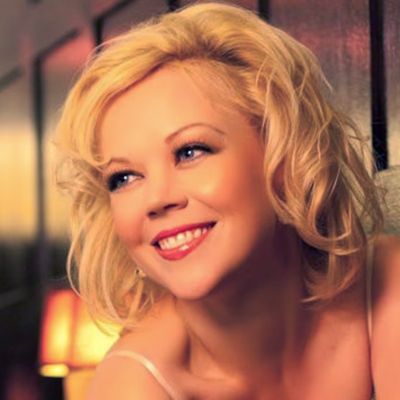
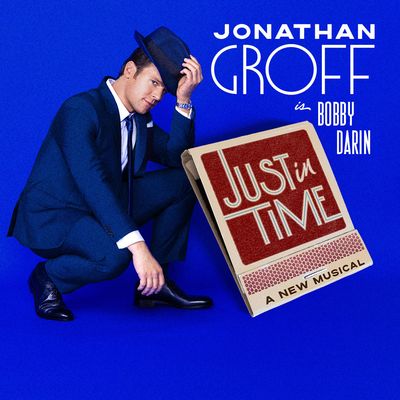
Emily Bergl takes a break from Just in Time: The Bobby Darin Musical to break down the two characters she originates in the show. Emily gives us the low down of working with Jonathan Groff as well as working on such TV Series as; The Marvelous Mrs... Read More
From the show: Behind the Awards with Eila Mell & Bruce Gotlieb
Guests
Featured Shows
About
Emily Bergl takes a break from Just in Time: The Bobby Darin Musical to break down the two characters she originates in the show. Emily gives us the low down of working with Jonathan Groff as well as working on such TV Series as; The Marvelous Mrs. Maisel, Shameless, Desperate Housewives and Gilmore Girls.
Also in this episode - Tony Nominated Just in Time Orchestrators Andrew Resnick & Michael Thurber join Behind the Awards to discuss creating the environment that is a Jonathan Groff/Bobby Darin Concert at the Copa.
Emily Bergl is a unique actress among her peers, known for her ability to transform from role to role. With versatility across genres, she has had a flourishing career in television, film and theater. As a young actress understudying on Broadway, Emily was chosen from a nationwide casting call to play the lead in The Rage: Carrie 2, her very first job on camera. Wary of being typecast as a scream queen, she returned to the theater to play Juliet opposite Neil Patrick Harris, then starred in The Lion in Winter on Broadway opposite Laurence Fishburne and Stockard Channing. Emily’s roles on television are so transformative, she is often unrecognizable from one character to the next: Alex Borstein’s ditzy, resourceful sister in “The Marvelous Mrs. Maisel,” a hardnosed investigator on “Mindhunter,” and a gun-toting, trailer park Chicago mother in “Shameless.” On “Desperate Housewives,” she shocked audiences as the suicidal housewife Beth Young. Other regular television roles include “You,” “Dirty John,” “The Knick,” “American Crime,” “How to Get Away with Murder,” “Scandal,” “Grey’s Anatomy,” “Southland,” “Men in Trees,” and “Gilmore Girls.” True to her original roots, Emily has combined a thriving television career with equally diverse roles in the theater. She recently starred on Broadway opposite Sean Hayes in Good Night, Oscar, for which she was nominated for a Drama Desk Award. Other Broadway appearances include The Ferryman, Cat on a Hot Tin Roof opposite Scarlett Johansson, and A Touch of the Poet opposite Gabriel Byrne. Off-Broadway she has starred in Shakespeare in the Park, and has originated roles in new works by Gina Gionfriddo, Christopher Shinn, and Wendy Wasserstein. She has played iconic parts in classic dramas from Molière to Thornton Wilder at Lincoln Center, the Roundabout Theatre Company, and the Williamstown Theatre Festival, among others. Perhaps the most unique aspect of Emily’s career is that she has reinvented herself as a cabaret singer. She has played the premier nightclubs across the country from Cafe Carlyle to Yoshi’s and made the last album to be recorded in the Oak Room, “Emily Bergl: Live at the Algonquin.” She can also be seen in the upcoming film The History of Sound, starring Paul Mescal and Josh O’Connor.
Make sure to check out Eila's book, "The Tony Awards", and all her other amazing books: https://amzn.to/43WMu5Y.
Connect with Eila and Bruce:
Transcript
This transcript was automatically generated and might contain errors.
[0:00] Bruce Gotlieb: Hi, my name is Bill Berloni. I'm a Broadway animal trainer, and you're listening to Behind the Awards.
[0:14] Bruce Gotlieb: Behind the Awards is very excited to welcome two Tony nominees to our show. It's Michael Thurber and Andrew Resnick. How are you guys?
[0:24] Michael Thurber: Amazing. Yeah. Yeah.
[0:27] Andrew Resnick: So thank you so much for joining these little boxes with you guys. This is awesome.
[0:31] Bruce Gotlieb: I know, Brady Bunch style, right?
[0:33] Andrew Resnick: That's right.
[0:34] Bruce Gotlieb: That's the only way we do interviews any, you know, so. Yes. So you guys are nominated for your orchestrations for Just in Time. Congratulations. What's this process been like for you?
[0:45] Andrew Resnick: Oh, man. You start, Andrew. You start.
[0:47] Michael Thurber: I'll start, Michael. It's been pretty unbelievable. I mean, that the show even happened to begin with, I think, is such a win. You know, it started as a concert at the 92nd Street Live, like seven years ago. And we never thought it would turn into a Broadway show, let alone something that we would be nominated for. So it's been kind of surreal.
[1:09] Andrew Resnick: Yeah, I still can't really believe it. And, you know, every night something kind of incredible is happening in that theater, and that's probably the most exciting part of it. The show is so unexpected, just the way it starts when they introduce the leading man. I don't want to give anything away.
[1:24] Michael Thurber: Don't tell people who's in it. Don't tell people.
[1:27] Andrew Resnick: That's right. That's right. But the way they introduce him was a surprise. Bruce and I looked at each other thinking, oh, that's not what we expected at all. So it takes you in a different place from the very first moment of the show.
[1:39] Michael Thurber: Totally. And, you know, part of the thing with the show is that we are trying to defy expectations, both in terms of just the overall structure of what one might expect from a typical kind of bio-mythical jukebox musical, but also from like what you're expecting from a theatrical experience. And we really want everybody in that theater to feel like they've had an experience, not just that they saw a show.
[2:01] Andrew Resnick: Well, I left loving the show completely. And but I said, oh, it's like I went to like a two-in-one concert situation with a play kind of sprinkled on for good measure.
[2:14] Michael Thurber: I think you nailed it. I think that's exactly what it is. You know, it's as Andrew said, I mean, we were shocked that it all came together in the way that it did. Of course, we hoped that it would. But it's just, you know, making musicals is so hard. And this was a really unique show. And, you know, I really credit Andrew and Alex Timbers and Jonathan Groff and both of the book writers for envisioning this in a way that felt very unique.
[2:42] Andrew Resnick: And to your point, it really is. It's like a very legitimate play. It's very funny. There's a lot of pathos also. They really dug into his story in a way that feels authentic. And the staging is so unique. And we were allowed to have a lot of fun with the music, which was an awesome gift. And so the way it all came together was just like extraordinary. Just like such a blessing.
[3:06] Bruce Gotlieb: So it must be, you know, an unusual job for you because it's the Bobby Darin musical. So people are expecting, of course, Bobby Darin's music. And they probably want to hear it in the way that they remember it. So when you're doing the orchestrations, how do you deal with that?
[3:22] Andrew Resnick: Yeah, I mean, that was that was the challenge. You know, we were very, very conscious that people had ingrained in their brains the way that a lot of these songs sound, their iconic sounds, the opening vamp to "Mac the Knife," you know, the way "Beyond the Sea" sounds, there's little things that you might not even be aware of are stuck in your brain. And you're kind of expecting to hear on some level. So, you know, part of the challenge was to really lose honor and include all those kind of staples and at the same time bring it into 2025, make it feel alive right now. And that was part of the negotiation we did, you know, the entire time.
[4:01] Michael Thurber: And, you know, we almost came to blows so many times.
[4:07] Andrew Resnick: No, Andrew's saying that because, well, yeah, we did. We can't see the black eyes because we have makeup on. But no, Andrew and I have been friends for years. And so this was a dream to do something together. And I got to say, like, in terms of getting the sound right, as you said, and as you were saying, Andrew, like the balance of the traditional versus like a new take, really, and I'm not just saying this. Truly, it all started because Andrew also did the arrangements on the show. He's the music supervisor. And that really set us up for success because the orchestrator's job, you know, and we all have different takes on it. But for me, it's about like bringing dimension and color. And as Andrew said before, like painting into the show, painting into the songs and making it theatrical.
And you really can only go so far with that if the material isn't open to having you really explode it, you know. And Andrew did such a good job of like figuring out how each song that is not theater music, right, that is a preexisting catalog, making it all tell a story in the right way and setting us up for success. So it was kind of just fun during the jump because we had great charts to work off of, you know.
[5:21] Andrew Resnick: Yeah. And I think one of the things that sets it up to be successful is the way that the show is introduced, because most bio musicals, for good or for bad and no knock to them, you wind up finding that people then do an impersonation of whomever they're playing.
[5:39] Michael Thurber: Yes. And in this, by setting it up the way that you do, you take that onus away. Jonathan doesn't have to be Bobby Darin.
[5:46] Andrew Resnick: No, he's kind of evoking Bobby Darin, evoking the spirit of Bobby Darin and his electricity and his presence. But he's not doing an imitation. And Gracie is not doing an imitation of Connie Francis. Erica is not doing a Sanford B imitation. And it's not and it's coming from a place. I mean, we really talked about this and really thought about, you know, do we want our actors to really kind of impersonate these people? And I think it felt at the end of the day that we would find so much more aliveness in just in kind of really bringing their spirit to it. You know, there are places you can go for real impersonations. But in terms of telling the story and also inviting the audience of twenty twenty-five into it, it didn't feel like, you know, part of it also is that, you know, Bobby Darin wasn't necessarily as recognizable as, let's say, Frank Sinatra.
And so, you know, people are. I mean, so I'm sure some do and some come to the show. And they're like, he wasn't like Bobby Darin. But but I think there are a lot of people who are just kind of interested to hear the story about this person and be taken on this ride. And we don't need to necessarily have. But I will say, Brock also does. It was Bobby Darin was so well studied all his mannerisms, his choreographic moments that are taken straight from Bobby Darin. Even little vocal inflections that will play with. Gracie did the same thing with Courtney Francis. So, you know, there's a line and a balance that we were afraid of.
[7:10] Bruce Gotlieb: Did you always plan on being on stage? Was that always?
[7:13] Andrew Resnick: I think that was always part of Alex's vision is that the band is going to be on stage in the way that like if you know, if you watch these old videos, Bobby's was always his band right there. And that adds just to the aliveness to the kind of, you know, we want in that nightclub atmosphere. And that was part of Timber's vision kind of from the get-go.
[7:33] Michael Thurber: Yeah. I mean, your set really is the band sets the band.
[7:37] Andrew Resnick: Well, yeah. And so Timber's credit. You know, I mean, this is we started this show almost eight years ago, seven years ago at a 92 wise. Yeah. Lyrics and lyricist concert. And that was always what it was from the get-go. You know, and Andrew and I did the original charts for that show and also play. I played bass. Andrew played piano and music directed. And so that was always sort of like the DNA. And, you know, shout out to Alex Timber is for understanding like the power that comes from when you get music on stage, which, you know, as we all know, is rare in musicals. And this season has been so cool for that because there's a lot of on-stage bands right now. But it just brings this energy.
And and also it's just so fun because then you get to watch the musicians watch the scenes happening. And it's almost like this Brechtian, like they almost feel like players in the world, you know, and they're watching all of this drama happen. And it just adds an energy that kind of sends it to the roof. Everyone's a part of the show. And in this show in particular, you know, obviously the bands upon the show, we have lines for better or worse. But like but you know, everyone's a part of it and the audience is very much a part of it. And that's always, you know, it's for every show. It's kind of said in a way of like, well, the audience is part of a show. And it's true. And it's also not as true because there's a real sense of separation with when there's a proscenium going on.
But in this sense, in the setting, I mean, you look at the session, the theater, you look across the aisle and everyone you see everyone's face and there are people on the audience is actually framed as one of the most important elements of the show. And that's what's also so thrilling about it.
[9:17] Andrew Resnick: Yeah, this is one of the most immersive shows I've seen in a very long time. And in this space, you know, the circle in the square provides an intimacy that no other theater does because you can see reactions on people's faces.
[9:28] Michael Thurber: Yeah. Sometimes I wish some of the audience members were aware that they could be seen at all times.
[9:35] Bruce Gotlieb: So, Michael, did you consider playing in the show also?
[9:41] Michael Thurber: Yeah, I would have loved to. I really would have loved to. It's just it's been a busy season for me. And, you know, I'm a musician at heart and I love to play. I'll always love to play. But I'm really focused on composing and writing and orchestrating.
[10:01] Andrew Resnick: Michael has a show opening tomorrow that he wrote and orchestrated at The Public called Goddess.
[10:05] Bruce Gotlieb: Oh, I didn't realize that was your show.
[10:07] Andrew Resnick: That's Michael's show. He wrote it. And I mean, if it weren't for that, my guess is I would have forced Michael to play bass for this.
[10:13] Michael Thurber: And I would I would have loved to. But, you know, the honest truth, and I don't mean this humbly, is that Michael Blanco, who's playing bass on the show, really is a better bass player. And I'm not saying that like to be humble, like he actually just is a better bass player. So he asked me if I wanted to sub and I was like, yeah, but like I'm going to have to practice like I was like, I'm going to have to get it together and just wait because Andrew's being very nice right now. But just wait, if I ever come in to cover for Michael Blanco, Andrew's going to be like, what? What was that like? What were you doing there? There's going to be a lot of notes. It's going to be tough for our relationship.
[11:05] Bruce Gotlieb: But so tell me what it was like for you guys. Nomination morning. You're watching it on TV. You're pretending it's not happening. Put us in that headspace.
[11:05] Andrew Resnick: I'll go first, only because I think Michael, I correct me if I'm wrong. I thought Michael was at the gym when the nominations were announced.
[11:11] Michael Thurber: I didn't watch it. I was too nervous.
[11:14] Andrew Resnick: I was too nervous. But I know for me, I was lying on my couch and I had a conversation with myself the previous night as to whether or not I would watch or not. And then I just decided, you know what, we have to. It was, you know, face the beast, and I was lying on my couch. My girlfriend was she was not doing well, so she was at her apartment. But we were on FaceTime together. And, you know, part of the way the nominations were announced is they're usually done in alphabetical order. And so I figured that, you know, if we were to get announced, we would be kind of one of the little ones to be heard. And for whatever reason, our names came on first. And I just kind of like scream and scream it through the computer.
And my girlfriend took a really sweet screenshot of the moment. And then the drummer of the show called me. And then it was really it was really surreal and cool. And my mom was very excited and. And yeah, and then and then I called my FaceTime, Michael, and he did not pick up because were you not by your phone or you just didn't want to yet?
[12:21] Michael Thurber: No, I decided like so I had a similar talk with myself. But Andrew Andrew's braver, I guess he faced the beast. I decided that I was going to just like try to treat it as like a business as usual day because, you know, I mean, awards are such an interesting thing, like not to segue. But I feel like it's it's a really beautiful thing to be acknowledged by your industry. And also, we're all different. But like, I really don't do it for this. And I mean, I feel like I can speak for you too, Andrew, because we've been doing this for so long. We both love music so much. And so I just love to work. And so I just sort of thought in the back of my head, like if this happens and it helps me be able to work more and more easily and to put more energy into music instead of like into the hustle, that would be amazing.
But I just I decided I took the opposite road. And I was just like, I really just want to have like my normal day and try to like, you know, like tune it out. But I did tell myself, like, if my phone starts going crazy in the middle of this workout class, then that's a good sign.
[13:26] Andrew Resnick: Definitely. Sure enough, it was like 10 minutes into the workout class. And I'm like doing burpees. And I look down and my phone is just going like.
[13:35] Michael Thurber: Did you did you leave the class or did you finish the class?
[13:39] Andrew Resnick: I finished the class.
[13:40] Michael Thurber: That's amazing. I finished the class.
[13:42] Andrew Resnick: I would have run out.
[13:44] Michael Thurber: That's dedication.
[13:45] Andrew Resnick: Really? I would have. I would have come up. I would have pretended to be sick and just left. Yeah. It's the Capricorn in me. I just was like, I'm finishing the class.
[13:54] Bruce Gotlieb: That's so funny. So what's your schedule like this week? I mean, as a nominee and someone who both.
[14:01] Bruce Gotlieb: Well, Andrew, you're in a show. I'm conducting the show right and Michael you're opening a show so I mean you can't just concentrate on doing interviews and going to luncheons and PR stuff. So what is that like for you? It's crazy. I mean I'll say it's been absolutely wonderful. I mean it is really hard. We're both juggling a lot of stuff and it's hard, you know, and I think again like as somebody who's used to like I just always have my nose to the grindstone. Like that's just how I live and so it is wild to kind of be pulled away from that for a moment. But I've actually sort of like, you know decided that like that's a good thing to do. Like this is a really fun moment. It doesn't happen all the time.
Sometimes it never happens and it just to like try to enjoy it and to take it in and so I have actually made a lot of time and space for going to all these events because it's so much deeper than like networking. It's like this is such a powerful community and it's like we are all working all the time. So I've seen so many people the last two weeks that like I love so much and I haven't had a chance to see and then all of a sudden you're in a room and you just have three hours where you can just like sit there and talk and eat and be happy and it's been really beautiful. So I definitely have that anxiety in the back of my head that's like I'm behind on like 50 things but I'm like really trying to like pause on that and just enjoy this, you know.
[15:33] Michael Thurber: Yeah, you know for you Andrew because you have to be there every single night on stage. I mean, I'm Jewish so it's been harder to enjoy it but no, no, it's actually been really nice and you know what Michael was saying which is true is that it's very busy and you're kind of going from one thing to another and it's hard it might be a part of times to be present and to just kind of be like this is just gonna be a crazy time. Let's go, let's just like enjoy it like it's been really fun and you know, I'd like doing the show right now. It's just a blast. It's always a blast because Jonathan is so present and so alive in the audiences feels like every single show they get more and more enthusiastic.
So like that it's always such a highlight and you know, but like again this week is like it's crazy. I know that I'm tomorrow I'm actually taking a show off to see Michael's show open, which I'm very excited about and but then like on Friday, we're doing good morning America, which involves like a 4:30 a.m. call in the morning and you know that habit thing and but like it's like it's let's go how like how cool that we get to do this.
[16:44] Bruce Gotlieb: Absolutely, right and who knows if it'll come around again, maybe it'll come around every season. Maybe it won't you don't know so enjoy, you don't know.
[16:54] Andrew Resnick: Yeah, we don't know. We don't know anything. Right. Yeah. At what point did you guys come into the project was was Jonathan already in the book was already written at what was it just head back then? So I mean it initially started with Ted going to Jonathan. This was in I think probably summer of 2017 and saying hey, I do New York's only our sister's program at the 92nd Street Y do you want to sing you want to give Bobby Darin a version and Jonathan said yes and not really necessarily knowing what the program was and then they talked about let's get a director on board. So they brought on Alex and I had actually just done something with Jonathan in Los Angeles. We'd done something at the Hollywood Bowl Sondheim on Sondheim and we kind of had a really nice musical connection and so Glaw was like, but he asked me to come on it and I was like, I don't honestly don't really know Bobby Darin but like I trust you let's go and I fell in love with the music and so this was probably like end of 2017 that this all kind of started and then as I started to kind of put the bed.
[17:53] Michael Thurber: Hey, well what started to happen after you was, you know, normally for these weirdo from your assist people are reading off of no cars and they say and then they wrote this song and then someone goes and performs this song and then they say and then later in their lives their marriage blew up and this was the song that they were and then and it's a very kind of formal presentation. But something started to happen when me Groff and Timbers instead kind of got into a room it was a musical started to emerge just on its own. It might be because me Timbers and Groff didn't really know what the format was and we were just let's just make this cool and I just kind of turned into a musical and as we were getting close to the performance date and I was starting to put a band together I was like, I know I'm I want Michael to play the bass but I was like, I would love some help and some like outside ears on these charts and so then you know, I brought Michael in and I mean you can speak to I think I'm remembering correctly. But yeah, that was it.
[18:47] Michael Thurber: Yeah, we had just met like about a year and a half before that we we had shared a dressing room on some one-act musicals that each of us were doing and we had became like really good friends and and Andrew reached out and said like do you want to help, you know, orchestrating this and I'm like, you know, like a big part of my background is is jazz and big band music and I'm really passionate about it and I've studied in my entire life, you know since I was like 15 or 16 years old and so it was really cool and also I love a lot of other different styles of music and that's the unique thing about Bobby Darin is that he had this like wildly advanced and like futuristic career really because I mean he was one of the only people at that time that went from being like a pop star singing like doo-wop like first like Elvis impressions and then splish-splash like doo-wop like bubblegum pop and then became a big-band crooner and then put out a folk record.
And so like if you're gonna tell the story of his life inherent in that is like all of these different musical traditions and all these different sounds and so that was like really exciting and been really cool and it was also just you know, the the biggest thing I would emphasize about the show from my perspective is that like it really is a show made by friends and that's so unique in this industry and I feel like you feel that joy on stage like I think it's one of the reasons that show has that x-factor because it's like we all work so hard and we try to make musicals, but there's that x-factor that thing where people see it and they're like wow, and you can't manufacture that and I really think that came from like friendship on a whole bunch of levels because you had Andrew and Groff who already had a lot of trust and love for each other you had Groff and Timbers who already had a lot of trust and love for each other you had the producers who knew Alex who knew Jonathan and had a lot of trust and love for each other and then Andrew and I just have so much mutual respect and love for each other and so, you know, like all of that wasn't totally evident back when we started at the 92 Y right away, but then once the show happened I mean you remember how electric that was Resnick it was like the shows were and I've done a number of the lyrics and lyricists by the way this happened 92nd Street Y so it's it's you know sometimes like it was it was electric for a building that might not always be the most electric, right?
[21:13] Andrew Resnick: Yeah, right. Yeah buttoned up kind of it was very buttoned up exactly but like people were going crazy for it and that's when we were like, oh there's there's something there's something here people really excited about.
[21:23] Michael Thurber: I also like to note what Michael was saying, you know at the end of a bunch of the songs but like I could just take like the first song in the show. He finishes just in time and you know, he hits the last note and the drummer's going crazy as we're all holding the cord and Jonathan points at me I point at Jonathan as we're waiting to like hit the final button to end the song and like as we're pointing to each other and like looking in each other's eyes there's like a decade of like friendship and love that's like just like moving and that's and we're just smiling and we're just like can you fucking believe we get to do this right now? End of song, you know, it's amazing. Really really cool.
[22:02] Bruce Gotlieb: Well, you feel that as an audience member too because you can see people we were down we were on the floor not at a table, but on the floor. Oh cool. And so, um and then after the show, you know because you're seeing everyone, you know there was just conversation between all of us audience member just saying oh I saw you during the show and you know what did you think of this part? And you know, I was noticing you doing this. It's very it's a very unique atmosphere and everything is playful apparently online like on like the reddits, you know people take video like if you're in certain seats you might get to dance with Jonathan Groff. I don't know which seats but if you're and and like but like people will be like they'll they'll be like oh my god.
I was at that show. I saw you and took a video and then they'll be can you send it to me and like there's like this weird community of dancing with Groff video sharing what's going on well, yeah, it's really the same exact right and just oh I noticed your dress the whole show, you know just things like that you know you're in a theater with people for this show and you almost never get that the great thing about this space I will say too is no matter where you're sitting is a good seat and that's one of the things about it that's so amazing is you don't have to worry about being blocked by somebody. You don't have to worry about the standing room. It is I mean if you're standing Jonathan Groff might go right past you.
[23:20] Michael Thurber: Yeah, no, and you know, it's so funny today. I was sitting with um, Derek McLean the set designer who was also nominated for this show at lunch today and we talked about the show for a while because we were just hanging out and one thing that he said that speaks to this point was he was like, you know circling the square is an awesome theater. It can be really tricky and this is a show that like needed to be there because like inherently in the DNA of the show is this idea of the Copa in like a nightclub and what he and in Timbers did with the space? It feels so earned like it doesn't feel like you're trying to make a thrust like an audience in the round or an interactive show work, right? It's like it feels like it needed to be that and it's so wild because I can't imagine it in another house you know like no, I literally can't imagine it in another house.
I also can't imagine it with another director because I think Alex Timbers is the best at doing this kind of show what hands up what he did for the show was borderline miraculous and and like I mean, you know, everyone sees the finished product and and you see it you're like, how did that happen? But like having been on this whole journey and seeing like, you know, we're multiple stocks along the way and seeing how he kind of took it from stop to stop. It was really it was a very special thing he did and you know, um I can't imagine anyone else to do it on all levels.
[24:49] Andrew Resnick: You know most people when they do a show there's a script that's already published with you know ideas that have already been established, but you're going in without any kind of roadmap. There was zero roadmap. We really built this thing from scratch. He was kind of you know, the leading voice and I mean it's really spectacular. What would we promise with this thing?
[25:09] Michael Thurber: Well, and also to open a show cold on Broadway, like I think that needs to be pointed out it's like only the most iconic directors have ever done that right, you know, and I mean that is such no out of town just cold on Broadway nothing like it's it's that that that alone deserves like a shout out in like industry cred to Timbers and I know I know we all know who he is already and I know he's a very well established director and known as being as brilliant as he is, but that's wild like opening a musical cold on Broadway and then having it work as well as this does. Yeah wild unbelievable most of the time you do an out of town opening on Broadway and have it not work like that, right?
[25:56] Andrew Resnick: Yeah, that's the preview period you gotta tweak you gotta you know and usually the show just doesn't work despite sometimes shows having two to three four other productions beforehand and you know, this was we were there was a very small margin of error and especially given how difficult jukebox musicals are and you know tiptoed that line and kind of took us to the promised land so to speak and I also think people today, I mean you said this before they don't know Bobby Darin so they don't even know that they know so many of his songs. We know the music but we don't realize that it's necessarily Bobby Darin.
[26:34] Michael Thurber: No, that was both of our experiences. I mean as Andrew said earlier, I was in the same boat I didn't know anything about Bobby Darin's but then once I saw the songs I was like, how are these all the same guy? And that is that is the thing that's unique about the show. I mean, there's been so many biomusicals so many really good ones like MJ teamer like I loved first years.
[26:50] Andrew Resnick: Uh, yeah, but what is unique about this one? Is that the story really is powerful and also his life is if not just the typical like, you know cradle to grave story or like and then drugs happen they're like, you know all the things that you think about like a biomusical he really had a very very interesting life. Very dramatic.
[27:15] Michael Thurber: Yeah. Yeah, very dramatic is very unique and there's a lot of plot twists. I don't want to give any spoilers.
[27:18] Andrew Resnick: Yeah, but and it's like those are just things that were actually in his life, you know and they weren't added for dramatic effect.
[27:25] Michael Thurber: No, no some of them I couldn't have come up with if someone was like add something for dramatic effect I wouldn't come up with stuff that actually happened to him.
[27:33] Andrew Resnick: Absolutely. And just before we end let's give a shout out to Ted Shapen for having the idea in the first.
[27:41] Michael Thurber: Oh my god today yeah you know, he he initially was like Bobby Darin Jonathan Groff that would that came from him and here we are eight years later.
[27:50] Andrew Resnick: Yeah, yeah, he's doing as do you congratulations? Yes, you guys so much. Thank you so much. We are going applause and kudos. Yes, and we'll we'll be rooting for you.
[28:53] Bruce Gotlieb: Bruce, let's welcome Emily Bergl to our show. I'm so excited to have her. Hi, Emily.
[28:58] Emily Bergl: Hi. Hi. I'm excited to be here. I checked out your podcast, and I'm flattered to be included with such icons.
[29:07] Bruce Gotlieb: Oh, thank you.
[29:09] Bruce Gotlieb: Well, we're thrilled to have you. You've had quite the iconic roles in Shameless, Mrs. Maisel, not to mention your stage work.
[29:18] Bruce Gotlieb: Even, what was it, last season with Sean Hayes?
[29:21] Emily Bergl: Yeah, Good Night and Good Luck.
[29:22] Bruce Gotlieb: Good Night, Oscar. A lot. You got to...
[29:25] Emily Bergl: Oh, right, right. Sorry, sorry.
[29:26] Bruce Gotlieb: You're the only person that's done that.
[29:29] Emily Bergl: I know.
[29:30] Emily Bergl: Well, my ultimate career goal is to become a gay icon.
[29:33] Bruce Gotlieb: I'm hoping as well.
[29:34] Emily Bergl: As well.
[29:35] Bruce Gotlieb: I think you're well on your way.
[29:36] Emily Bergl: One step further.
[29:37] Bruce Gotlieb: That's right.
[29:38] Bruce Gotlieb: So, in Good Night, Oscar, you got to wear that amazing dress and coat designed by my good friend, Emilio Sosa.
[29:45] Emily Bergl: That dress was everything. We actually did a whole New York Times article about the dress, essentially.
[29:55] Emily Bergl: It was incredible. He is a genius.
[29:58] Emily Bergl: We began Good Night, Oscar at the Goodman, and one day I was talking to one of the folks that worked at the theater, and we were having a conversation. And he said, oh, my name's Emily, by the way. And he said, oh, yeah, you're that lady in the pretty dress.
[30:16] Emily Bergl: Like, I was known as the lady in the dress.
[30:20] Bruce Gotlieb: There are worse things to be known as.
[30:23] Emily Bergl: Oh, no. I mean, that said everything.
[30:26] Emily Bergl: And I felt like, I actually took a picture of me hugging the dress, saying goodbye to it at the end of the run.
[30:34] Bruce Gotlieb: That's cool.
[30:36] Bruce Gotlieb: Did you try to, like, stuff it in a bag before anybody could notice?
[30:41] Emily Bergl: Well, I mean, I knew that there was a chance. They're actually going to London with Good Night, Oscar. So, I knew that the dress might need to have another life.
[30:51] Bruce Gotlieb: Well, hopefully after that, it gets back to you.
[30:54] Emily Bergl: It's your dress.
[30:56] Bruce Gotlieb: True. True.
[30:57] Emily Bergl: We talked about the dress for, you know, a good while after, like, just how beautiful it was.
[31:03] Emily Bergl: Yeah, every night I would get, I mean, I would get comments on it. And it's funny, though. I felt like it was incredible. And yet it worked hand in hand with me. Like, I never felt like the dress wore me, even though it was amazing.
[31:18] Bruce Gotlieb: Yeah.
[31:19] Emily Bergl: And it just said everything about the character. When you have a really great costume designer, you walk on stage and the clothes do so much work for you.
[31:29] Bruce Gotlieb: We knew about her station.
[31:30] Emily Bergl: Yeah. I mean, we knew her personality. We knew how important looks were to her.
[31:40] Emily Bergl: We knew, like, we just had Hollywood image right away.
[31:45] Bruce Gotlieb: Well, that's the thing. As a woman, that's a great silhouette to get to wear.
[31:49] Emily Bergl: I had actually said a little prayer to the costume gods because I had a really long run of my career where I was playing a long series of kind of very poor women on the edge. I love those meaty roles and I wouldn't trade them for the world. But after a few years, you know, I just want to play a rich lady who dresses nice and wears lipstick. Because, I mean, I literally just put olive oil in my hair. Like, that would be the styling, you know?
[32:22] Bruce Gotlieb: Wow.
[32:24] Emily Bergl: I feel so blessed to be able to really dig into them. But I just wanted to look pretty after a while and my prayers were answered.
[32:33] Bruce Gotlieb: Absolutely. Well, let's segue into Just In Time because that's very exciting. You've just started previews. How's it going?
[32:41] Emily Bergl: Well, it's going amazing. And I'm just going to have to segue right into Kathy Zuber because we are talking about confidence. She's brilliant.
[32:50] Bruce Gotlieb: That's right. How many Tonys does she have?
[32:52] Emily Bergl: Eight, maybe? I mean, she deserves every single one of them.
[32:56] Emily Bergl: We all play multiple characters in this and it's incredible. I have these incredibly built costumes that sometimes I wear on stage for like 15 seconds.
[33:08] Emily Bergl: Wow. We really have to tell stories with these costumes. But yet, they never feel completely costume-like. They feel like wardrobe. They just feel like my clothes.
[33:19] Bruce Gotlieb: Yeah.
[33:20] Bruce Gotlieb: Well, that's the goal.
[33:21] Emily Bergl: And so you do play multiple roles. You play the mothers in this piece.
[33:25] Emily Bergl: I play the sister.
[33:26] Emily Bergl: And the mother.
[33:27] Bruce Gotlieb: Well, yes.
[33:28] Emily Bergl: Right. Exactly.
[33:29] Emily Bergl: It's like a Jack Nicholson situation where he didn't know.
[33:33] Bruce Gotlieb: Okay.
[33:35] Emily Bergl: Spoiler alert.
[33:36] Bruce Gotlieb: I love it.
[33:37] Emily Bergl: Well, I mean, been out there for quite a bit of time. But people are really surprised. Most people don't know.
[33:41] Emily Bergl: I think most people just don't know that much about Bobby Darin.
[33:46] Bruce Gotlieb: No.
[33:47] Emily Bergl: And even when people do know about Bobby Darin, I think it's not like the first bullet point in his life.
[33:52] Emily Bergl: This little secret reveal we're talking about. Because we get audible. When it's revealed, we get audible gasps in the audience.
[34:04] Emily Bergl: Actually, the other night, Jonathan and I almost broke because the secret is revealed and there were these gasps. And then someone just full voice goes, what?
[34:13] Bruce Gotlieb: That's so great.
[34:14] Emily Bergl: Wow. Well, yeah. So it makes sense because I don't know. I mean, I think that we know Sanford D. We know the music. But, yeah, we really don't know his life, especially us today. Maybe people, you know, of another generation knew more about him.
[34:29] Emily Bergl: It's very similar to Goodnight Oscar because I know that when we first started doing Goodnight Oscar, really even less people have heard of Oscar Levant.
[34:38] Bruce Gotlieb: Sure.
[34:39] Emily Bergl: And he who was also a household name in a similar time period a little bit earlier, but there was overlap. And what we found, I think people were worried that, well, it's about Oscar Levant and people don't know who Oscar Levant is. But what we found was that people love learning about him. And so many people then would go home and do deep dives on YouTube. And I think similarly with Just In Time, people might not know who Bobby Darin is and then they just love learning about his life. But there's the additional layer in that when the songs come on, you know them all. There's not a person out there who doesn't know Splish Splash.
[35:18] Bruce Gotlieb: Oh, yeah.
[35:19] Emily Bergl: So how much did you delve into the real life women that you're playing?
[35:24] Emily Bergl: I did a really deep dive. Bobby Darin has a son who wrote a biography of his parents called Dream Lovers. I would say that was because that was so close. He was so obviously close to them. That was probably the most helpful thing I read. But I watched a lot of Bobby Darin footage and I read there's a couple other books out there about Bobby Darin that were helpful. Some of it is slightly contradictory. And then there's also video footage of Bobby Darin's sister when he was on This Is Your Life.
[35:57] Bruce Gotlieb: Oh, that's great.
[35:58] Emily Bergl: So I looked at that very closely. And then we actually ended up putting a speech from that TV show in the play.
[36:05] Emily Bergl: So her real life.
[36:07] Bruce Gotlieb: Oh, wow.
[36:08] Emily Bergl: You know, I did a lot of research. But then in every biographical piece of art, you have to throw some things away because it's also like what serves the story that we're telling. And people have many different stories of their lives. Siblings can have completely different recollections of how they grew up. And also, I'll tell you one brief story. They were talking about when I also play Sandra Dee's mom and they were talking about changing my hair color. And I said, well, why don't we look at the real Mary DuVan's hair? And then I looked and it was complete helmet hair. You know what? Let's forget about these local references, OK?
[36:43] Bruce Gotlieb: Yeah.
[36:44] Emily Bergl: Yeah. Who wants to wear that eight times a week? I thought we don't have to be realistic completely in this case. We could take some artistic lessons. Let's take some liberties here.
[36:52] Bruce Gotlieb: So how did the how did this part come to you?
[36:55] Emily Bergl: Just sometimes like the best projects just randomly. I just got an email about a year ago, I think. More more saying, do you want to do this workshop of this musical about Bobby Darin from Jim Carnahan, who cast me in my first Broadway show, The Lion of Winter in 1998? And I said yes, because I've always wanted to work with Alex Timbers. We've done some workshops together and we both wanted to find a way to really formally work together. Like everybody in the world. I'm a huge Groff fan. And we just I think it was just a day and then we just kept going. We did, you know, a weekend here, a weekend there, like a month there. And I just grew closer to the material. And we really weren't sure exactly where it was going. It's a huge journey from that first reading in a wonderful way. And I think that we hit on something really special.
[38:11] Emily Bergl: First I thought, do I want to do like a bio jukebox musical? I don't always find that storytelling that compelling. And I think this has become something that's so much beyond that. It's a really interesting hybrid between a live nightclub act with interaction, a play, because we have really substantial book scenes, and then a traditional musical.
[38:22] Bruce Gotlieb: That's exciting to be involved in something that's so different from what you traditionally get.
[38:27] Emily Bergl: And audiences are probably reacting really well to that, I would imagine.
[38:30] Emily Bergl: They are, because we have on it's in the round or like in the oval, I like to say. And we've got these cafe tables on stage and our audience is actually starting to dress up.
[38:44] Bruce Gotlieb: Oh, how fun.
[38:45] Emily Bergl: And the whole circle in the square. It's incredible. Our set designer, Derek McLean, has made it seem like it's the most luxe nightclub. People actually gasp when they walk in. So we've got people dressed up at these cafe tables and Jonathan and a lot of the other characters come through the audience. At one point, I don't want to give anything away, but at one point I am in the audience and even I get overwhelmed when Jonathan comes by. It's like, oh my God, I'm so close to Jonathan Groff. It's really amazing.
[39:20] Emily Bergl: It's a really different form of storytelling. You are right in there. And there also is some audience interaction. You might be a lucky one to have a little one-on-one time with Groff.
[39:36] Bruce Gotlieb: Well, for me, that would be a nightmare.
[39:38] Emily Bergl: I don't participate, but I'm sure most people would love that.
[39:43] Bruce Gotlieb: I hate it.
[39:44] Emily Bergl: I'm doing it for people.
[39:47] Emily Bergl: But I hate it.
[39:48] Bruce Gotlieb: Exactly.
[39:49] Emily Bergl: Yeah, that's fun.
[39:51] Bruce Gotlieb: So Jonathan Groff seems like he must be the loveliest co-star.
[39:56] Emily Bergl: You know, one time I asked him, where does your negative energy go? One time I was talking to him and I said, Groff, you're doing such an amazing job and how are you doing? Are you doing okay? This is such a massive undertaking. You're on stage virtually the entire time and you're so wonderful at it. Are people checking in with you? How are you? And he just turned to me and he said, Emily, it gives more than it takes.
[40:27] Bruce Gotlieb: I mean, wow. What an attitude.
[40:29] Emily Bergl: He did actually tell me, though, he gets his aggression.
[40:33] Bruce Gotlieb: Oh, really?
[40:37] Emily Bergl: He told me a really funny story once about how Daniel Radcliffe was being driven to Merrily We Roll Along. And they got cut off on the way to the theater by this bike. And Daniel Radcliffe's driver said, oh, look at that asshole. And it was Jonathan.
[40:54] Bruce Gotlieb: That's amazing.
[40:55] Emily Bergl: So I thought, okay, this is good. We're not perfect because otherwise you would be. He's so generous in a wonderful way. He has such brown grease. He doesn't take other people's stuff on. I'm really learning from him. And he's so present as an actor. He just really trusts himself and the process. And he's such a natural leader. It's made this one of those shows that's just a love fest.
[41:19] Emily Bergl: And the rest of the company, too. It starts with Alex. Alex is another person who's just instantly unruffled. But I think he just picks good people and people who are really in it for the art, for the doing of it. We all just really love doing the show.
[41:35] Emily Bergl: A lot of the creative team is straight from Moulin Rouge! And that is such a success.
[41:39] Bruce Gotlieb: Oh, yeah.
[41:40] Emily Bergl: Still going. I'm actually going to see.
[41:42] Bruce Gotlieb: Well, wait till you see that set.
[41:43] Emily Bergl: That's amazing.
[41:44] Bruce Gotlieb: I've heard.
[41:45] Emily Bergl: Yeah. You walk in and it just is so it's so grand.
[41:48] Emily Bergl: It's so lux. Derek and I actually wrote a book together about set design.
[41:53] Bruce Gotlieb: Oh, really? What's it called?
[41:55] Emily Bergl: So there's a big section on Moulin Rouge! It's called Designing Broadway.
[41:57] Bruce Gotlieb: Oh, wow.
[41:58] Emily Bergl: I first worked with Derek.
[42:16] Bruce Gotlieb: I mean, I think my favorite performance of you was The Ferryman. What a show. That show is similar in a way to Just in Time because when you're in a really great show, it's almost it's like a machine like the show does you and you're of course, you're always finding new ones and new things. But once that show starts, it just goes and the audience is with you and you just everybody goes on this ride every night. And just like we're getting gasps every night at certain moments and uproarious applause at certain moments. And Just in Time, The Ferryman, people just were in it. We would get those gasps every single night. And it was like a real family. My daughter was two. She was hanging out backstage with the animals, feeding the goose that was in the show.
Six, seven kids. I can't even remember. There were so many kids in that show. It was just so magical off stage and on. It was a long show. It was tiring. Yeah, I've said many times that the most terrifying thing I've ever seen is that little girl carrying the real baby down those stairs. I was asked in an interview the other day, when have you been late for an entrance? And I was actually almost late for an entrance carrying the baby downstairs. And that was when I said, I'm doing really early every night. I can't be frustrated. And you almost never work with a real baby. Yeah, that was a real kind of acting lesson in a way because babies just are always in the moment. And I realized that people are so fascinated with babies and animals because you don't know what they're going to do at any given moment. And it made me realize that it's that spontaneity in a performance that we grasp onto when we're not sure, when things aren't so controlled.
[42:35] Emily Bergl: I don't know, I guess flexible and, you know, not typecast in any way. First of all, thank you so much for saying that because that really is my goal. I would say that artistic freedom is the most important thing to me in my career. I always strive to tell unique stories and different stories. I always considered myself a character actor, even when I was playing enchnu parts like Juliet or Emily in Our Town. And I actually avoided doing musicals in the beginning of my career because especially back then, you were really pigeonholed if you did musicals. And it worked against me in some way because then, you know, 10 years later, I said, well, I'd like to do a musical and then no one knew that I sang.
So it took me a really long time to do a musical because then I had to educate everybody that I sing and would like to do a musical. But, yeah, I think, you know, it could be easy to be pigeonholed, especially as a woman. I think I've been lucky that I have representation that doesn't pigeonhole me. And, you know, once I've done one thing, I try to do another. It's funny because people always want to. I remember at one point I was playing tough girls and someone said, oh, like Emily's too tough. She can't play soft. And then as soon as I played something softer, it was like, well, she's not tough enough. I remember one time for a movie, someone said, well, Emily Bergl, you can't she can't do period, which is like what I do. I was I just finished doing like an 18th-century play. So people like to have their idea of you. And it means a lot to me that you that that's come across.
[46:25] Emily Bergl: Just because I assume, and it might not be the case, but I assume in TV and film, you don't have as much opportunity to collaborate on how a story is told. Where in theater, when you're originating a role, it feels a lot of times that there's a little bit more back and forth. Or you get to maybe help create the landscape that your character is playing. Do you find that to be the case with theater and your experience with originating roles?
[46:58] Emily Bergl: Yes, I would say overall, yes. Particularly in Just In Time with our book writers, Warren Light and Isaac Oliver. They were both really invested in growing, particularly the role of Bobby Darin's sister, Nina, into something that's really fleshed out. And the journey that she's taken from the beginning of this process into the end, I felt like I was able to have a lot of input into her. And making sure that what we chose to tell about her represented her in the most truthful way. When you are telling the story of a real person, I think there's just a bigger onus to really try and be as truthful as possible. On TV, a lot of the time it's written already. You can ask to change a few words on the day.
But if you're doing a long-form series, I would say that sometimes you can have some input. For instance, when I worked on Marvelous Mrs. Maisel, it was a really completely different conception for my character. They wanted me to look like the character of Susie. Dark hair, drab clothes. And we completely changed it. I was this crazy, frizzy hair, peroxide blonde. A foil to her, different from her. So when you're working with the right people, like Amy and Dan Palladino, you can shape it. That was a brilliant cast. Especially Alex Borstein. Doing that was like a play. Alex is just so funny. I'd worked with her in Shameless before. We did some of our scenes in just one take. Not everybody is great at crafting those things with her. I learned a lot from working with her.
[49:22] Bruce Gotlieb: Since we're talking about TV, Desperate Housewives, you got to do that for a while.
[49:25] Emily Bergl: I love that show so much. I feel like that show doesn't have a second life on streaming that some of these other shows do. Gilmore Girls is still going so hard. So strong. I don't see it advertised anywhere. It's interesting. That show was so huge. I wonder if they're going to do a launch for the anniversary or something. Maybe, because it's coming up. I loved working on that show so much. It was so fun. And they had so much money. The catering was so amazing. That's where I learned about surprising the audience. Because it really offended me. When the show first came on, people said, oh, I thought your character was going to be so awful. I think he's going to be such a bitch. And I was really kind of shocked and offended. And then I realized that when I became something else, people really loved to be surprised. To think I was one thing and then discover I was another.
[49:54] Bruce Gotlieb: Did Scott Ellis direct any of your episodes?
[49:57] Emily Bergl: We overlapped. When I was first starting out, I always wanted to get to that part of my career where I couldn't quite remember everything that I've done. And it's here. I know we've overlapped. And maybe there was one side of a phone call that was directed. So yes, we worked together. I can't quite remember in what capacity.
[50:27] Bruce Gotlieb: Yeah. Well, especially on a show like that, that's soapy. That's what people love. That's what you want. And I loved working in that soapy element. There's some actors you work with on camera who are whisperers. You can barely hear your cue. There's a place for that. I live in New York. People are big. We are big here. And I'm not afraid of representing humanity in all its largeness. And I found that show to be just really fun. I could just really sink my teeth into it. And Harriet Harris played my mom. I mean, what more can you ask for?
[51:12] Bruce Gotlieb: So in Just In Time, do you sing the Bobby Darin songs or is there original music as well?
[51:19] Emily Bergl: It's all Bobby Darin songs or songs that Bobby Darin performed. It was really cool, actually. One of my characters, at one point in the process, we had cut her singing. And I said, hey, Nina doesn't have a song. And they said, well, look at the Bobby Darin catalog and come back to us and see what you like. So I ended up singing The Good Life. And, of course, I collaborated with Andrew Resnick, our amazing musical director. But I kind of got to pick my song. And then I sing a Bobby Darin song, 18 Yellow Roses, as Sandra Dee's mom, Mary DuVan. And I also get to sing on group numbers. I get to do a megamix. That is a dream for me. Because I've had a solo singing career as a cabaret artist. But I really missed singing harmony.
I just really missed singing with other people. And there's nothing like the ending of a show, especially for the audience, a megamix. It amplifies it to such another level. That megamix just gives me such joy every night. In fact, I got so into it the other night that there's a time where we free dance. And I just started free dancing earlier. And literally everyone else on the stage was doing choreo. And I'm just in the corner dancing. And I didn't know. People film curtain calls of musicals. So it's out there online. There's evidence of everyone else. And I'm just like in the corner dancing. I got so into it.
[53:04] Bruce Gotlieb: People are going to love that. Is there anything coming up that people can keep an eye out for that you're able to talk about?
[53:10] Emily Bergl: Yes. I did this really beautiful movie that's coming out late fall called The History of Sound with Josh O'Connor. And I've been saying his name wrong. I've been saying mezcal like the drink, but it's mezcal. It's one of the most beautiful. It's based on a short story that is available online called The History of Sound. And it's one of the most beautiful stories that I've ever read. And everybody who worked on the movie, the crew. You know a movie is good when the crew is really, really into it. And it's about post-World War I. Two men who go around the eastern seaboard collecting, recording folk songs. And they end up falling in love. And I think it's one of those where you got chills. I think it's going to be really special.
[54:12] Bruce Gotlieb: Well, congratulations. It sounds incredible.
[54:15] Emily Bergl: Thank you. We'll keep an eye out for that. And we will definitely be seeing Just In Time. So we're going to come and say hello.
[54:22] Emily Bergl: Please do. And I hope everyone goes to say yes. Yes. It's easy enough to get tickets. Go to Telecharge. Go to justintime.com. I want to say it's really, it's one of those shows that everybody can enjoy. Like my seven-year-old daughter loved it. Older people who know Bobby Darin. Young people who might be coming because they're Gracie Lawrence fans. It's one of those shows that they're, I mean, it's such a cliché. But it really is something for everyone. Like our doorman at the theater, he doesn't like, he said, he hasn't really liked anything there before. It hasn't been his. He said, I like this. And I'm going to take the ladies from church to this.
[55:10] Bruce Gotlieb: Oh, wow. Okay. That's great.
[55:11] Emily Bergl: That's a big compliment. And I always tell people, even if you don't know the subject, like I went to see Beautiful with a bad attitude. Because I said, well, I'm not that interested in Carole King. And I love that show so much. So, you know, be open-minded. Even if you don't know Bobby Darin, you're going to have a good time. I've just heard the absolute best things about this. This is a special one.
[55:32] Emily Bergl: Yeah, it's really more than like just, and it's deeper than just learning about Bobby Darin and listening to his songs. People get really emotional. You get a laugh, you get a cry. I love that.
[55:45] Bruce Gotlieb: Well, thank you, Emily. And you have an open invitation to come back when your movie comes out. Whenever you have a project. We'll need you back. It was a pleasure.
[55:54] Emily Bergl: Thank you so much.
[55:56] Bruce Gotlieb: And we will see you next time on Behind the Awards.
[55:59] Emily Bergl: Bye.
[56:00] Bruce Gotlieb: Bye-bye.
© Broadway Podcast Network, All Rights Reserved