

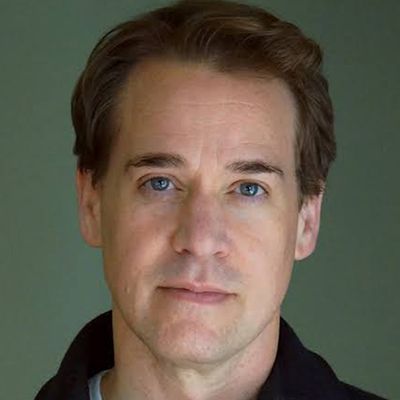
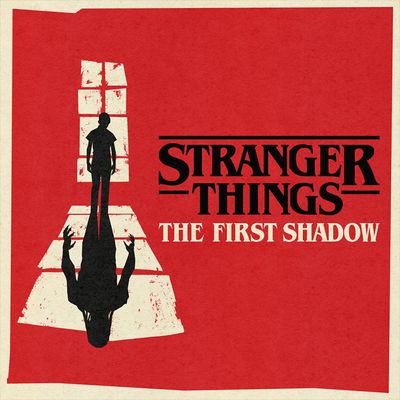
Award winning actor TR Knight stopped by on the heels of the casting announcement of Stranger Things on Broadway. TR also discusses The Merchant of Venice, Grey’s Anatomy and his passion of all things Jim Henson and getting to work with the Muppets on Sesame Street... Read More
From the show: Behind the Awards with Eila Mell & Bruce Gotlieb
Guests
Featured Shows
About
Award winning actor TR Knight stopped by on the heels of the casting announcement of Stranger Things on Broadway. TR also discusses The Merchant of Venice, Grey’s Anatomy and his passion of all things Jim Henson and getting to work with the Muppets on Sesame Street.
Also on this episode - Julie Bowen Emmy Win for Modern Family, a review of Gypsy starring Audra McDonald, Danny Burstein, Joy Woods, and Jordan Tyson.
T.R. Knight’s Broadway credits include A Life in the Theatre, It’s Only A Play, Noises Off and Tartuffe. Off-Broadway credits include The Merchant of Venice, Pocatello, Romeo and Juliet, and Scattergood, for which he received a Drama Desk nomination. Other theater credits include Parade at the Mark Taper and Amadeus at the Guthrie. His television credits include The Flight Attendant Genius: Picasso, Genius: Einstein, Stephen King’s 11.22.63, and The Comey Rule. He received an Emmy nomination for his work on Grey’s Anatomy. Film credits include 42 and Forge.
Make sure to check out Eila's book, "The Tony Awards", and all her other amazing books: https://amzn.to/43WMu5Y.
Connect with Eila and Bruce:
- Instagram @behind_the_awards
- Eila @eilamell
- Bruce @cominghomewithbruce
Transcript
This transcript was automatically generated and might contain errors.
[0:00] T.R. Knight: Hi, my name is T.R. Knight and you're listening to Behind The Awards.
[0:03] Eila Mell: When I was a kid, the only way that I saw movies was from the backseat of my family's car to drive in.
[0:09] T.R. Knight: And it wasn't my reality to think I would be acting in movies. So receiving this honor tonight tells me that it's possible. It is possible.
[0:31] Eila Mell: Hello and welcome to Behind The Awards. I'm Eila and I am here with Bruce, as always. Hello there.
[0:38] Bruce Gotlieb: Hey, Eila.
[0:40] Eila Mell: So who are we listening to?
[0:42] Bruce Gotlieb: So that was Forrest Whitaker, his Oscar that he won for Best Actor, 2007. Do you remember what movie that was for?
[0:51] Eila Mell: Yes, but I don't remember the name.
[0:54] Bruce Gotlieb: The Last King of Scotland.
[0:56] Eila Mell: Yes, that's right. I knew King was in it somehow. Yeah. Oh God, he is so good. I love Forrest Whitaker.
[1:03] Bruce Gotlieb: He's so good.
[1:04] Eila Mell: And then when you watch Fast Times at Ridgemont High, he plays a football player.
[1:07] Bruce Gotlieb: That's right.
[1:08] Eila Mell: It's such a thrill just seeing him. Because you know he can do so much more than that, right? But he gets that little part. Love it.
[1:14] Bruce Gotlieb: You got to start somewhere, right?
[1:16] Eila Mell: Of course, yes. And that's a great movie. So I'm working with Cameron Crowe. So all of that is good.
[1:21] Bruce Gotlieb: Absolutely.
[1:22] Eila Mell: So Bruce, I'm so jealous and a little bit upset with you that you went to see Gypsy without me.
[1:27] Bruce Gotlieb: Well, you know, some things have to happen.
[1:29] Eila Mell: I know. So I want your review. Tell me about Gypsy.
[1:35] Bruce Gotlieb: Well, so the line was abuzz even before you get into the theater.
[1:40] Eila Mell: Oh, really? Everyone was excited, right?
[1:43] Bruce Gotlieb: Everyone's excited. There was a gentleman, two people in front of me. He had come up from Florida to see Audra.
[1:51] Eila Mell: He came all the way from Florida to see the show?
[1:53] Bruce Gotlieb: Yes.
[1:54] Eila Mell: Wow.
[1:55] Bruce Gotlieb: The woman behind me came from Kansas to see Gypsy because it was the movie she watched every day as a child.
[2:02] Eila Mell: Oh, my God. So special.
[2:04] Bruce Gotlieb: Yeah. You had this whole, you know, and then everyone's chatting like it was like we all knew each other.
[2:09] Eila Mell: Really?
[2:10] Bruce Gotlieb: It was a little fun moment. And so much so that the woman in front of me convinced the gentleman from Florida. She was talking about how she had seen Sunset Boulevard and convinced him to go and buy a ticket.
[2:17] Eila Mell: He said, well, will you hold my place online?
[2:24] Bruce Gotlieb: Oh, my God.
[2:25] Eila Mell: So Kansas told Florida to go buy a ticket?
[2:32] Bruce Gotlieb: No, the woman in front of me was just your average New Yorker.
[2:37] Eila Mell: New York told Florida to go buy a ticket?
[2:39] Bruce Gotlieb: Yes.
[2:40] Eila Mell: And he did?
[2:41] Bruce Gotlieb: And he did.
[2:42] Eila Mell: Oh, my God.
[2:43] Bruce Gotlieb: And then someone else said, oh, well, you also have to see. And he said, you can't keep making me spend money.
[2:48] Eila Mell: I know.
[2:49] Bruce Gotlieb: But there's so many good things to say.
[2:51] Eila Mell: So many good things.
[2:53] Bruce Gotlieb: Someone asked me for a recommendation the other day. I was at a holiday party already. We're doing holiday parties. So the first thing that I recommended was Death Becomes Her.
[3:01] Eila Mell: For me right now, that's the most fun.
[3:03] Bruce Gotlieb: Yeah.
[3:04] Eila Mell: So Gypsy's great.
[3:05] Bruce Gotlieb: Gypsy is wonderful.
[3:06] Eila Mell: You are not going to get a better Mama Rose acted.
[3:10] Bruce Gotlieb: It's Audra.
[3:11] Eila Mell: Her acting is just, it's impeccable. I mean, she has six Tonys for a reason.
[3:17] Bruce Gotlieb: That's right.
[3:18] Eila Mell: And she has them for every kind of show there is.
[3:20] Bruce Gotlieb: Correct.
[3:21] Eila Mell: Musical, play, it doesn't matter.
[3:22] Bruce Gotlieb: Everything.
[3:23] Eila Mell: Every category. When you're looking at it from that perspective, from acting, it is top notch.
[3:30] Bruce Gotlieb: A lot of people who I know that went to see it loved it, didn't care about, you know, there's a conversation about belt versus not because she's a legit soprano.
[3:40] Eila Mell: Right.
[3:41] Bruce Gotlieb: For the most part, it didn't bother me. There were like a couple of just little small moments where I was like, I would love it if it was a little beltier.
[3:50] Eila Mell: But you forgive it because the acting is just so good.
[3:54] Bruce Gotlieb: She's got a strong soprano, though. I mean, she's got a very strong voice.
[3:58] Eila Mell: So does that create that same sense of drama?
[4:01] Bruce Gotlieb: It does.
[4:02] Eila Mell: It does. But they also not that they really changed the orchestrations, but there was you felt it slow a little bit. So that created a little extra drama.
[4:11] Bruce Gotlieb: OK.
[4:12] Eila Mell: They did different things with it to make it what they needed it to be.
[4:17] Bruce Gotlieb: Right. Because people go in, you know, the expectation is that it's going to be this big brassy.
[4:23] Eila Mell: Right. Because that's what the character is.
[4:26] Bruce Gotlieb: And Ethel Merman did it. And she's known for this big voice. And, you know, Patti LuPone did it. And, you know, that's how it's done usually.
[4:34] Eila Mell: So, but, you know, I always feel like even though the way it's been done may be the best way, I don't know. It's still worth trying other things. Why do the same show the same way over and over?
[4:45] Bruce Gotlieb: Sure. And you don't leave feeling like you missed something or you missed out or something was less than.
[4:51] Eila Mell: Yeah, good. I just felt like, oh, I just just I just maybe maybe it's a good thing that I wanted more. Right. Because, you know, that's what you leave them wanting more. Right.
[5:00] Bruce Gotlieb: That's right. The three strippers were hilarious.
[5:03] Eila Mell: Good. So good. Danny Burstein's Herbie was just perfect.
[5:09] Bruce Gotlieb: It seems like he was born to play this role. He's so perfect for it.
[5:12] Eila Mell: You know, and him and Audra, they volley so well off of one another.
[5:16] Bruce Gotlieb: So you do you believe them as a couple or you believe their relationship, that whole dynamic. It's really spot on.
[5:20] Eila Mell: Yeah, that's great.
[5:23] Bruce Gotlieb: And Tulsa, I love that. All I need is the girl. His dancing is just a chef's kiss.
[5:29] Eila Mell: Kevin Solak, let's give him the credit.
[5:32] Bruce Gotlieb: Yes, yes. Yeah. And then, of course, you know, you have Joy Woods as Louise and Jordan Tyson.
[5:38] Eila Mell: And I love Jordan Tyson. Yep. As June. They're both wonderful as well.
[5:42] Bruce Gotlieb: Great. There's this gold gown that Joy gets to wear at the end. She looks just beautiful. Little fringy, little sequins-y moment.
[5:51] Eila Mell: You know, they normally give Louise something, obviously.
[5:55] Bruce Gotlieb: Right. Well, they have to. It has to be a contrast from how you don't notice her in the beginning.
[6:00] Eila Mell: Correct. And it is. It is. And the way that they made that transformation is really, really beautiful as well.
[6:05] Bruce Gotlieb: Oh, good. There's that one scene this at the end of the play, the argument between her and Audra. It's really good. Like she just sunk her teeth into that really, really nicely.
[6:18] Eila Mell: Well, I hope to get to see it. You know, I have to take out a mortgage to see it. But I'm trying. It's not a cheap ticket.
[6:23] Bruce Gotlieb: Tickets aren't cheap. And there's just so much to see.
[6:29] Eila Mell: Yeah, I know. And not even I'm not even going to say this minute because right now it's a little quiet. You can see the shows. But come the new year, get your credit card out.
[6:39] Bruce Gotlieb: I'm so sad that we're not getting to see Swept Away because we had tickets for what? After the.
[6:44] Eila Mell: Yeah, a week or two after they're going to close.
[6:47] Bruce Gotlieb: They just announced their closing. So that's sad.
[6:50] Eila Mell: I think that's a show that probably would have found an audience eventually.
[6:54] Bruce Gotlieb: I think so. The critics loved it out of town. Everyone got rave reviews.
[6:58] Eila Mell: You only hear the best things about the show.
[7:01] Bruce Gotlieb: So, you know, I think it's just it's competing against known entities.
[7:05] Eila Mell: So people are buying tickets for the Sunset Boulevard and the gypsies.
[7:08] Bruce Gotlieb: And, you know, Death Becomes Her because these are things they know already.
[7:11] Eila Mell: And maybe a little flashier shows, you know.
[7:14] Bruce Gotlieb: Absolutely. So, you know, it's too bad that they didn't have time to grow because I think they would have.
[7:20] Eila Mell: Well, and speaking of flashy shows, you know, coming up this spring is Stranger Things.
[7:26] Bruce Gotlieb: Yes. Oh, are you excited?
[7:29] Eila Mell: I'm excited now that I know who the cast is because they just announced that T.R. Knight is going to be part of the cast. That's very exciting to me.
[7:36] Bruce Gotlieb: Funny enough, he's our guest today.
[7:38] Eila Mell: I mean, but honestly, we didn't know when we invited him to be a guest on our show that he was going to be in this.
[7:44] Bruce Gotlieb: That's true. The announcement came. We had already had a book.
[7:47] Eila Mell: Yeah, we didn't know. So it actually, you know, it's just it's great that we know as of the time of recording.
[7:56] Bruce Gotlieb: You know, I don't know how much we'll be able to talk about it.
[7:58] Eila Mell: We're on the cusp of the breaking news.
[8:01] Bruce Gotlieb: That's right. We are really breaking this time. So that's nice.
[8:05] Eila Mell: No, but I mean, who didn't fall in love with him during Grey's Anatomy?
[8:09] Bruce Gotlieb: And, you know, I love it's only a play. You know, he she's been around and he knows what he's doing, but he's still he's so young.
[8:19] Eila Mell: You know, it's hard to imagine that because when was Grey's Anatomy 20 years ago?
[8:24] Bruce Gotlieb: Yeah. Yeah. Season 20 something now. It's crazy.
[8:28] Eila Mell: Oh, my gosh. That's yeah. Who knew?
[8:31] Bruce Gotlieb: I just I'm speechless at how long Grey's Anatomy has been on and you're still watching it, right?
[8:36] Eila Mell: I am. I you know, part of it is I am enjoying it. It has a little bit of a resurgence, you know, the way that they're doing the storylines and everything now.
[8:44] Bruce Gotlieb: But it's also I've invested this much time. I have to see.
[8:48] Eila Mell: Yeah. Yeah. I stopped watching, but because I stopped liking it, I just you know, I just have fear of commitment.
[8:54] Bruce Gotlieb: So I couldn't stay with it too long.
[8:57] Eila Mell: Oh, my gosh. He was great on it.
[9:00] Bruce Gotlieb: He was really the standout for a long time.
[9:04] Eila Mell: Yeah, he was. And, you know, he's a veteran of the stage. He got his start as a child actor.
[9:06] Bruce Gotlieb: And he does share with us how much he loves the community that theater builds.
[9:10] Eila Mell: And I think it's going to be exciting to hear the rehearsal process as they start, you know, stranger things.
[9:16] Bruce Gotlieb: Yeah, because it's just, you know, the very infancy of it all. We had a really great chat with him. So we should bring him out.
[9:21] Eila Mell: We should because you can't listen to this and not just love him.
[9:26] Bruce Gotlieb: He's amazing. He really is great.
[9:28] Eila Mell: Absolutely.
[9:31] Bruce Gotlieb: Well, Bruce, we have a very special guest today. Let's welcome T.R. Knight to Behind the Awards.
[9:34] T.R. Knight: Hello. Thank you. Thank you so much for joining us. We're thrilled to have you.
[9:40] Eila Mell: It's my thanks to you. My thanks to you. Definitely.
[9:43] Bruce Gotlieb: So we invited you before we knew that you were even going to be in this super hot show that's coming to Broadway.
[9:50] T.R. Knight: Oh, before. Yeah. That's Stranger Things. First shadow. Yeah. Yeah. Yeah.
[9:54] Bruce Gotlieb: So that's really exciting. How long have you known that you were going to be in this show?
[9:59] T.R. Knight: I had to keep the cards close to my vest for a little while. But, you know, that's, you know, kind of part for the course. But I just Stephen Daldry, I think has been kind of a I think it's OK to say a hero of mine for decades.
[10:15] T.R. Knight: So I can't still quite believe it's it's real yet. So I feel I feel that strongly about it. So it's just he's he's brilliant.
[10:26] Bruce Gotlieb: And yeah, so I'm you know, there's always that there's always this feeling and maybe it's like part of imposter syndrome or I don't know. But that feeling that it's like there's just a mistake and there's another there's another short little guy with initials.
[10:42] T.R. Knight: And it's just they just got it confused, you know, like you're waiting for them to call you back and say, oh, I am. We're so sorry. We are so sorry. I don't know how this happened.
[10:54] Bruce Gotlieb: Yeah. It's the other two are that we really want it.
[10:58] T.R. Knight: Right. Right. No, but I mean, seriously, you still have that. You're a veteran. I mean, you've been on Broadway forever.
[11:04] T.R. Knight: I don't know. Forever. But yeah. Yeah. Definitely. Definitely.
[11:08] Bruce Gotlieb: I mean, it just comes with it. It's just, you know, with the ups and downs of any freelance life, I would imagine.
[11:13] T.R. Knight: I guess maybe more. It's just it's just, you know, there are so many things that are that get close and then don't work out. And then all that, you know, that kind of thing that I have a friend who used to tell me, it's like, you do not tell anybody until the contract is signed.
[11:28] Bruce Gotlieb: Yeah. Right. So it's that kind of it's bordering on superstition.
[11:32] T.R. Knight: But I think, you know, when you have facts to back it up, it's just smart.
[11:38] Bruce Gotlieb: But I don't know. Everybody's, you know, so excited about the show. Obviously, the TV show was just a raging success.
[11:45] T.R. Knight: And now people, I think, are trying to figure out, like, what is this going to look like on Broadway? You know, do you know any of the or you might not even be able to say anything if you do how the magic behind it all?
[11:56] T.R. Knight: I think it's best if I if I keep as mum as possible. It is known that that it's it's kind of like it's set in fifty nine. So it's it's before all of it.
[12:07] T.R. Knight: So it's OK. It's when the adult characters in the show and the television show are around the same age as the kids are in the show.
[12:16] Bruce Gotlieb: Does that make sense? I mean, yes, that makes total sense.
[12:19] T.R. Knight: So that's that's the kind of idea. So I don't know. I feel like it's best to like, you know, not share anything unintentionally.
[12:27] Eila Mell: I appreciate that because she as much as she wants the secrets, she also eats spoilers.
[12:32] Bruce Gotlieb: I like to go in knowing nothing.
[12:36] T.R. Knight: Me, too. Me, too. Yeah.
[12:41] Eila Mell: Right. But that just means that once the show opens, you'll have to come back and tell us all the behind the scenes stuff.
[12:45] T.R. Knight: Oh, that's very sweet of you. Yeah. Well, I won't hold you to that.
[12:50] Bruce Gotlieb: But yes, I will. I'll be happy to. After today, you might be like, never.
[12:53] Eila Mell: So is your this is the last thing I'll ask you about that. But is your character a character who we see in the TV show?
[12:57] T.R. Knight: Briefly, you saw him in season four. He's OK. So Vekna, the bad guy.
[13:01] Bruce Gotlieb: OK. Right.
[13:05] T.R. Knight: From season four. He's really his real name is Henry Creel. And so in this story, in the Broadway play, he's a kid and I'm his father.
[13:18] Bruce Gotlieb: Oh, cool. And maybe I didn't do a bad job.
[13:22] T.R. Knight: Yeah. Maybe there's a reason that he ended up being a maybe. Maybe there's some parenting courses I should have taken.
[13:31] Bruce Gotlieb: Yes. Well, it sounds like it's going to be so much fun and people are going to be going nuts. It's probably already selling if it's on presale. I'm excited.
[13:40] T.R. Knight: I'm just really I am over the moon about it. When did I start rehearsal?
[13:43] Bruce Gotlieb: January, mid-January about so. So it's holidays soon.
[13:49] T.R. Knight: Yeah, yeah, yeah, yeah. It's right around Lincoln. It will be here.
[13:53] Bruce Gotlieb: Have you worked with Stephen Daldry before?
[13:56] T.R. Knight: No, never. It's just, you know, he first came to my attention in my world, my small little world with Billy Elliot.
[14:03] T.R. Knight: And that was I think I don't think transformative is too strong of a word in just in in everything about the movie and the and the lack of sentimentality.
[14:12] T.R. Knight: Especially about that. I just found it. It seemed brave to me in so many ways and and just so well told.
[14:20] T.R. Knight: And it's and it was life as I understood it, meaning that it wasn't. You know how things tend to get sappy?
[14:24] Bruce Gotlieb: Yes.
[14:27] T.R. Knight: Easily almost a shun of that kind of that saccharine sentimentality, especially when you do with a story that like that.
[14:35] T.R. Knight: And it just rearranged me in a way that was permanent. And just how he told that story.
[14:42] T.R. Knight: It's beautiful. I'm excited to learn from him and soak up as much as I can.
[14:47] Eila Mell: And didn't he direct The Hours also?
[14:50] T.R. Knight: Yeah.
[14:51] Eila Mell: What a movie. That's one of my favorites.
[14:53] T.R. Knight: Yeah. He's amazing.
[14:55] Eila Mell: And The Inheritance. Let's not forget that.
[14:57] T.R. Knight: I know, right? Right?
[14:58] Eila Mell: Wow.
[14:59] T.R. Knight: Yeah.
[15:00] Eila Mell: We'll be right back. We have to listen to some commercials.
[15:05] Eila Mell: So you started your acting career like very early on as a child.
[15:13] T.R. Knight: So normally we ask people at what point did they, you know, did they see something or do something that they then knew at that moment? This is what I want to do. Did you have that? Or I know you started theater as a child. So was that just something as a hobby and then kind of turned into I want this to be my career?
[15:31] T.R. Knight: I mean, yeah. I mean, when you start as a kid, that's some of my earliest memories. So it's like it's just so baked in. But I think as an adult, I think it sounds at least how I remember it is Jim Henson died in 90, I believe. I think I have that right. And so that was a time in high school. I was just about to graduate. And that was kind of my secret dream to work with him. And so it kind of like it shouldn't have, but it kind of changed the trajectory. Because to me, there are so many there are so many there continue to be so many brilliant minds around that. But to me, he seemed like the like the linchpin, I guess, is the correct word, a word. And so I was like, oh, I guess I won't be doing that. I won't follow that path. And then so that's the kind of, you know, when the roads split off. Yeah, that was kind of that moment, as far as I remember it. But that was a long time ago now. Maybe memory is playing tricks on me. I'll always allow for that to happen.
[16:34] Eila Mell: Yeah. Did you want to be a puppeteer at any point?
[16:37] T.R. Knight: Yeah, that's what I wanted to do completely, completely behind the scenes and be, you know, learn from those geniuses. It was just such a part of my life. And I loved that. And it's something I still chase there. I'm doing the show right now. And there are puppets in it. And I asked to make them because I it's that little kid who is still mourning Jim Henson. That is like, what if, you know, and I, you know, I don't know what I'm doing. I don't know what I'm doing at all. But I somehow put them together. I somehow made them. And yeah, yeah.
[17:10] Eila Mell: So that's amazing. Incorporating that where you can.
[17:13] T.R. Knight: I got to meet Carol Spinney once and it was such a highlight of my life.
[17:17] Eila Mell: I can imagine as it should be.
[17:21] T.R. Knight: Exactly. Where was it?
[17:23] Eila Mell: It was at a screening of I Am Big Bird, his movie, his documentary.
[17:28] T.R. Knight: Yeah. Oh, yeah. And just for people who don't know, he was Big Bird and Oscar the Grouch.
[17:34] Eila Mell: Yeah, that's right. Created both of those.
[17:37] T.R. Knight: Created. Yeah. Amazing. Yeah. That story, his story, his story is like, I know. Did you see that? That's a whole podcast in and of itself.
[17:45] Eila Mell: Really? I will do that. The three of us will do that one next.
[17:50] T.R. Knight: Did you see that movie? I Am Big Bird?
[17:53] Eila Mell: Yes. Oh, of course. Yeah.
[17:59] T.R. Knight: Oh, my God. I have a whole I have a whole like section of my like books that are just all Muppets.
[18:04] Eila Mell: It's every single street gang and imagine.
[18:09] T.R. Knight: Yeah, I know that book.
[18:09] Eila Mell: Yeah. Wow. That's fantastic. Yeah. I might I might have a problem, but it's OK.
[18:13] T.R. Knight: This is how pathetic I am. So this is not pathetic, but this is on.
[18:16] Eila Mell: Oh, my God. That's amazing.
[18:20] T.R. Knight: This is on my desk. This is a photo of the original Sesame Street gang.
[18:25] Eila Mell: That's my husband's mother gave me that. And then my friend Elvie gave me. This is of Sam and Friends, the original. How the original original Muppets.
[18:29] Eila Mell: So have you been to the Jim Henson exhibit at the Museum of the Moving Image?
[18:34] T.R. Knight: Maybe a few times. My friend Barbara Miller curated.
[18:38] Eila Mell: This is my coffee mug.
[18:44] T.R. Knight: Oh, well, your friend curated it. Isn't that incredible?
[18:48] Eila Mell: That's amazing.
[18:54] T.R. Knight: No, I've been to it. I've been to it many times. It's kind of like it's one of those solace places. You know that it's like, OK, I need to I need to go there again and and just be around them.
[18:59] Eila Mell: He curated that. Does she create for the whole museum or is it just that or just no for the whole museum?
[19:04] T.R. Knight: Yeah, she works at the museum, but she's getting to do that. That's their best exhibit by far.
[19:09] Eila Mell: Oh, it's so good. I think I saw YouTube of her because who's that gentleman, Adam? There's a YouTube video of this gentleman taking a tour of it.
[19:14] T.R. Knight: His name is Adam. And I think that he toured with her.
[19:22] Eila Mell: Then probably. Oh, my God. That's exciting.
[19:27] T.R. Knight: I know. Maybe we'll meet up one day at the museum. That'd be fun.
[19:31] Eila Mell: I've seen it a zillion times. I love it, too.
[19:34] T.R. Knight: Oh, that's so when they do when they finally make Muppets Take Manhattan a Broadway show, you'll just have to star in it.
[19:41] Eila Mell: I think you have to produce it or that my my nails will come off trying to claw my way into that, into that.
[19:49] T.R. Knight: Yeah, really? Yeah. Sesame Street is very special for a certain group of people.
[19:54] Eila Mell: Yeah. And the Muppets and just and the difference between them is is amazing.
[19:59] T.R. Knight: What they in a lot of people can kind of like group. I mean, the Muppets show. Right. Yes. And and just so very different. It was such an important part of my childhood, but also part of my being whatever so-called adults that I am now.
[20:14] Eila Mell: Well, also as a creative person. Yeah, his creativity was his imagination was there. All of theirs was just amazing. Frank Oz, what he just him as an actor.
[20:26] T.R. Knight: I know he's a director too never mind his puppeteering skills, but just his brilliance as an actor.
[20:31] Eila Mell: Yeah. Is just jaw dropping. I mean, in this creation of Miss Piggy, I was listening. This OK, this is not the podcast. Maybe you want it. Sorry.
[20:41] T.R. Knight: No, you're fine. There is a he was talking about there's this interview in this documentary about Frank Oz talking about Miss Piggy and how the challenge of it for him. And you would expect it's like, oh, because the voice is high. And he's like, I'm going to paraphrase this terribly. But he was talking about how it's difficult because of the pain, because of her pain and where he has to go. I was just like, oh, my God, of course, she's just covering up all of this pain. And that's why he is. That's right. He's brilliant. I mean, that his mind would go there, that it just of course, it's why she's a brilliant character. Right. He's approaching it as an actor would. Yeah. Yeah. Right. That's crazy.
[21:19] Eila Mell: Genius, genius people. Absolutely. And what's funny to me, this is the last thing I'll say about them. But what's crazy to me is that Jim Henson never really wanted it to be for kids. He wanted it to be kind of subversive. And he just constantly was. This is the thing that I think one of the most impressive things about him in his impressive career was that he just was constantly exploring. He was constantly working, constantly exploring, constantly pushing the boundaries. And that is such a lesson. And I wish it would I wish it would stay with me a little more. I wish I could absorb that more because I just that whatever that was in him that allowed him to do that and allowed him to try to blow through all the stop signs that in me in my life, I tend to see they're just so large and looming. And he just it seemed as though he just kind of knocked them out of the way. And I'm sure it wasn't easy, but, you know, it was very impressive.
[22:14] Eila Mell: Absolutely. When you did the episode of Sesame Street that you did. Oh, my God. Were you able to be just you like because I assume when they ask people to come on, they're asking T.R. Knight to come on. They're not asking you to necessarily play a character. Right. They want you to be you.
[22:30] T.R. Knight: I wasn't a blue suit. I was in a blue foam suit. I was the letter I. I was the letter of the day. So I was not me. I was a blue lowercase I who is a detective.
[22:41] Eila Mell: A private eye.
[22:41] T.R. Knight: A private eye. Yeah. So that was amazing. I had done a chat show and I guess you know how they do in chat shows. A producer calls you before to kind of go over stuff generally. Yeah. And then so I'm obviously must have like I am now. Can't stop but love it. And they surprised me. And Elmo was there.
[23:08] Eila Mell: Oh.
[23:08] T.R. Knight: And so that's what then led to the invitation to Sesame Street, which I still can't believe happened. It's still kind of like a fever dream. But just to watch them, watch them work. That was probably the most exciting. It was also exciting being on it, of course. But just to you know, the part of me where you're not performing, where you just getting to watch these people create. And it was a bunch of the Muppeteers in there because I think it was a song they were singing. And, you know, they're over there. Their hands are over their heads as they're performing. And in between takes, they kept them up.
[23:39] Eila Mell: Really?
[23:43] T.R. Knight: And they kept the hands up and they kept they were kept talking to each other as as the puppets.
[23:49] Eila Mell: Oh, wow.
[23:55] T.R. Knight: Which was just and it just seemed like one of the. I was in the background, so they weren't performing for anybody. They were just it was just a workplace that looked like it was full of joy.
[24:05] Eila Mell: Oh, it's got to be. Yeah.
[24:10] T.R. Knight: That was also exciting to see a friend of mine. Her son was on the show for six years. He was a kid and he played Lilius White's son.
[24:15] Eila Mell: Oh my gosh. I know. How cool. Wow. Wow.
[24:19] T.R. Knight: What a part of your life to hold with you for as you walk through the right.
[24:23] Eila Mell: Yeah. The rest of it. Amazing. Let's talk about your career now.
[24:27] T.R. Knight: As much as we could go on. I think Muppets are more interesting. I don't know.
[24:31] Eila Mell: I think you have to produce it or that my my nails will come off trying to claw my way into that, into that.
[24:35] T.R. Knight: Yeah, really? Yeah. Sesame Street is very special for a certain group of people.
[24:40] Eila Mell: Yeah. And the Muppets and just and the difference between them is is amazing.
[24:46] T.R. Knight: What they in a lot of people can kind of like group. I mean, the Muppets show. Right. Yes. And and just so very different. It was such an important part of my childhood, but also part of my being whatever so-called adults that I am now.
[24:54] Eila Mell: Well, also as a creative person. Yeah, his creativity was his imagination was there. All of theirs was just amazing. Frank Oz, what he just him as an actor.
[25:01] T.R. Knight: I know he's a director too never mind his puppeteering skills, but just his brilliance as an actor.
[25:07] Eila Mell: Yeah. Is just jaw dropping. I mean, in this creation of Miss Piggy, I was listening. This OK, this is not the podcast. Maybe you want it. Sorry.
[25:13] T.R. Knight: No, you're fine. There is a he was talking about there's this interview in this documentary about Frank Oz talking about Miss Piggy and how the challenge of it for him. And you would expect it's like, oh, because the voice is high. And he's like, I'm going to paraphrase this terribly. But he was talking about how it's difficult because of the pain, because of her pain and where he has to go. I was just like, oh, my God, of course, she's just covering up all of this pain. And that's why he is. That's right. He's brilliant. I mean, that his mind would go there, that it just of course, it's why she's a brilliant character. Right. He's approaching it as an actor would. Yeah. Yeah. Right. That's crazy.
[25:24] Eila Mell: Genius, genius people. Absolutely. And what's funny to me, this is the last thing I'll say about them. But what's crazy to me is that Jim Henson never really wanted it to be for kids. He wanted it to be kind of subversive. And he just constantly was. This is the thing that I think one of the most impressive things about him in his impressive career was that he just was constantly exploring. He was constantly working, constantly exploring, constantly pushing the boundaries. And that is such a lesson. And I wish it would I wish it would stay with me a little more. I wish I could absorb that more because I just that whatever that was in him that allowed him to do that and allowed him to try to blow through all the stop signs that in me in my life, I tend to see they're just so large and looming. And he just it seemed as though he just kind of knocked them out of the way. And I'm sure it wasn't easy, but, you know, it was very impressive.
[25:34] Eila Mell: Absolutely. When you did the episode of Sesame Street that you did. Oh, my God. Were you able to be just you like because I assume when they ask people to come on, they're asking T.R. Knight to come on. They're not asking you to necessarily play a character. Right. They want you to be you.
[25:40] T.R. Knight: I wasn't a blue suit. I was in a blue foam suit. I was the letter I. I was the letter of the day. So I was not me. I was a blue lowercase I who is a detective.
[25:46] Eila Mell: A private eye.
[25:46] T.R. Knight: A private eye. Yeah. So that was amazing. I had done a chat show and I guess you know how they do in chat shows. A producer calls you before to kind of go over stuff generally. Yeah. And then so I'm obviously must have like I am now. Can't stop but love it. And they surprised me. And Elmo was there.
[25:53] Eila Mell: Oh.
[25:53] T.R. Knight: And so that's what then led to the invitation to Sesame Street, which I still can't believe happened. It's still kind of like a fever dream. But just to watch them, watch them work. That was probably the most exciting. It was also exciting being on it, of course. But just to you know, the part of me where you're not performing, where you just getting to watch these people create. And it was a bunch of the Muppeteers in there because I think it was a song they were singing. And, you know, they're over there. Their hands are over their heads as they're performing. And in between takes, they kept them up.
[26:00] Eila Mell: Really?
[26:03] T.R. Knight: And they kept the hands up and they kept they were kept talking to each other as as the puppets.
[26:06] Eila Mell: Oh, wow.
[26:10] T.R. Knight: Which was just and it just seemed like one of the. I was in the background, so they weren't performing for anybody. They were just it was just a workplace that looked like it was full of joy.
[26:15] Eila Mell: Oh, it's got to be. Yeah.
[26:20] T.R. Knight: That was also exciting to see a friend of mine. Her son was on the show for six years. He was a kid and he played Lilius White's son.
[26:25] Eila Mell: Oh my gosh. I know. How cool. Wow. Wow.
[26:29] T.R. Knight: What a part of your life to hold with you for as you walk through the right.
[26:34] Eila Mell: Yeah. The rest of it. Amazing. Let's talk about your career now.
[26:38] T.R. Knight: As much as we could go on. I think Muppets are more interesting. I don't know.
[26:41] Eila Mell: I think you have to produce it or that my my nails will come off trying to claw my way into that, into that.
[26:46] T.R. Knight: Yeah, really? Yeah. Sesame Street is very special for a certain group of people.
[26:51] Eila Mell: Yeah. And the Muppets and just and the difference between them is is amazing.
[26:56] T.R. Knight: What they in a lot of people can kind of like group. I mean, the Muppets show. Right. Yes. And and just so very different. It was such an important part of my childhood, but also part of my being whatever so-called adults that I am now.
[27:01] Eila Mell: Well, also as a creative person. Yeah, his creativity was his imagination was there. All of theirs was just amazing. Frank Oz, what he just him as an actor.
[27:06] T.R. Knight: I know he's a director too never mind his puppeteering skills, but just his brilliance as an actor.
[27:11] Eila Mell: Yeah. Is just jaw dropping. I mean, in this creation of Miss Piggy, I was listening. This OK, this is not the podcast. Maybe you want it. Sorry.
[27:15] T.R. Knight: No, you're fine. There is a he was talking about there's this interview in this documentary about Frank Oz talking about Miss Piggy and how the challenge of it for him. And you would expect it's like, oh, because the voice is high. And he's like, I'm going to paraphrase this terribly. But he was talking about how it's difficult because of the pain, because of her pain and where he has to go. I was just like, oh, my God, of course, she's just covering up all of this pain. And that's why he is. That's right. He's brilliant. I mean, that his mind would go there, that it just of course, it's why she's a brilliant character. Right. He's approaching it as an actor would. Yeah. Yeah. Right. That's crazy.
[27:24] Eila Mell: Genius, genius people. Absolutely. And what's funny to me, this is the last thing I'll say about them. But what's crazy to me is that Jim Henson never really wanted it to be for kids. He wanted it to be kind of subversive. And he just constantly was. This is the thing that I think one of the most impressive things about him in his impressive career was that he just was constantly exploring. He was constantly working, constantly exploring, constantly pushing the boundaries. And that is such a lesson. And I wish it would I wish it would stay with me a little more. I wish I could absorb that more because I just that whatever that was in him that allowed him to do that and allowed him to try to blow through all the stop signs that in me in my life, I tend to see they're just so large and looming. And he just it seemed as though he just kind of knocked them out of the way. And I'm sure it wasn't easy, but, you know, it was very impressive.
[27:34] Eila Mell: Absolutely. When you did the episode of Sesame Street that you did. Oh, my God. Were you able to be just you like because I assume when they ask people to come on, they're asking T.R. Knight to come on. They're not asking you to necessarily play a character. Right. They want you to be you.
[27:40] T.R. Knight: I wasn't a blue suit. I was in a blue foam suit. I was the letter I. I was the letter of the day. So I was not me. I was a blue lowercase I who is a detective.
[27:46] Eila Mell: A private eye.
[27:46] T.R. Knight: A private eye. Yeah. So that was amazing. I had done a chat show and I guess you know how they do in chat shows. A producer calls you before to kind of go over stuff generally. Yeah. And then so I'm obviously must have like I am now. Can't stop but love it. And they surprised me. And Elmo was there.
[27:53] Eila Mell: Oh.
[27:53] T.R. Knight: And so that's what then led to the invitation to Sesame Street, which I still can't believe happened. It's still kind of like a fever dream. But just to watch them, watch them work. That was probably the most exciting. It was also exciting being on it, of course. But just to you know, the part of me where you're not performing, where you just getting to watch these people create. And it was a bunch of the Muppeteers in there because I think it was a song they were singing. And, you know, they're over there. Their hands are over their heads as they're performing. And in between takes, they kept them up.
[28:00] Eila Mell: Really?
[28:03] T.R. Knight: And they kept the hands up and they kept they were kept talking to each other as as the puppets.
[28:06] Eila Mell: Oh, wow.
[28:10] T.R. Knight: Which was just and it just seemed like one of the. I was in the background, so they weren't performing for anybody. They were just it was just a workplace that looked like it was full of joy.
[28:15] Eila Mell: Oh, it's got to be. Yeah.
[28:20] T.R. Knight: That was also exciting to see a friend of mine. Her son was on the show for six years. He was a kid and he played Lilius White's son.
[28:25] Eila Mell: Oh my gosh. I know. How cool. Wow. Wow.
[28:29] T.R. Knight: What a part of your life to hold with you for as you walk through the right.
[28:34] Eila Mell: Yeah. The rest of it. Amazing. Let's talk about your career now.
[28:38] T.R. Knight: As much as we could go on. I think Muppets are more interesting. I don't know.
[28:41] Eila Mell: I think you have to produce it or that my my nails will come off trying to claw my way into that, into that.
[28:46] T.R. Knight: Yeah, really? Yeah. Sesame Street is very special for a certain group of people.
[28:51] Eila Mell: Yeah. And the Muppets and just and the difference between them is is amazing.
[28:56] T.R. Knight: What they in a lot of people can kind of like group. I mean, the Muppets show. Right. Yes. And and just so very different. It was such an important part of my childhood, but also part of my being whatever so-called adults that I am now.
[29:01] Eila Mell: Well, also as a creative person. Yeah, his creativity was his imagination was there. All of theirs was just amazing. Frank Oz, what he just him as an actor.
[29:06] T.R. Knight: I know he's a director too never mind his puppeteering skills, but just his brilliance as an actor.
[29:11] Eila Mell: Yeah. Is just jaw dropping. I mean, in this creation of Miss Piggy, I was listening. This OK, this is not the podcast. Maybe you want it. Sorry.
[29:15] T.R. Knight: No, you're fine. There is a he was talking about there's this interview in this documentary about Frank Oz talking about Miss Piggy and how the challenge of it for him. And you would expect it's like, oh, because the voice is high. And he's like, I'm going to paraphrase this terribly. But he was talking about how it's difficult because of the pain, because of her pain and where he has to go. I was just like, oh, my God, of course, she's just covering up all of this pain. And that's why he is. That's right. He's brilliant. I mean, that his mind would go there, that it just of course, it's why she's a brilliant character. Right. He's approaching it as an actor would. Yeah. Yeah. Right. That's crazy.
[29:24] Eila Mell: Genius, genius people. Absolutely. And what's funny to me, this is the last thing I'll say about them. But what's crazy to me is that Jim Henson never really wanted it to be for kids. He wanted it to be kind of subversive. And he just constantly was. This is the thing that I think one of the most impressive things about him in his impressive career was that he just was constantly exploring. He was constantly working, constantly exploring, constantly pushing the boundaries. And that is such a lesson. And I wish it would I wish it would stay with me a little more. I wish I could absorb that more because I just that whatever that was in him that allowed him to do that and allowed him to try to blow through all the stop signs that in me in my life, I tend to see they're just so large and looming. And he just it seemed as though he just kind of knocked them out of the way. And I'm sure it wasn't easy, but, you know, it was very impressive.
[29:34] Eila Mell: Absolutely. When you did the episode of Sesame Street that you did. Oh, my God. Were you able to be just you like because I assume when they ask people to come on, they're asking T.R. Knight to come on. They're not asking you to necessarily play a character. Right. They want you to be you.
[29:23] T.R. Knight: Did it feel like you just jumping right back into the world you knew or was it because so much time had passed now in that guest spot? Oh, I see what you're saying. Um, no, it will, because it was on a beach, it wasn't on the set. It was a totally different experience, but it was very emotional because it was Krista Vernoff, who, when I was there, she was second in command, for lack of a better way to describe it, to Shonda. And, but she was now running the show. And of course, Ellen, and a lot of the crew was the same. So it was this, it was a dream sequence within a dream sequence for me, or a hallucination within a hallucination. I will say that the writers, a lot of newer writers, I believe, some still were there.
But when I got the script, it was like, Oh, my gosh, they know, I mean, it's just that kind of thing. They, you were like, Oh, that is, it was that jump was not hard, because I feel like, even though I think it was that specific writer, maybe hadn't written when I was on the show, she still was able to beautifully capture him, even in that. And so I was moved by that as well. And also, you know, see, at the end, there's a little moment with Chandra and Jim. And that was also just like, but again, within this hallucination, but I did go back season 18. Chandra Wilson was directing, she was directing, I think her 24th episode. I think I have that right. And so I asked to shadow her, and they kindly let me and so that was, I think what maybe you're getting at before that was such a different experience, because it was back on the set, which I hadn't for a long time.
So seeing those sets was a whole different thing. But watching Chandra Wilson work, she's just one of those people that, you know, she played a mentor with our relationship on the show is this mentor mentee, and it kind of bleeds over into real life too. And watching her work, learning from her, she's one of one of the most impressive and incredible people I've had a chance to meet. And so it was such a privilege to get to, to learn from her again in that little arena.
[31:37] Bruce Gotlieb: Our audience loves her. We posted a video of her in Chicago.
[31:41] T.R. Knight: Yeah, I saw I saw that when she went in on that. I saw that. Did you? Yeah. Bruce, how many how many views did that get? A million?
[31:51] Bruce Gotlieb: Yeah, over a million. I mean, people just love and all the comments were Dr. Bailey can sing.
[31:57] T.R. Knight: Oh, yeah. Oh, Dr. Bailey, you need to go back into the OR. Yeah, they need you. No, because when we first got the show, she was doing Carolina change. That's right. I think she had a I might be wrong. But I think she left the show to do the pilot. I think so. I think and then yeah. So were you prepared for all the love you got as George because it's such a different audience. I mean, you're just exposed to so many more people on TV.
[32:19] T.R. Knight: I think again, this is Chandra and I we kind of coming from theater coming from New York. It was just too noisy. And so there was kind of a denial train we were on that happily together that were just kind of like helped shut that all out because again, it's like, my weird brain just doesn't know how to process that kind of stuff. And maybe, you know, there's a little fight or flight kind of thing where you're like, there's a fear of it in some way. I don't know. That's for therapy, I guess. But it was helpful. That denial is sometimes just a great train to be on. And it just served you well, because you know, that has nothing to do with the work.
[33:06] T.R. Knight: No, no. And I think, I think in my, you know, 31 year old brain, I was afraid it was going to hurt the work. Do you mean somehow that it was going to do that that it was this the same way I didn't. I didn't like to watch it because and haven't doing theater growing up doing theater, you can imagine I could imagine myself and I can imagine myself taller, and I look different. And every character I feel like, as crazy as the sound, I look different, right? I feel like I look different. And so whenever I would see production photos of a play, I'd be like, it would be just so jarring. Because match up. That's not that's that. That's that little hobbit man I see in the mirror every day. I know that's not what that character looked like.
And so I didn't want to realize that. Oh, look at when I do this. Oh, how many chins is that? You know, I don't want to be like, you know, just trying to hold my face differently or try to angle or it's like, this is what I got to work with. And I don't want to alter that because I personally am, you know, not pleased by look, you know, it's totally I don't want my insecurities that way to start affecting. So it was it was easy. The easiest part for me was just to divorce myself from like the watching of it too. And I envy the people who like, let's, you know, have a watch party or something like that. It's like that is, it's uncomfortable for me.
[34:41] Bruce Gotlieb: Yeah, I get it.
[34:41] T.R. Knight: There's a lot of people I think that feel that way, you know, they don't want to hear that, like, if it's a recording, you don't want to hear yourself, you know, yeah, or, you know, or watch yourself for that matter, because that's why it's a little different for stage work, because, you know, yes, they might capture it for archival purposes, but right. It lives, it's different every night, because you have a different audience, and you don't really get the opportunity to, to watch it back or play it back. It is, you know, it's not about that moment. Yeah, it's not about that you're telling you you're too in the story, or that's the goal, and anything that interferes in it. And I think that has to do with maybe my concentration level, that it takes a lot for me to concentrate, I need to work a little harder, for whatever reason, it seems like I need to work a little harder than some of my compatriots to kind of shut things out in order to, to focus.
And I think that in a theater setting, it's almost easier for me to do that. I don't know if it's just because I have more experience with it. But or if it's a matter of just like, in a film or television experience, the cameras are right here. They're right. You know, there's all this stuff going on. And there's, you know, you're playing to a person, but there's all this cacophony going on within your eyeline. And so it's like, and I don't want to be this, you know, or if you have to be this person, you, you know, you want to do it as gently and as kindly as possible to, you know, to ask, you know, for as much of that hubbub to not be in direct eyeline as possible. And sometimes it's not possible because you're shooting in this tiny little room.
And it's like, I know, I'm aware, you know, that everybody's job is equally important. And, you know, that is where that person needs to stand and that person needs to stand. And that just makes that you just go, okay, then that's the challenge of this job. And that's the challenge of this job, you know, it's just kind of have to kind of keep appreciating and because I think sometimes in film and television, in theater, it's under you really understand the community that it takes to build something. You see it, you're all working together. This is you are all building something together, you all need each other. And in film and television, in my experience, it's so disparate. It's that and because the set is so cacophonous, it's like, you shouldn't go on until you are needed.
You shouldn't be there until you are absolutely there's a spot for you, because there's so much going on. And you don't get to witness the community as much, except I will say when I was when I've done prosthetics, that's, that's kind of like a little part of where it feels like theater to me where you get to sit because you're the model, you're literally just the hunk of meat that they're that they are creating their art around. And so it started with, with Grey's with my last episode with the accident. And the seven pieces of prosthetics and Tom Flood, who did that and just was just genius.
[37:30] T.R. Knight: And how many hours did you have to sit there for seven? Oh my god, I believe seven is kind of Yeah, because there are so many pieces. And again, they are just doing it for you know, you can you get the life cast and everything like that. But it's like, it's the first time they're working on it. And it's and we did two days of it. So it's like it just to get to sit and watch and pepper them with questions until they tell you to be quiet. Because they're working on your mouth or whatever. And it's and he worked with Lord of the Rings. And then when I did Genius, and I was for both seasons, I did it for Einstein and Picasso. I had aged into a 70s and late 60s, I think for those two characters. And the process for those I mean, in like, like the guy who did my life cast was he worked with Guillermo del Toro creating the pale man.
The monster with the eyeballs in the hands. Yeah. And I was just like, I'm not worthy. And it's just and just to sit there and watch like, watch the mechanics of it of these slabs of like latex that did that look like it doesn't make any sense. And all of a sudden, then they take out their paintbrushes. And then they start creating and they start painting on it. And you just get to sit there and watch them create. And it's so exciting. Because it's a it's a just a front row seat to watching an artist. And and that's why I think prosthetics to me are so I can't have enough of them. It's just, I feel I feel I hope I get a chance to do more. And yeah, if I don't, I've had such beautiful experiences with them that it's, it's, it's so fun, because I think that is what I long for the most with this.
In this weird little world I've chosen to be a part of is that that idea of community. And that's what I chase what I what I really, I love learning from learning from people, I think probably because I didn't go to school, I didn't go to a training program, that I feel like I have, I'm missing something that I am constantly trying to. And that's what's exciting, you get to every role, you get to research, and the more research, the better. And the more diving into things, and the more learning from my fellow actors, and how did they problem solve that. And, and sometimes I can't even dissect it, because I'm just so mesmerized by something that they're that they've created and how their mind works. And that to me is just, I feel lucky, I feel lucky to to be taking in that information and be and also also just witnessing it, having being in that room, whatever room that is.
[40:22] Bruce Gotlieb: So can you tell us about the show you're doing now?
[40:24] T.R. Knight: We're doing Merchant of Venice, our rehearsal process, it was an unlike a rehearsal process I've had before where it was actor created, it was like, so let's do something for this scene. And then the next time we revisit it, let's do something different. It's constantly new, constantly coming up with ideas with your fellow actors of and just almost it was almost as like, the last time we did the scene, it didn't matter. Because we're just trying something new. Now we're trying something new now, versus a traditional like rehearsal where, yes, you try something new. But generally, the structure stays the same. And you build on it. This was kind of starting over, starting over, starting over. And just watching these actors, watching them constantly create constantly coming up.
And, and I felt like the entire process me like, running as fast as I could behind and try to like, you know, trying to keep up. It's, it's just extraordinary to see, watch their resilience, watch their imagination work. And sometimes I'd miss some things because I would be so what did you just come up with that? Wait, did you just come up with that? Are let's these? Yeah, these actors are well, and the whole crew is just pretty impressive.
[41:39] Bruce Gotlieb: And where is that? So people see a CSC?
[41:45] T.R. Knight: Oh, yeah, it's like for two and a half more weeks. It's that thing with Shakespeare, I find that it's so elusive, but it's possible. I remember watching. I was at the Guthrie because I was raised in Minneapolis. And I, you know, there was a actress named Beth or Elizabeth Marvel.
[42:04] Bruce Gotlieb: Oh, yeah. Yeah, you see her on TV all the time.
[42:09] T.R. Knight: Yes. And I when I was young, I watched her. I mean, she's not that much older than me. But she seemed like it was leaps and bounds. I mean, she's I'm lucky I got to do the Scottish play with her and Bill Camp. They were King and Queen. I was the cream faced loon. And so that was an extraordinary experience to work with them. But before that, she had come to do as you like it at the Guthrie. And she was she opened up the world of Shakespeare to me in a way I had never it had never been opened to it. I had never witnessed it like this before. I understood everything she said. And at least that's my memory. And and I'm guessing that if I didn't, I understood it still, if that makes sense.
[43:03] T.R. Knight: Yeah. And I was it was just like, someone I don't know, I just it she just it literally she just like, took my brain and just opened it. And and I think I'm still chasing that. I'm still chasing that because sometimes the language or the production or whatever, however, you know, you I keep on chasing. I want to be able to somehow catch that feeling that she made me feel at that time. And I think at its best, and it's something that we don't always achieve, but at its best, you can, you can make that happen. And maybe it's only a quarter of the time. That's an element that's almost it feels like what a drug would feel like in that of like, if I could just, there is a way in, there is a way to make this immediate, there is a way to make it feel like it was written yesterday. There is a way in. And to fix, you know.
[44:04] T.R. Knight: You may be doing that for someone in the cast right now, and you don't realize it.
[44:09] Eila Mell: Oh, I don't know about that.
[44:13] T.R. Knight: Like I said, it's the goal. And I think there is. I think there's that's enough, sometimes, that that's the goal. That's what you strive for.
[44:23] Eila Mell: We'll be right back. We have to listen to some commercials.
[44:30] Bruce Gotlieb: How do puppets figure into The Merchant of Venice?
[44:32] T.R. Knight: Yeah, how do they? In this scenario, the way it's set up, it's a play within the play, in a way. It's an acting troupe performing Merchant of Venice. And in this world, we have lost some of our essential crew and cast and musicians. And so therefore, there are two characters that are my character, Antonio's friends, Solano and Salerino. And we lost those actors. So now they are being played by puppets.
[45:05] Eila Mell: That's so interesting.
[45:06] T.R. Knight: So I do a scene where the opening scene is Antonio talking to Salerino and Solano. So I am doing a three-person scene with myself and two puppets.
[45:18] Bruce Gotlieb: How cool.
[45:19] T.R. Knight: It's a crazy world.
[45:23] Eila Mell: I want to see these puppets.
[45:24] T.R. Knight: But it's also a crazy world we're in.
[45:27] Bruce Gotlieb: It is.
[45:28] T.R. Knight: So I was just talking to a friend yesterday. You know, you get so immersed in this, trying to figure it out, trying to get it right. And so maybe it's been a welcome distraction.
[45:40] Eila Mell: In that way.
[45:40] T.R. Knight: Sure.
[45:41] Bruce Gotlieb: Not to bring it down. Let's not bring it down.
[45:44] T.R. Knight: We still have a few weeks while the world stays the same.
[45:50] Eila Mell: And good night.
[45:51] Bruce Gotlieb: Well, I mean, it seems like a wonderful thing to do during the holiday season, go see Merchant of Venice, a classic.
[45:57] T.R. Knight: They're running till December 22nd. So people still have time.
[46:01] Eila Mell: Have you worked with a classic stage before?
[46:04] T.R. Knight: I did Romeo and Juliet there 11 years ago.
[46:10] T.R. Knight: And it was exactly 11 years ago, because during this production, because I left for two shows to get married. And that's how crazy us theater people are, that you don't take off more than two days to get married.
[46:26] T.R. Knight: I just was thinking, and how amazing is my husband? That he was like, I get it. I get it.
[46:36] T.R. Knight: And so, but yeah, so it's wild being back in the space after 11 years, when we did Romeo and Juliet, they changed it a little bit. There's so much downtime. You have to work when you can.
[46:48] Bruce Gotlieb: So, you know, you can.
[46:50] T.R. Knight: That's the thing. Most of the life, I mean, for most of us anyway, I mean, I think there are a tiny, tiny percentage that's not the case, but most of the life is downtime.
[47:00] Eila Mell: Right.
[47:01] T.R. Knight: That's a nice way to put it, downtime.
[47:04] T.R. Knight: And it's important. And that's the challenge that in the downtime, not to get down.
[47:08] Eila Mell: Yeah, because that's something that I really struggle with.
[47:12] T.R. Knight: And I wish I had, no, I'm not going to put it in that terms. I strive to find ways to not be weighted down by that, not to feel the shame and all that kind of stuff of like, because it is such a part of it, but it can make the experience that can be feel very lonely, isolating. And even though logically, you know, that's part of the gig. It's like, but I'm doing something wrong if I was only. And I strive to find something that in the in-between times that can drive me as much as a script can and the research of a script can. And I am getting a little scared that at 51, it's still such a struggle for me to find something that propels me forward in that way.
[48:09] T.R. Knight: I joke that it's like, you know, that when it's too much time has passed, I just start leaving this little slime trail around the house as I kind of like roll around and just kind of like, I'm just what it's like. And it's like, and it's like, oh, honey, if you could just, you know, clean up after your slime trail that you leave, that'd be great, you know, because that's just the real that's such a hill to climb. And, you know, I feel like I just don't have the proper tools. I don't have the right pickaxes there or whatever the shoes. Do you have proper shoes to climb hills? Whatever this metaphor is, but I still struggle with that.
[48:48] Eila Mell: It's interesting, though, to me that you feel that way, because so many people would look at your career and, you know, just wish that they would have that kind of career. So, you know, it's so much perspective, I guess.
[48:59] T.R. Knight: Yeah, I think so. I mean, I think it's that kind of I think we also don't talk about it enough. You know, I think it's like it's like it's like the question that people you ask, like, oh, what made you decide to do this project? You know, and then and it's that and that's just kind of like the it feels like the wrong question, but then I don't want to be rude and be like. You know, what do you what do you mean? I auditioned for it and I was lucky enough to get it. So the choice. Yes, I guess I chose. Yes, I chose to audition because, you know, I mean, it's like it's but it's that's that, you know, and I think that is true for for the the rarefied the people breathing the rarefied air. Maybe they do get the offers and they get to pick and choose.
And so that question is appropriate. But for most of us, the majority of us who are just many people that are just it's the struggle. And I think I think that's something that happened. I just think that's probably natural. I think probably I look at people and think they're doing something right because they are or, you know what I mean? And I think it is all perspective. It's all how you look at it. And I just I try to be as open as I can be about that kind of struggle of how to survive the in-between times, because I think maybe part of my struggle is that it's not talked about a lot. You know what I mean? But I am aware that I am. I am luckier than people I know who are vastly more talented.
You know what I mean? I've been you know, I don't mean to say that I'm not appreciative of what I hope that's not. I hope that's not what's coming across. But because I am very lucky and very grateful for that. But it's it is just the it's just the it's any freelance life. I believe that just like how do you how do you find something that that drives you that keeps you going? So you don't sink so you don't get into that. But it happens to all of us.
[51:00] T.R. Knight: It happens to always searching for that next whatever it is right next. Right. And it's and it's so much so that it's like, you know, you get something and it's you know, it's a limited shelf life and you're and you're still working for that next thing, you know, so it's built into the thing you have to or I have to speak just for myself. I have to you know, you have to sit in it. You have to force yourself to sit and be like, this is great. This is great. I have to enjoy this right now. Yeah, this is so ephemeral.
[51:27] Eila Mell: Right, right.
[51:28] T.R. Knight: There's always time to worry about the next and the next and you have to because you have to pay the rent, you have to pay the mortgage, you have to feed the dogs, and maybe yourself. You know, it's built into that constant kind of machine of any freelance life of—
[51:44] Eila Mell: No, I get it. I write books. And I feel like once I finish a book, I don't celebrate I start worrying that I'm never going to work again.
[51:52] T.R. Knight: Really?
[51:52] Eila Mell: Yeah, it's that same exact thing.
[51:55] T.R. Knight: And so do you find it hard to find the drive to I guess, maybe start the next one or?
[52:00] Eila Mell: No, I'm very driven. That's, that's not the problem.
[52:03] T.R. Knight: Problem is just you have to convince someone else that this is a project that they want to sink money into.
[52:07] Eila Mell: Oh my gosh.
[52:10] T.R. Knight: So you have to it's double duty. You're not only the you're creative, but you're also having to sell as well or to pitch as well or to—
[52:19] Eila Mell: That's part of it.
[52:19] T.R. Knight: Yeah, I mean, I have to first convince my agent that this is worth going out there and pitching it to publishers. So yeah, it's it's constant. Sometime we should I want to if if you're good with that, I'd love to I find that interesting because I've, I've had there's been this experiences where I have, you know, with with a pitch or something like that. And the moment there's like a rut. And then I'm like, you're right. You're right. This, this is just, I don't know what I you're, you're right. I'm not thinking. And I wish I had that. I want to like, learn how to get that thing of like, no, no, listen, this is, you know what I mean? Versus talk versus that kind of first. There's been so many instances like, are you sure you and it's like, you're Yeah, no, I I'm sorry. I don't know what I was thinking. You're right. I'm not sure. I'm just gonna go. I was wrong. I completely. I'm just gonna go clean the bathroom. I'm sorry. That's actually something I can do.
[53:15] Eila Mell: Yeah, yeah.
[53:17] T.R. Knight: You're so funny. Do you do you think I know you mentioned shadowing Chandra Wilson? Do you think eventually directing whether BTV stage that's an avenue you want to go down?
[53:28] T.R. Knight: Um, possibly. I mean, I don't know what that would look like. But I think there are elements of what's exciting to me about it is rallying people together, lifting them up, supporting them, creating an environment in which everyone can do their best work because they feel comfortable enough. And they feel that we all have each other's back. I think when I have been in those environments that a director has created, they have been some of the most beautiful experiences of my life so far. And it doesn't always happen for various reasons. And to me, it's exciting. It's like, what could I maybe is that something that I can create for other people, if that makes sense? And yeah, sure. So I don't know, I think I think you have to I think I have to stop seeing the stop signs in order to go down that road.
But maybe maybe I think that I think that maybe I think it'd be exciting. I think it'd be exciting. And I think that I've worked with so many amazing people and that idea of creating community and letting every voice be heard. And what's the image I have? Making sure that every seat at everyone has a seat at the table in that.
[54:56] Eila Mell: Sure.
[54:57] T.R. Knight: If that makes sense. And it's just something that remarkable that happens when you when people feel heard and respected and supported. An amazing thing happens when that when that then you get the trust.
[55:10] Bruce Gotlieb: Right.
[55:10] T.R. Knight: I've had I don't know if you've heard you've I mean, everyone's heard this in their lives when you know, someone says, just trust me. And it's so interesting. It's like, yeah, but that just doesn't you can't pick that you can't pick that trust out of thin air. It doesn't right. It's not there. It doesn't exist. It is something that's earned. It's something that it flows from one person to another person. It's not just a one. It just it's not it just doesn't come from one being. It's a shared thing. And so I think that once you have all of those elements of respect and support, then that trust in the best circumstances can blossom. And that is when when you feel I know what I feel the trust as an actor that makes it so I can explore so I feel safe to be foolish to make decisions and choices.
And when I'm in those circumstances, I feel that that is the better work, whether or not I can't comment on it, whether it actually is, but it feels like it is it feels like it you feel safe to explore and to Oh, no, that was terrible. That was a terrible choice. Let's close that door. Let's lock that up. We won't go down that. But let's open this door over here and let's see what's there.
[56:30] Eila Mell: Right.
[56:31] T.R. Knight: And that's what's exciting to me. The ton of director sets just makes all the difference. I remember I was an actor for 10 years as a kid. So as a kid, you know, working, it's even more important. And I just remember this one director on the first day got everyone together and said, this group of people will never be together again doing this kind of work. So let's make the most of it.
[56:52] Eila Mell: That's beautiful.
[56:58] T.R. Knight: And it just that just opened the door to so much creativity and trust.
[57:01] Eila Mell: That's beautiful.
[57:03] T.R. Knight: That's beautiful. And I still remember it. And it was, you know, long ago. Because it's it's it's rare. And when it happens, it's like it's transformative. It stays with you. It's not only you feel like you could conquer the world, but it gives you the the ability to to take that leap that that's required of you, because you know that they're there. That safety net is there. And you can just fly. You don't have to think about it. You don't have to worry about, well, what if and is there is there a stop sign down the road? Is there any of those things you just you're given that that courtesy to just let yourself be?
[57:37] Eila Mell: Yeah.
[57:38] T.R. Knight: And that's so beautiful to to have.
[57:40] Eila Mell: It's amazing.
[57:41] T.R. Knight: It's amazing because the opposite is is starting to sink and starting to close up and starting to I don't well, I can't do I can't. And that's the opposite of what you're just saying.
[57:50] Eila Mell: Yeah, that you're opposite of that of that flying of that that the beauty.
[57:55] T.R. Knight: Yeah.
[57:55] Bruce Gotlieb: Well, I mean, we keep you on all day.
[57:58] T.R. Knight: All day.
[57:58] Bruce Gotlieb: You probably feel like we already have.
[58:00] T.R. Knight: No, no, no. We just I feel like you're just like, who is this like Muppet crazy person?
[58:07] Eila Mell: But anyway.
[58:08] T.R. Knight: Well, we love the Muppets. So you're good.
[58:10] Bruce Gotlieb: Yeah.
[58:11] T.R. Knight: All right. But we will invite you back.
[58:13] Eila Mell: Oh, thank you.
[58:14] T.R. Knight: That's very soon for Stranger Things.
[58:17] Eila Mell: But thank you so much for joining us.
[58:19] T.R. Knight: Thank you.
[58:19] Eila Mell: Thank you for asking me on.
[58:21] T.R. Knight: Thank you for making me feel fancier than I am.
[58:25] Eila Mell: Oh, we think you're very.
[58:26] T.R. Knight: No, no, no, not at all. Not at all. Not at all.
[58:29] Eila Mell: Well, we will see you all next time on Behind the Awards.
[58:32] T.R. Knight: Thank you.
[58:33] Eila Mell: Yes. And make sure that you run and get tickets still till December 22nd. Merchant of Venice.
© Broadway Podcast Network, All Rights Reserved