
The first of a four-part program featuring legendary lyricist and librettist, Alan Jay Lerner, best known for writing award winning shows like BRIGADOON, CAMELOT, and one of Broadway’s most enduring classics, MY FAIR LADY... Read More
From the show: Anything Goes
Featured Shows
About
The first of a four-part program featuring legendary lyricist and librettist, Alan Jay Lerner, best known for writing award winning shows like BRIGADOON, CAMELOT, and one of Broadway’s most enduring classics, MY FAIR LADY.
Featured songs: “Overture” from MY FAIR LADY, “God’s Green World”, “A Jug of Wine”, “You Haven’t Changed at All”, “Brigadoon/Vendor’s Calls”, “Down on MacConnachy Square”, “Almost Like Being in Love”, and “There But For You, Go I”.
Originally produced and broadcast in 1979. For more information go to AnythingGoesPL.com or BPN.FM/Anything Goes. Theme music arranged by Bruce Coughlin. Anything Goes – Backstage with Broadway’s Best – is produced and hosted by Paul Lazarus.
Transcript
This transcript was automatically generated and might contain errors.
[0:00] Paul Lazarus: Hi, this is Paul Lazarus. In the 1980s, I produced and hosted a radio series called Anything Goes, a celebration of the American musical theater. Now the Broadway Podcast Network is bringing back these shows. Kicking off Season 6, this is the first of a four-part program with legendary lyricist and librettist Alan Jay Lerner. Lerner is best known for writing award-winning classics like Brigadoon, Camelot, and one of Broadway's most enduring shows, My Fair Lady. This program originally aired in November of 1979.
[2:59] Paul Lazarus: Welcome to Anything Goes. I'm your host, Paul Lazarus. Today, if you haven't already guessed, by the music in the background, we're doing a very special tribute to lyricist and librettist Alan Jay Lerner, whose newest production, Carmelina, just opened last night on Broadway. Behind me, you're hearing the overture from a TV special devoted to Lerner and Lowe to their show, My Fair Lady. Lerner's first collaboration on Broadway was with his longest-running partner, Fritz Lowe, and it was a musical called What's Up? Unfortunately, it was done in 1943. Unfortunately, nothing survives, or I couldn't track down any recordings from the show. But apparently, from all reports, it was a pretty inauspicious beginning for what proved to be one of American musical theater's greatest collaborations.
They rejoined in 1945 to work on a musical called The Day Before Spring, and fortunately, several things have been recorded from The Day Before Spring, due mostly to Ben Bagley's efforts and to several other albums produced in the late 40s. Here are several selections from The Day Before Spring.
[4:41] ♪ Musical number: "God's Green World" — performed by Unknown performer ♪
[8:37] ♪ Musical number: "A Jug of Wine" — performed by Unknown performer ♪
[10:13] ♪ Musical number: "God's Green World" — performed by Jerry Orbach and the boys ♪
[14:10] You just heard three songs from the first recorded Lerner and Loeb collaboration, The Day Before Spring. First you heard "God's Green World," and that was on the Ben Bagley, Alan Jay Lerner revisited album. It featured Jerry Orbach and the boys singing "God's Green World," followed by Kay Ballard on a Heritage album called Lyrics by Lerner, singing "A Jug of Wine and Thou, Baby." And then back to the Ben Bagley, Alan Jay Lerner revisited record for a song sung by Roddy McDowall, "You Haven't Changed at All." The Day Before Spring was a very rich score, but sort of a heavy-handed book, and only lasted 21 weeks. It had a first-rate cast headed by Hollywood's Irene Manning and Broadway's Bill Johnson. You are listening to Anything Goes about noted writer, Alan Jay Lerner. The next collaboration between Lerner and Loeb proved to be their first large hit, and was a show entitled Brigadoon, which most everyone is familiar with.
[15:31] ♪ Musical number: "Brigadoon/Vendor's Calls" — performed by the cast of Brigadoon ♪
[20:26] Alan Jay Lerner: It's a pleasure to be here, Paul.
[20:53] Paul Lazarus: Alan, you have such an incredible body of work. Can you tell us about your early influences in musical theatre?
[21:19] Alan Jay Lerner: Well, I grew up in a household that was filled with music. My mother was a concert singer, and my father was a businessman who loved the arts. I was exposed to all kinds of music from a very young age, which definitely shaped my career.
[21:46] Paul Lazarus: That’s fascinating! Did you have any specific composers or lyricists that inspired you?
[22:14] Alan Jay Lerner: Absolutely. I was particularly influenced by the works of George Gershwin and Cole Porter. Their ability to blend sophisticated lyrics with memorable melodies really resonated with me.
[22:40] Paul Lazarus: Gershwin and Porter are giants in the field. How did you begin your own journey in writing for the stage?
[23:07] Alan Jay Lerner: I started writing songs while I was in college. My first big break came when I collaborated with Frederick Loewe on a show called "Brigadoon." It was a turning point for me.
[23:35] Paul Lazarus: "Brigadoon" is such a classic! What was the process like working with Loewe?
[24:05] Alan Jay Lerner: Working with Fred was a dream. We had a wonderful partnership; he would create the music, and I would write the lyrics. We complemented each other perfectly.
[24:29] Paul Lazarus: That’s wonderful to hear. Can you share a bit about the themes you explored in "Brigadoon"?
[24:49] Alan Jay Lerner: "Brigadoon" explores the idea of love and the passage of time. It’s about a magical place that appears only once every hundred years, which allows for a unique exploration of romance and destiny.
[25:16] Paul Lazarus: It’s such a beautiful concept. And then you went on to create "Camelot" and "My Fair Lady." What was the inspiration behind those shows?
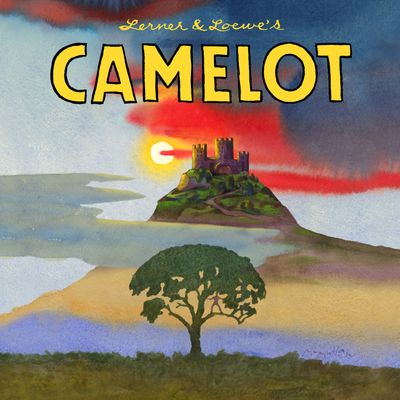
[25:42] Alan Jay Lerner: "Camelot" was inspired by the legend of King Arthur and the ideals of chivalry, while "My Fair Lady" was based on George Bernard Shaw's play "Pygmalion." Both shows delve into themes of transformation and social class.
[26:06] Paul Lazarus: They are both such iconic works. Can you tell us about some of the challenges you faced while writing them?
[26:30] Alan Jay Lerner: Each show had its own set of challenges. For "My Fair Lady," for instance, finding the right balance between the music and the dialogue was crucial. We wanted to ensure that the songs advanced the story.
[26:39] Paul Lazarus: That’s a delicate balance to strike.
[26:48] Alan Jay Lerner: It really is. And with "Camelot," we had to navigate the expectations of the audience, especially since it was based on such a well-known legend.
[27:12] Paul Lazarus: You certainly succeeded in creating timeless pieces.
[27:36] Alan Jay Lerner: Thank you, Paul. It’s always rewarding to see how audiences connect with the stories and music.
[27:46] Paul Lazarus: Speaking of music, let’s take a moment to listen to a piece from "My Fair Lady."
[28:13] ♪ Musical number: "Overture" from "My Fair Lady" — performed by the original cast ♪
[28:28] Paul Lazarus: That was beautiful!
[28:48] Alan Jay Lerner: Thank you! The overture sets the stage for the entire show, and I think it captures the essence of the story perfectly.
[29:00] Paul Lazarus: It certainly does. We’ll be diving deeper into your work in the next segments, but for now, thank you for sharing your insights.
[29:15] Alan Jay Lerner: My pleasure, Paul. I look forward to our next conversation.
[29:44] Paul Lazarus: And to our listeners, stay tuned for more from Alan Jay Lerner in the upcoming episodes.
[29:59] Alan Jay Lerner: Thank you for having me.
[30:09] Paul Lazarus: Until next time, everyone!
[30:19] Alan Jay Lerner: Goodbye!
[30:29] Paul Lazarus: Goodbye!
© Broadway Podcast Network, All Rights Reserved