

The only thing more challenging than securing a big hit on Broadway is figuring out how to follow it up with another big hit. For the team of the juggernaut musical HAIRSPRAY, that follow up was a musical adaptation of Stephen Spielberg's hit film CATCH ME IF YOU CAN... Read More
From the show: A Musical Theatre Podcast
Guests
Featured Shows
About
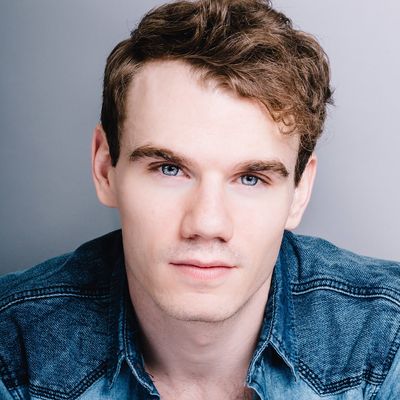
The only thing more challenging than securing a big hit on Broadway is figuring out how to follow it up with another big hit. For the team of the juggernaut musical HAIRSPRAY, that follow up was a musical adaptation of Stephen Spielberg's hit film CATCH ME IF YOU CAN. And while this story of America's famed juvenile conman may not have been the resounding success they'd hoped for, there is still plenty to sing about. This week we welcome original Broadway cast member Jay Armstrong Johnson (HAIR, THE PHANTOM OF THE OPERA) to stroll down memory lane and explore the soul of Frank Abagnale Jr, the glory of an amazing female ensemble, and... maypoles?? Special thanks to our listeners for requesting this title!
Follow Jay on Instagram @jay_a_johnson to learn about his latest projects and, just in time for Halloween, get your tickets to his annual I Put a Spell on You (benefitting BC/EFA) which will be live this year at Sony Hall!
Be sure to share "A Musical Theatre Podcast" with your friends by following us on Instagram, Twitter and TikTok! For only $1 a month, you can subscribe to PATREON! to support the show and receive bonus episodes. And don't forget about our TeePublic store, the profits from which are donated to Broadway Cares/Equity Fights AIDS.
As always, thank you for being part of this podcast community!
Transcript
This transcript was automatically generated and might contain errors.
[0:00] Frank Abagnale Jr.: Welcome to the show.
[0:30] Jeffrey Scott Parsons: I'm excited to have you here today.
[1:00] Frank Abagnale Jr.: It's great to be here.
[1:30] Jeffrey Scott Parsons: Let's dive into your story.
[2:00] Frank Abagnale Jr.: Sure, I can share a lot about my experiences.
[2:30] Frank Abagnale Jr.: It all started when I was quite young.
[3:00] Frank Abagnale Jr.: I found myself in situations that were both thrilling and dangerous.
[3:30] Frank Abagnale Jr.: The thrill of the chase was intoxicating.
[4:00] Frank Abagnale Jr.: I learned a lot about people and how to manipulate situations.
[4:13] Frank Abagnale Jr.: It was a game for me, and I was very good at it.
[4:30] Frank Abagnale Jr.: But there were consequences to my actions.
[5:00] Frank Abagnale Jr.: I had to constantly stay one step ahead.
[5:30] Frank Abagnale Jr.: It was a life filled with excitement, but also fear.
[6:00] Frank Abagnale Jr.: I had to think on my feet all the time.
[6:30] Frank Abagnale Jr.: There were moments of sheer panic.
[7:00] Frank Abagnale Jr.: But I also had moments of incredible joy.
[7:30] Frank Abagnale Jr.: The highs were really high, and the lows were really low.
[8:00] Frank Abagnale Jr.: I learned to adapt quickly.
[8:30] Frank Abagnale Jr.: It was a rollercoaster ride for sure.
[9:00] Frank Abagnale Jr.: I had to keep reinventing myself.
[9:07] Frank Abagnale Jr.: That was part of the thrill.
[9:20] Frank Abagnale Jr.: I was always looking for the next big score.
[9:30] Frank Abagnale Jr.: But eventually, it all caught up with me.
[9:52] Frank Abagnale Jr.: I had to face the music.
[10:00] Frank Abagnale Jr.: It was a turning point in my life.
[10:30] Frank Abagnale Jr.: I had to reevaluate everything.
[11:00] Frank Abagnale Jr.: It was a tough lesson to learn.
[11:30] Frank Abagnale Jr.: But it ultimately shaped who I am today.
[12:00] Frank Abagnale Jr.: I found a way to channel my experiences into something positive.
[12:30] Frank Abagnale Jr.: And that's what I want to share with others.
[13:00] Frank Abagnale Jr.: It's about redemption and growth.
[13:07] Frank Abagnale Jr.: We all have the power to change our story.
[13:18] Frank Abagnale Jr.: And that's the message I want to convey.
[13:29] Jay Armstrong Johnson: Norbert was concerned about this use of this TV variety show thing that works so well in Hairspray. I remember Norbert getting into some pretty heated conversations with Jack about what it would mean to use this device for this story and how he felt like it could maybe take the drama out from underneath it a bit by using this device. I remember it got pretty tense in rehearsal and Norbert is a genius. I love watching him work. He truly gives 110% of the room and he really drinks the Kool-Aid on every project and is super, super invested. So I just remember hanging on his every word and watching how he had these conversations and how he carried himself in the room and carried himself as a lead of a Broadway show.
It's funny how it all kind of panned out because looking back at a lot of the reviews, that was kind of where people were critical with the piece was how that device didn't necessarily pay off in the way that it did with Hairspray. And then Norbert ended up getting the Tony Award. And so it was kind of funny. That's a little, you know, behind the scenes tea that I just spilt a bit. I mean, he's right. And I think that we've learned something important here, which is that Norbert Leo Butz is always correct. The Butz always knows.
[14:54] Jay Armstrong Johnson: So you guys open in 2011. Like I said, a lot of expectation about the entire team from Hairspray and some of the cast coming back for a new show. What was the vibe? What was the feeling on Broadway? I mean, I think because like the majority of the team from Hairspray was mounting this, that they had this idea. They created this buzz around Catch Me that was super exciting and they'd been here before and they really felt like they had something special and they really did. I think where we had the wind taken out of our sails is when all the Tony nominations came out. I mean, it was such an intense year that year. It was a jam packed year. Yeah, Book of Mormon and Scottsboro Boys and Sister Act and Women on the Verge and Bloody Bloody Andrew Jackson, Priscilla Queen of the Desert, Baby, It's You.
I mean, it was such a huge year. Baby, It's You. Oh my gosh, I forgot about Baby, It's You. The other one was People in the Picture, I believe. People in the Picture, I think, was the other musical. Oh, that's right. A beautiful show that I would have loved to have seen Donna Murphy.
[16:07] Jay Armstrong Johnson: Right. Same. So, you know, when you're in the same season as the Book of Mormon, which is still running on Broadway and, you know, it's said to be the greatest comedy musical of all time, you know that it's hard. Ben Brantley needs to calm his jets a little bit with that one. But yes, I completely understand your point. So, that was hard for the whole cast, for the whole creative team. I think it was hard for Jerry and Jack and Mark and Scott and, you know, because they'd worked a decade on this show, you know, started kind of cultivating it before Hairspray was even a thing. So, I think they had a lot riding on it. But that's the biz, baby.
[16:45] Jay Armstrong Johnson: No, it really is. It totally is. And it did get the best musical nomination, which was great. Like I said, especially in a season where so many didn't get the best musical nomination. Right. But it was shut out of both best book and best score, best director, choreographer, I think. Right. That it was kind of a hard blow. How are audiences? I remember audiences being pretty receptive to it. I mean, and I was in a lot of those audiences just watching the show as like an offstage standby. But I think they seem to really love it. And of course, I hadn't seen Book of Mormon yet. And I hadn't seen Priscilla Queen of the Desert yet. So, I didn't know kind of what we were up against. But it seemed like it was working really well.
And it was beautiful to look at. And it sounded incredible. And William Ivey Long's costumes were so beautiful. And I don't know. I drink the Kool-Aid on every project that I do. But I thought it was a really special show in its entirety. It does. It feels very unique in the musical theater canon, which is one of the reasons why I really respect it. The other reason I like it is because I did a regional production of it in Southern California. Great cast, beautifully sung. Shout out. Jacob Heron played Frank Jr. and was great. I have never had so much fun in a show that I was pretty sure didn't work.
[18:14] Jay Armstrong Johnson: Yeah. Does that make sense? And I mean that as like the best compliment ever. I had so much fun in the show. And I also was totally aware by the audience's reaction that it was a little mixed. For sure. I know exactly what you mean. I think anyone that has ever done Cats before feels the same way. Like it's super fun on stage to pretend to be a cat and to like dance those moves and sing that. That is some powerful Kool-Aid for sure. But like, you know, the audience is maybe not necessarily enjoying it as much.
[19:02] Jay Armstrong Johnson: At the same level. Yeah, they may be enjoying it. But there's no way that the immersive experience that you're experiencing on stage is matched. Right. Yeah. I mean, living in the show, living in the sound of the show, the style of the show, like there is a lot of wish fulfillment. And I just had a freaking blast. So I think that it may have even more fans because of that. I think so too. How do you feel about all of the movie turned musical adaptations? Because sometimes, and this is purely opinion, sometimes I reserve my judgment because back in the day, the musicals were adapted from plays or books, and now they're adapted from movies. So like, it doesn't bother me. But then every once in a while, you're like, okay, did they just get a list of properties that somebody already owned and then like chose which one they could maybe musicalize? You know what I mean? It's kind of a taste thing. But what do you think?
[19:56] Jay Armstrong Johnson: What I'll say is like, I'll reserve my judgment until I see the show. Amen. What a great. Yes. Yes. That is awesome. I love that. I love the idea of new musicals and new ideas. And those are so hard to come by these days. But you know, it's show business. And there's got to be some sort of commercial reason to put something on Broadway because, you know, 5% of musicals really become a success. So, you know, I get it from a producing standpoint to kind of take an entity that is well known throughout culture and taking movies is a great way to do that. And I think some movie musicals are better than others. You know, I think that Catch Me If You Can is a fantastic musical that maybe missed the mark a little bit and was in a hard season.
You know, Book of Mormon hadn't been around. Who knows? Catch Me If You Can maybe would have gotten the best musical nom or taken home more Tonys. But yeah, I'm working on an adaptation of The Great Gatsby right now because that property just became public domain. And of course, I have the Baz Luhrmann film so deep in my head because I just I love that film. But I've loved the book since high school. So it's fun to be a part of a process currently where I'm watching a creative team take a property that is so well known and turn it into a musical. It's a brilliant idea, but just show me what you got and see if it can be elevated in a musical format because sometimes stories don't necessarily work as well in a musical format. It just depends on that creative team. It really does.
[21:34] Jay Armstrong Johnson: Well, we will talk about this adaptation as we go through the story, which I'm really excited to do. So let's start at the top, shall we? Yeah. All right. So right at the beginning, we're in an airport. It's 1960s and Frank Abagnale Jr., who's this con man, is being cornered by some FBI agents in the airport. And the main FBI guy is Carl Hanratty, who, by the way, not not the actual name of the guy who was always chasing Frank Jr. I didn't realize that guy's name was Joseph. Wait, I even pulled it up. Joseph Shea. Shout out Joseph Shea. They changed his name for the book. Was it or was it the movie? I don't know. I'm pretending like I know and I simply don't.
[22:25] Jay Armstrong Johnson: So we got Carl Hanratty who and his team of goons who have Frank Jr. cornered. And Frank immediately starts kind of twisting details here and there to try and split their attention, to try and distract them. And Hanratty immediately calls it out and says, don't fall for it. He's doing his tricks. He's trying to put on a show. And that phrase is all that Frank Jr. needs to realize, oh, my gosh, he's absolutely right. It's time to put on a show. It's time to tell my story. And he promises Hanratty, if you let me tell my story, we'll get real. Hanratty very reluctantly agrees and the stage comes to life in this 1960s variety show type experience, the kind that Donnie and Marie had, and Sonny and Cher, all of those great variety specials.
So like you mentioned, there's this device. And I agree a little bit with Mr. Butz because at some point in the stage musical of Catch Me If You Can, I almost feel, and by the way, book written by Terrence McNally, so like who the crap am I? I just get this feeling that the show feels a little trapped by the device, that it was decided upon, that they were really excited by it. But then in the minutia of trying to justify it for the entire show, it starts to get a little trapped.
[24:06] Jay Armstrong Johnson: And this opening song is called Live in Living Color. Great opening number. It is a great opening number.
[24:14] Jay Armstrong Johnson: So you got to rehearse it a lot, I assume. Yeah, I mean, we had understudy rehearsals, I think once or twice a week. And so I even got to do it on stage a few times. And there was one tech rehearsal, actually, that they gave Aaron the morning off. So I got to step in and they were teching Jet Set, actually. And there's this incredible moment where Frank Abagnale Jr. gets to come up on an elevator from below the stage level, and he has his pilot's uniform on. He gets to turn around and have a solo. So I got to actually do that on stage with full tech. And so that was probably my favorite part of the entire experience. And I remember in the middle of me doing Frank's verse, I saw Aaron come in through the back at the back of the theater. He was watching me. I got super nervous. That was the only time I really got to grace the stage with tech and lights and sound and all the other characters.
[25:09] Jay Armstrong Johnson: Dang. Well, okay, I'm already pausing in the middle of the story. But do you like that? Do you like the standby life? Or is it this constant churn of anxiety?
[25:22] Jay Armstrong Johnson: Yeah, it's a tough life. I was semi good at it because I've studied theater and I've come from a dance background. And I loved doing it. And I love that part of my brain, but it's absolutely stressful. And it's a hard gig. It's people chilling and waiting for their moment and having to be ready to step in at a moment's notice. And it really takes a specific human to do that kind of a job. And most of my friends that are understudies in swings love it so much that they want to be that. And I did not.
[26:02] Jay Armstrong Johnson: Well, that's great. What do you think is the detail that makes you want to do it? You know what I mean? What's the?
[26:07] Jay Armstrong Johnson: Yeah, I think the monotony of an eight show week is also daunting. I mean, doing Phantom of the Opera on Broadway for a year and a half was lovely and an incredible experience. But it's so hard to step on to a stage nine months into a run and do the same thing over and over and over again. And you're just hoping someone screws up a line and something goes weird tech wise, so it feels like something new. So someone please barf in the audience, just anything, anything, literally anything just to make our lives fun. So I think that the swing understudy is that person that thrives in the non monotony of it. The unknown that you could walk in and you could have the night off or you could be the leading player in the entire show. And either way, you're good. Or Covid takes out three of your cast members and all of a sudden you're doing a split track and you're doing two different tracks all at once.
[26:59] Jay Armstrong Johnson: Oh my gosh. It's a whole world. Yeah, that's crazy. That's crazy. Yeah, for sure. Okay, so now we're in the show. Frank is telling us his story live in living color. We go back in time to when he's a young lad, even younger lad, shall we say. He grows up in New Rochelle, New York with his parents, Frank Sr., who, I mean, is just the tree from which he fell. A con man in his own right, but just incredibly charismatic and interesting. Played famously by Tom Wopat. I mean, I love the Wopat. I love the Wopat. He is wild. He is that crooner. He is that laid back jazz dude. He's just a dude's dude. He was so funny and so ridiculous to work with. I love that guy. I think he has such a cool voice. Yeah, for sure.
Actually, this kind of goes across the board because it's the same with Norbert. Amazing character actors that sing much better than they ever deserve to. Oh, for sure. You know, like the wild and crazy choices that they're making and yet are completely in control of their instruments. It's really inspiring. For sure. Frank Sr., I mean, he's such a con man that he kind of conned his way into a marriage with Paula, who is the mother. She is of French descent, and they met during the World War. And, I mean, she married him without him even speaking any French. You know, like this is how charismatic he is. And Frank Jr. has this vision of those two always dancing. Like as long as they're dancing, there's something romantic about their relationship while ignoring the realistic elements of the dysfunction of his household.
Right. I mean, which we all do as children. We buy into the fantasy of it. But I say that because it's so important. That fantasy is really what fuels Frank Jr.'s entire story. Yeah, it feels the conceit of the show, you know, for him to kind of fantasize his life in these 60s TV specials. I think that's how it could have worked. I don't know what the piece was that was missing, because it is actually a beautiful conceit. And the fact that he is a con man, he pretended to be a pilot and he pretended to be a doctor. And so this idea of stepping into roles that he not actually is to create this fantasy world is actually really smart. I just don't know where it went wrong. It was just like slightly off.
Yeah. You can analyze it to death. No, no, it's so true. It works when it's from Frank Jr.'s standpoint. When the story starts going more into Carl Hanratty territory, then it doesn't make any sense. Right. That's so true. So if it was just a Frank Jr. story about him trying to find a father figure, and he thought it was Frank Sr. and it just ended up being this FBI agent who was trying to nab him, then I think the conceit works. Yeah. Maybe if there was more like other meta scenes that took us out of the world of the play and into Hanratty, Frank Abagnale Jr. land, and then Frank's like, well, now you've got to tell your story. You know, there was just a thread missing that didn't tie the rest of the cast into that television special world.
Yeah. Yeah. You're so right. Also, shout out to Rachel DeBenedet, who played Paula and that gorgeous French accent. She slayed it. Yes. I love that. The song that Frank Sr. teaches Frank Jr., he has a lot of lessons throughout this show, but the first one is The Pinstripes Are All That They See. And this is all about which baseball team? Once we get into sports, I'm out. It's the Yankees. Is it the Yankees? The Yankees had pinstripes on their suits, right? And Frank Sr. says that that's the reason that they won, is that when the Yankees ran out onto the field, everyone was mesmerized by the pinstripes that they couldn't even, you know, play the sport. So that is the symbol or the metaphor that he's trying to teach his young son, which is the details don't really matter as long as you're giving the people what they want.
Which I mean, is there anything more American? For sure. It's a fake it till you make it. It's a give them the old razzle dazzle. It's a dress it up and pretend to be something and they'll fall for it. Another reason why this show works really well as a musical. I mean, it falls right in alignment with The Music Man and Barnum, you know, all of those quintessential American stories. Yeah. 110 in the Shade as well. Yeah, for sure. Have you ever done that show? You'd be great in that show. I did it in college. Actually, I played Jimmy and I had so much fun. Are you a Midwest boy? Are you East Coast? I'm from Tick, Tittany. I'm from the South. You are not. Where in Texas? Fort Worth. Oh, get out of here.
Okay. Sorry, listeners, you're gonna have to listen to me talk about my mission again. I served a mission for my church in Texas, Fort Worth. No way. Yes, ma'am. That's wild. Where in Fort Worth? So when I was there, the Fort Worth area was enormous. It went all the way out to like Albany and into like Tucumcari, New Mexico, all the way down to Ozona. I don't like just huge, huge area. So I spent my first year in like the West. And then the second year was Fort Worth. I was North Side for about six months and then I was South Side, which included downtown. When was that? Great place. Let's see, I was there. This is gonna date me. I was there 2001 to 2003. I was there. I was in high school, hon.
You were in high school? Where? Like Hearst? Where did you live? I was Fort Worth proper. We lived in like West Fort Worth up towards like Aledo, but still in Fort Worth because Fort Worth's huge. It's like the 12th largest city in America, which is wild to me. But then I went to, I ended up graduating from the Fort Worth Academy of Fine Arts. So I was a dance major at a fine art school. Yeah. I remember. So like on your mission, you can't really take in any media whatsoever, but I was given a tour of Bass Hall while I was there and I walked in and just like felt so just everything. I felt everything. You heard the angels sing. It's the most gorgeous place. Because there's literal angels trumpeting on the side of the building.
Yeah. Yeah. I got lucky because all of the shows that I did through Casa Mignogna all got produced at the Bass. So all of my professional jobs that I did as a 13 to 16 year old, 17 year old were in that. My heavens. Yeah, it was wild. It's a great facility. Anyway. Okay. So back to Catch Me Up again. Frank Jr. takes on this con man type view of the world. I mean, there are so many little great scene lets that get stuck in here, whether he is pretending to be a substitute teacher at his school because he speaks French, thanks to mom, or he's sneaking his way onto trains by pretending to have a train ticket. I mean, there are just so many little great moments. This is all told in, I mean, another great bop someone else's skin right here at the top of the show.
It's just boom, boom, boom, these numbers back to back. Yeah. Well, and that was the straw that breaks the camel's back is that Paula and Frank Sr. getting a divorce question. That's true. That is true. That's one of the little scene lets is like, and it is rough, too. I always felt like this scene would be very triggering for many people watching where they're in a courtroom, and they keep telling Frank Jr. to like choose which parent he wants to live with. Wild. So he runs away. He's like, you know what, I choose none of you. I'm going to go off and be on my own. Yeah. Fake it till I make it somewhere else. Exactly. Yeah. And being someone else's skin. That's right. So he learns how he soon learns how to create fake checks.
Remember checks? Remember? Good times. And in doing so starts living in the process of creating those checks. He one day sees some stewardesses who are getting off of their job on an airline. And I mean, Frank Jr. is a little horny as well. I mean, who's not? Humans. Humans. So he decides, well, in order to hang around the stewardesses, I am going to pretend to be a pilot. How many, how many straight boys have found themselves in musical theater because of this very thing? He fakes his way into a co-pilot occupation by, like everybody has to have a certain, I think for safety, kind of like standbys. He's kind of the standby. Right. For sure. And I mean, luckily, no people were harmed in the making of his pilot career.
I mean, fake those credentials, though, like, my God, he was a mastermind. Yeah. And this is the fact this is based on a true story is like, it's wild and wild. Yeah. Of course, he goes and ends up working for the FBI because he's the best at being a con person. So now he's going to be the best at catching the con people. Exactly. Exactly. I put the cart before the horse. No, no, no. I'm right here at the beginning. We all know. We all know this song Jet Set. Another great. Okay. So can we talk about your ensemble of women in this show? Oh, my God. The ladies in that ensemble are one, the kindest, two, the most talented, and three had like hundreds of Broadway credits between all of them. I mean, just to name a few, we talked about Sabrina earlier, but Sarah Strimmel was like a Jerry Mitchell girl.
And also Rochelle Rack is iconic from that. Every little step. Yeah, every little step. And Fossey. Katie Webber is like one of the more beautiful creatures on this planet. Angie Schwoer, who just played one of the leads in the prom musical not too long ago. So they were all so amazing. And I think Jerry's work with them was really fun. And it gave you what you wanted in a musical. Those, you know, who doesn't love a long legged lady? And it very easily could have felt exploitative. For sure. But it honestly felt showcasing. I think so. Because it's one of the things that maybe hasn't aged well about this story is how, you know, woman hungry this character is. And so it is all about, which honestly, when I heard that Jen did the show in high school, I'm like, wow, really?
But the idea, and I think this goes a lot to Jerry, is that these women were showcased for being incredible creatures to be celebrated rather than exploited. Yeah. And triple threats. You know, it's not often that an ensemble gets such featured characters and roles and moments. It's genius. Yeah. Now let's go to Carl Hanratty. See, so now we have to go to the other side of the story. And I think that this is when the device is like, how do we justify this? Carl is looking for this guy who keeps forging all of these checks, right? Because obviously, the checks are bouncing eventually. And Hanratty figures out that this huge problem can all kind of go back to one individual. And I know I've criticized a little bit, but like shout out to Terrence McNally for figuring out a way to communicate to an audience in a theater about all of these things that as a citizen of the United States, I have no knowledge of whatsoever.
Right. It's pretty clear. Yeah, it's a tough story to tell when you can't actually see the devices in front of you and how the checks are being printed and what. Yeah, that's it gets into like documentary feature moments. Yeah, exactly. You know, without and talking about the tiniest little details that like an audience, even in the front row, isn't going to be able to see. Right. So no small feat there. Hanratty is how would you describe him? What kind of a what kind of a character is this guy? I think that Hanratty and Frank Abagnale, Jr. are like foils on the same path because Hanratty is a workaholic, right? He's so so hell bent on catching bad guys. I mean, don't break the rules. That's his entire life's work. It's what keeps him.
[40:29] Jay Armstrong Johnson: You know, that's that scene, the Christmas scene where he actually finds out that Frank is a kid. You know, the fact that he's working on Christmas Eve, I think that that's kind of where Hanratty like ticks. Right. So as Hanratty is ticking. Speaking of somebody who thrives on consistency of doing eight shows a week, Carl Hanratty would be an amazing Broadway performer because he would never get bored of doing the same thing and doing it exactly by the letter of the law. He'd never call out, just like Aaron Tveit. His standby would never go on. Bless that standby card. Right. I mean, and then there's a joke at the end of the show that Frank says, "Are you going to finally take some time off, Hanratty?"
You know, so yeah, that thread is throughout the course of the show of his workaholicism. Let's talk about some of his songs that he gets. So "Breaking All the Rules." I mean, one of the showstoppers in the entire show. Such high energy from a character who seemingly has no energy and also surprisingly difficult to sing because it just keeps getting higher and higher. I mean, it really is why he won the Tony and more power to him. Yeah, it is the showstopper. I mean, I think that there were a few nights that there was a standing ovation after that number for Norbert and that ensemble after that number. And it was the number that we did on the Tonys. And I say we because I asked Jerry if I could dance with the ensemble at the Tonys and he let me.
Yeah, I didn't know that. That's awesome. So you actually go back and watch the Tony performance. I'm like directly up center of Norbert the whole time because that was the only blank space on stage in the pattern. So I'm actually dancing with the ensemble that entire time. We're posting it. We're going to look for it. Nice. Yeah, I mean, it's an incredible tune. It's so witty, of course, because, you know, Mark and Scott's lyrics always slap. Always, always. These lyrics are just the most clever things. And it's really fantastic choreography. Yeah, I mean, that's one of when I go and teach dance masterclasses wherever. That's one of my go-to dance classes I teach is because it's so high energy, but it's not like triple pirouettes into like a cooter slam.
You know, it's all very character-based choreography that like really any level can do. It's just the quickness of executing the movement that's actually the hard part. But it's genius choreography by Jerry. How fun. Another one of Hanratty's songs, "The Man Inside the Clues," which is about as film noir as we get. Because if we're looking at this as a special, then Hanratty's section goes very like "The Big Sleep." You know, it goes very film noir. For sure. That's where he's finding all the clues. He's finding like "The Flash." What are you holding up right now? OK, so when I booked "Catch Me If You Can," I, because Frank Abagnale Jr. is obsessed with "The Flash" and with comic books in general.
And like, that's not my bag. So I actually bought these like Flash books so I could kind of... Oh, that's adorable. Yeah. So I've had these for over a decade now and I would like just got them off my shelf when I knew we were going to have this meeting. So cute. Barry Allen himself. There it is. That's awesome. So that's where Hanratty's like finding "The Flash" comics and finding like a jar of open peanut butter and being like, you know, like, what is what are these clues? Like, who is this man? Why does he wear shoes that don't match? Does he have a child? Exactly. No, he is a child. He is a child. That is something that constantly escapes my brain is how young this kid is. I think he started conning at like 17, right?
Yeah. And apparently there have been a lot of investigations since the book came out and it became a movie and musical and everything about how much of that story is true, because you better believe if Frank Abagnale Jr. was a con person, con man, then that didn't stop when he became a writer. So a lot of these stories have been exaggerated for sure. One of them being the time that he spent in jail because he was in jail at like 17 for a little bit because he had stolen a car or something like that. But like you said, starting really, really young here with this life. For sure. One of the other little lessons that I think takes him to this place of just sheer ambition and unapologetic conning is "Butter Out of Cream," which is one of those classic songs.
This could have been recorded by Frank Sinatra. Yeah. And I think the dialogue between Frank Abagnale Jr. and Frank Abagnale Sr.'s verses is like, "Hey, dad, this is your verse." And he's like, "I'm not going to sing." He's like, "No, this is a duet." Right. Like a Sammy Davis Jr. Yeah, totally. It's such a great story, too. The idea is that this mouse falls into a bucket of cream and the mouse is like, well, either I drown or I swim so fast that I churn the cream into butter and then crawl out. Right. Once again, that kind of scrappy American outlook on life. Yeah. And the fact that it's happening between father and son after the kind of FBI investigation of it all, you know, it's like, yeah, his father is aware that Frank's gone off and become a con man.
And so instead of being like, turn yourself in, son, he's saying, all you got to do is turn that butter into cream. Like, see this out. Keep going. Exactly. Like, good work, son. The pinstripes. You're doing the pinstripe thing. Way to go. He's yes, adding him. He's like, you got the pinstripes. Now we're adding some butter and cream. For sure. Like you mentioned earlier, the first act ends with Carl Hanratty realizing who he's chasing, which is a little kid. And Frank, I think, is also feeling lonely because at some point, and correct me if I'm wrong, because heaven knows you played this dude. He realizes what he's chasing is that fantasy of the family that he never had. Right. And yeah, his only connection to a human really while he's on the run is this FBI agent that's like trying to find him.
And so the father-son dynamic then turns to the FBI agent, you know, and I think that's where it actually gets the story gets really deep and emotional, especially in that scene because it's around Christmas time. And if you've ever been alone on a holiday like Christmas, like which I have before, I mean, that kind of deep longing and loneliness that you can only feel on a holiday where you're supposed to be with your closest. You know, it's a really great moment that kind of, I think, turns Hanratty as well because at first he's going after an adult man who's a bad guy. And you don't break rules. And now he's going after a child whose parents have split up and he's, you know, running from the reality of his life.
So yeah, and it's just as lonely as he is, for sure. Yeah. And then you get these two foils that are very, very lonely in their own worlds and finding each other through these wild means. It's really compelling. It really is. I'm ready to see this thing. It's great. So Act Two begins, and now we've kind of left the pilot life behind. Unfortunately, that doesn't mean that he's on the straight and narrow. Frank Jr. instead has now decided to take more lives into his hands by pretending to be a doctor. In New Orleans. In New Orleans. And why did he do it? Not because of stewardesses, but because of nurses. That's right. Cue "Doctor's Orders," which the orchestra starts, and it sounds like the beginning of "Son of a Preacher Man."
For sure. So each of these songs is inspired by some pastiche of 1960s music. And this one, I think, is my favorite. It's so locked into what it is, but also is really exciting and is its own thing. Yeah, I loved it so much because it was kind of the one moment in the show that Jerry kind of allowed for more of a contemporary spin in terms of the movement. And so our dance captain Nick Kenkel, who comes from more of the contemporary hip-hop world, actually helped Jerry form this number. And so the movement is a bit more hip-hop focused. Oh, interesting. And I loved it because I love hip-hop and I love music videos and I love that genre. But I couldn't tell if it was taking away from the story or if I was just loving it because I'm a pop culture fiend.
But it is definitely one of my favorites to watch on stage, for sure. That is interesting. I gotta say that it's one of the only up-tempo numbers in the second act because we start after "Doctor's Orders," which features so much great belting and great harmonies and everything. By the way, John McDaniel, your musical director. I love him. Incredible. That orchestra just sounded so amazing, as did all of you. After "Doctor's Orders," we really go into this ballad-heavy second act. I mean, one after the other. First up is "Don't Be a Stranger" for Paula, the mom, which, oh my gosh, it's so sad. It's so sad, Jay, that these parents, when Carl Hanratty goes to interview them about where Frank Jr. might be, they don't ever say, like, well, if you find him, tell him I love him.
Right. They say, when you find him, tell him to not be a stranger. That's as much as they can give. No wonder he's out searching for love and connection. These two parents talk about having a child when you're not ready to have a child. Just poster children for parenting for all the wrong reasons. America, hon. The sanctity of marriage. That's right. Then, in addition to "Don't Be a Stranger," you have "Little Boy Be a Man." Oh, that one's kind. I mean, that one's fun. Yeah, that was a good one. Hanratty and the dad kind of talking about how terrible their fathers were. Yeah, that like toxic masculinity that kind of sets a lot of men on a certain course in life. I mean, I have a little bit of that in my life growing up in the South, and I believe the words "suck it up" were said to me on many occasions by my southern father, you know, so I fully... Texas.
Yeah, right. Texas forever. Sorry, suck it up. It is what it is. Maybe who I am today. That's right. And you can kick your face because of it. That's sucked it up. That's right. Frank Jr. meets one of the nurses and really falls in love with her. Her name is Brenda Strong, infamously played by Amy Adams in the movie version and infamously played by one Kerry Butler. Yeah, another Mark Shaman stalwart team member for sure with a voice like an angel. The song that Frank Jr. sings to Brenda to really kind of drive home how much he loves her is complicated. He basically says, you know, I have seen the most beautiful things in the world. And you are not that. Yeah, because she's like, why? She's like, why are you in love with me?
I'm just I'm so plain and ordinary and ordinary. He says ordinary is beautiful. Whatever they they're in love. And gorgeous song. I mean, and the sentiment is beautiful. The sentiment is beautiful. One hundred percent. Then she takes him to meet her parents because now they're going to like get engaged like he is ready to give up the con life and settle down with this girl. And Hanratty is not willing to let him go just that easy. He can't just pretend that he didn't break the law consistently over all of this time. Right. Is that where we hit "Family Tree"? Is that that wild? So then Brenda and Frank Jr. go to meet the family and they sit down to watch kind of like a Lawrence Welk show type thing on TV and start singing the song called "Family Tree."
[53:58] Jay Armstrong Johnson: Brenda's parents, Linda Hart, original Miss Baltimore Crabs. That's right.
[54:03] Jeffrey Scott Parsons: And I think Nick Wyman was the president of Actors Equity Association at the time. So he was really president. Yeah. Oh my gosh.
[54:12] Jay Armstrong Johnson: That's crazy. That's a wild number. I mean, it's exciting because it's got like the New Orleans jazz band feel, which is very cool.
[54:21] Jay Armstrong Johnson: Like the staging of that number with like the maypole and the ribbons, and it was all very busy, and I never quite understood.
[54:32] Jeffrey Scott Parsons: There was a maypole? Oh my goodness, it was truly wild.
[54:36] Jay Armstrong Johnson: I didn't really know what they were trying to do with it, but you know, they're trying to make it like a New Orleans, you know, jazz band extravaganza moment. Interesting is wild, but what it—I mean, the purpose of it is it's once again giving Frank Jr. the family he never had.
[54:52] Jeffrey Scott Parsons: Yeah.
[54:53] Jay Armstrong Johnson: And I think that that's where Mark and Scott do a really good job of taking this TV special and trying to find ways to forward the plot as opposed to just make it a performance because that's what Norbert was talking about in the rehearsal process. It's like if you take this very dramatic story and like just place a television film musical performance in it, you're taking out the kind of drama. And so this is one of those moments where they were kind of helping to forward the story by showing this like family that's growing and this love that's forming between these people before the, you know, the final shoe drops for Frank.
[55:31] Jeffrey Scott Parsons: Yeah, I get that.
[55:35] Jay Armstrong Johnson: This great celebration in Maypole apparently are interrupted by Hanratty finally being able to track down Frank because he says they always make a mistake, and the mistake was that their engagement was announced in the newspaper. And so he's able to track them down. Frank has to like crawl out the window and leave and assures Brenda that he loves her. She asks him his actual name. She's devastated that he's not actually a Lutheran—one of the funniest lines in the show.
[56:10] Jeffrey Scott Parsons: And after he leaves...
[56:14] Jay Armstrong Johnson: Promising that they will be together, she sings "Fly Fly Away."
[56:18] Jeffrey Scott Parsons: What did you say? What do you say? It's a—this is like a perfect song. It's perfectly constructed once again, taking some sort of niche part of 1960s music. This sounds like a Carole King song for sure, and those backup vocals are like butter.
[56:34] Jay Armstrong Johnson: I mean, Carrie soars. I mean, the key change at the end is so good. I mean, it really is a great, great feature, and it's just Carrie standing center stage and doing what she does best. Love that song.
[56:48] Jay Armstrong Johnson: So now after "Fly Fly Away," we're back at the airport, and Carl says, "Alright, story's done. So now that you had the chance to tell this whole audience your story, it's time to pack it up." And that's when Frank Jr. sings "Goodbye."
[57:05] Jeffrey Scott Parsons: Explain this to me—how it was staged.
[57:08] Jay Armstrong Johnson: What's wild is that—and I might be analyzing this incorrectly—but it seems like "Goodbye," that conceit around it was like, "Okay, we're stopping this. We're stopping the show." Like this is where Frank Abagnale Jr. is stripping away all of the lights and the glitz and the glamour facade of it all.
[57:29] Jeffrey Scott Parsons: So like the ensemble wasn't in it?
[57:35] Jay Armstrong Johnson: Oh yeah, really, 'cause it's such a big sound. I'm like, there's no way that it would just be him, but it is just him.
[57:39] Jeffrey Scott Parsons: Yeah.
[57:40] Jay Armstrong Johnson: And like, you know, a lot of the set does fly away, and you end in kind of like a work light environment at the end of the song for the final moment between Hanratty and Frank to be finally taken in. And can I mean, talk to me about singing "Goodbye"? Like, be honest, is this just where your voice lives? Are you like good there?
[57:59] Jay Armstrong Johnson: Um, 'cause I don't think I would ever be good there. It's maybe one of the hardest songs I've ever had to sing, and I have had to sing this on a few occasions. I did a couple of like press events that Aaron couldn't show up to at like JFK Airport, and am I saying how—I'm just saying it—there's like a cabaret at 54 Below where I sang "Goodbye," and I actually sang it during the pandemic for this thing called Quarantine that was raising money for Broadway Cares. So, uh, it's a song that does keep coming back around when they ask Aaron if he wants to do it. He says no, then they come find me. But it's—it was way harder as a young 20-something in my voice. Now that I'm a little older and my voice has matured a bit, it is kind of within my wheelhouse. I can kind of live up there. I have a lower register. Aaron's voice sits in that like tenor timbre. I mean, like the most incredible—I mean, "Alive" from Next to Normal. I mean, yeah, that's just—yeah.
[59:02] Jeffrey Scott Parsons: But you know, I have a great voice teacher that I've been working with for a really long time, and I do love that it's an 11 o'clock number, you know? It is another showstopper, and it's again genius composition by Mark and Scott. Stylistically, what do you think they're drawing on there?
[59:20] Jay Armstrong Johnson: Man, I can't quite figure it out. 'Cause it all—it almost doesn't sound 60s. It might be the one song that it doesn't feel squarely from that time because you've got that like electric guitar. And I may be totally inventing something here, but my idea was maybe it's the one song that's a little more future because it's about saying goodbye to the past instead of him living in this, you know, sound of the 60s of this era, and he's like breaking out of it. And so it may be going to maybe more of a 70s sound, maybe a little bit of Bee Gees in there. I don't know.
[59:59] Jeffrey Scott Parsons: Yeah, that's kind of what I was thinking. Is that like look to the future, forget about the past kind of sound, which I'm on board with.
[1:00:07] Jay Armstrong Johnson: Sounds right to me.
[1:00:10] Jeffrey Scott Parsons: Okay, cool. I like that.
[1:00:13] Jay Armstrong Johnson: Done.
[1:00:16] Jay Armstrong Johnson: I mean, when was Frank Abagnale caught? Just googled it.
[1:00:18] Jeffrey Scott Parsons: He was arrested on Valentine's Day 1969. So we are on the press. We're on the 70s.
[1:00:25] Jay Armstrong Johnson: Yeah, so I guess, you know, we could probably find some more guitar, you know, 70s sounds in there. Way to go, Mark and Scott. You did it. They done did it.
[1:00:36] Jay Armstrong Johnson: The show then ends with like these two foils, like you keep saying, and I love that, finding themselves and finding a connection. Dare I say like a catharsis by knowing that they went through this together. It reminds me—okay, this is crazy that I'm about to bring this up. I did not expect to talk about Andre Agassi on the podcast about Catch Me If You Can, but Andre Agassi, famous tennis player, wrote an autobiography, and in it he talks about like the craziest match he ever played. And I can't—I honestly can't even remember who won, but like after that match, which was just hours and hours and hours long, they were both in the locker room area to wait for the trainers to come and work on them, and they're both laying on the table, and they like have tears in their eyes, and they like reach out and touch each other because like they went through it, and they're the only other person that would know what it was like to go through that.
Even though they were against each other the entire time and were trying to be the winner, the only other person who knows exactly what happened was that person. And I feel like that's what's happening here is like this has been such a journey, and the only one who really knows is the one that you're exactly against, right?
[1:01:55] Jay Armstrong Johnson: It's the—I mean, Hanratty's supposed to be at the top of his game. He's like the smartest guy in the room when it comes to like finding the bad guys, and then the bad guy's at the top of his game, the smartest in the room when it comes to conning people. So it really are these two humans meeting at the end.
[1:02:14] Jeffrey Scott Parsons: Yeah, and how it goes is Frank says, "Well, how do we end this?" and Carl says, "We'll do it your way." Let's do it your way with the musical number. They do a song called "Stuck Together," and then like at the end of the song, they kind of like break the fourth wall—not that I hadn't been broken because we're in a TV special—but they kind of give like Frank Abagnale Jr. served seven years and was released for good behavior and then came and worked for the FBI, and now we're partners. We're stuck forever together now, which is strange, but true.
[1:02:44] Jay Armstrong Johnson: And that is strange. Truly strange.
[1:02:50] Jeffrey Scott Parsons: Strange, and America now works for the FBI.
[1:02:56] Jay Armstrong Johnson: Thank goodness he was white.
[1:02:58] Jeffrey Scott Parsons: There you go. That's correct. This would be a very different story.
[1:03:03] Jay Armstrong Johnson: America, man. Wow, such a crazy story that somehow feels like it could only have happened here and in this time period. And so what a cool way to take advantage of that by using music that could have only happened in this time period. It's really fun to revisit. I like this show a lot.
[1:03:27] Jay Armstrong Johnson: I do too, and I've been chasing—I mean, you know, I'm getting a little long in the tooth for it, but you couldn't so do this. I've been chasing the show. I mean, I've still never performed the role, and it's been this like over a decade's long need to actually fulfill that.
[1:03:41] Jeffrey Scott Parsons: It has now become the mission of A Musical Theatre Podcast to get you cast.
[1:03:49] Jay Armstrong Johnson: That's great. Thank you. Production. The guy was in final callbacks for Newsies when I went to Broadway, and I had done like a workshop of it before it went to Paper Mill, and then I didn't get it 'cause Jeremy Jordan got it because Bonnie and Clyde closed. And so like I have a really great relationship with the Muni in St. Louis, so when they did Newsies, I like begged for the role, and they let me do it. So I'm kind of hoping that the Muni will just produce Catch Me If You Can 'cause it's a huge venue so my 35-year-old ass could maybe pass as a 17-year-old from a mile away.
[1:04:22] Jeffrey Scott Parsons: How tall are you? You're a tall dude, aren't you?
[1:04:27] Jay Armstrong Johnson: I'm like 5'9". I'm like very really average.
[1:04:31] Jay Armstrong Johnson: Yeah, which is hilarious because I was—while doing Catch Me If You Can, I was really nervous that I was like two, three inches shorter than Aaron, so I asked William Ivey Long if he would put like risers in my show shoes, and he said, "Yeah, I will do that." But just as a lesson, if you carry yourself like you're tall, people will think that you're tall, which is this like life lesson I took from William. I really like—and you know, I'm a queer kid. I was raised in the South in the 90s and early 2000s, and so I very much like protect my heart and hide, and I have kind of bad posture. So that in my early 20s to kind of be told by this like stalwart of musical theater costuming that like if you just hold your head high and walk into a room like you own it, very much like Frank Abagnale Jr. did his entire life, then like maybe you won't need those lifts. So that was just kind of a life lesson from William Ivey Long.
[1:05:28] Jeffrey Scott Parsons: That's beautiful. That's great. That's a great way to end this. Jay, thank you so much for doing this. This has been really, really fun. I've loved hanging out.
[1:05:36] Jay Armstrong Johnson: As always, if you have recommendations for shows that we cover on A Musical Theatre Podcast, just like Jen and Aaron, feel free to email me at amusicalpodcast@gmail.com.
[1:05:47] Jeffrey Scott Parsons: Don't forget to follow us on social media, Instagram, Twitter at A Musical Podcast. We're also on TikTok. We have Patreon! Where for only one dollar a month, you can receive bonus content and support the show. Don't forget about our TeePublic store, which has listener designs and lots of great stuff. All the profits we receive from that go to Broadway Cares/Equity Fights AIDS. More than anything, you all know I love you, and I'm so grateful for this podcast community that I am a part of.
[1:06:13] Jay Armstrong Johnson: Hey, Jeffrey, how do we follow you and what's going on in your life?
[1:06:24] Jay Armstrong Johnson: You could follow me on socials at J-underscore A underscore Johnson because I want to make your life terrible. I also am producing "I Put a Spell on You" live at Sony Hall, which is a Halloween musical extravaganza party celebration, which benefits Broadway Cares/Equity Fights AIDS, and that's going to be on October 23rd at Sony Hall. Tickets will go on sale very soon, so come get spooky with us.
[1:06:52] Jeffrey Scott Parsons: Amazing. Thank you again for doing this. Thank you for sharing all of your experiences, and can't wait to see what's next for you. You're awesome.
[1:07:03] Jay Armstrong Johnson: Hey, thanks. You're awesome. Everybody out there, thank you for listening, and remember...
[1:07:06] Jay Armstrong Johnson: Norbert Leo Butz is always right.
© Broadway Podcast Network, All Rights Reserved